Week 12 Challenge
Aim
creation of a proper ejection system with ejector pins and plates, runner and gate system, air vents and cooling channels for the mold.
Ejection system
The ejection system in molding refers to the mechanism used to remove a finished plastic part from the mold cavity. The ejection system consists of ejector pins, which are located on the ejector plate and are used to push the part out of the mold cavity once it has been formed and cooled
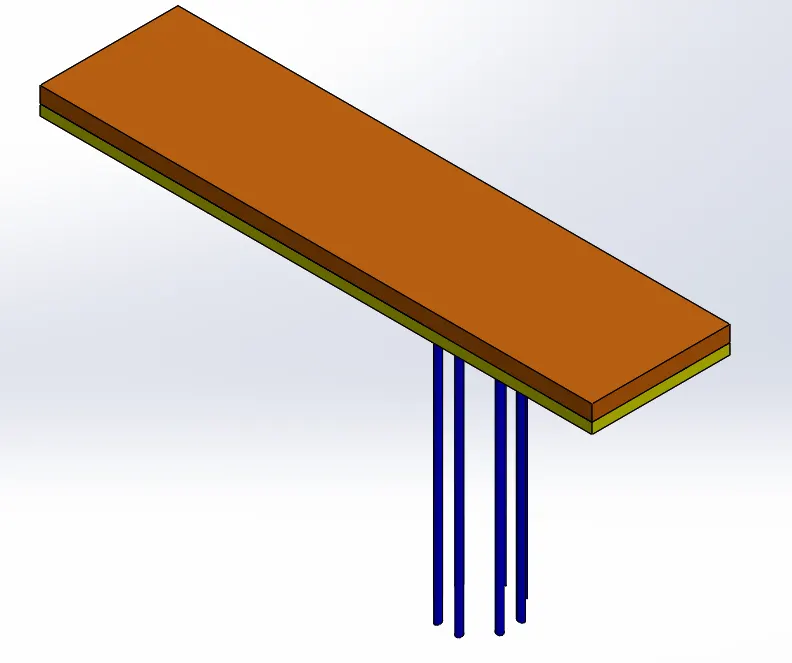
Ejector pins
Ejector pins are long retracting pins that are used to push the solidified material out of the mold. Once the plastic polymer cools down in the mold, the ejector pins force the solidification out from the cast. They go back into the mold to get the thermosetting apparatus ready for the next round.
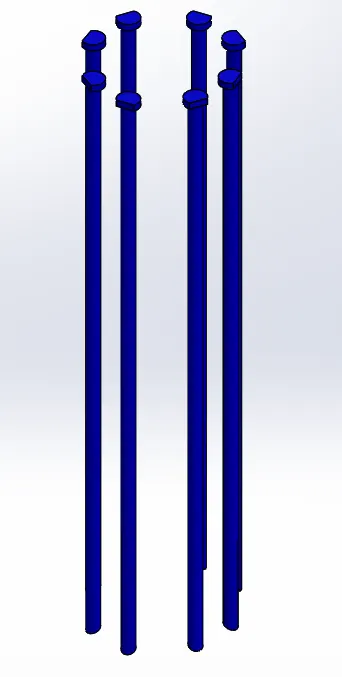
Procedure for creaion:
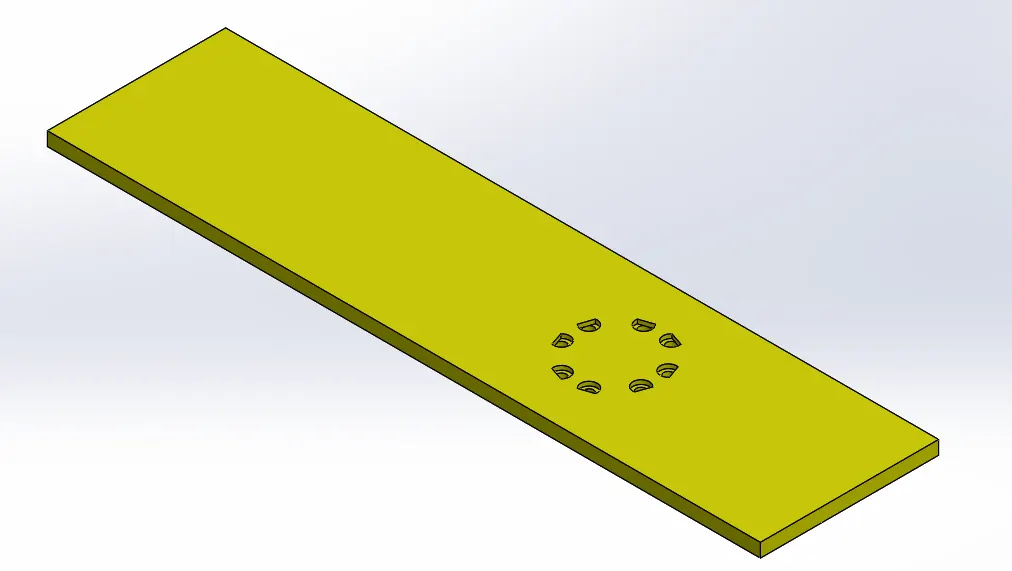
- Made holes in the core block for ejector pins
- using same sketch which is used to make holes created the ejecor pins
- made releief holes concentric to ejector pins
- D shaped head is created because of the inclined base of the pins
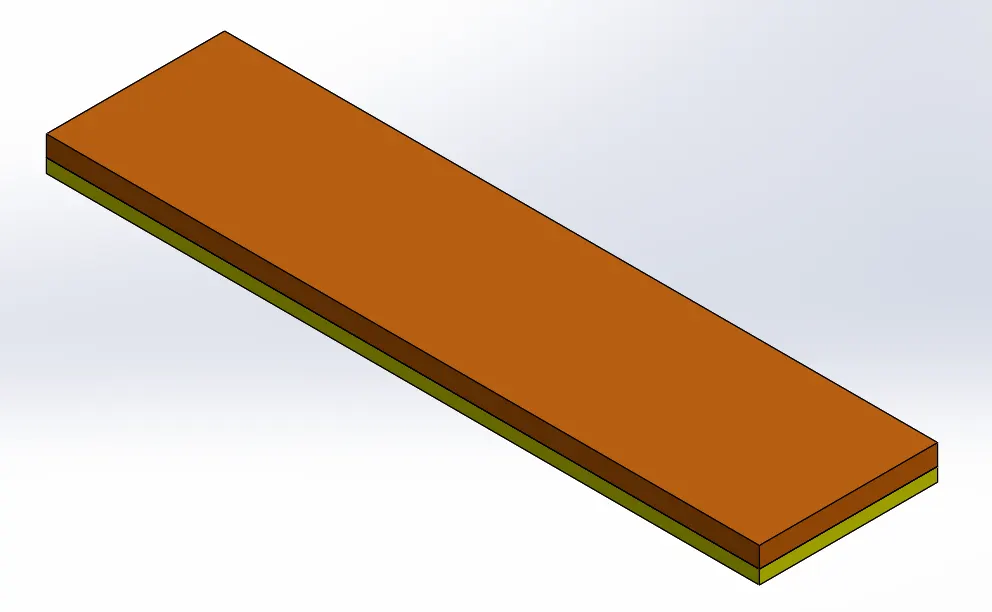
Ejector plate
The ejector plate is the floating plate in the ejector system. Its thickness is defined by the amount of force required to eject the part as well as the part/mold size. This plate also locks the ejector mechanism (pins or plate) in the ejector retainer plate.
Ejector back plate
This holds the ejector pins and is usually made of mild steel. It prevents the ejector pins from disengaging
Runner and gate system
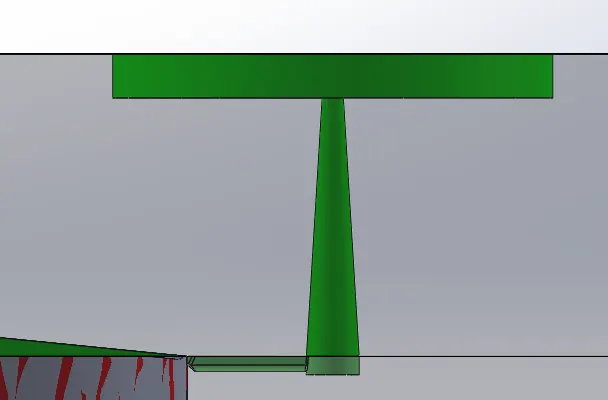
A sprue is a channel through which to transfer molten plastics injected from the injector nozzle into the mold. It is a part of sprue bush, which is a separate part from the mold. A runner is a channel that guides molten plastics into the cavity of a mold. A gate is an entrance through which molten plastics enters the cavity.
Air vents
These are small channels provided in the mold block for the escape of air, which is traped inside the mold
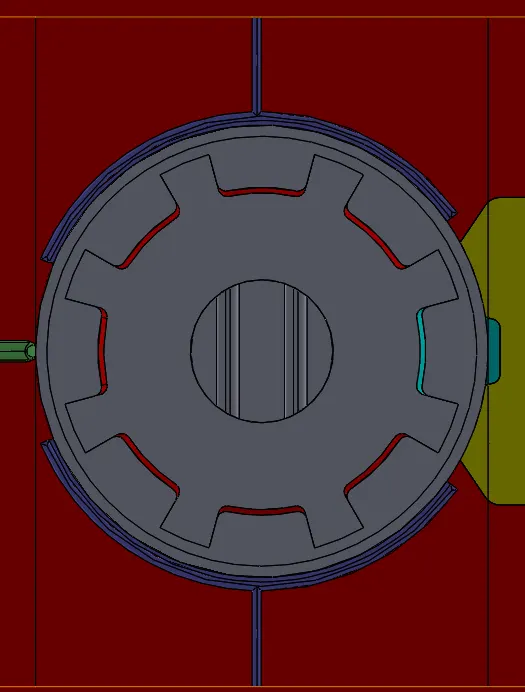
Air vents are created in two steps to avoid defcts in the component such as flashing,1st step had depth of 0.02 mm which is big enough for air to pass but not big enough for plastic o pass. 2nd step had depth of 1 mm from this air pass to the channel of depth 1mm, through the channel air escapes out of the mold.
Cooling channels
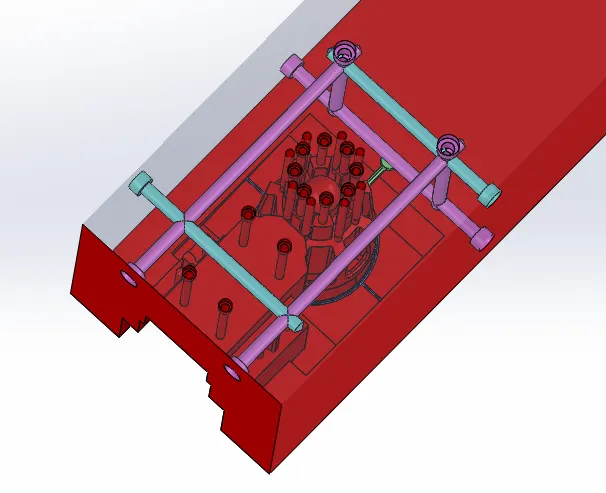
theese channels aids to achieve uniform cooling throughout the mold so that defects such as warpage doesn't accur
Factors that affect the cooling of mold depends on the following:
- plastic material injected
- temperature of the plastic
- coolant used,temperature of coolant
- thickness of plastic component which is being molded
By considering these cooling channel is designed
Conclusion
created a ejection system with ejector pins and plates, runner and gate system, air vents and cooling channels for the mold.