Week 11: Project 2 - Emission characterization on a CAT3410 engine
Objective:
1. Analyze two-piston bowl configurations (open-w and Omega) of CAT3410 engine.
2. Ananlyzing the emissions from the two confguraions.
3. Comparison of power and imep of the two piston profiles.
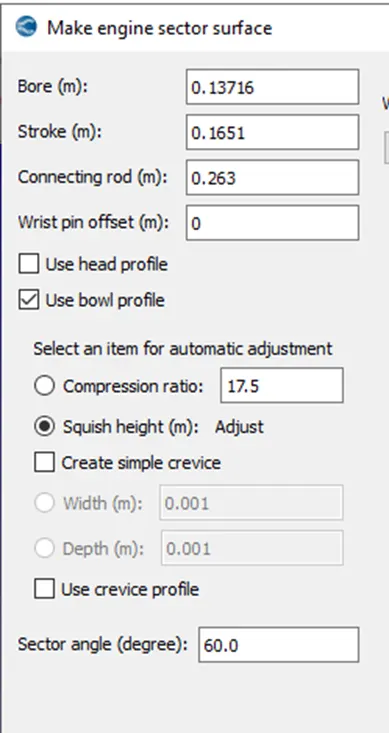
Geometry: This project uses 60 degree sector model of the CAT 3410 engine with two different piston profiles. The Geometry is made using the "Make engine sector surface" tool. The parameters are given as below:
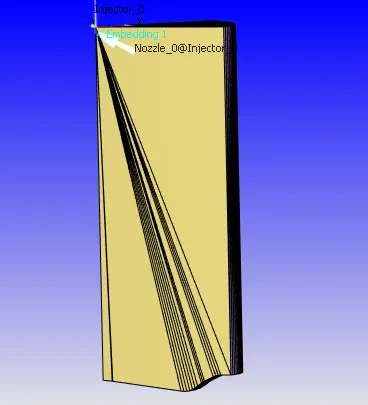
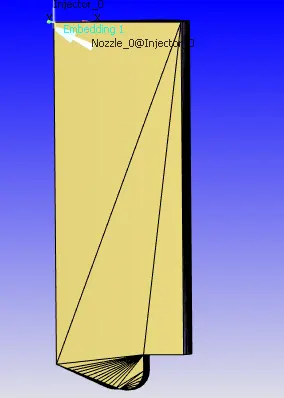
The 3d surfaces of the two models are shown below-
Omega profile:
Open-w Profile:
Case setup:
Gas simulation:
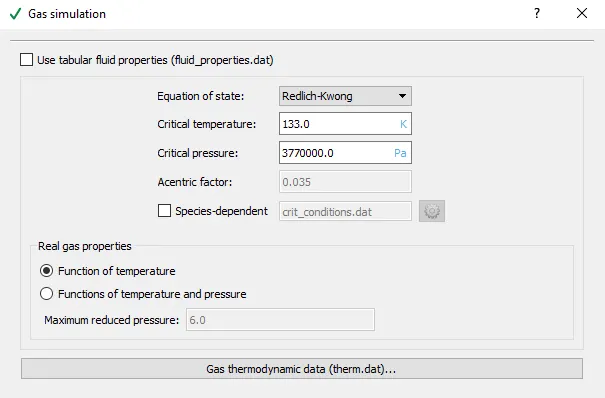
These are imported from therm.dat file.
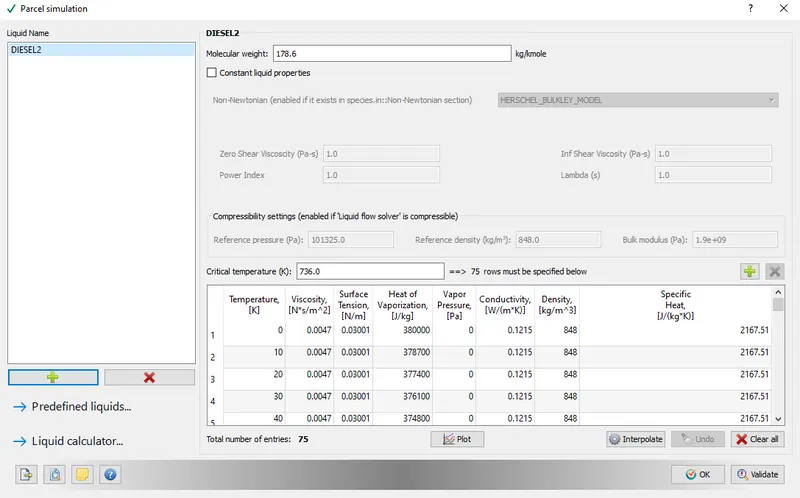
Parcel Simulation parameters:
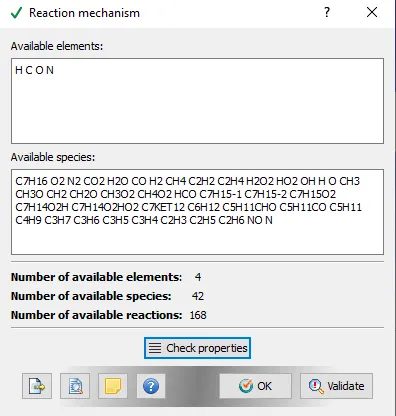
Reaction Mechanism: This is set up using mech.dat file.
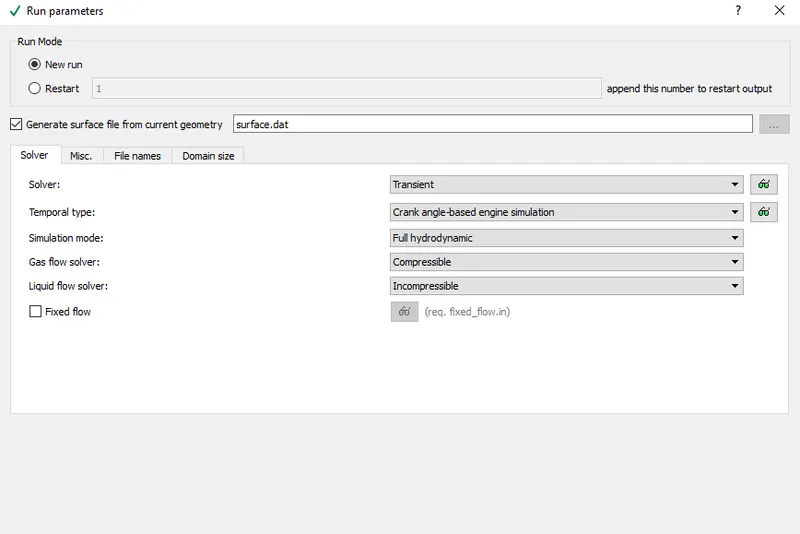
Run parameters: Full hydrodynamic mode is selected in this case.
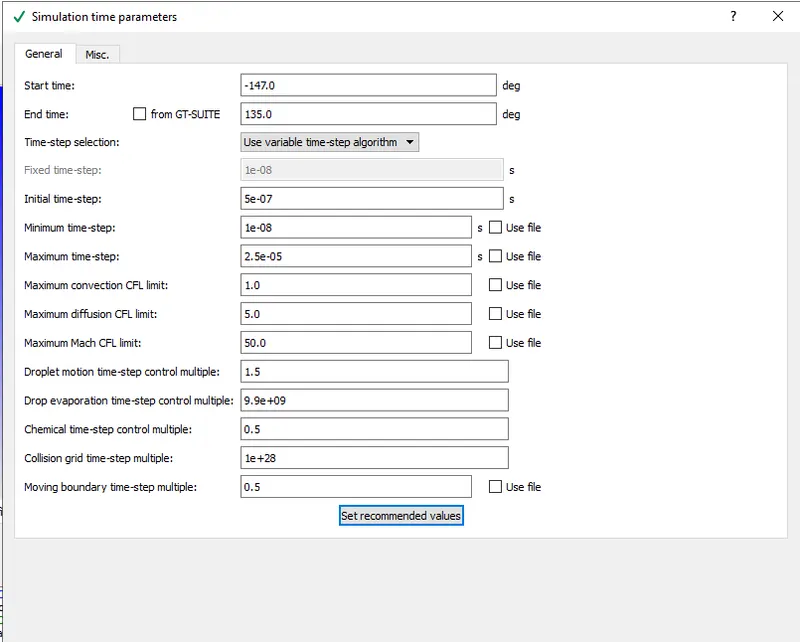
Simulation time parameters:
Boundary:
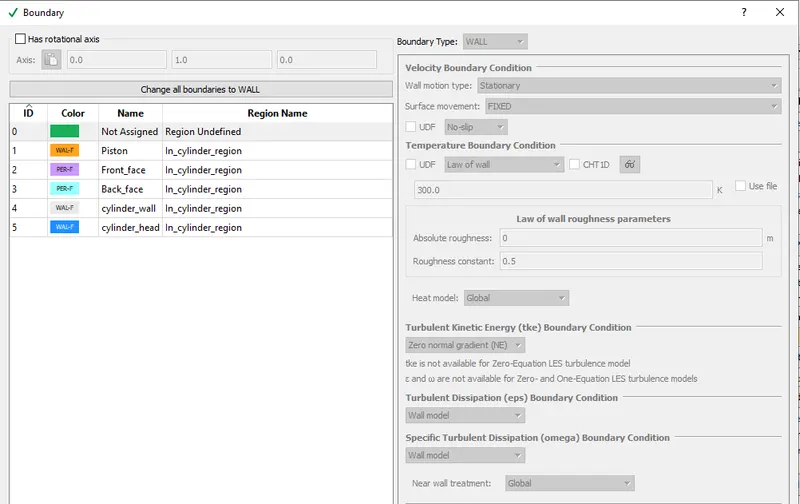
It is imported from bundary.in file.
Regions:
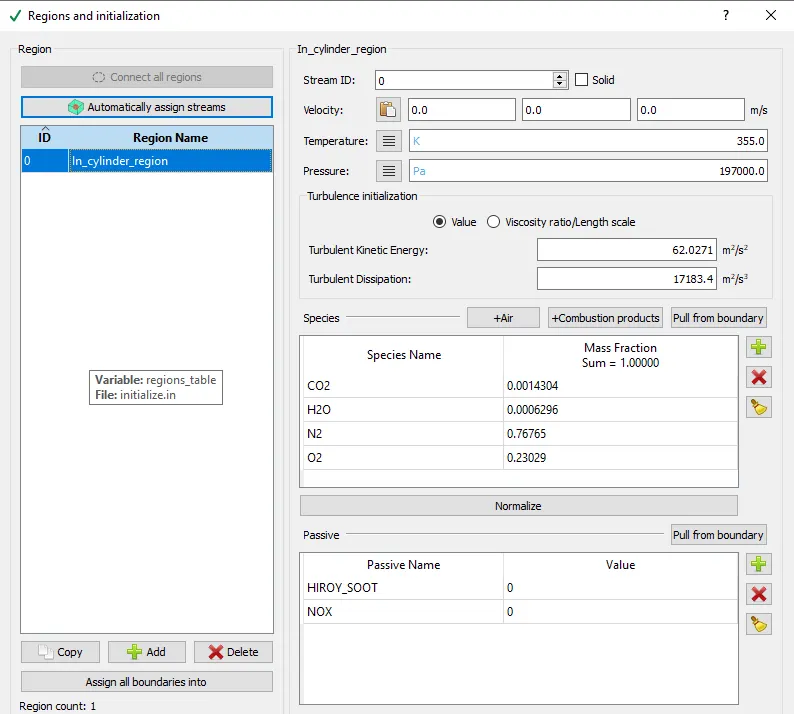
Only 1 inner region is selected here.
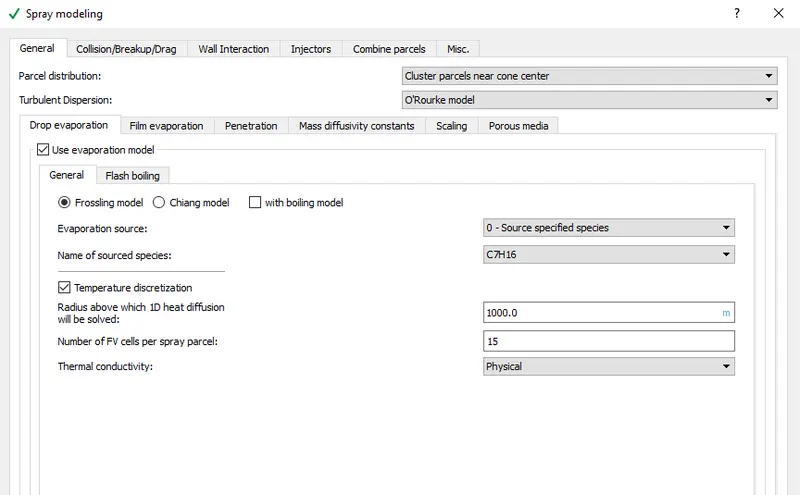
Spray Modelling:
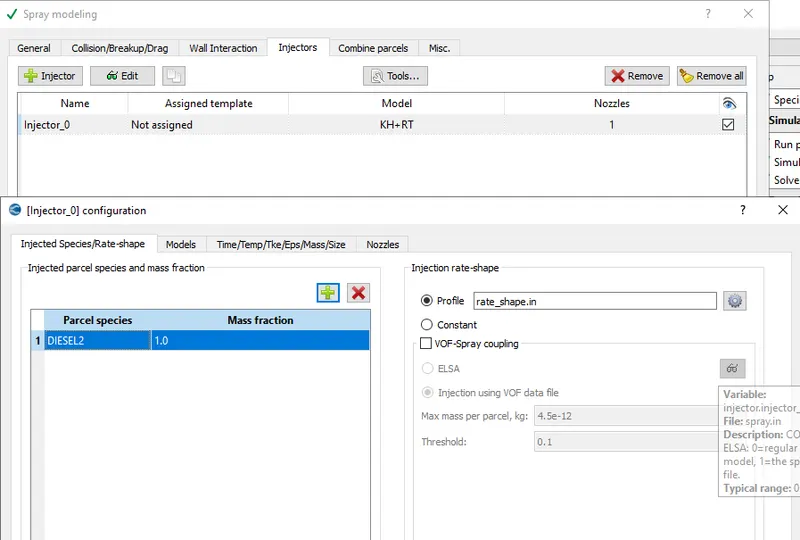
Injector:
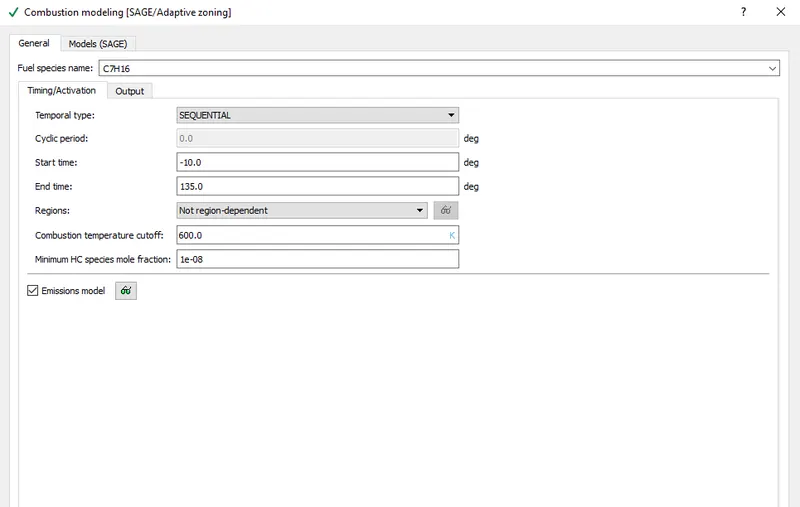
Combustion modelling:
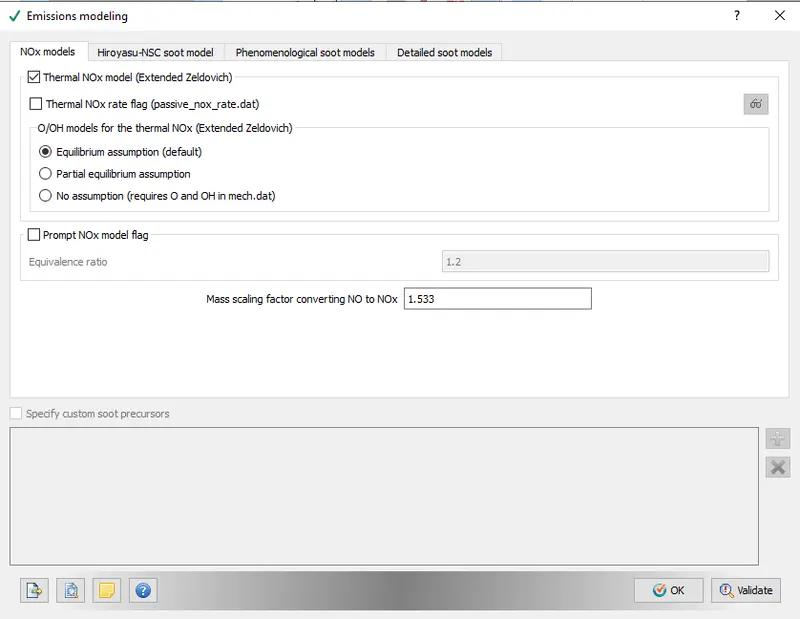
Emission modelling:
Mesh:
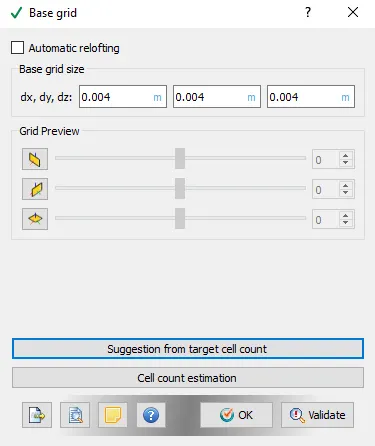
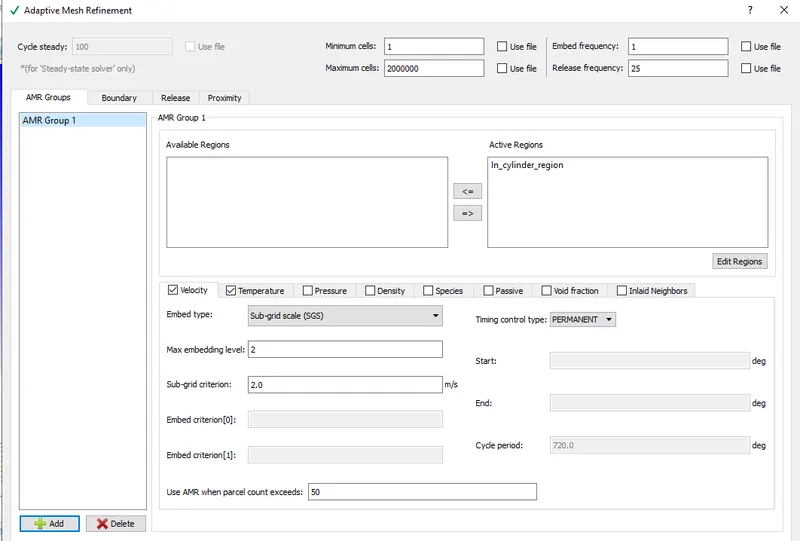
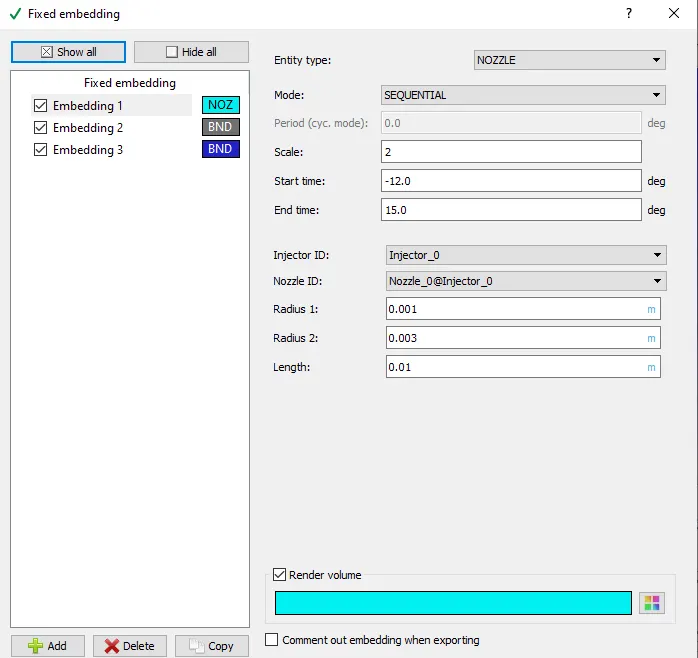
4mm mesh size is selected with mesh refinement and fixed embedding.
Adaptive mesh refinement:
Fixed embedding:
Result:
PLot:
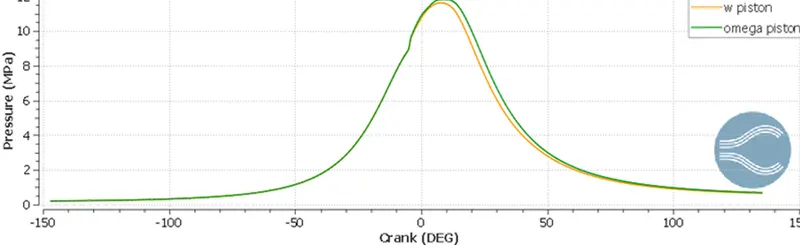
1. Pressure plot:
2. Temperature pltot:
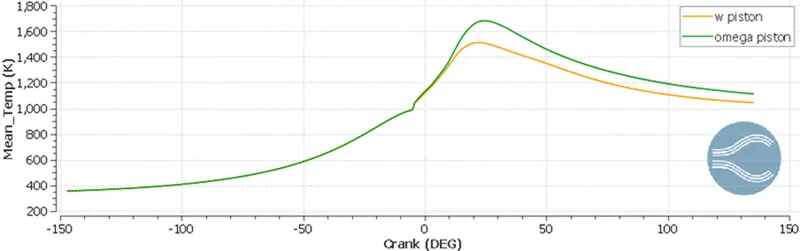
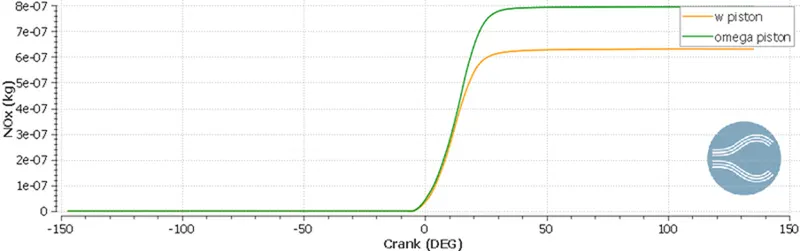
The temperature profile for both pistons shows that the NOx emssion would be more for omega piston.
3. IHR:
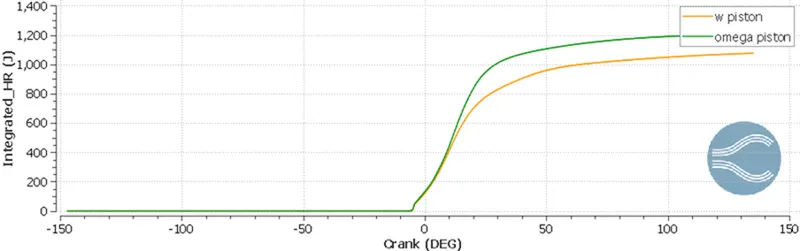
It denotes amount of power generated from the cmbustion. In the plot, the power of baseline slightly decreases. This can be due to lesser fuel, incorrect timing.
4. NOx:
5. CO:
6. Fuel mass:
Engine performance calculator:
Baseline :
IMEP = 1.24 * 10^6 pa
Power = work/time
RPS = 26.67
Power = 108.16 KW
Omega:
IMEP = 1.396 * 10^6 pa
Power = work/time
RPS = 26.67
Power = 121.23 KW
Conclusion:
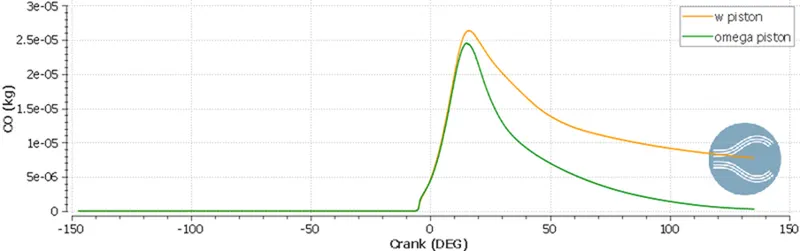
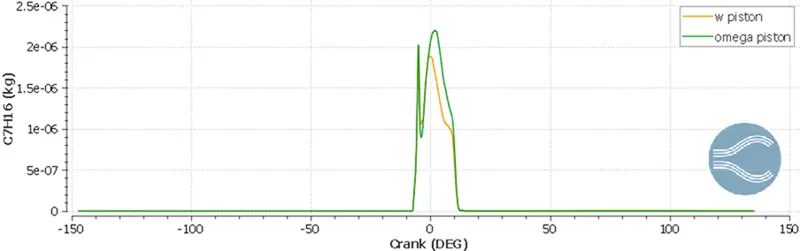
From this analysis performed, it is clear that Omega piston has high power output, lower soot, CO and emissions. So it can be concluded that it is the efficient bowl configuration among two along with lower fuel loss. The only disadvantage of this configuration is the higher value of NOx which can also be treated by changing the temperatures during combustion.