Week 11 - Final project
AIM: Development of a Door Trim panel.
Creation of CAD model considering following inputs.
- a) Class A surface
- b) Nominal thickness: Refer to master sections
- c) Attachment strategy :
Find an attachment strategy for the door panel to complete work.
Use Pushpin with Dog house for Lower substrate – Door panel attachment
Use heat stakes for the part to the part attachment.
Output required:
- Create thickened part using master section for reference
- Create the mounting features as per design guidelines in the industry and with master sections
- Apply material details :
- Draft analysis & Tooling analysis.
- Creation of parting lines and check tooling feasibility.
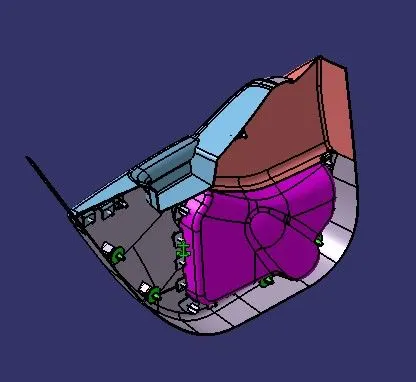
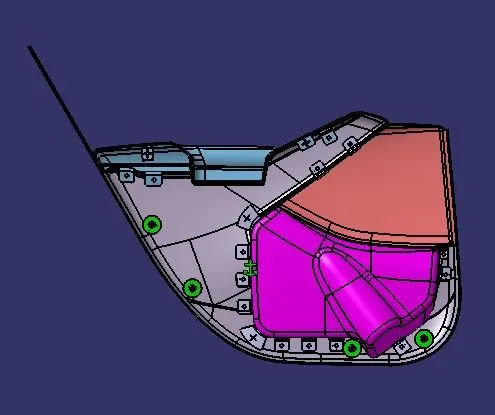
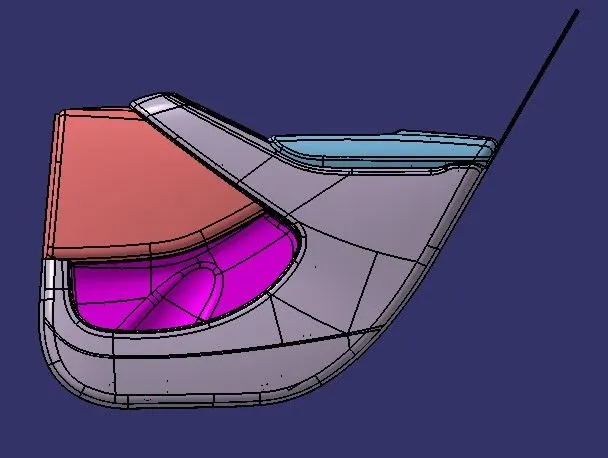
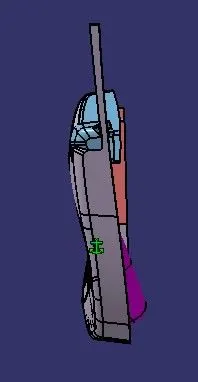
THEORY: The Door Trim Panel consists of some plastic parts such as Door Arm Rest, Bottle Holder, Map Pocket, Lower Substrate. Create the final plastic component as a solid body for all the parts.
DOOR ARMREST:
Class A Surface: Class A surface is a term used in plastic product design. That means the surface of a component that is smooth ( aesthetic) or visible side to the human eye after the part is assembled. we can also consider the outer surface of the exterior (in automotive) as styling though it is not plastic.
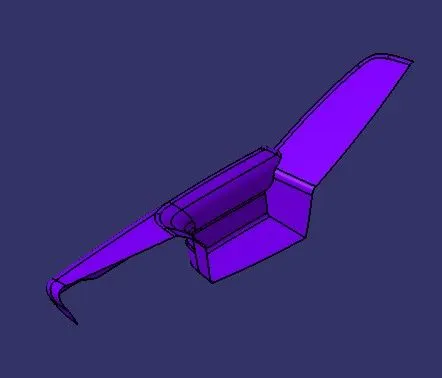
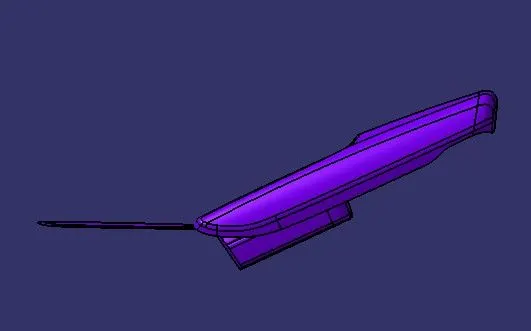
TOOLING AXIS: The tooling axis is that axis through which the plastic part easily ejects from the mold. To check the tooling axis is correct or not, we have to apply draft analysis on the class A surface for that tooling axis. If the Class A surface has an accurate draft with the tooling axis that means the tooling axis is correct for the Class A surface. We have created a side core axis for the side surfaces of the Door Arm Rest so that we can check Draft analysis on the side surfaces.
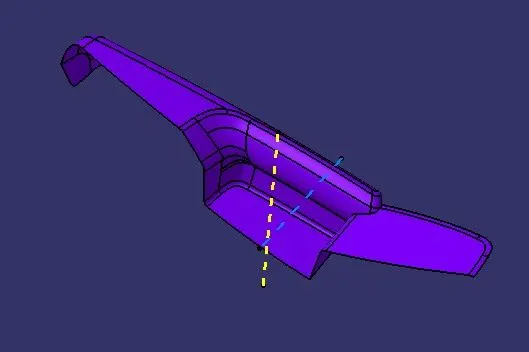
DRAFT ANALYSIS OF CLASS A SURFACE FOR TOOLING AXIS AND SIDE CORE AXIS: The draft analysis in CATIA refers to a tool that allows users to determine if they can remove the part they are designing from the tool being used to design it
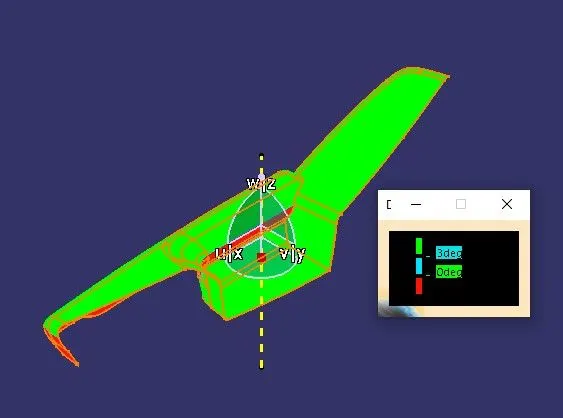
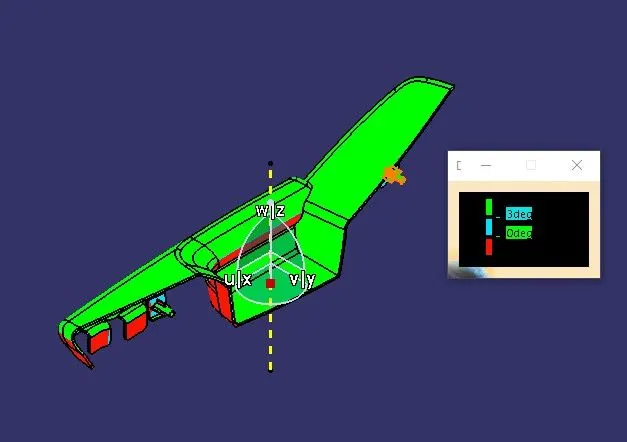
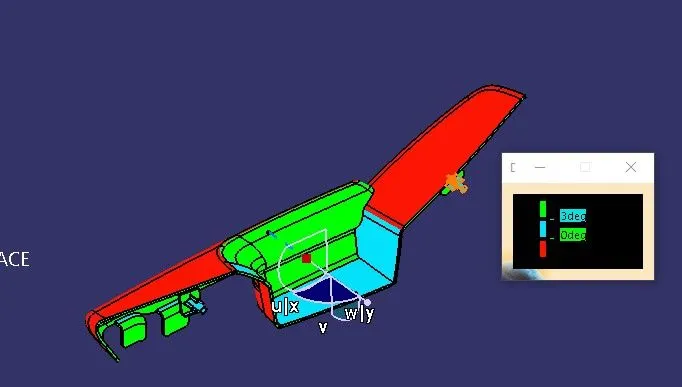
When draft analysis in CATIA is performed, green, red, and blue surfaces show up. Green surfaces signify correct angles, blue surfaces indicate that the angles are too close to the draft angle while red is an indication of unacceptable angles.
FOR TOOLING AXIS:
FOR SIDE CORE AXIS:
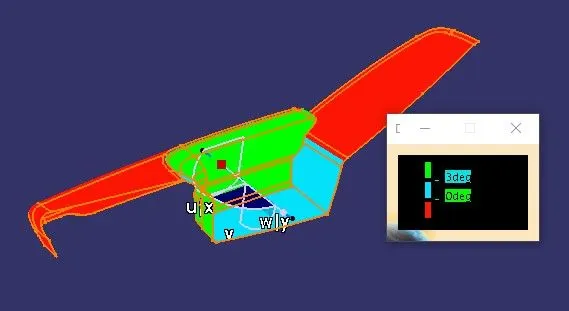
In the color box, the green color shows that the Draft angle of the surface is 3 degrees or more than that. It means these surfaces would easily eject from the mold from the side of Class A Surface.
The blue color shows that the draft angle of the surface is between 0 to 3 degrees. It means that these surfaces would also be acceptable for ejection from the mold.
The red color shows that the draft angle is on the negative side, which is not acceptable for the part.
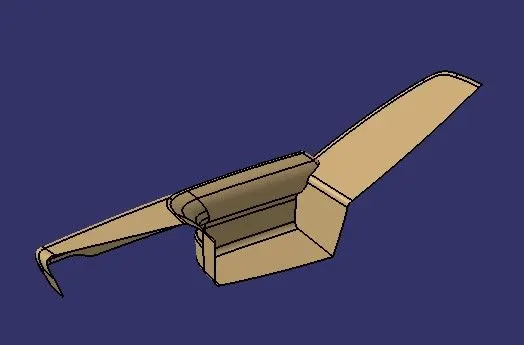
CLASS B SURFACE:
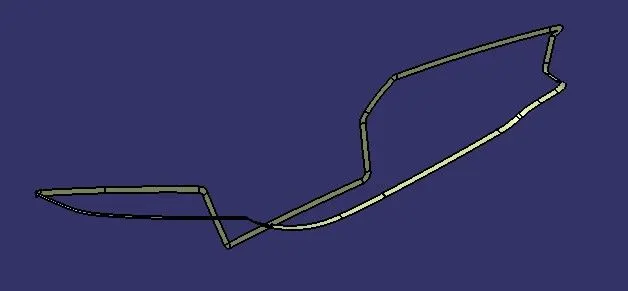
CLASS C SURFACE:
DRAFT ANALYSIS OF FINAL PLASTIC COMPONENT OF DOOR ARM REST:
FOR TOOLING AXIS:
FOR SIDE CORE AXIS:
HEAT STAKES: Using Heat Staking can be a repeatable, economical, and safe method to form a stud joining two pieces of plastic or plastic and other materials. The Heat Staking method is designed to precisely control heat and pressure to provide clean, odorless, and safe high-quality staking of modern plastic at a low cost.
The direct contact method of staking applies force to heated metal probes, which contact posts then compress & form a stud head, For joining assemblies, metal to plastics, or joining two pieces of any other material. Excellent heat-staked results are possible when the post & material selection are initially configured for a heat staking application. Precise heat & pressure can reform posts from a wide variety of thermoplastic materials. Some of the most common examples are abs, polypropylene, polycarbonate, abs polycarbonate blends, Polypropylene/polycarbonate blends & many other engineering materials (even with as much as 30% filler).
- Design Guidelines:
Very simple design guidelines are required for success. There are a number of factors that are essential in obtaining good heat stake results: post diameter, height, & geometry. Working height, (above the mating surface) should be approximately one & a half – two times the dia. This will result in a heat stake stud head dia. of approximately 1.5 – 3.0 times the post diameter. The selected material and the moldable thickness of the walls will determine typical diameters. For example, diameters can range from 0.04 – 0.09 inches.
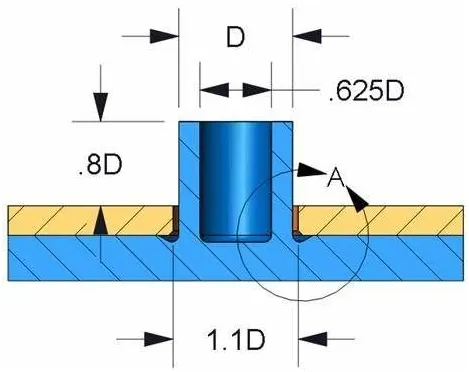
CREATION OF HEAT STAKES AND FLANGES BY TAKING THE REFERENCE OF MASTER SECTION:
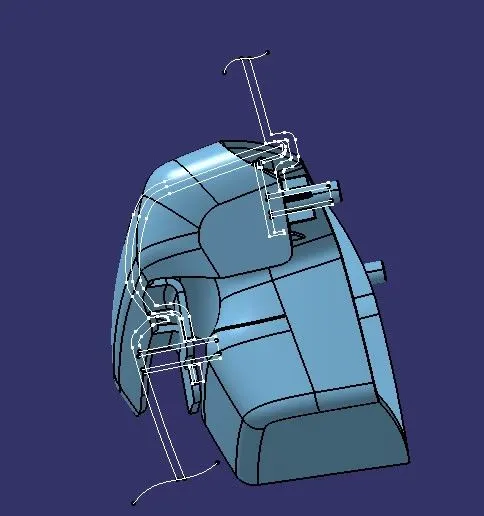
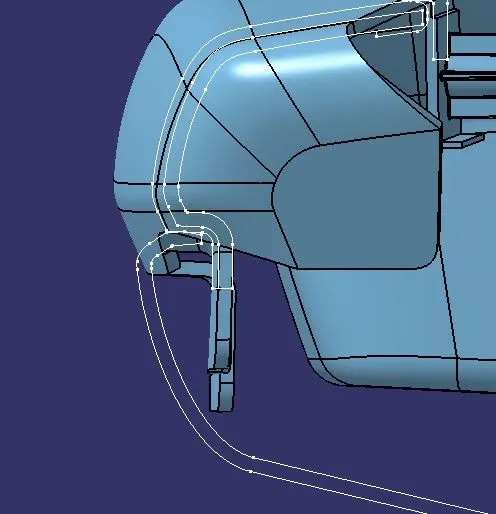
DRAFT ANALYSIS OF HEAT STAKES OF DOOR ARM REST FOR TOOLING AXIS:
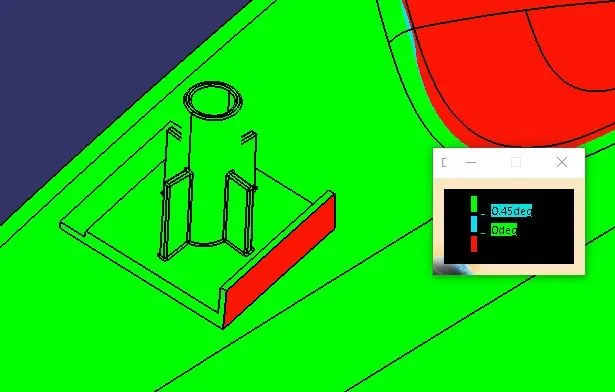
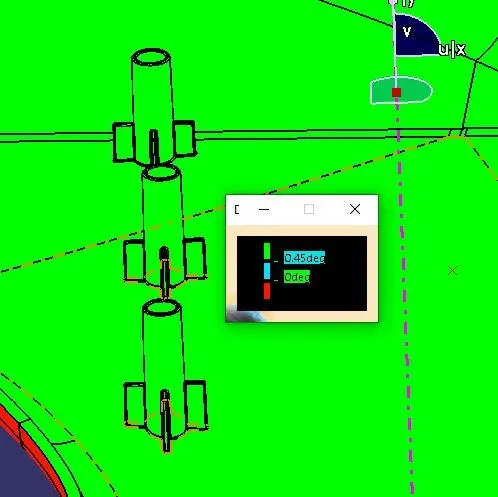
When draft analysis in CATIA is performed, green, red, and blue surfaces show up. Green surfaces signify correct angles, blue surfaces indicate that the angles are too close to the draft angle while red is an indication of unacceptable angles.
VIEWS:
ISOMETRIC VIEW:
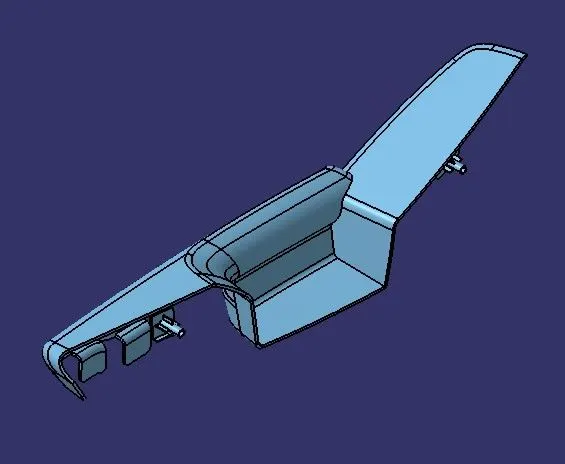
FRONT VIEW:
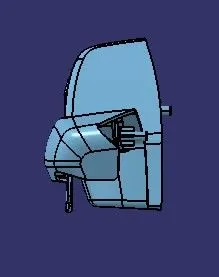
SIDE VIEW:
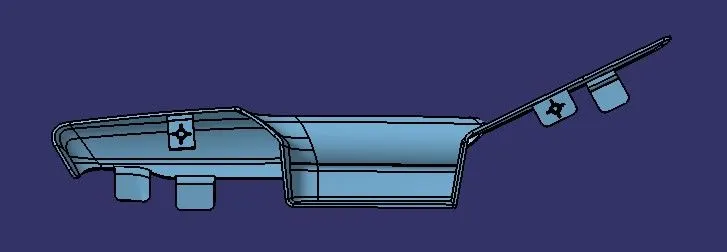
TOP VIEW:
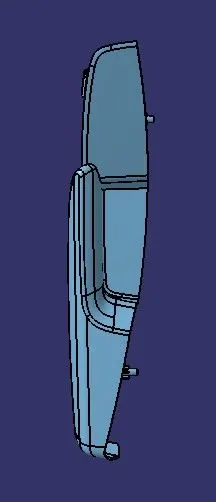
MAP POCKET:
TOOLING AXIS:
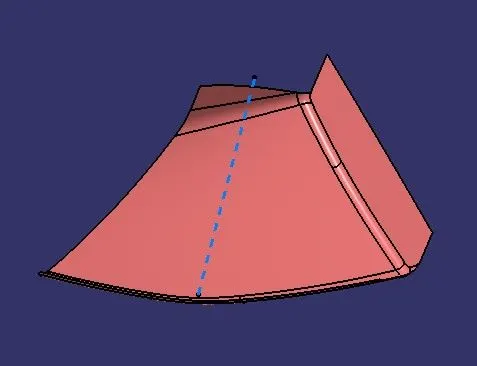
DRAFT ANALYSIS OF CLASS A SURFACE ALONG WITH TOOLING AXIS:
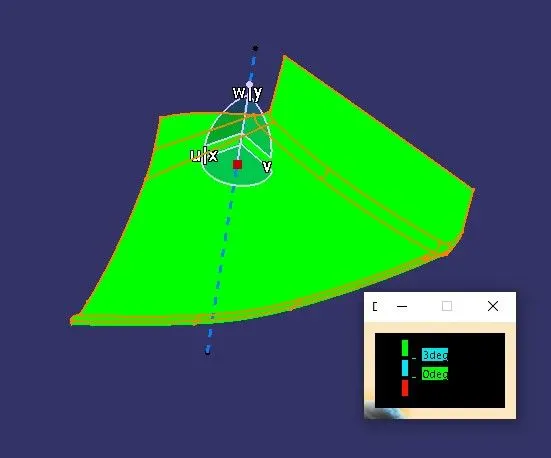
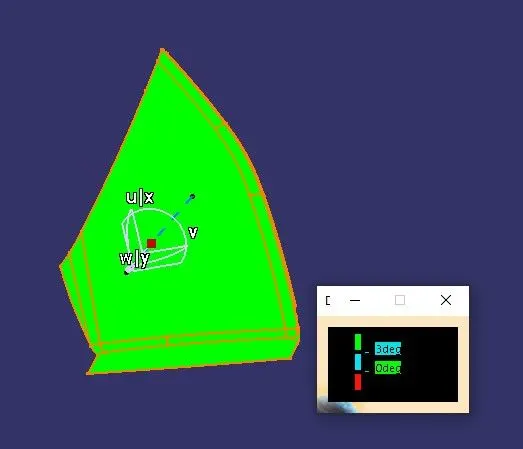
When draft analysis in CATIA is performed, green, red, and blue surfaces show up. Green surfaces signify correct angles, blue surfaces indicate that the angles are too close to the draft angle while red is an indication of unacceptable angles.
CLASS B SURFACE:
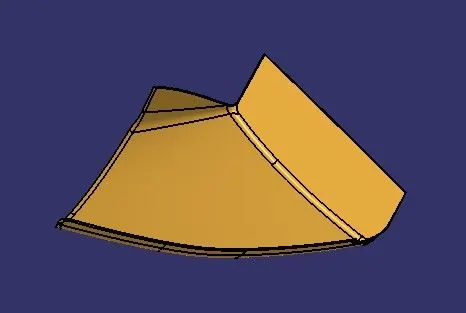
CLASS C SURFACE:
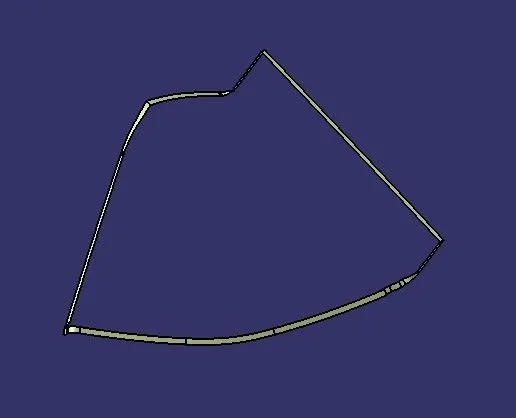
CREATION OF FLANGES FOLLOWING MASTER SECTIONS:
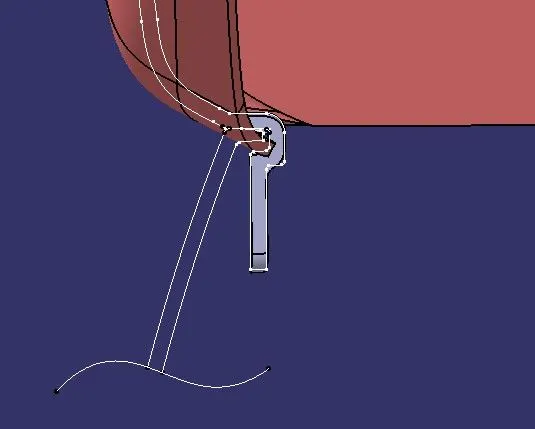
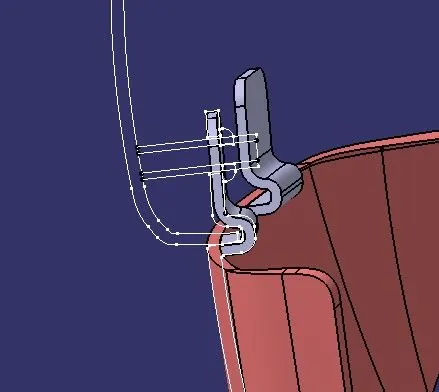
DRAFT ANALYSIS OF THE FINAL PLASTIC COMPONENT OF MAP POCKET:
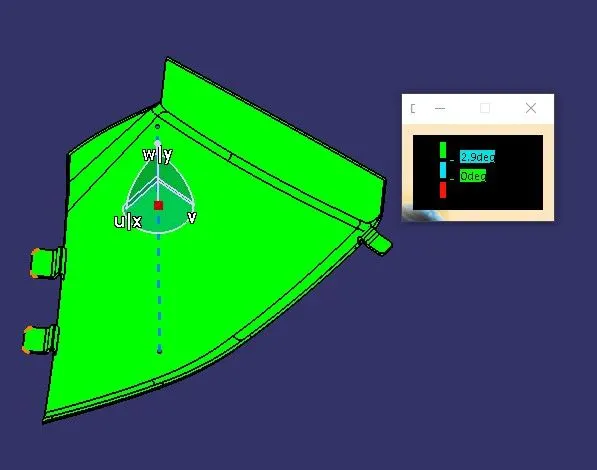
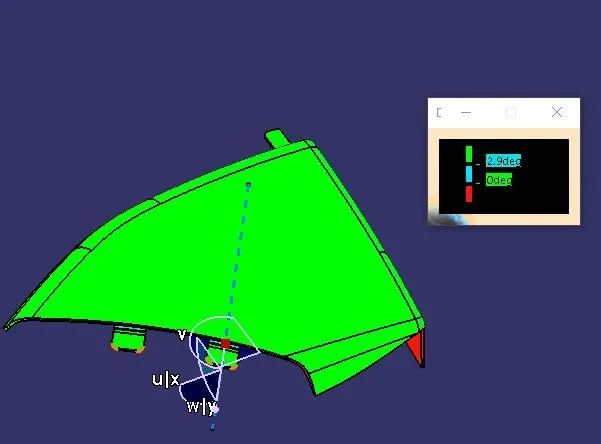
In the color box, the green color shows that the Draft angle of the surface is 2.9 degrees or more than that. It means these surfaces would easily eject from the mold from the side of Class A Surface.
The blue color shows that the draft angle of the surface is between 0 to 2.9 degrees. It means that these surfaces would also be acceptable for ejection from the mold.
The red color shows that the draft angle is on the negative side, which is not acceptable for the part.
VIEWS:
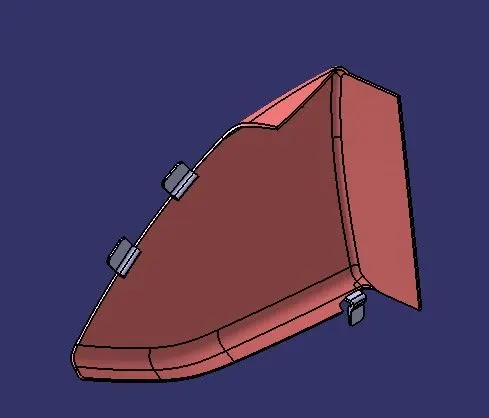
ISOMETRIC VIEW:
FRONT VIEW:
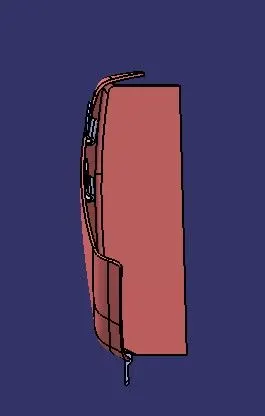
SIDE VIEW:
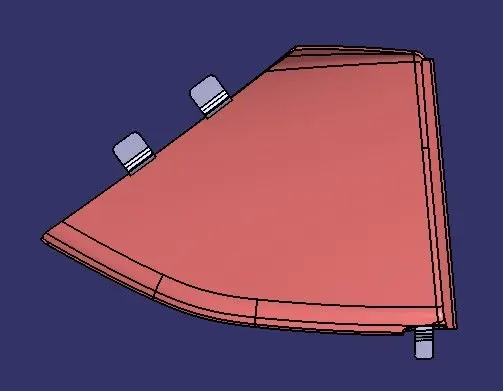
TOP VIEW:
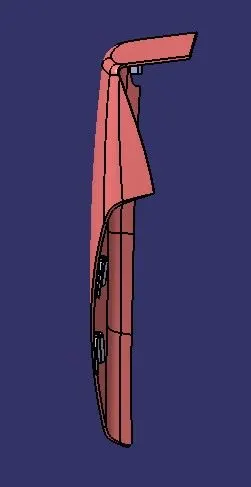
LOWER SUBSTRATE:
TOOLING AXIS:
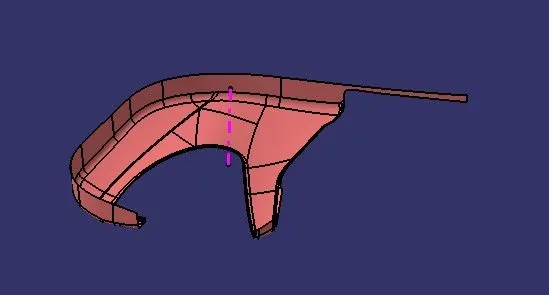
DRAFT ANALYSIS OF CLASS A SURFACE ALONG WITH TOOLING AXIS:
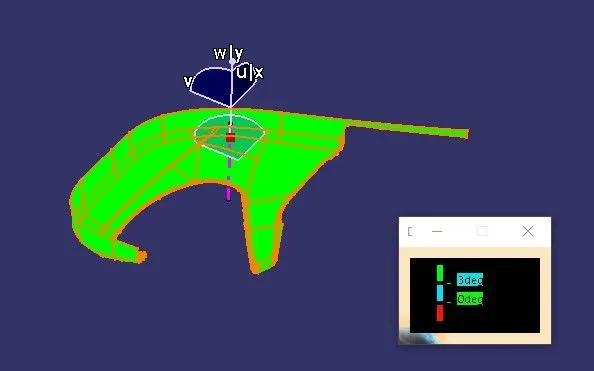
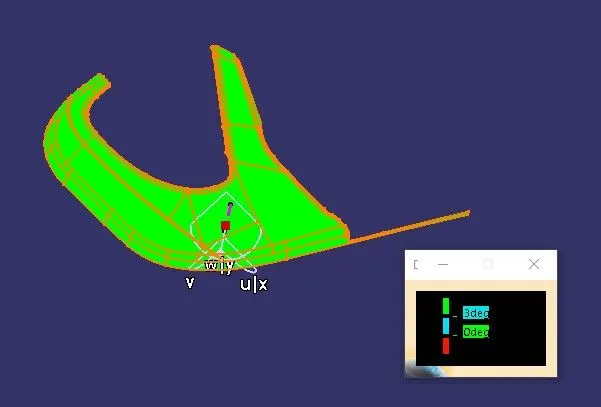
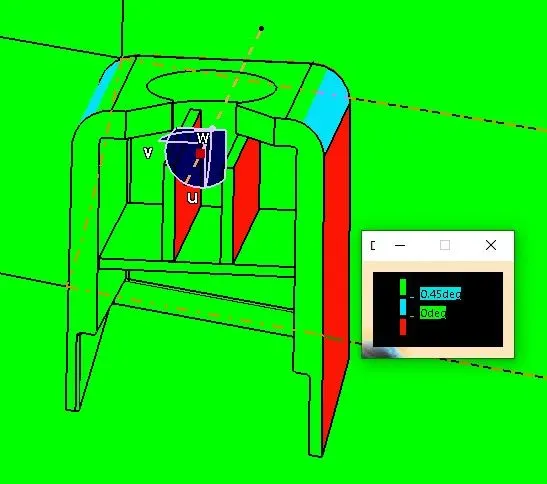
In the color box, the green color shows that the Draft angle of the surface is 3 degrees or more than that. It means these surfaces would easily eject from the mold from the side of Class A Surface.
The blue color shows that the draft angle of the surface is between 0 to 3 degrees. It means that these surfaces would also be acceptable for ejection from the mold.
The red color shows that the draft angle is on the negative side, which is not acceptable for the part.
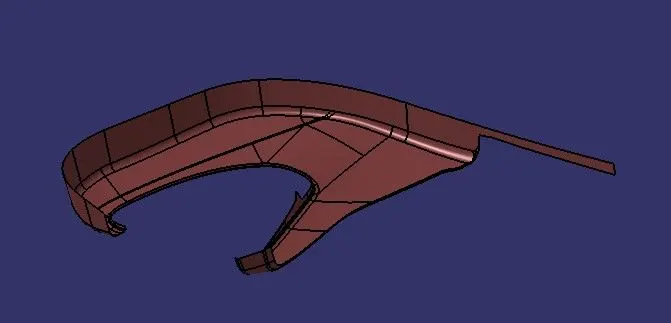
CLASS B SURFACE:
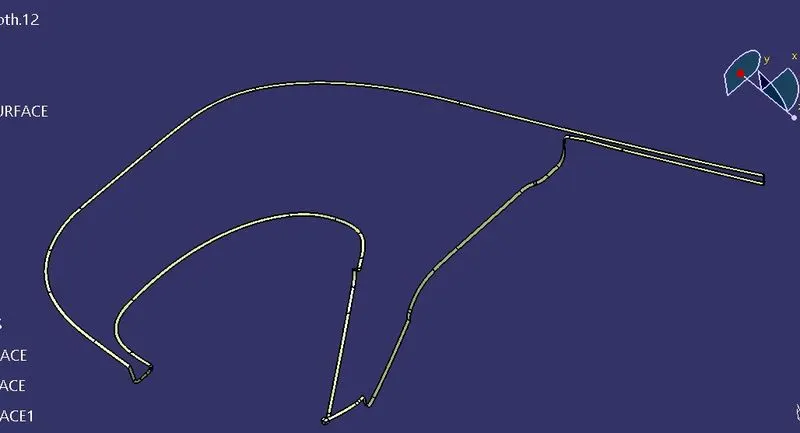
CLASS C SURFACE:
DRAFT ANALYSIS OF FINAL PLASTIC COMPONENT OF LOWER SUBSTRATE ALONG WITH TOOLING AXIS:
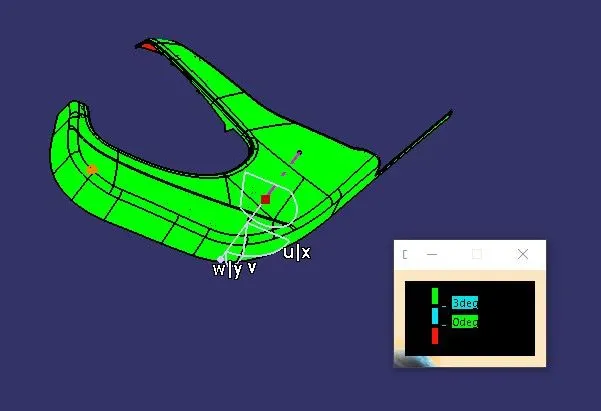
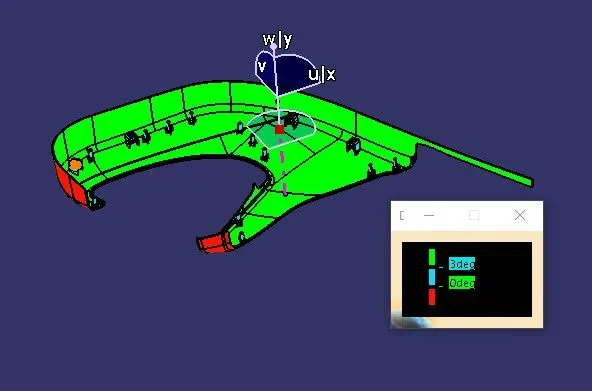
When draft analysis in CATIA is performed, green, red, and blue surfaces show up. Green surfaces signify correct angles, blue surfaces indicate that the angles are too close to the draft angle while red is an indication of unacceptable angles.
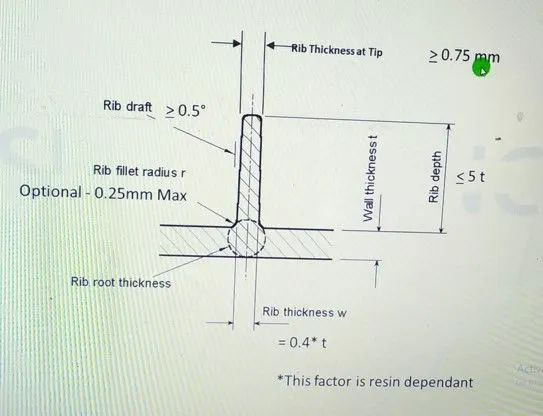
DOG HOUSE AND HEAT STAKES WITH RIBS ATTACH WITH LOWER SUBSTRATE:
DOG HOUSE:
The dog house is an engineering feature used in the plastic trim design. Dog houses are used as supporting features. Sometimes other engineering features like snaps; locators, etc. are mounded on them to increase their strength. Dog houses are subjected to draft analysis to prevent breakage of the component during ejection from the mold cavity. Dog house and other engineering components are built on B-surface.
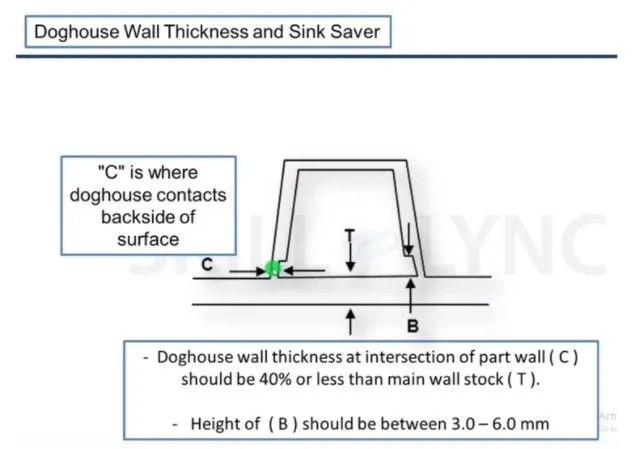
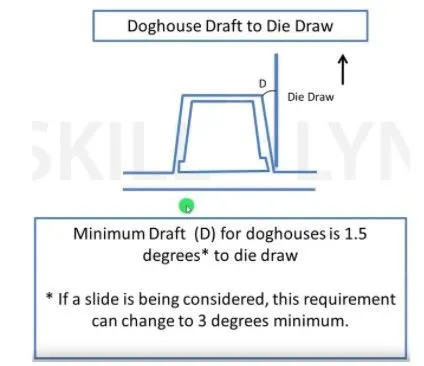
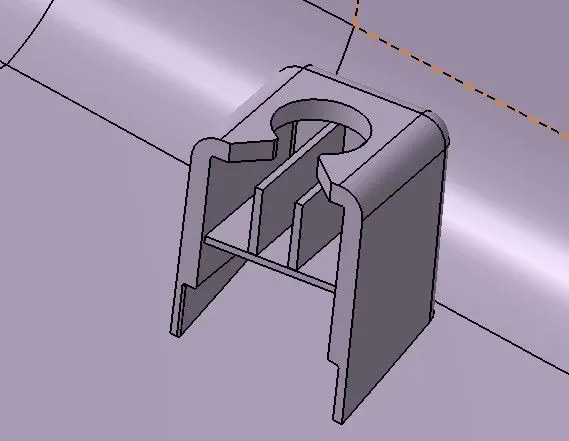
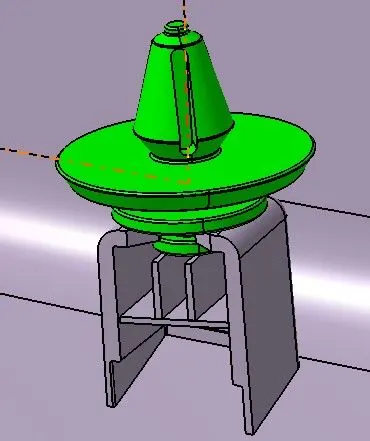
DRAFT ANALYSIS OF DOG HOUSE OF LOWER SUBSTRATE:
FOR TOOLING AXIS:
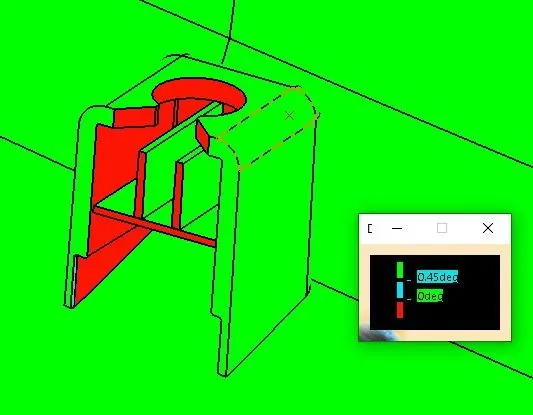
FOR SIDE LIFTER AXIS:
DRAFT ANALYSIS OF HEAT STAKES OF LOWER SUBSTRATE:
VIEWS:
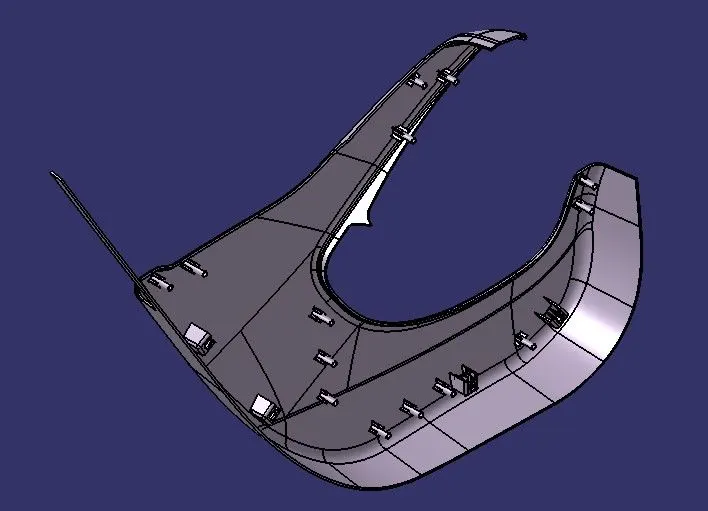
ISOMETRIC VIEW:
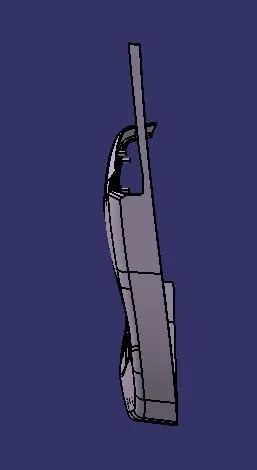
FRONT VIEW:
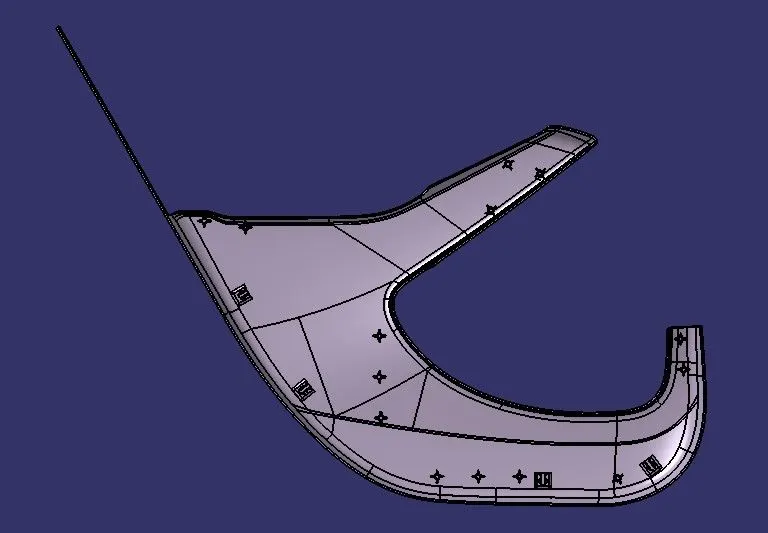
SIDE VIEW:
TOP VIEW:
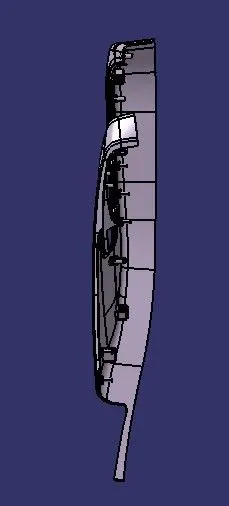
BOTTLE HOLDER:
TOOLING AXIS:
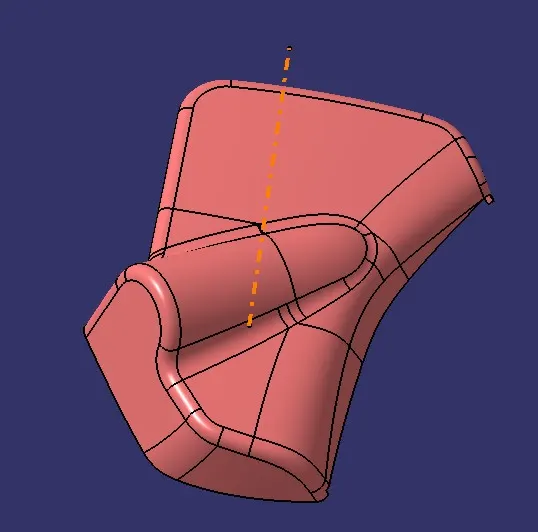
DRAFT ANALYSIS OF CLASS A SURFACE ALONG WITH TOOLING AXIS:
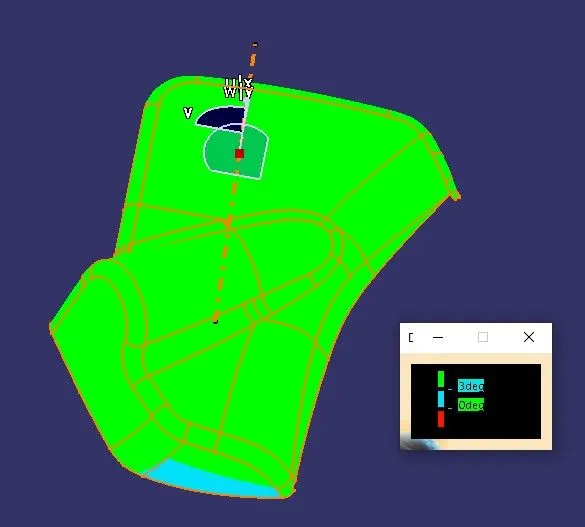
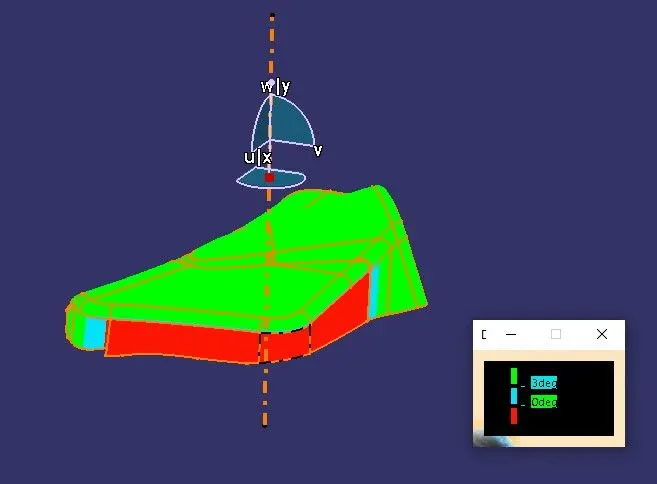
In the color box, the green color shows that the Draft angle of the surface is 3 degrees or more than that. It means these surfaces would easily eject from the mold from the side of Class A Surface.
The blue color shows that the draft angle of the surface is between 0 to 3 degrees. It means that these surfaces would also be acceptable for ejection from the mold.
The red color shows that the draft angle is on the negative side, which is not acceptable for the part.
CLASS B SURFACE:
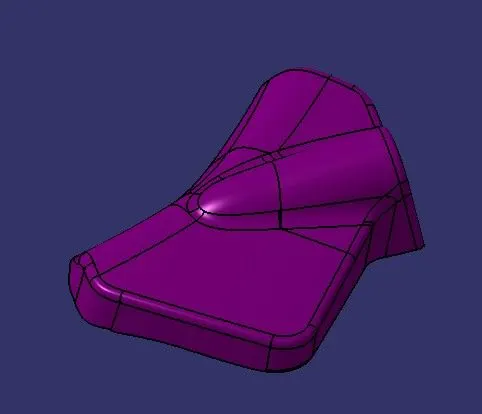
CLASS C SURFACE:
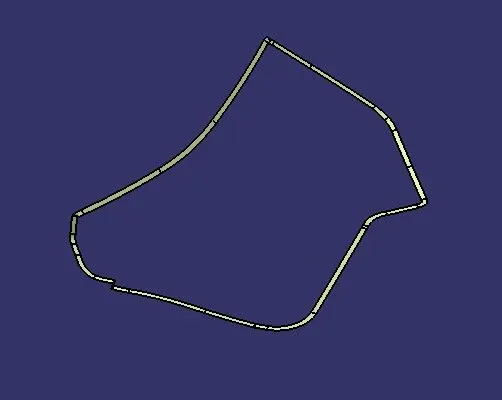
DRAFT ANALYSIS OF FINAL PLASTIC COMPONENT OF BOTTLE HOLDER ALONG WITH TOOLING AXIS:
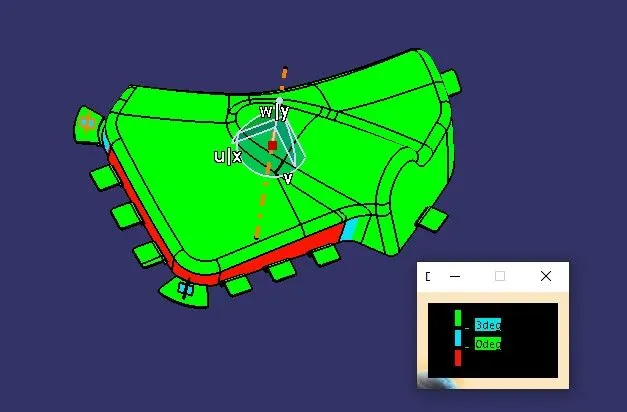
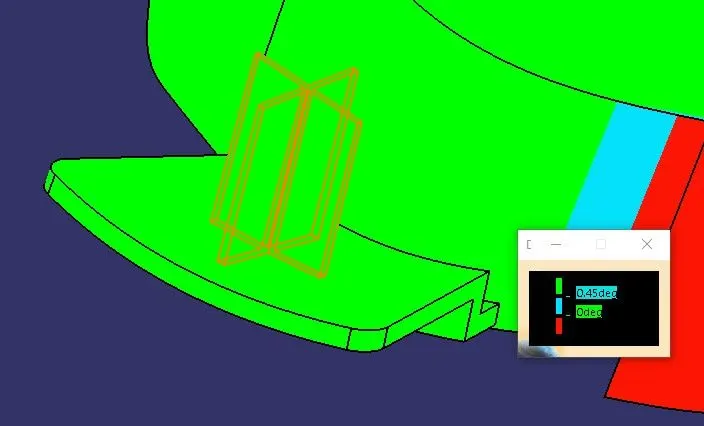
When draft analysis in CATIA is performed, green, red, and blue surfaces show up. Green surfaces signify correct angles, blue surfaces indicate that the angles are too close to the draft angle while red is an indication of unacceptable angles.
DRAFT ANALYSIS OF 4-WAY LOCATER ALONG WITH TOOLING AXIS:
VIEWS:
ISOMETRIC VIEW:
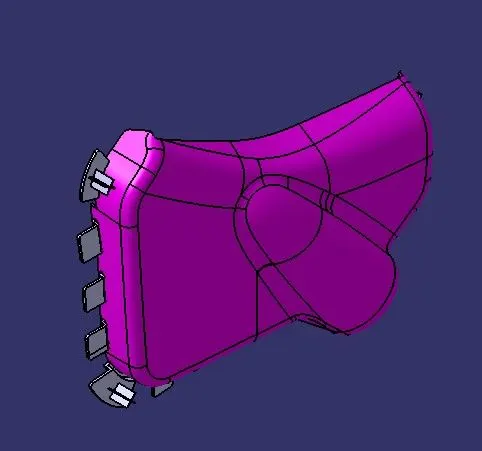
FRONT VIEW:
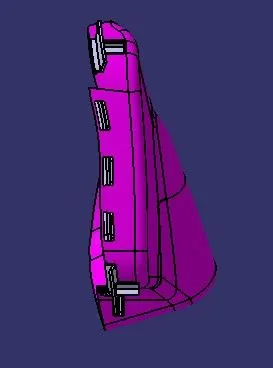
SIDE VIEW:
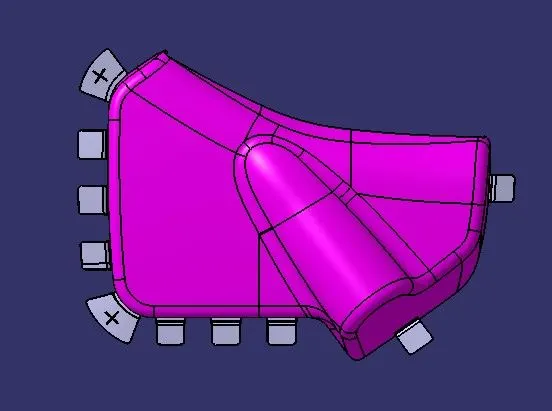
TOP VIEW:
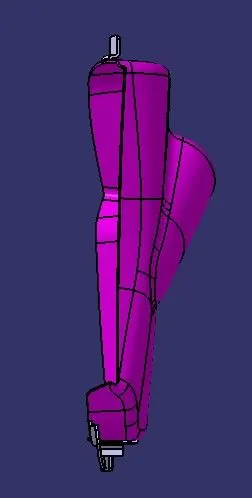
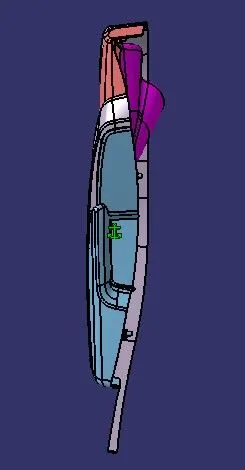
DOOR TRIM PANEL WITH ALL PARTS:
VIEWS:
ISOMETRIC VIEW:
SIDE VIEWS:
FRONT VIEW:
TOP VIEW:
CONCLUSION:
- Creation of class b and class c surface using given class-a surface.
- Nominal thickness of all parts kept 2.50mm or following the master section thickness.
- Follow the master sections for creations of heat stakes and flanges.
- Creation of dog houses with push pin attachment by following the guidelines of the standard.
- Creation of a closed body and apply draft analysis on each model.
- Understand the proper attachment strategy of parts.
- Learn about the automotive plastic design used in OEM.