Week 11- Broadband Noise modelling over Ahmed body
1. Describe Ahmed's body and its importance.
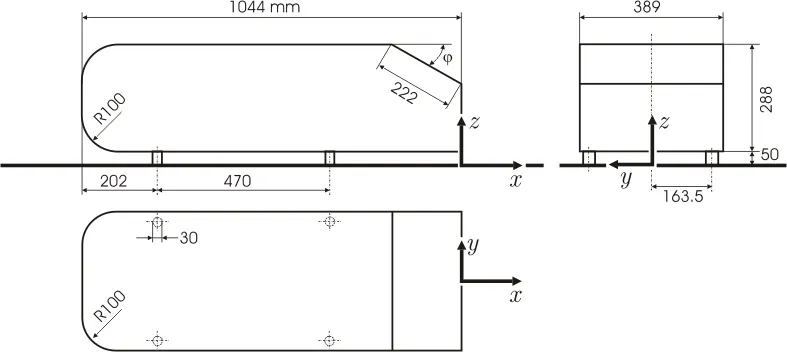
The Ahmed body is a simplified vehicle model. The airflow around the Ahmed body captures the essential flow features around an automobile and was first defined and characterized in the experimental work of Ahmed. Although it has a very simple shape, Ahmed body allows us to capture characteristic features that are relevant to bodies in the automobile industry. This model is also used to describe the turbulent flow field around a car-like geometry. Once the numerical model in validated, it is used to design new models of the car. Ahmed's body is made up of a round front part, a moveable z slant plane i
n the rear of the body to study the detachment phenomena at different angles, and a rectangular box which link the front part and the rear slant plane. The standard dimensions of the Ahmed's model is shown as below.
Importance of Ahmed body:
An Ahmed body represents a simplified like vehicle volume which helps understand the fundamental physics defining by the engineers the lift and drag forces and coefficients at certain characteristically velocities, pressure differences, and seeing and analyzing the vortices, turbulence and Reynolds number obtained. By performing this type of stimulation gives the numerical results under validated conditions, and by comparing these results with experimental data used to design new model of cars.
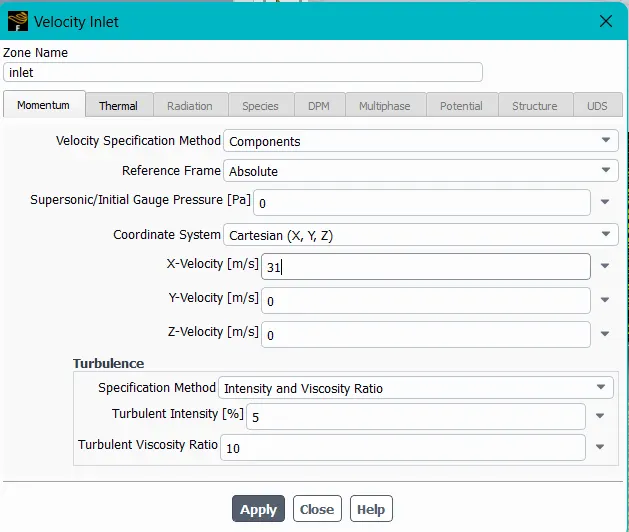
2. Set up the domain and setup assuming body is travelling at 110 kmph.
Geometry:
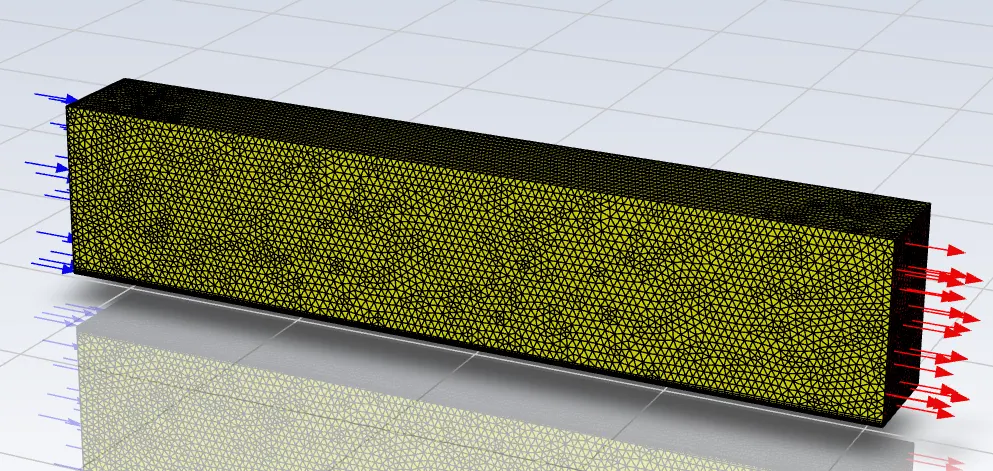
Import the given geometry into the Ansys Spaceclaim and the given model is looks like as shown in the fig.
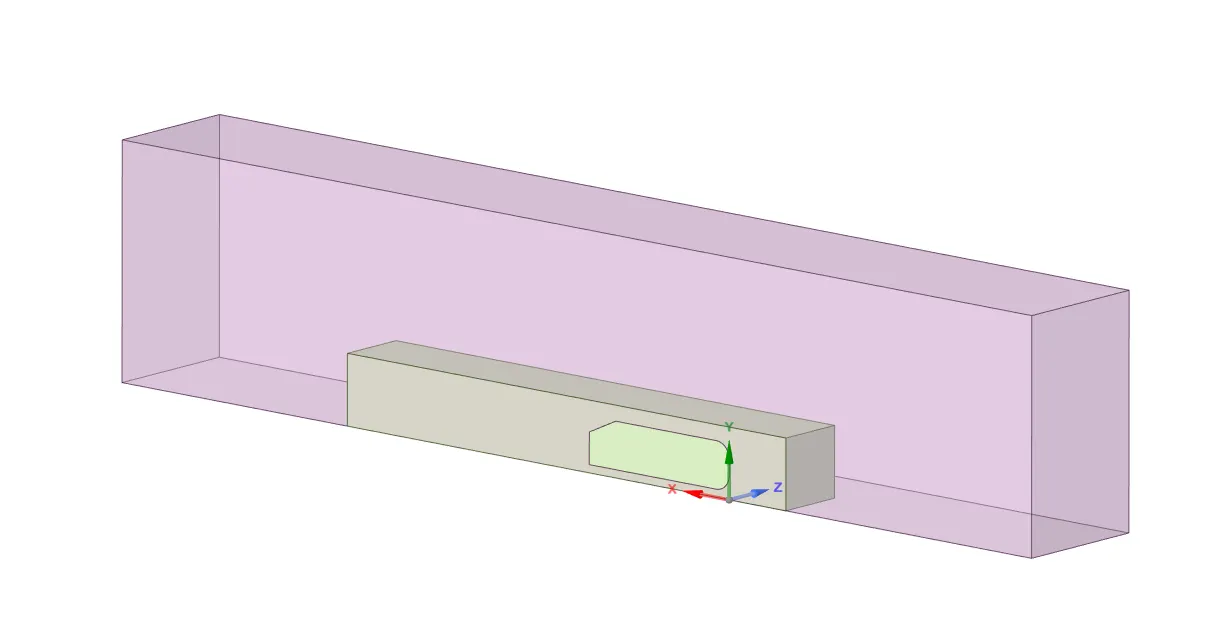
This model contains Ahmed's body faces and symmetry planes of the enclosure, and the road surface and the inlet, outlet.
Meshing:
Now, import the geometry file into the meshing interface.
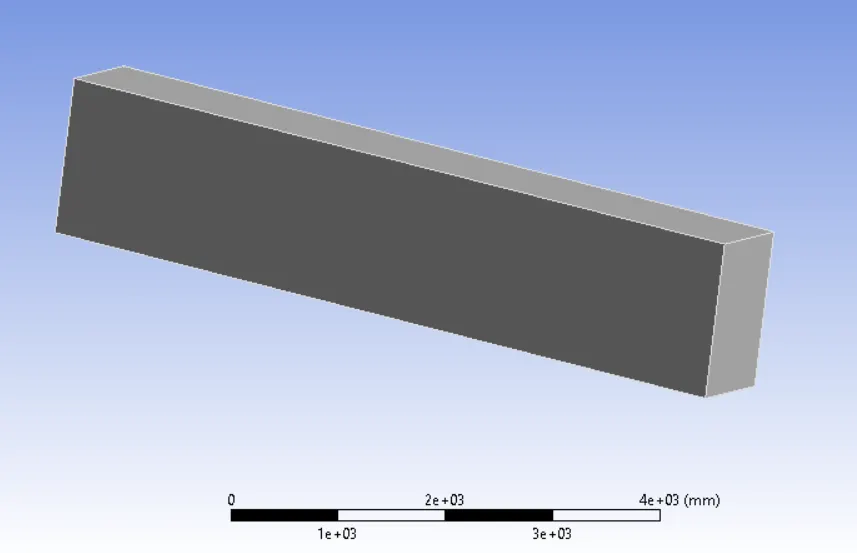
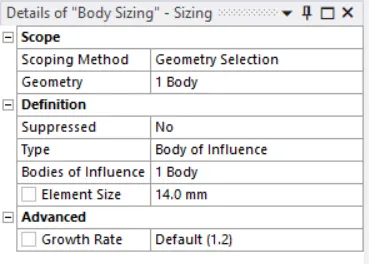
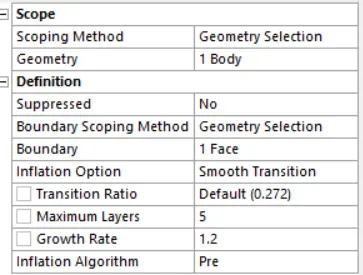
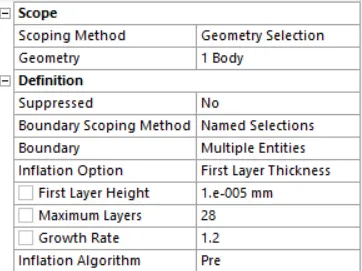
Here to refine the mesh some meshing methods are used:
- Body sizing
- Inflation:
- Inflation2:
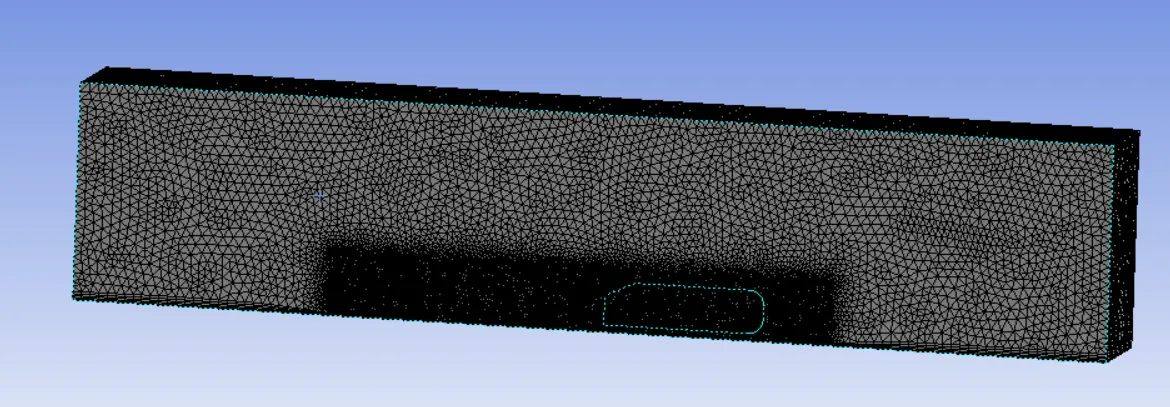
This meshing results 588732 nodes and 2725850 elements.
Mesh Metrics:
The mesh element quality criteria for this refined mesh were shown in the fig

Simulation Setup:
Now, imported the Ahmed's body mesh into the Fluent setup.
Solver Type: Pressure-Based
Solver Time: steady
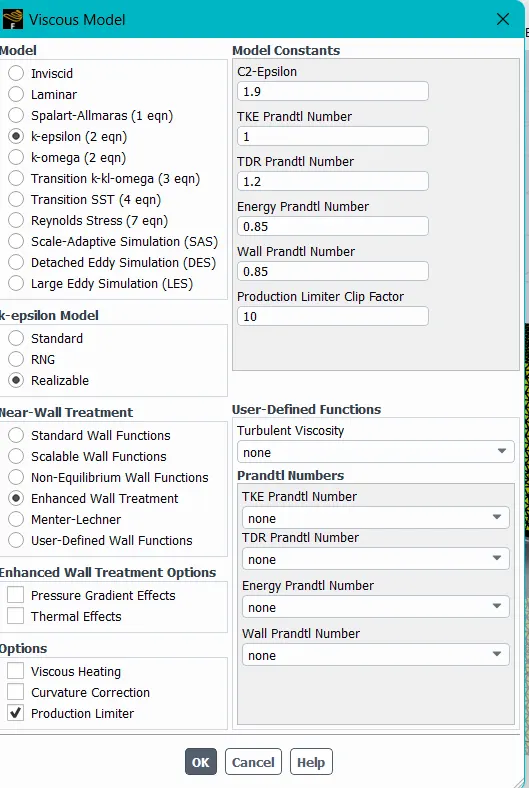
Viscous model:
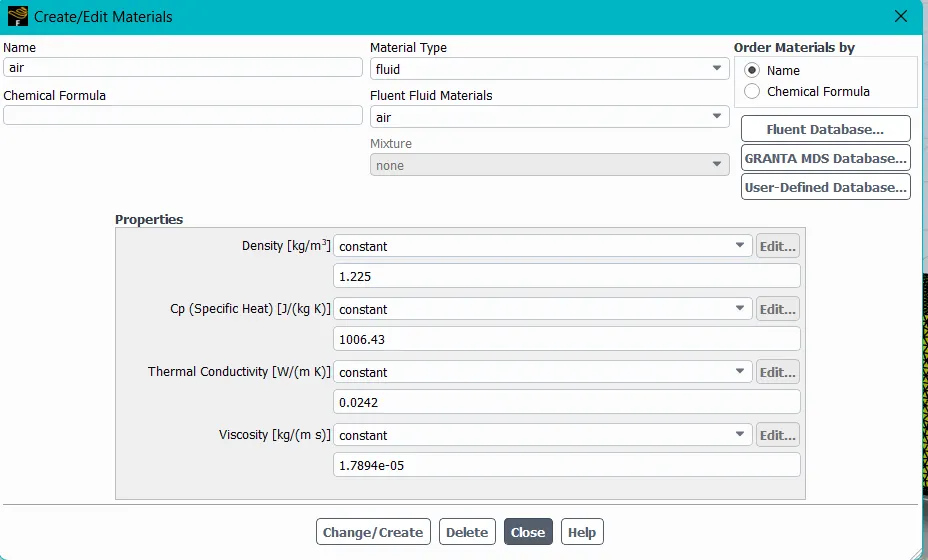
Material:
Boundary Conditions:
Inlet:
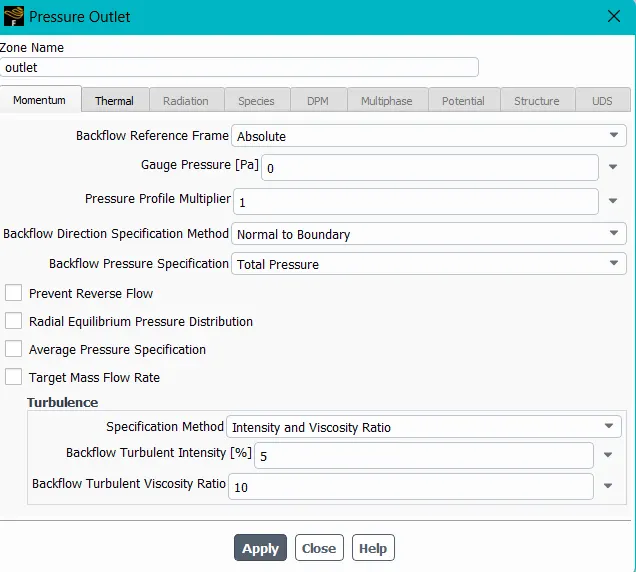
Outlet:
Road:
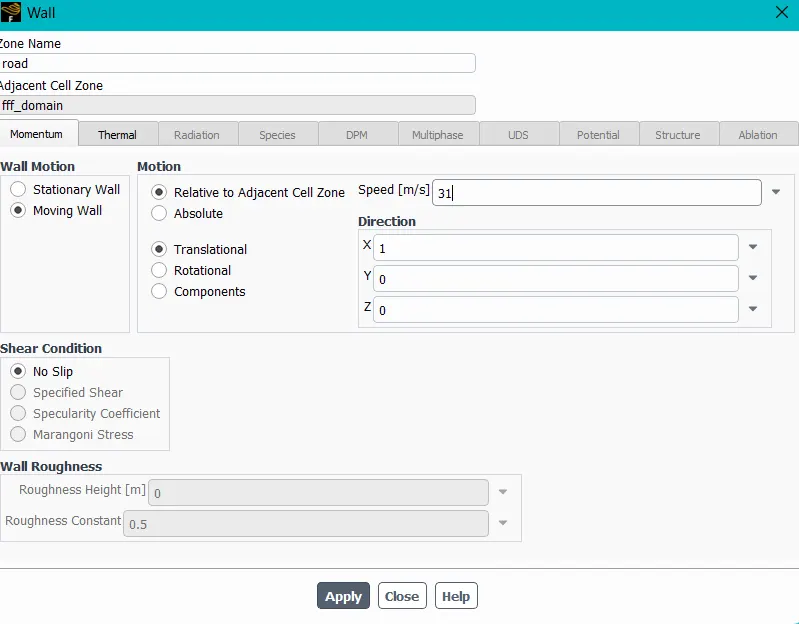
And the side body, top and bottom body set as walls.
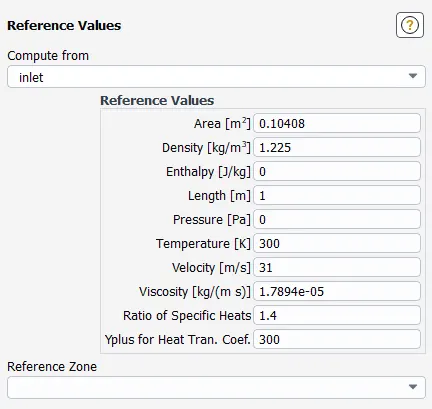
Reference Values:
Methods:
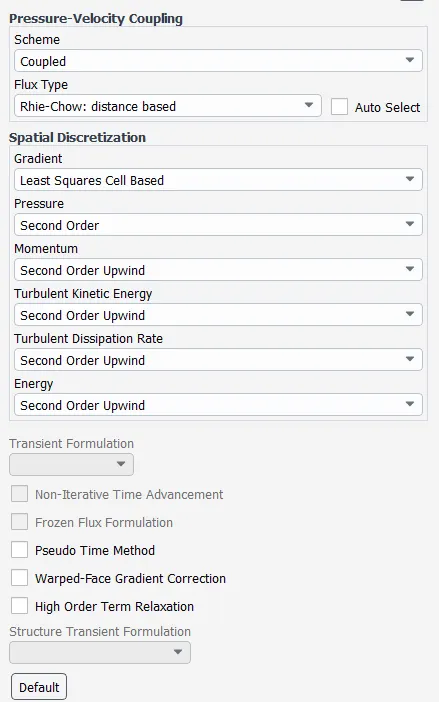
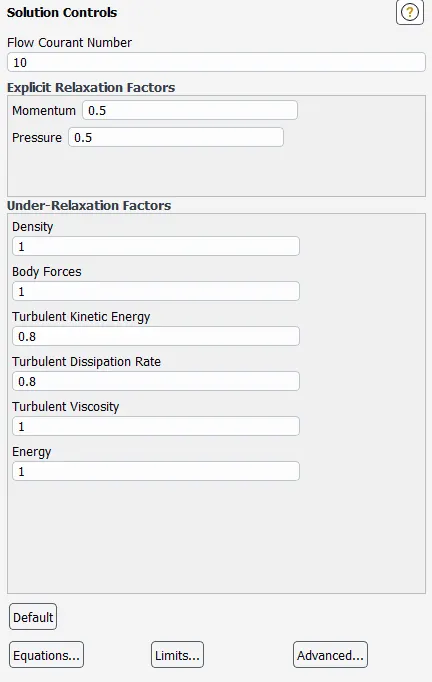
Controls:
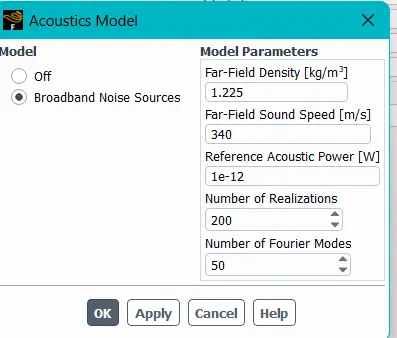
Acoustics Model:
Results:
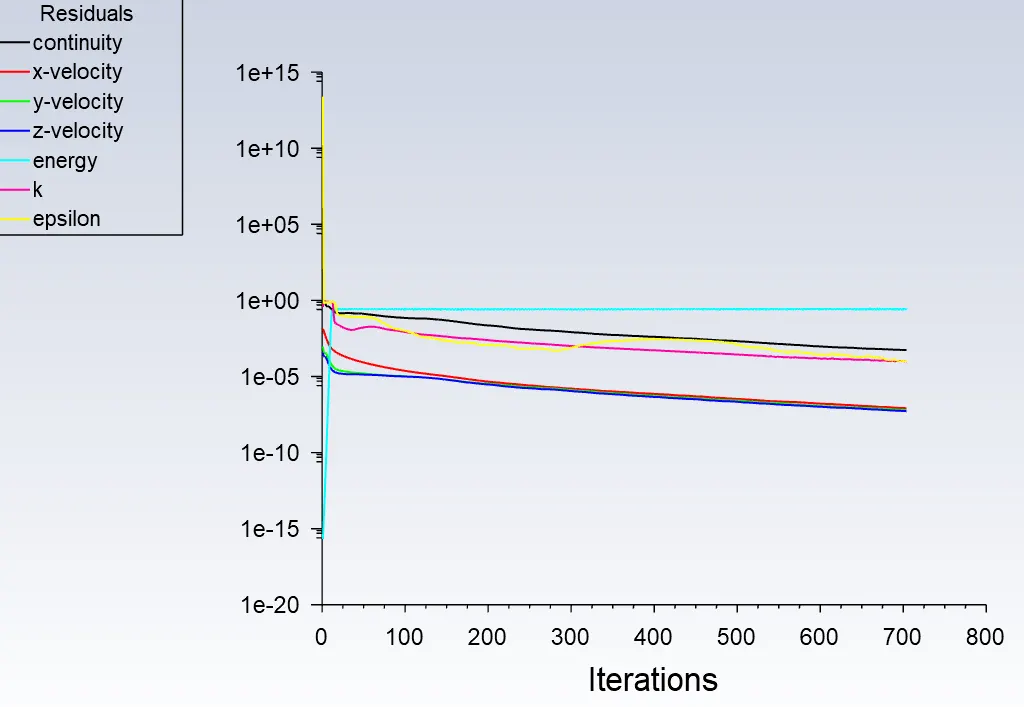
Residuals:
Lift-coefficient: 0.14664988
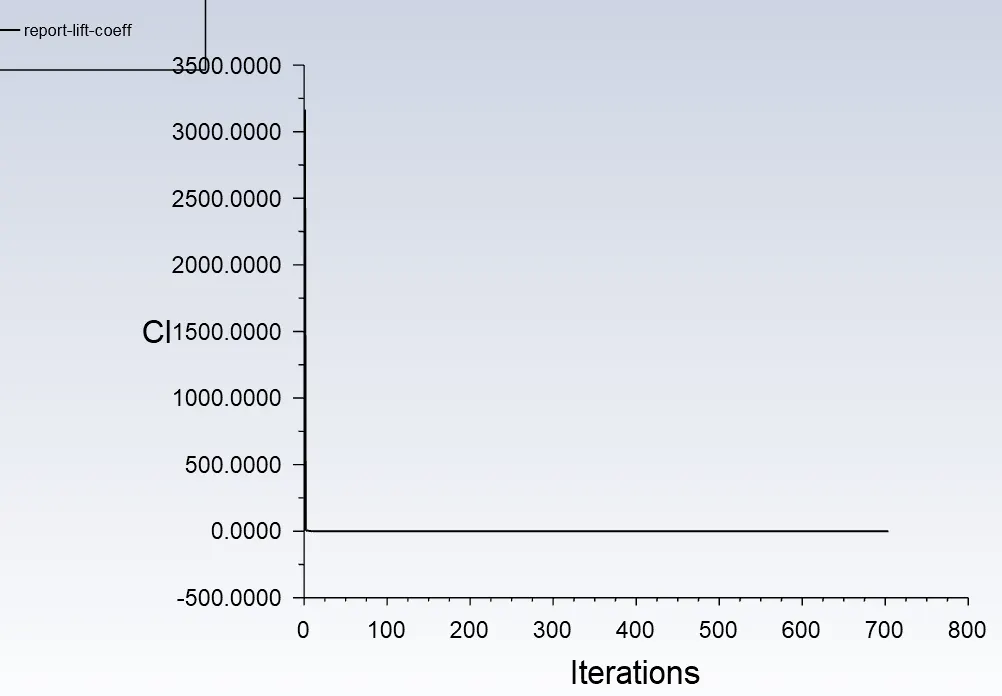
The lift force of this simulation is resulted as 0.14664988, and this is almost constant after 20 iterations.
Drag-coefficient:
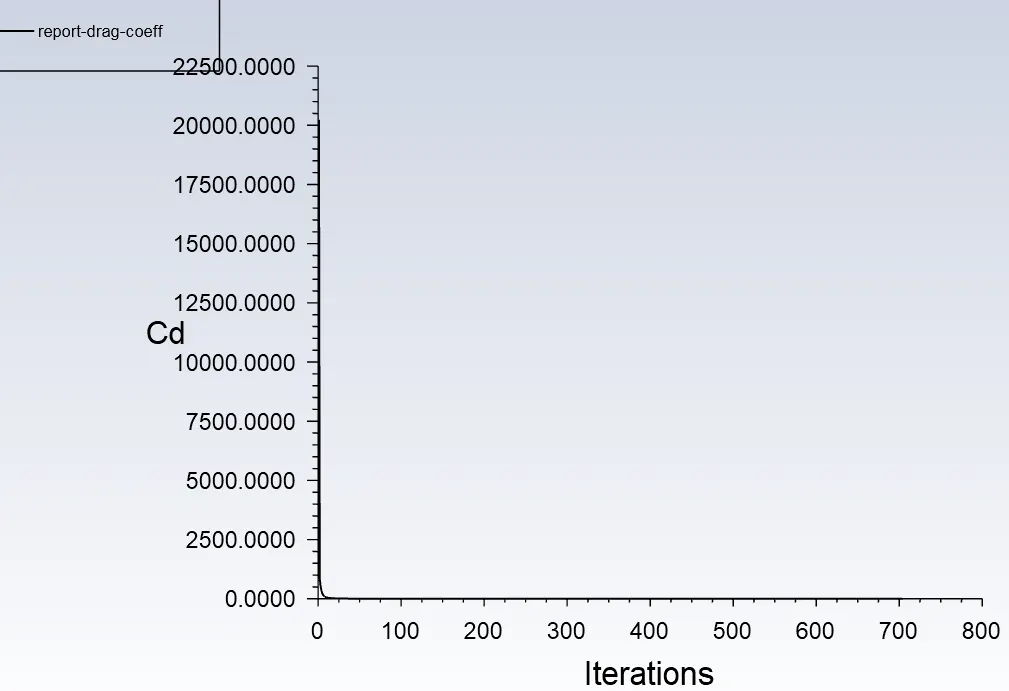
The drag force of this simulation results as 0.13114942.
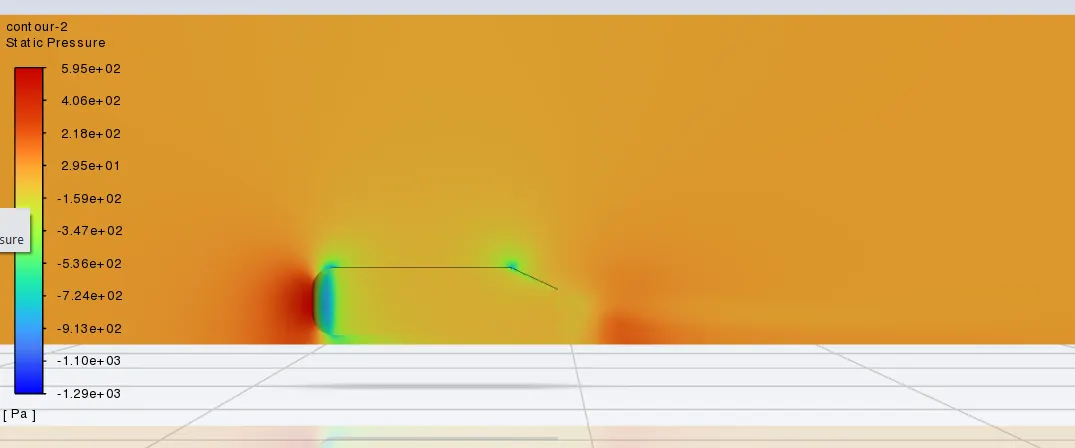
Static Pressure:
Velocity contour:
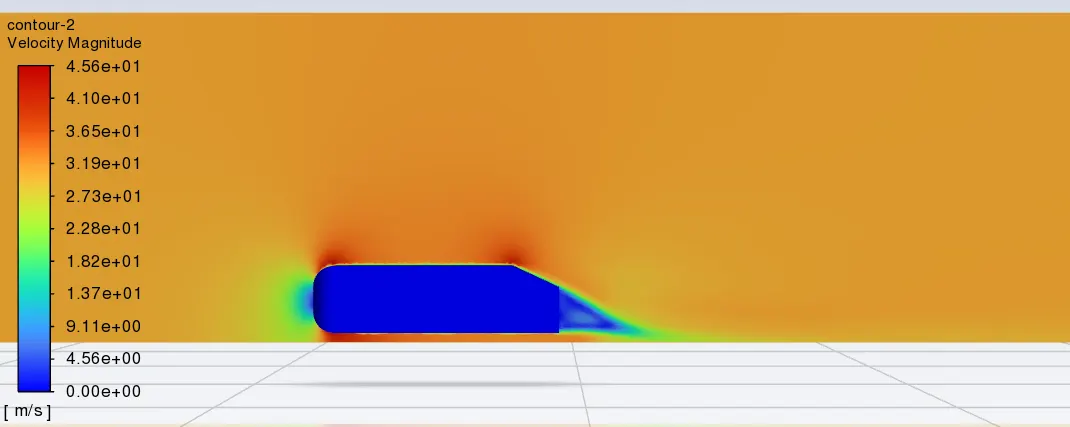
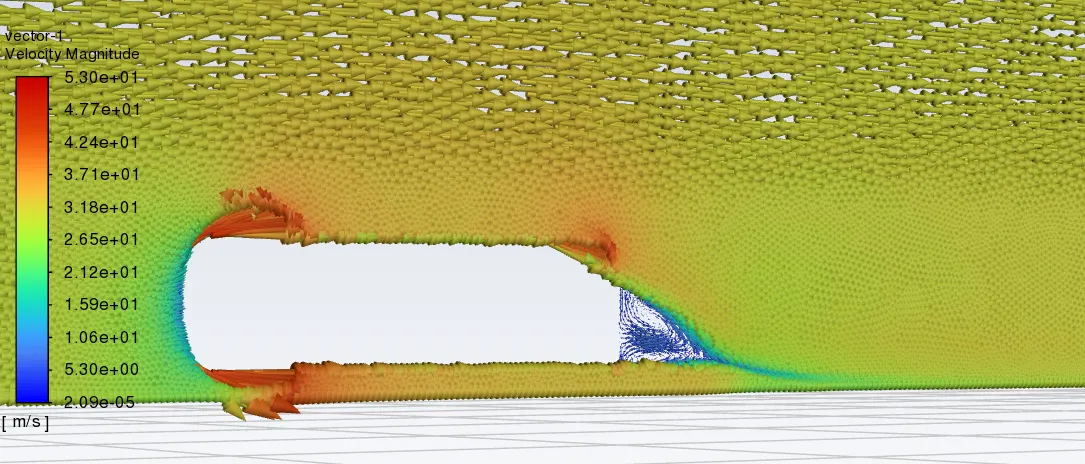
The wake region is formed at the rear face with low velocity magnitude. And the high velocity flow occurs at the edges of the top and bottom to intersect of enclosure surface.
Velocity Vector:
Acoustic Power Level:
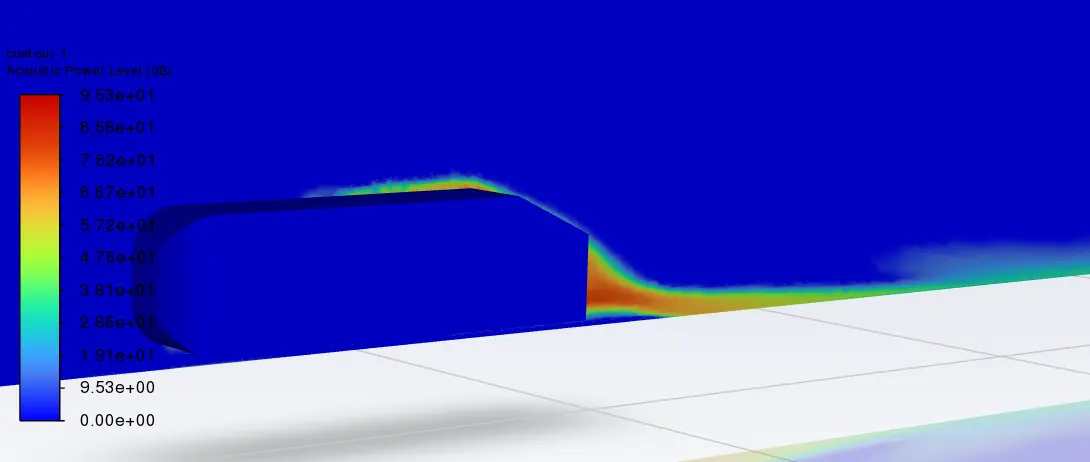
This result represents the intensity of sound power level, that means the total acoustic energy emitted by a source per unit of time. The wake region at the rear side of the body shows high acoustic layers around 95.3dB. This high acoustics results are due to the interaction of the body with the high velocity of air.
Surface Acoustic Power:
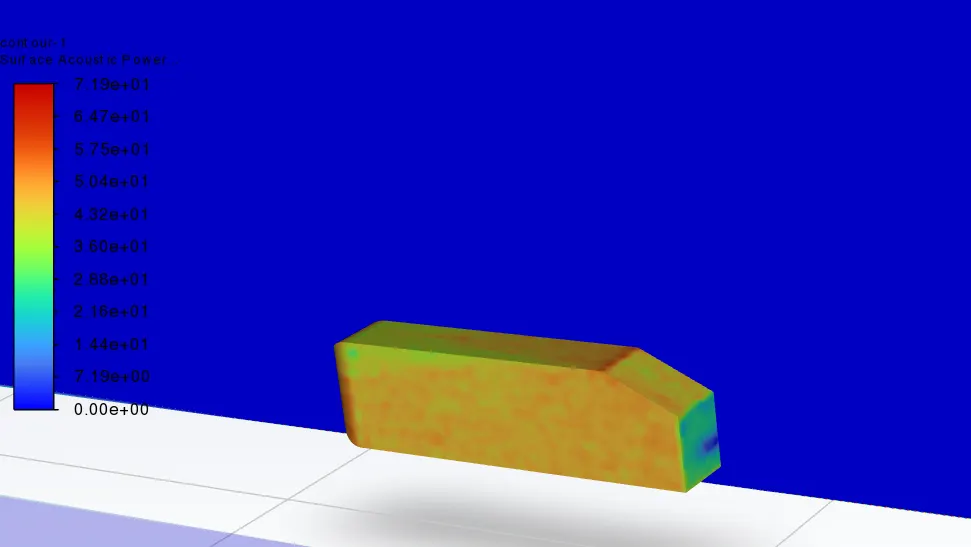
Here, the less sound produced at the front and bottom faces of the body.
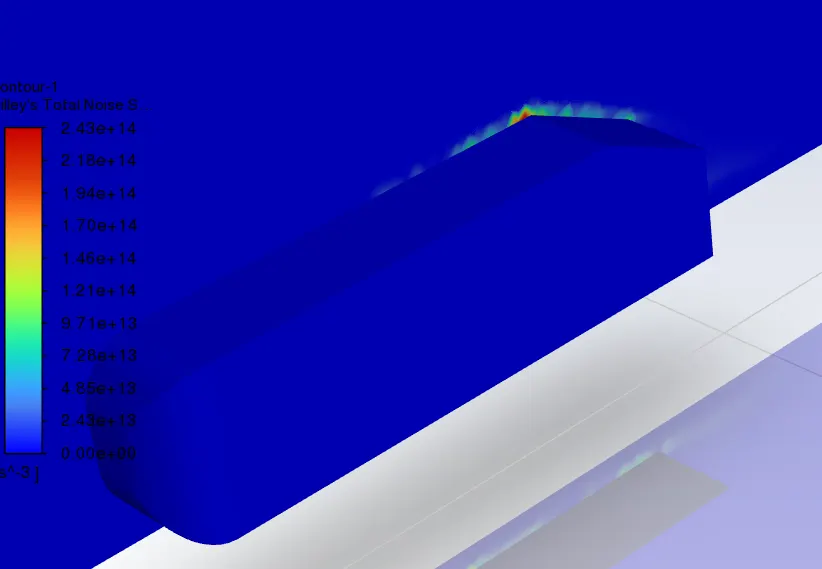
Lilley's Total Noise surface: