Week 11- Broadband Noise modelling over Ahmed body
Aim- To perform a Broadband Noise Modelling simulation using an acoustic module over an Ahmed body in Ansys Fluent.
Objective-
- Describe Ahmed's body and its importance.
- Setup the domain and setup assuming the body is travelling at 110 mph
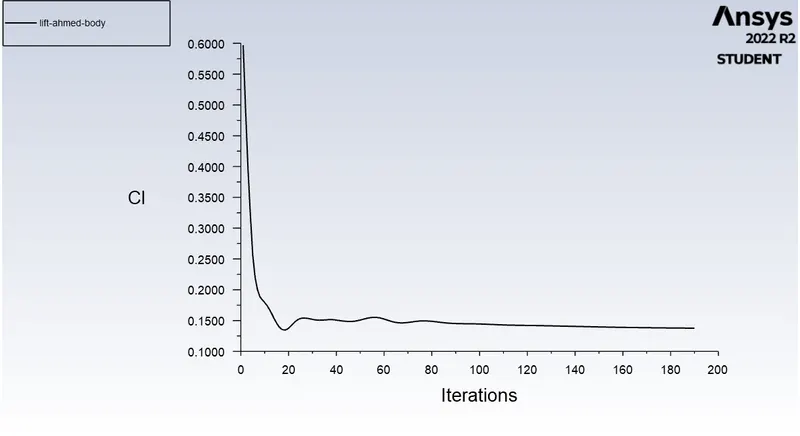
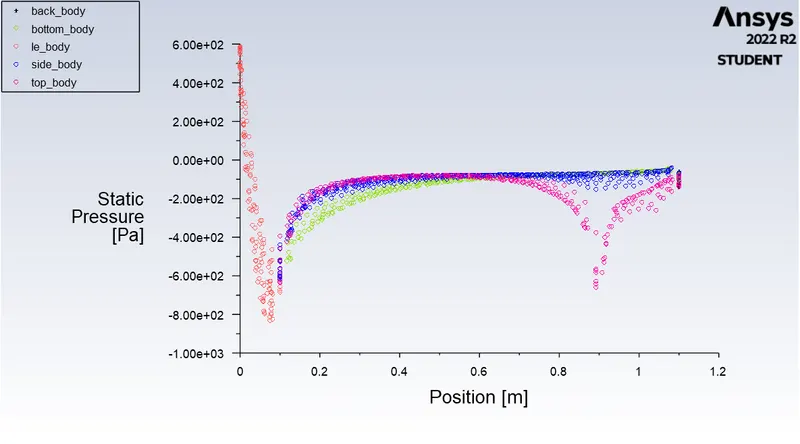
- Run the setup till convergence and plot for static pressure and coefficient of drag and lift to check for convergence
- Turn on Broadband- modelling and detail the acoustic field study over Ahmed's body.
Theory-
Ahmed body- The Ahmed body was created by S.R. Ahmed. It plays an important role in benchmarking for aerodynamic simulation tools. The exact dimensional values of the ideal ahmed body is Length- 1.044 meters, height- 0.288 meters and width- 0.389 meters. And the Ahmed body has cylindrical shapes like legs on the bottom of the body which is used to replicate the wheels. And the rear end of the body has a slanted fall of 35 degrees.
Importance of Ahmed's Body-
The drag force against the car body plays an important role while considering the fuel consumption of the vehicle. We can say that the drag force experienced on the car body is directly proportional to the fuel consumption of the vehicle. The higher the drag the higher would be the fuel consumption thus lead to the making more expensive to maintain the car. As the burning of fossil fuel becomes an issue the car manufacturers are keen to produce an fuel-efficient car.
And now the geometry of the car becomes more complex and it becomes difficult to quantify the aerodynamic drag computationally. So thus comes the Ahmed body as a benchmark model that is widely used in the automotive industry for validating simulation tools.
Acoustics-
Acoustics, sometimes called acoustical physics, is the science that deals with the production, transmission, reception, control, and effects of sound in gases, liquids, and solids. The sound may be produced when a material body vibrates; it is transmitted only when there is some material body, called the medium, that can carry the vibrations away from the producing body; it is received when a third material body, attached to some indicating device, is set into vibratory motion by that intervening medium. However, the only vibrations considered sound (or sonic vibrations) are those in which the medium vibrates in the same direction as the sound travels and for which the vibrations are very small.
Acoustical simulation in Ansys fluent Simulation-
The theory behind the calculation of acoustical changes is that by the propagation of sound waves inside a medium, the level of pressure inside that medium varies due to undulations of the mentioned sound wave. These variations in pressure distribution inside the medium can be calculated by solving momentum equations and obtaining the pressure field. The acoustics module implemented in the ANSYS Fluent software contains three main and different models for acoustic simulations; Ffowcs-Williams & Hawkings (FW-H), Wave Equation, and the broadband noise model.
BROADBAND NOISE MODELLING
In many practical applications involving turbulent flows, noise does not have any distinct tones, and the sound energy is continuously distributed over a broad range of frequencies. In those situations involving broadband noise, statistical turbulence quantities readily computable from RANS equations can be utilized, in conjunction with semi-empirical correlations and Lighthill's acoustic analogy, to shed some light on the source of broadband noise.
Geometry-
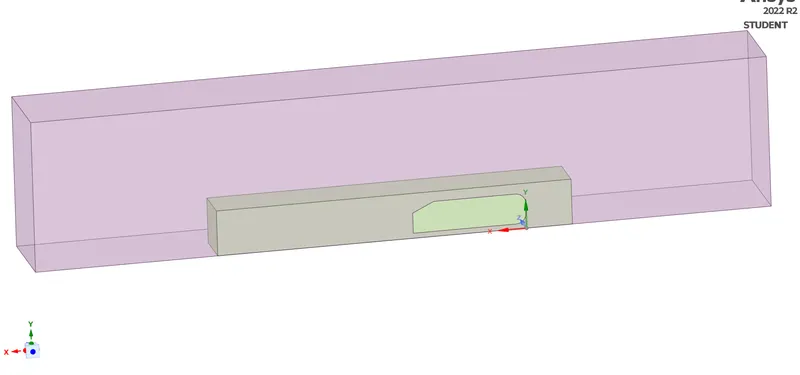
Import the Ahmed body geometry on space claim.
Mesh –
On the mesh, the console name the entities using the Named Selection option.
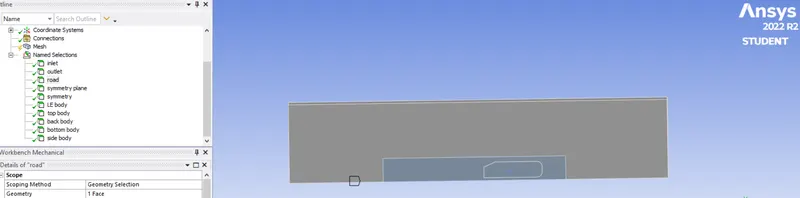
For this mesh, we go with
Element size = 160 mm
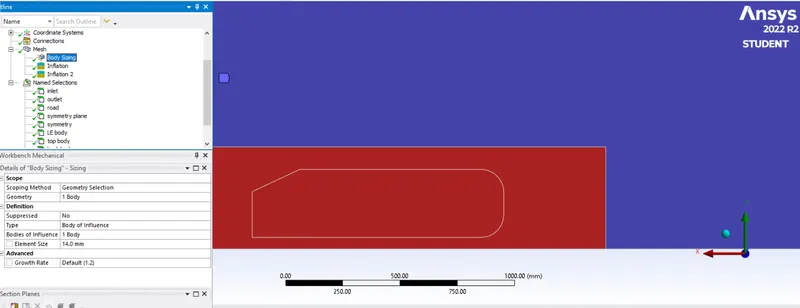
we perform a Body Sizing mesh on the “density” domain
Type- Body of Influence
Element size- 26.2mm
Then, Inflation layer has been used on the “Road” face and on the Ahmed Body
Road –
Maximum layers – 5
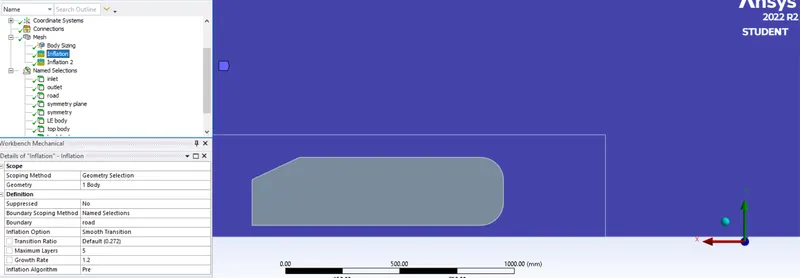
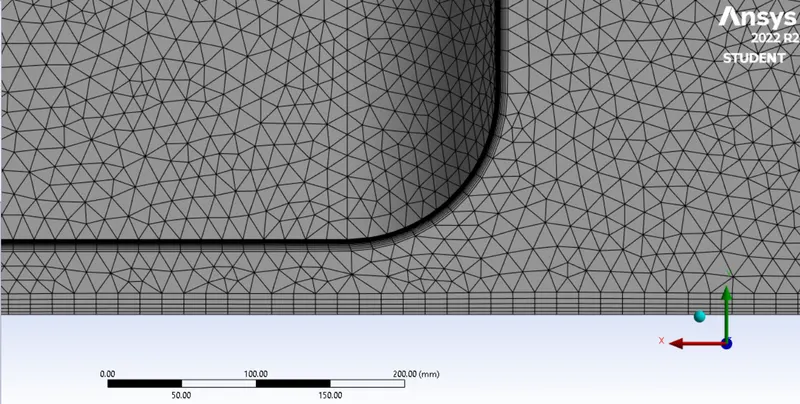
Ahmed Body –
First layer thickness- First layer height =0.00001m
Maximum layers – 28
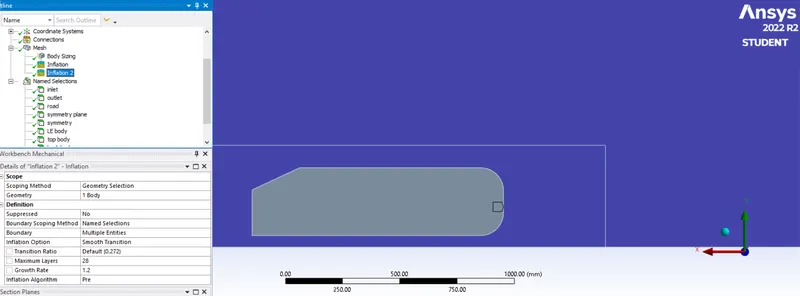
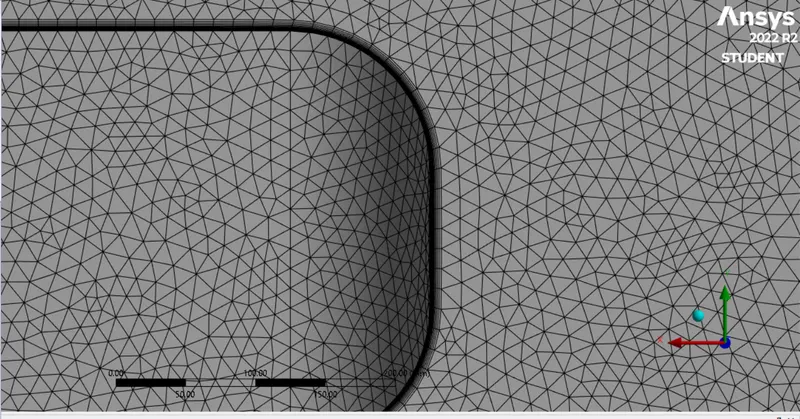
Note- The bigger element sizes are taken to satisfy the student license limitations of Ansys (<512k elements)
The achieved Statistics

Setup –
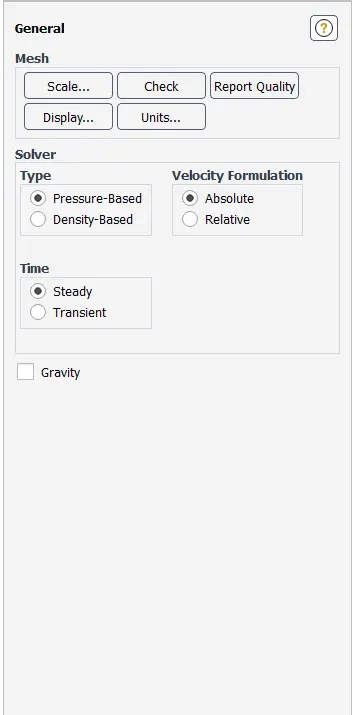
For this simulation,
Pressure based solver
Steady-state analysis
Velocity formulation - absolute
Enable Energy equation
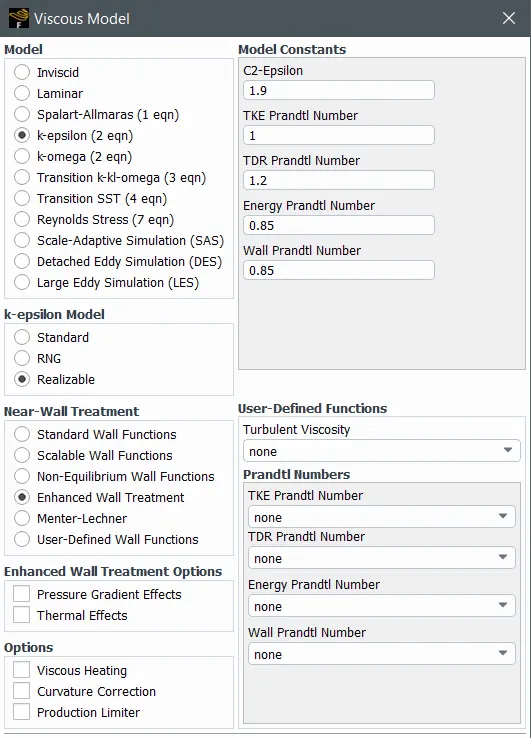
Viscous model,
K- epsilon model-(realizable- Enhanced Wall Treatment) with Production limiter Enabled
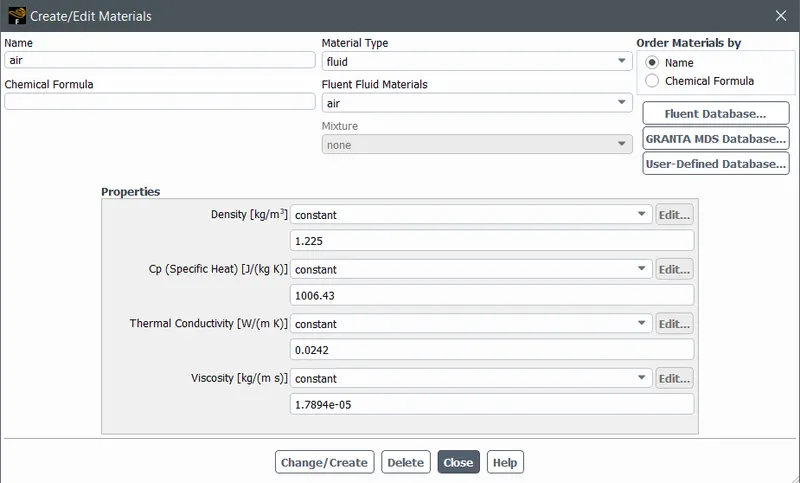
Materials,
Fluid (air)
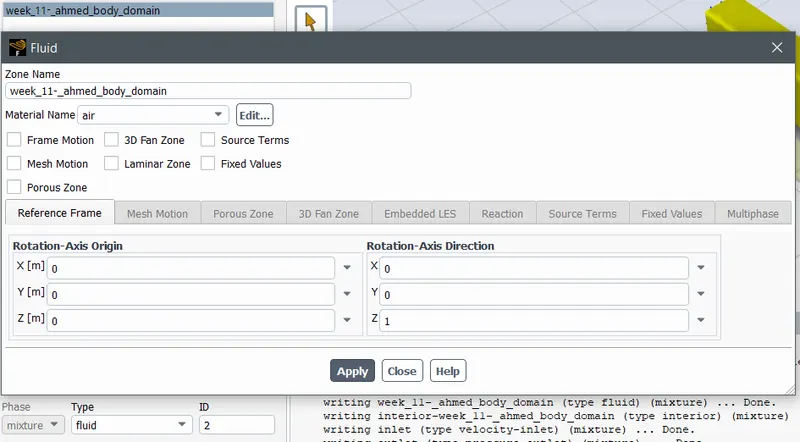
Cell Zone Conditions,
It is set as fluid
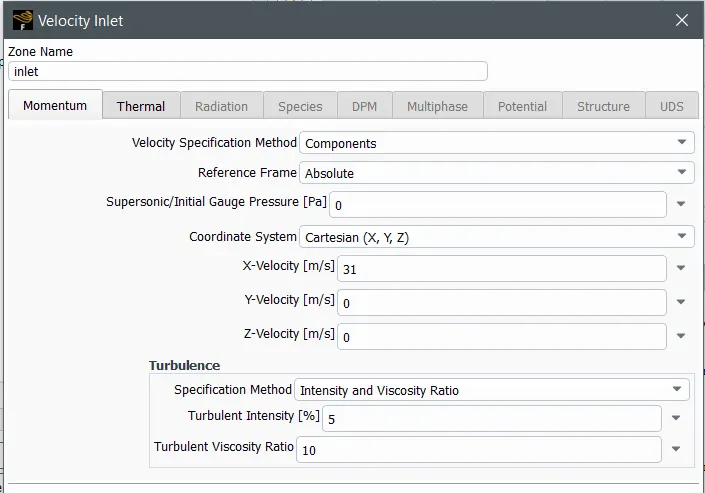
Boundary Conditions,
INLET – Velocity inlet
Velocity specification – Components
X(velocity)= 31 m/s (110kmph)
OUTLET – Pressure outlet
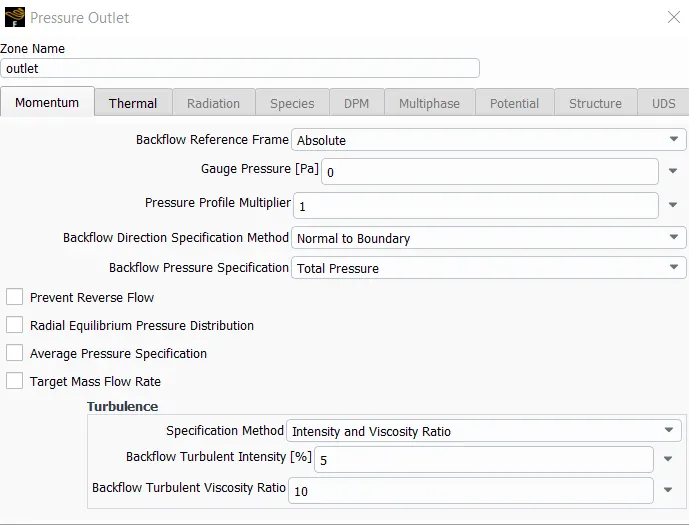
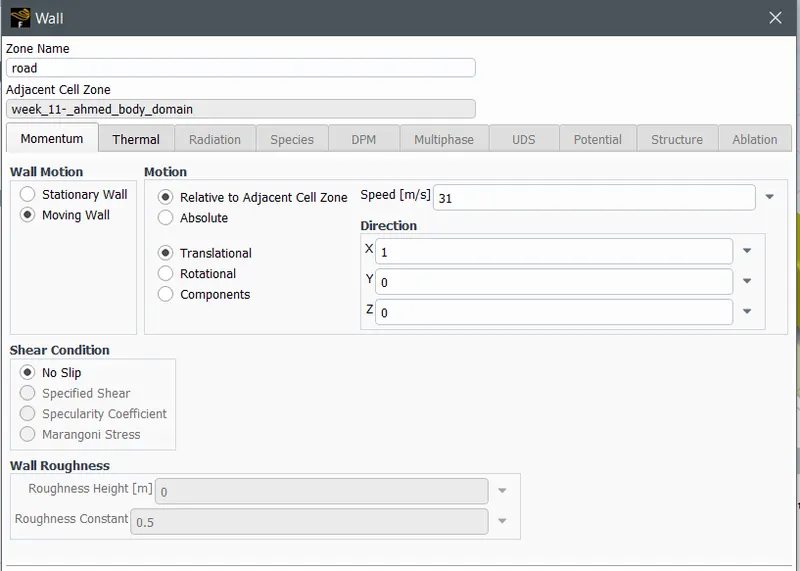
Road – Moving wall
Speed – 31m/s
Rest of the boundary conditions are defined by the fluent as per their named.
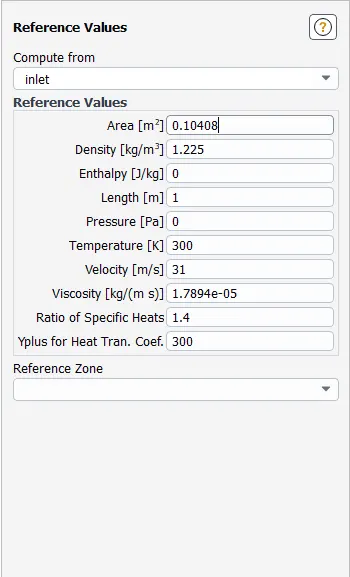
Reference Values,
Compute form Inlet
Area – 1.18 H^2
= 1.18 * 0.297 *0.297
= 0.10408
Solution methods – Coupled, second-order upwind
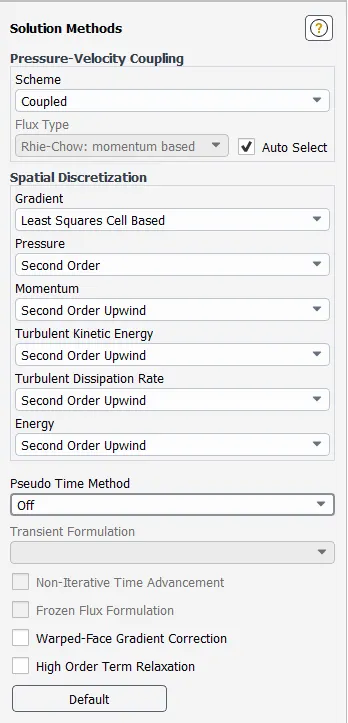
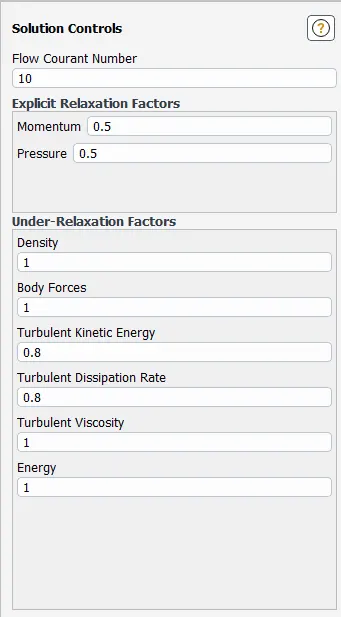
Solution Controls – Courant number = 10
Standard Initialization,
Compute from INLET
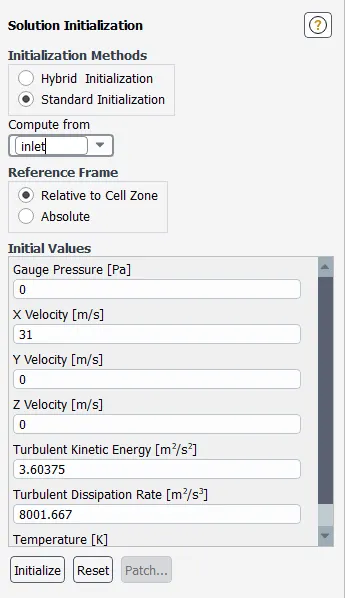
Run the simulation for 500-time steps.
Results -
Iterations
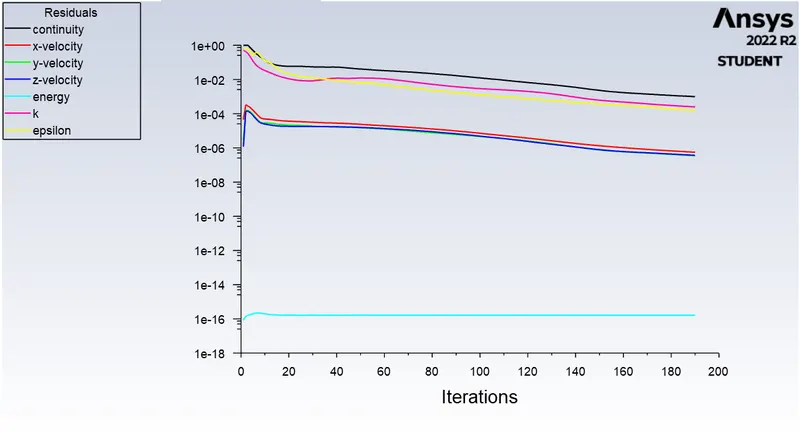
The solution got converged on 190th iterations.
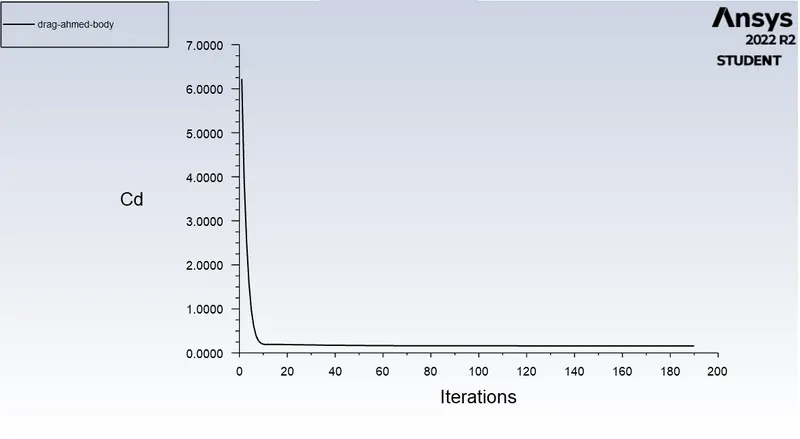
Coefficient of Drag
Coefficient of Lift
Static Pressure on the Ahmed Body
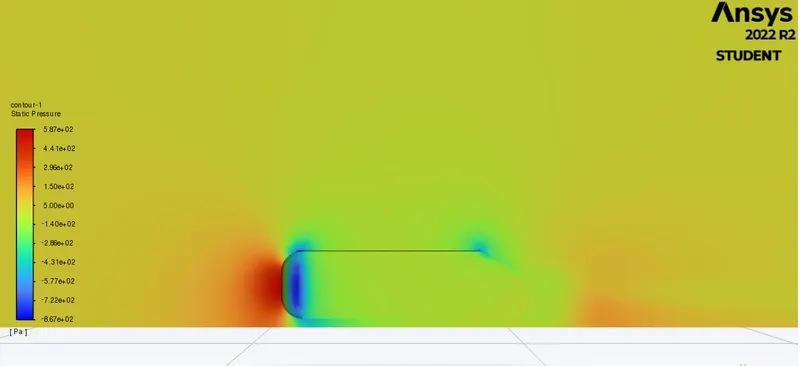
Static Pressure Contour
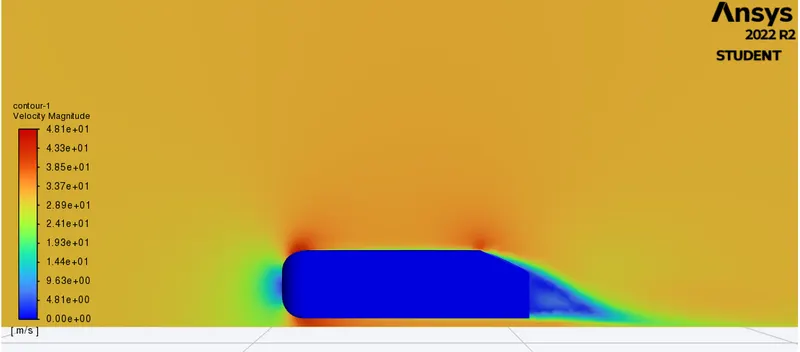
Velocity Contour
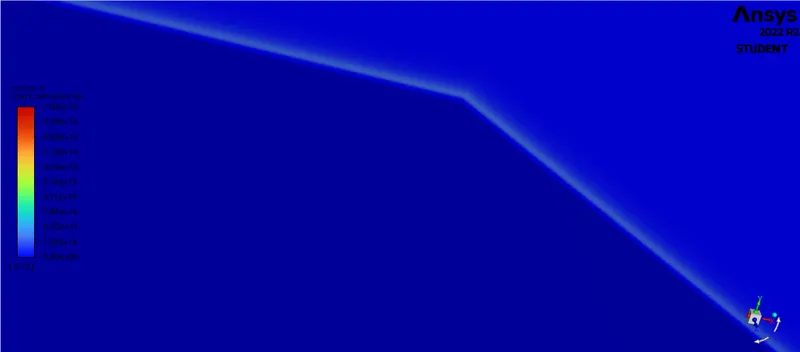
Acoustic Broadband Modelling
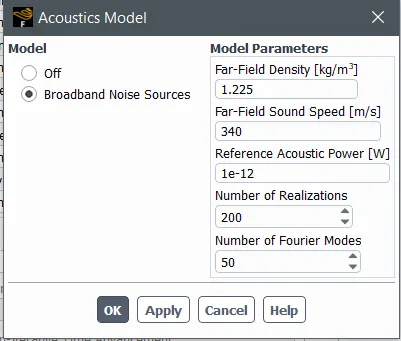
Enable the "Acoustic model" and select "Broadband Noise Sources" on Ansys fluent from "Models" drop-down menu
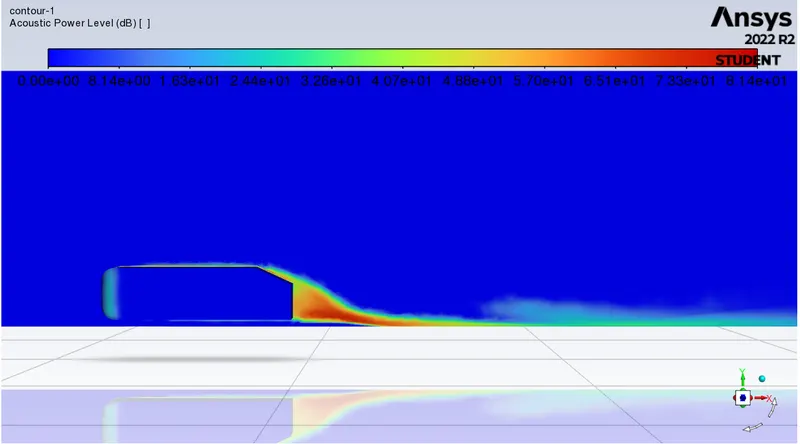
Acoustic Power Level Contour
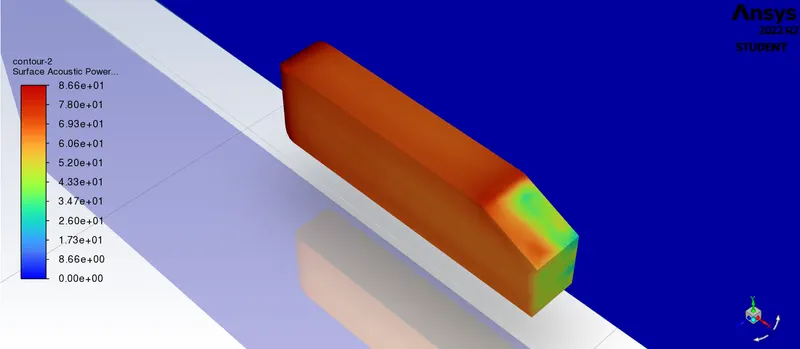
Surface Acoustic Power Contour
Lilly's Self Noise contour
Front
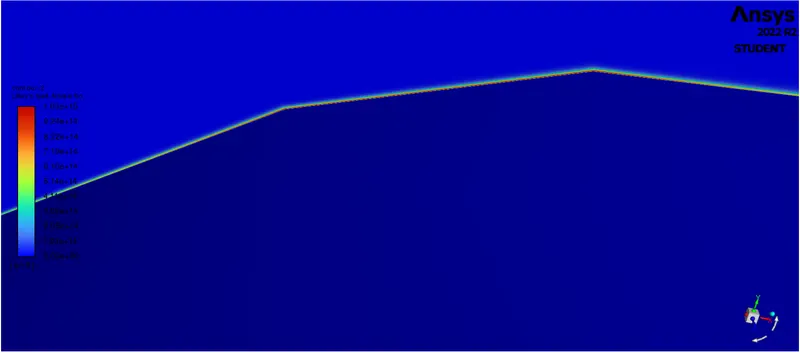
Back
Conclusion-
- Acoustic Broadband modelling has been conducted on Ahmed's body and the pressure, velocity and acoustic modules- Lilly self-noise modelling, and surface noise modelling is been calculated and visualized via contours.
- The static pressure obtained on Ahmed's body = -6.181 pascals
- The Coefficient of lift experienced by Ahmed Body, CL = 0.137
- The Coefficient of Drag experienced by Ahmed Body, Cd = 0.160