Week 11- Assembly Workbench
AIM:
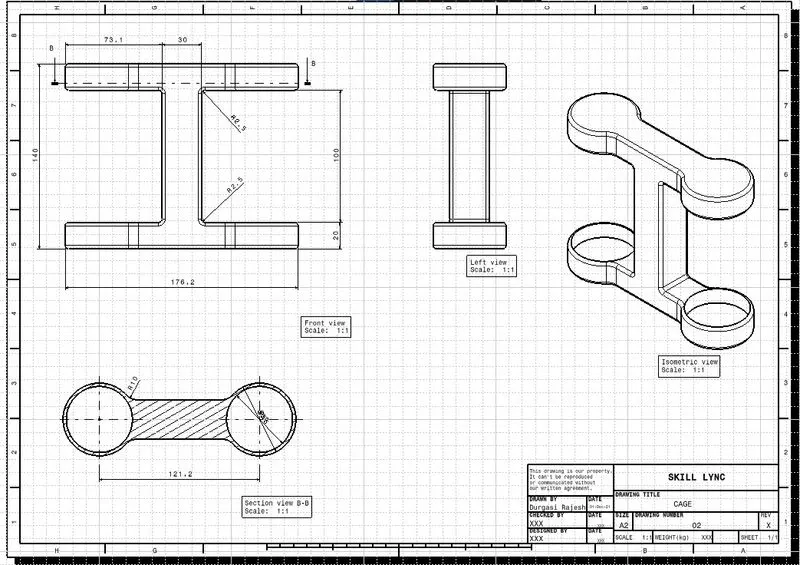
To create the individual part files and then create a complete assembly of those parts in the assembly workbench. Draw the 2D drawing for given flies and by use of the draft workbench.
Quick Return Mechanism:
A quick return mechanism is an apparatus that converts circular motion into reciprocating motion in presses and shaping machines, which are utilized to shape stocks of metal into flat surfaces. This mechanism is mostly used in shaping machines, slotting machines, and rotary internal combustion engines. The word quick return indicates that the returning stoke is faster than the forward stroke which helps the tool to retrieve back faster after doing a particular job. The time ratio of a Quick Return mechanism is the ratio of the change in input displacement during the working stroke to its change during the return stroke.
By using a Boolean method, the below-shown cad parts were generated.
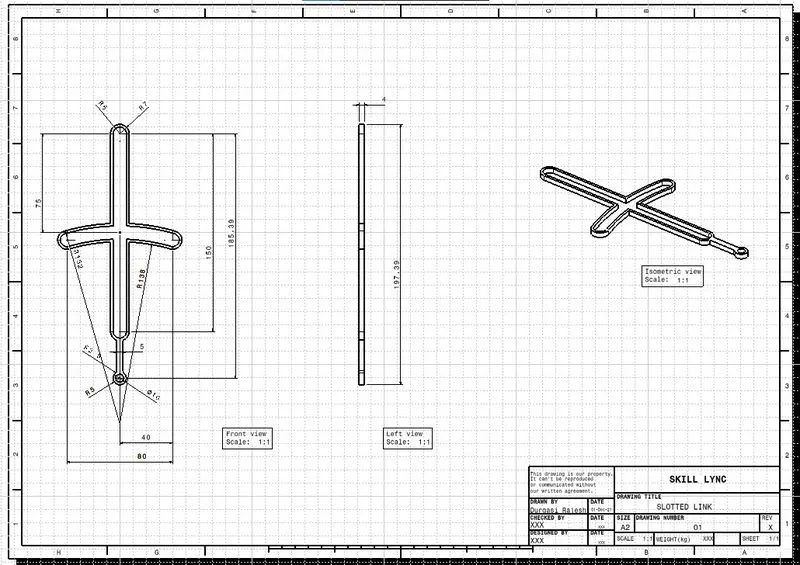
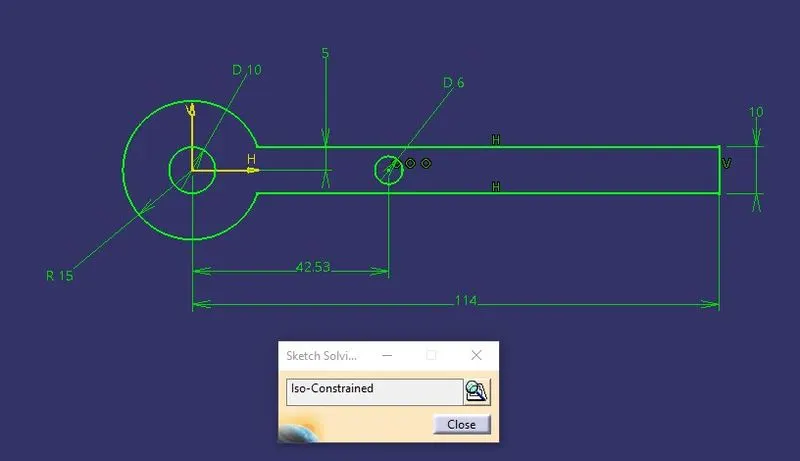
1. Slotted Link:
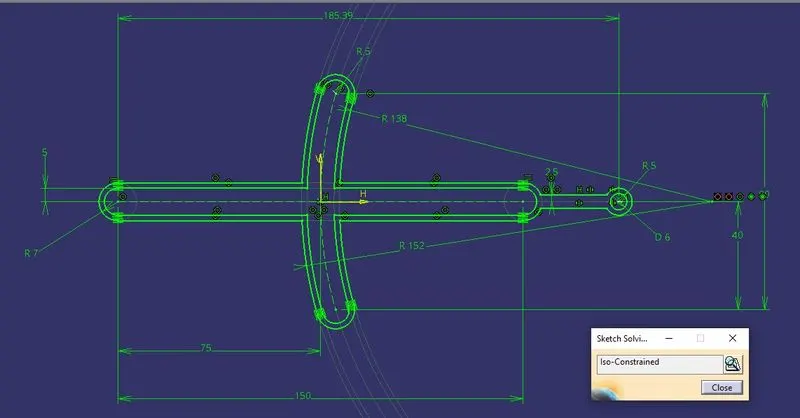
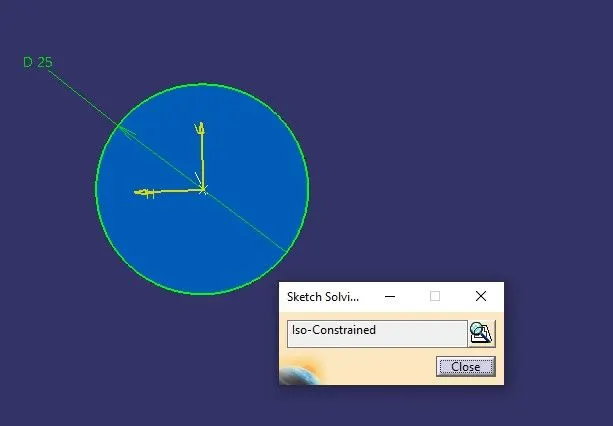
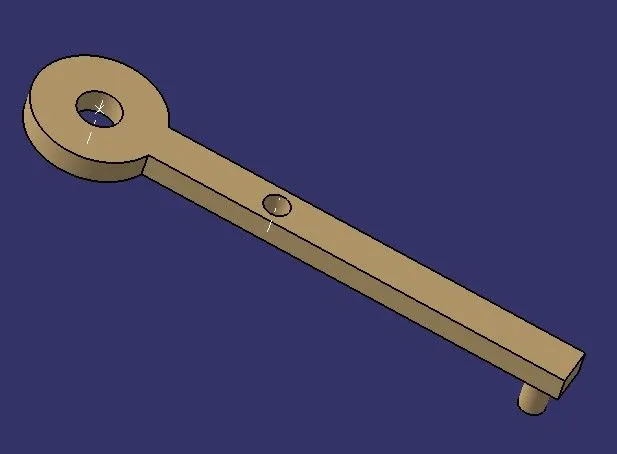
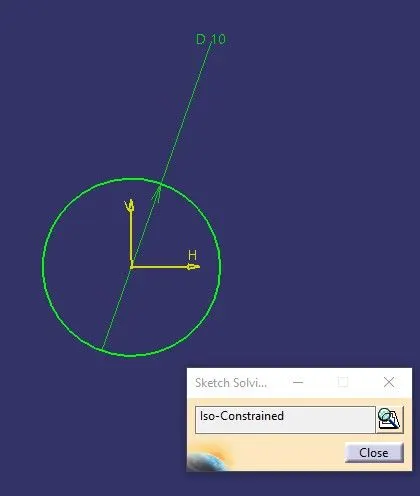
The 2D drawing of the slotted link with sketch solving status.
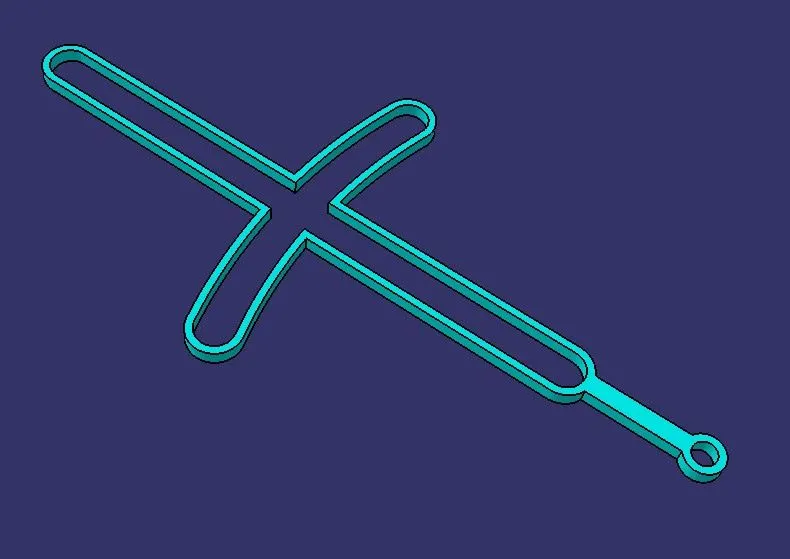
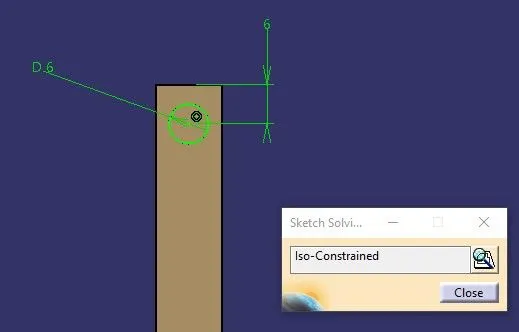
Now pad the sketch.
2. Pivot Pin:
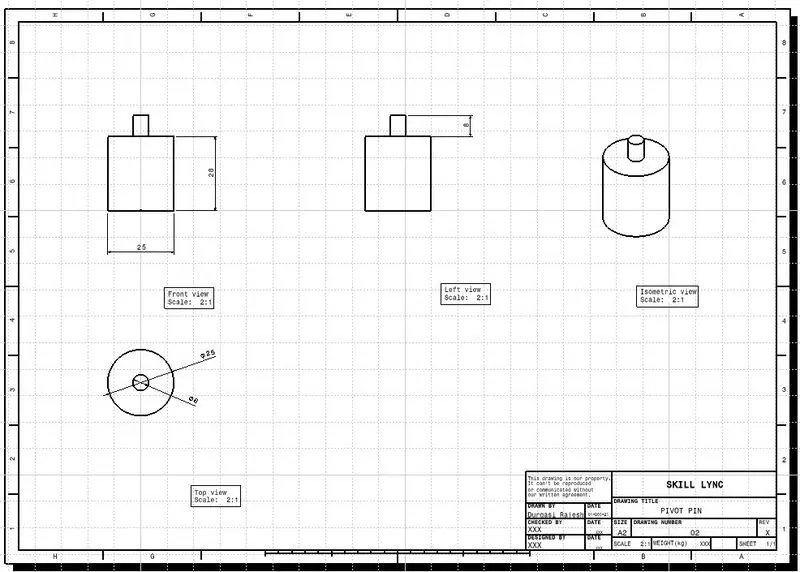
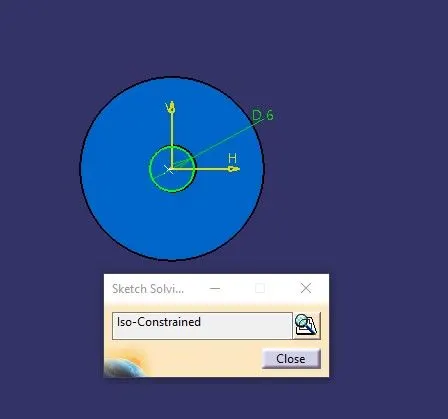
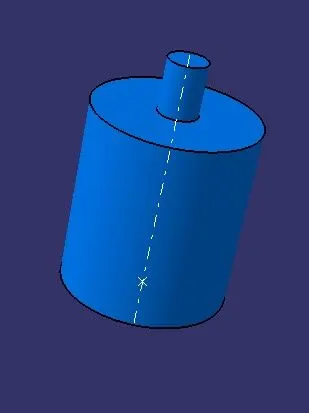
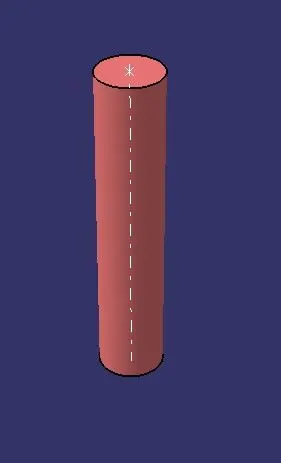
Draw the sketches of the pivot pin and pad it.
3. Support:
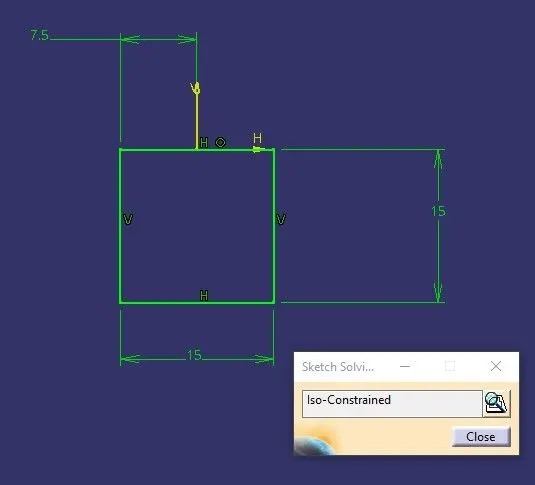
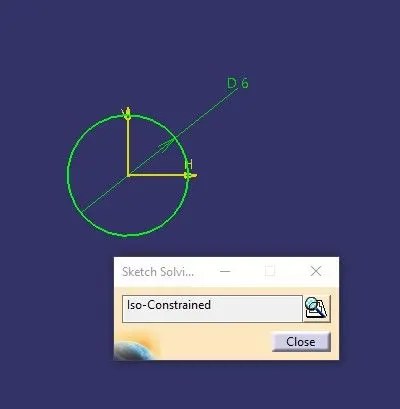
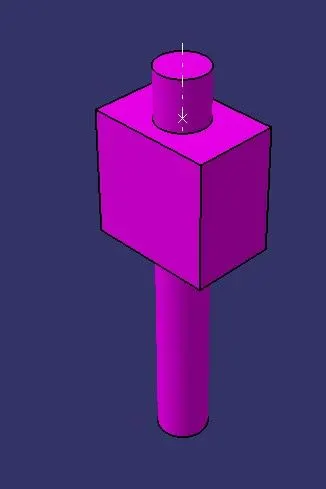
4. Sliding Block:
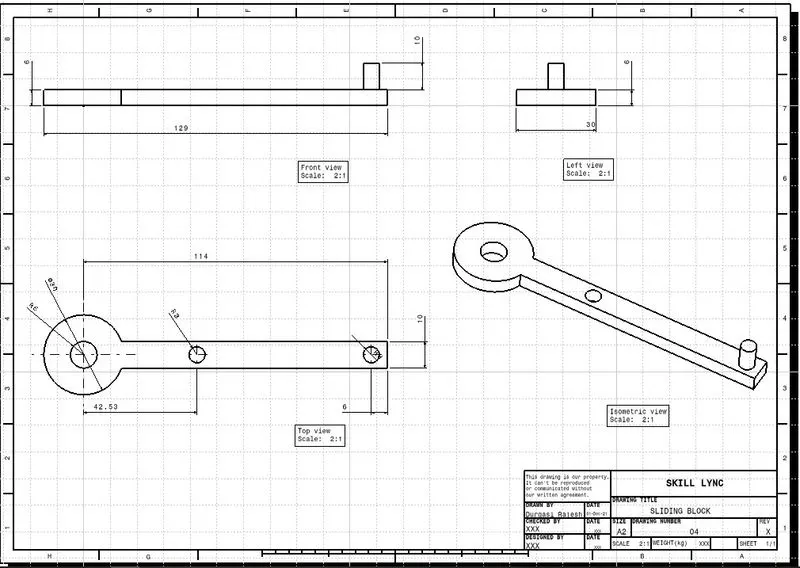
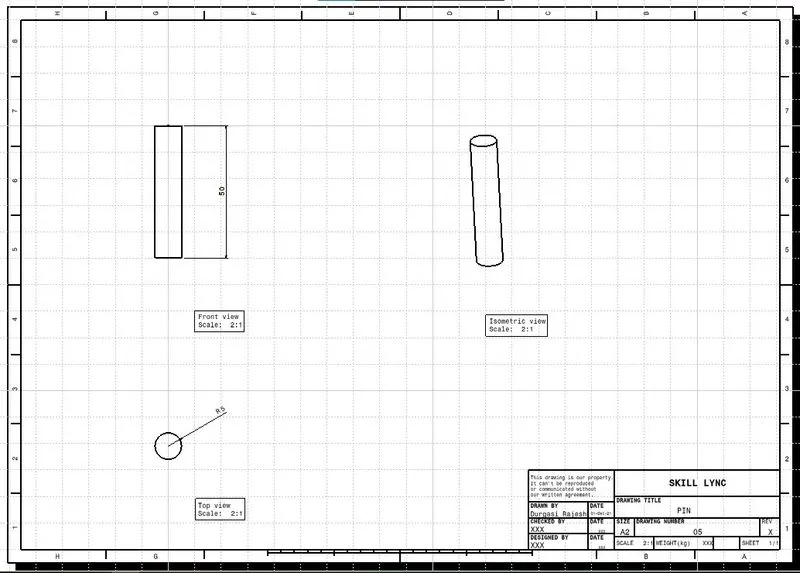
5. Pin:
Assembly of the Quick Return Motion Mechanism:
First, we have to create the skeleton reference to act as the center of the assembly. In that, we have created reference planes, axis, and reference points. The same reference elements were created in the individual part and will make use for the assembly.
At first, we have to fix the skeleton reference point and then coincidence the slotted link to the fixed Skeleton reference and import all part flies into the assembly workbench.
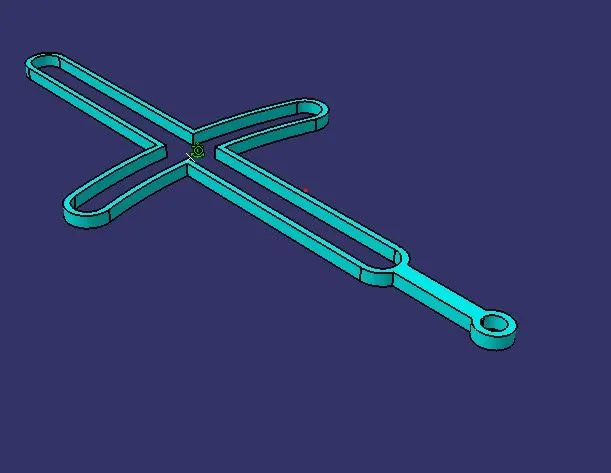
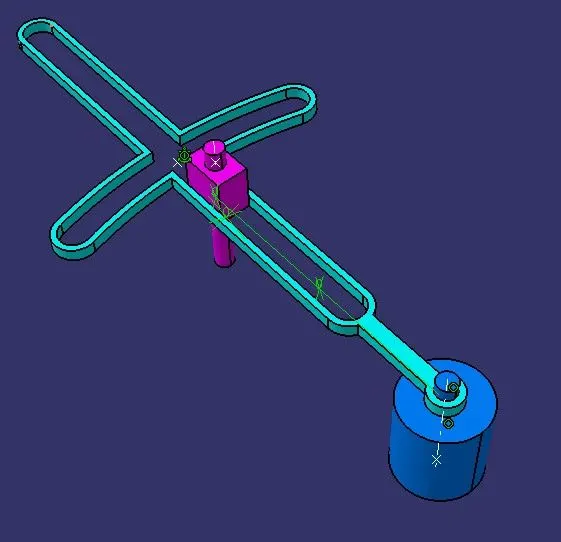
coincidence the pivot pin with slotted link axis and offset it to attach with a slotted link.
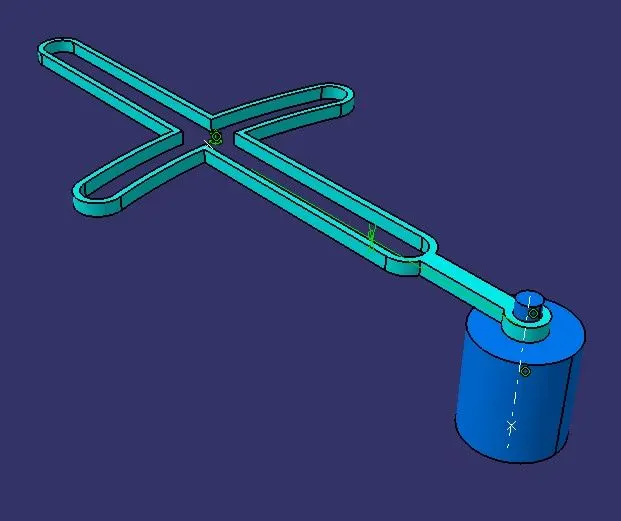
Here the support has given the offset constrain with the slotted link.
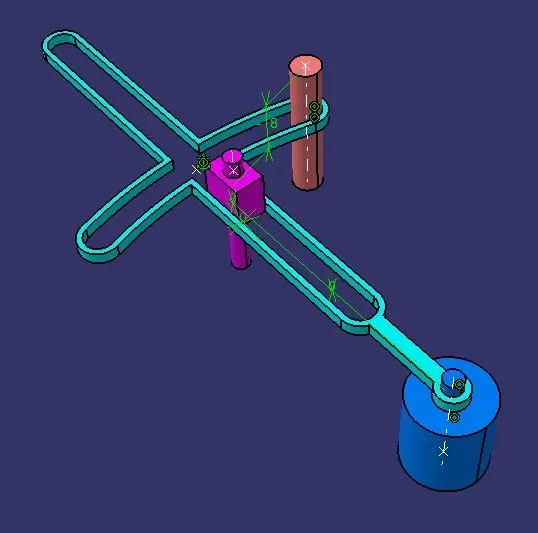
coincidence with the slotted link axis and offset constrained.
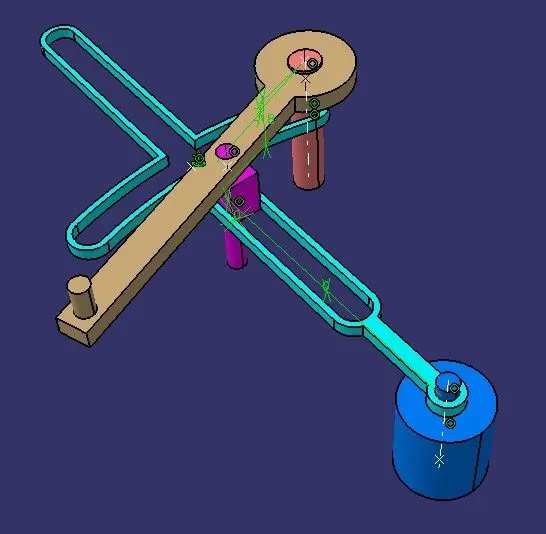
finally, the sliding block is constrained with both pin and support block and constrained with offset.
CV JOINT:
- Constant velocity joints, better known as CV joints, are found at the ends of the drive shafts. They are essential to connecting the drive shafts to the transmission and wheels.
- All front-wheel-drive cars have Constant Velocity joints or CV joints on both ends of the drive shafts (half shafts).
- Inner CV joints connect the drive shafts to the transmission, while the outer CV joints connect the drive shafts to the wheels. Many rear-wheel drives and four-wheel drive cars, as well as trucks, also have CV joints.
- The CV joints are needed to transfer the torque from the transmission to the drive wheels at a constant speed while accommodating the up-and-down motion of the suspension.
- In front-wheel-drive cars, CV joints deliver the torque to the front wheels during turns.
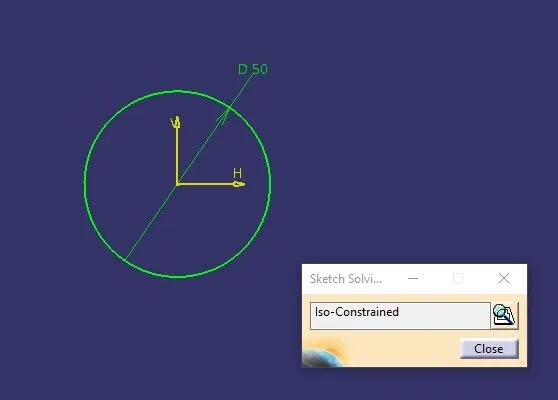
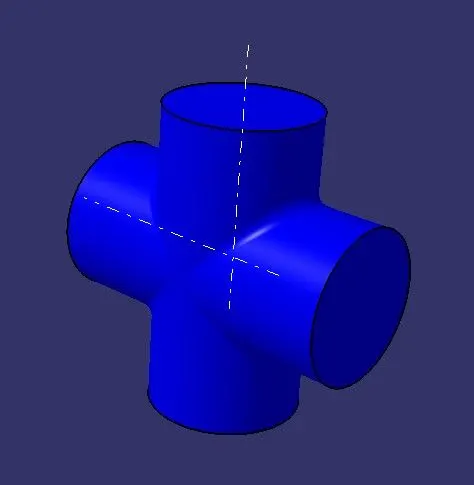
1. Roller:
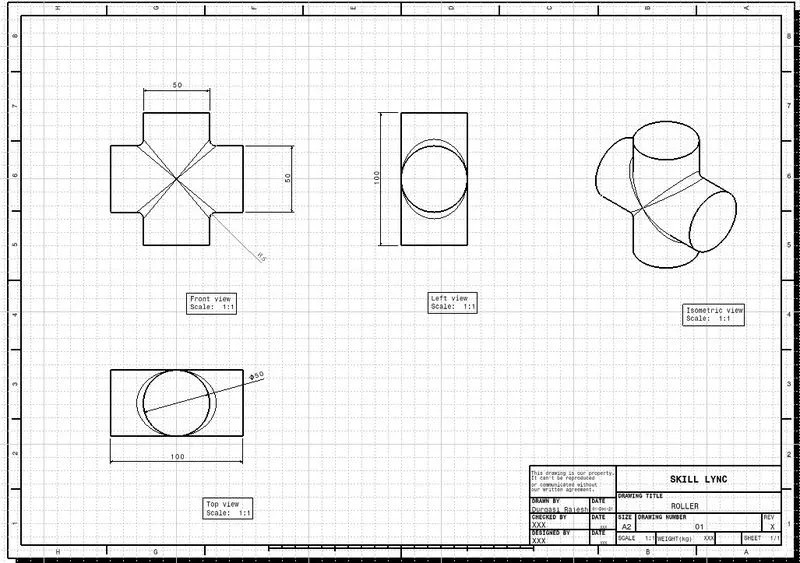
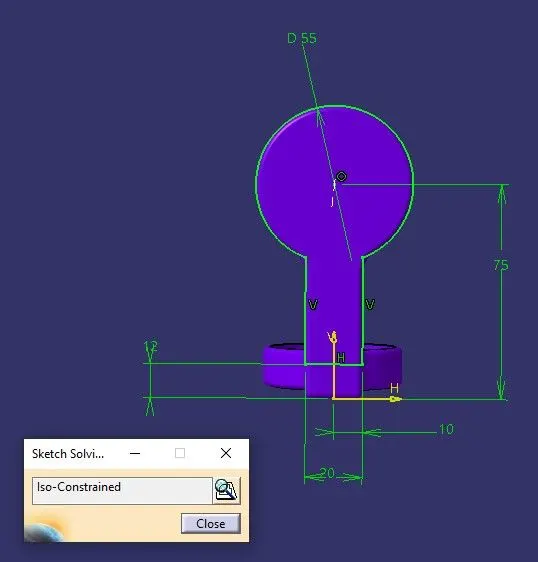
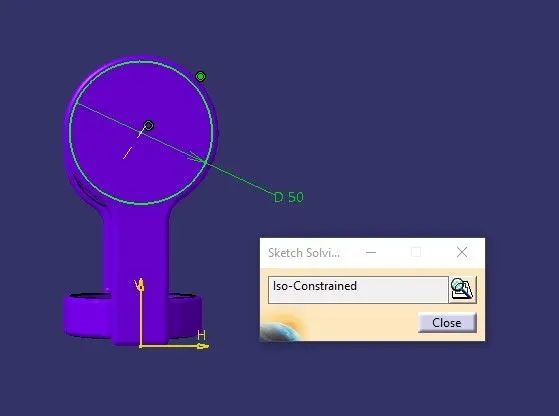
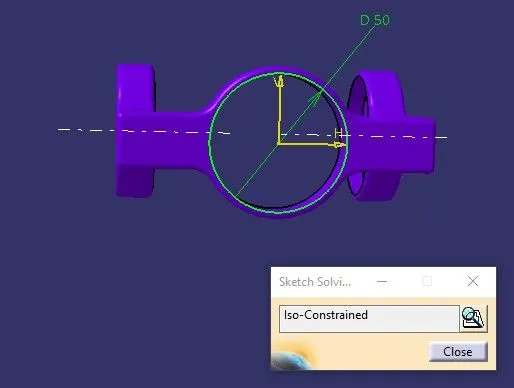
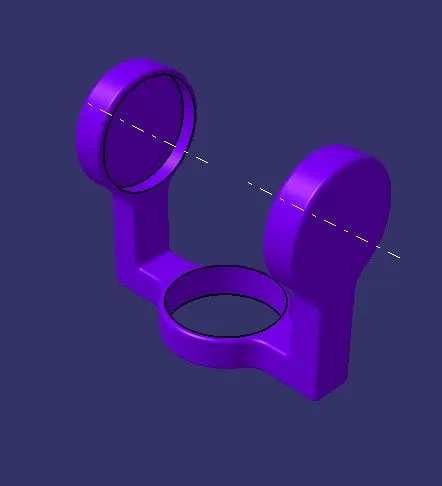
Draw the same sketches in the two perpendicular planes and then extrude them to get the Roller.
2. Cage:
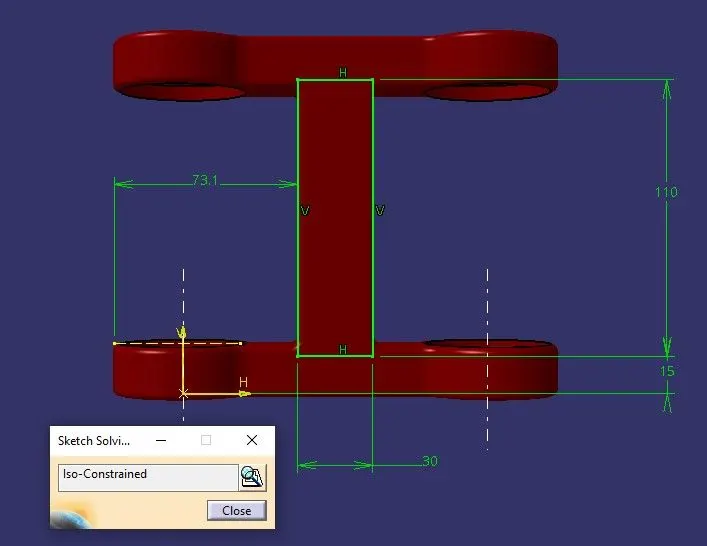
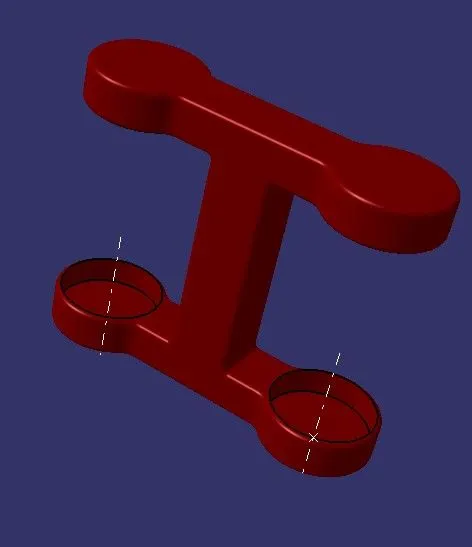
3. Coupling:
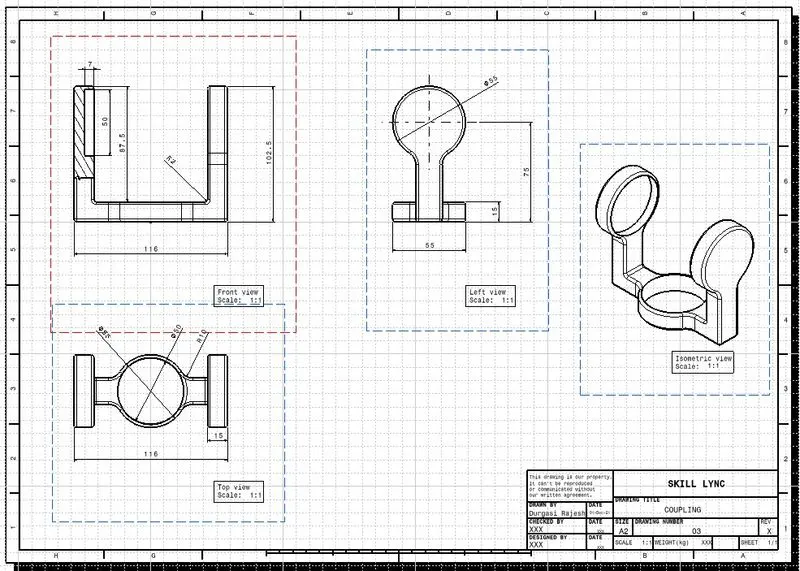
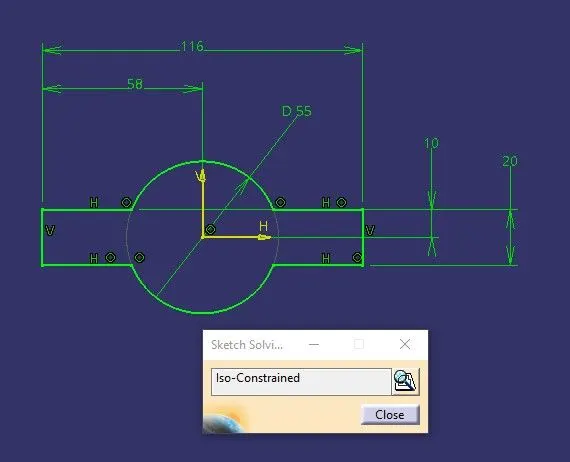
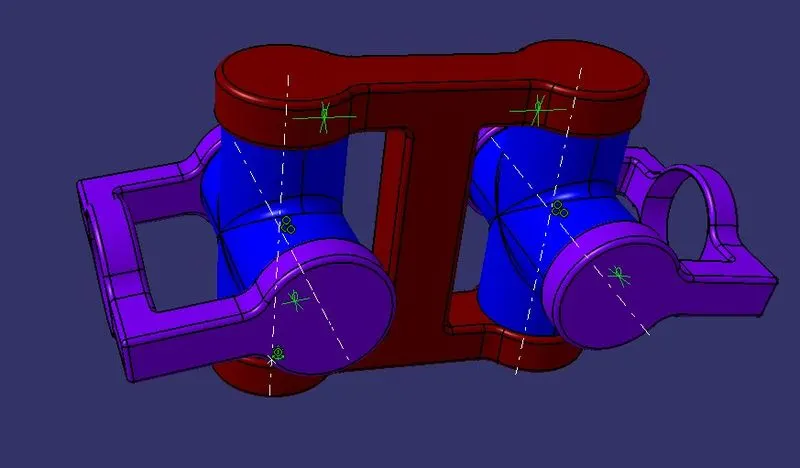
Assembly of the CV JOINT:
First, we have to create the skeleton reference to act as the center of the assembly. In that, we have created reference planes, axis, and reference points. The same reference elements were created in the individual part and will make use for the assembly.
At first, we have to fix the skeleton reference point and then coincidence the cage to the fixed Skeleton reference and import all part flies into the assembly workbench.
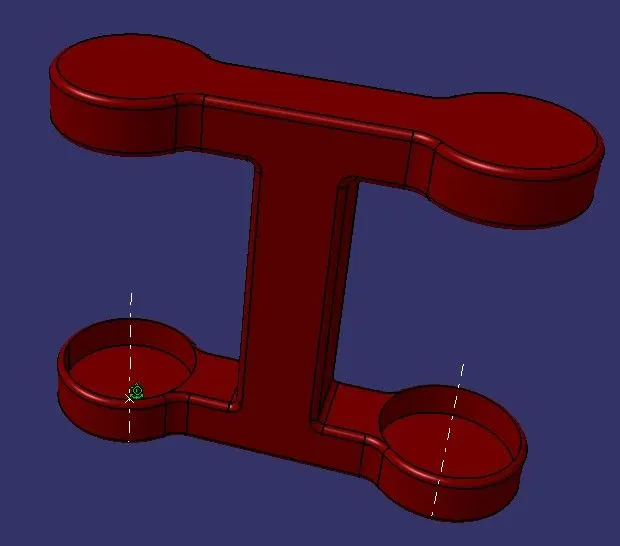
Make Coincidence of the roller with cage and constrained with offset. Repeat the same step for another roller.
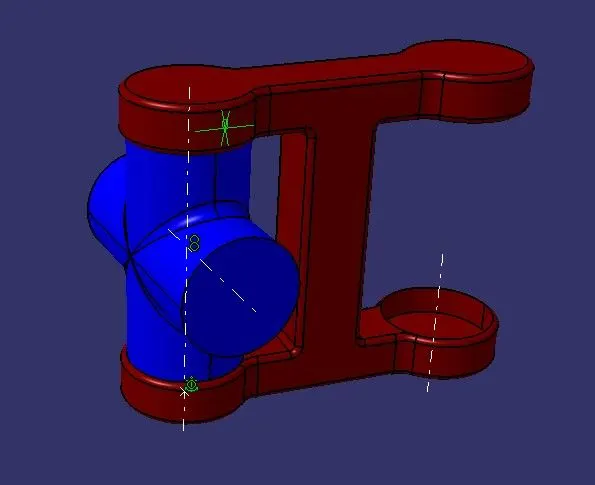
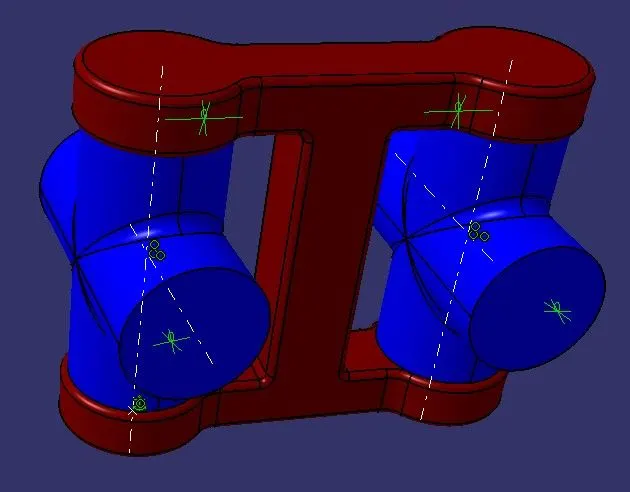
Make coincidence the coupling with the horizontal axis of the roller and do the same step with another coupling.
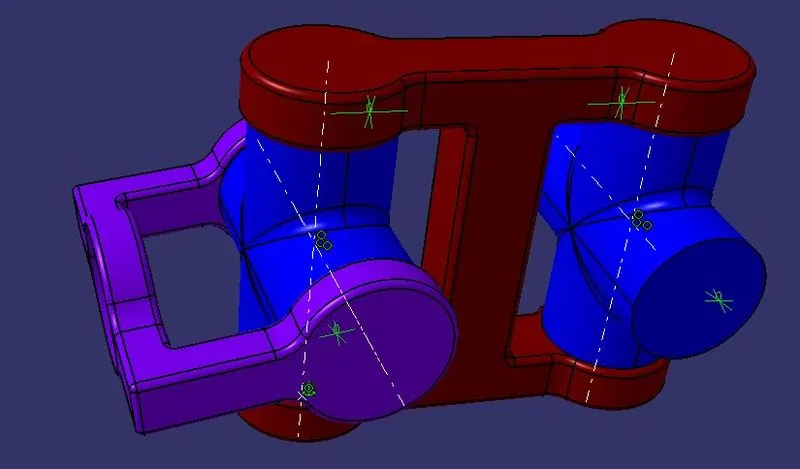
Conclusion:
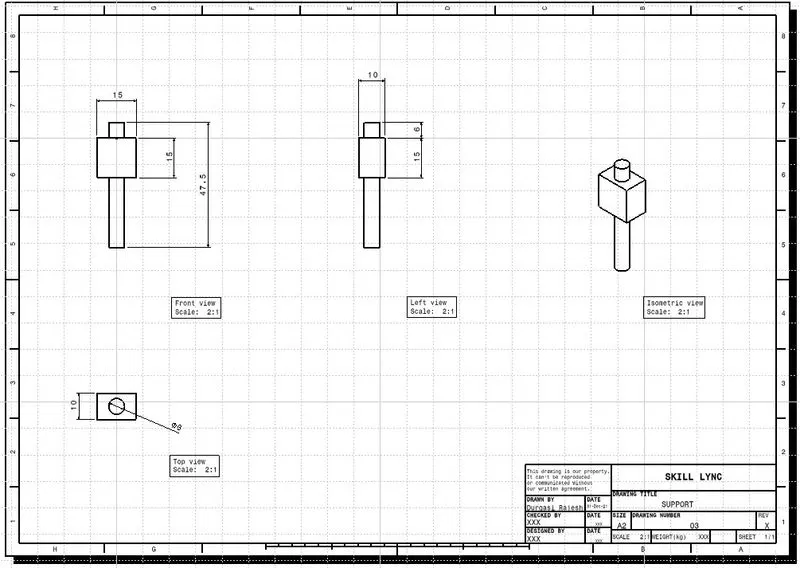
The Assembly of the Quick return mechanism and CV joint is completed and the 2D drawings were also plotted.