Week 10 - Validation studies of Symmetry BC vs Wedge BC in OpenFOAM vs Analytical H.P equation
AIM : The project aims to simulate the pipe flow using symmetry boundary condition and wedge boundary condition and validate certain parameters :
1.Validate Hydro-dynamic length with the numerical result
2.Validate the fully developed flow velocity profile with its analytical profile
3.Validate maximum velocity and pressured drop for fully developed flow
4.Post-process Shear stress and validate wall shear stress for fully developed flow
RESULTS AND DISCUSSION:
| Calculated hydrodynamic entrance length | 2.4 m |
|---|---|
| Assumed length of pipe | 2.8 m |
| Diameter of the pipe | 0.02 m |
| Assumed Reynolds number | 2100 |
| Dynamic Viscosity of fluid at 25 degree | 8.9*10e-4 Pa s |
| calculated average velocity | 0.0094 m/s |
| calculated maximum velocity | 0.0187m/s |
| Assumed angles | 10 ,25 , 45 |
| calculated shear stress | 3.336e-02 |
| Calculated pressure drop at the developed region | 0.0027 |
|---|---|
1. Validate the hydrodynamic length
The calculated hydrodynamic length is 2.4 m , in both the case, lets see at what point the velocity becomes constant
for 10 degree : For symmetry and wedge conditions
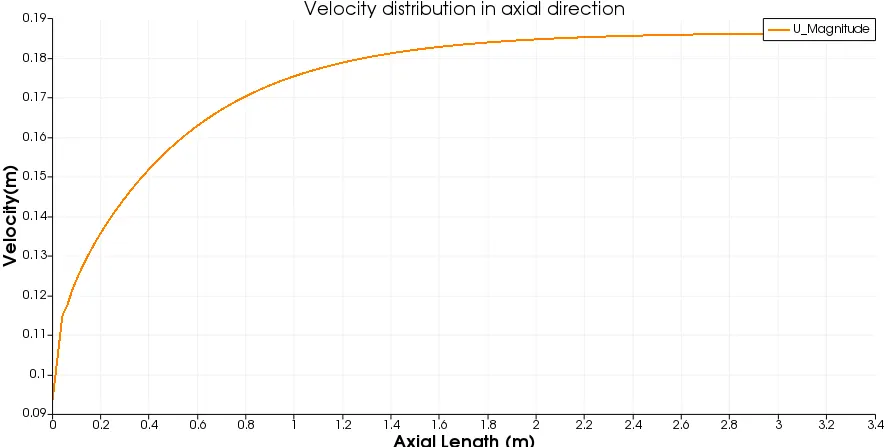
fig 1 : Plot between axial length and velocity in symmetry condition
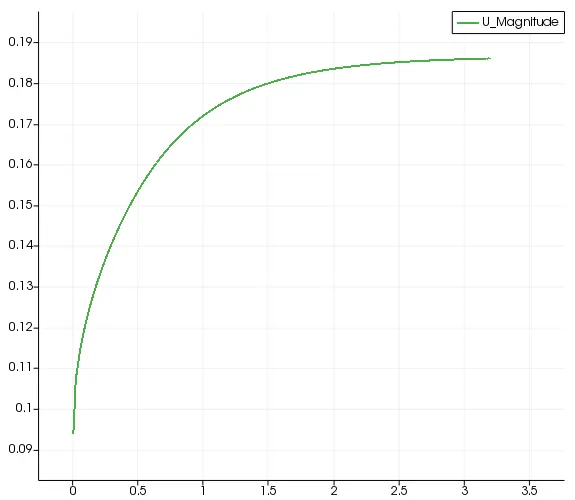
Fig 2: Plot between axial velocity and axial length for wedge condition
In both the cases , you can see that the graph attains a constant value( with very minute changes) of axial velocity at around 2.4 which is the same as what was calculated from the code.
For 25 degree angle :
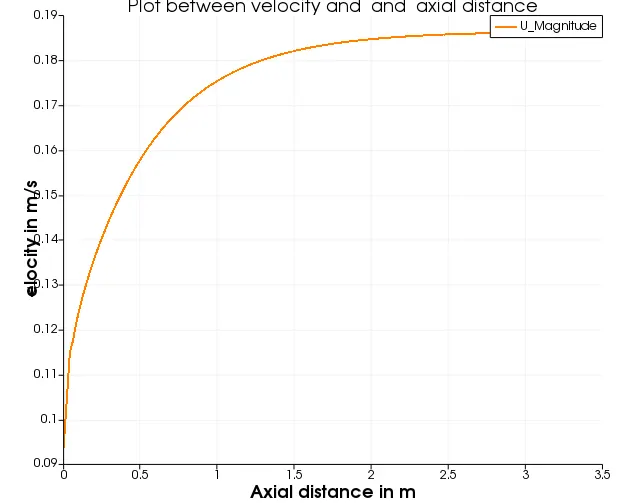
Fig 3: Plot between velocity and axial distance
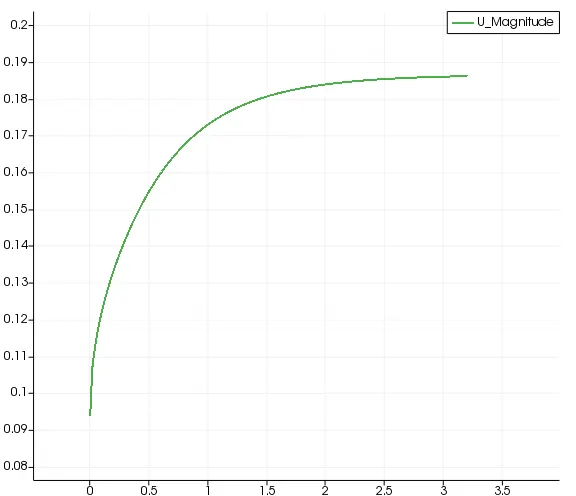
Fig 4: Plot between velocity and axial distance
For the 45 degree angle
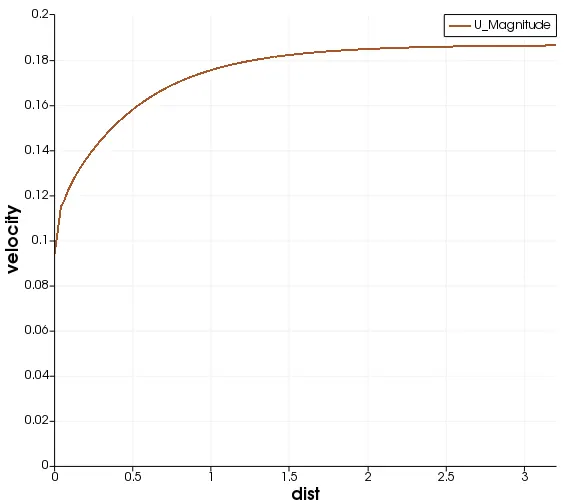
Fig 5: Plot between velocity and axial distance
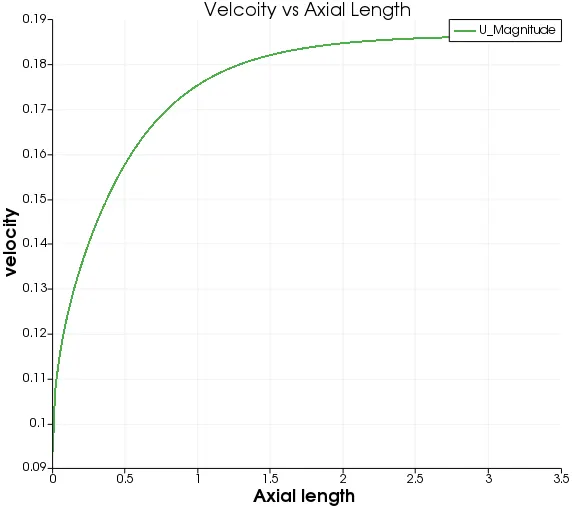
Fig 6: Plot between velocity and axial distance
To conclude, it can be seen that in both the cases, the values lie very close to the calculated results.
2.Validate the fully developed flow velocity profile with its analytical profile
The fully developed velocity profile is below for both symmetry and wedge condition
for 10 degree
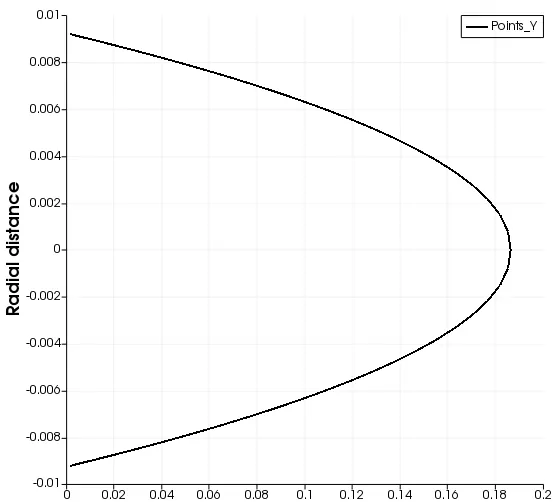
Fig 6: Plot between radial velocity and radial distance for symmetry condition
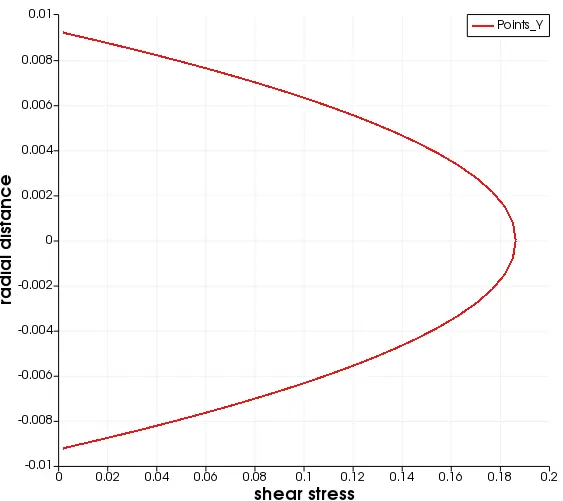
Fig 7: Plot between radial velocity and radial distance for wedge condition
For 25 degree
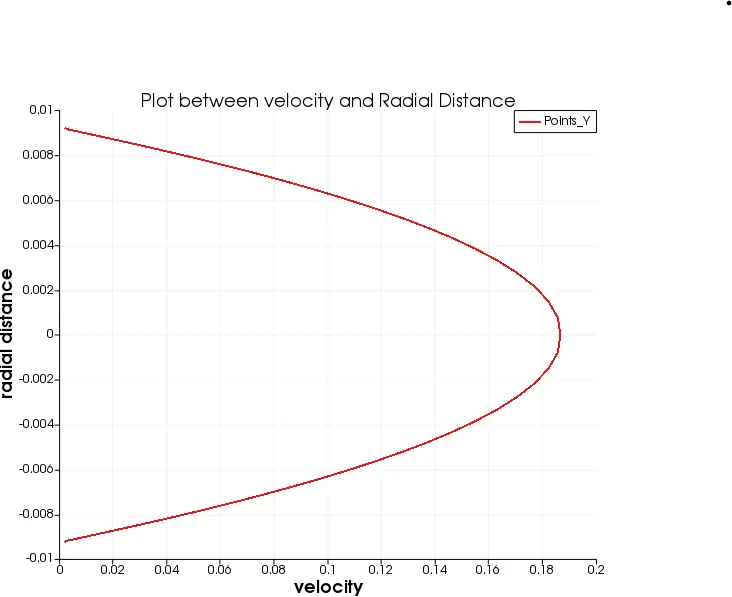
Fig 8: Plot between radial velocity and radial distance for symmetry condition
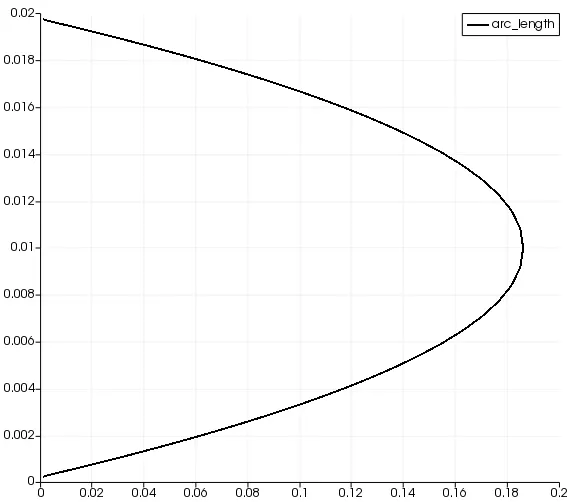
Fig 9: Plot between radial velocity and radial distance for symmetry condition
For 45 degree
Fig 10: Plot between radial velocity and radial distance for symmetry condition
Fig 11: Plot between radial velocity and radial distance for symmetry condition
The values remain the same for both wedge and symmetry conditions.
3.Validate maximum velocity and pressured drop for fully developed flow
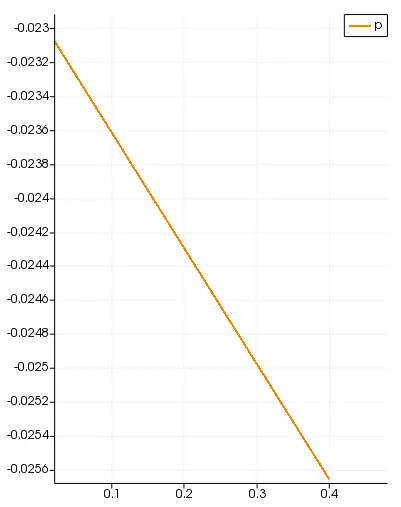
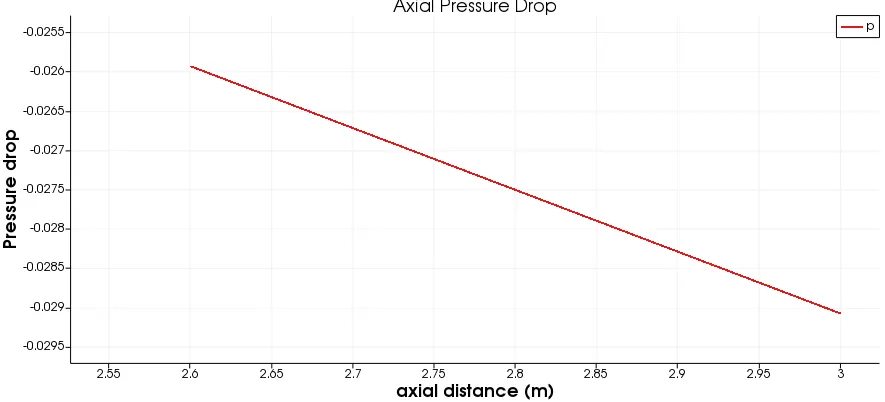
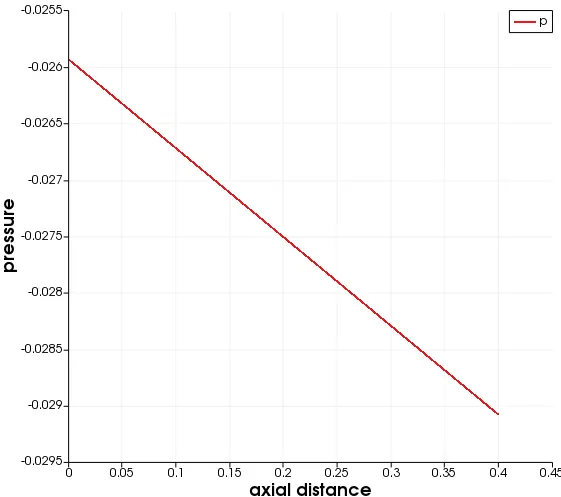
From the above graphs, you can see that value of maximum velocity is about 0.18 which is quite similar to the calculated values. Now to find the pressure drop :
for 25 degree
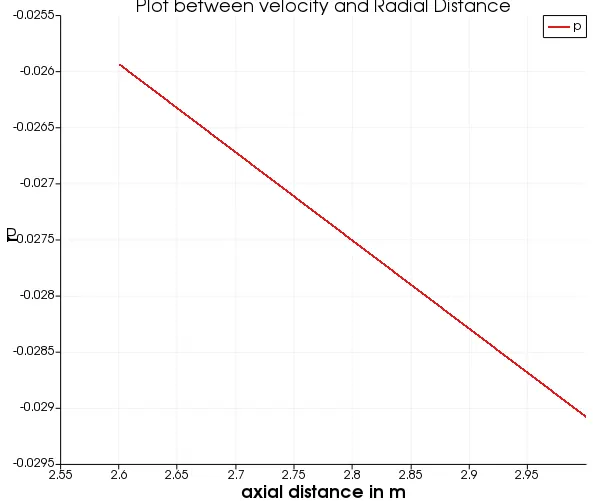
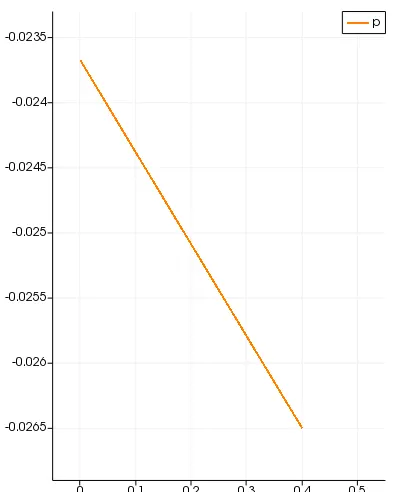
Here , you can see that the pressure drop values are a little different for both the cases. For the symmetry case, the values is 0.0035 and for teh wedge case 0.003.
The same is for the 10 and 45 degree cases:
For 10 degree :
for 45 :
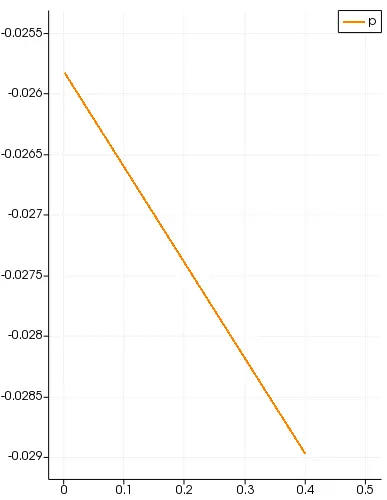
Pressure drop in symmetry and wedge condition for 45 degree
4.Post-process Shear stress and validate wall shear stress for fully developed flow
The shear stress values are little different for both the cases. In the symmetry case, the value is high , because the values are calculates for all the axis..
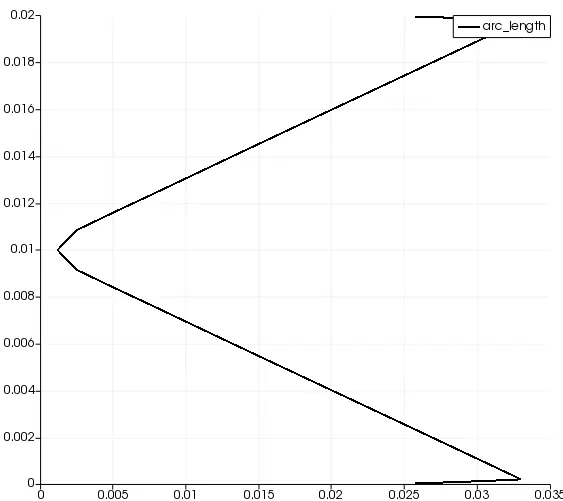
The above graph is the shear stress plot for wedge condition and the one below is for the symmetry condition. It can be seen as expected that the value below is higher than the one above.
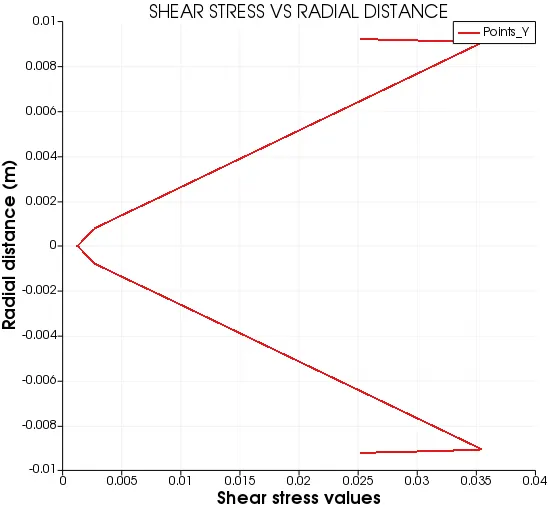
For 25 degree :
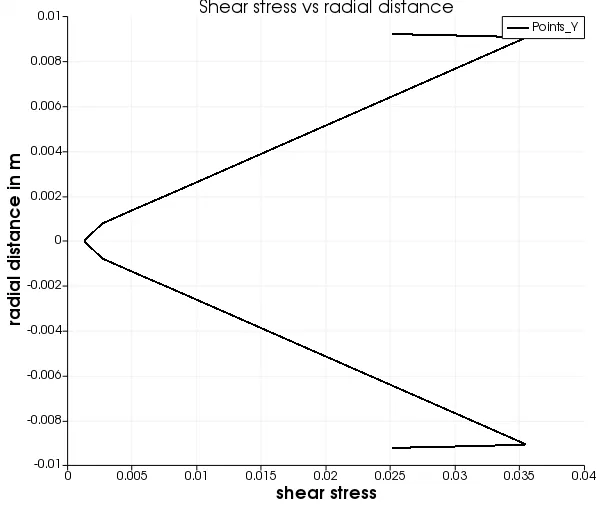
Fig : shear stress in symmetry
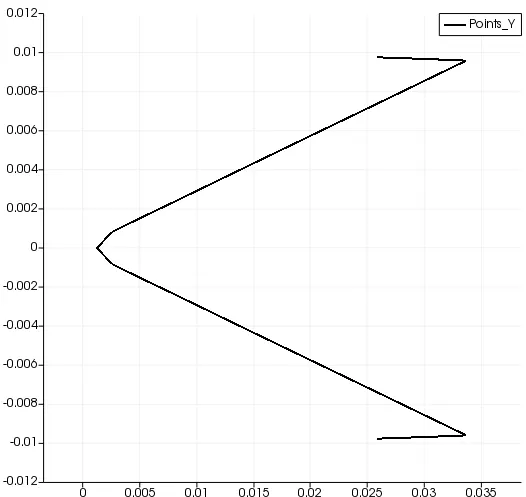
Fig: Shear stress in wedge condition
HIGHLIGHTING THE DIFFERENCE BETWEEN WEDGE AND SYMMETRY CONDITION AND ITS APPLICATION
Wedge condition:
- Used when the problem exhibits rotational symmetry around an axis.
- to simplify 3d problems to 2d
- ideal for repeating structures around a circular path
Symmetry condition :
- Used when the problem exhibits symmetry about a plane.
- Simplifies analysis in problems where the flow field is symmetric across a plane.
- Applied in electromagnetic problems with symmetry in fields and waves.