Week 10 Thermal Management
Electric vehicles use large batteries to store energy. The energy flowing into the battery pack as it is charged either from regenerative braking or from the grid and discharged from the pack to power the vehicle and its accessories is measured by electrical current and voltage. The flow of current causes heating in the battery cells and their interconnection systems proportional to the square of the current flowing multiplied by the internal resistance of the cells and the interconnect systems. The higher the current flow the more the heating effect will be.
From a thermal point of view, there are three main aspects to consider when using lithium-ion batteries in an EV:
- At temperatures below 0°C (32°F), batteries lose charge due to slower chemical reactions taking place in the battery cells. The result is a significant loss in power, acceleration and driving range, and higher potential for battery damage during charging.
- At temperatures above 30°C (86°F) the battery performance degrades, posing a real issue if a vehicle’s air conditioner is needed for passengers. The result is an impact on power density and reduced acceleration response.
- Temperatures above 40°C (104°F) can lead to serious and irreversible damage in the battery. At even higher temperatures, e.g. 70-100°C, thermal runaway can occur. This is triggered when the runaway temperature is reached. The result is a self-heating chain reaction in a battery cell that causes its destruction while propagating to adjacent cells.
The ideal temperature range for an EV’s lithium-ion battery is akin to that preferred by human beings. To keep it in this range, the battery temperature must be monitored and adjusted. A battery thermal management system (BTMS) is necessary to prevent temperature extremes, ensure proper battery performance, and achieve the expected life cycle. An effective BTMS keeps cell temperatures within their allowed operating range.
In the past, the largest battery packs did not necessarily need any special cooling as the physical size of the packs was sufficient and the relative flow of current was not large compared to the overall capacity of the pack. As ever faster battery charging rates are demanded with recharge power of over 200kW to deliver times of 30 minutes or less, higher performance electric vehicles with a requirement for consistent performance and adequate durability in global markets has meant that special thermal management methods for the battery pack are now required.
There are a few options to cool an electric car battery—with phase change material, fins, air, or a liquid coolant.
- Phase change material absorbs heat energy by changing state from solid to liquid. While changing phase, the material can absorb large amounts of heat with little change in temperature. Phase change material cooling systems can meet the cooling requirements of the battery pack, however, the volume change that occurs during a phase change restricts its application. Also, phase change material can only absorb heat generated, not transfer it away, which means that it won’t be able to reduce overall temperature as well as other systems. Although not favorable for use in vehicles, phase change materials can be useful for improving thermal performance in buildings by reducing internal temperature fluctuations and reducing peak cooling loads.
- Cooling fins increase surface area to increase the rate of heat transfer. Heat is transferred from the battery pack to the fin through conduction, and from the fin to the air through convection. Fins have high thermal conductivity and can achieve cooling goals, but they add a lot of additional weight to the pack. The use of fins has found a lot of success in electronics, and traditionally they have been used as an additional cooling system on internal combustion engine vehicles. Using fins to cool the electric car battery has fallen out of favor since the additional weight of the fins outweighs the cooling benefits.
- Air cooling uses the principle of convection to transfer heat away from the battery pack. As air runs over the surface, it will carry away the heat emitted by the pack. Air cooling is simple and easy, but not very efficient and relatively crude compared to liquid cooling. Air cooling is used in earlier versions of electric cars, such as the Nissan Leaf. As electric cars are now being used more commonly, safety issues have arisen with purely air-cooled battery packs, particularly in hot climates. Other car manufacturers, such as Tesla, insist that liquid cooling is the safest method.
- Liquid coolants have higher heat conductivity and heat capacity (ability to store heat in the form of energy in its bonds) than air, and therefore performs very effectively and own advantages like compact structure and ease of arrangement. Out of these options, liquid coolants will deliver the best performance for maintaining a battery pack in the correct temperature range and uniformity. Liquid cooling systems have their own share of safety issues related to leaking and disposal, as glycol can be dangerous for the environment if handled improperly. These systems are currently used by Tesla, Jaguar, and BMW, to name a few.
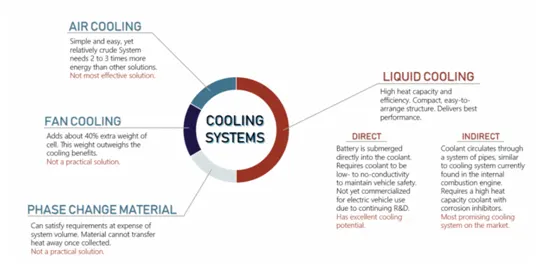
Figure 1: Different cooling systems for EV
A research group from the National Renewable Energy Lab (USA) and the National Active Distribution Network Technology Research Center (China) compared four different cooling methods for Li-ion pouch cells: air, indirect liquid, direct liquid, and fin cooling systems. The results show that an air-cooling system needs 2 to 3 times more energy than other methods to keep the same average temperature; an indirect liquid cooling system has the lowest maximum temperature rise; and a fin cooling system adds about 40% extra weight of cell, which weighs most when the four kinds cooling methods have the same volume. Indirect liquid cooling is a more practical form than direct liquid cooling though it has slightly lower cooling performance.
The determining features of an electric vehicle battery cooling system are temperature range and uniformity, energy efficiency, size, weight, and ease of usage (i.e. implementation, maintenance).
Each of these proposed systems can be designed to achieve the correct temperature range and uniformity. Energy efficiency is more difficult to achieve, as the cooling effects need to be greater than the heat generated when powering the cooling system. Also, a system with too much additional weight will drain energy from the car as it outputs power.
Phase change material, fan cooling, and air cooling all fail at the energy efficiency and size and weight requirements, though they may be just as easy to implement and maintain as liquid cooling. Liquid cooling is the only remaining option that does not consume too much parasitic power, delivers cooling requirements, and fits compactly and easily into the battery pack. Tesla, BMW i-3 and i-8, Chevy Volt, Ford Focus, Jaguar i-Pace, and LG Chem’s lithium-ion batteries all use some form of liquid cooling system. Since electric vehicles are still a relatively new technology, there have been problems maintaining temperature range and uniformity in extreme temperatures even when using a liquid cooling system. These are likely due to manufacturing problems, and as companies gain experience developing these systems, the thermal management issues should be resolved.
In liquid cooling systems, there is another division between direct and indirect cooling—whether the cells are submerged in the liquid or if the liquid is pumped through pipes.
- Direct cooling systems place the battery cells in direct contact with the coolant liquid. These thermal management schemes are currently in the research and development stage, with no cars on the market using this system. Direct cooling is more difficult to achieve, due to the fact that a new type of coolant is required. Because the battery is in contact with the liquid, the coolant needs to have low to no conductivity.
- Indirect cooling systems are similar to ICE cooling systems in that both circulate liquid coolant through a series of metal pipes. However, the construction of the cooling system will look much different in electric vehicles. The structure of the cooling system that achieves maximum temperature uniformity is dependent on the shape of the battery pack and will look different for each car manufacturer.
REQUIREMENTS FOR LIQUID COOLANTS
Making coolants safe and effective
Given that liquid cooling is the most efficient and practical method of cooling battery packs, and currently the most widely used, attention needs to be given to the type of coolant used in these systems.
Indirect Liquid Cooling
The indirect liquid cooling systems for electric vehicles and the conventional internal combustion engine (ICE) cooling system are very similar: both circulate coolant throughout a series of metal pipes to transfer heat away from the battery pack or engine. Therefore, coolant requirements for indirect liquid cooling systems will be very similar to traditional ICE coolants.
99% of the coolant is a commodity such as glycol or polyglycol, but the 1% additive package is what separates good from great engine protection and performance. When circulating a liquid coolant throughout metal piping, it is important to protect against corrosion to protect vehicle safety and performance.
Metal is very unstable, so it naturally wants to react with other elements by losing electrons to move to a more stable state. Corrosion happens because impurities in the coolant liquid have a positive charge on them, so they interact with the metal pipes and strip away some of the surface. Additive packages can be blended with antifreeze to form a coolant that protects against rust, scale, and corrosion. The additive packages used in ICE vehicles contain corrosion inhibitors to protect the many types of metals found in cooling systems, such as pipes, gaskets, connections, radiator, etc. The American Society for Testing and Materials maintains standards that coolants must meet for protection against the corrosion of different metal types. What is currently known about corrosion prevention in internal combustion engine cooling systems can be easily applied to the indirect liquid cooling system in electric vehicles.
Direct Liquid Cooling
There are different coolant requirements for direct liquid cooling systems. In systems where the battery will be directly exposed to the coolant, such as with Fuel Cell Vehicles or direct liquid cooling, the coolant needs to be a low to no conductivity fluid. This is going to be very different from conventional ICE coolants that have a high conductivity. The reason for needing low/no conductivity is due to safety: electrons are flowing throughout the battery, and if they are exposed to a high conductivity fluid, this will lead to failure and explosion. Some examples of ways to keep coolant conductivity low are using deionized water as a medium for the fluid or having a non-salt-based fluid medium. These low- and no-conductivity coolants are in the early stages of research and development.
Air Cooling
The lowest cost method for EV battery cooling is with air. A passive air-cooling system uses outside air and the movement of the vehicle to cool the battery. Active air-cooling systems enhance this natural air with fans and blowers. Air cooling eliminates the need for cooling loops and any concerns about liquids leaking into the electronics. The added weight from using liquids, pumps and tubing is also avoided.
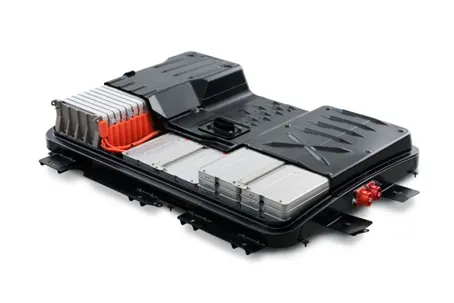
Figure 2. The Nissan Leaf’s battery pack is cooled by air
The trade-off is that air cooling, even with high-powered blowers, does not transport the same level of heat as a liquid system can. This has led to problems for EV in hot climates, including more temperature variation in battery pack cells. Blower noise can also be an issue.
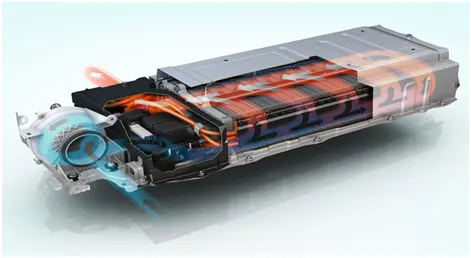
Figure 3. Air cooler battery thermal management system used in Toyota’s Prius
Still, air-cooling solutions have their roles and value. An example is the custom-built Volkswagen EV race car that finished first in the Pikes Peak International Hill Climb in Colorado Springs, Colo. To optimize performance, the car was designed to combine minimum weight, as much downforce as possible, and maximum power. Volkswagen used air-cooling systems to reduce weight. It used thermal software in virtual driving tests along the entire race to ensure the air-cooling system would perform sufficiently.
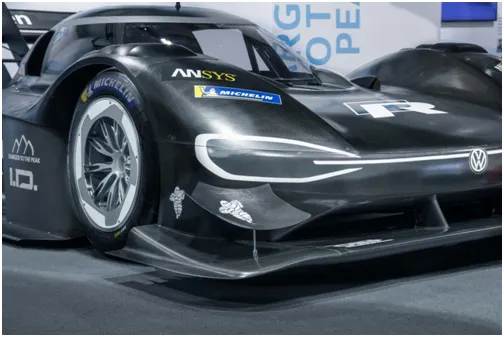
Figure 4. Volkswagen’s EV won a grueling race while powered by air-cooled batteries
Liquid Cooling
Piped liquid cooling systems provide better battery thermal management because they are better at conducting heat away from batteries than air-cooling systems. One downside is the limited supply of liquid in the system compared with the essentially limitless amount of air that can flow through a battery.
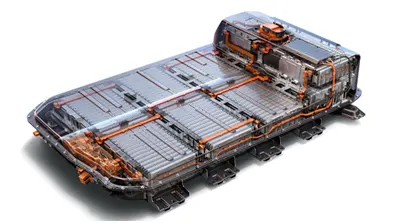
Figure 5. Chevy Bolt EV battery pack is liquid cooled via a base plate below the cells.
Tesla’s thermal management system (as well as GM’s) uses liquid glycol as a coolant. Both the GM and Tesla systems transfer heat via a refrigeration cycle. Glycol coolant is distributed throughout the battery pack to cool the cells. Considering that Tesla has 7,000 cells to cool, this is a challenge.
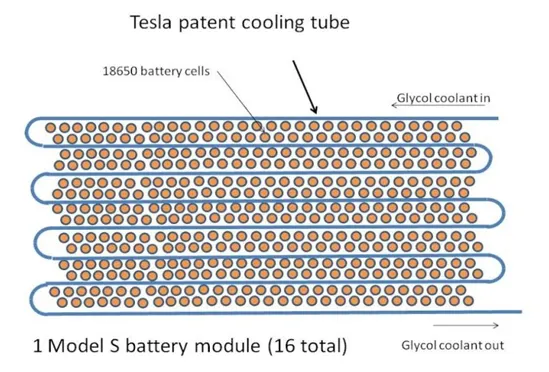
Figure 6. Tesla uses a metallic cooling tube that snakes through the EV battery pack
The Tesla Model S battery cooling system consists of a patented serpentine cooling pipe that winds through the battery pack and carries a flow of water-glycol coolant; thermal contact with the cells is through their sides by thermal transfer material.
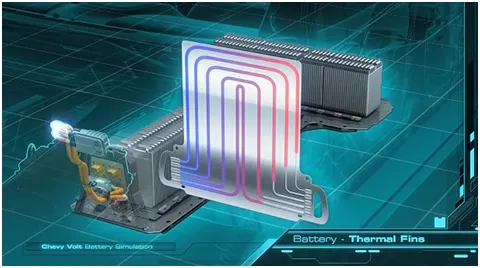
Figure 7. GM’s Chevrolet Volt uses cold plates interwoven with battery cells as liquid cooling system
General Motor’s Chevrolet Volt features a liquid cooling system to manage battery heat. Each rectangular battery cell is about the size of a children’s book. Sandwiched between the cells is an aluminum cooling plate. There are five individual coolant paths passing thru the plate in parallel, not in series as the Tesla system does. Each battery pouch (cell) is housed in a plastic frame. The frames with coolant plates are then stacked longitudinally to make the entire pack.
Thermodynamic engineers at Porsche develop and optimize each vehicle’s entire cooling system. This includes the battery, of course, and one example is the liquid-filled cooling plate from the traction battery in the Boxster E.
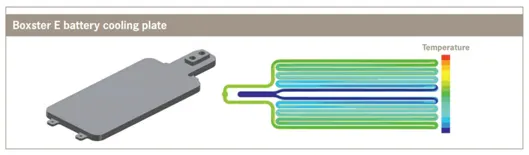
Figure 8. Thermal model of a battery cooling plate in the Porsche Boxster
Based on the results of the analysis in the thermal model described above, the cooling plate was designed geometrically and optimized using computational fluid dynamics (CFD). The result is a highly efficient and lightweight heat exchanger, optimally tailored and adapted to the battery pack, with low pressure losses, high cooling performance and a very even distribution of temperature.
Liquid Immersion
Instead of snaking coolant through lines and chambers within a battery pack’s case, XING Mobility takes a different approach by immersing its cells in a non-conductive fluid with a high boiling point. The coolant is 3M Novec 7200 Engineered Fluid, a non-conductive fluid designed for heat transfer applications, fire suppression and supercomputer cooling.
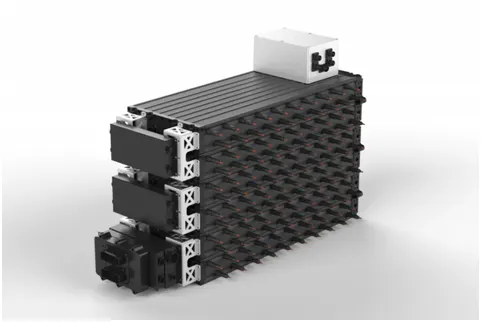
Figure 9. The XING Battery has 4,200 individual lithium-ion cells encased in liquid-cooled module packs
XING’s batteries take the form of 42 lithium-ion-cell modules that can be put together to build larger battery solutions. The complete XING battery houses 4,200 individual 18,650 lithium-ion cells encased in liquid-cooled module packs.
Simulation Technologies
Design of thermal management solutions requires extensive knowledge of cooling systems and the amount of heat generated by cells throughout the battery pack. Engineers must also weigh various tradeoffs and factors such as cost, packaging, manufacturability, efficiency, reliability of heat dissipation components, and battery pack as an integrated, modular system.
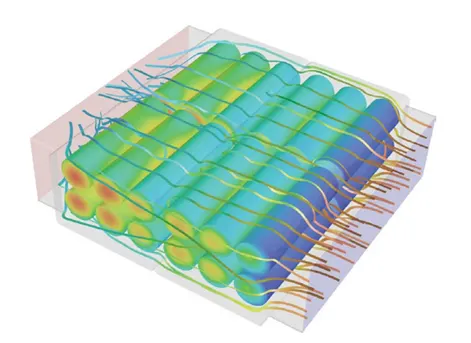
Figure 10. Simulation tools speed the development of EV batteries and their thermal management systems
Batteries require a unique range of issues be taken into consideration. First, detailed models and sub-models are needed to simulate the chemical and physical phenomena inside battery cells. Then, these models need to be tied into a system-level model of a battery pack, which can comprise hundreds of cells and cooling circuits. Finally, the battery pack model needs to be integrated with the system model of the entire power train and vehicle.
Engineers must consider the physical placement of the battery pack within the EV, not only to minimize the effects of ambient temperatures and maximize heat dissipation but also to avoid excessive mechanical stresses, structural fatigue from road vibrations, and potential impact from road debris. The team also must consider crash scenarios in which passengers must be protected from toxic acids released from the battery pack.
FUTURE OF EV BATTERY COOLING
Researching & developing the future of cooling
Since electric vehicles have become so widely used, there is a high demand for longer battery life and higher power output. To achieve this, the battery thermal management systems will need to be able to transfer heat away from the battery pack as they are charged and discharged at higher rates. The heat generated as the battery is used can pose safety threats to the passengers. Due to the high stress and temperatures generated by the batteries, there is even higher importance on having the correct coolant and additive package. While companies such as Tesla, BMW, and LG Chem can use a traditional liquid coolant for their indirect cooling systems, continued research and development will need to be done on battery packs and coolants to advance electric vehicle safety.