Simulating Combustion of Natural Gas.
AIM: To simulate the combustion of Natural gas on a combustor model.
OBJECTIVE:
Part I
Perform a combustion simulation on a combustor model and plot the variation of the mass fraction of CO2, H2O,CH4, N2, O2, NOx emissions and soot formation in the simulation.
Part II
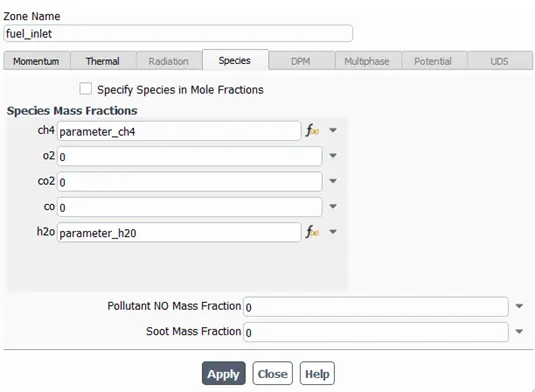
Check the effect of add water content in fuel from 5% to 30% by mole.
THEORY:
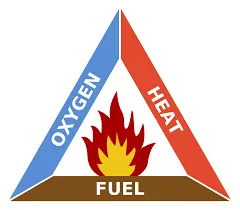
Combustion is a high-temperature exothermic redox chemical reaction between a fuel (the reductant) and an oxidant, usually atmospheric oxygen, that produces oxidized, often gaseous products, in a mixture termed as smoke.
PROCEDURE:
Geometry: The combustor model was imported to SpaceClaim and combined to form a single object. Planes were created to obtain the 2-D geometry.

Mesh:
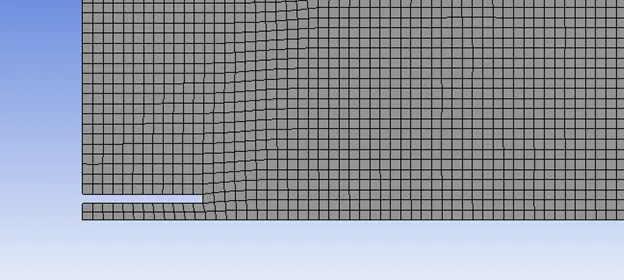
Body sizing = 1 mm
Edge sizing = 1 mm

Setup and solution:
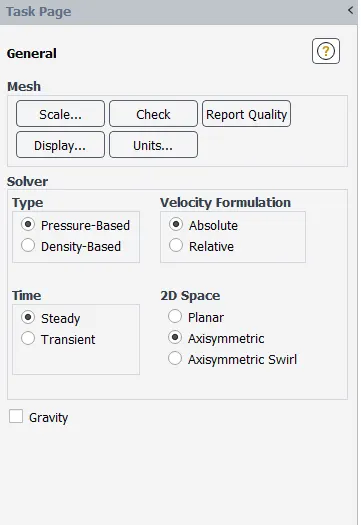
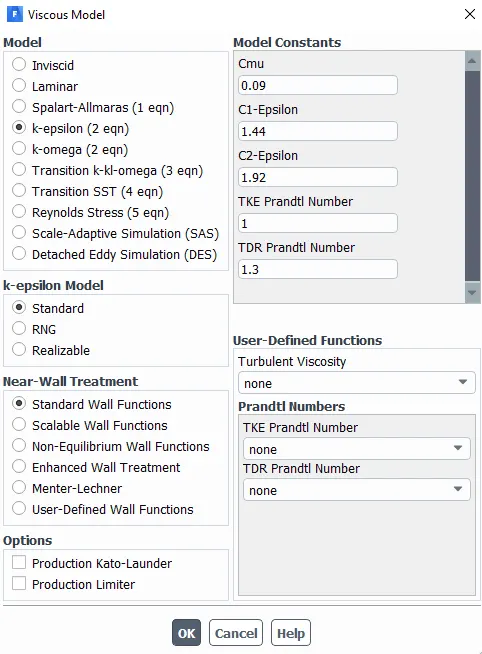
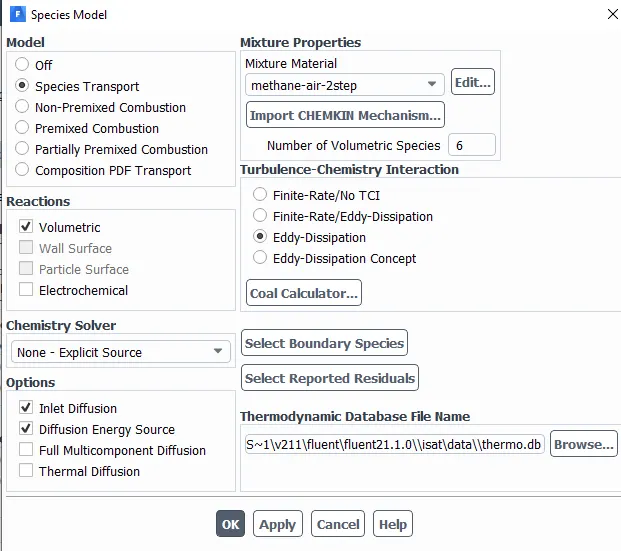
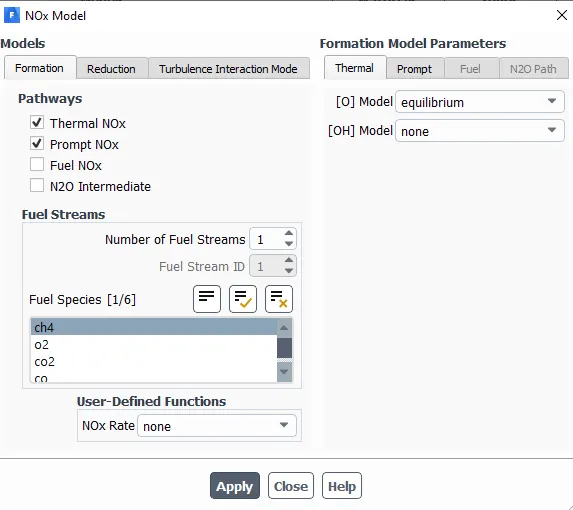
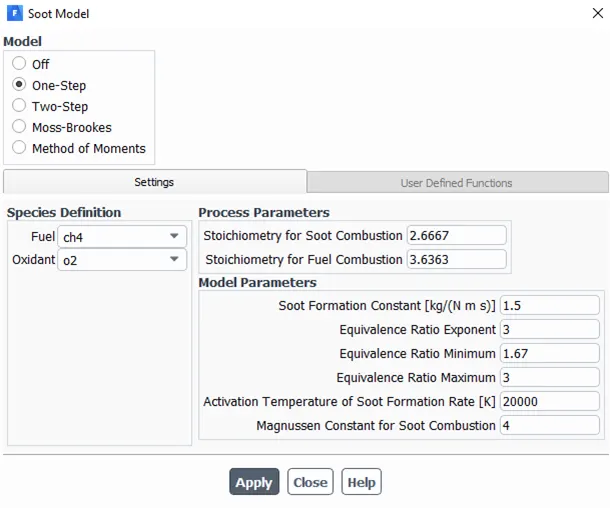
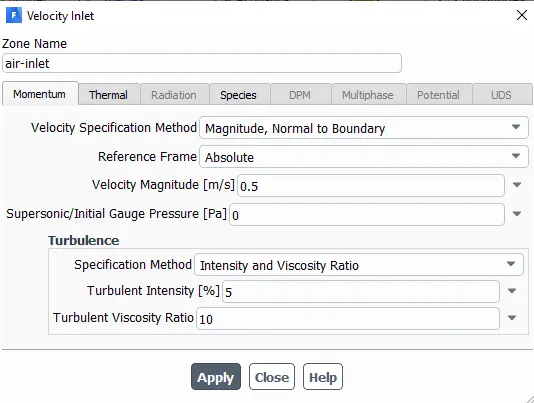
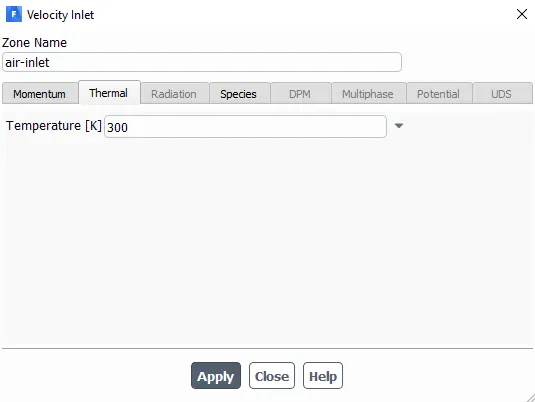
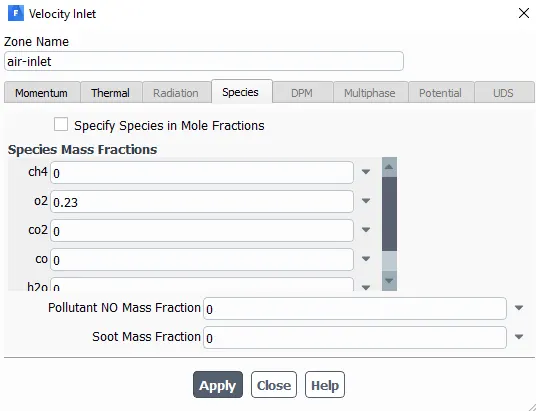
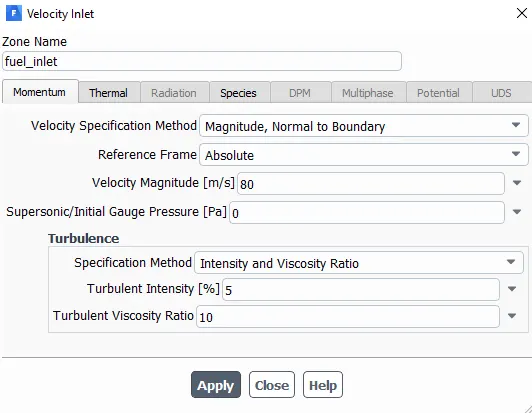
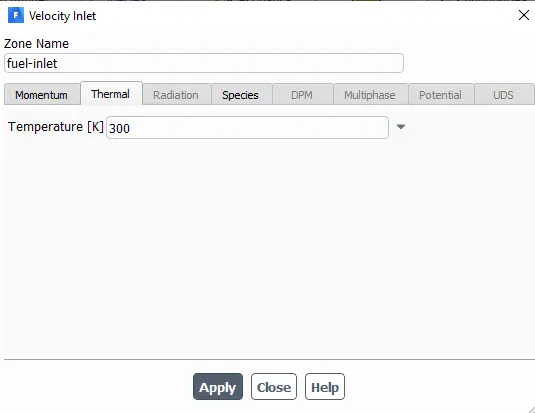
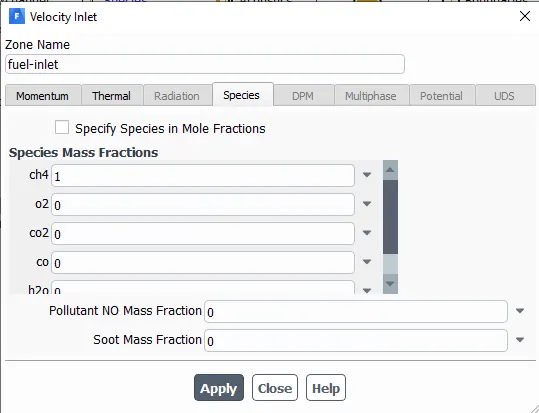
Part I
Part II
|
Case |
CH4 content by mole (%) |
H2O content by mole (%) |
|
Case 1 |
95 |
5 |
|
Case 2 |
90 |
10 |
|
Case 3 |
85 |
15 |
|
Case 4 |
80 |
20 |
|
Case 5 |
75 |
25 |
|
Case 6 |
70 |
30 |
Results:
Part I
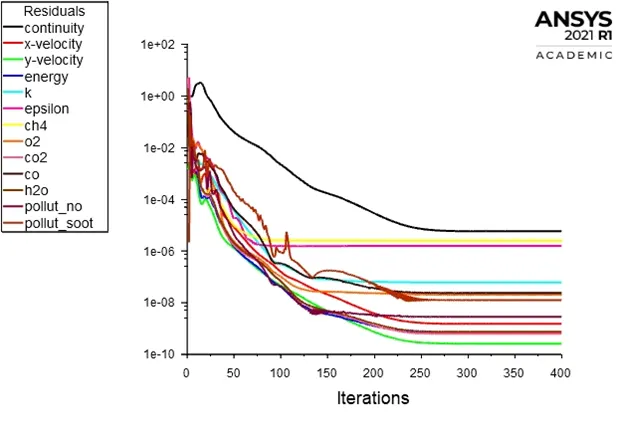
Residuals
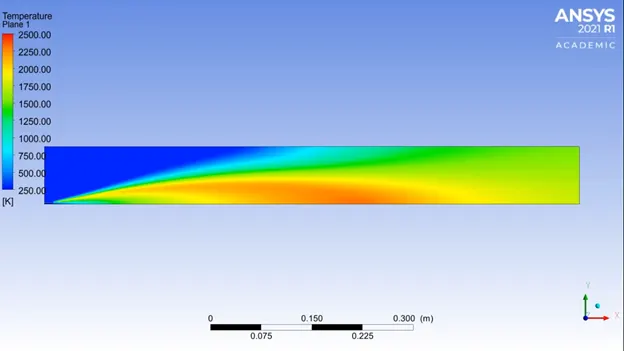
Temperature contour
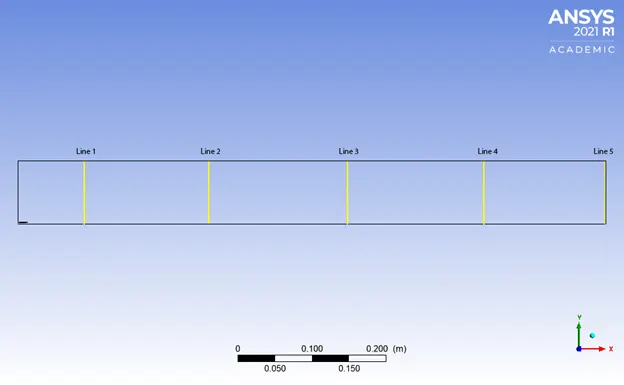
Location of line probes
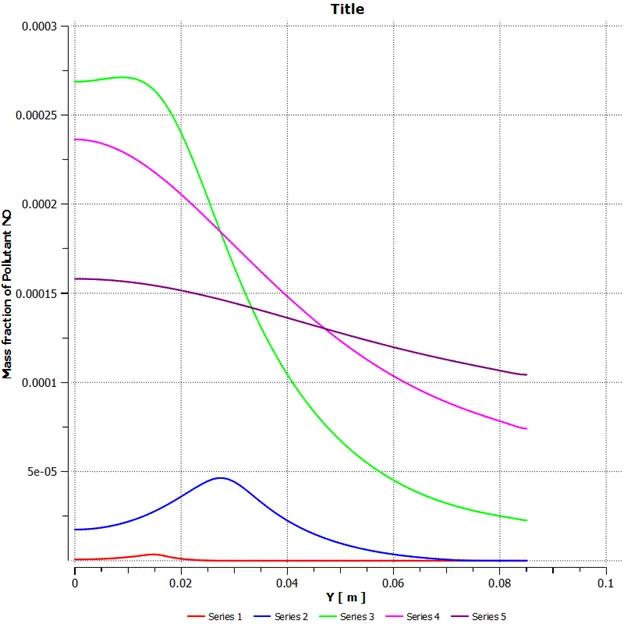
Mass fraction of pollutant NO
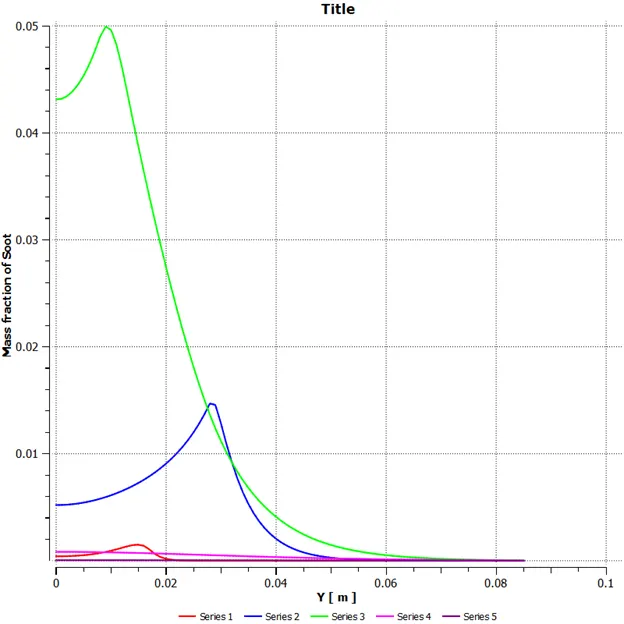
Mass fraction of Soot
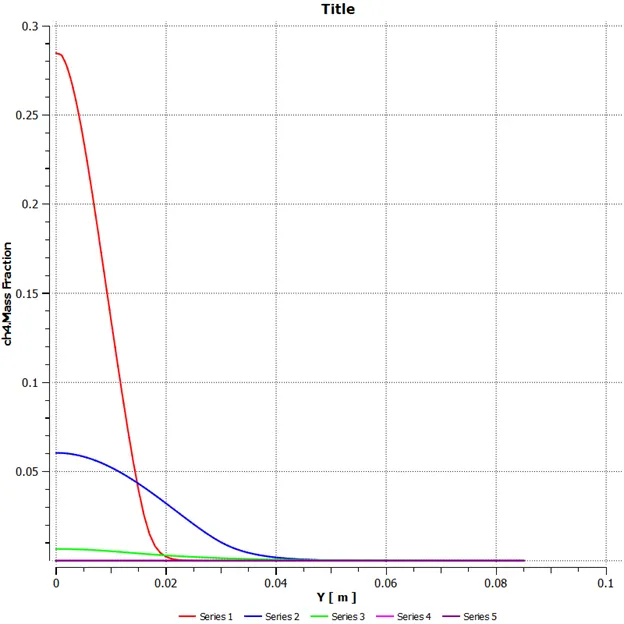
Mass fraction of CH4
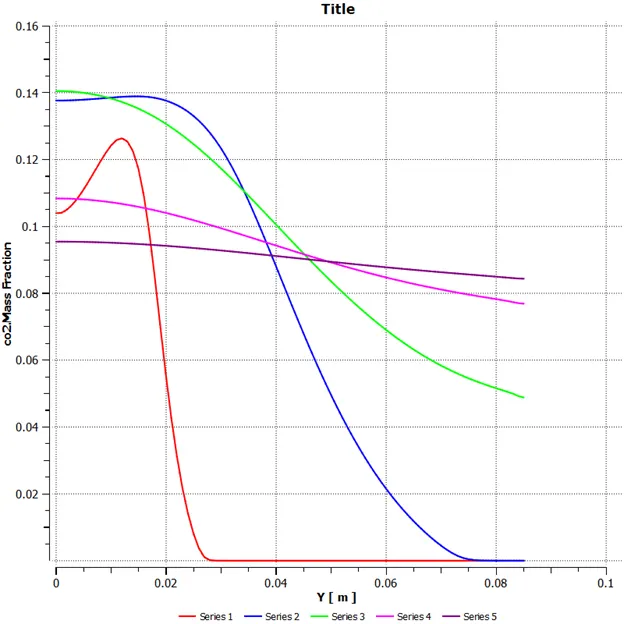
Mass fraction of CO2
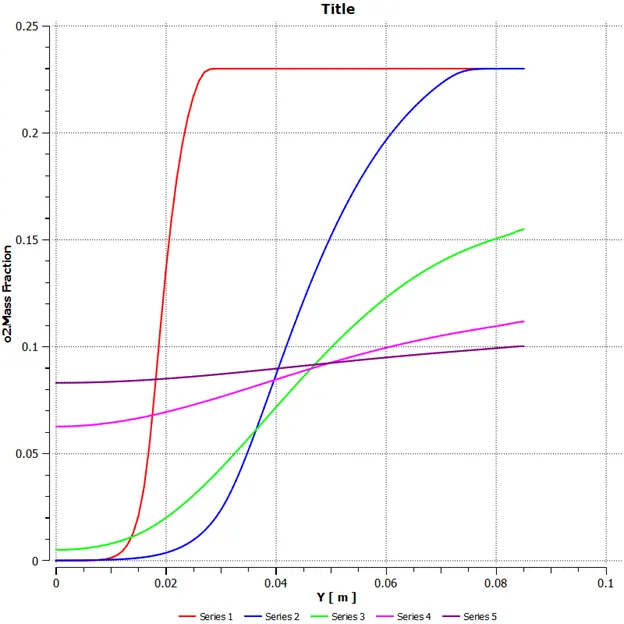
Mass fraction of O2
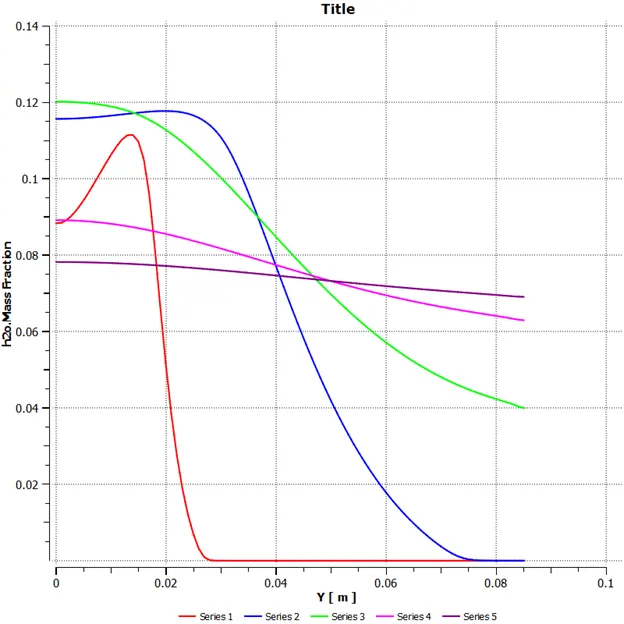
Mass fraction of H2O
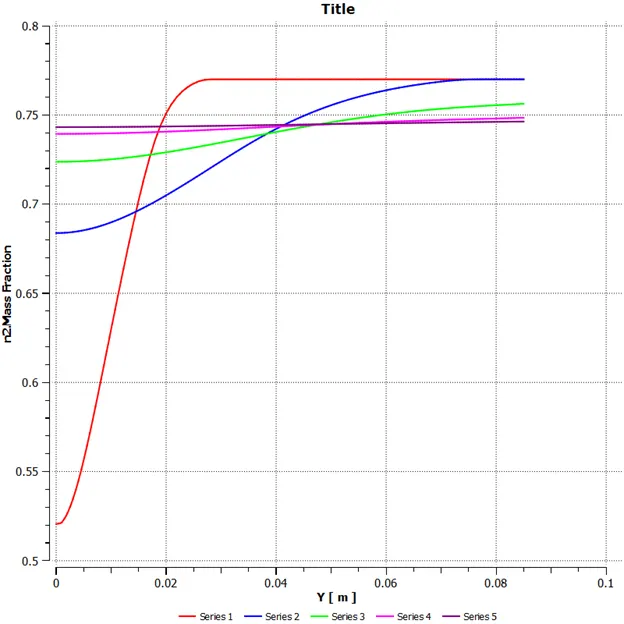
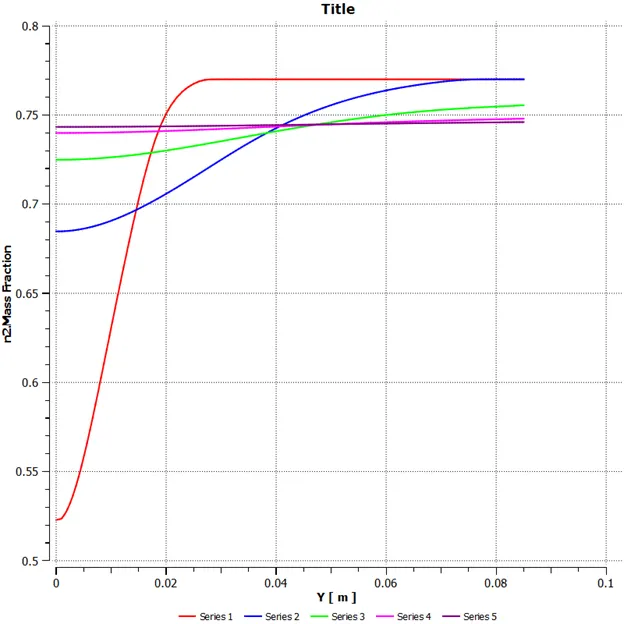
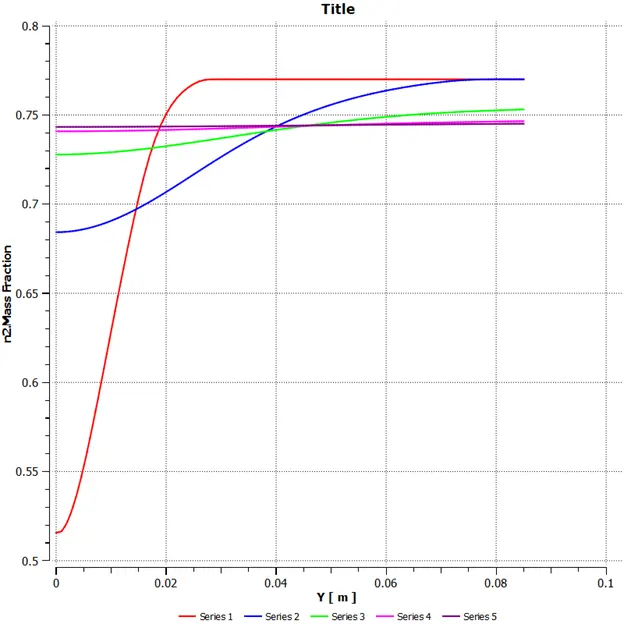
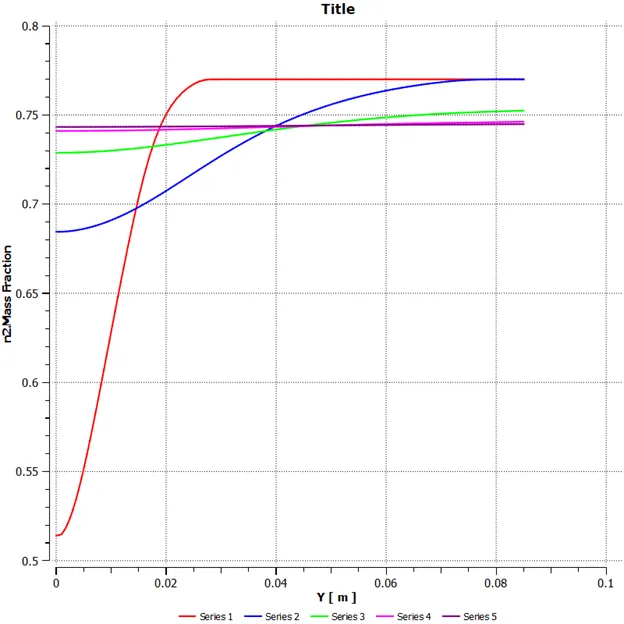
Mass fraction of N2
Part II
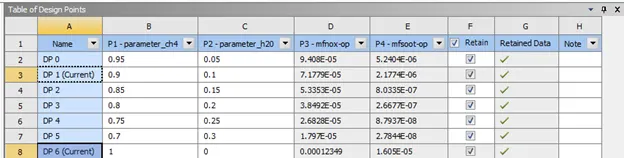
Case 1
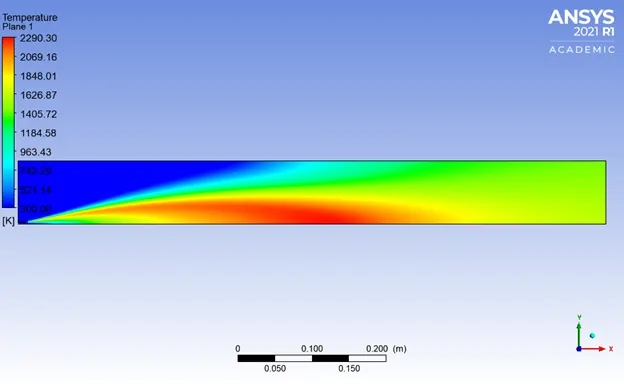
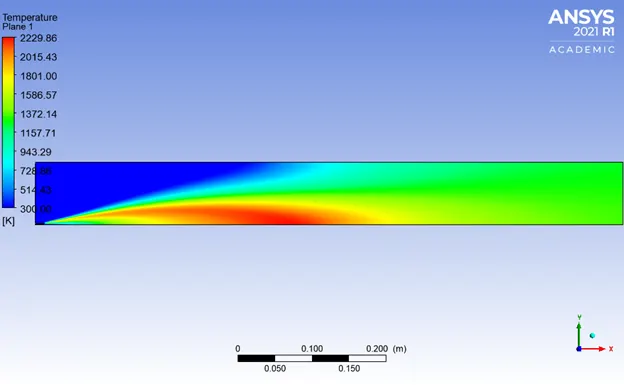
Temperature contour
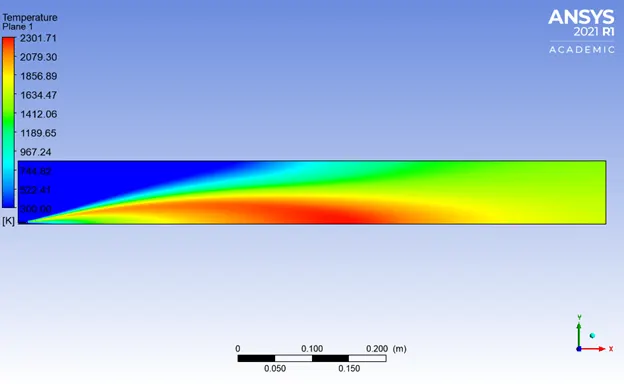
Location of line probes
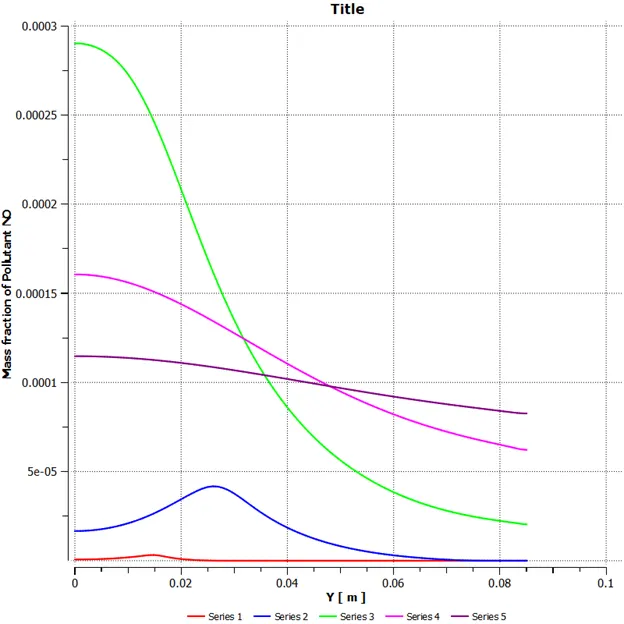
Mass fraction of pollutant NO
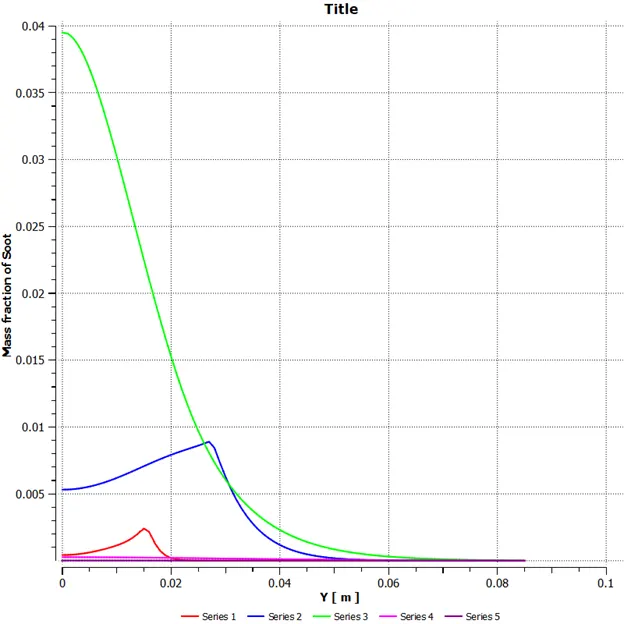
Mass fractiom of Soot
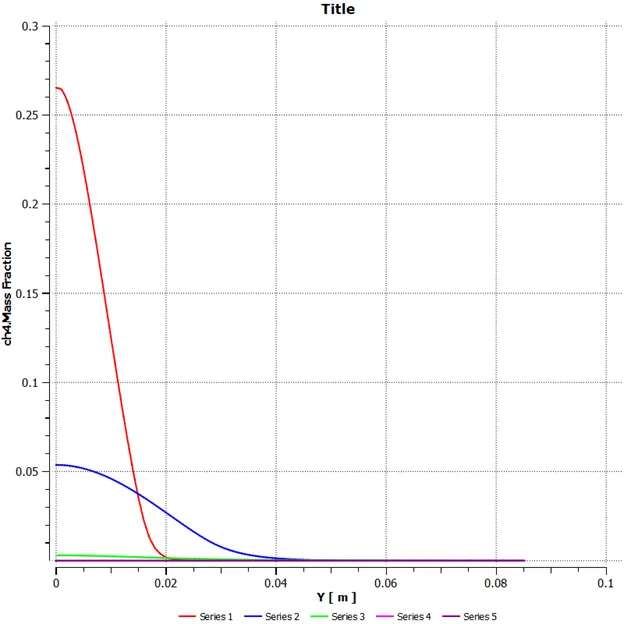
Mass fraction of CH4
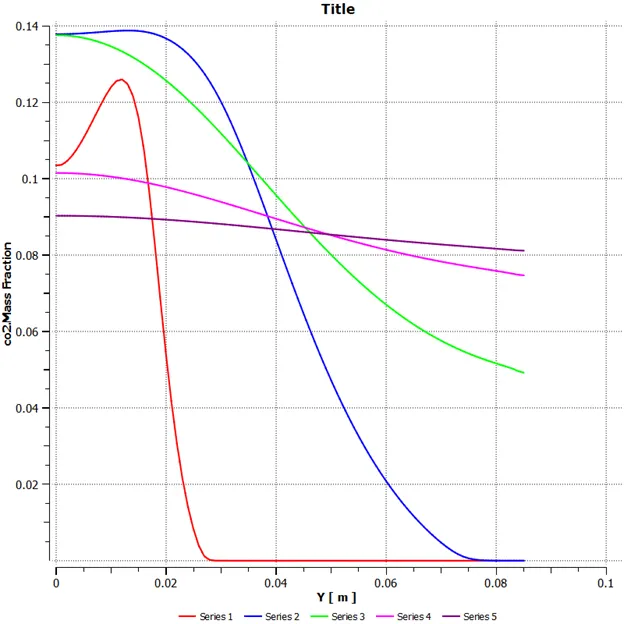
Mass fraction of CO2
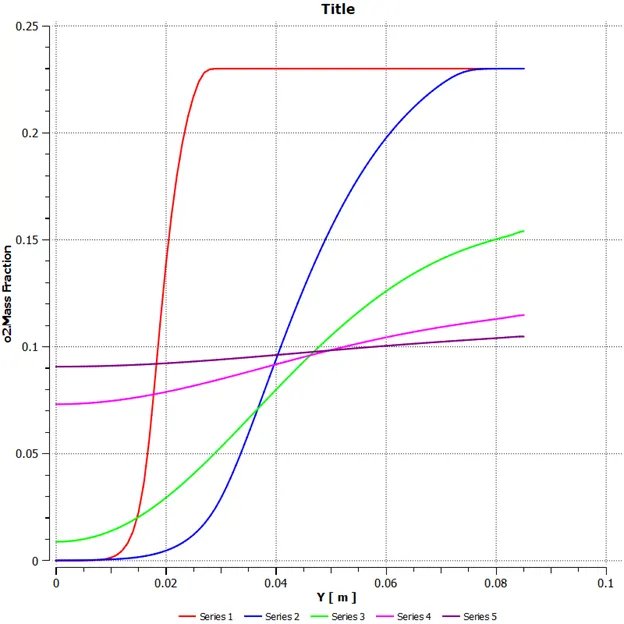
Mass fraction of O2
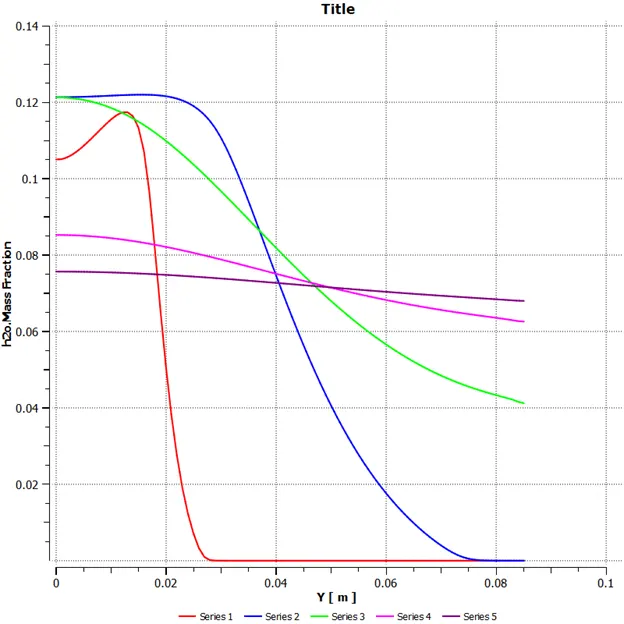
Mass fraction of H2O
Mass fraction of N2
Case 2
Temperature contour
Location of line probes
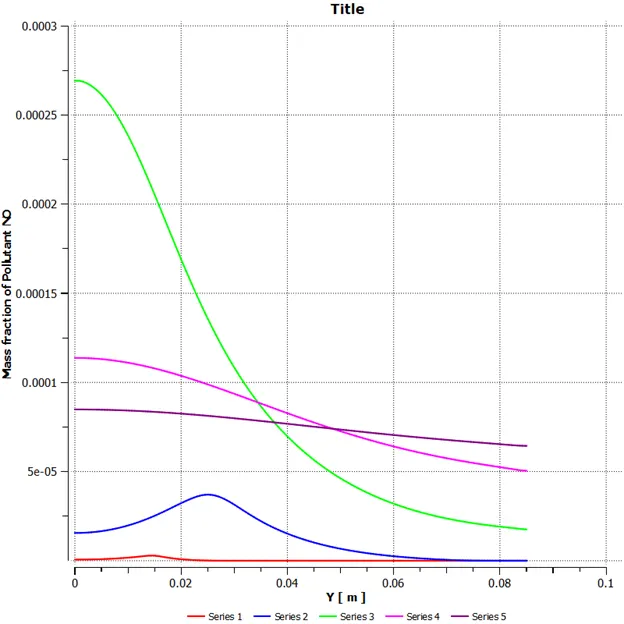
Mass fraction of pollutant NO
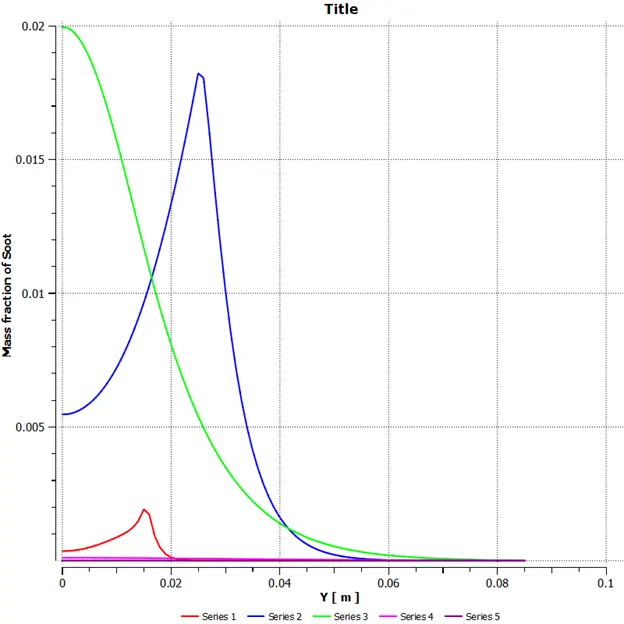
Mass fractiom of Soot
Mass fraction of CH4
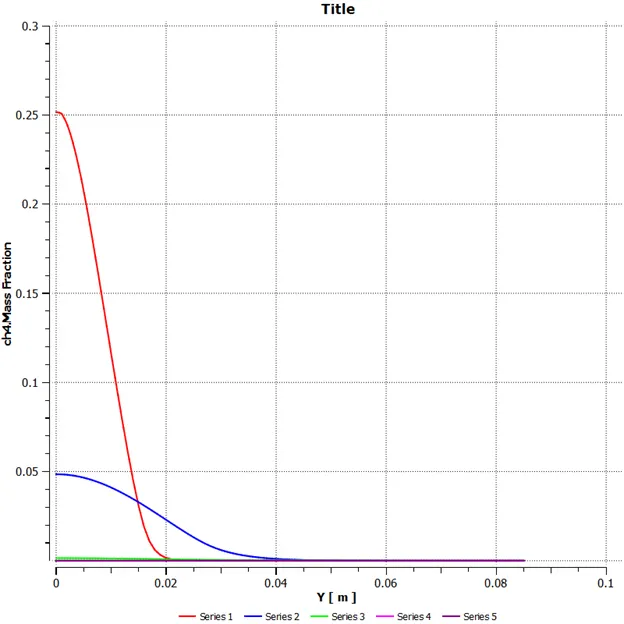
Mass fraction of CO2
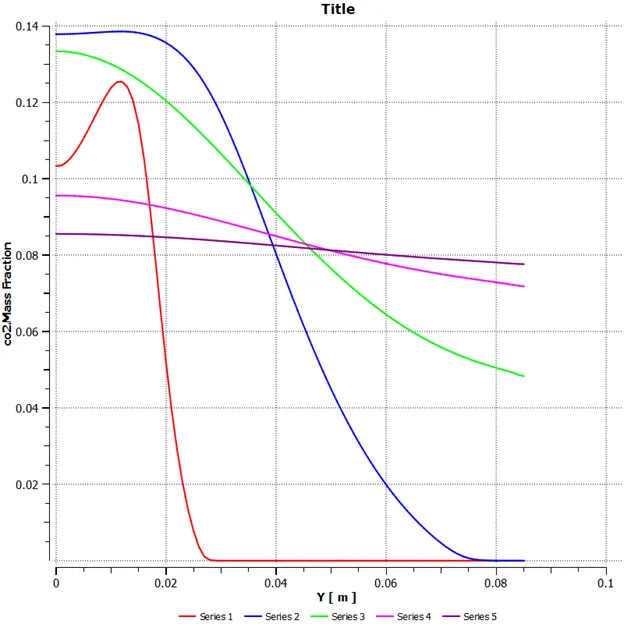
Mass fraction of O2
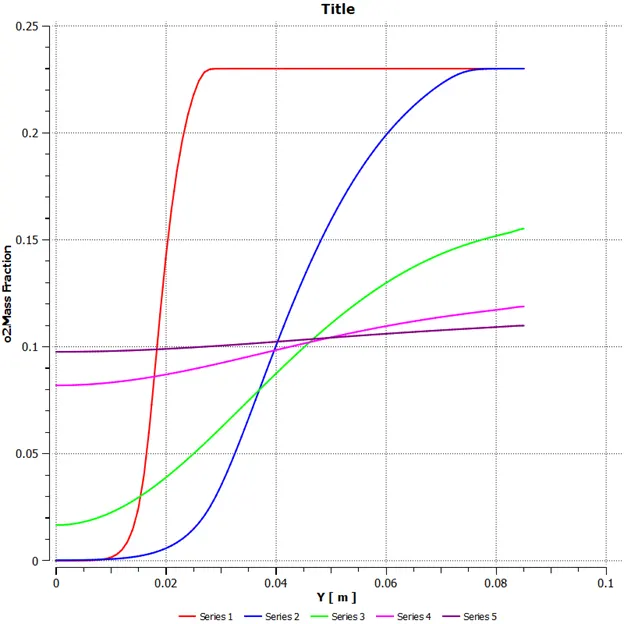
Mass fraction of H2O
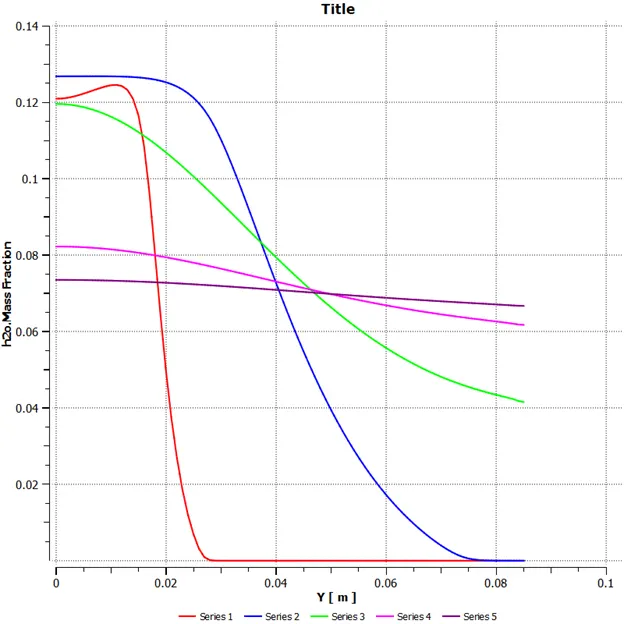
Mass fraction of N2
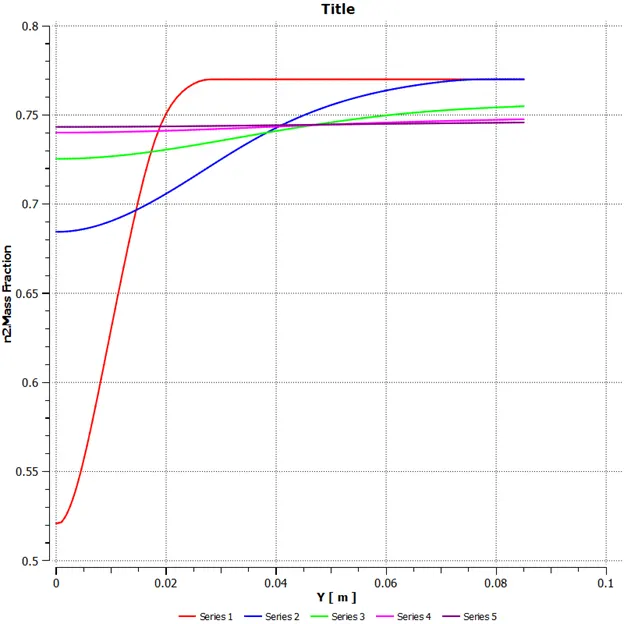
Case 3
Temperature contour
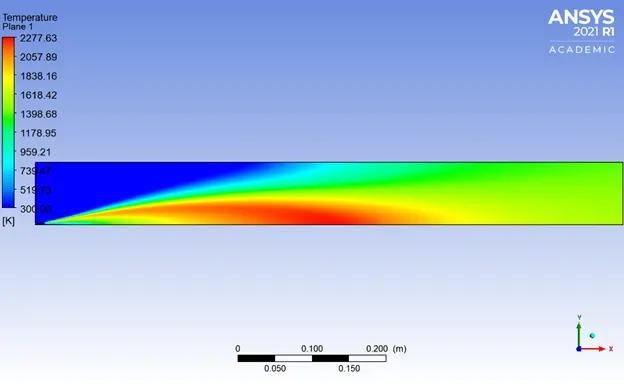
Location of line probes
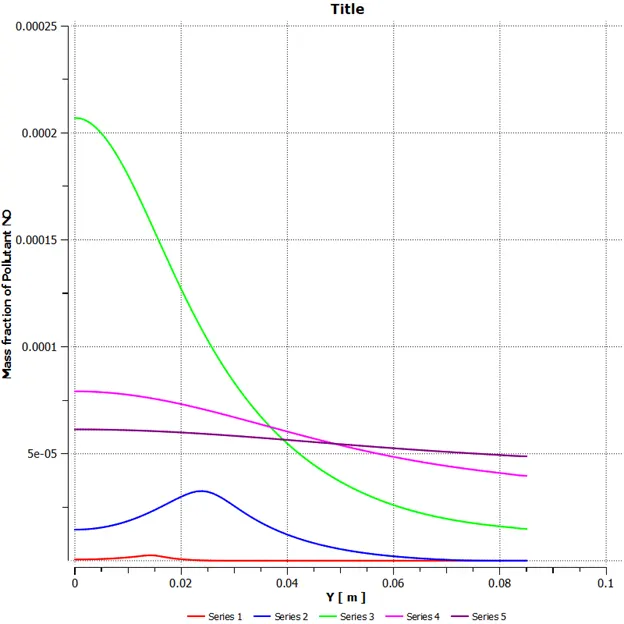
Mass fraction of pollutant NO
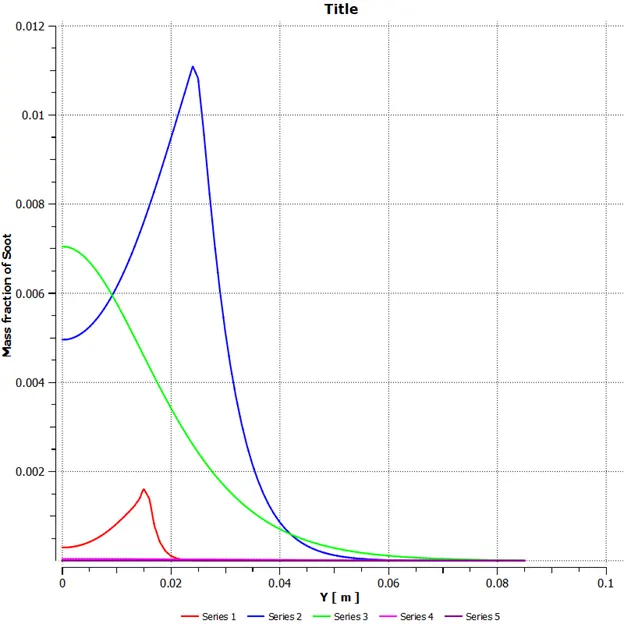
Mass fractiom of Soot
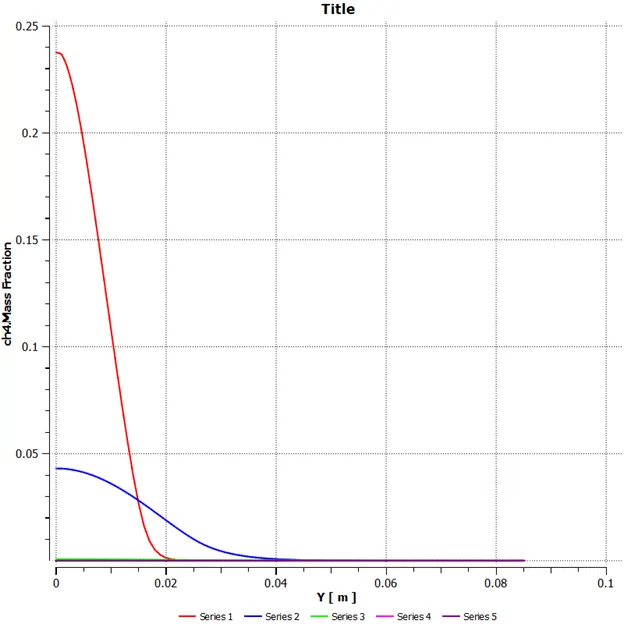
Mass fraction of CH4
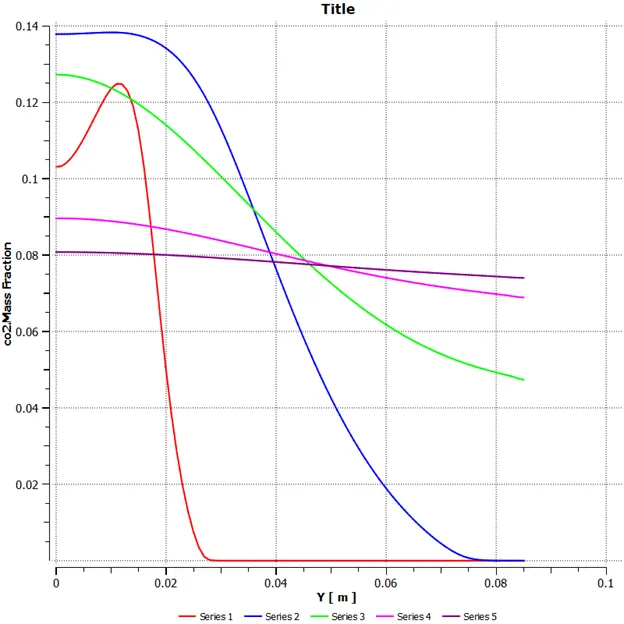
Mass fraction of CO2
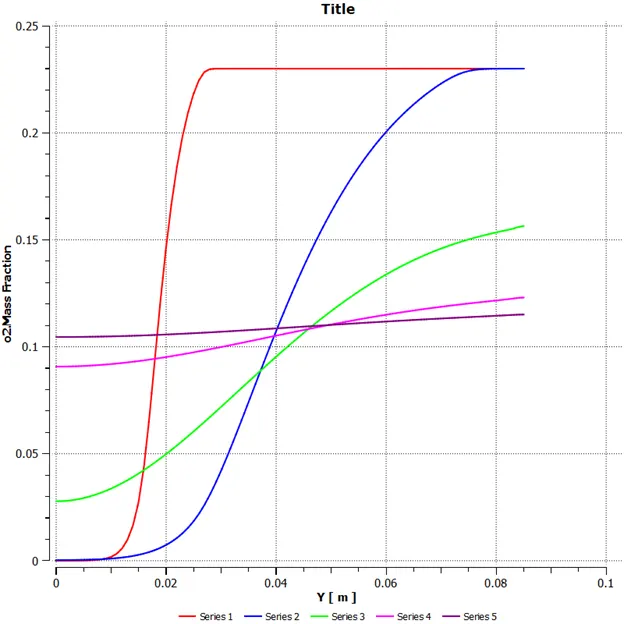
Mass fraction of O2
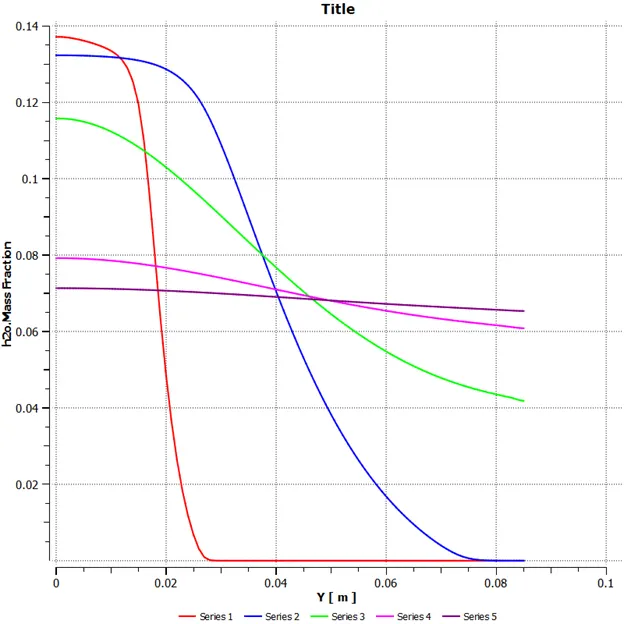
Mass fraction of H2O
Mass fraction of N2
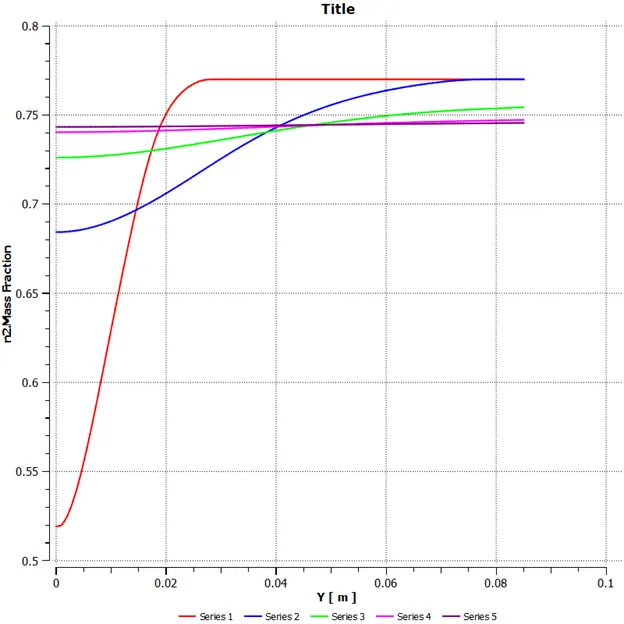
Case 4
Temperature contour
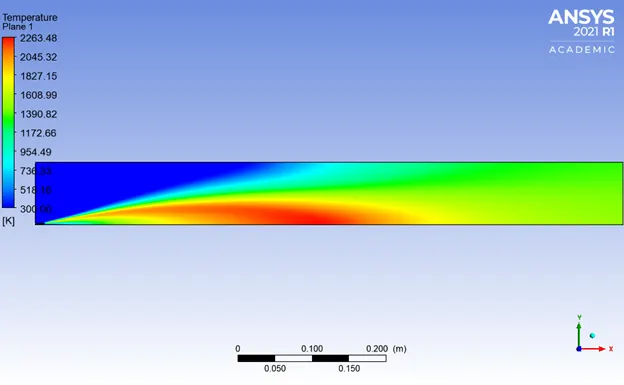
Location of line probes
Mass fraction of pollutant NO
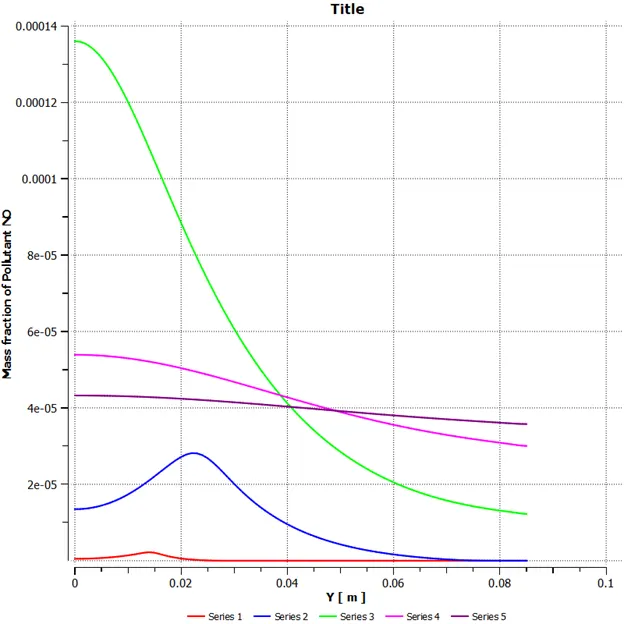
Mass fractiom of Soot
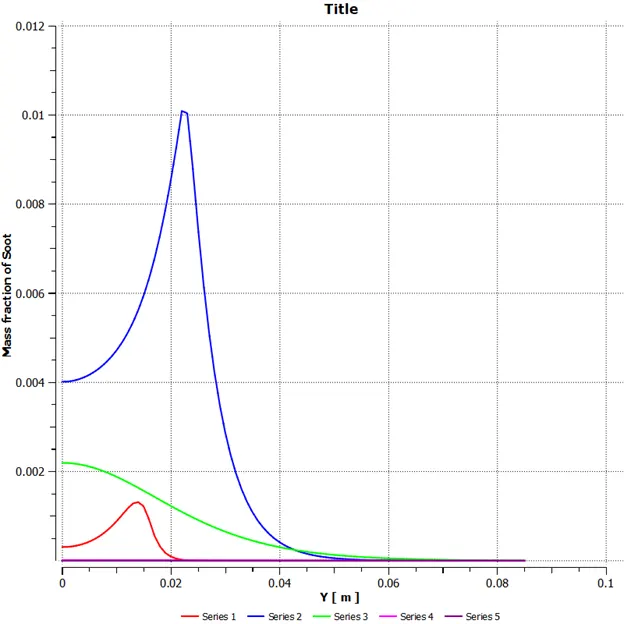
Mass fraction of CH4
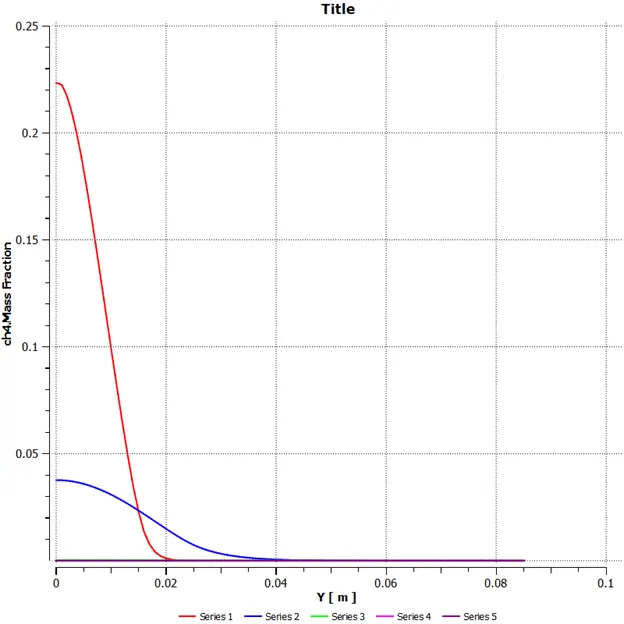
Mass fraction of CO2
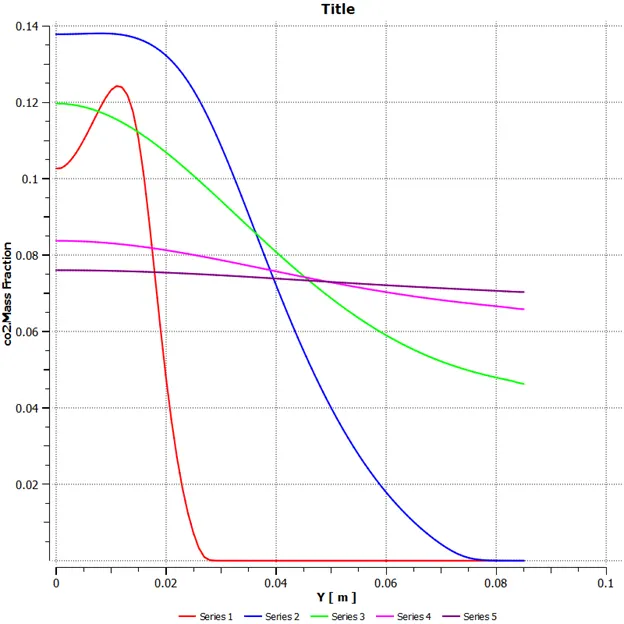
Mass fraction of O2
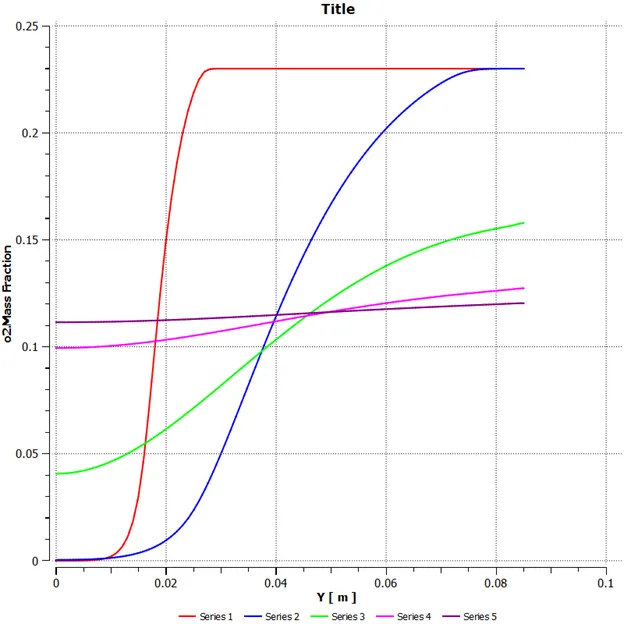
Mass fraction of H2O
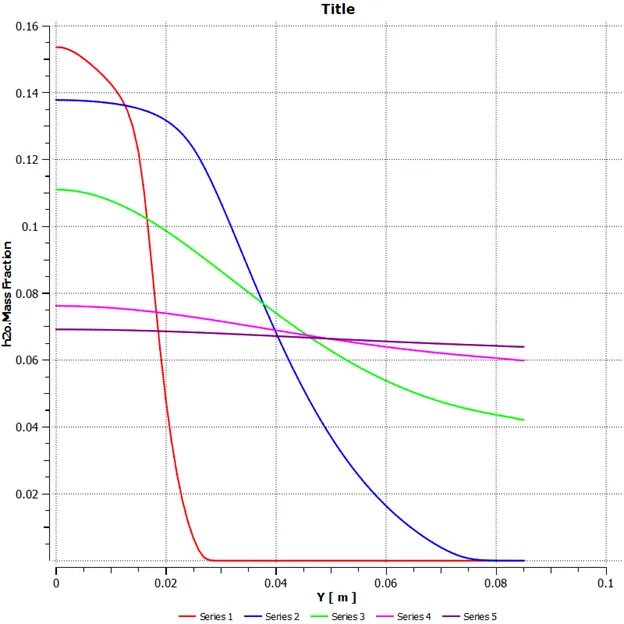
Mass fraction of N2
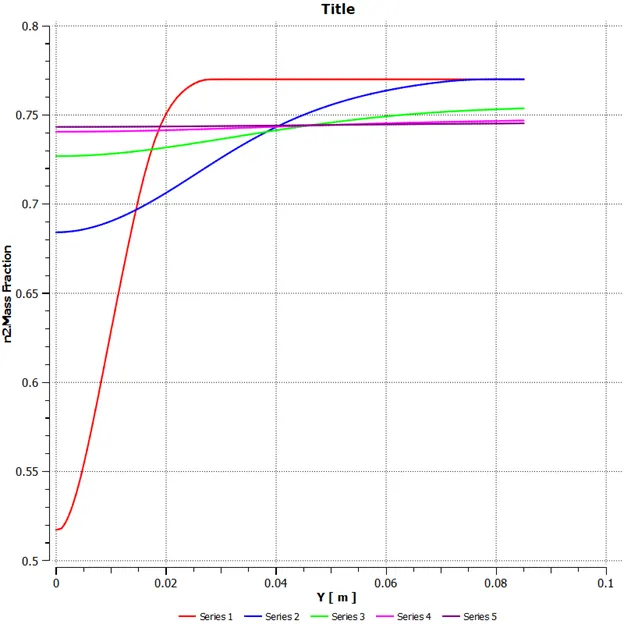
Case 5
Temperature contour
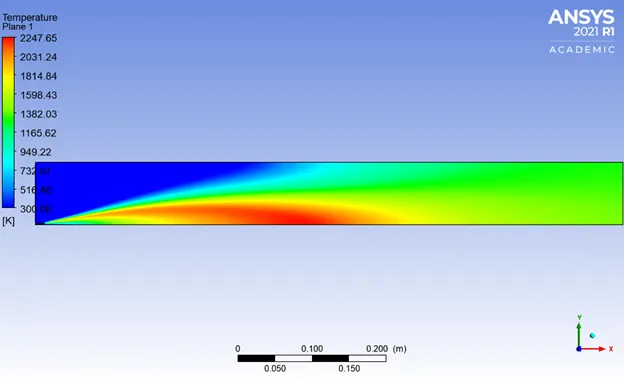
Location of line probes
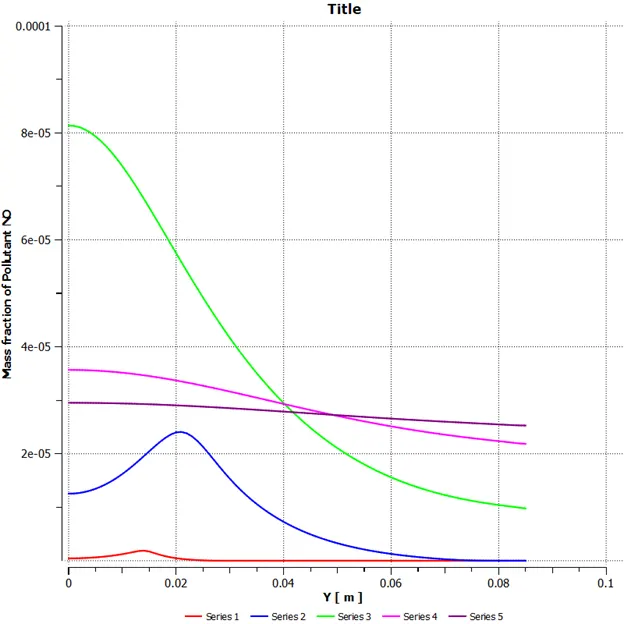
Mass fraction of pollutant NO
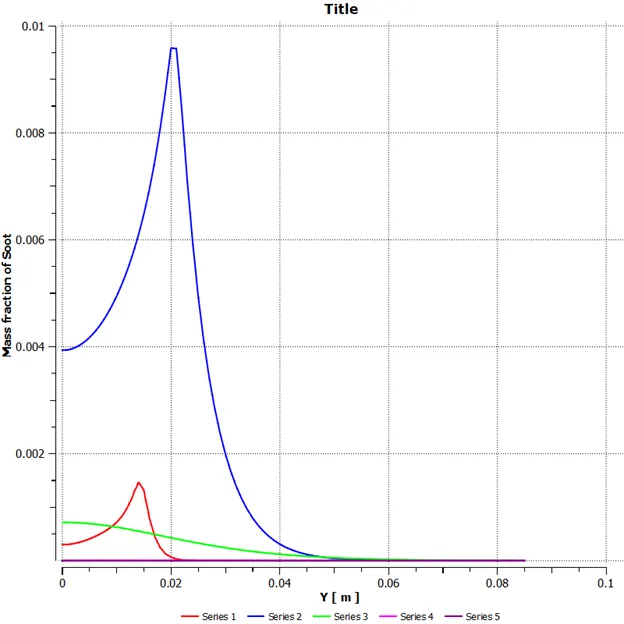
Mass fractiom of Soot
Mass fraction of CH4
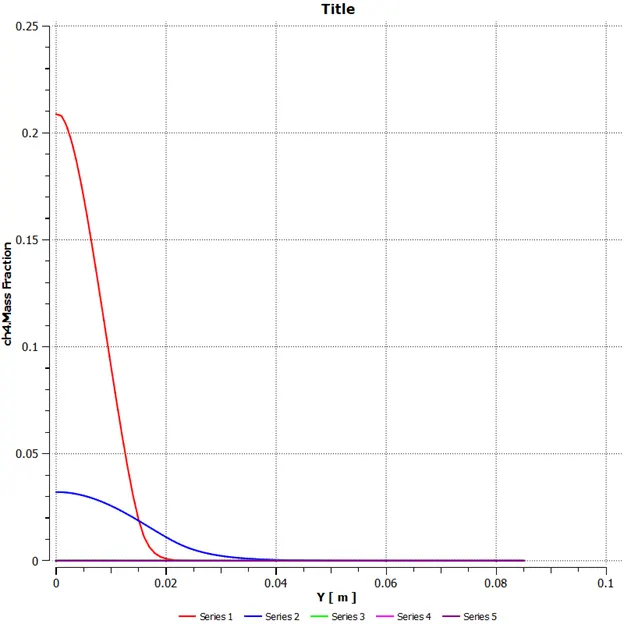
Mass fraction of CO2
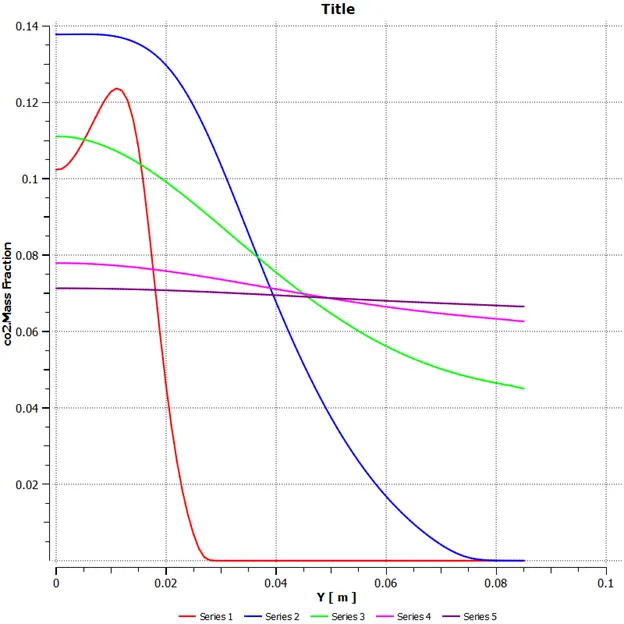
Mass fraction of O2
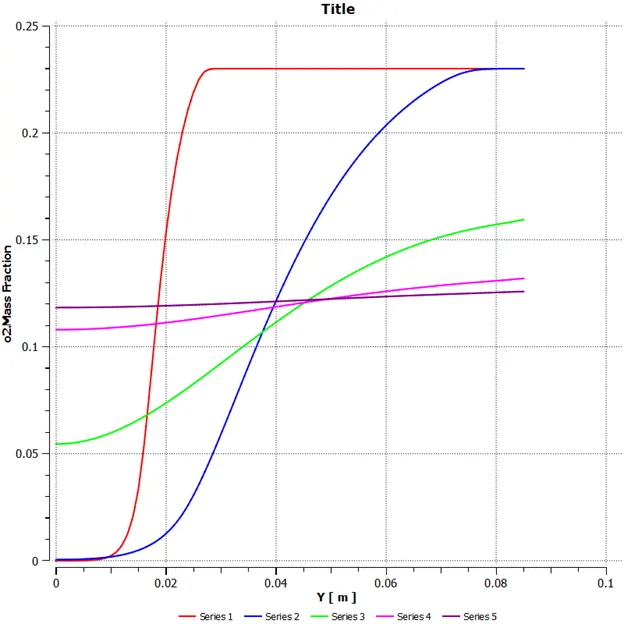
Mass fraction of H2O
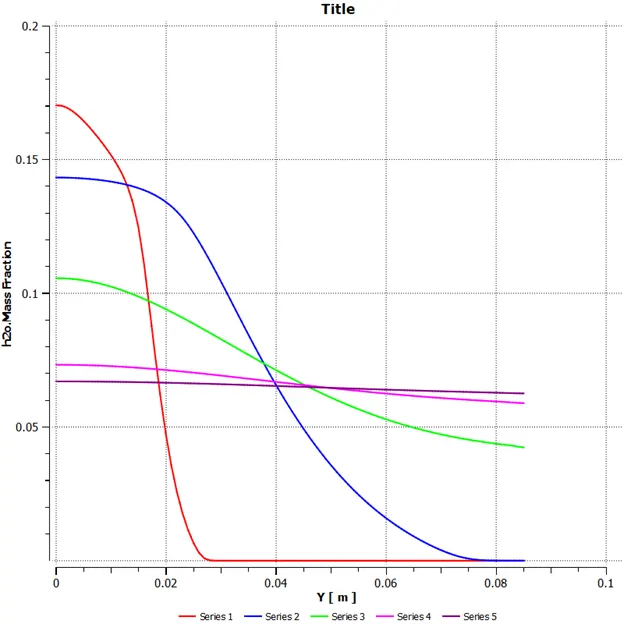
Mass fraction of N2
Case 6
Temperature contour
Location of line probes
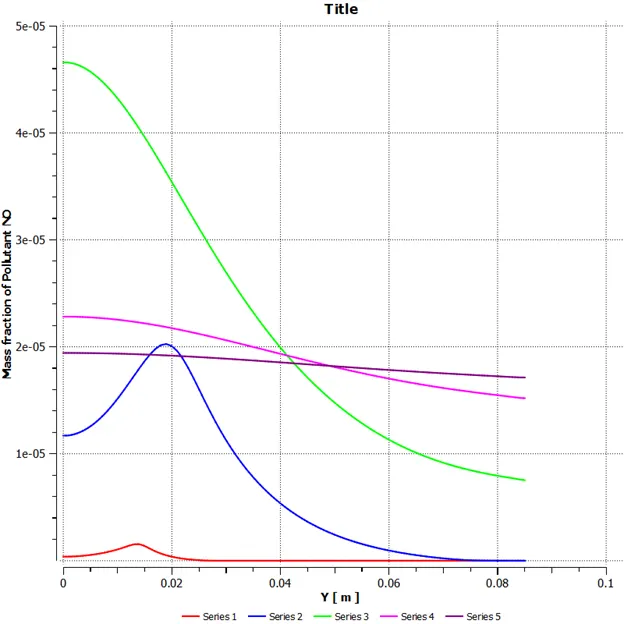
Mass fraction of pollutant NO
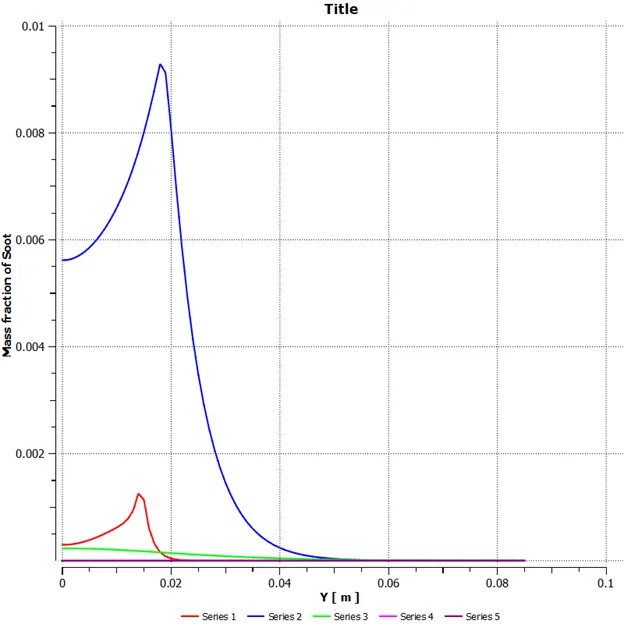
Mass fractiom of Soot
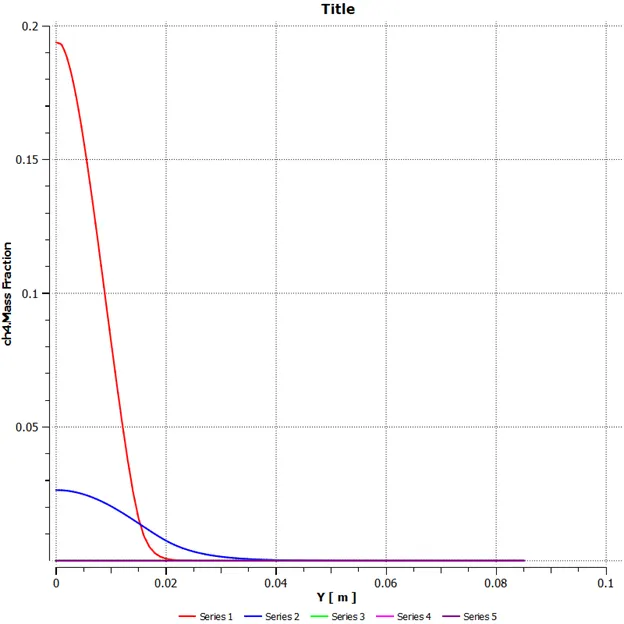
Mass fraction of CH4
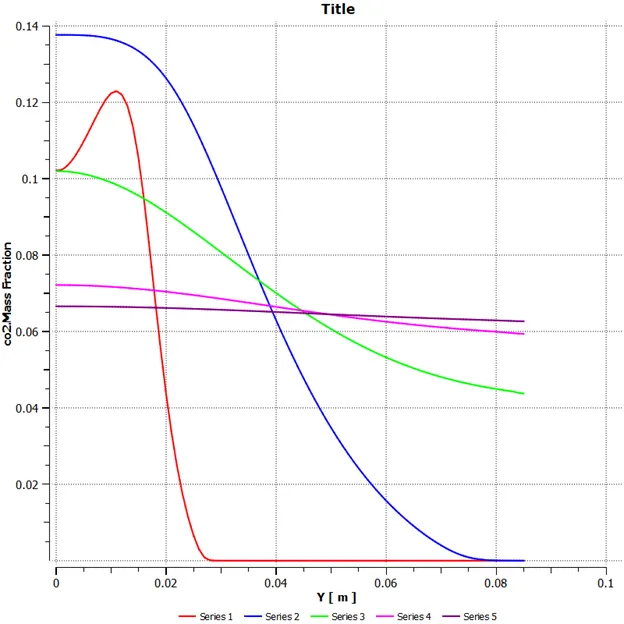
Mass fraction of CO2
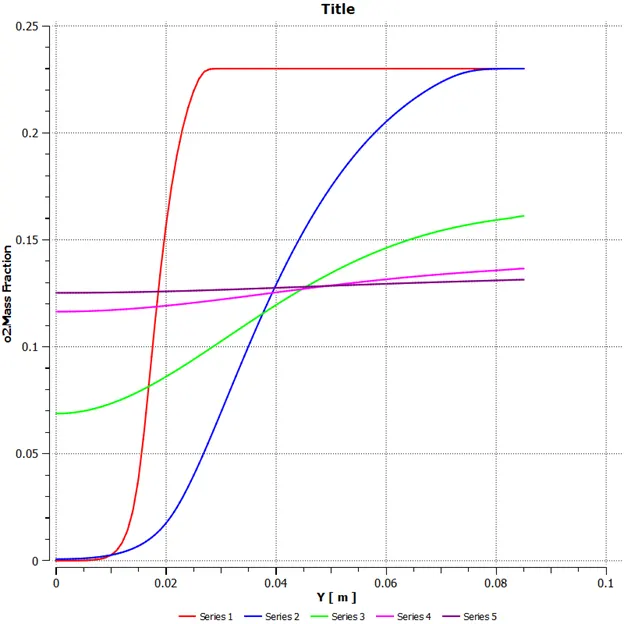
Mass fraction of O2
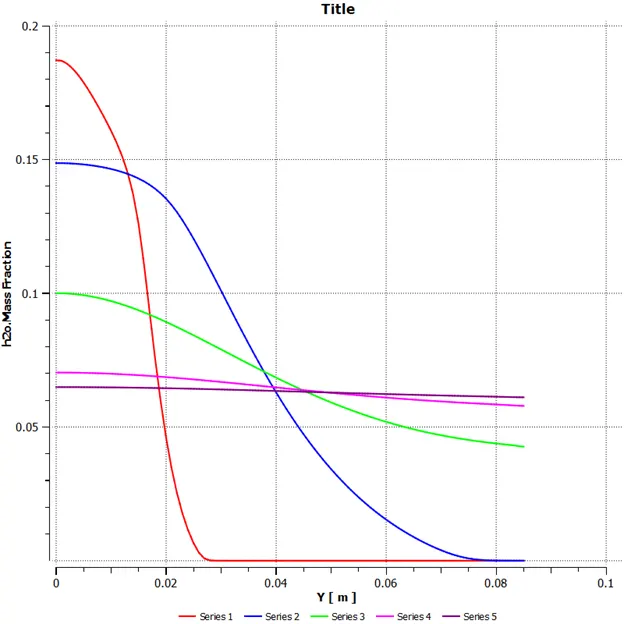
Mass fraction of H2O
Mass fraction of N2
OBSERVATION:
Part II
Side by side comparison:
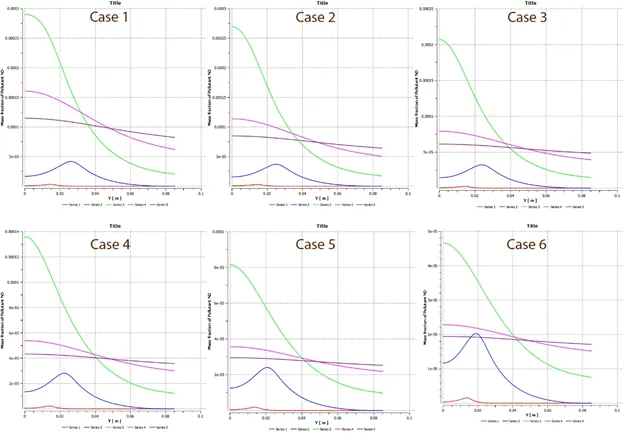
Mass fraction of pollutant NO
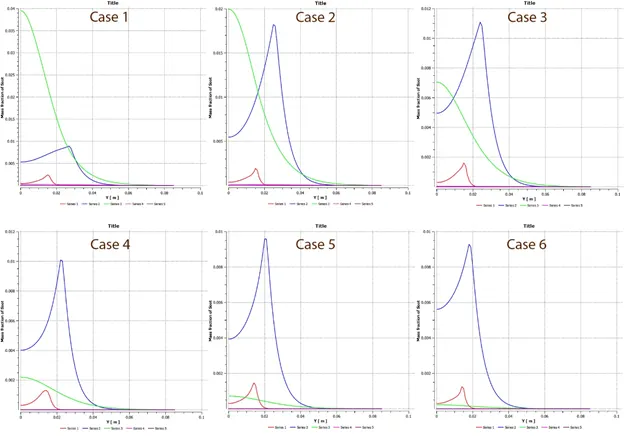
Mass fraction of Soot
Mass fraction of CH4
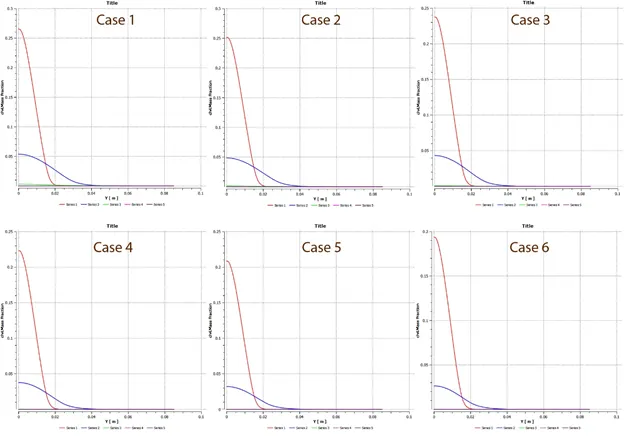
Mass fraction of CO2
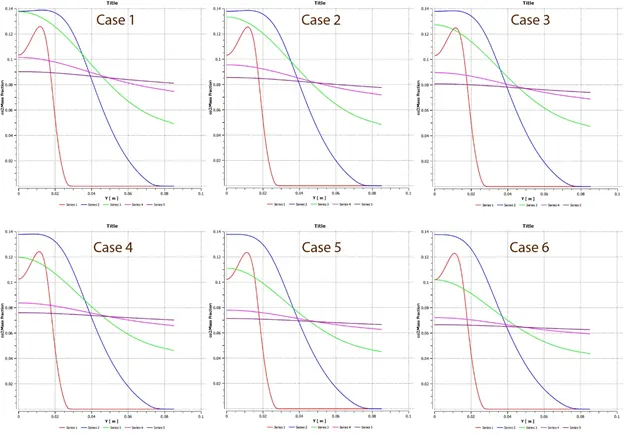
Mass fraction of O2
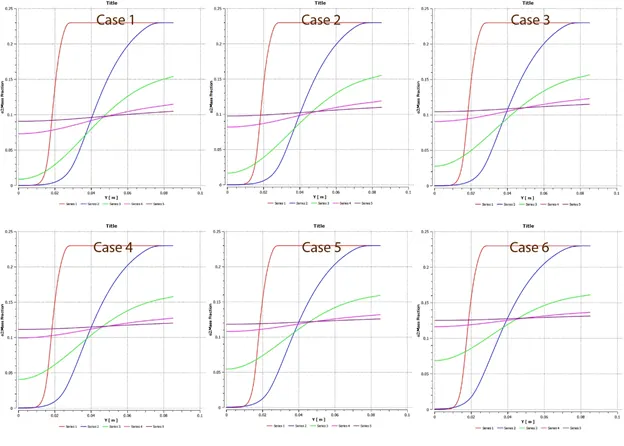
Mass fraction of H2O
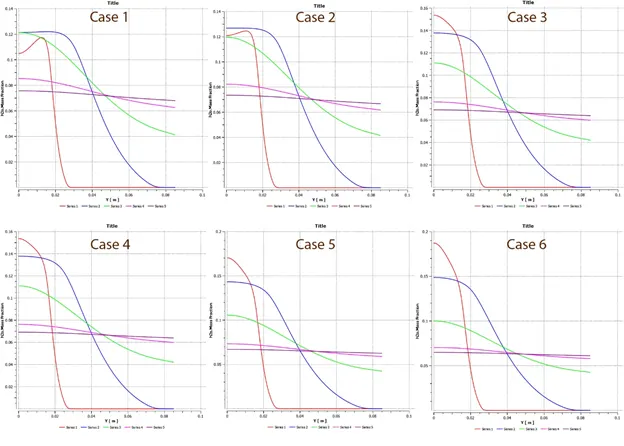
Mass fraction of N2
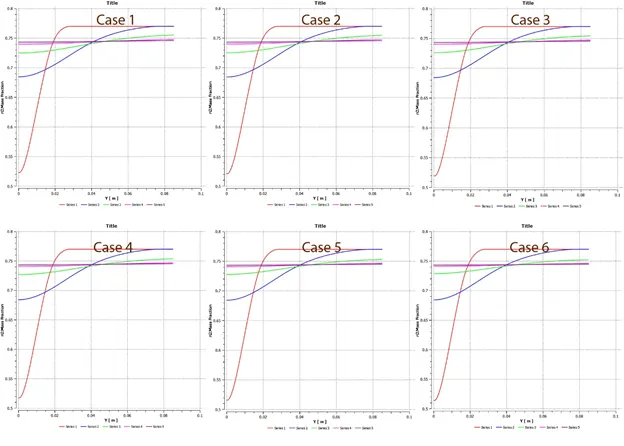
CONCLUSION:
- The addition of water (H2O) decreases the mass fraction of pollutant NO and Soot to a significant level.
- Variation in mass fraction of N2 were not observed.
- Mass fraction of CO2 also decreases due to addition of water (H2O).