Simulating Combustion of Natural Gas inside Burner
Aim – Combustion simulation of natural gas inside a burner using Ansys Fluent
Objective –
- To study combustion phenomena for the whole domain.
- To study Eddy dissipation model.
- To study the reduction behavior of NOx emission and Soot formation inside the burner.
- To pre-process the geometry for the simulation.
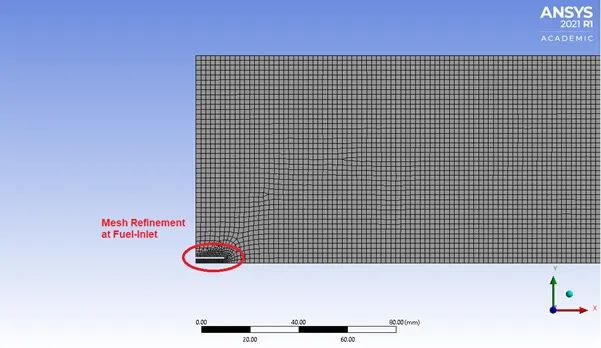
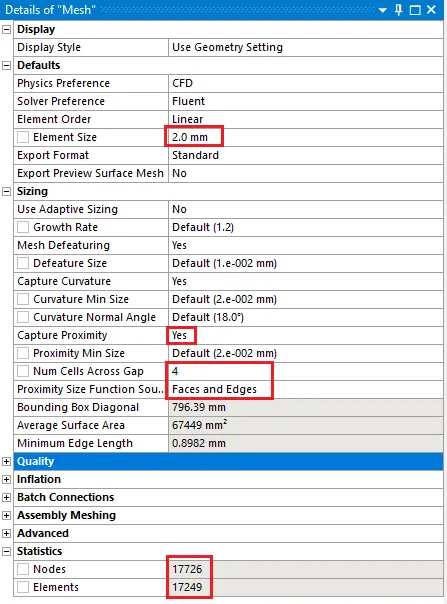
- To select correct element size and type for the mesh.
- TO plot the mass fraction of CO2, H2O, N2, CH4, O2, NOx and Soot formation.
- To perform the simulation by adding water with fuel range of 5% to 30% to lower the NOX emission and Soot formation in burner.
Theory –
Opening Remarks:
Combustion is exothermic chemical reaction of a fuel with an oxidant to the product. Basically, there are two types of combustion:
- Flame Mode: In which the thin zone of intense chemical reaction called ‘flame’ exist.
- Non-Flame Mode: In which volumetric combustion process is exited.
The combustion simulation is performed to get the prediction of:
- Flow field and mixing characteristic.
- Temperature field.
- Species concentration.
- Particulates of pollutant.
The application of combustion modelling is been applied to various kind of reacting flows such as Furnaces, Boilers, Process heaters, Gas turbines, Automobiles and Rocket engines.
Computational fluid dynamics of combustion model should be capable enough to provide information related to species concentration, volumetric generation or diffusion rate and changes in the system parameters like enthalpy, temperature and mixture density.
The similar model should be good enough to solve the general transport equations for fluid flows and heat transfer as well as additional equation of combustion chemistry and chemical kinetics incorporated as per simulation environment details.
Chemical Kinetics is part of combustion phenomena, which is the study of entire reaction mechanism subjected to different operating condition.
Types of combustion simulation in Ansys Fluent –
Based on Mixing:
Non-Premixed Combustion – This type of combustion occurs when oxidizer and fuel mixture enter the reaction zone in distinct stream or not initially mixed. Example: Diesel Engine.
Pre-Mixed Combustion – Fuel and oxidizers are mixed at molecular level before the combustion, Example: Carburetor.
Partially Pre-Mixed Combustion – It’s between non-premixed and pre-mixed combustion where the fuel and oxidizer are partially pre-mixed at non-uniform ratio before combustion.
Based on Phase:
Fluid Phase – Volumetric reaction takes place in fluid region.
Wall – Combustion takes place on surface. Example: Evaporation.
Particles – Combustion takes place on the surface of particle. Example: Coal combustion.
Porous Region – Combustion takes place inside the pores. This type of reaction usually takes place at high-pressure drop regions.
Combustion Source Calculation –
Finite Rate Chemistry:
This model derives and solve for all ODEs. Which results in accurate solution but depends on the species involved, in turn is proportional to computation time to solve ODEs.
Mixing Based Model –
Eddy Dissipation Model:
In this model, combustion takes place in the presence of turbulence. Hence the requirement of heat source to initiate combustion is not needed. Applicable on Non-Premixed fuel mixture.
Finite Rate Eddy Dissipation Model:
It’s a combination of finite rate chemistry and eddy dissipation models. In this model, Kinetic rate is calculated in addition to the reaction rate calculated from the eddy dissipation model.
Slowest reaction is chosen from –
If turbulence is low, the species mixing rate is low and limits the rate of reaction.
If turbulence is high, the kinetic rate is low and limits the rate of reaction.
Procedure –
Problem Setup –
- (1) Geometry
Files → Space Claim Options → Units
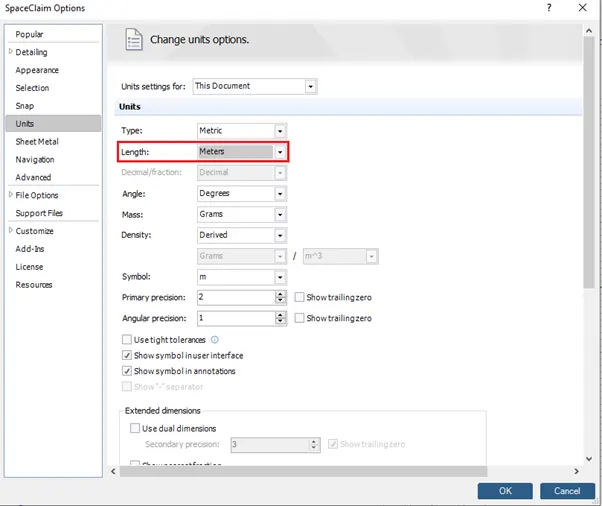
Below video clip shows the procedure from importing the geometry into Space-Claim and performing necessary tasks to obtain the required simulation ready geometry.
Mesh Generation –
Right Click → Insert → Named Selection, As follows
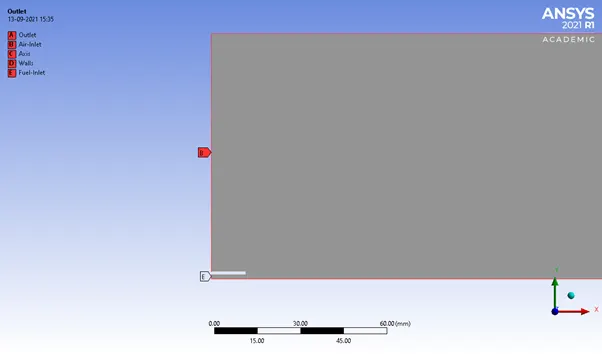
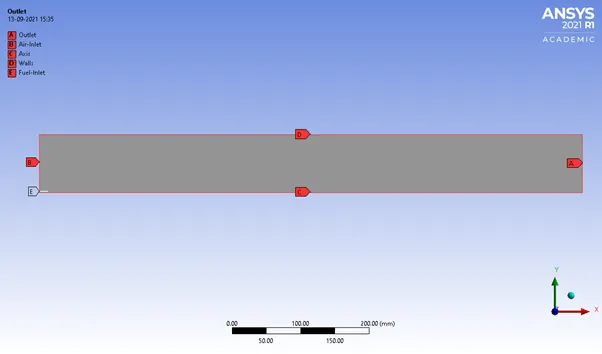
Mesh Generated –
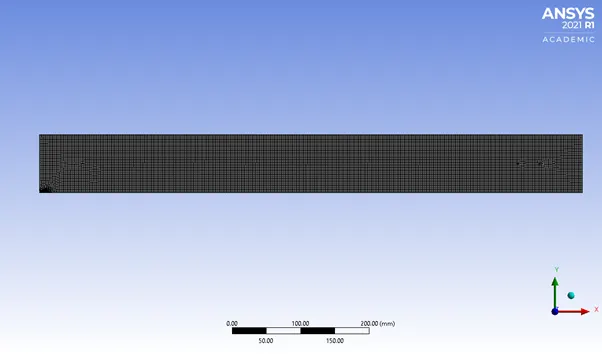
Mesh Details –
Mesh Quality –
Element Quality –
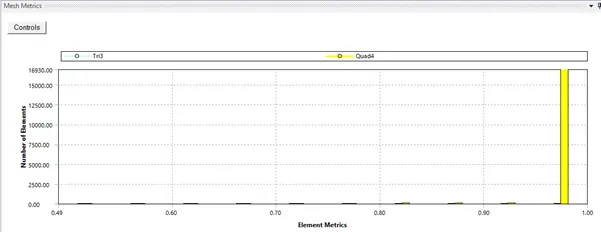
Aspect Ratio –
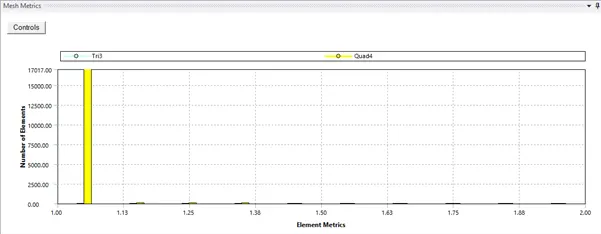
Skewness –
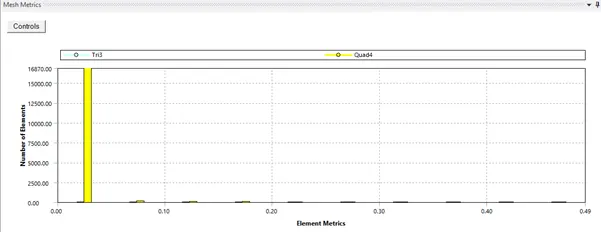
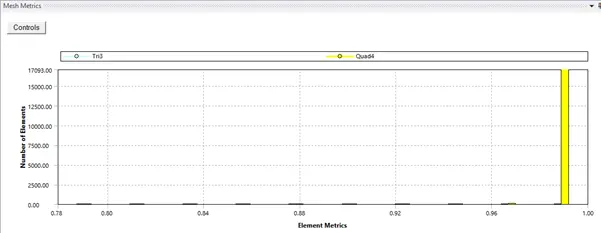
Orthogonal Quality –
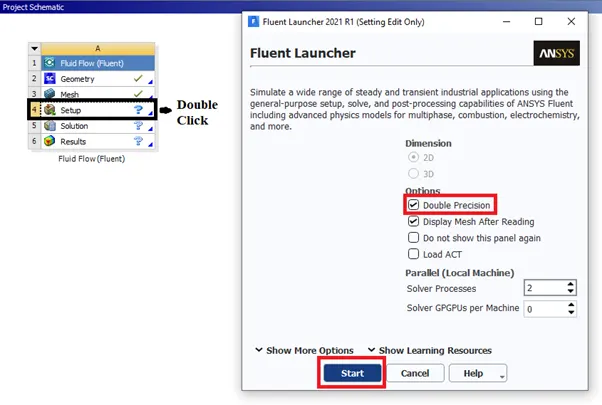
Fluent Setup –
Solution Setup -
- General → Solver → Pressure-based → Time→ Steady State → 2D Space → Axis-symmetry → Velocity Formulation → Absolute
- Models → Viscous → K-epsilon → Standard → Standard Wall Function
Energy → Energy equation → On
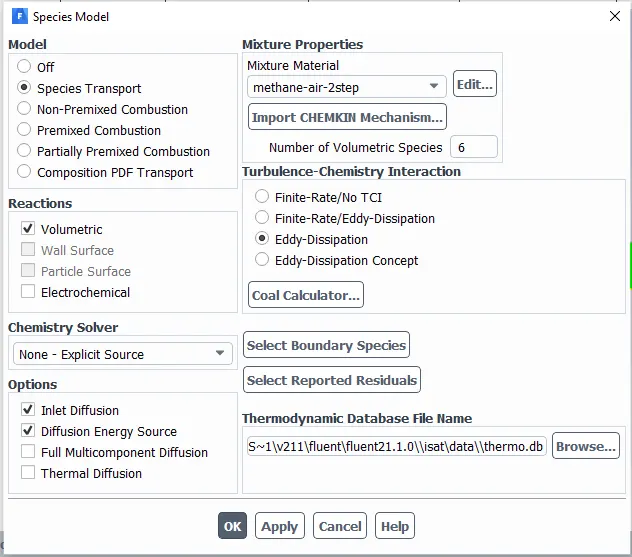
Species →
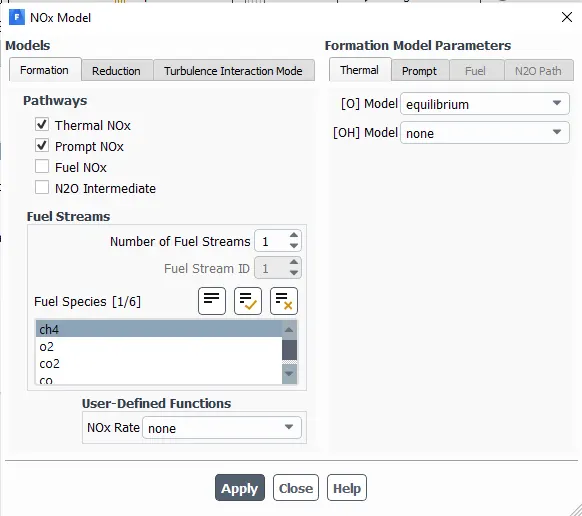
NOx Model →
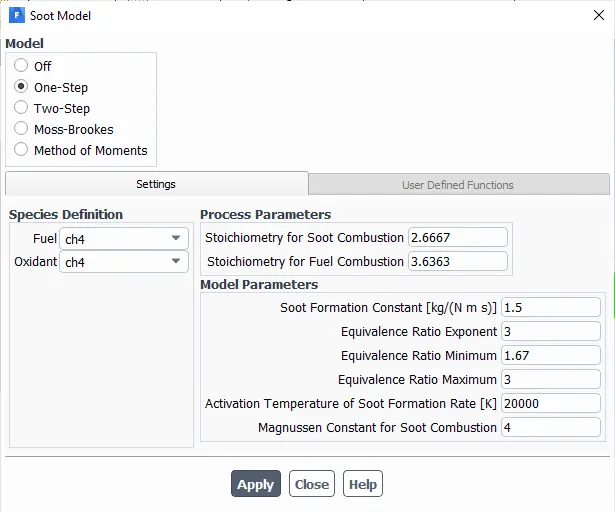
Soot Model →
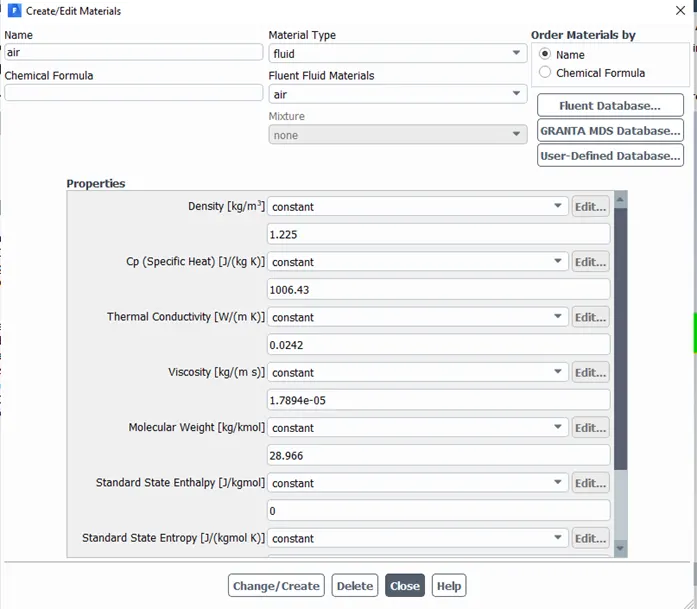
- Material → Fluid → Air →
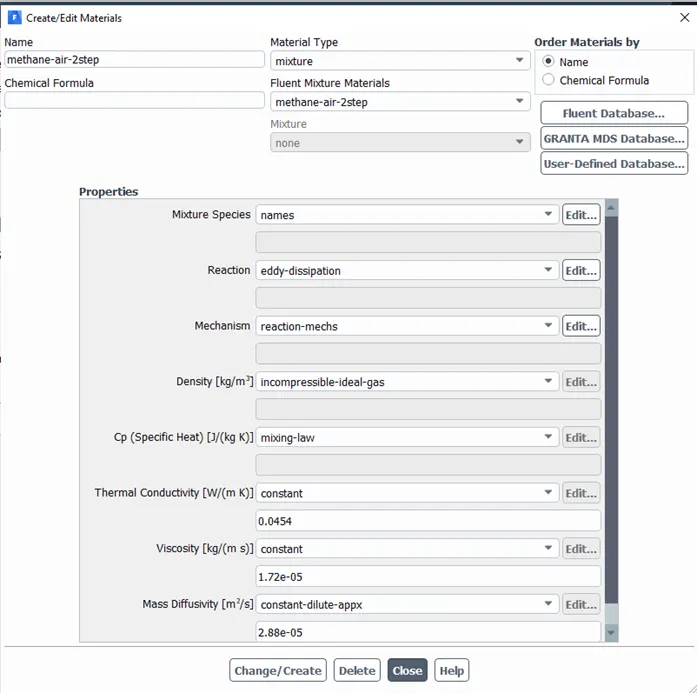
- Mixture → Add New → Fluent Database → Methane-Air-2Step →
- Cell Zone Conditions → fff_surface → Fluid → User-material
- Boundary Conditions
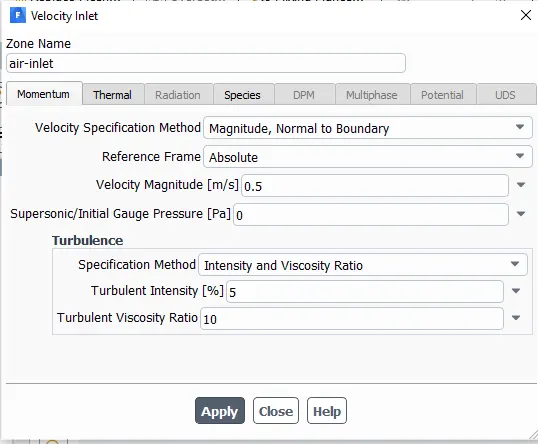
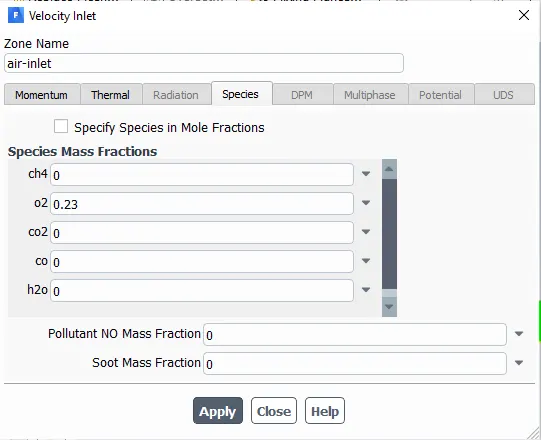
- Air-Inlet →
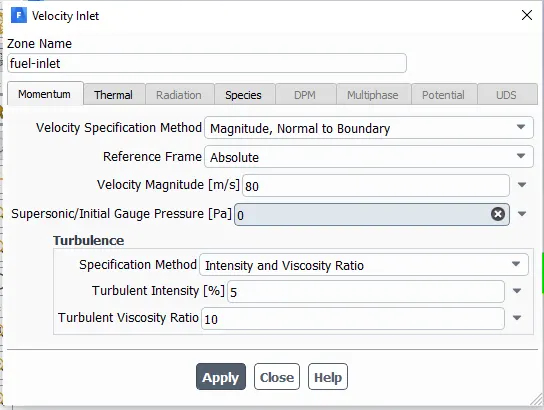
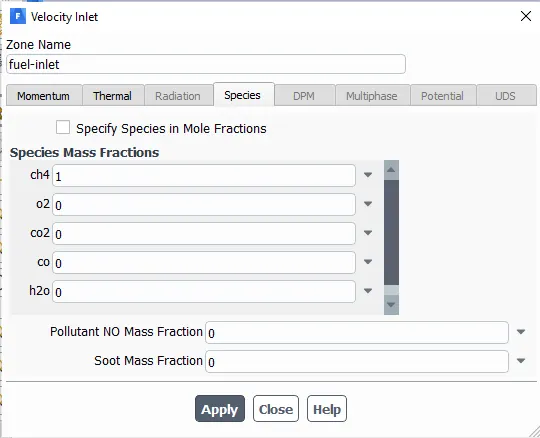
- Fuel-Inlet →
- Outlet (Gauss Pressure=1 atm)
- Wall_fff-surrface → Wall Motion → Stationary → Shear Condition → No Slip
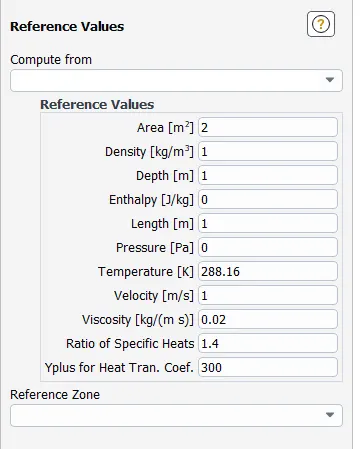
- Reference Values →
- Method → Scheme → Coupled
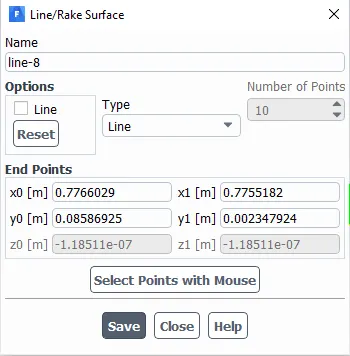
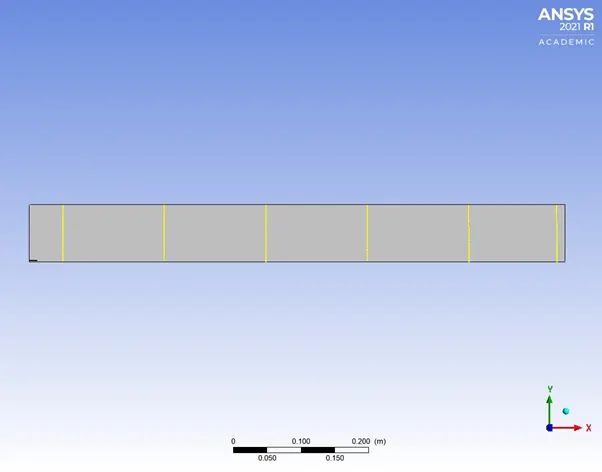
- Results → Create → Line →
- Solution → Definition →
- Surface Report → Weighted Average → Mass Fraction of NO pollutant → Field Variable = monitor-Line
- Surface Report → Weighted Average → Mass Fraction of Soot→ Field Variable = monitor-Line
- Initialize Solution → Hybrid
Part 1- To perform a combustion simulation on the Burner model and plot the variation of the mass fraction of the different species in the simulation.
Result –
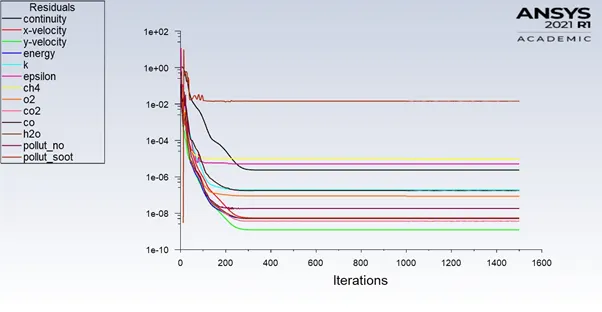
Residual Plot –
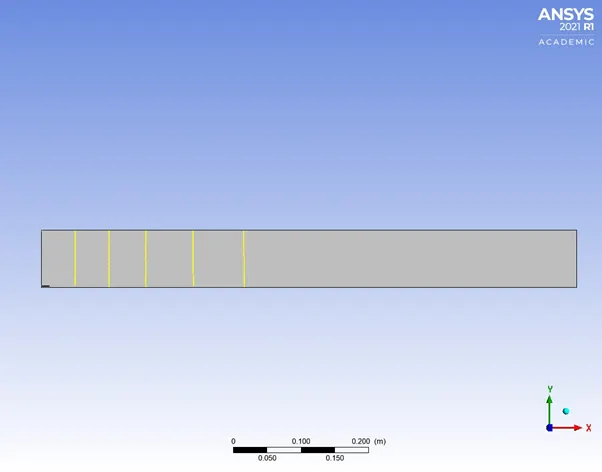
Line Probe Geometry –
Mass Fraction Contours & Plots –
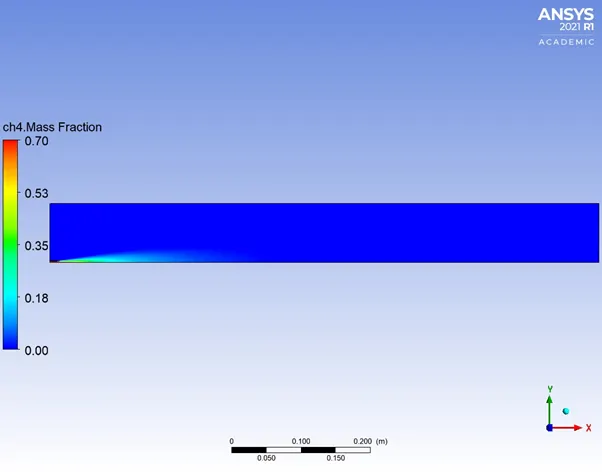
CH4:
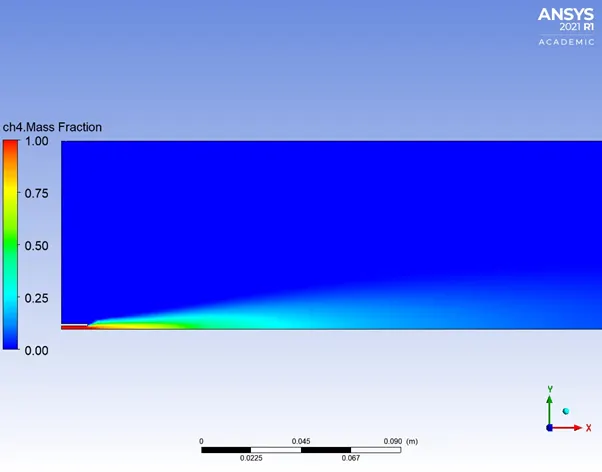
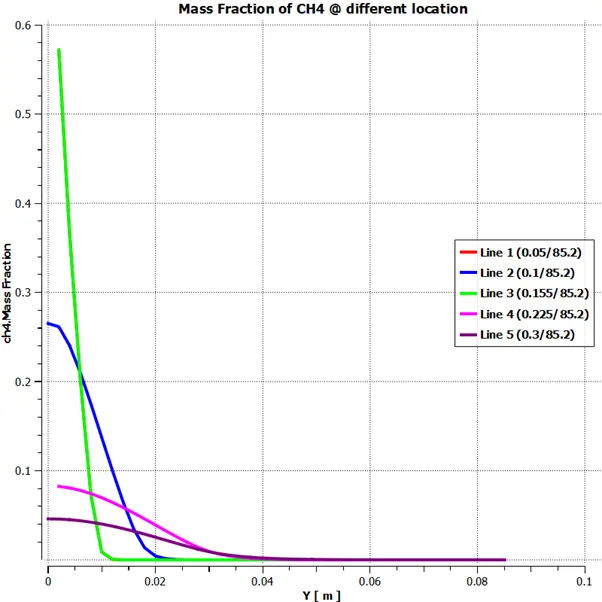
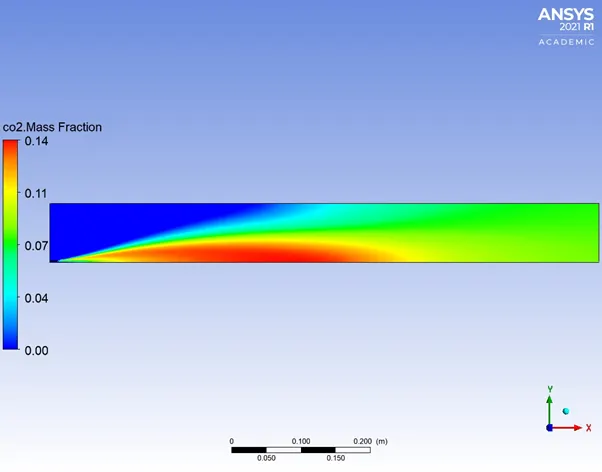
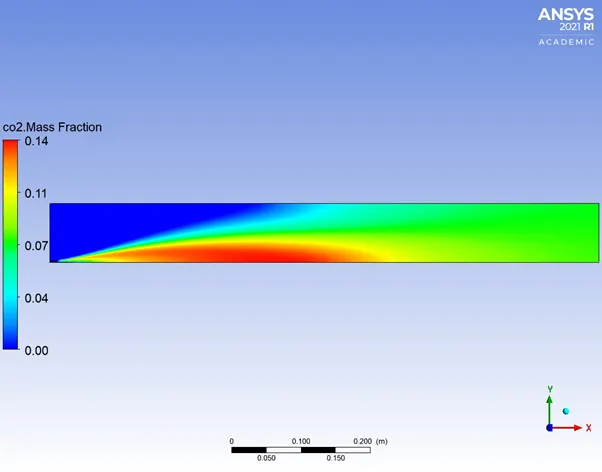
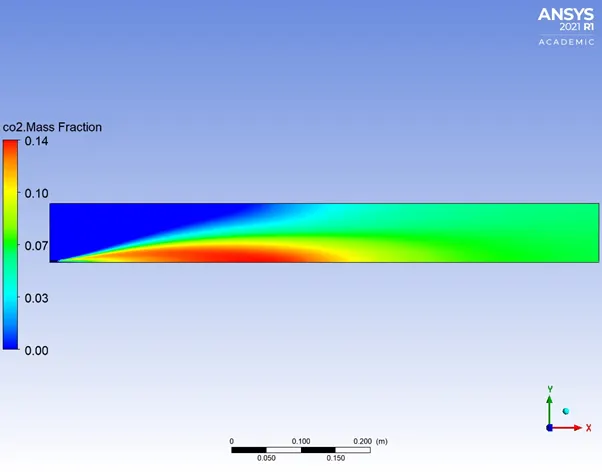
Co2:
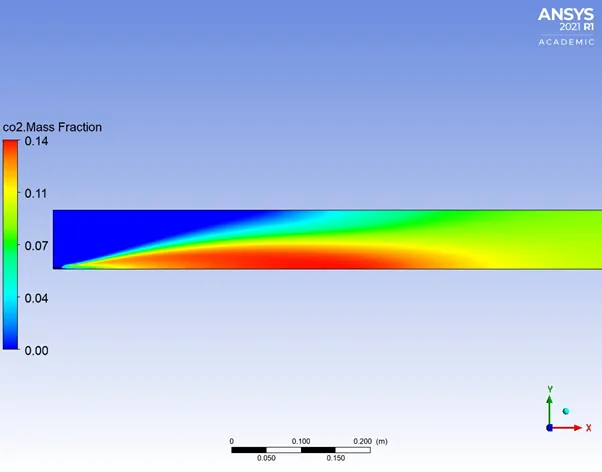
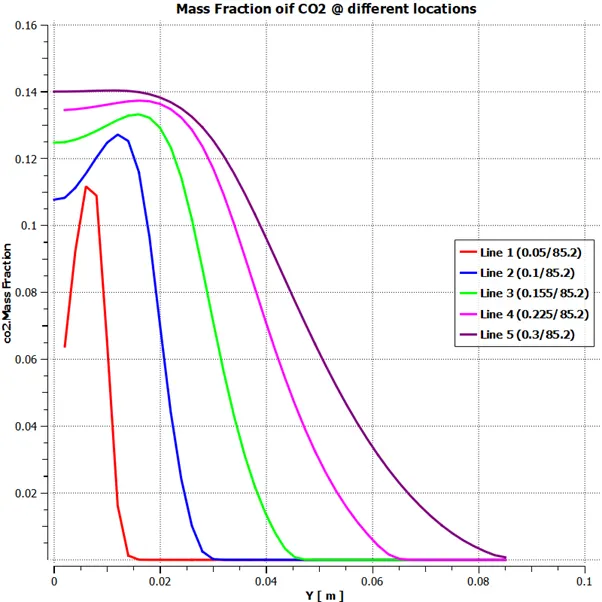
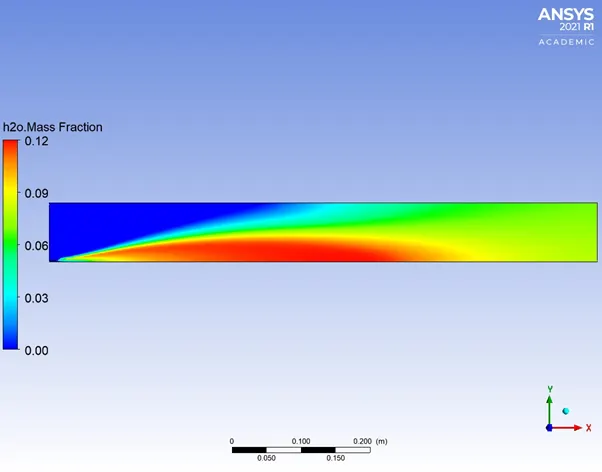
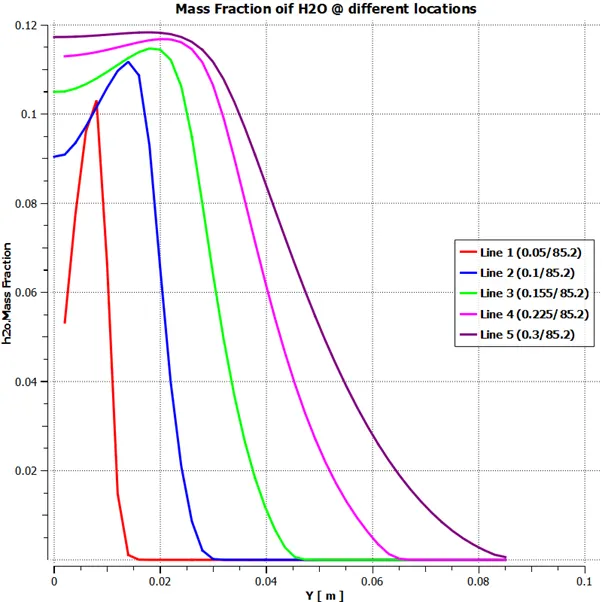
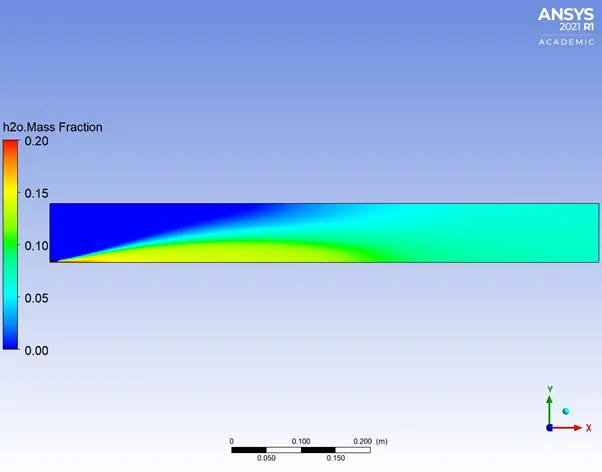
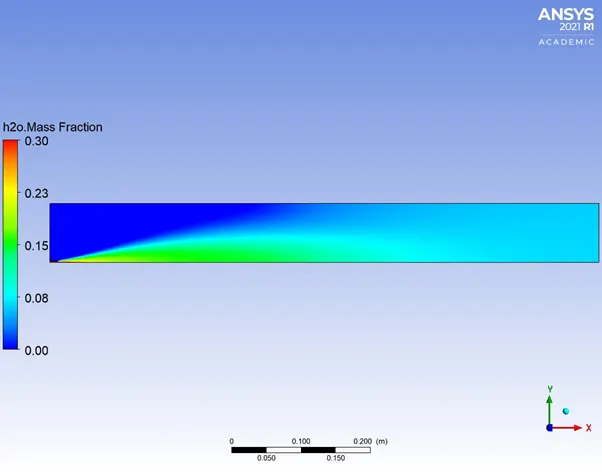
H2o:
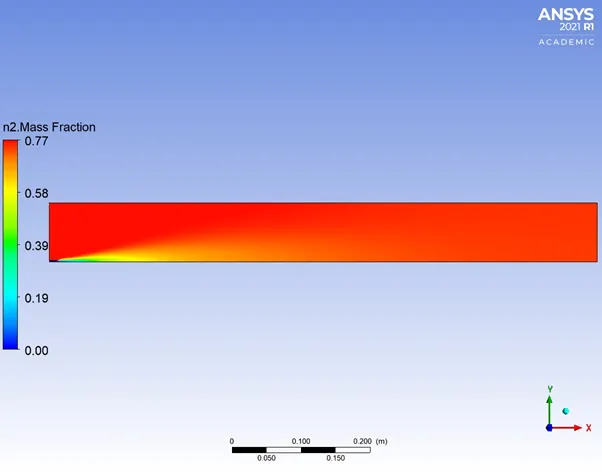
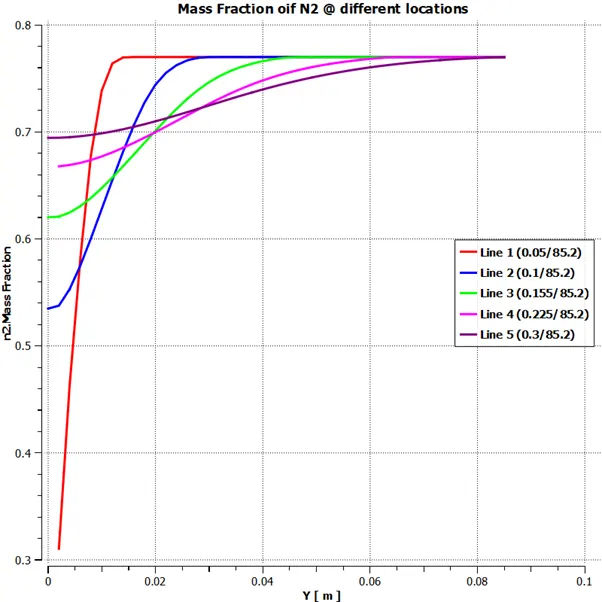
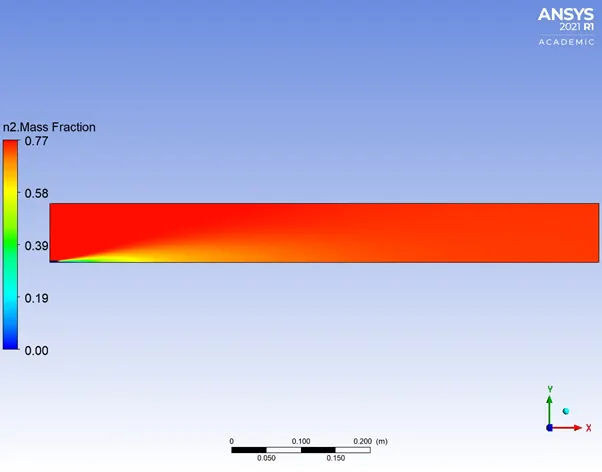
N2-
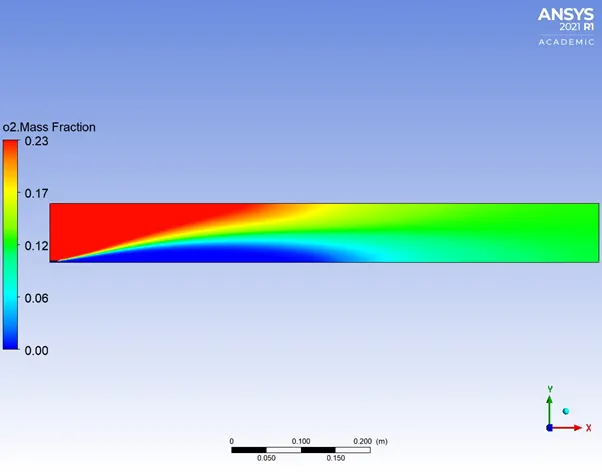
O2:
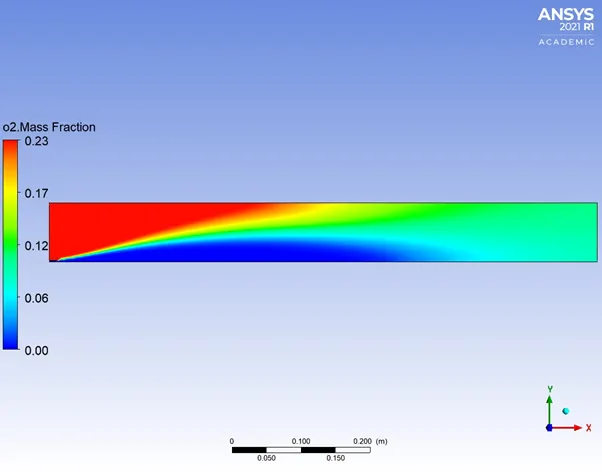
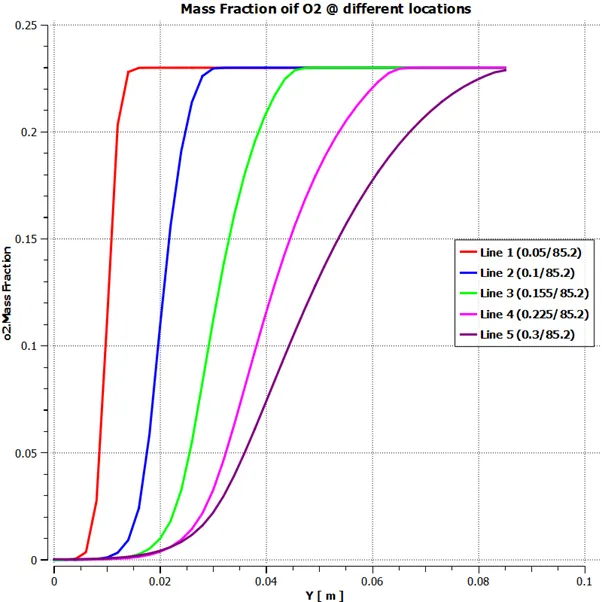
NOx Emission:
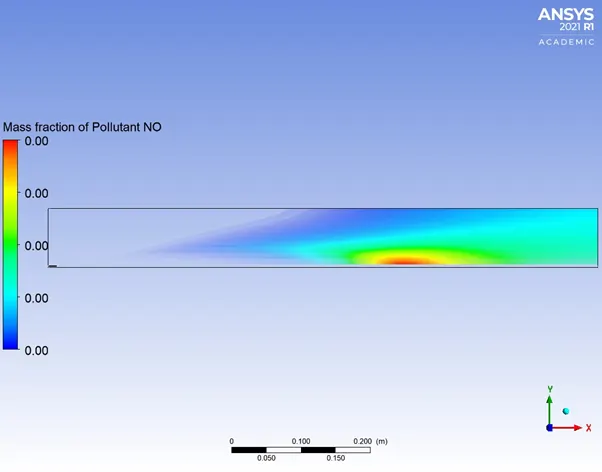
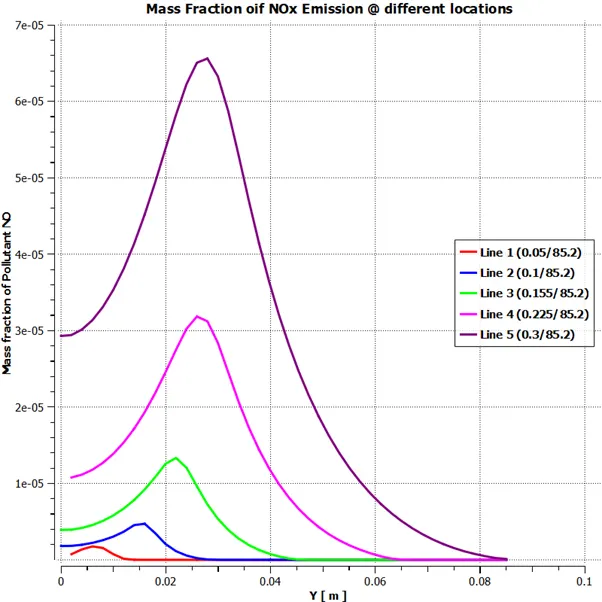
At Outlet:
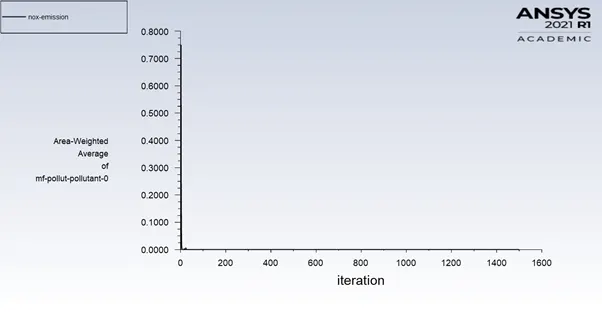
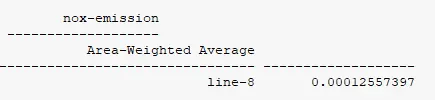
Soot Formation:
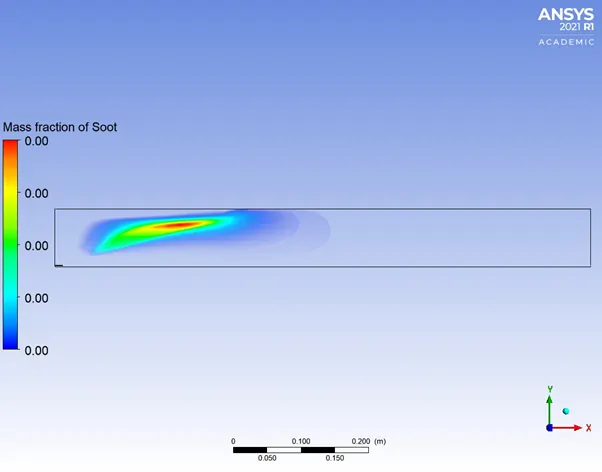
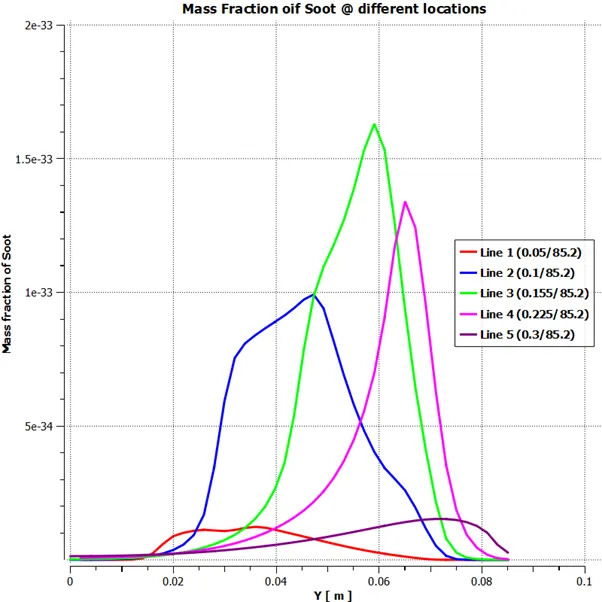
At Outlet:
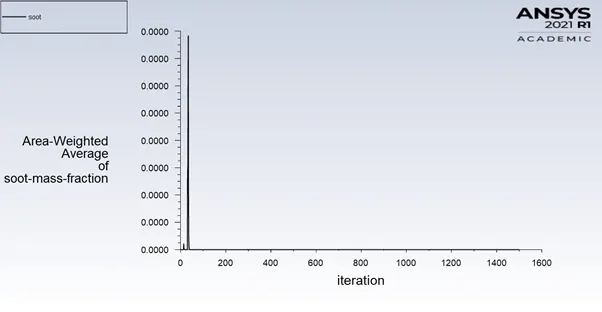
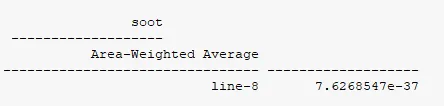
Part 2 - To perform a combustion simulation on the Burner model and add water content in the fuel from 5% to 30% by mole. For which observe the effect of it on the results. Also provide line plots and contour to prove your claim.
Results –
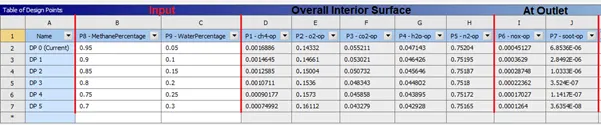
Parametric Study Data –
Residual Plot –
Line Probe –
Mass Fraction contours and plots –
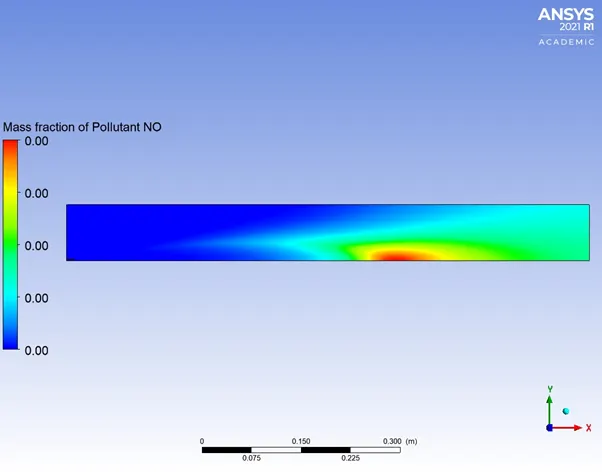
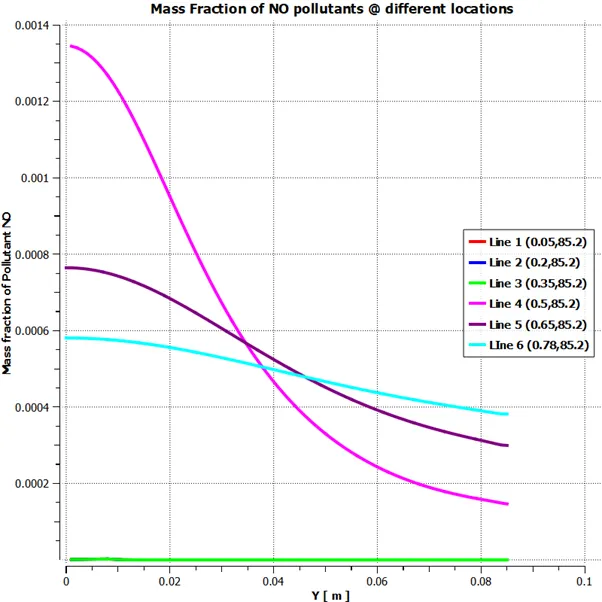
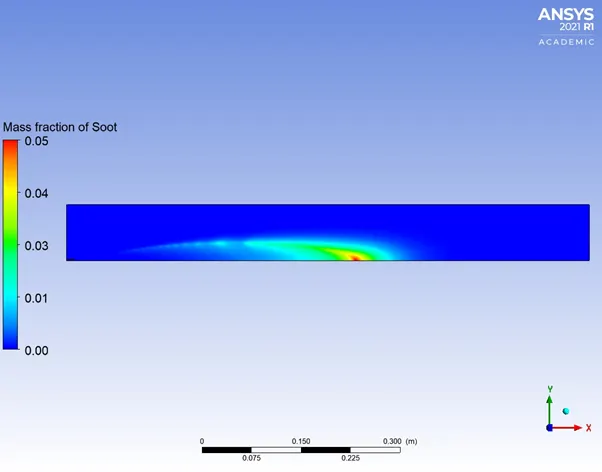
5% Water –
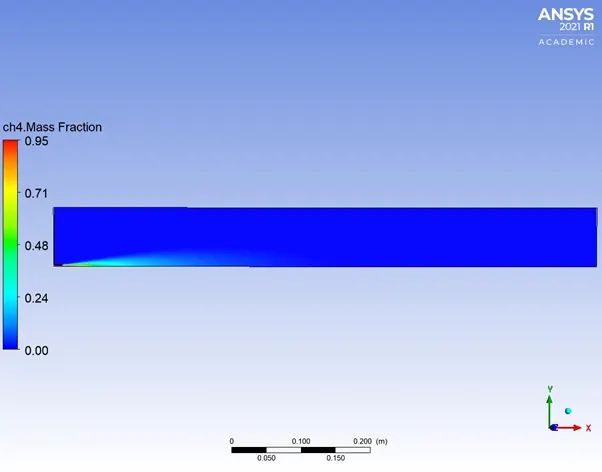
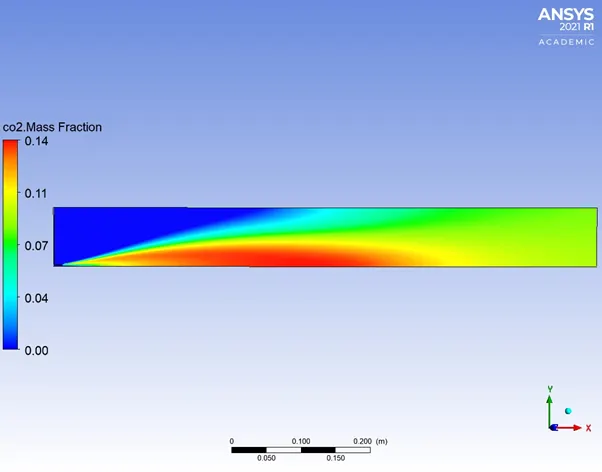
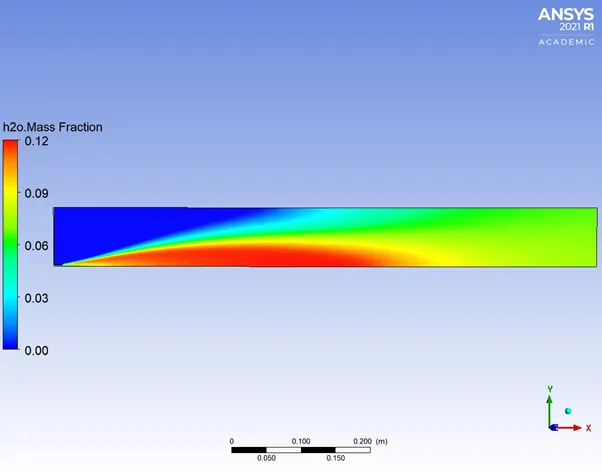
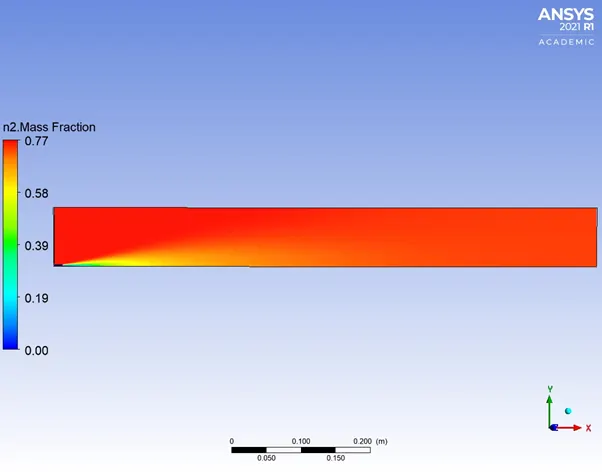
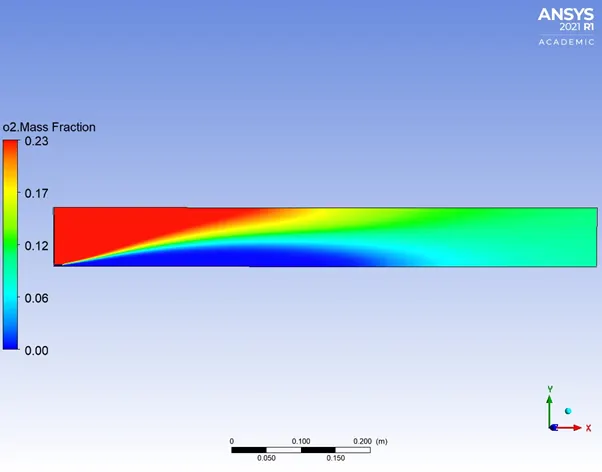
NOx Emission:
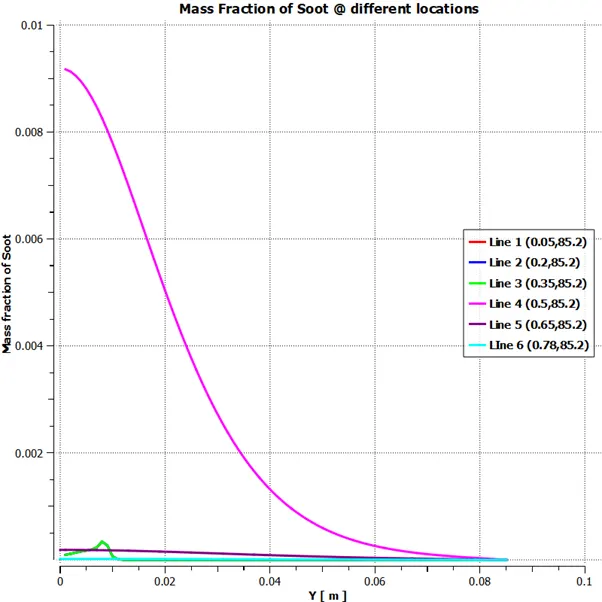
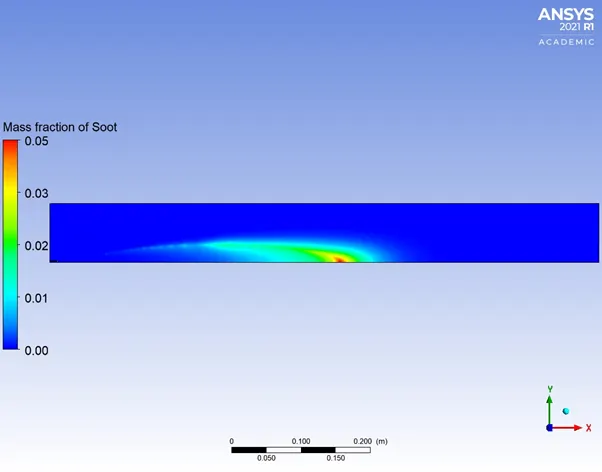
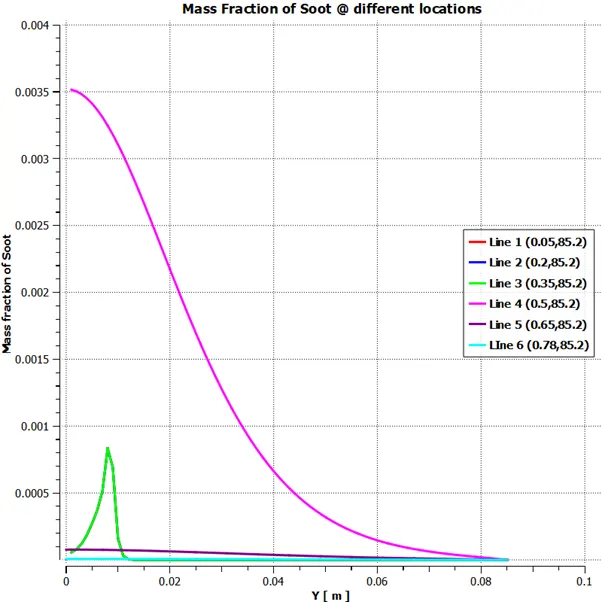
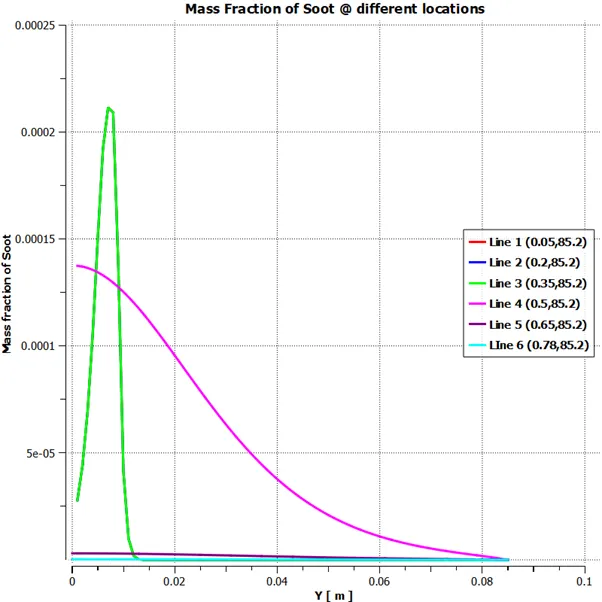
Soot Formation:
-------------------------------------------------------------------------------------------------------------------------------
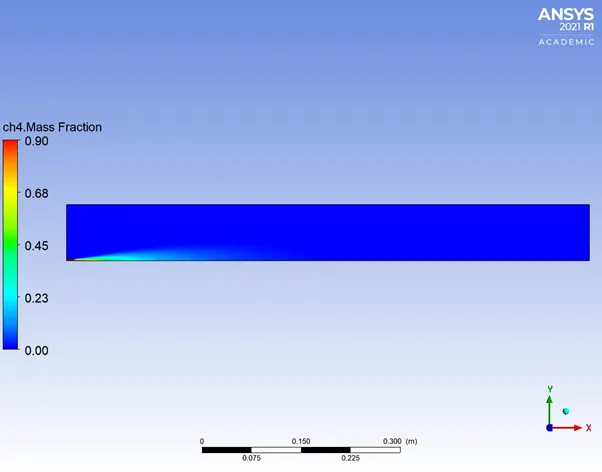
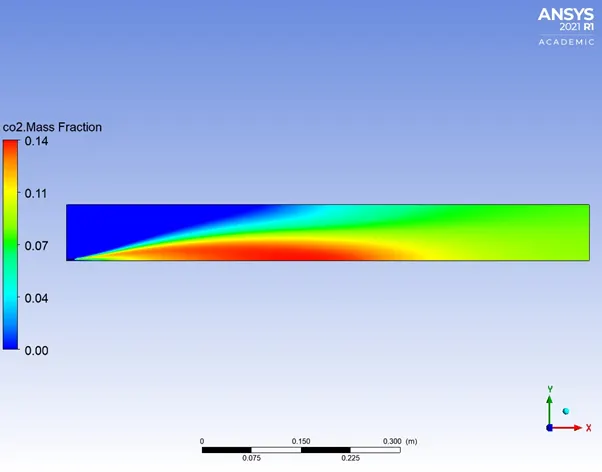
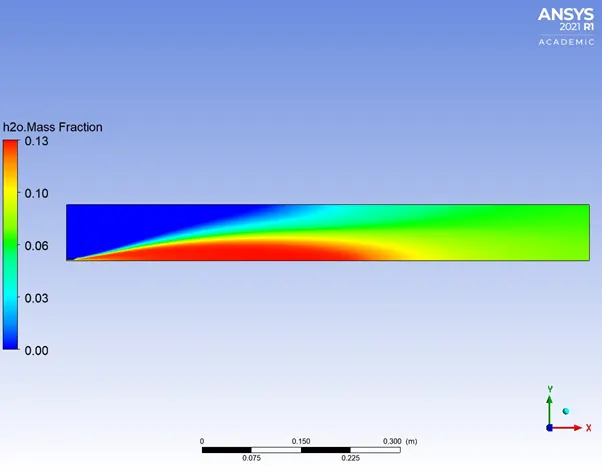
10% water –
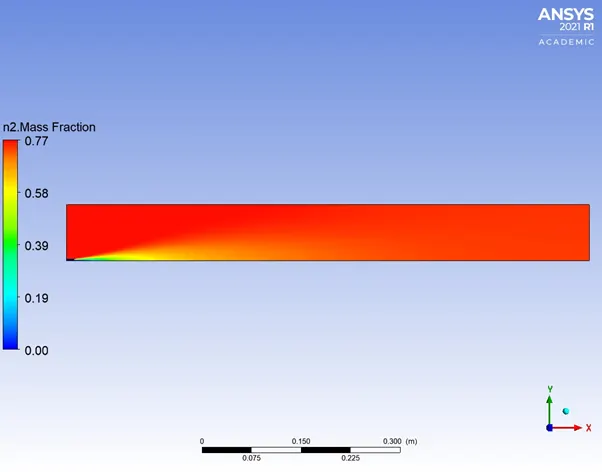
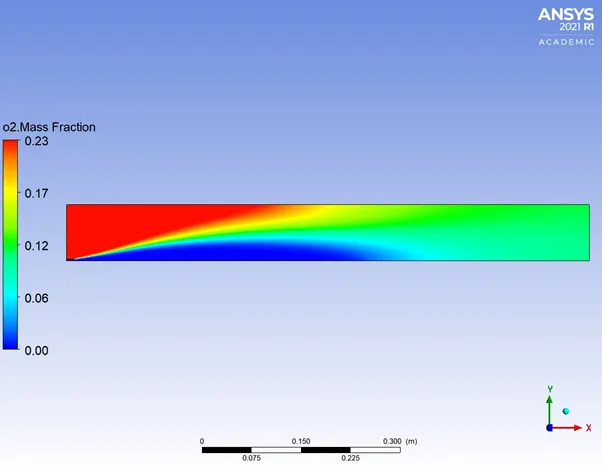
NOx Emission:
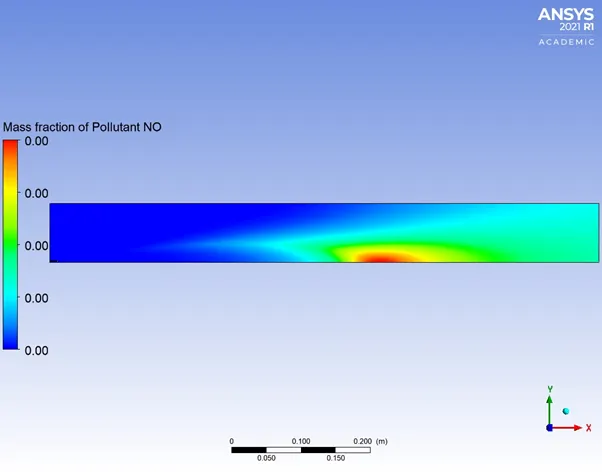
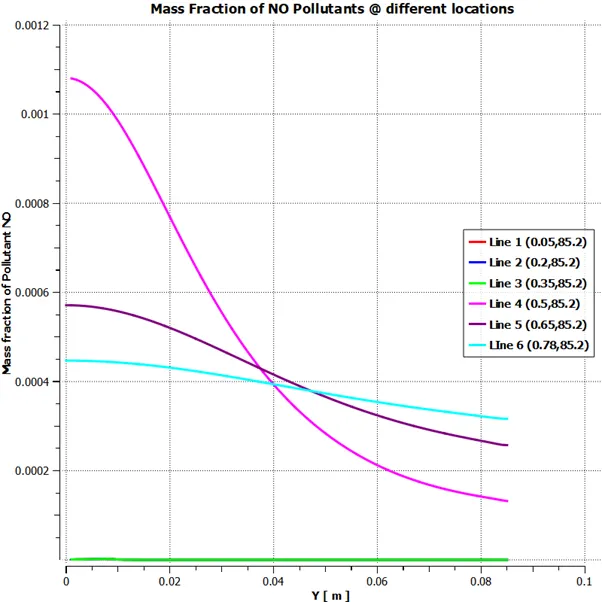
Soot Formation:
---------------------------------------------------------------------------------------------------------------------------------
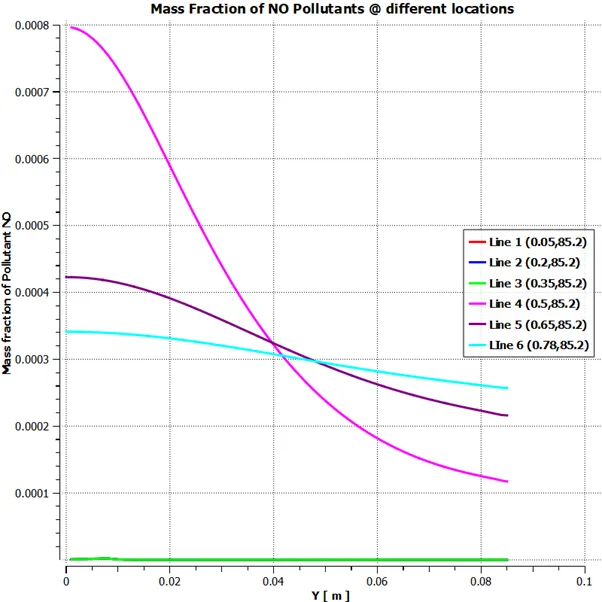
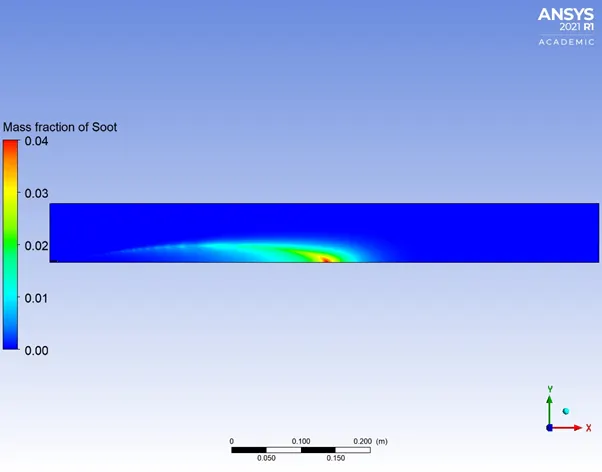
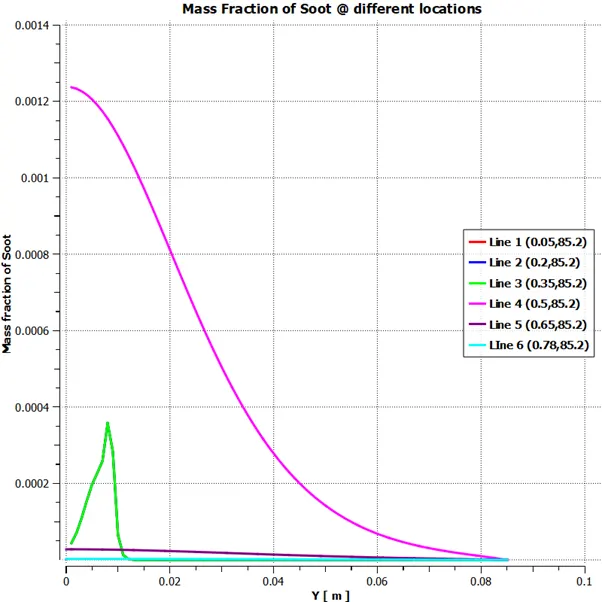
15% water –
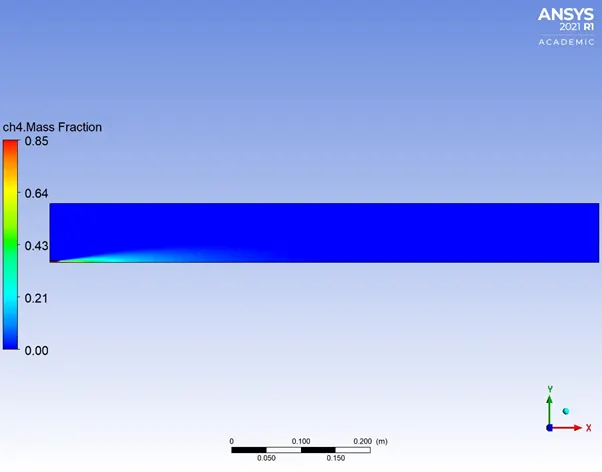
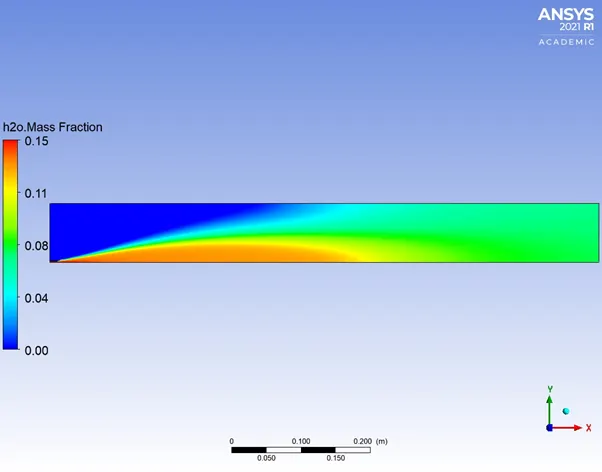
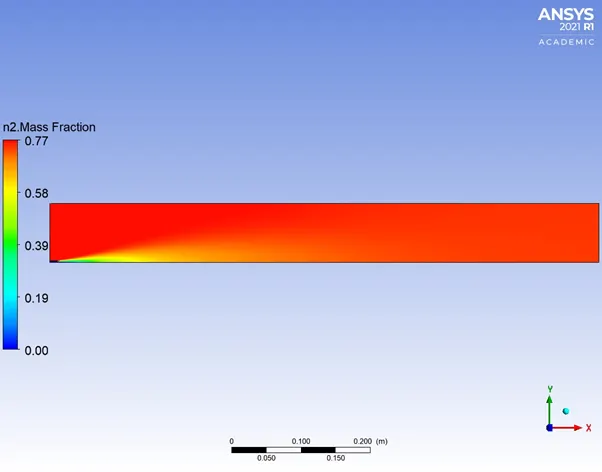
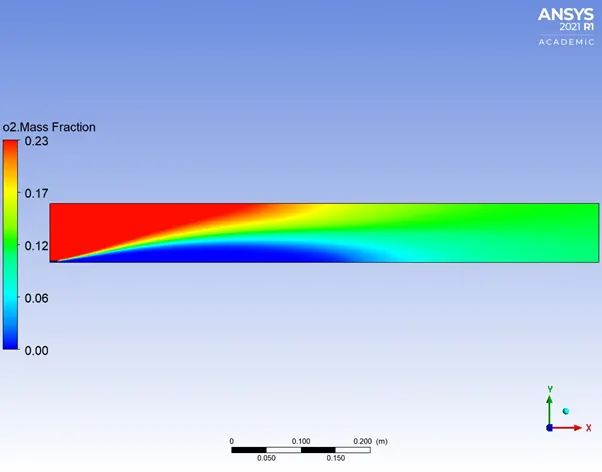
NOx Emission:
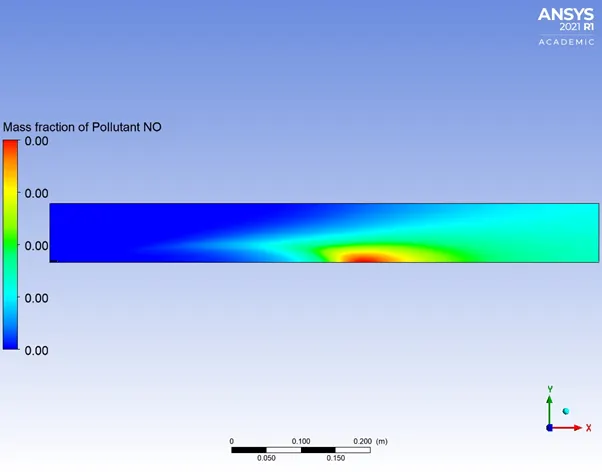
Soot Formation:
-----------------------------------------------------------------------------------------------------------------------
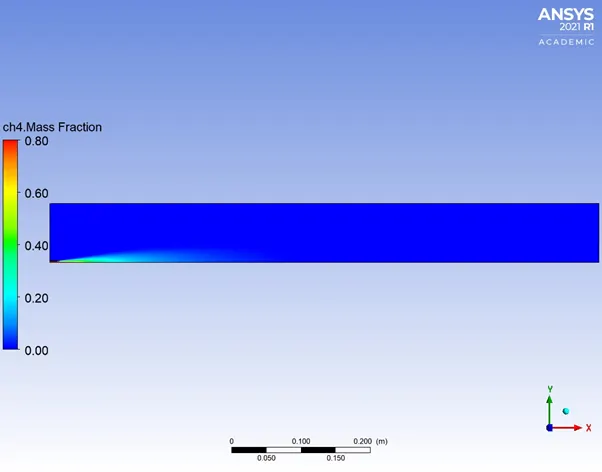
20% water –
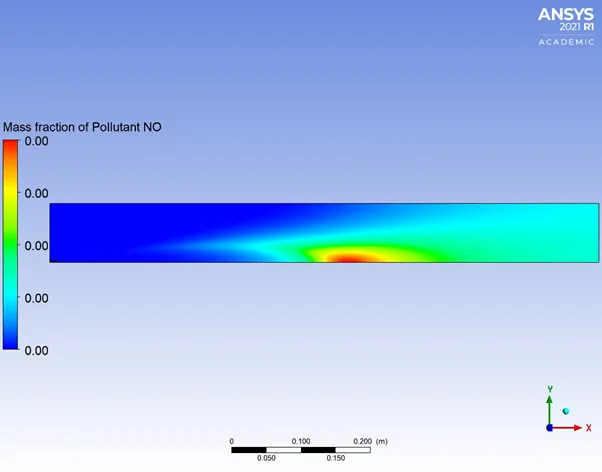
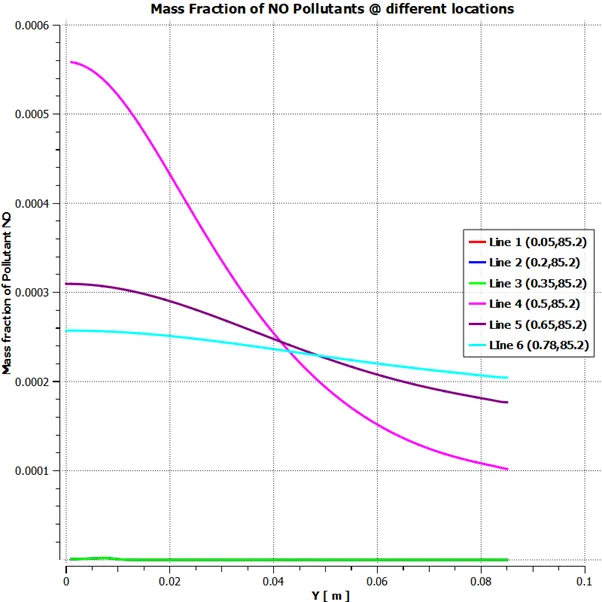
NOx Emission:
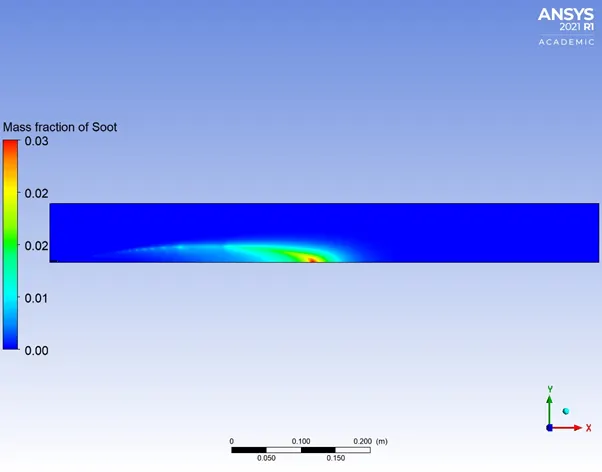
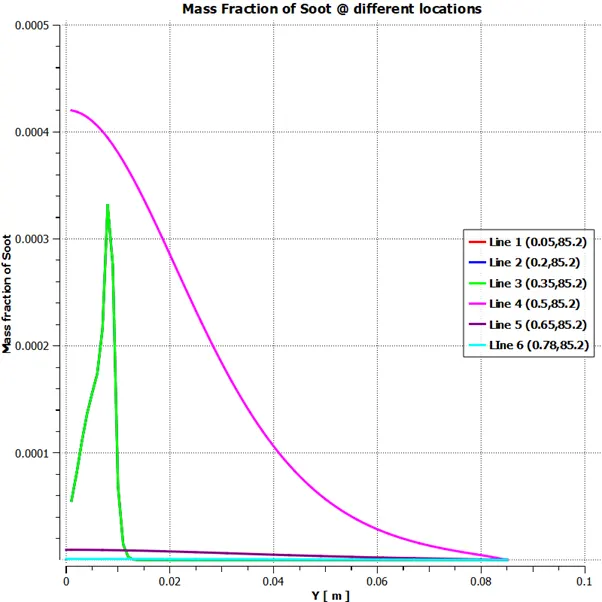
Soot Formation:
--------------------------------------------------------------------------------------------------------------------------
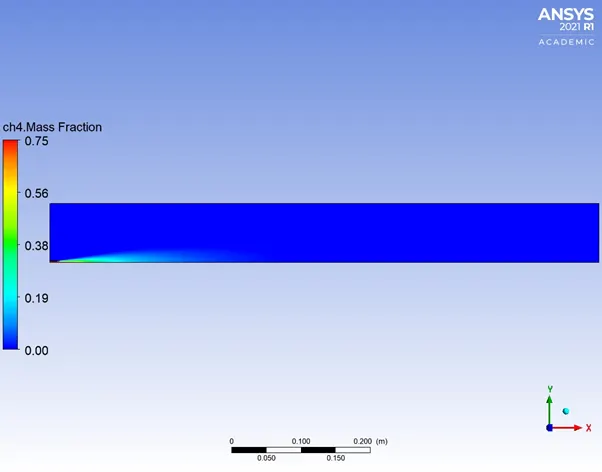
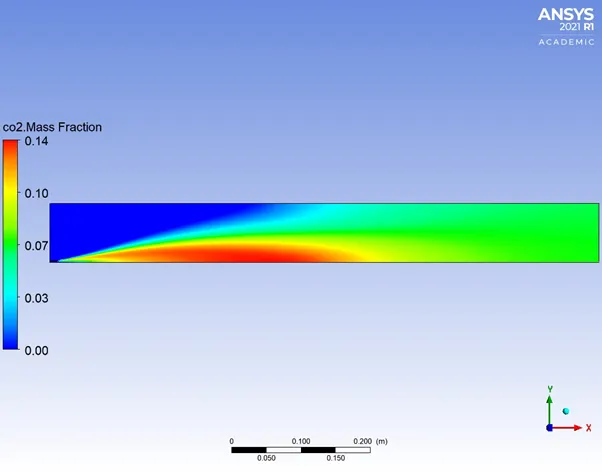
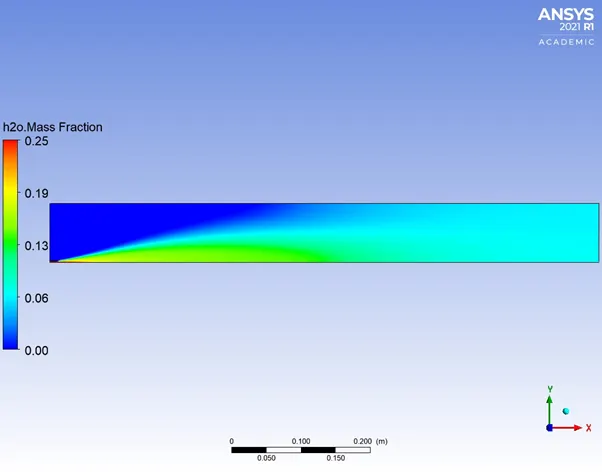
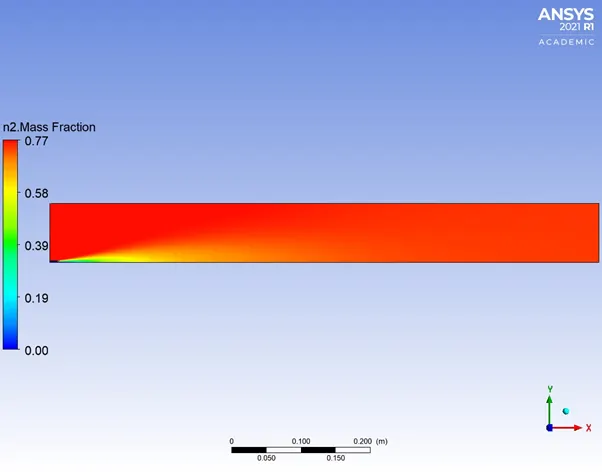
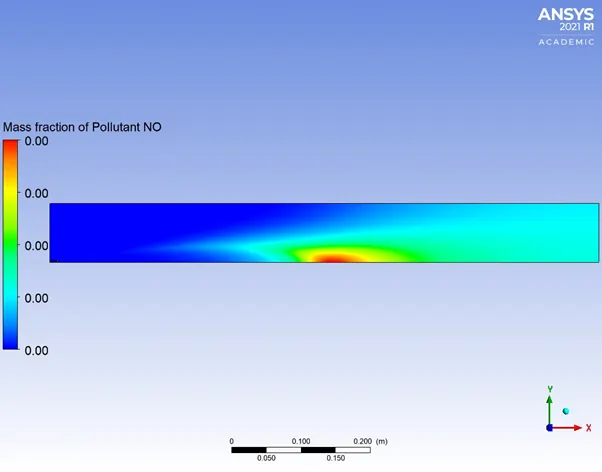
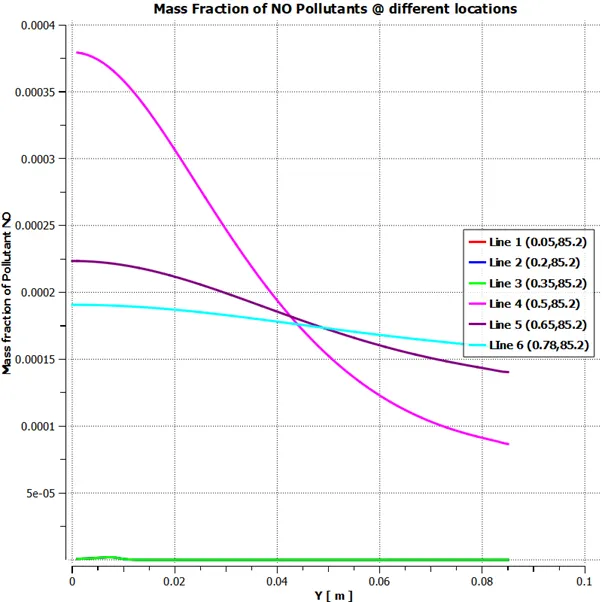
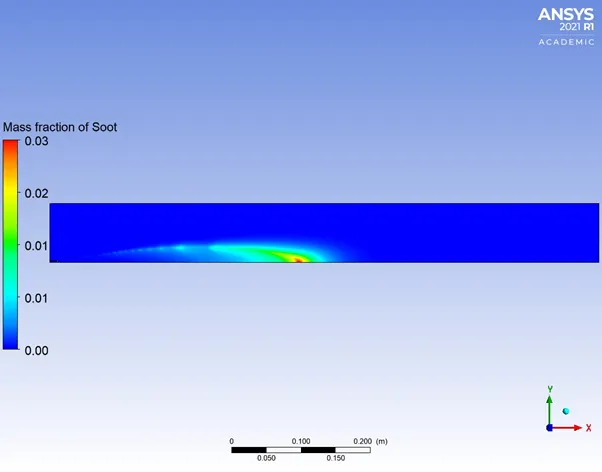
25% water –
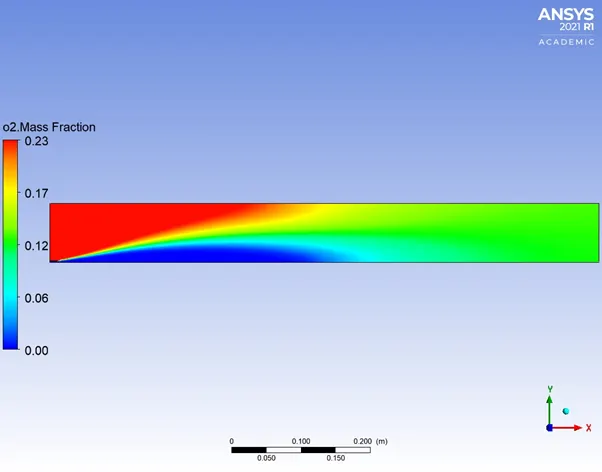
NOx Emission:
Soot Formation:
-------------------------------------------------------------------------------------------------------------------------------
30% water –
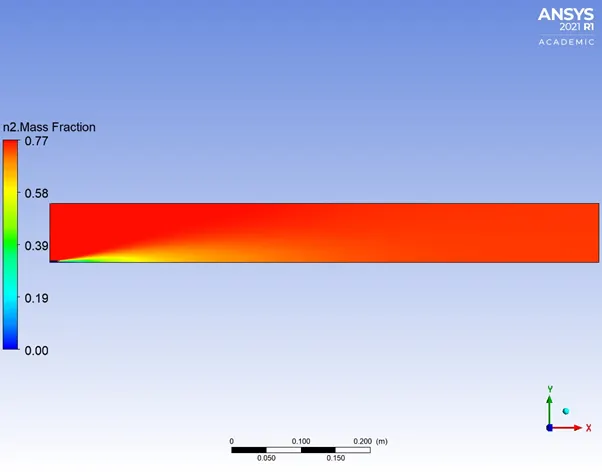
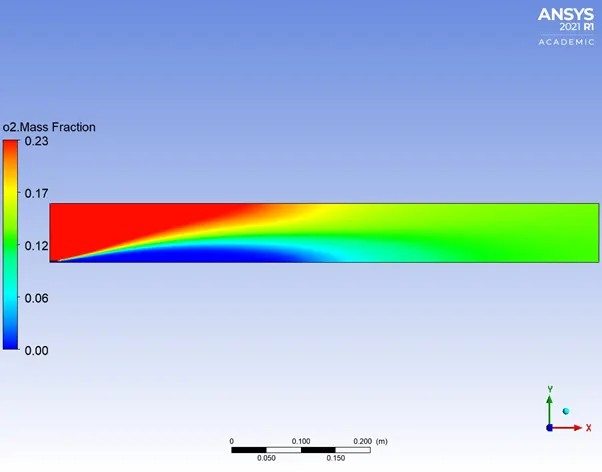
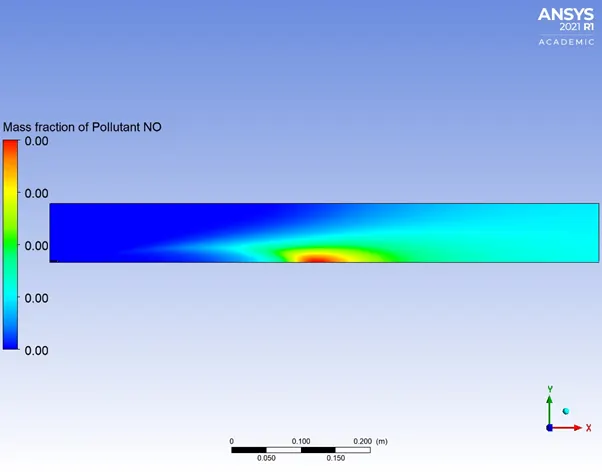
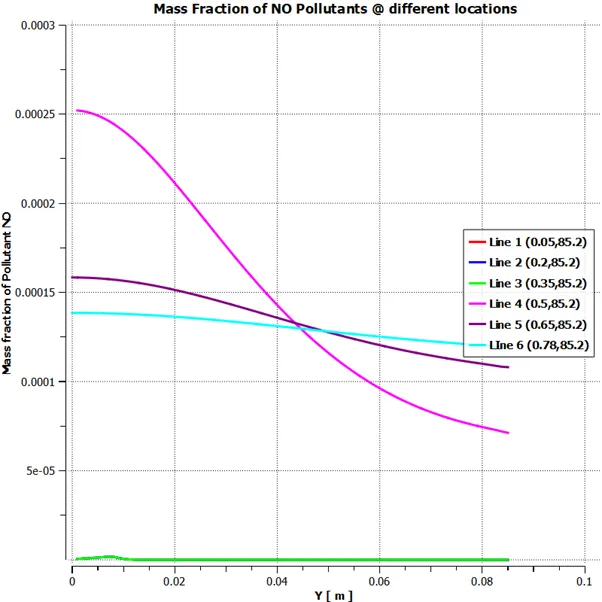
NOx Emission:
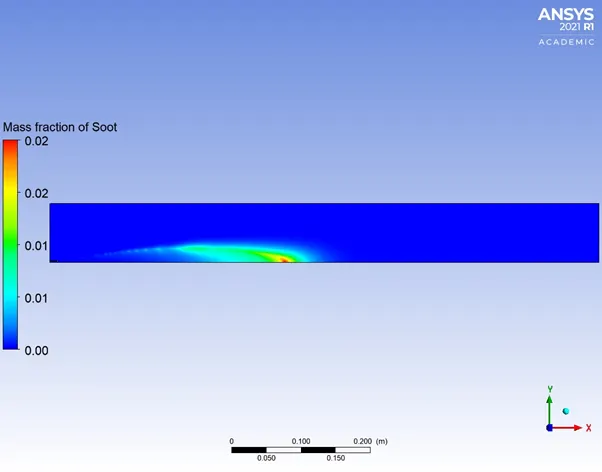
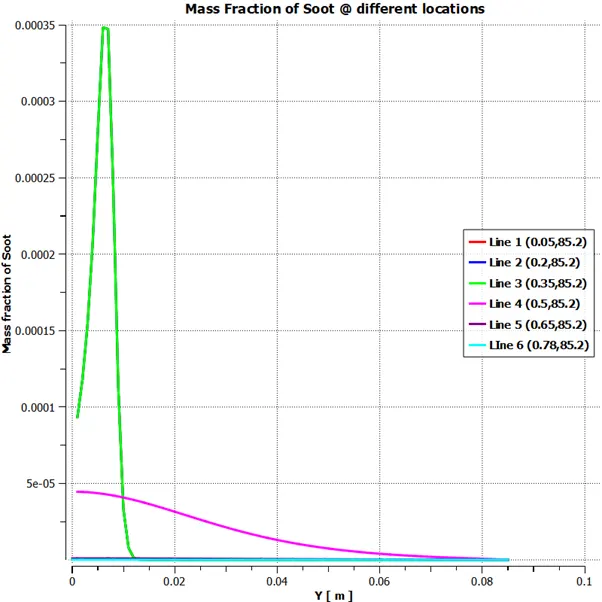
Soot Formation:
-------------------------------------------------------------------------------------------------------------------------------------------
Conclusion –
In this project the mass fraction of pollutants from NOx and Soot emissions are predicted using Ansys Fluent. The results obtained from the simulation shows:
- The temperature drops as we add water to the fuel from 5% to 30%.
- The mass fraction of NOx emission and Soot decreases as we add water to the fuel by 5% to 30%. And this can be noticed from the parametric study data.
- Also, from the data study it can be seen that, the mass fraction of Co2 is decreasing as water percentage is increasing.
- The mass fraction of N2 is almost constant for all cases, which means the flame instability for the burner is almost constant for all the cases of combustion.
- After checking the mass fraction of soot formation, it’s evident that for all cases results in unbalanced. But the amount of soot formation is significantly lower and is nearer to outlet of burner.
Reference -