Week 10 - Simulating Combustion of Natural Gas.
Objective
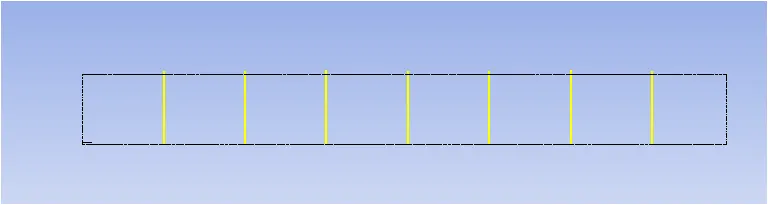
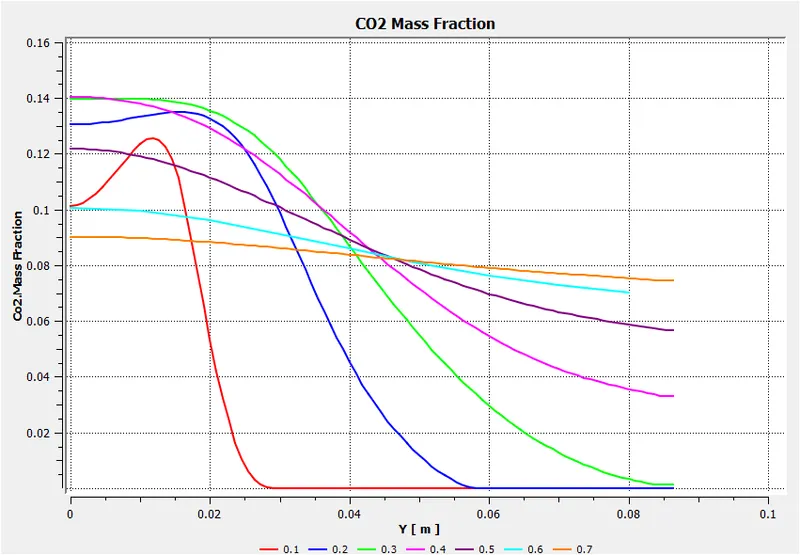
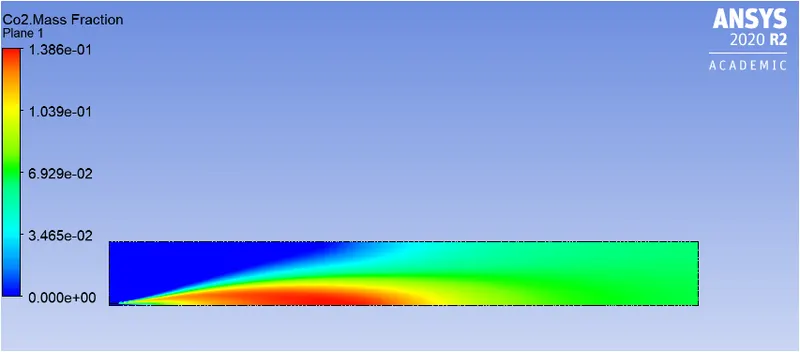
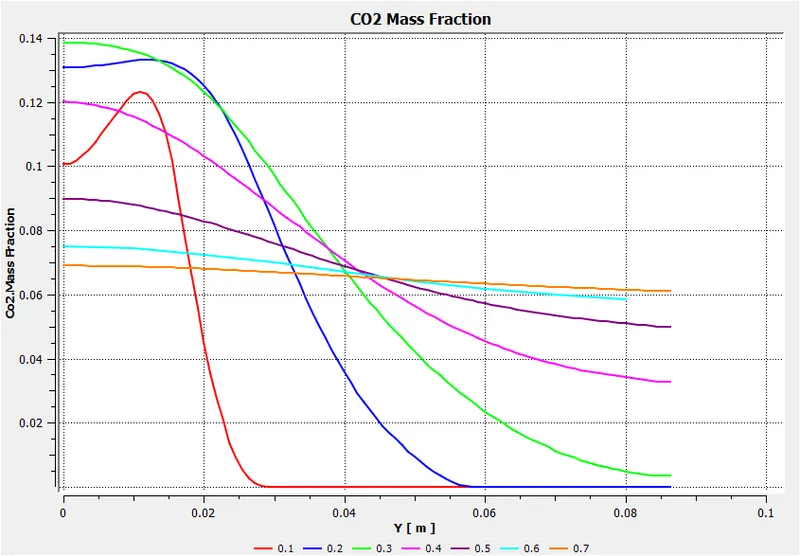
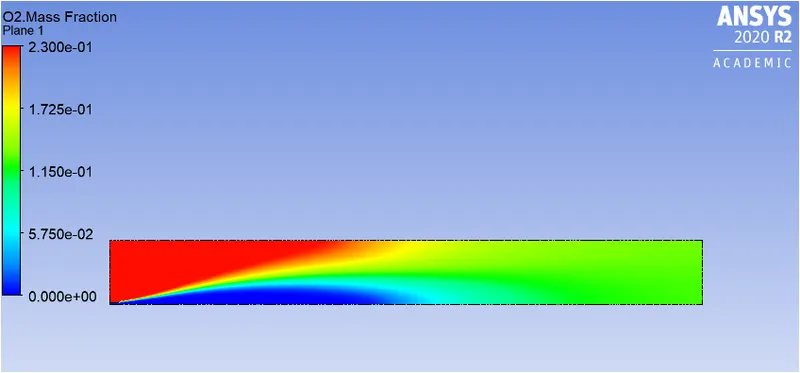
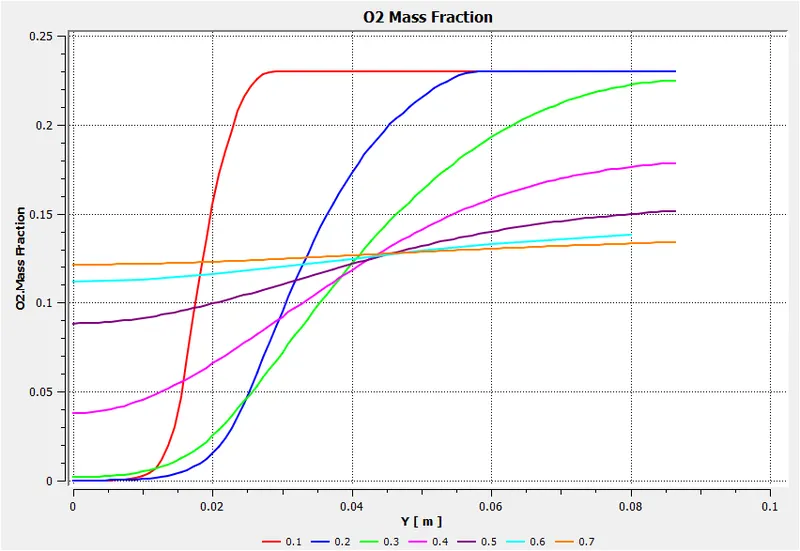
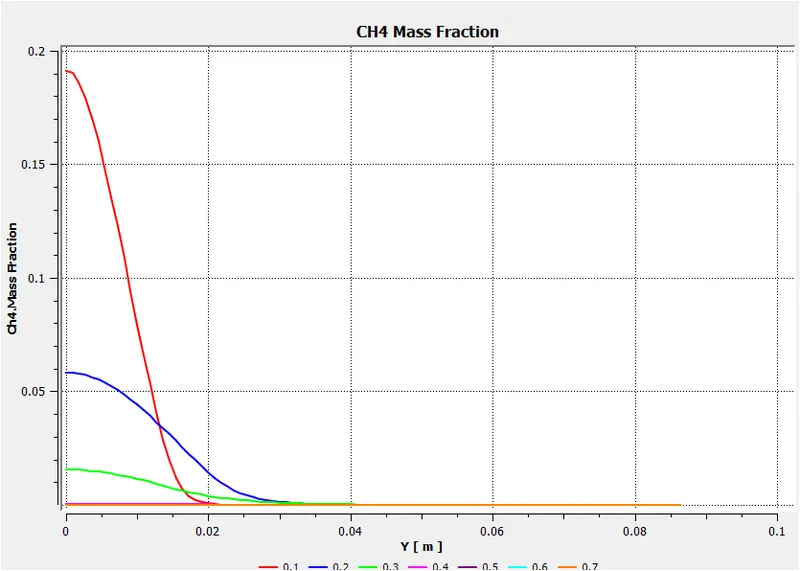
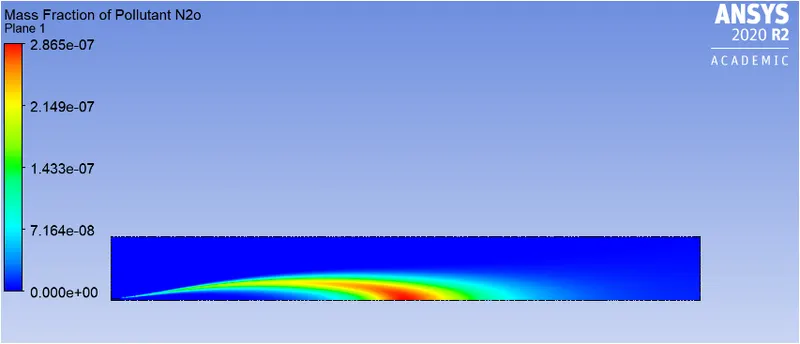
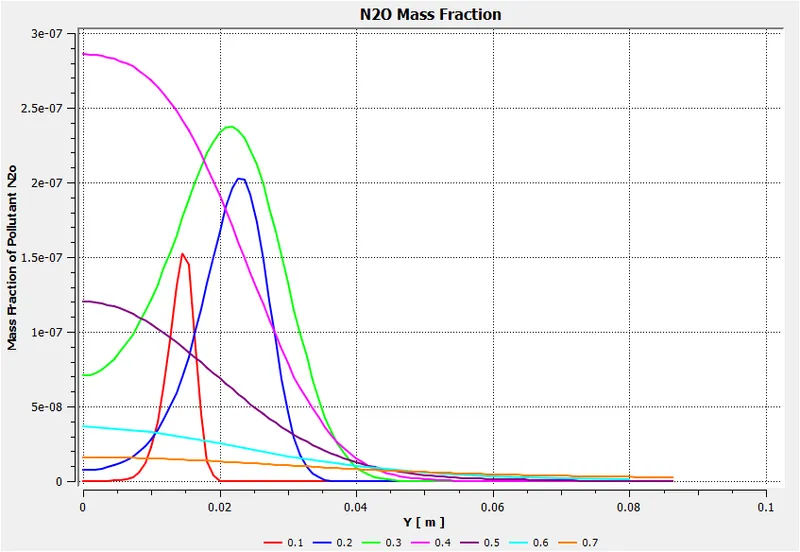
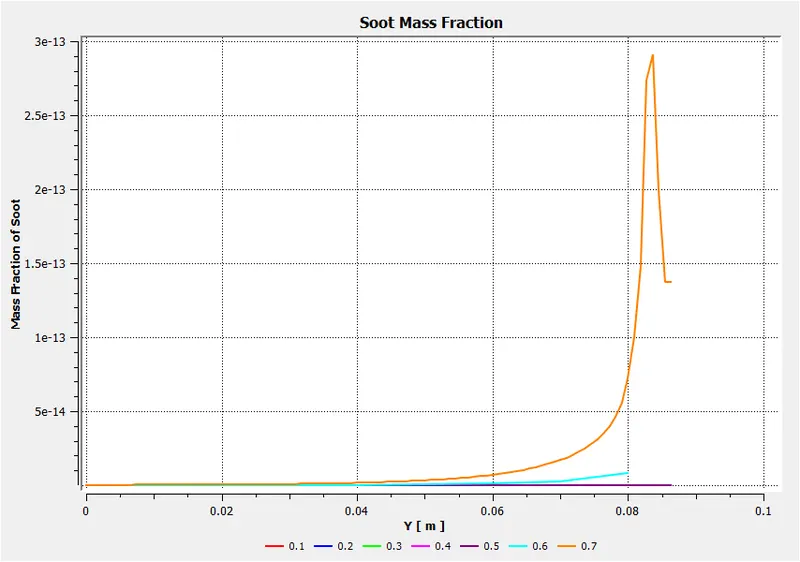
To perform a combustion simulation on the combustor model and plot the variation of the mass fraction of the different species in the simulation using line probes at different locations of the combustor. Plots are needed for CO2, H2O, CH4, N2, O2, NOx emissions & Soot formation.
In second part, the water content in the fuel is increased from 10% to 30% by mole and its effects are observed on the results.
Introduction
For this simulation, eddy dissipation model is used to analyze methane-air combustion system.
The reaction equation is :

In this model, there is no source of combustion. So the rate of reactions for this simulation are determined by turbulent mixing in Eddy dissipation model.
CAD Model
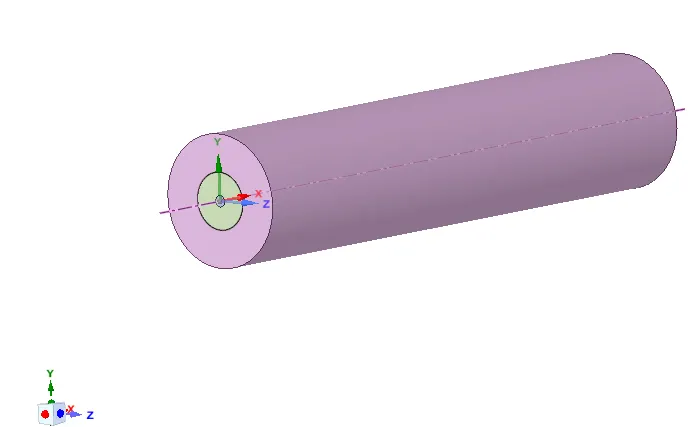
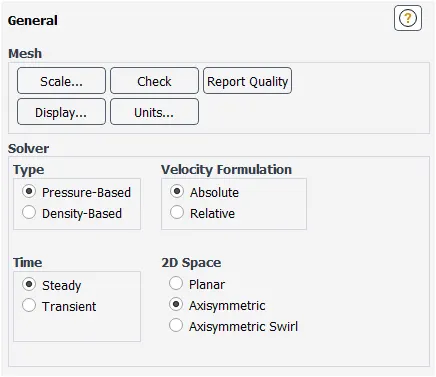
The provided geometry for simulation is in 3D shape. The type of approach used for the simulation is 2D axi-symmetric steady state turbulent model with species transport equation. The use of 2D axi-symmetric model reduces computation power and the time required for simulation.The 3D geometry model provided is as follows :
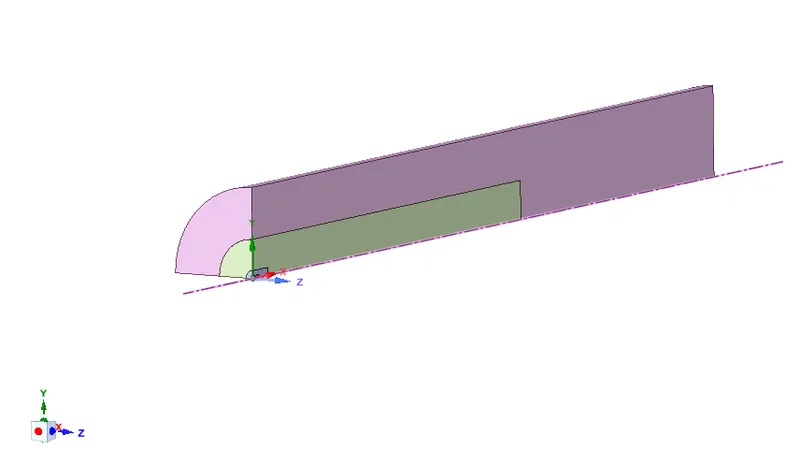
Split-body command is used to convert the whole geometry to a quarter of geometry.
The front face is copied into a new design for the purpose of simulation
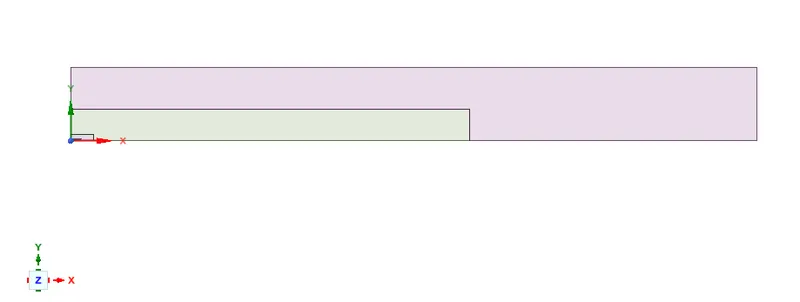
The faces are combined to get the required geometry for simulation
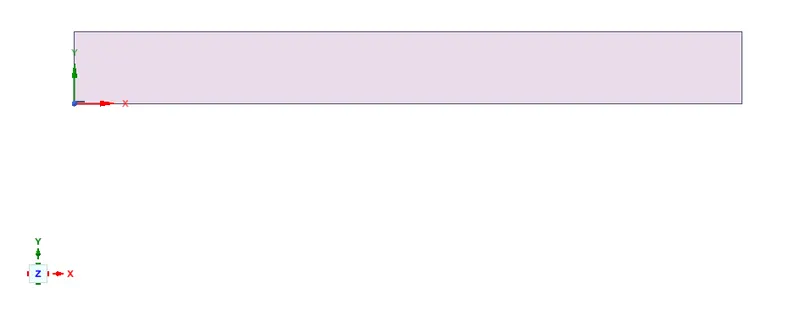
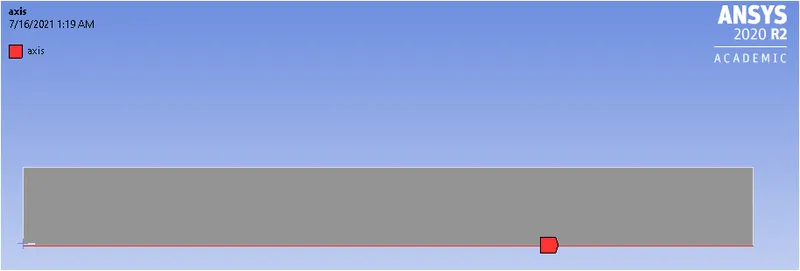
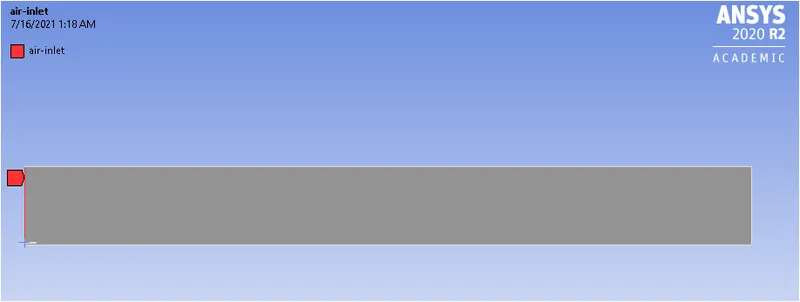
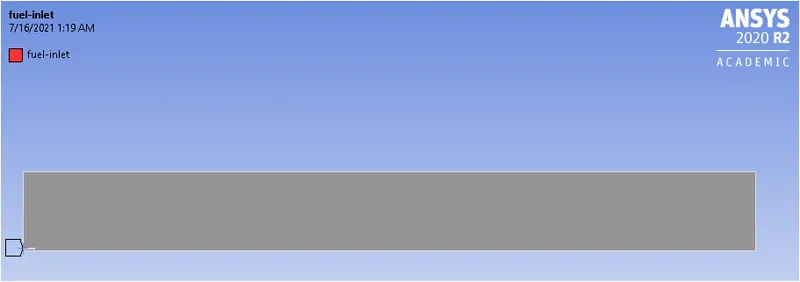
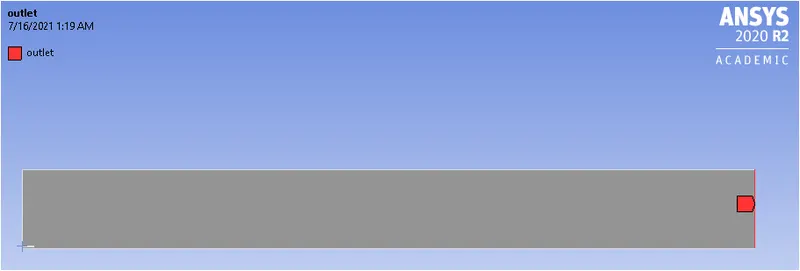
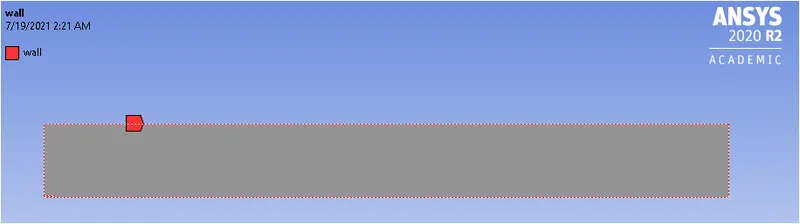
Creating named selection
Mesh
Generating a triangular mesh of 1mm element size with capture proximity on
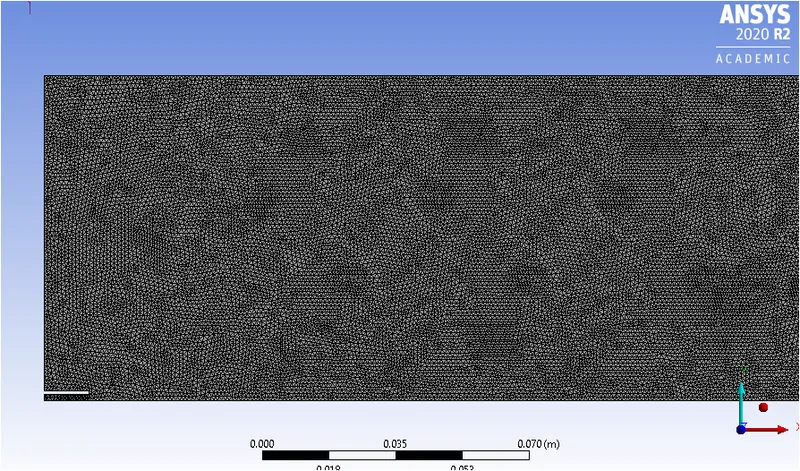
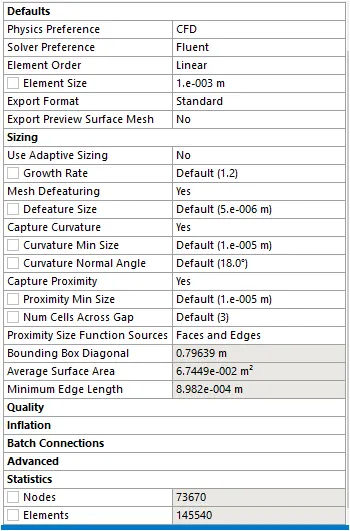
Mesh details
Setting up physics
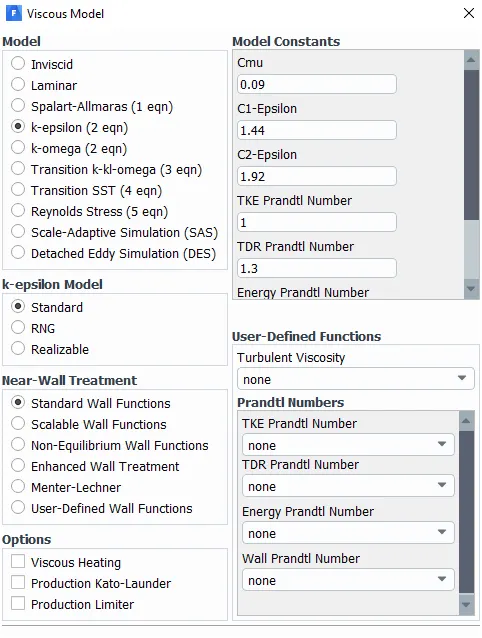
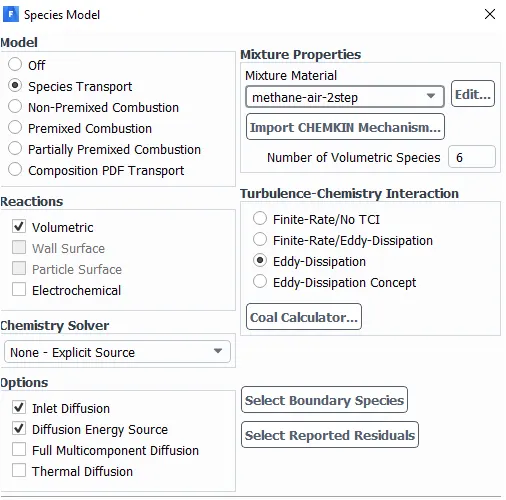
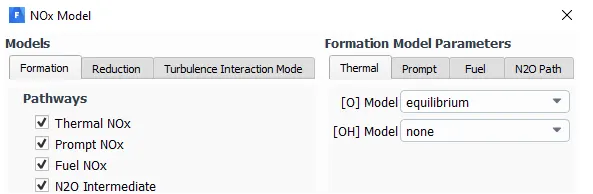
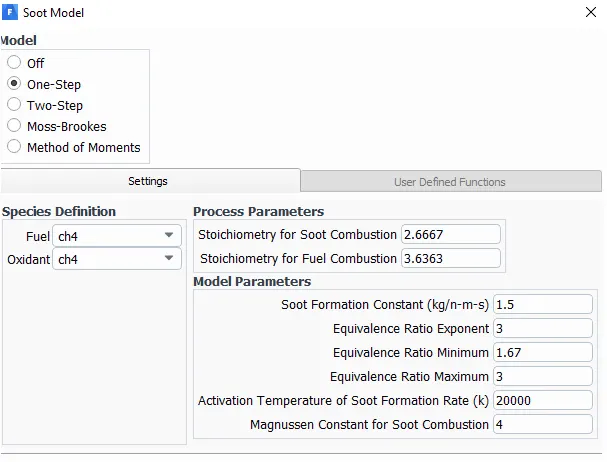
Air-inlet
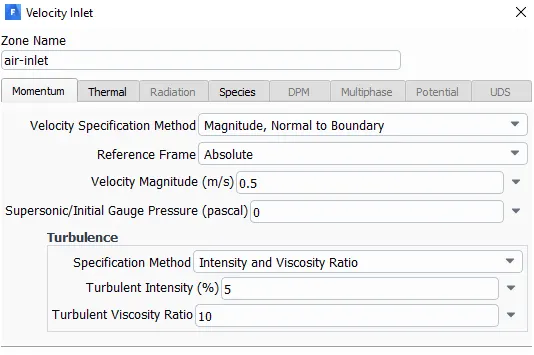
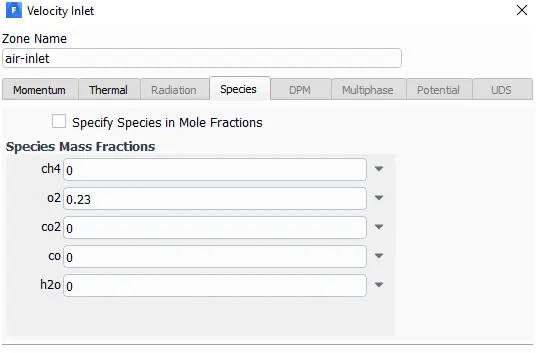
Fuel-inlet
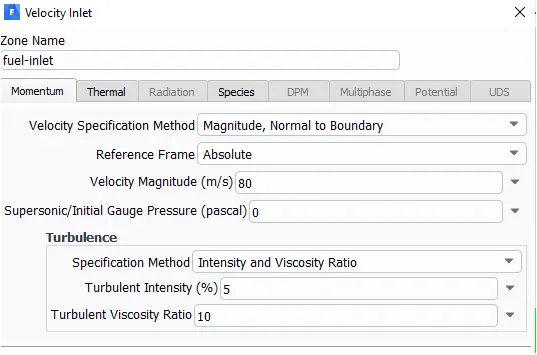
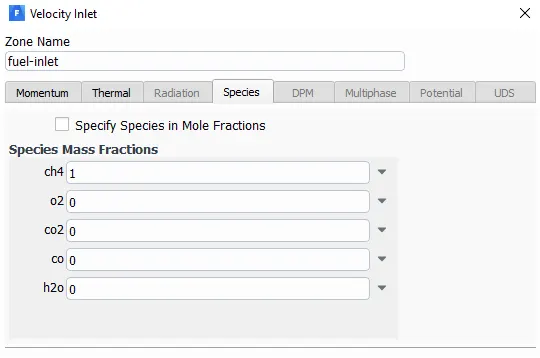
The outlet pressure is 0 Pa (gauge pressure)
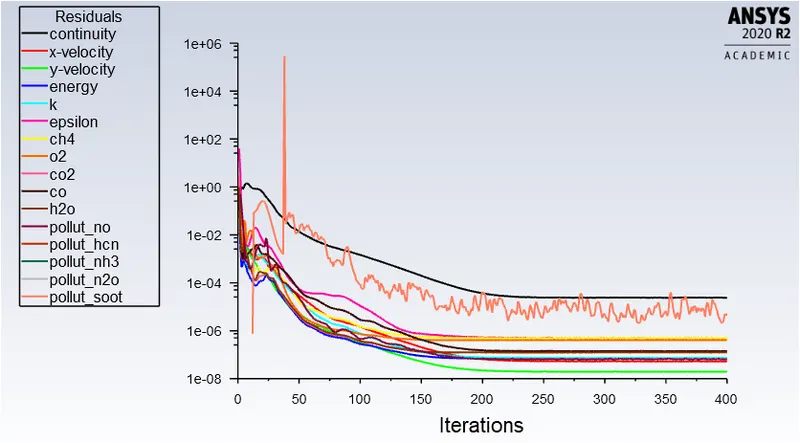
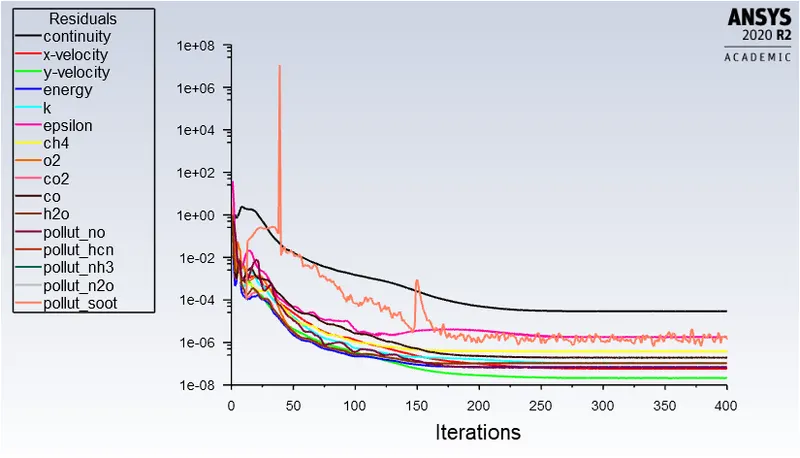
Hybrid initialization is used and the calculation is done for 400 iteraions
Post processing
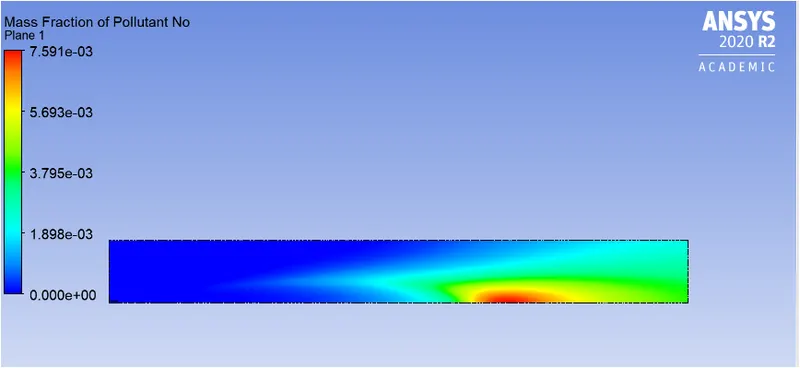
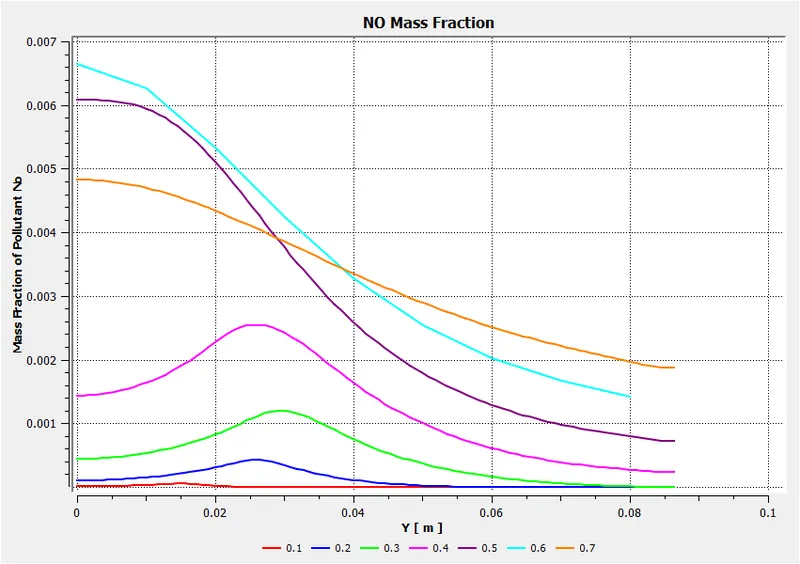
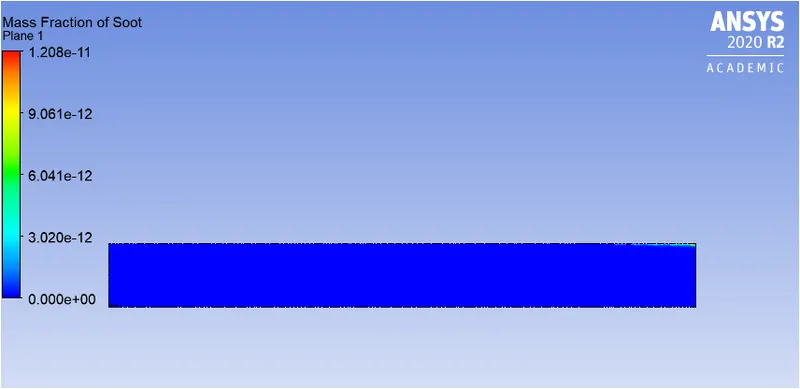
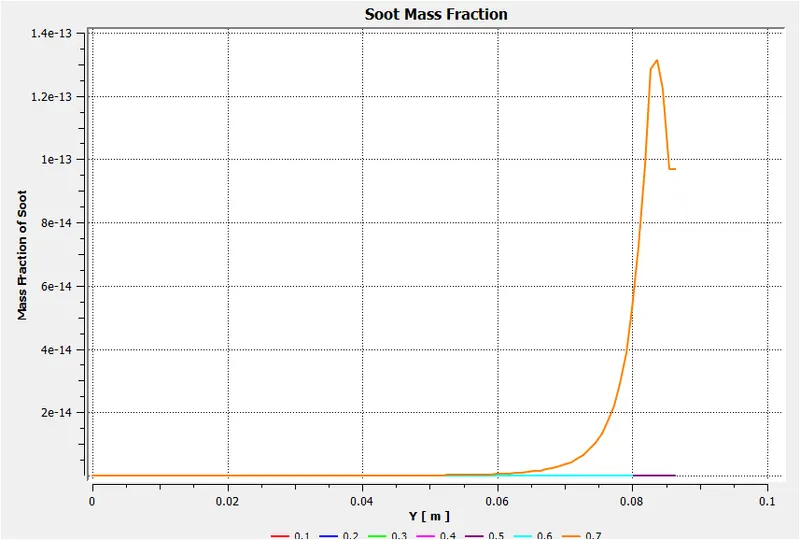
Case 1 : 100% CH4 and 0% H2O
Residuals
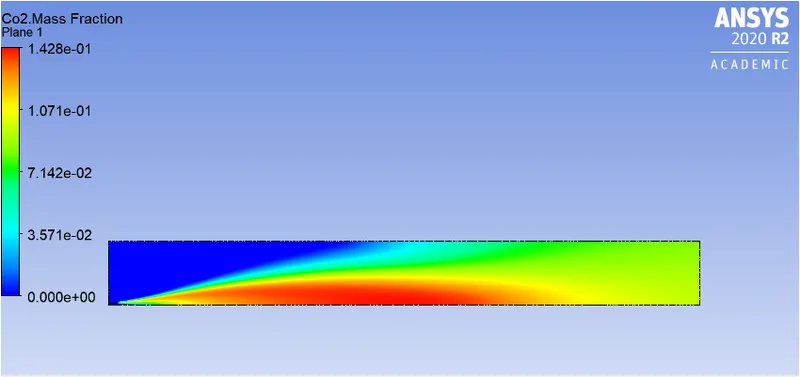
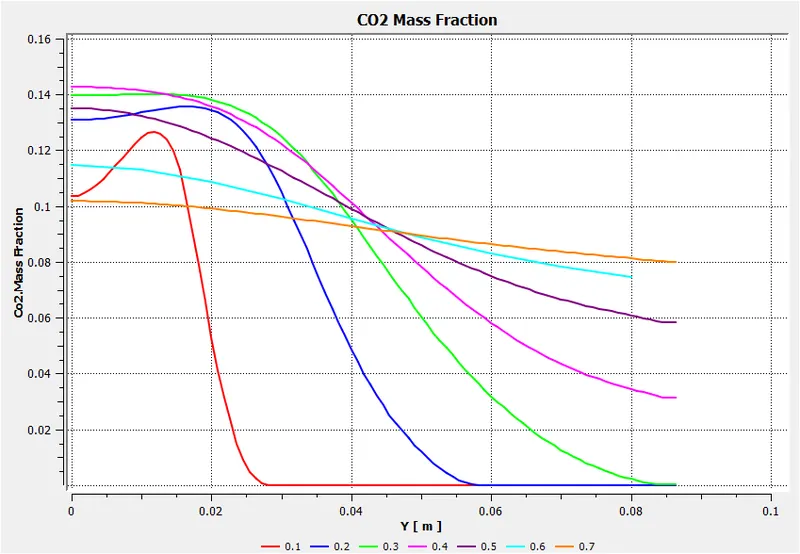
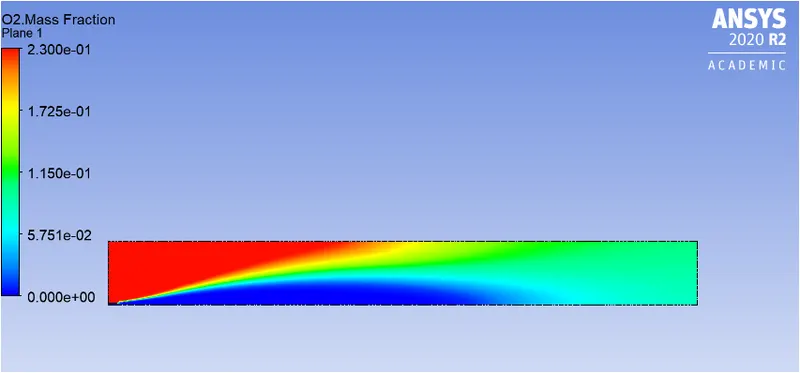
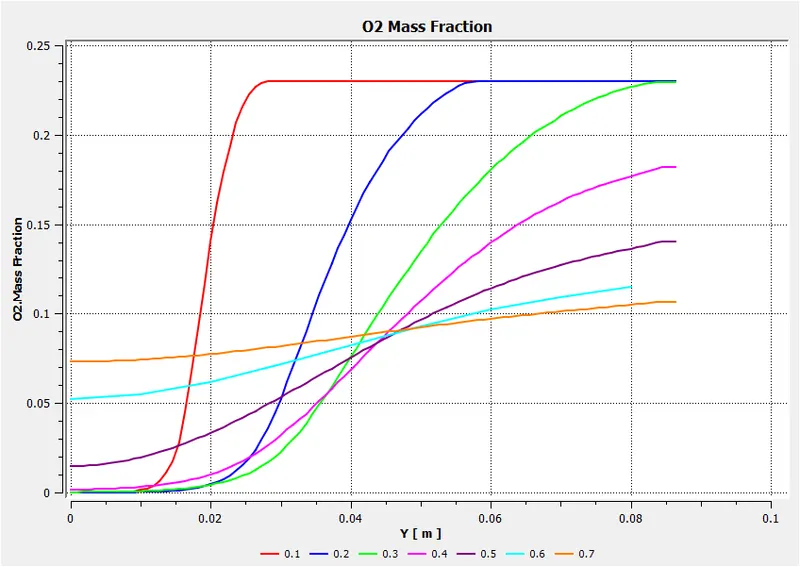
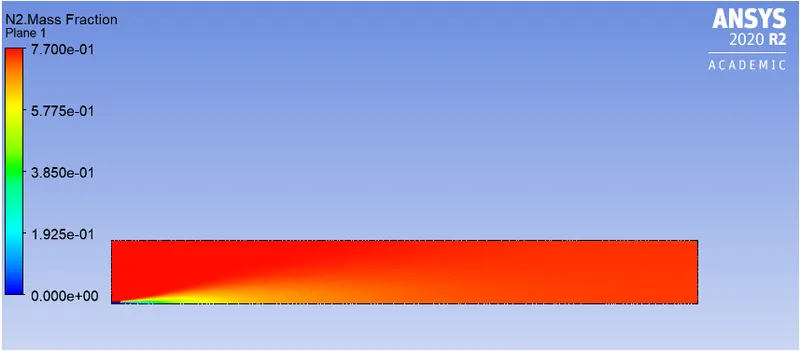
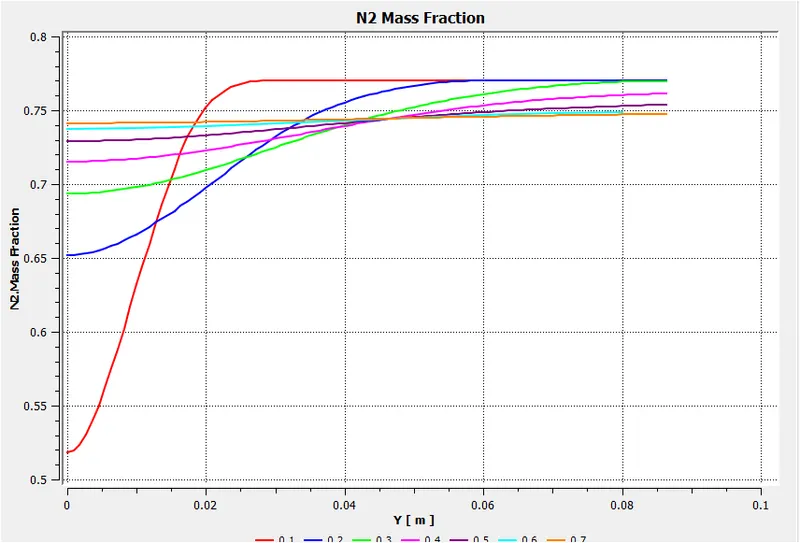
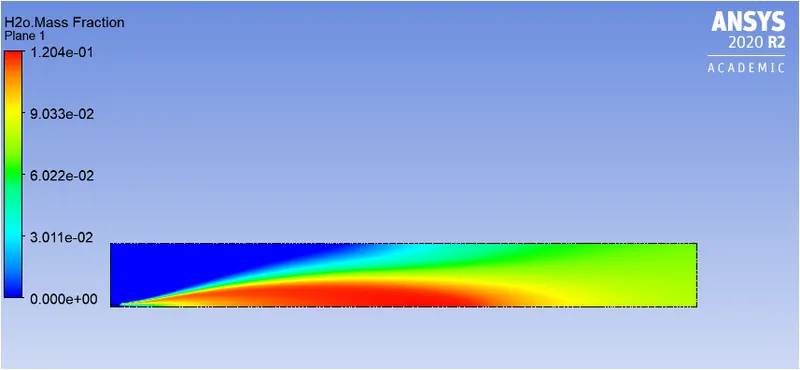
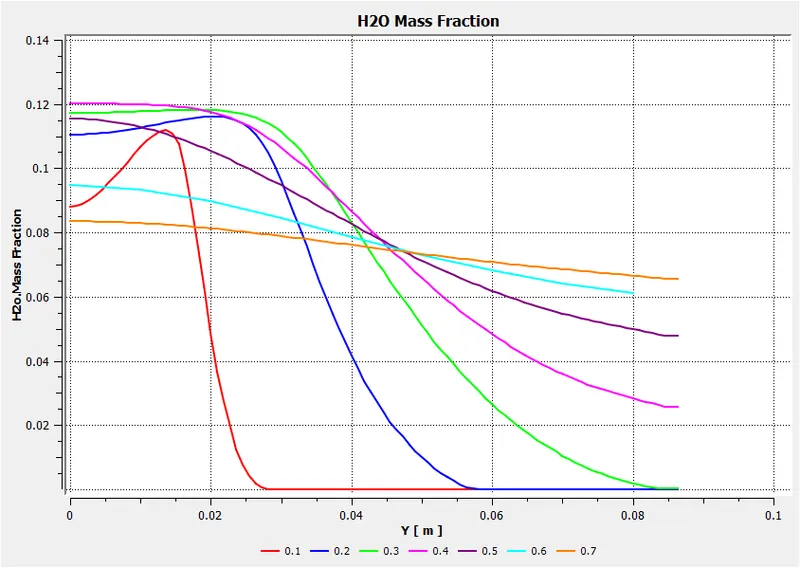
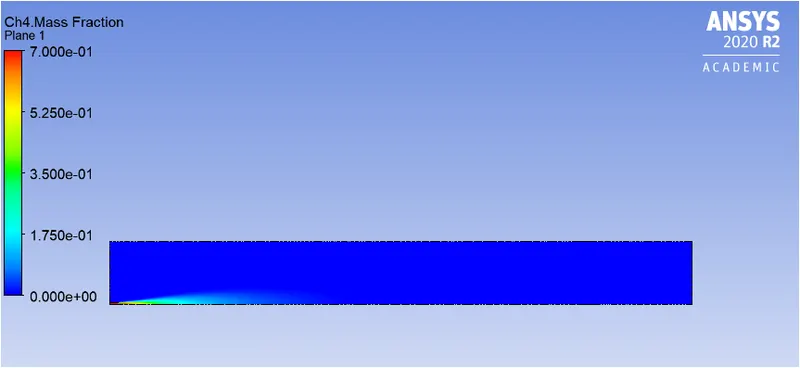
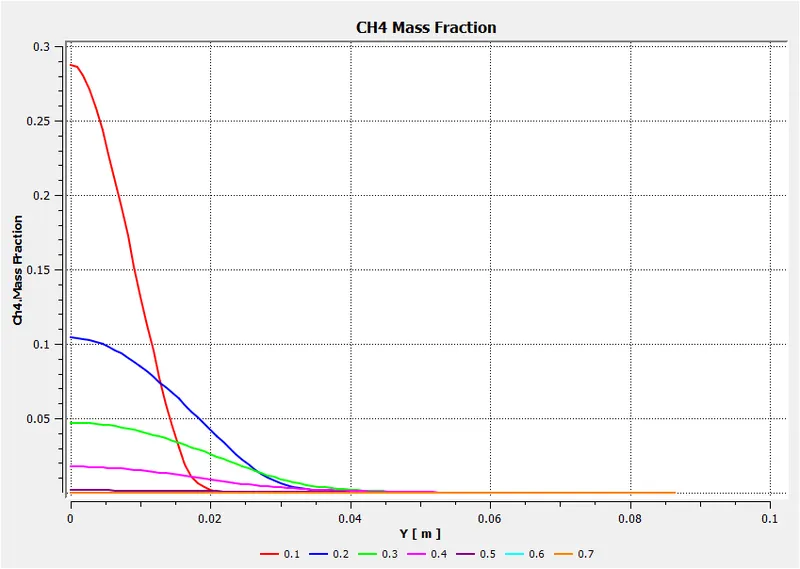
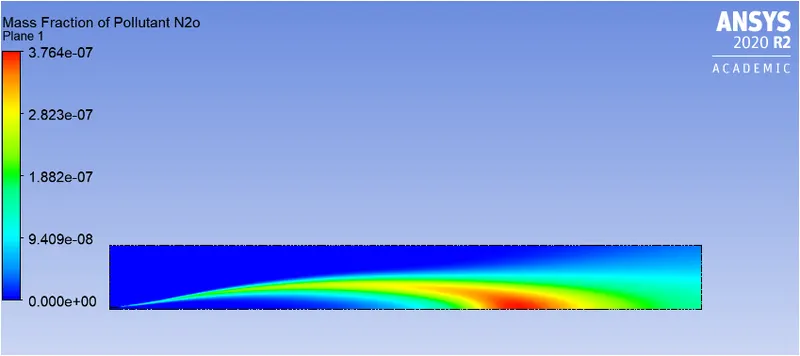
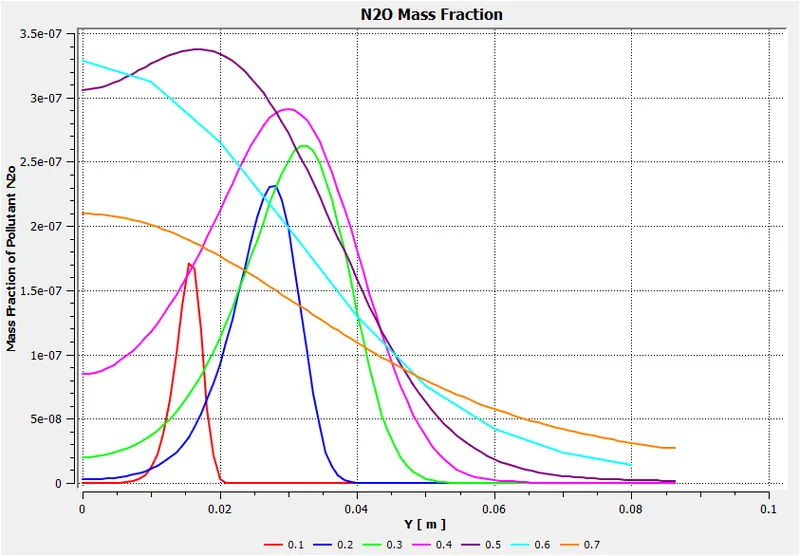



Case 2 : 90% CH4 and 10% H2O
Residuals
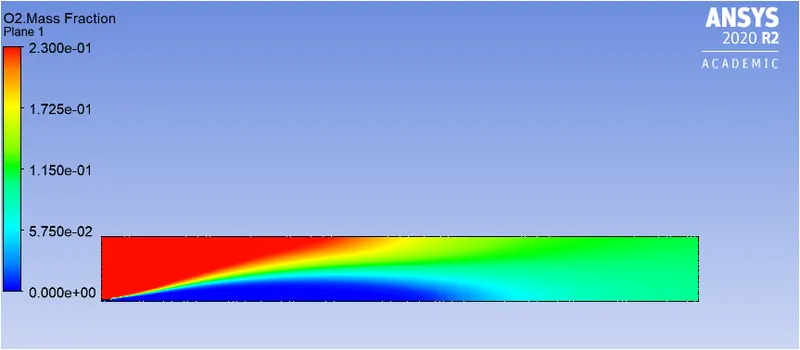
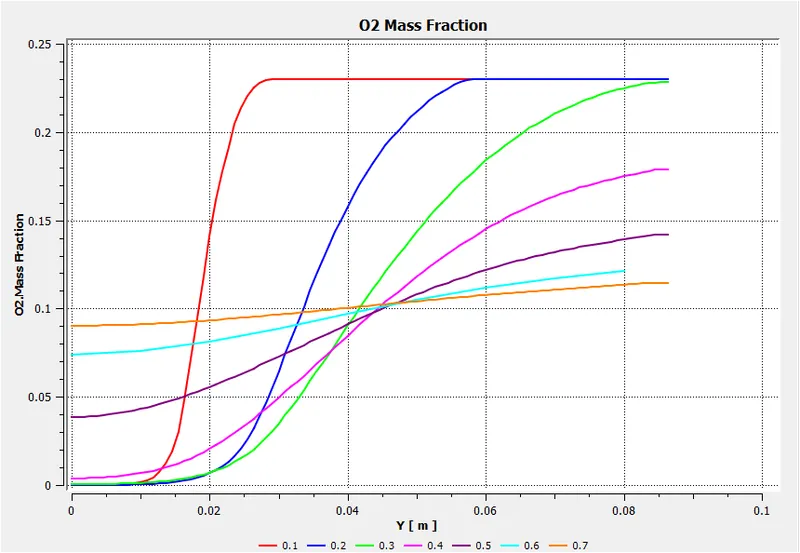
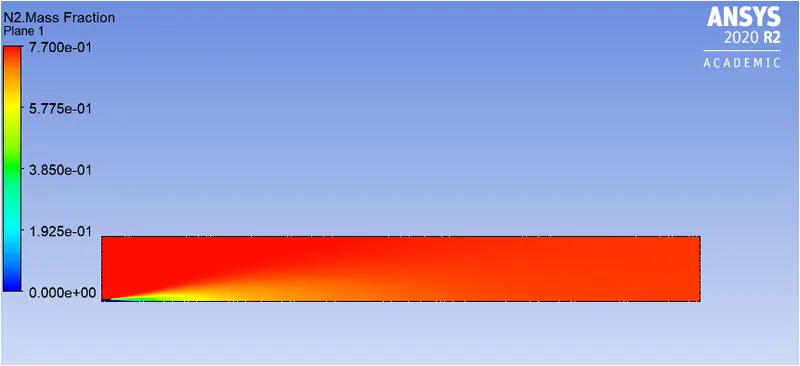
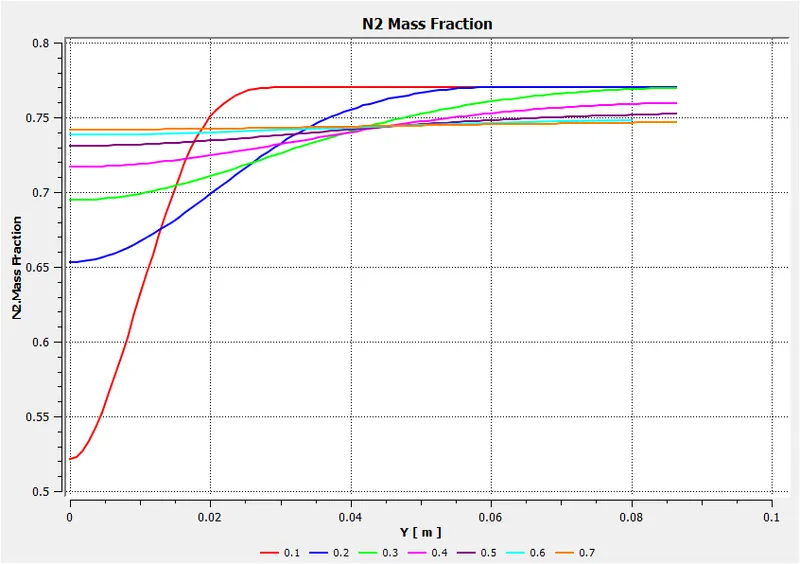
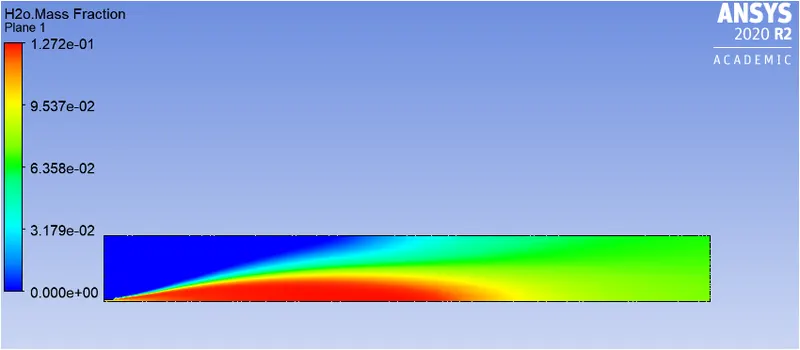
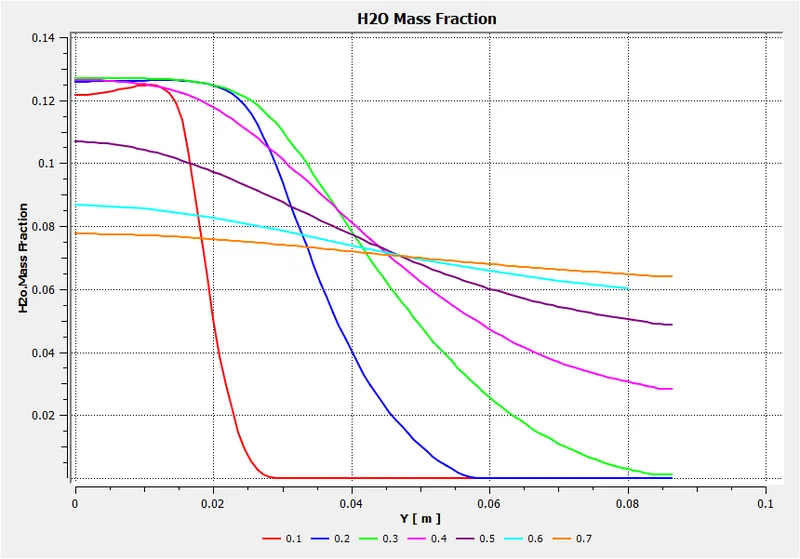
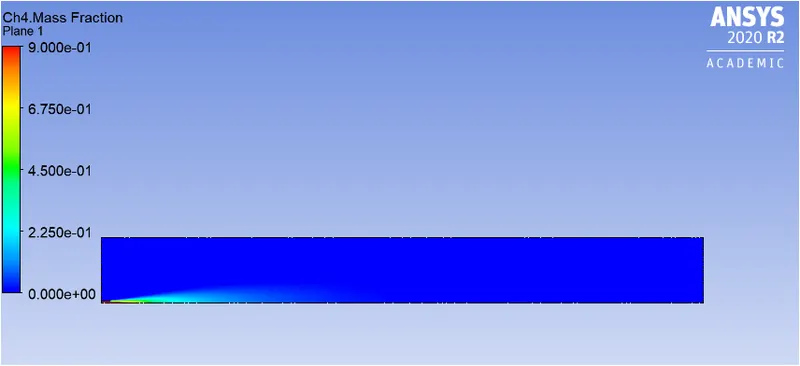
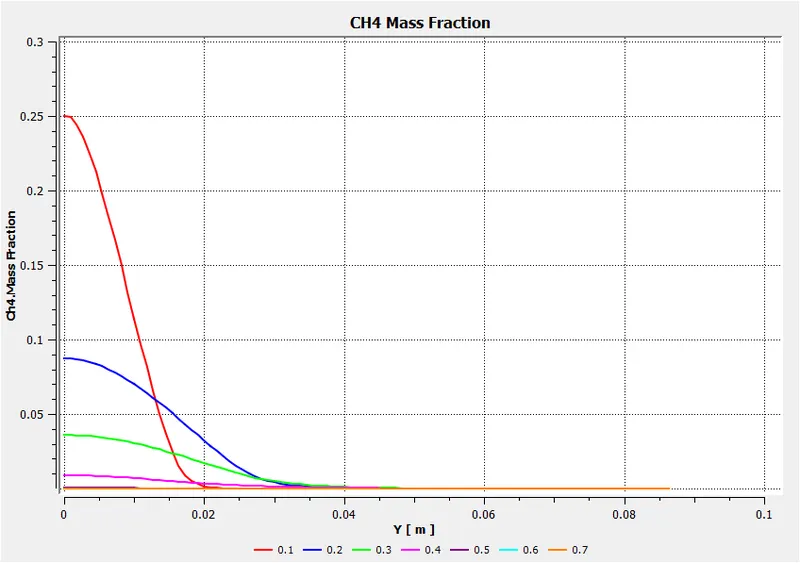
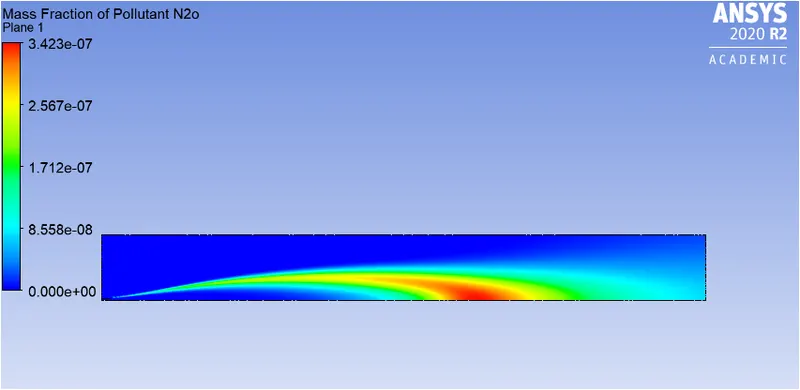
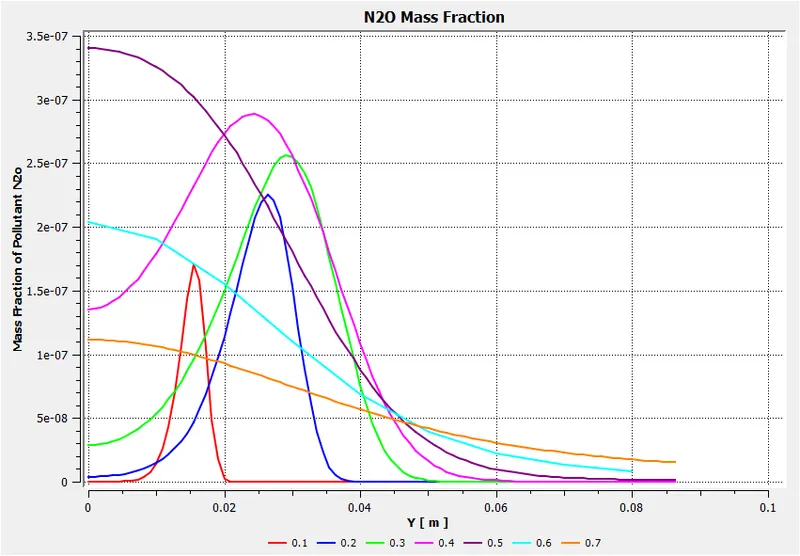

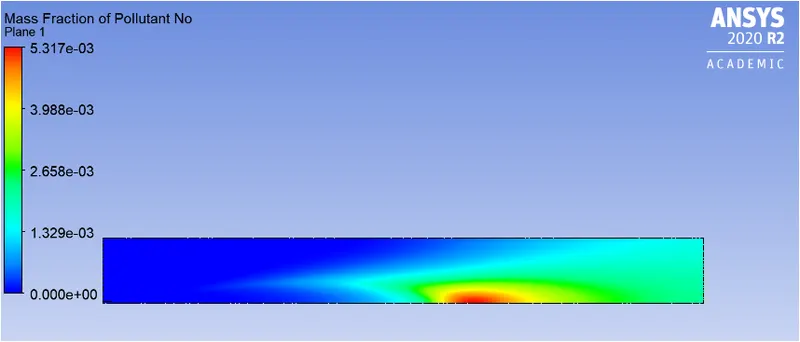
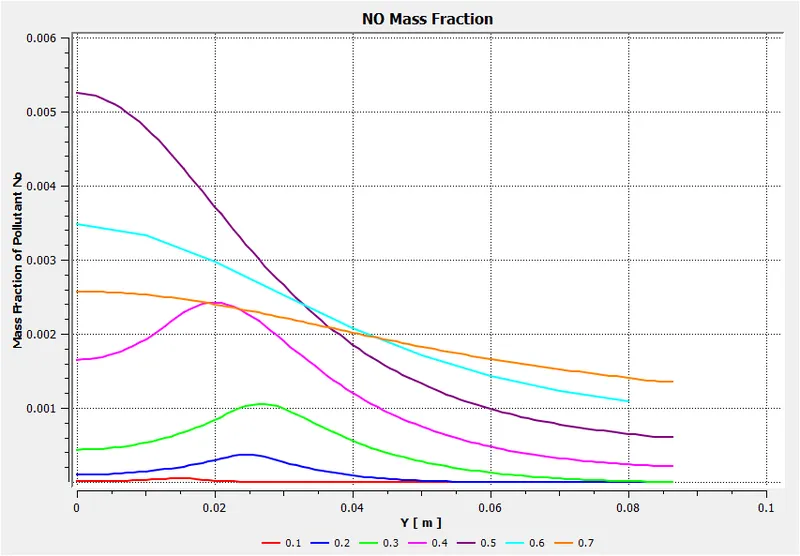

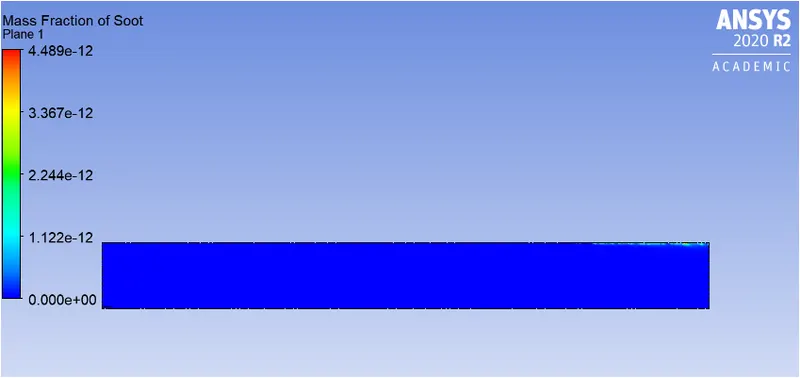
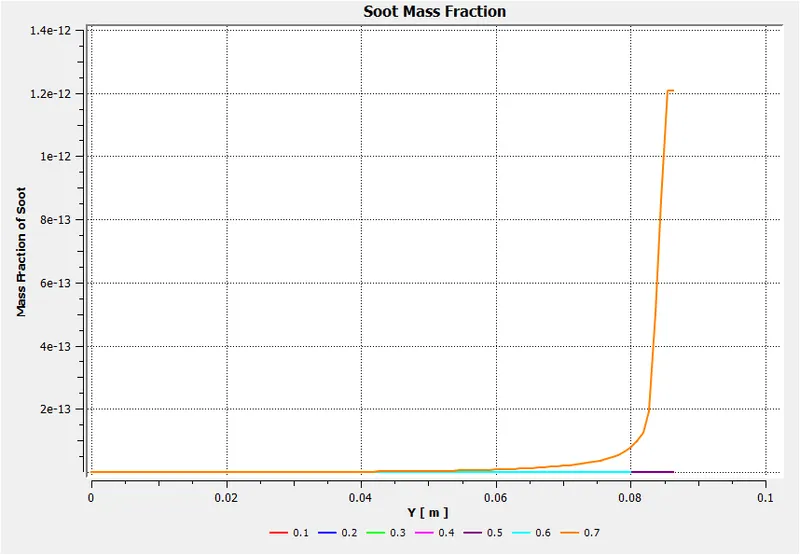

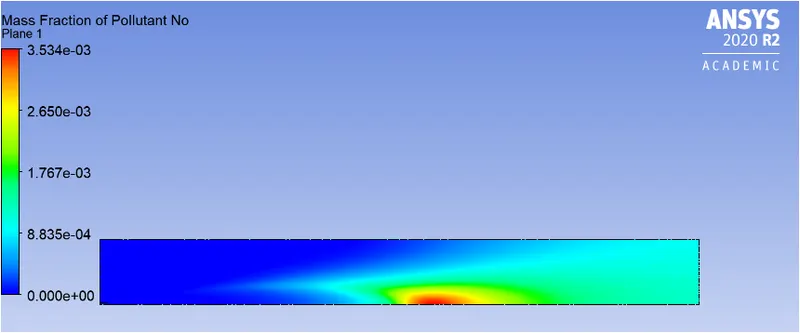
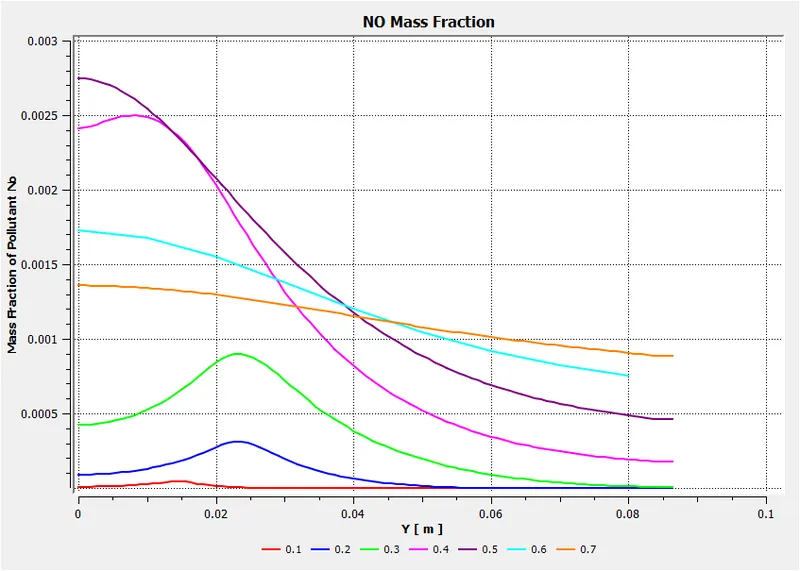
Case 3 : 80% CH4 and 20% H2O
Residuals
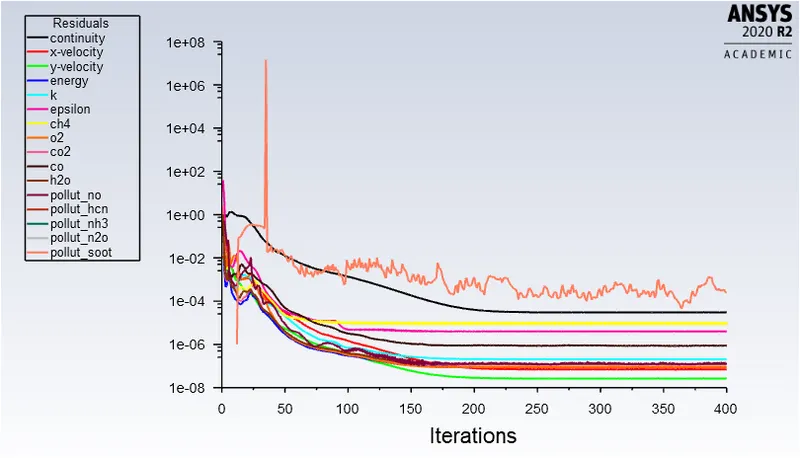
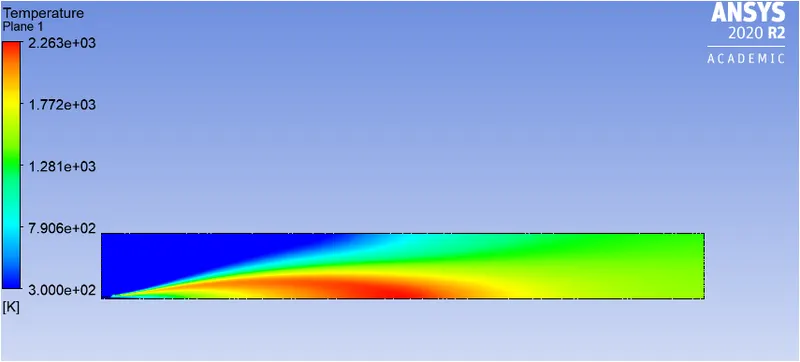
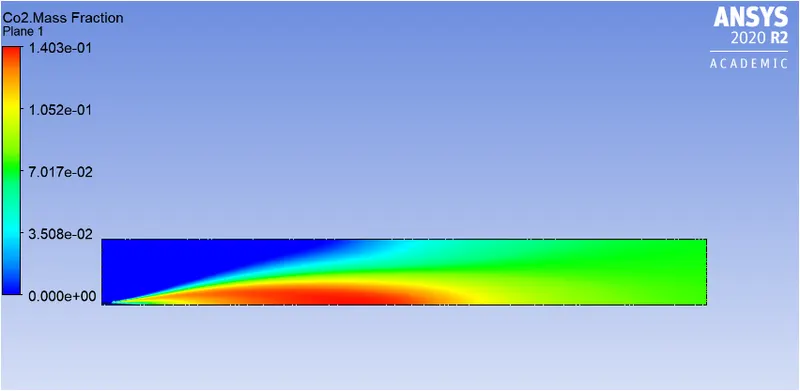
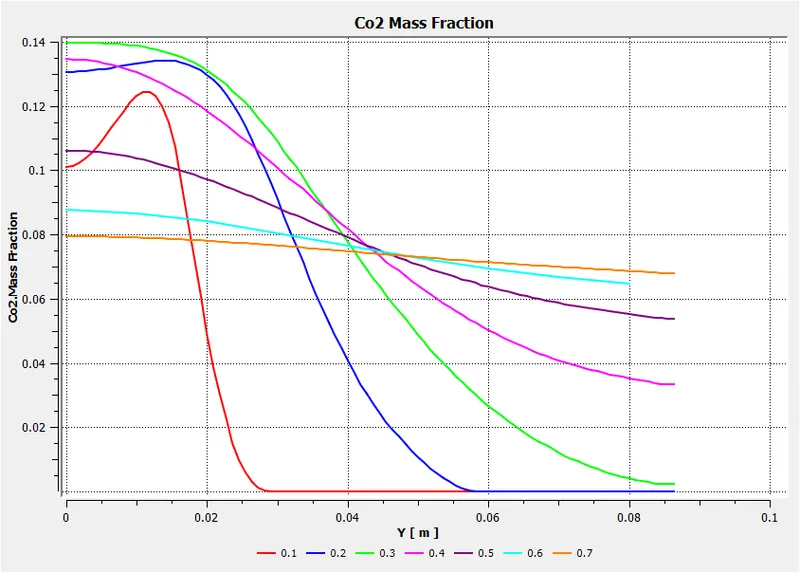
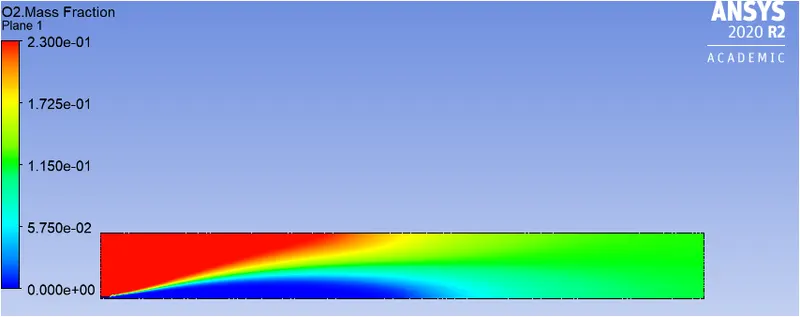
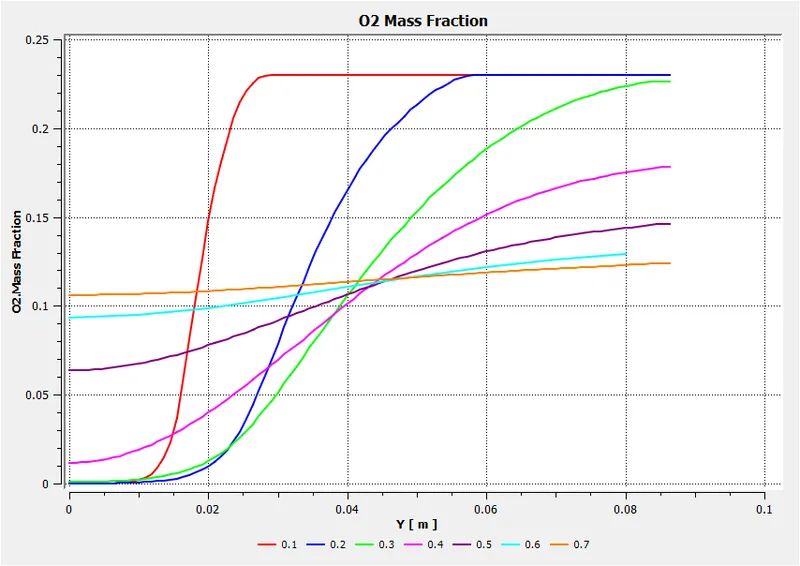
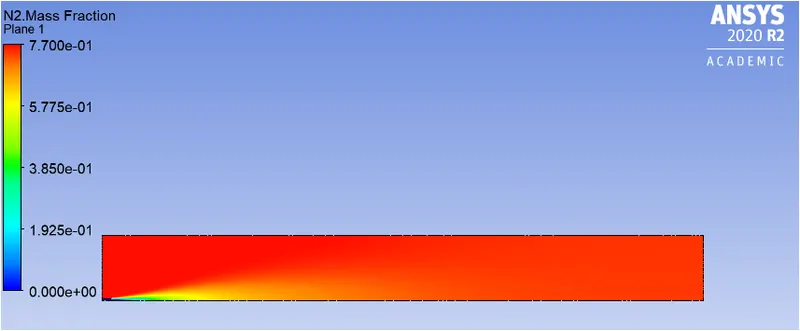
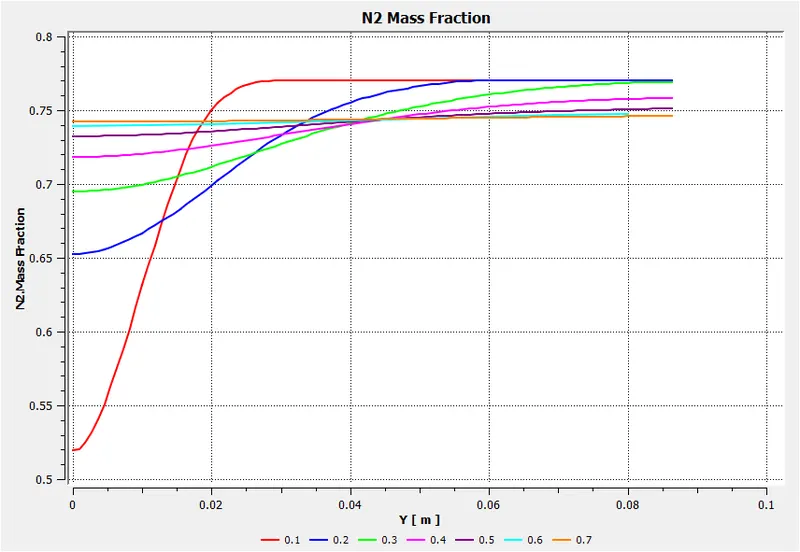
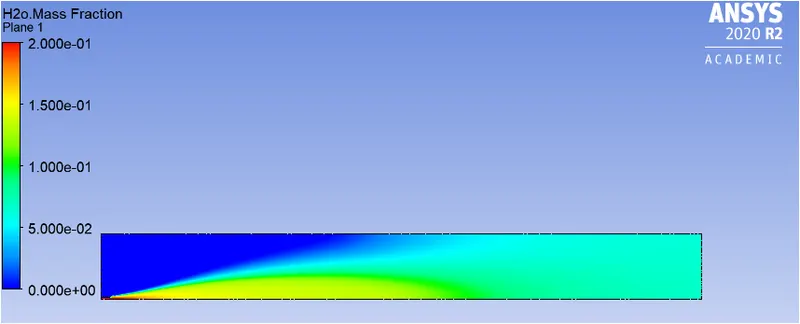
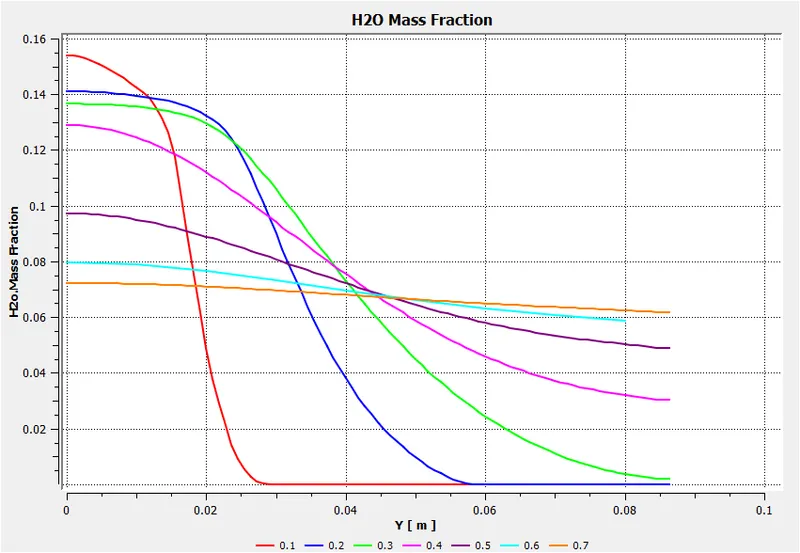
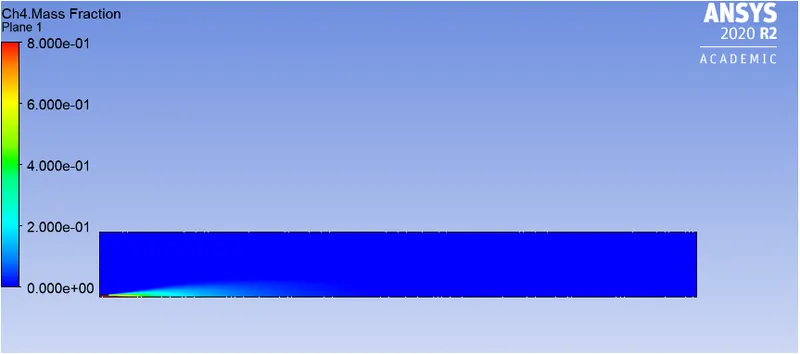
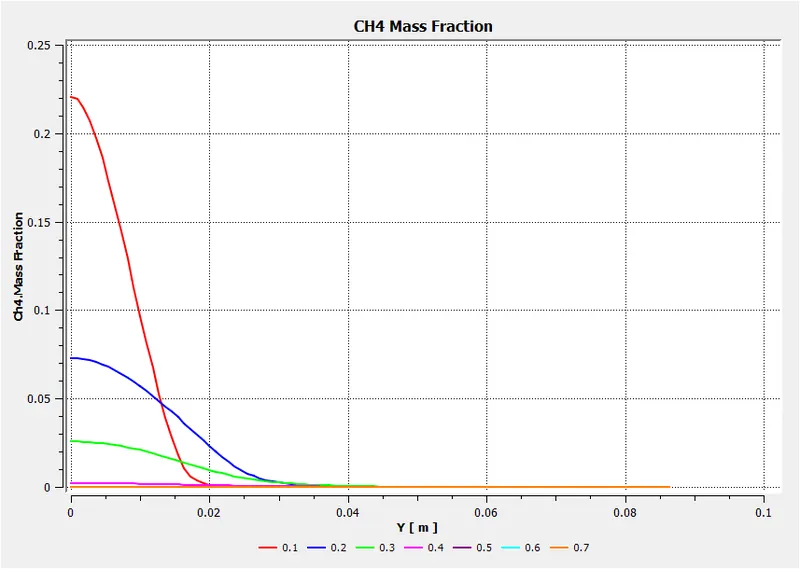
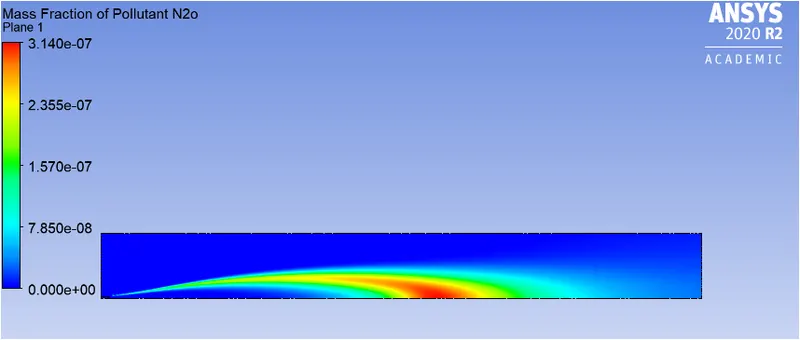
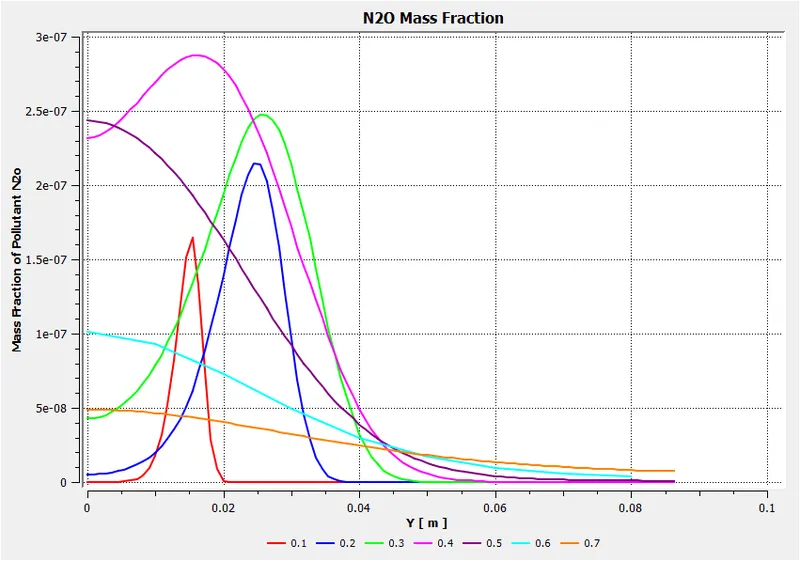
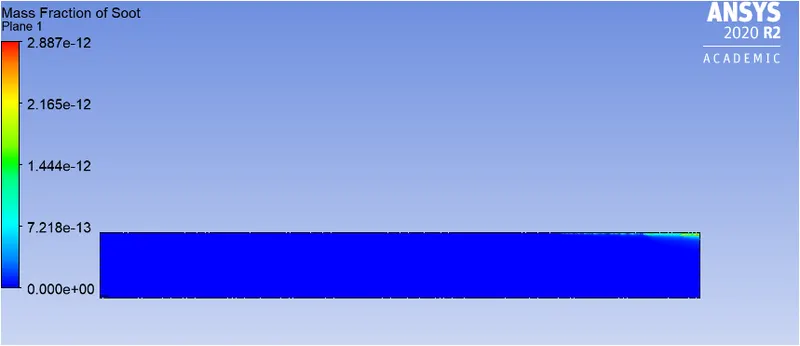
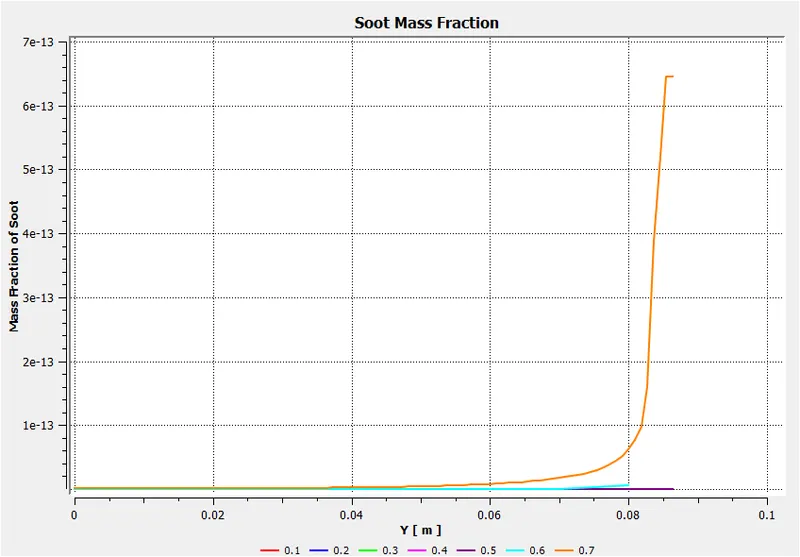

Case 4 : 70% CH4 and 30% H2O
Residuals
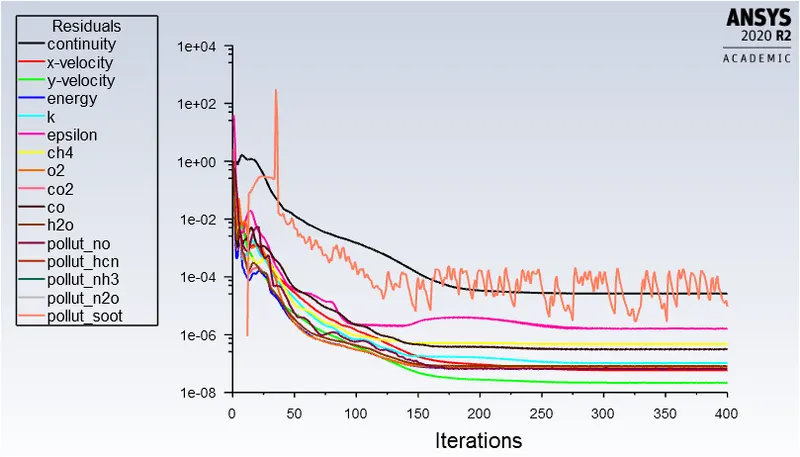
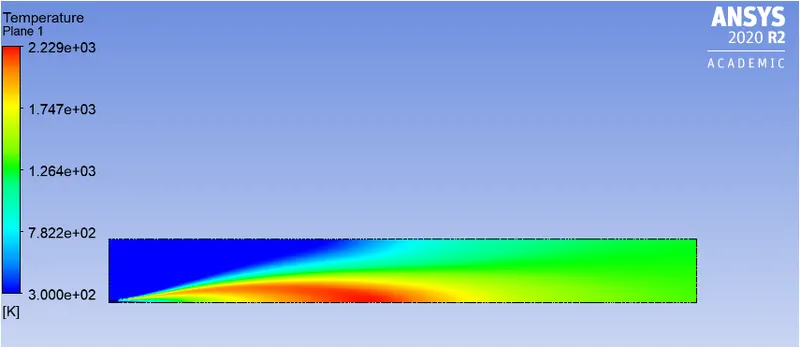
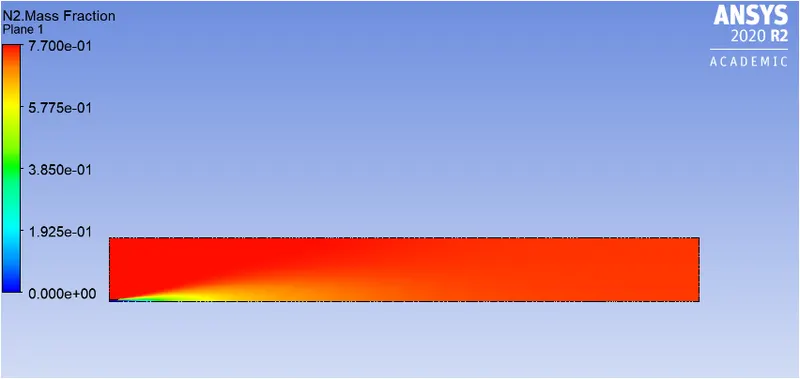
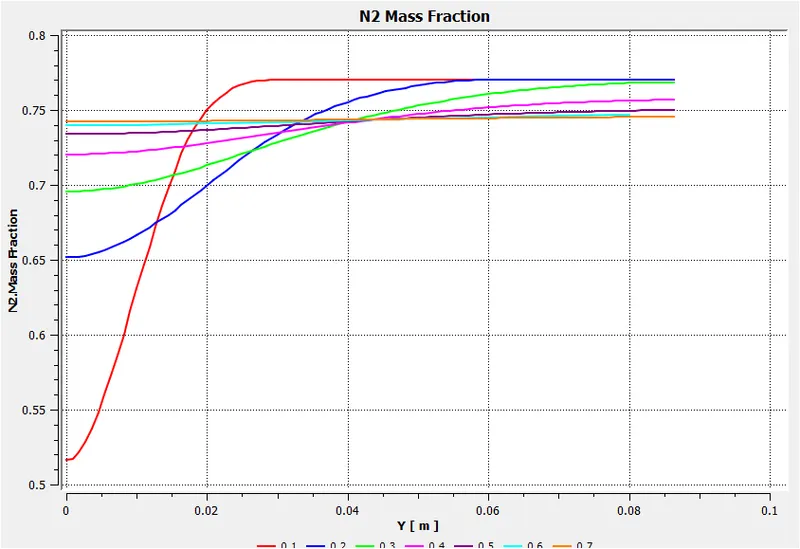
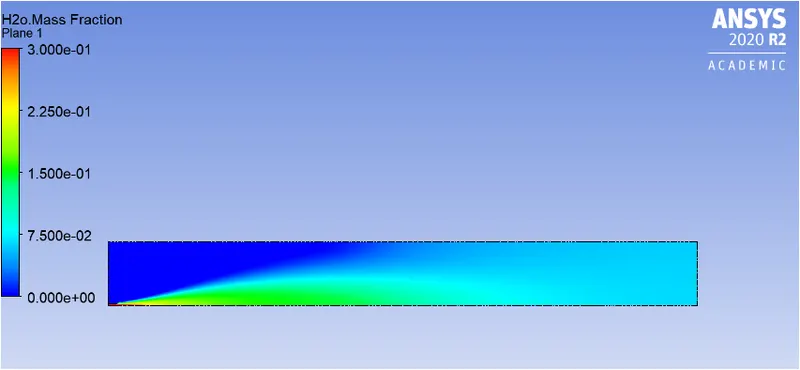
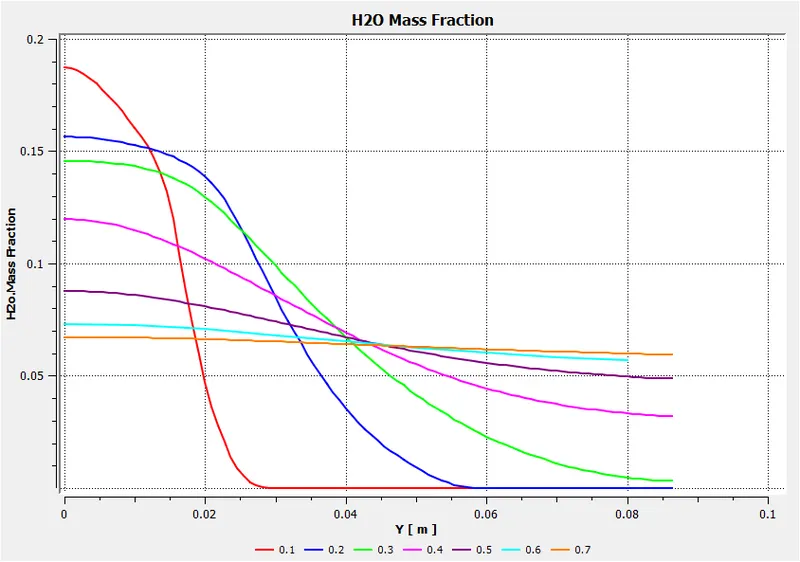
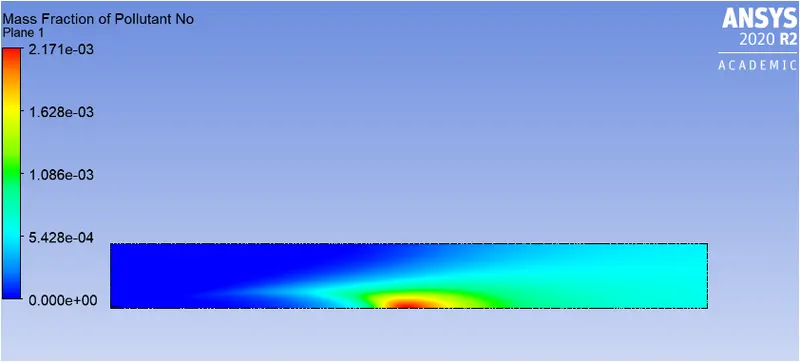
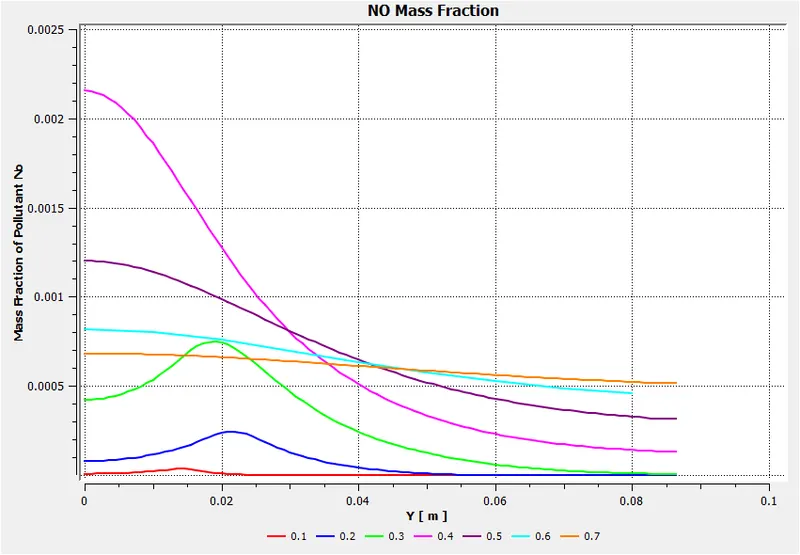
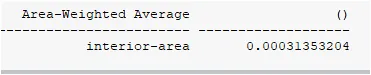
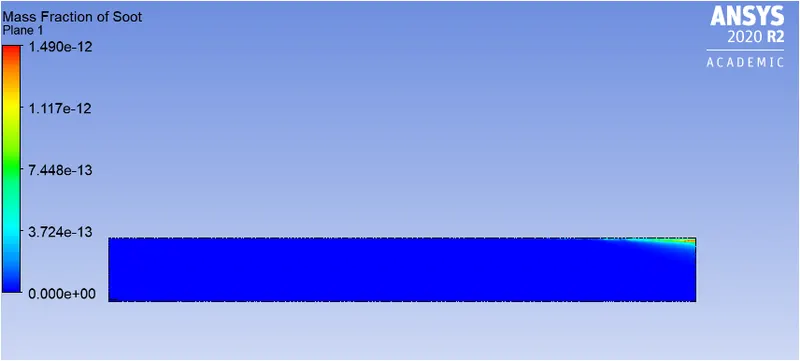

Results and conclusion
| Case | Mass Fraction of N2O | Mass Fraction of NO | Mass Fraction of soot |
| 100% CH4 and 0% H2O | 5.062e-8 | 0.00123 | 2.1223e-14 |
| 90% CH4 and 10% H2O | 3.482e-8 | 0.00085 | 1.3214e-14 |
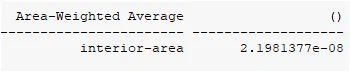
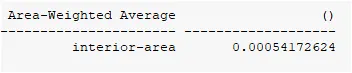
| 80% CH4 and 20% H2O | 2.198e-8 | 0.00054 | 1.973e-14 |
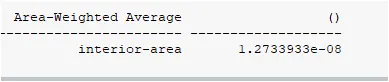
| 70% CH4 and 30% H2O | 1.273e-8 | 0.00031 | 1.5006e-14 |
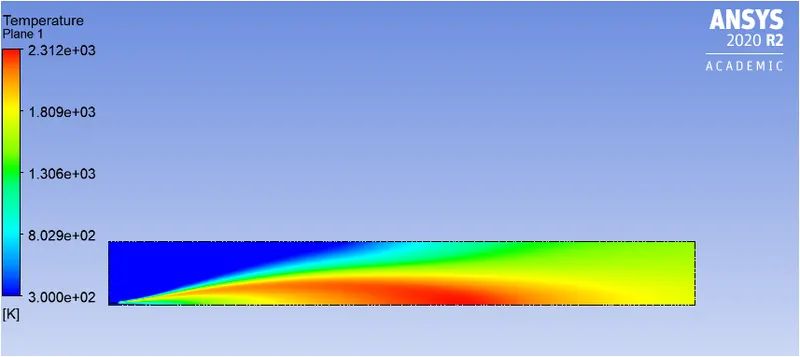
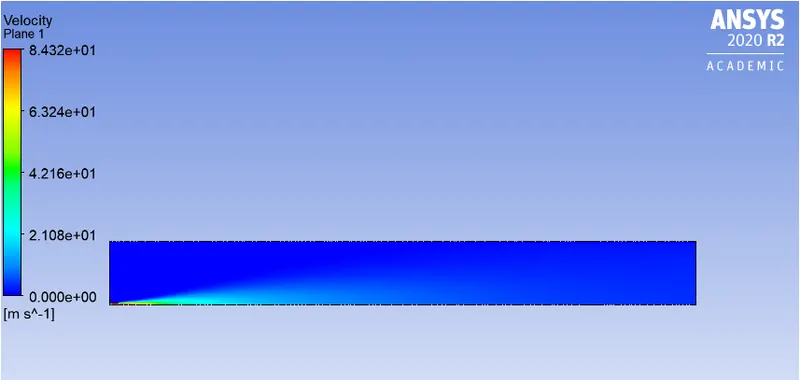
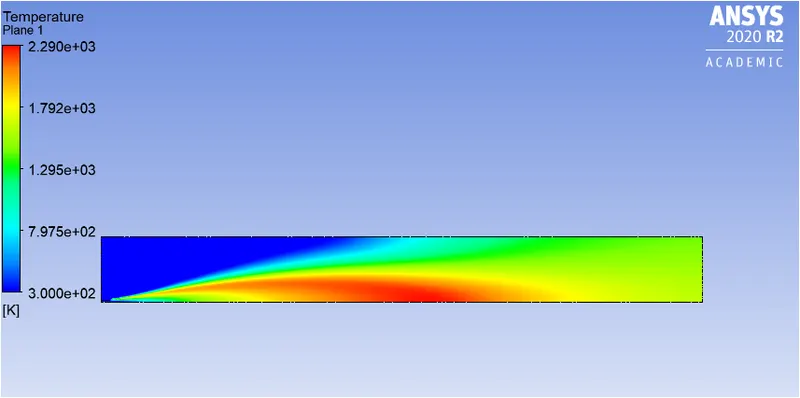
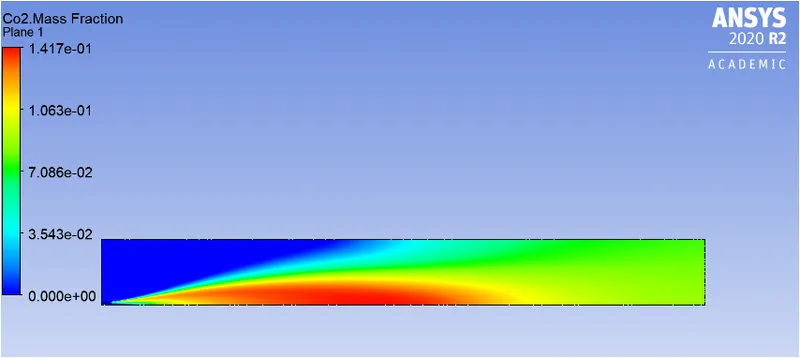
The simulation helps to determine a complete temperature distribution and mass fraction of different species along the geometry.
For this model, there is no source of combustion. So the rate of reactions for this simulation are determined by turbulent mixing in Eddy dissipation model.
From the above table, it can be said that addition of water to the fuel decreases NOx and soot formation. The reduction of NOx and soot helps to reduce harmful effects on environment.
As we increase the percentage of water in fuel, there is decrease in maximum temperature.
Mass fraction of N2 is nearly same for all the cases.
Mass fraction of CO2 decreases with increase in water addition.