Week 10 - Simulating Combustion of Natural Gas.
Aim: To perform a combustion simulation on the combustor model.
Objectives:
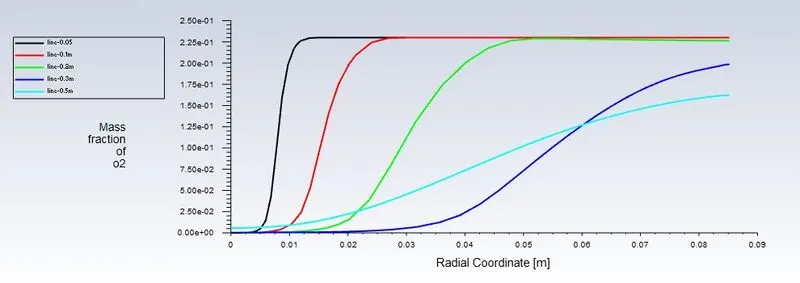
1. Plot the variation of the mass fraction of the different species in the simulation using line probes at different locations of the combustor.
2. To check the effect of adding water to the fuel from 5% to 30% by mole and observe the effect of it on the results.
Theory:
Combustion is present in many different aspects of our lives, from lighters or water heating in home-scale heaters to airplane reactors. Since the phenomena of combustion is a very important part of our daily lives and it’s the main source of heat used in the industry it results in a very attractive field of study for many reasons.
Firstly, as a main source of energy, there’s the necessity to maximize the efficiency of the combustion systems and obtain the maximum profit from the resources. Secondly, it is not just the concern about efficiency that boosts the studies about combustion. These processes must be environment-friendly and one of the most limiting aspects for the optimization of the combustion systems is the pollution associated with it. All the pollution associated with these systems (NOx, SOx, VOC’s, CO, CO2) and its direct relation with global warming is a strong reason to spend resources on technology to improve the combustion systems.
Computational Fluid Dynamics (CFD) simulation provides a virtual laboratory to perform experiments in the early stages of design without building the physical apparatus. Virtual environments decrease the unit design costs as the number of unsatisfactory experimental devices that ends to scrap decreases drastically. Otherwise, the cost of the experimental device and its operation until obtaining satisfactory results can become very huge.
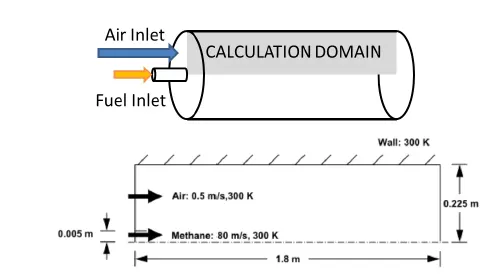
The above figure shows the configuration and dimensions of the combustion chamber used in the simulations as well as the fuel and air rates passing through the system.
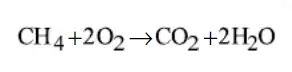
Simulation:
Geometry setup:
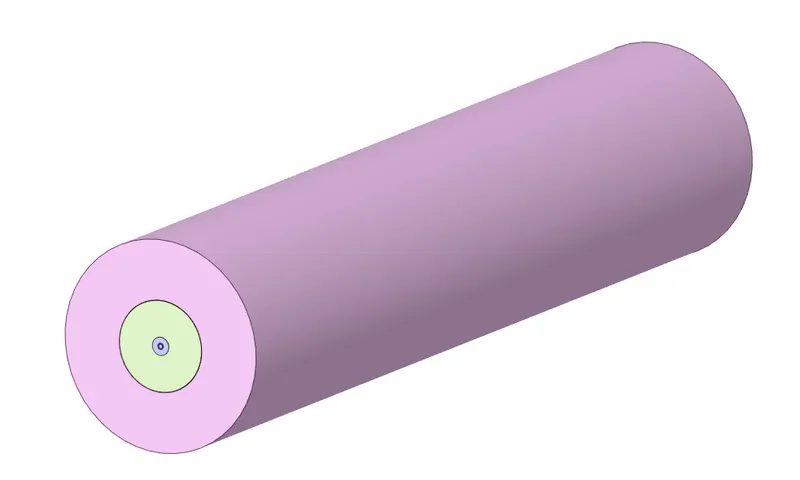
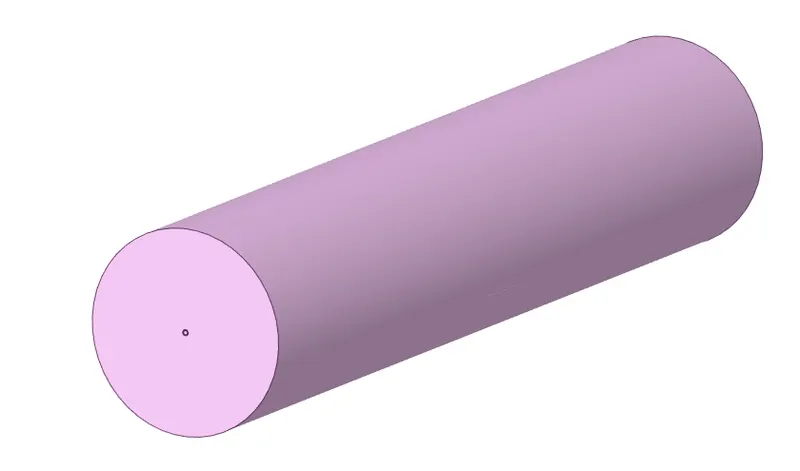
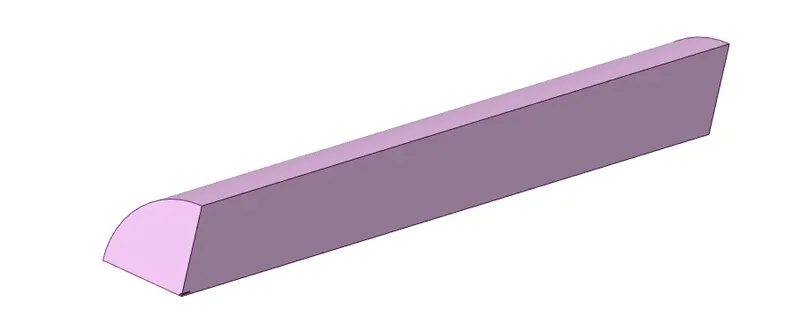
Given geometry United bodies 1/4 section for surface extraction

Surface extracted for simplicity of the simulation and to reduce time/resources.
Meshing:
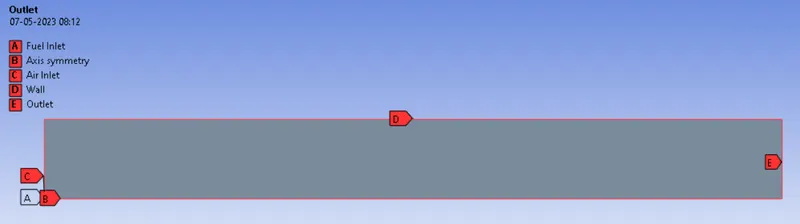

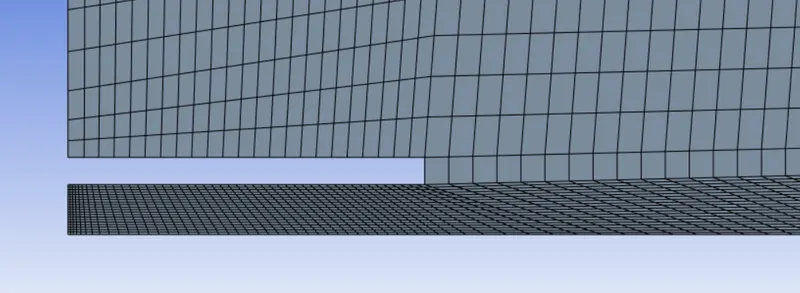
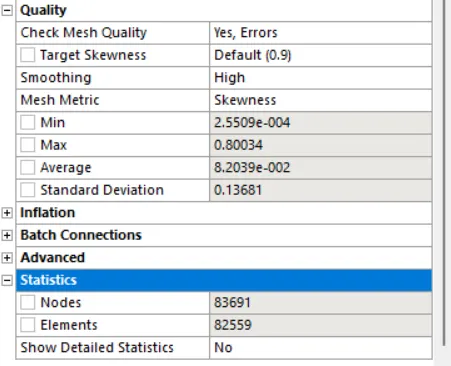
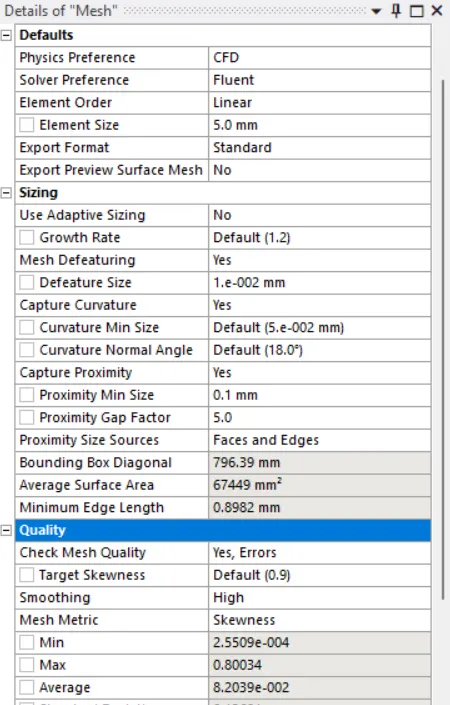
Simulation Steps:
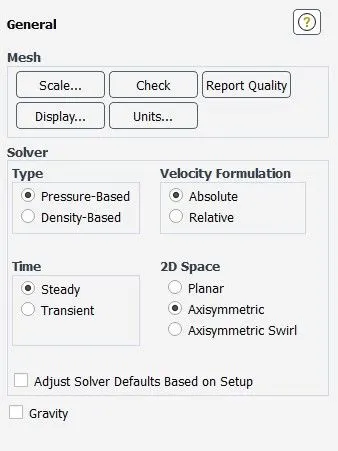
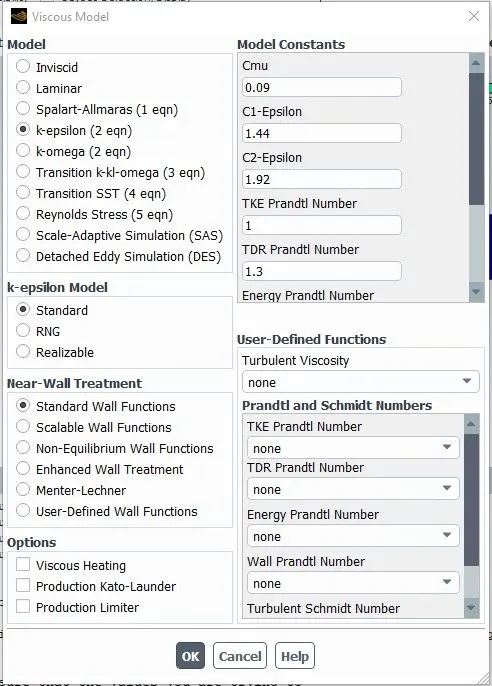
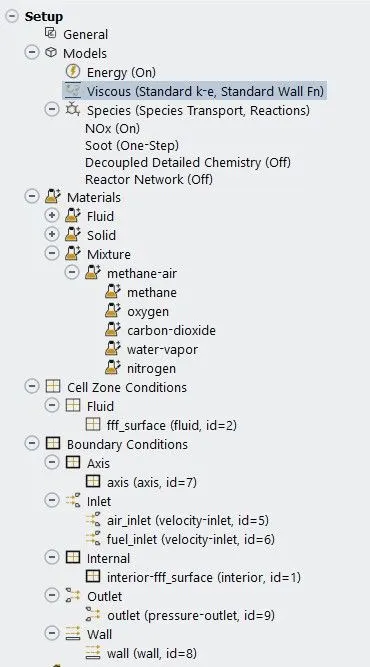
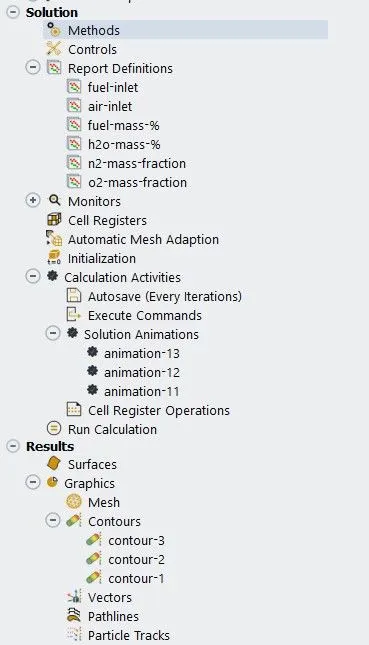
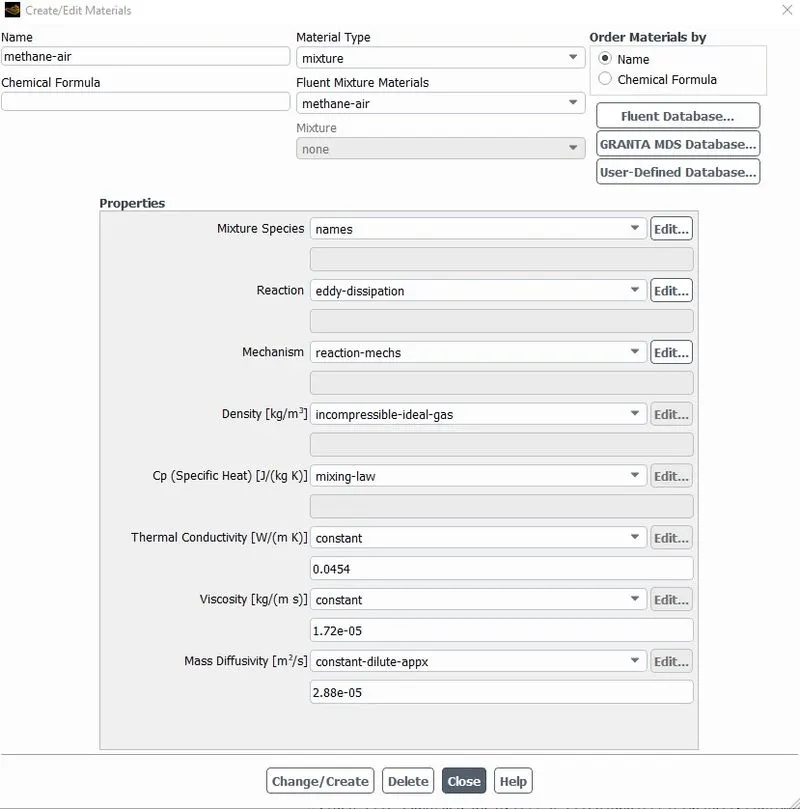
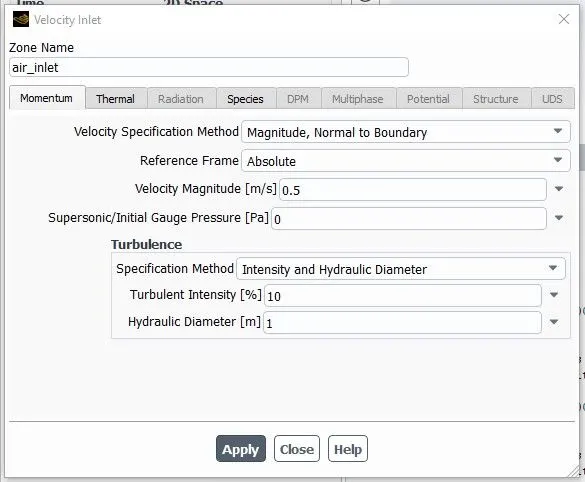
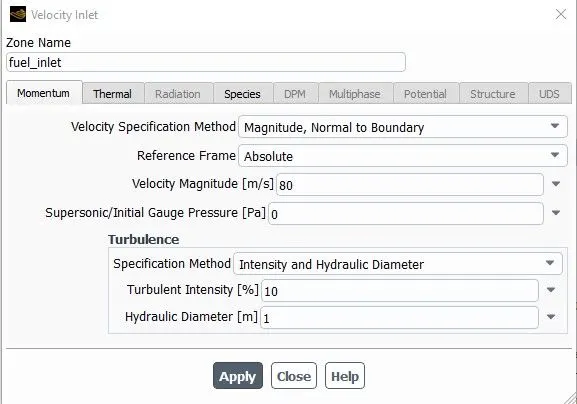
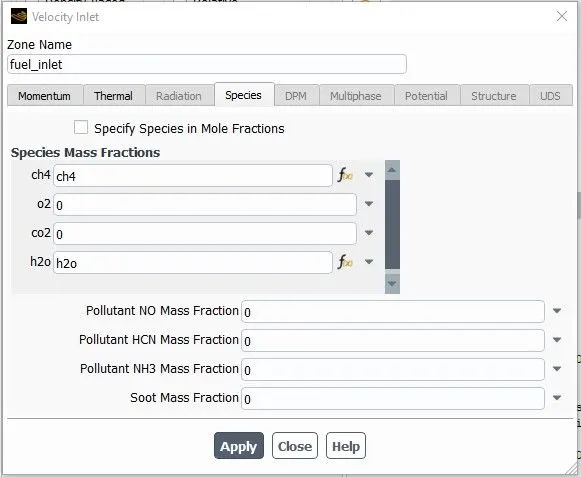
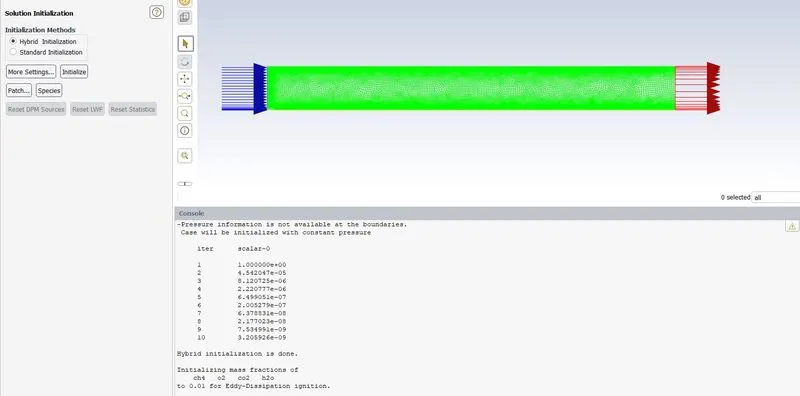
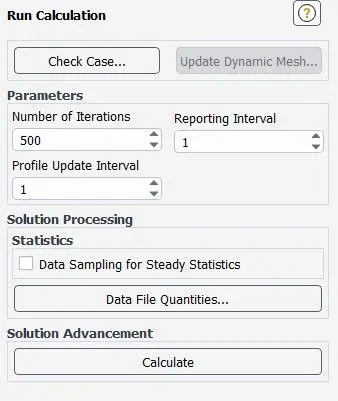
Similar steps are followed for all other variations.
Results:

Case 5:
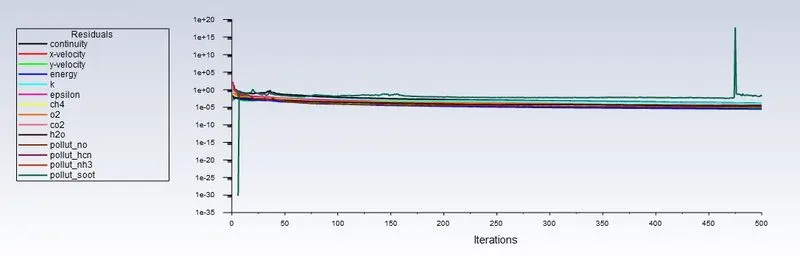
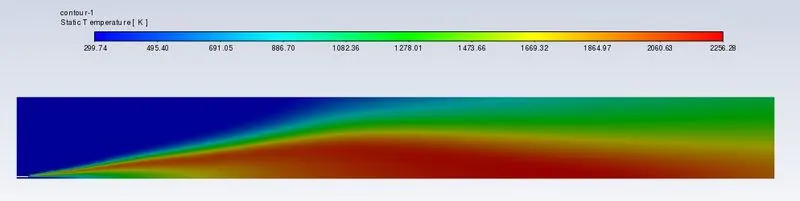
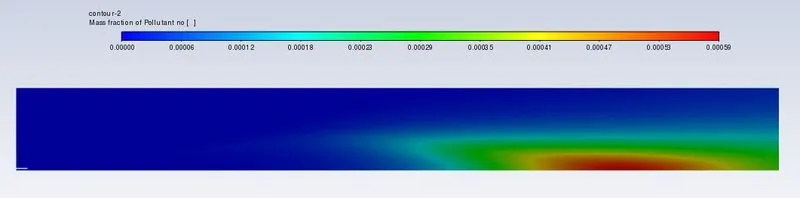
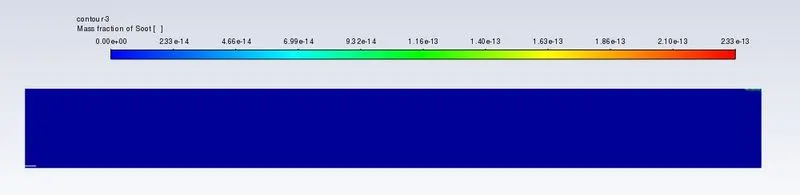
Case 6:
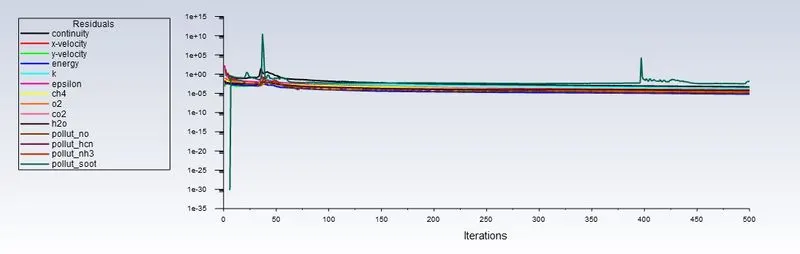
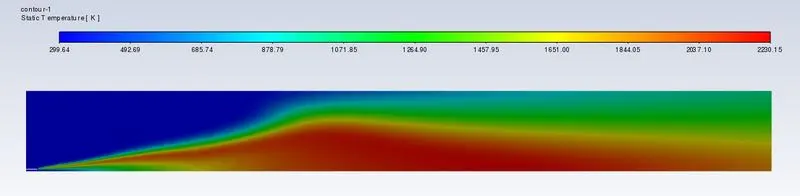
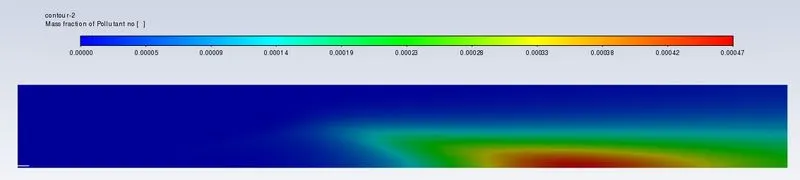
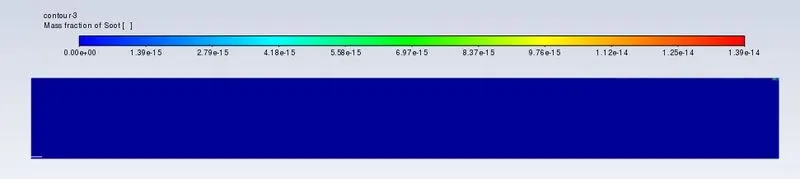
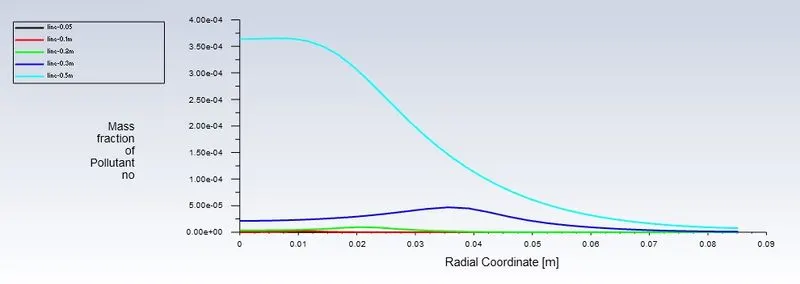
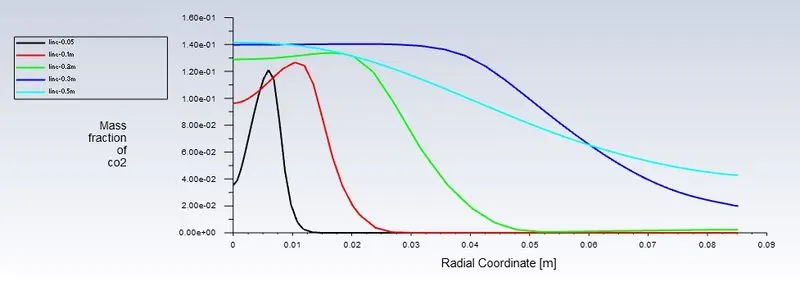
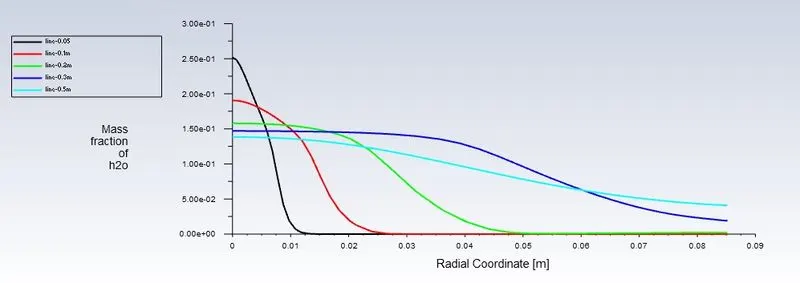
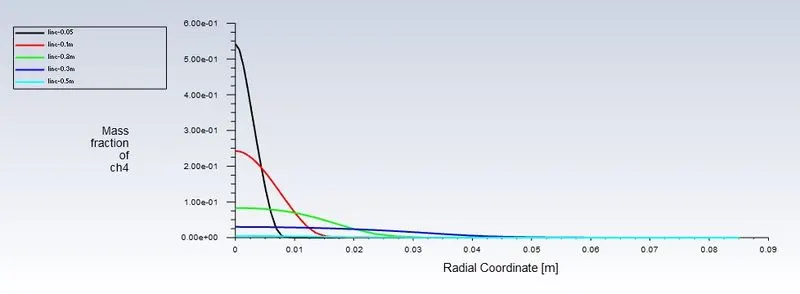
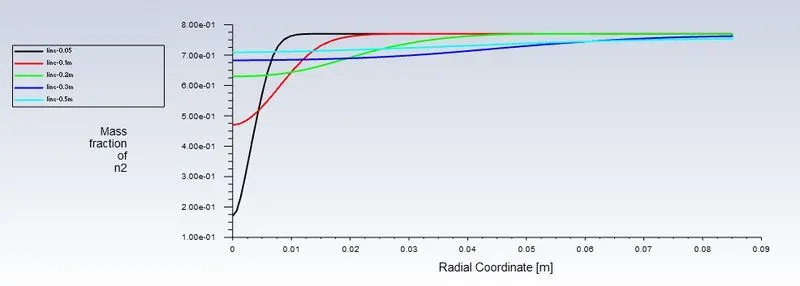
Conclusion:
After all the work done, the results show pretty interesting results. It is clear that the addition of water has a significant effect on the NOx formation. Independently of the contact mode, as more water is added to the system, less NOx is formed. This is supposed to be because of some reasons:
Firstly, the addition of water has a direct effect on the temperature profile of the system. It reduces the peak temperature and also the average temperature of the system, which implies a reduction of the thermal NOx (which is the main contributor to the total NOx as can be observed from the profiles).
Secondly, as can be observed in the profiles, the concentration of both radicals [O] and [OH] is reduced as more water is added, which influences the equilibrium reactions implied in the formation of NO and NO2.
Another interesting conclusion is that, if this process is not correctly done, the addition of water will have a detrimental effect on the system. This can be noticed in the results table, whereas the addition to the Fuel stream reduces the NOx formed in comparison with the non-water case, the addition of water to the Airstream causes an increment in the NOx formed in the system (it causes an increment of the average temperature and radicals concentration). This a clear example of how important it is the contact mode when performing any chemical reaction.
References:
1. https://www.academia.edu/7634521/Chapter_16_Modeling_Species_Transport_and_Gaseous_Combustion
2. https://www.youtube.com/watch?v=eZIE0h-zP6I
3. https://www.sciencedirect.com/science/article/pii/S1876610217337803
4. https://link.springer.com/article/10.1007/s00773-015-0303-8