Week 10 - Simulating Combustion of Natural Gas.
AIM: Introduction to combustion simulation in ANSYS Fluent.
Introduction: Combustion modelling is an important aspect of CFD analysis as i gives an insight in to the combustion anf its physics. While desigining an engine and how a flame is formed based on the design combustion modelling can be a useful tool. In the current study, an attemo is made to understand the combustion modelling using Ansys Fluent. Moreover, how the output is affected when water is introduced in the fuel mix is to be understood as well.
Two cases are performed in this study one with fuel and air and other when water is introduced (5% to 30% mass fraction)
Setting up the problem.
Geometry:
As this is an axisymmetric body, there is no need for the whole 3D geometry to be used for analysis. So using split body Spaceclaim we extract a 2D geometry.
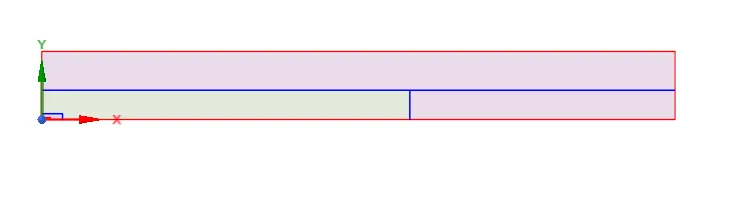 |
Share topology enabled.
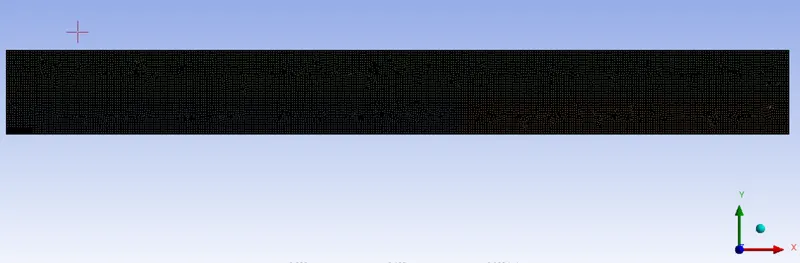
Mesh:
 |
Setup:
 |
 |
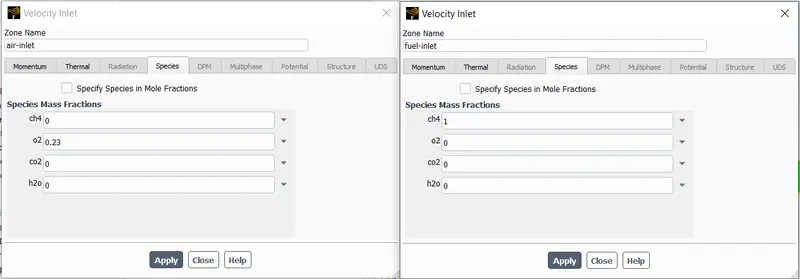 |
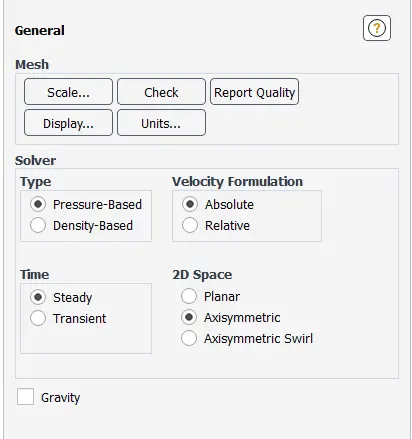
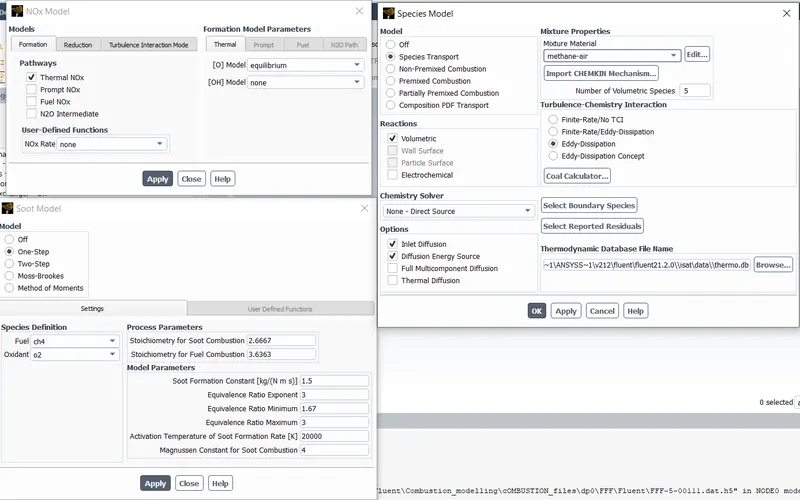
the important asects of the setip are mentioned above.
Besides these, A k-epsilon (standard) wih enegry equation turned on.
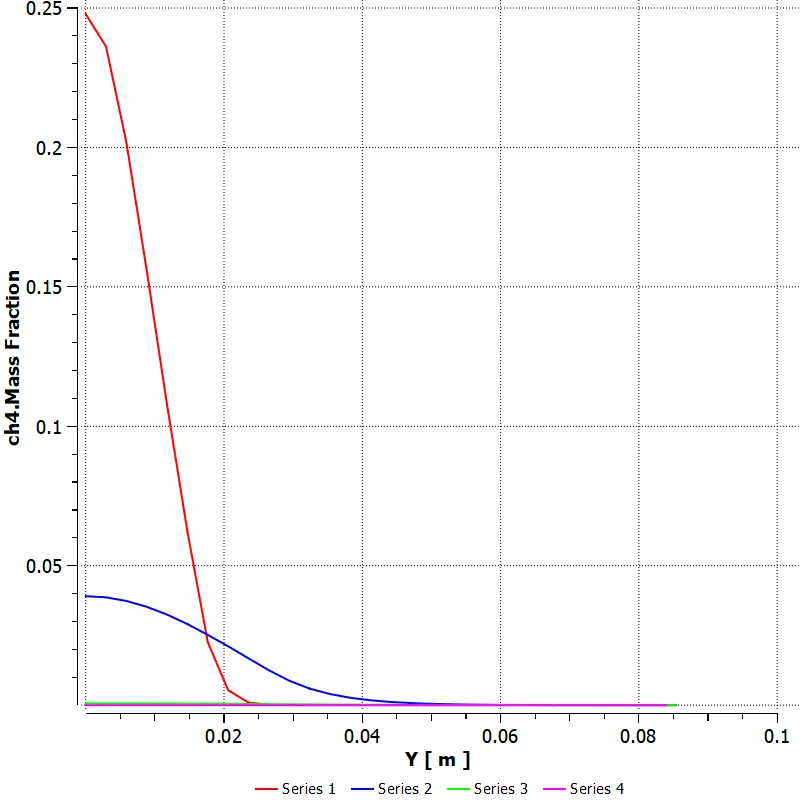
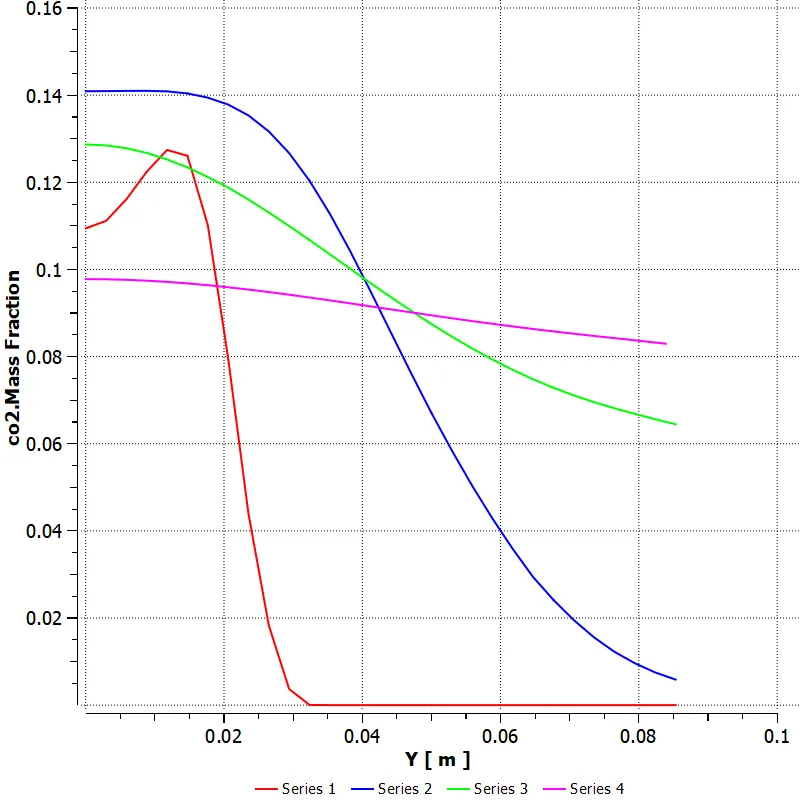
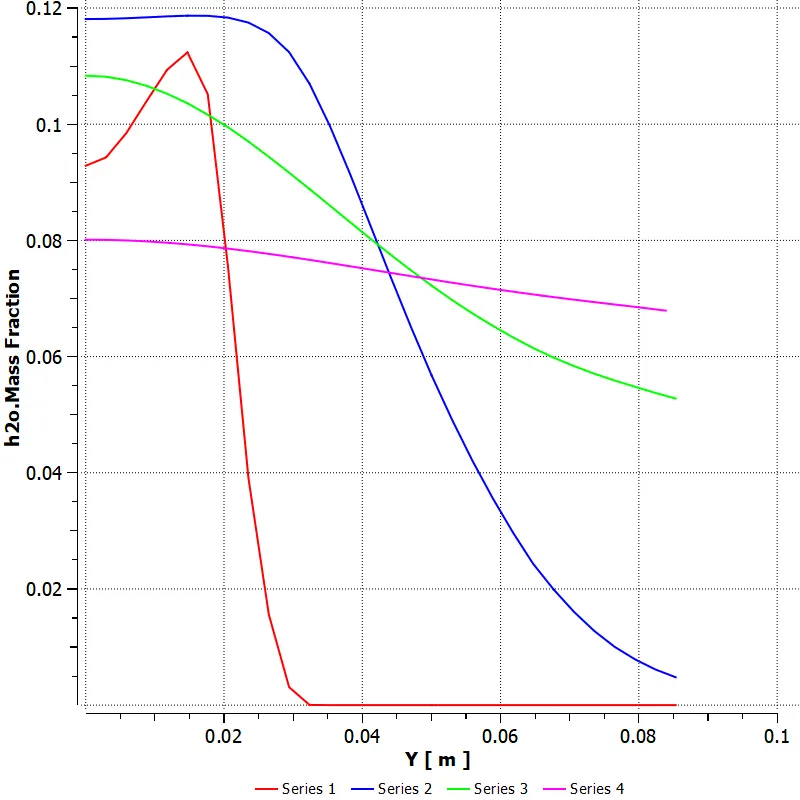
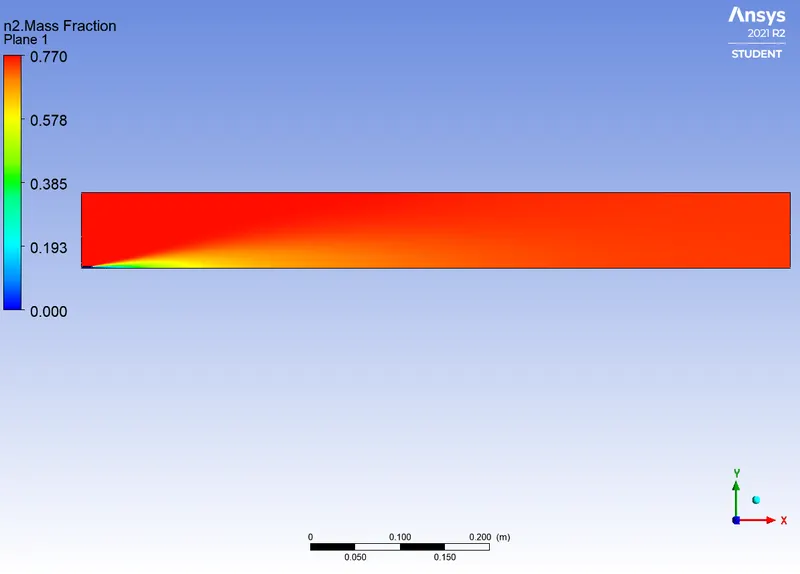
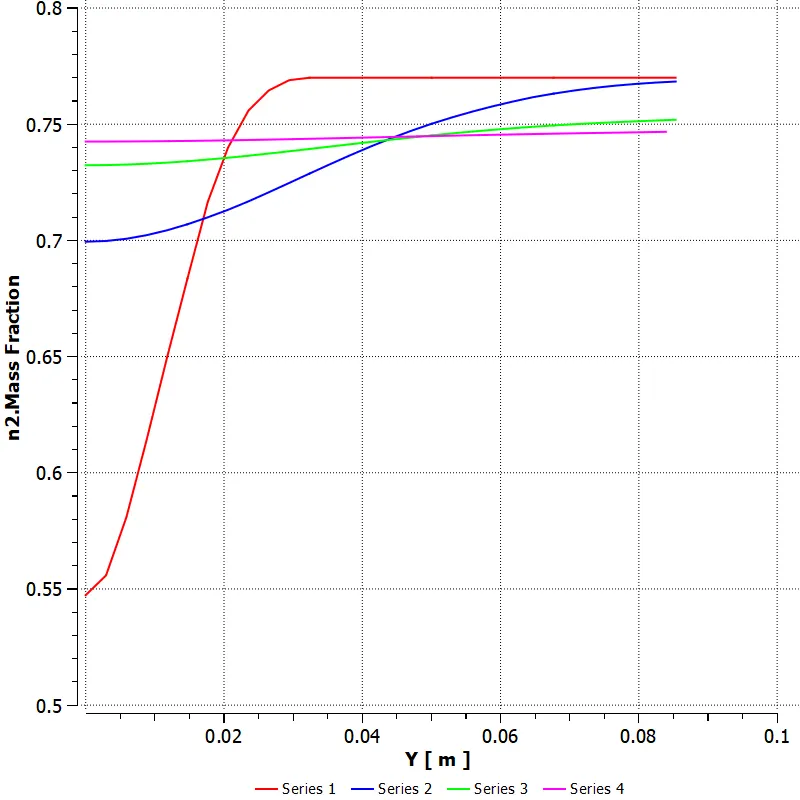
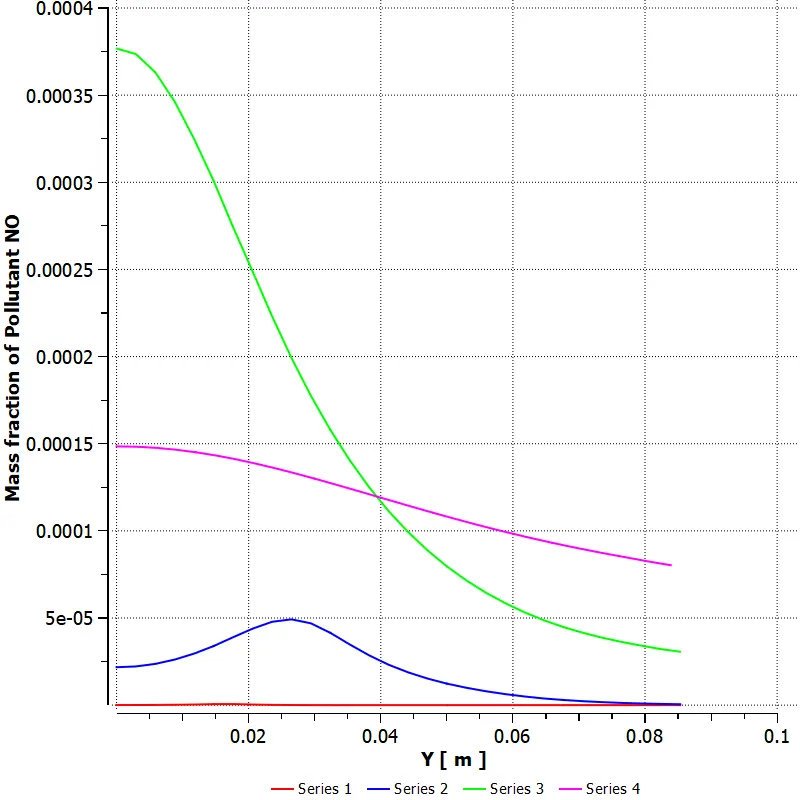
The result based on the cases to study are shown below.
CASE 1:
| Contours | Plot | |
| CH4 | 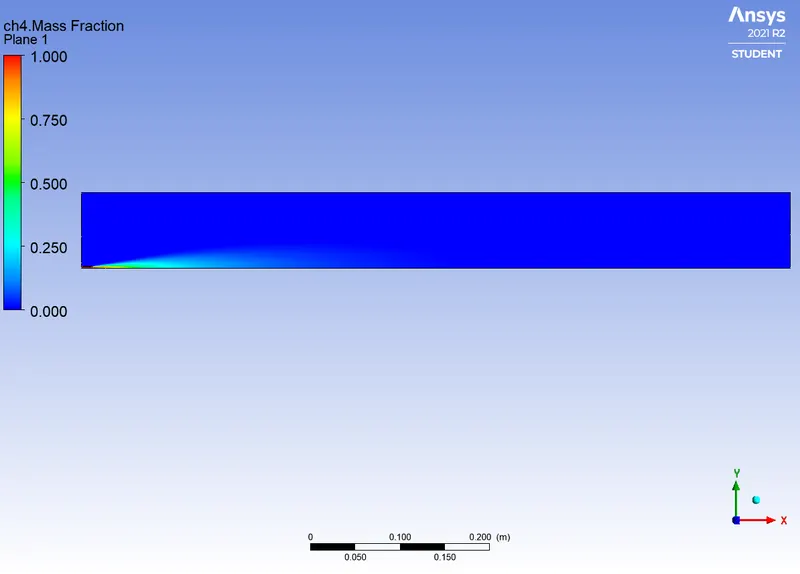 |
 |
| CO2 | 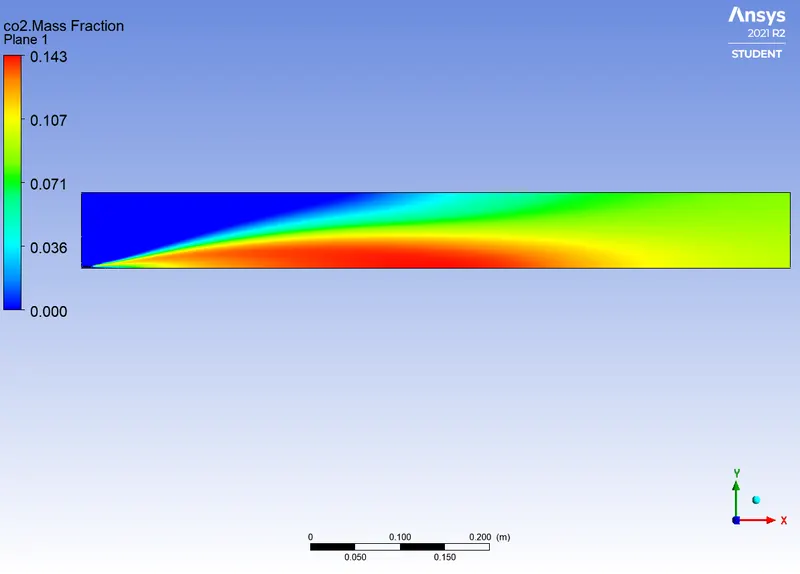 |
 |
| H2O | 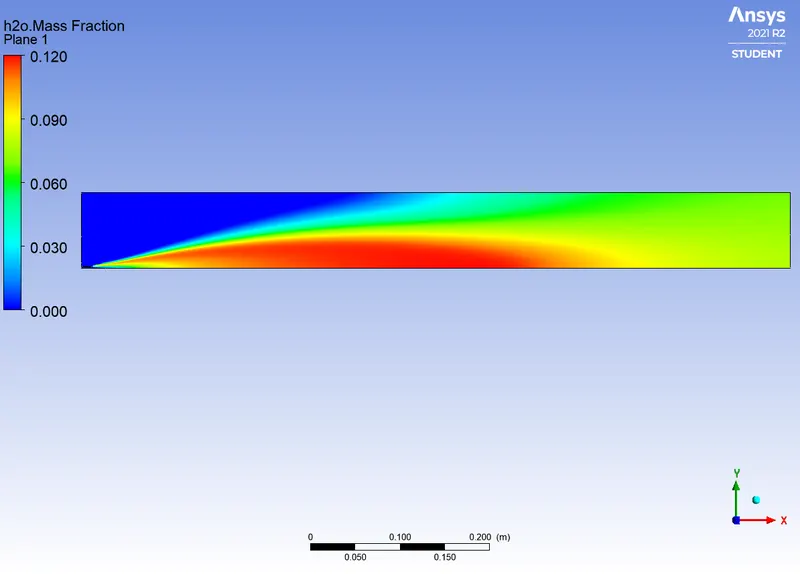 |
 |
 |
 |
|
| NOx | 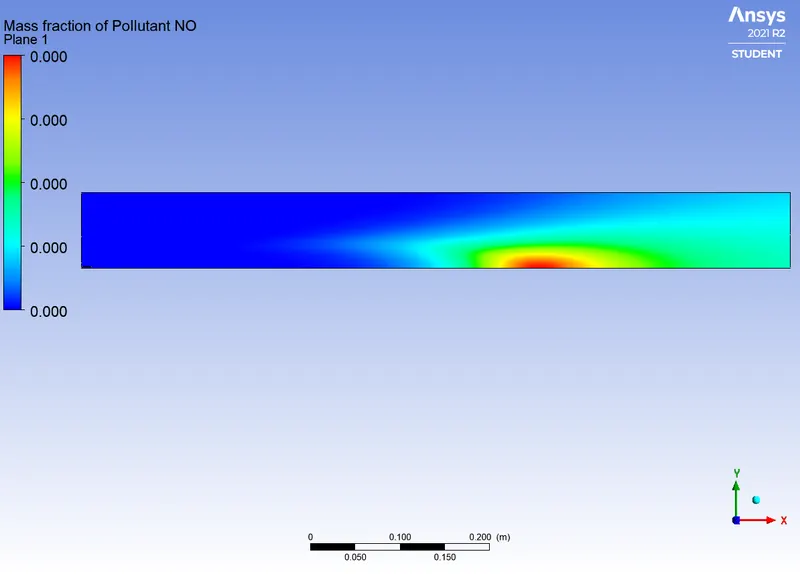 |
 |
| O2 | 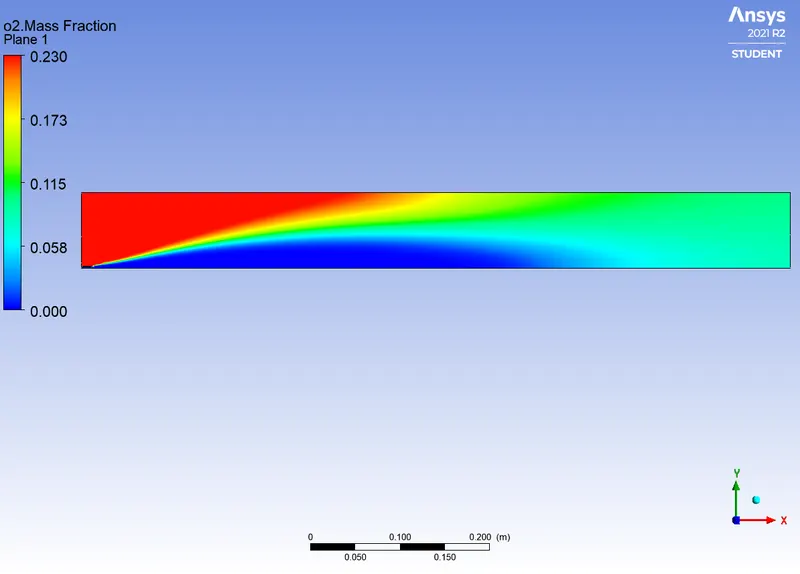 |
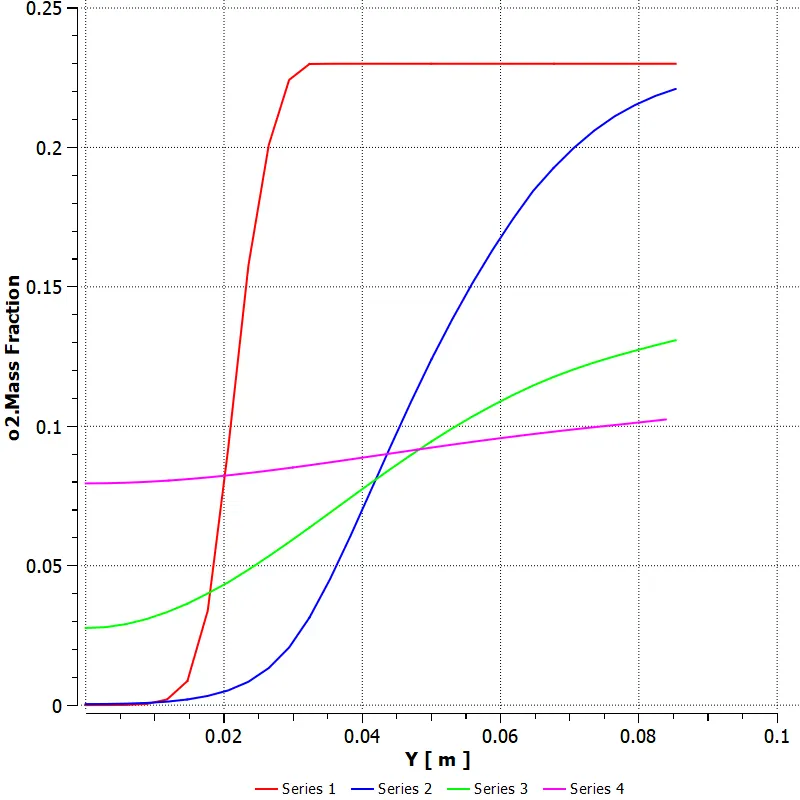 |
| Soot | 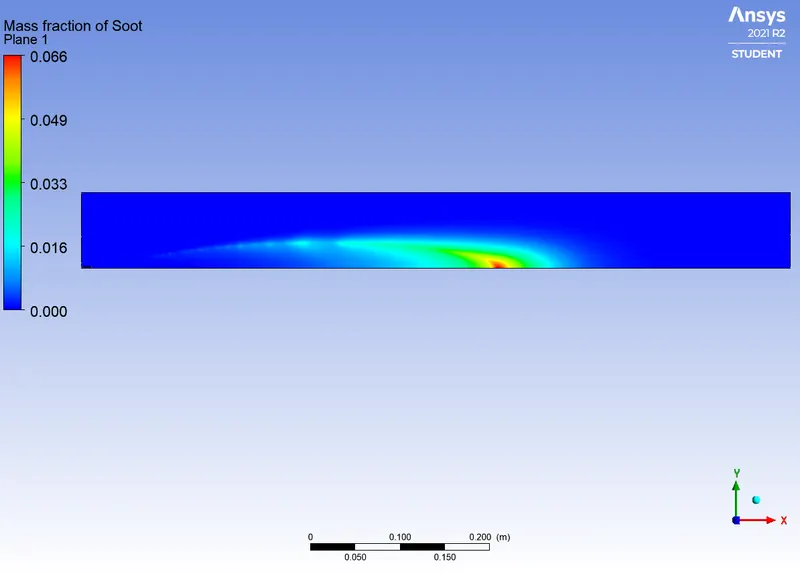 |
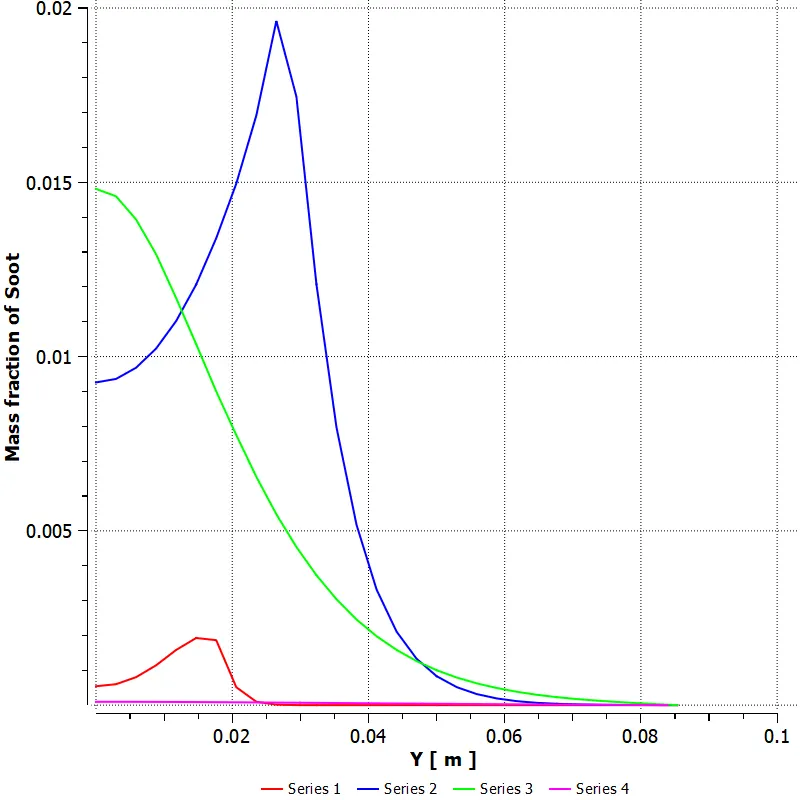 |
CASE 2 :
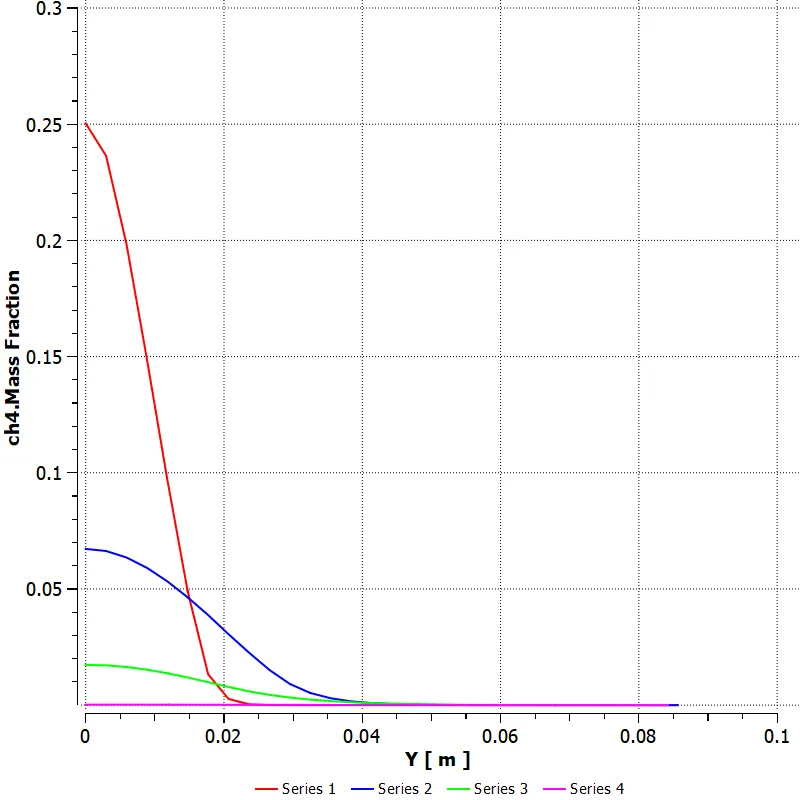
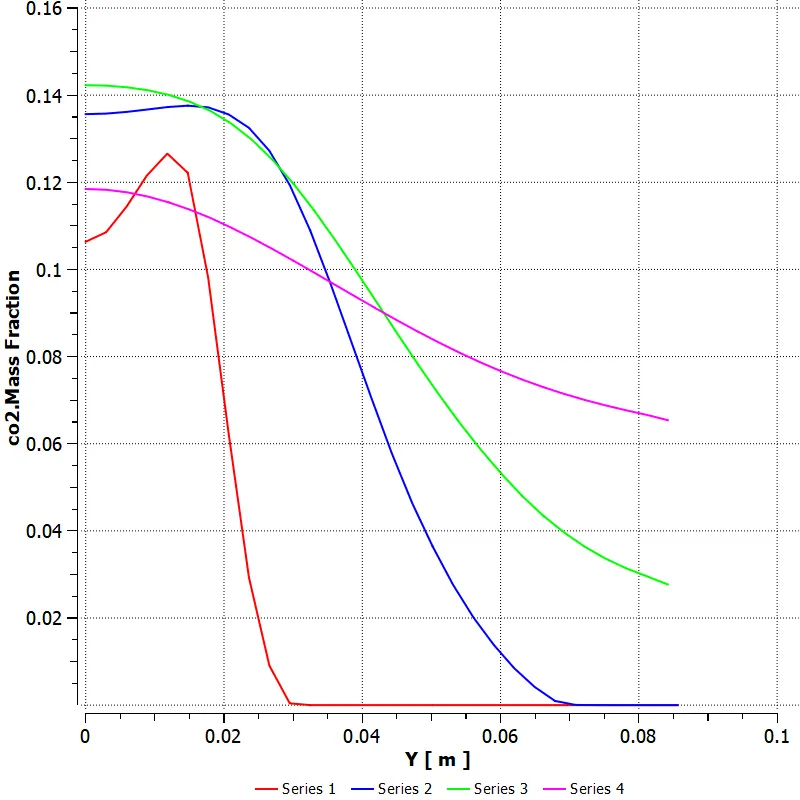
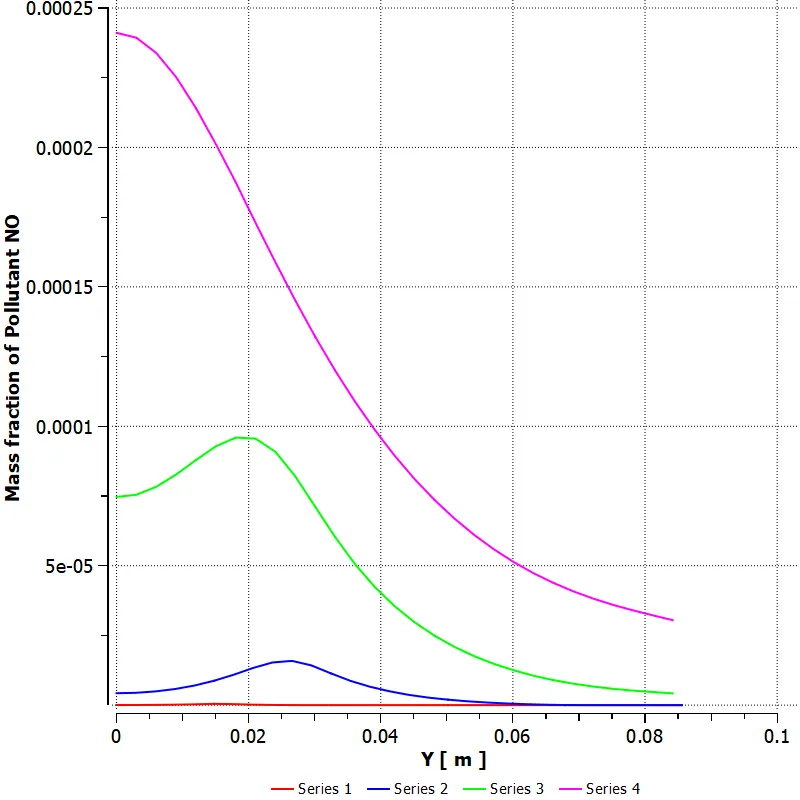
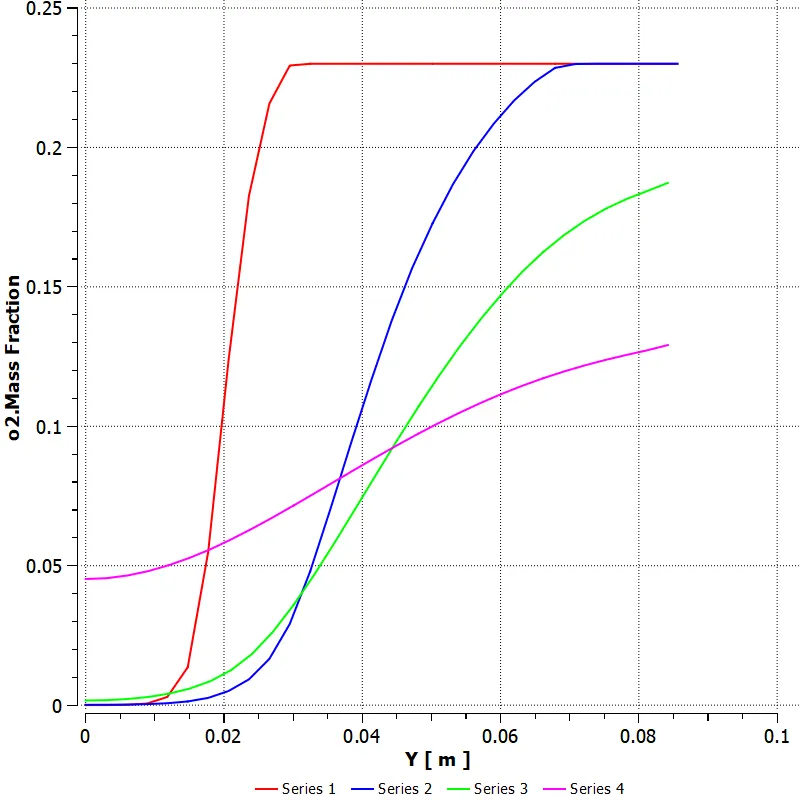
For this case parametrization was done, where, the Water content and the CH4 content was ainput parameter and the mass-fraction of NOx and Soot was output parameter.
 |
The results are as follows.
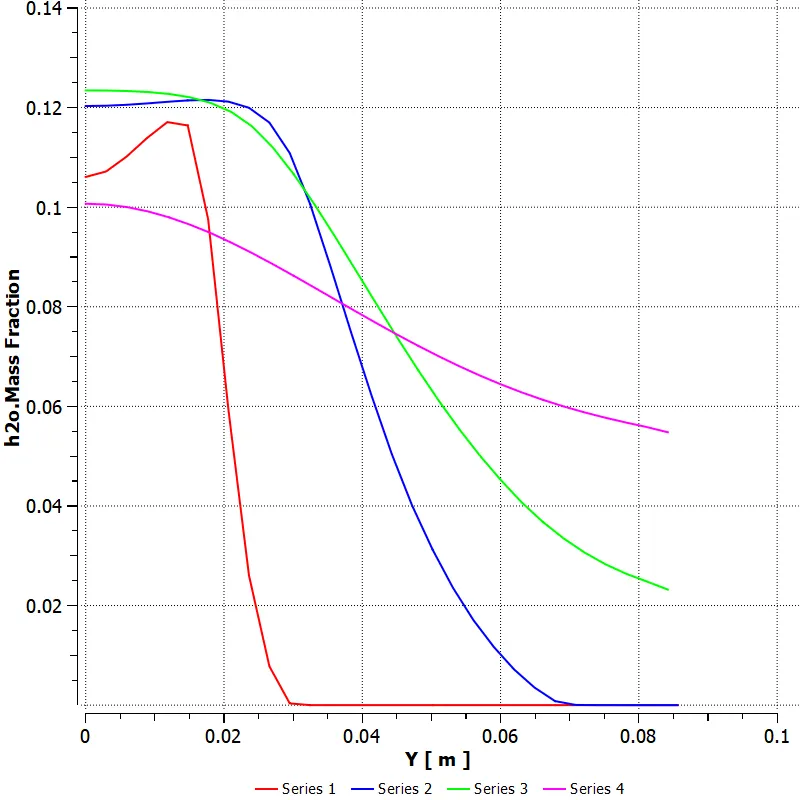
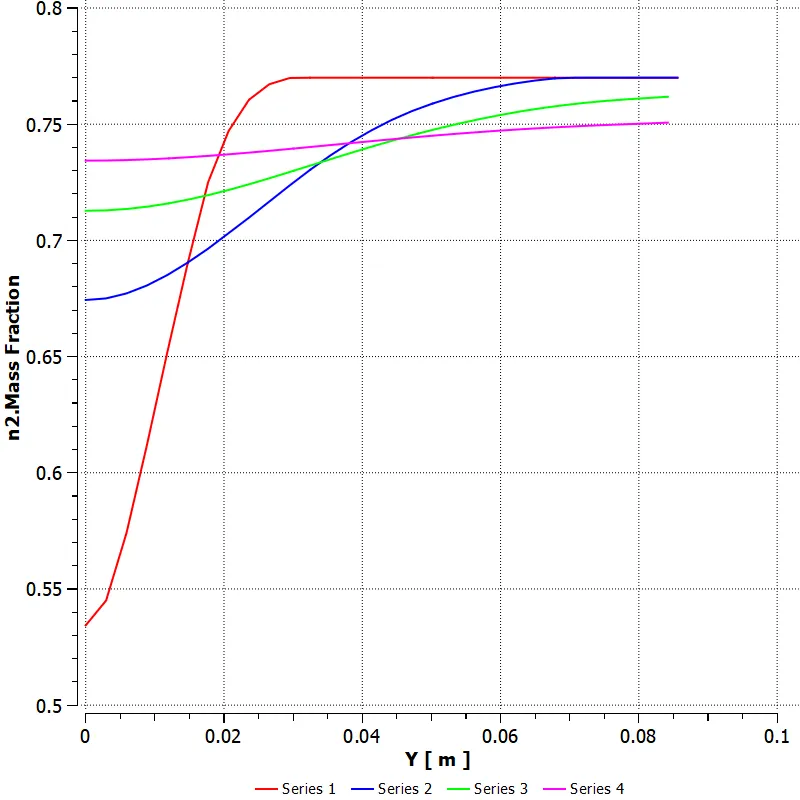
For 5% Water
| Contours | Plots | |
| CH4 | 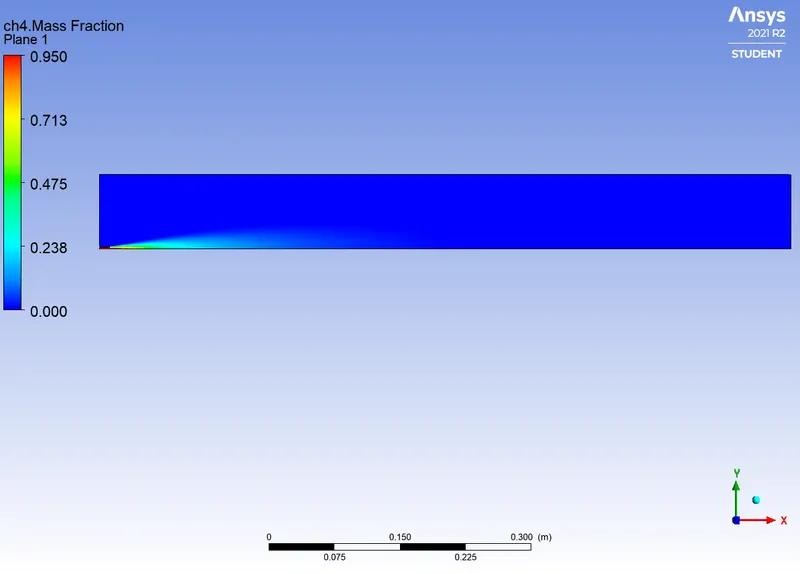 |
 |
| CO2 | 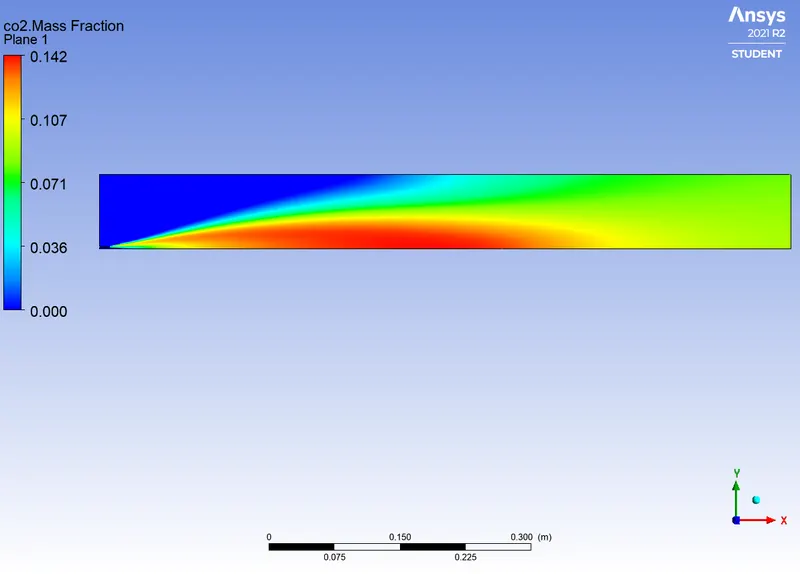 |
 |
| H2O | 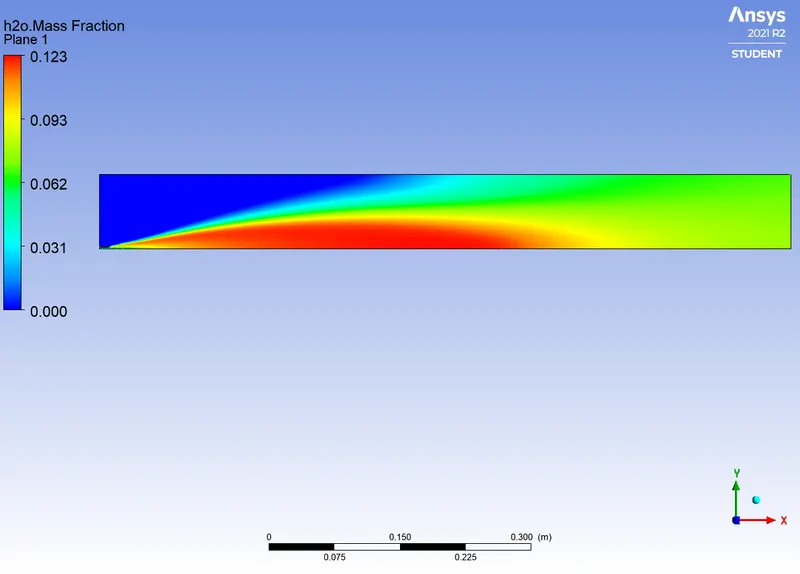 |
 |
| N2 | 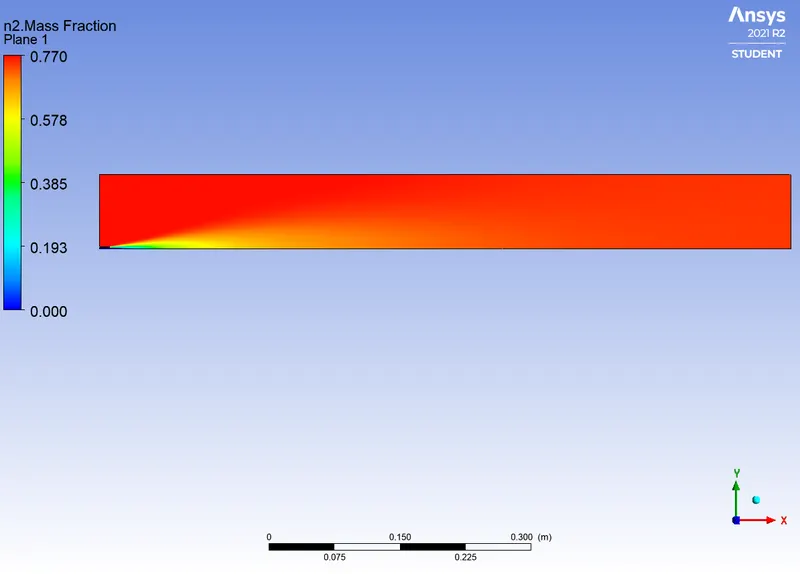 |
 |
| NOx | 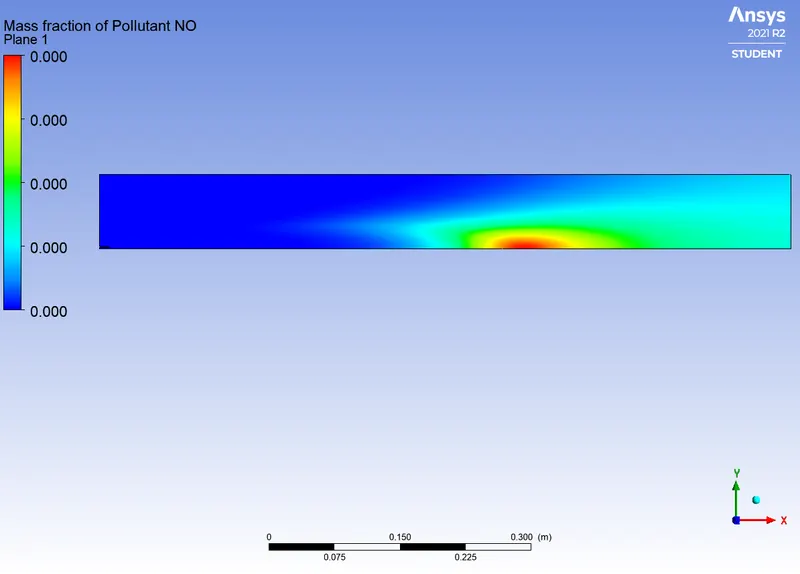 |
 |
| O2 | 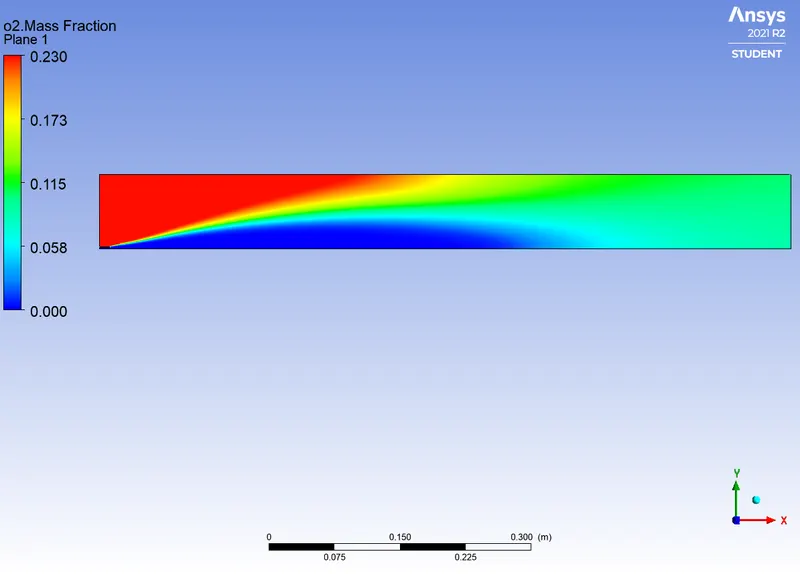 |
 |
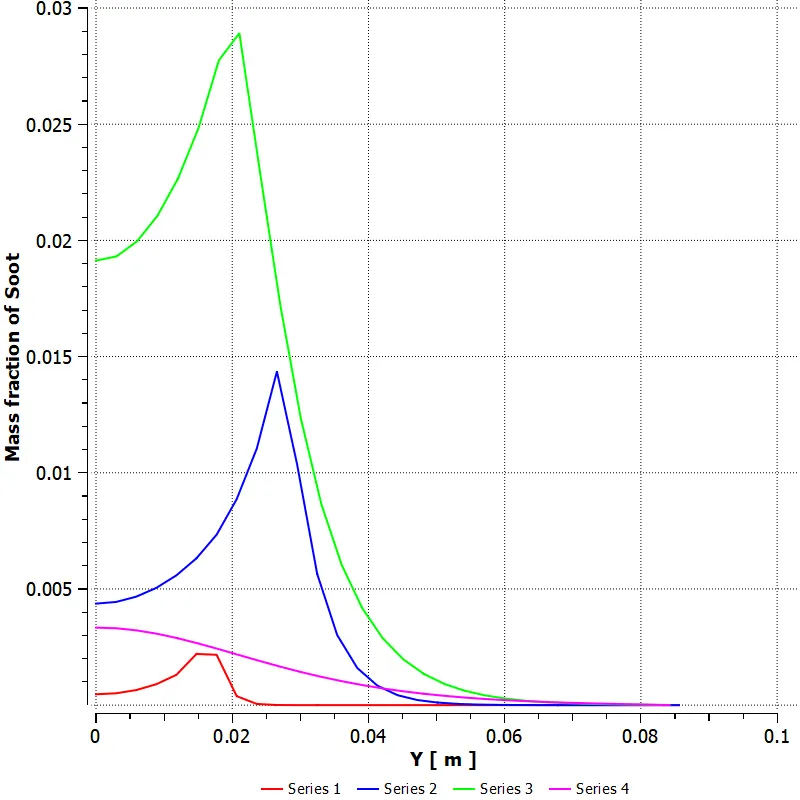
| Soot | 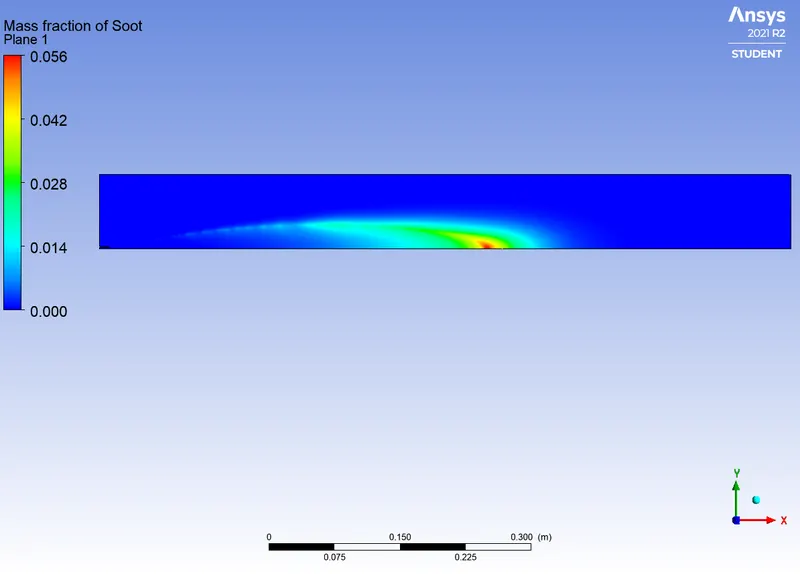 |
 |
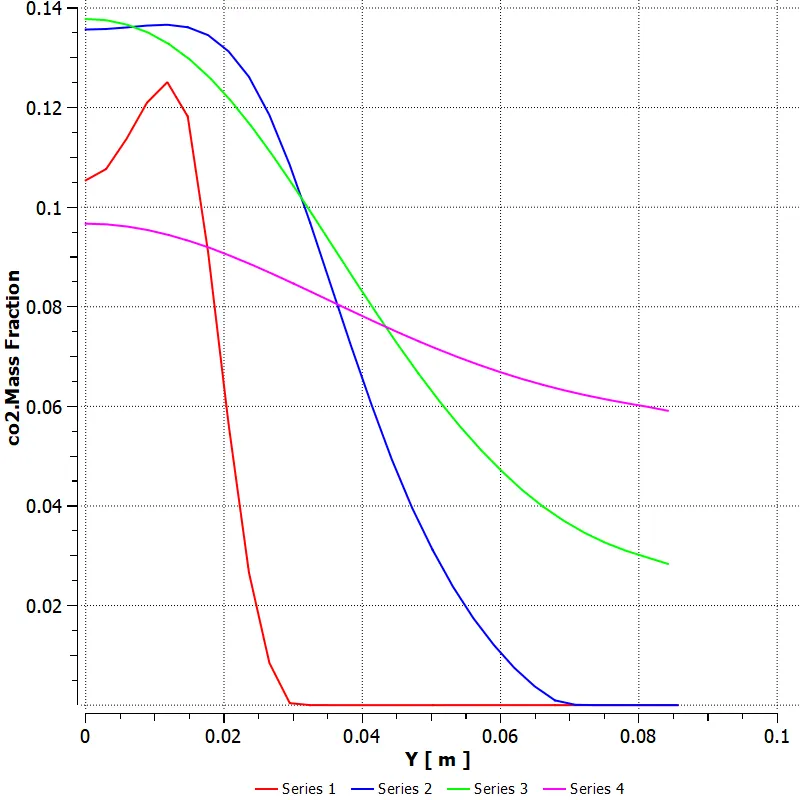
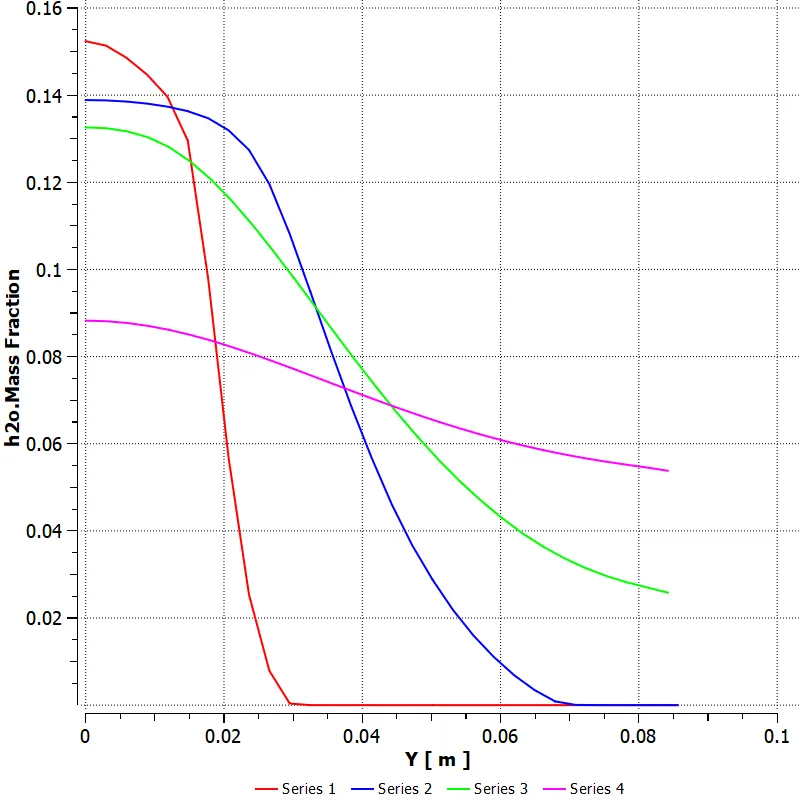
For 20% Water
| Contours | Plot | |
| CH4 | 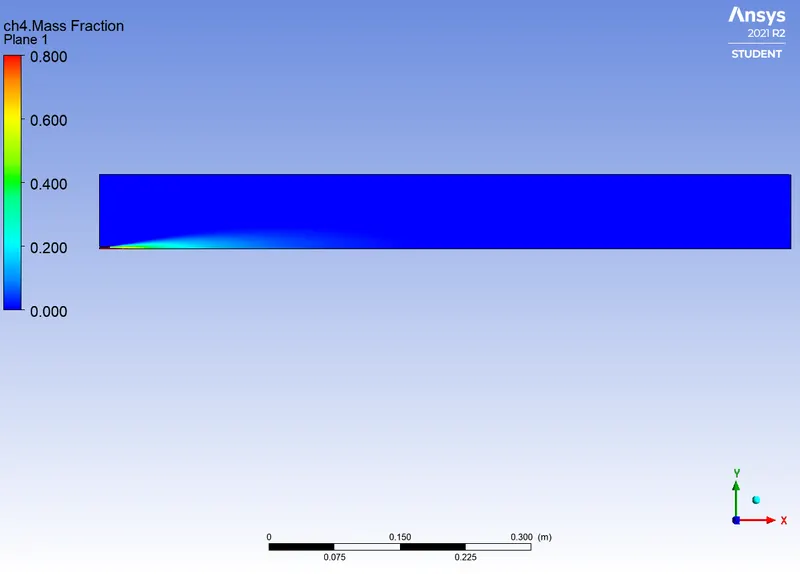 |
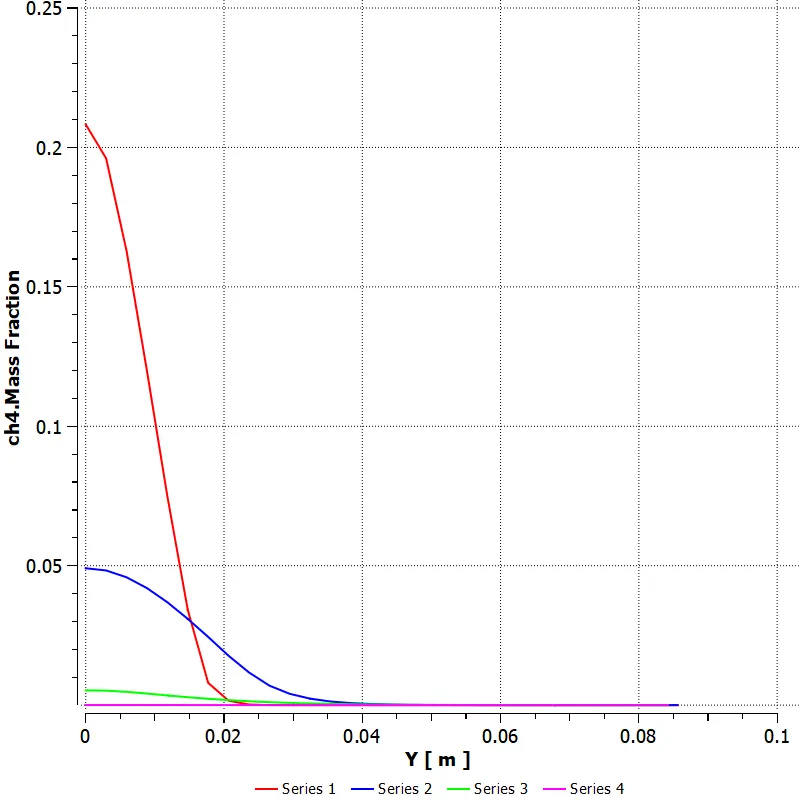 |
| CO2 | 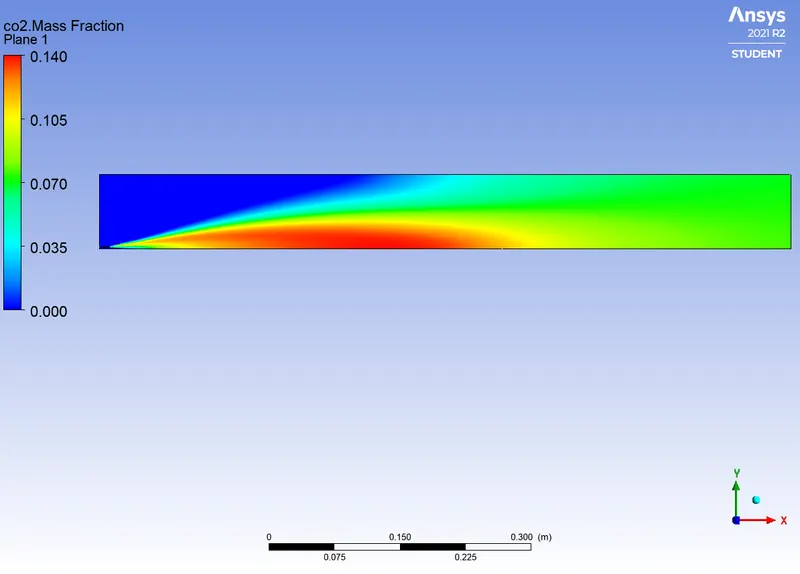 |
 |
| H2O | 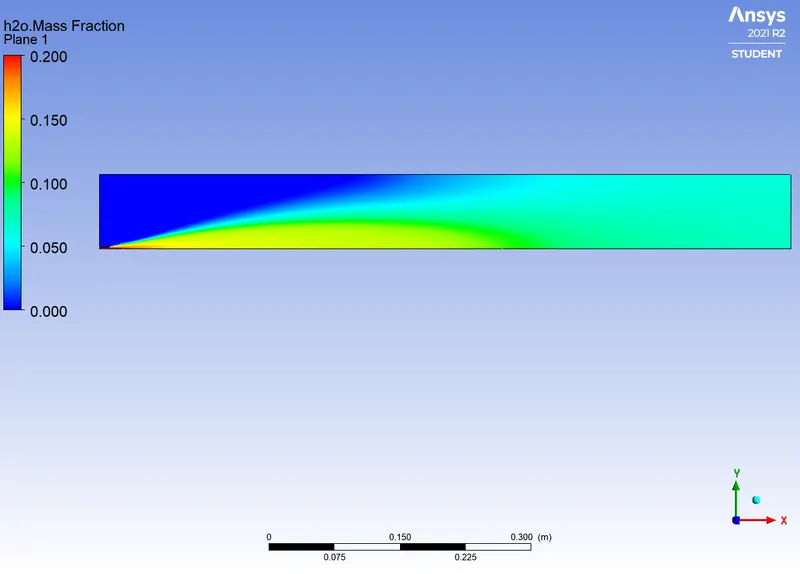 |
 |
| N2 | 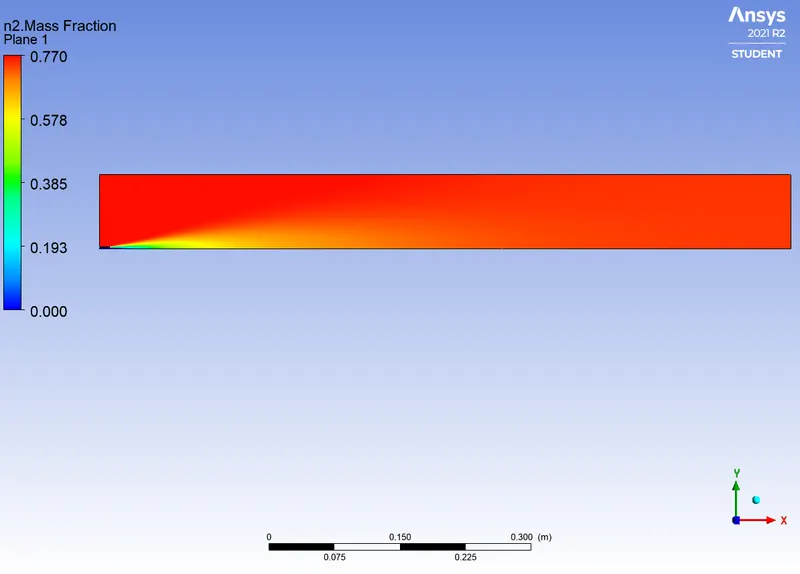 |
 |
| NOx | 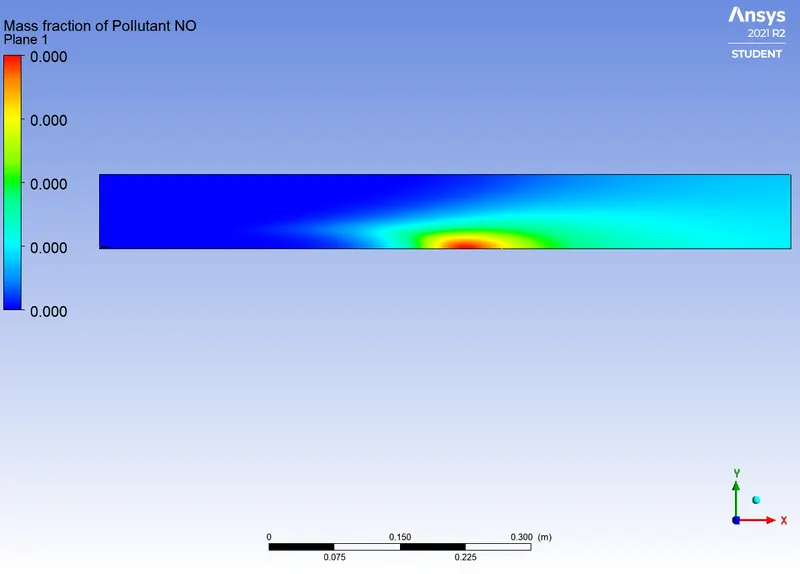 |
 |
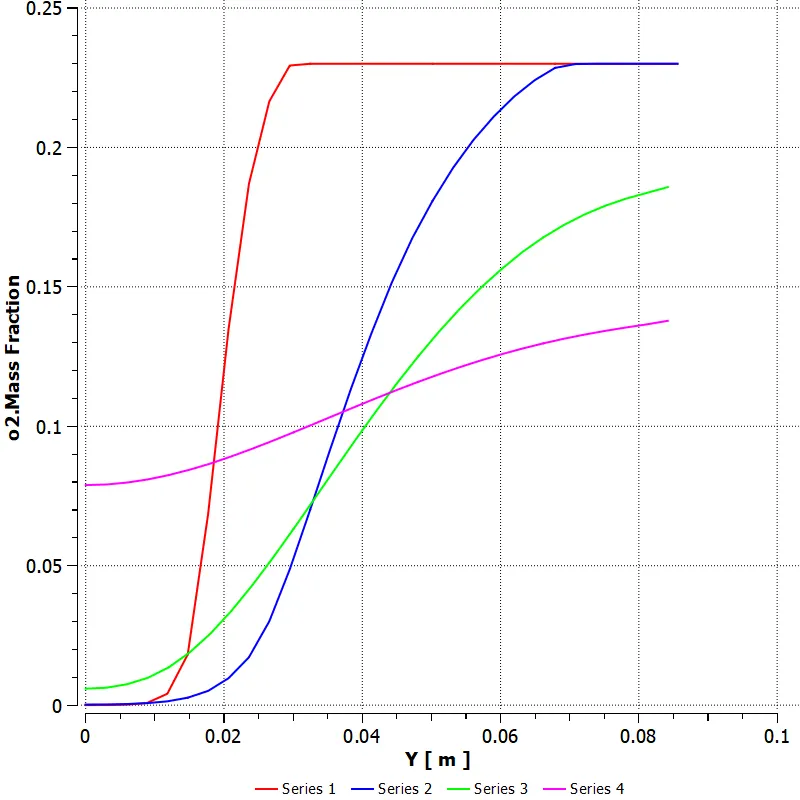
| O2 | 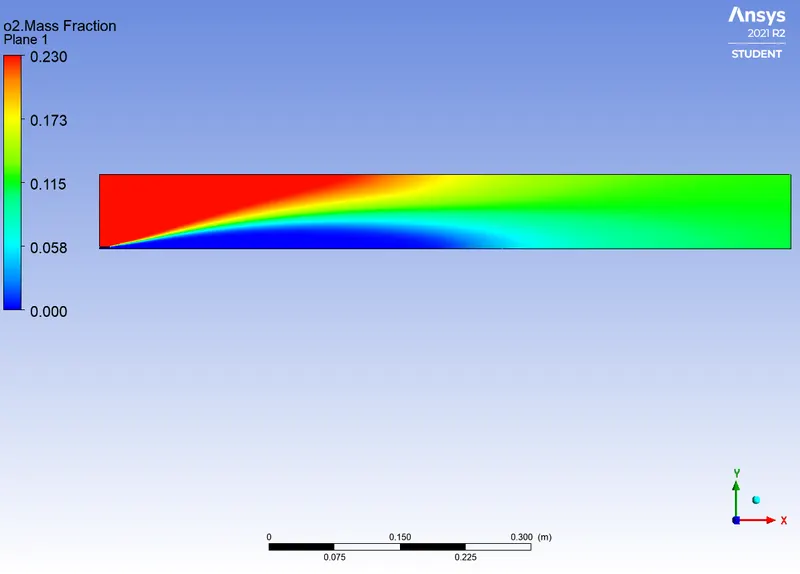 |
 |
| Soot | 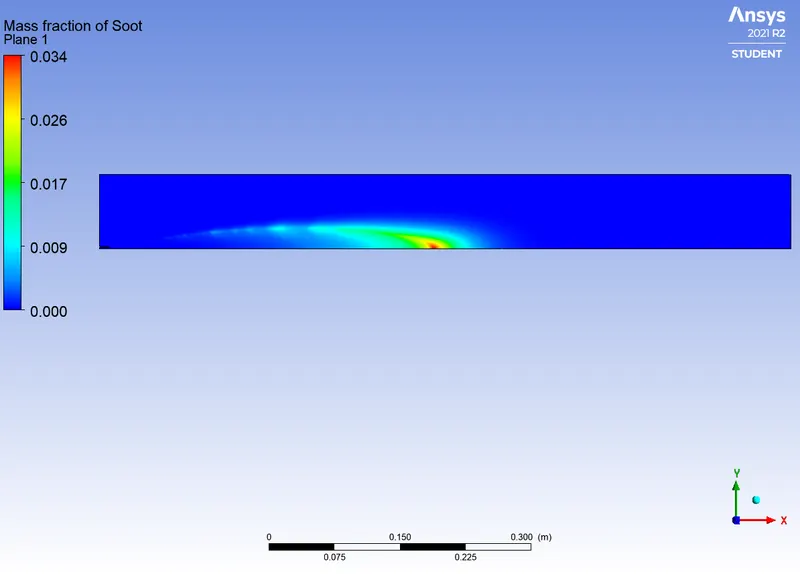 |
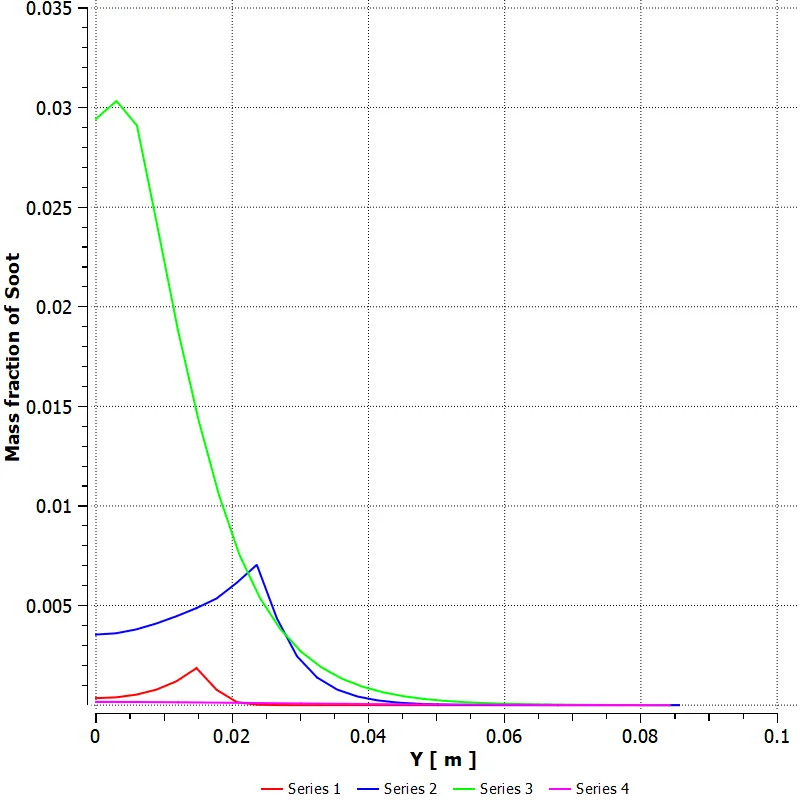 |
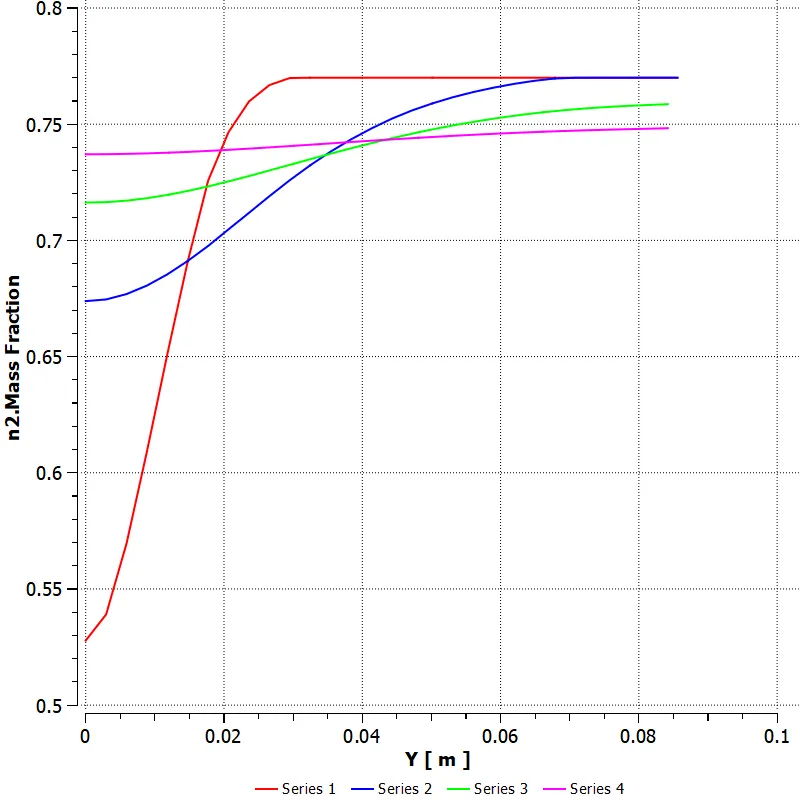
For 30% water.
| Contour | Plots | |
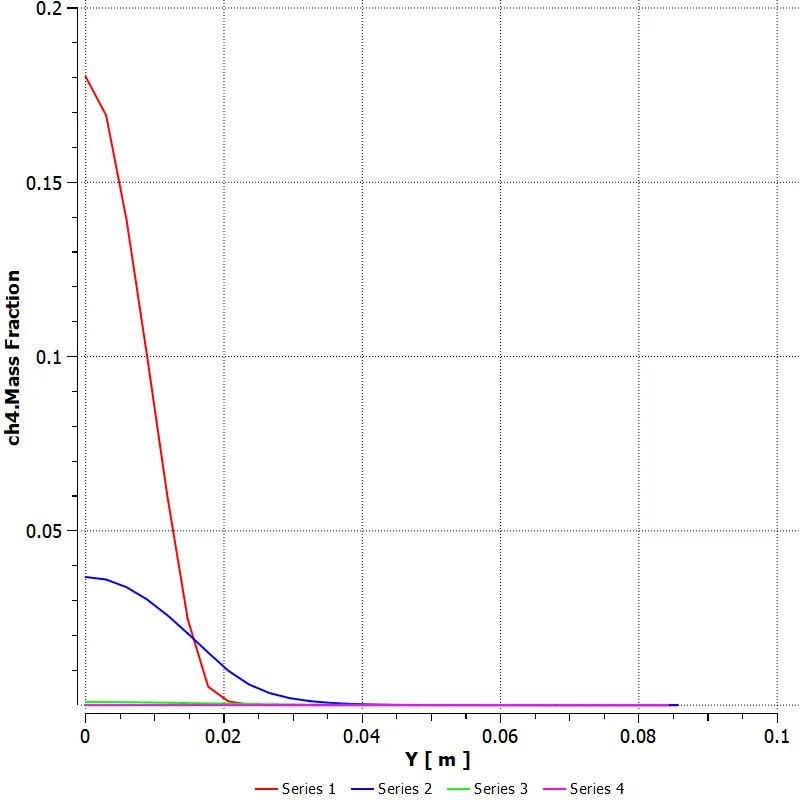
| CH4 | 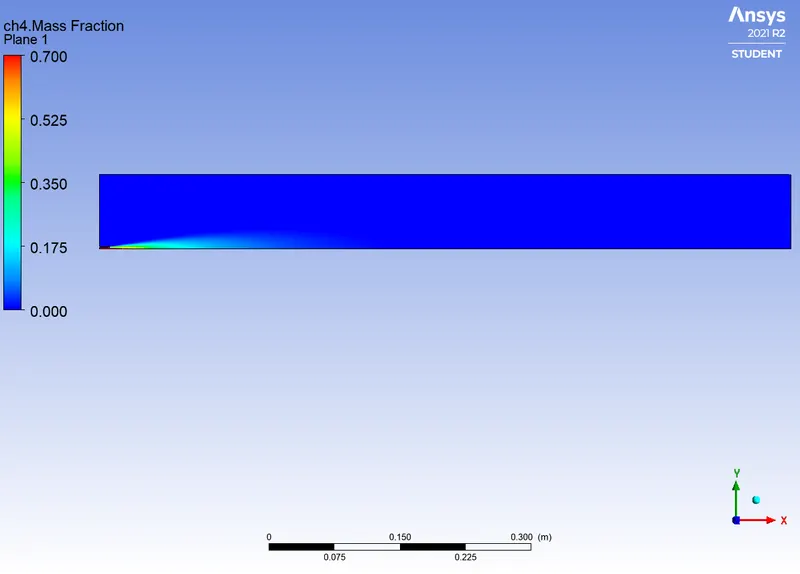 |
 |
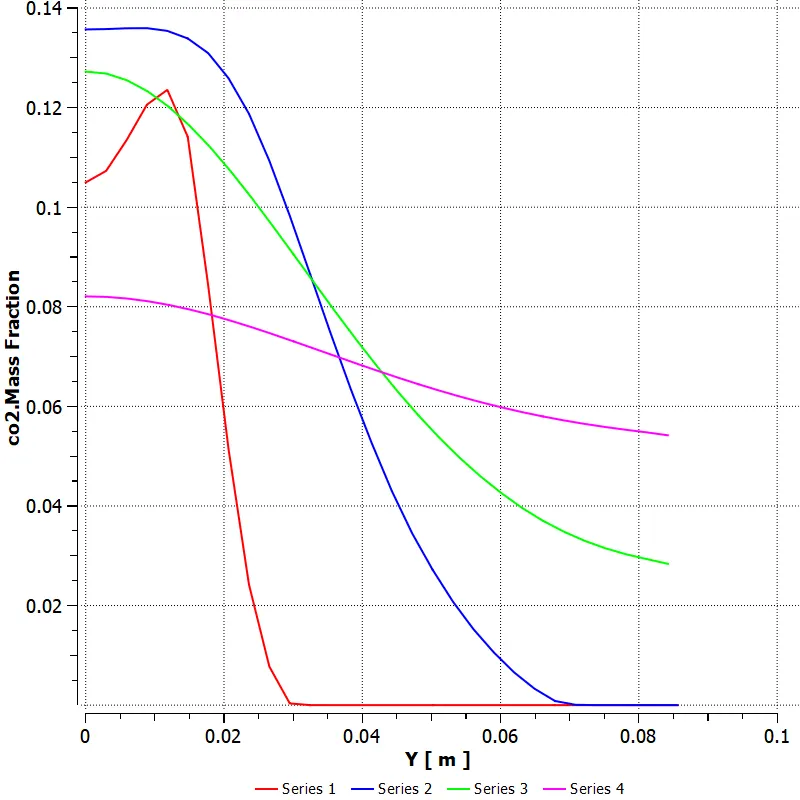
| CO2 | 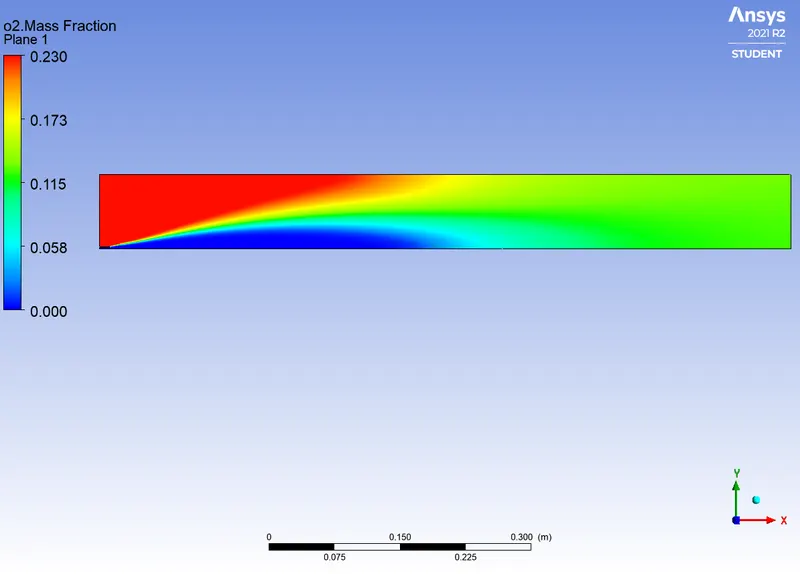 |
 |
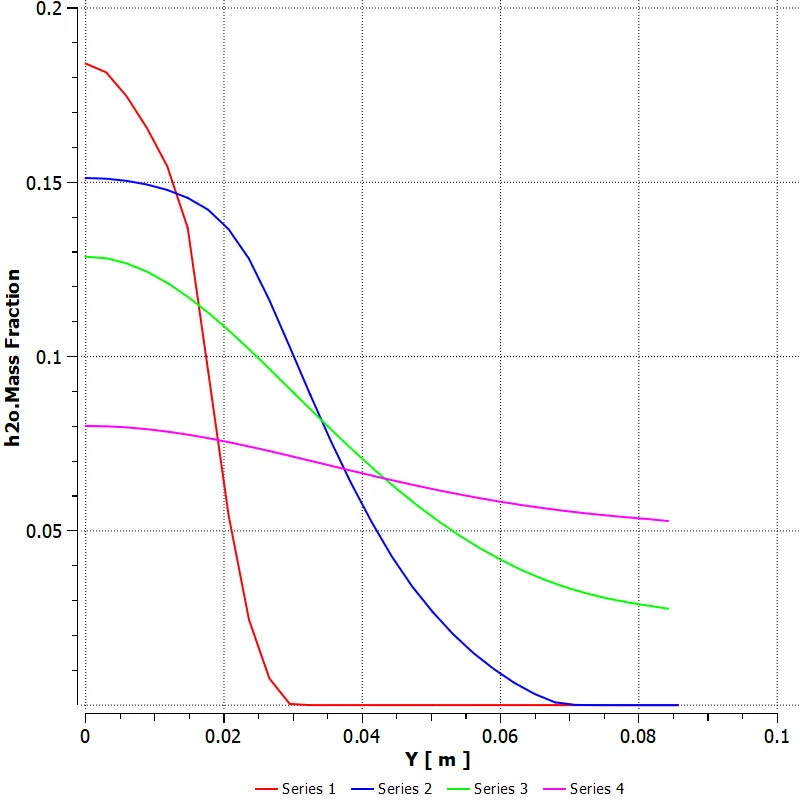
| H2O | 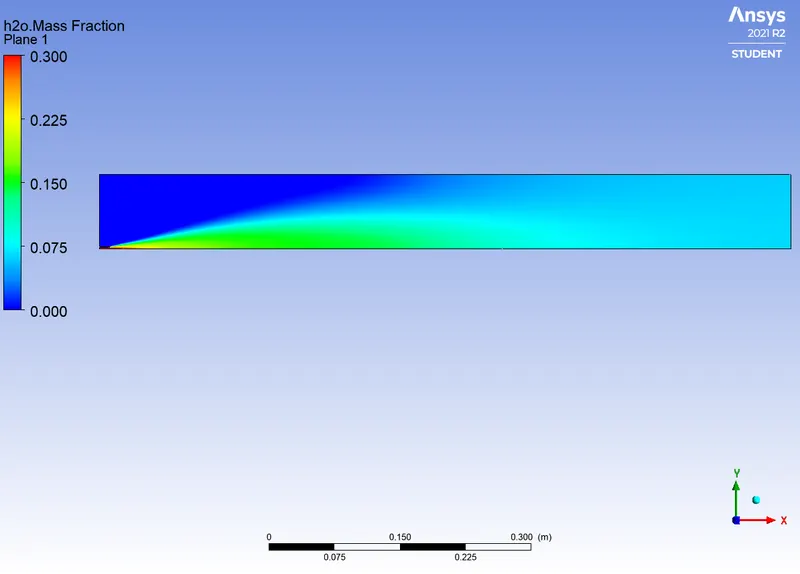 |
 |
| N2 | 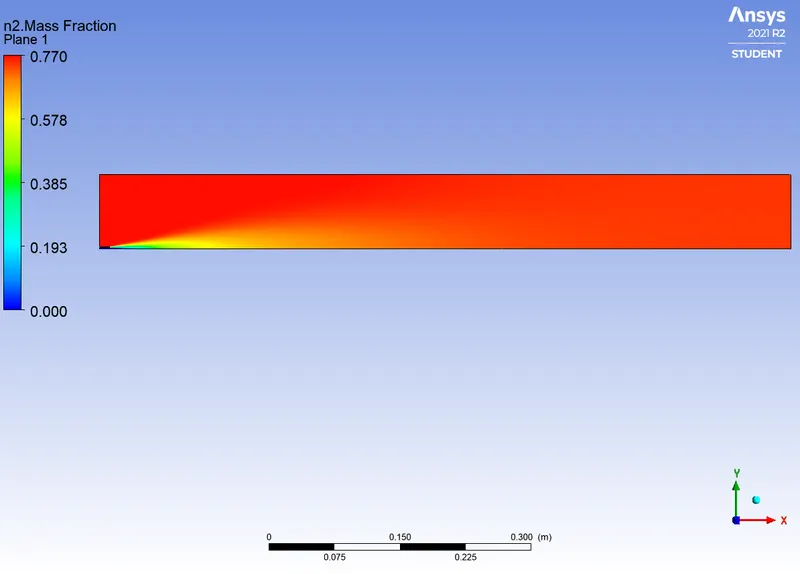 |
 |
| NOx | 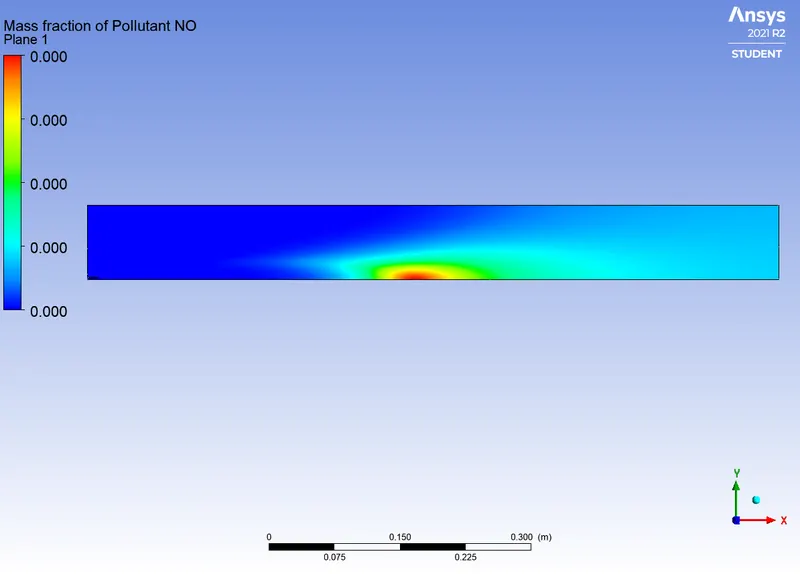 |
 |
| O2 | |
 |
| Soot | 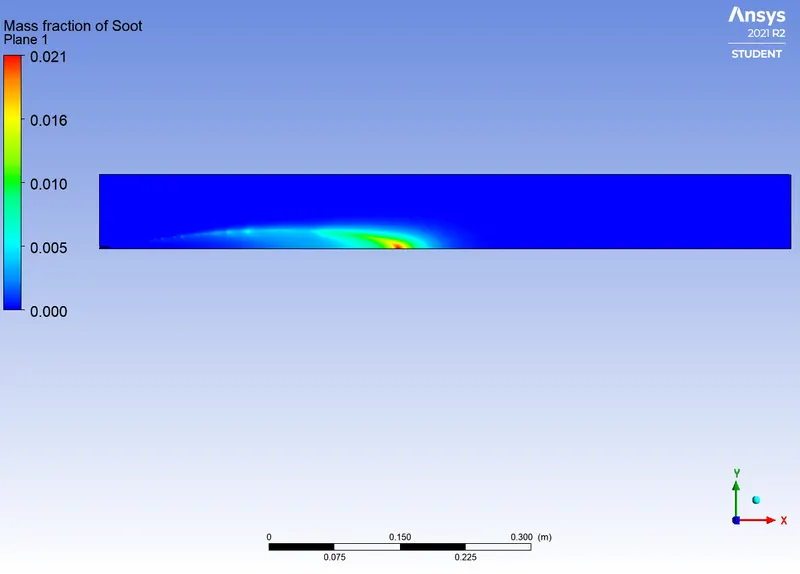 |
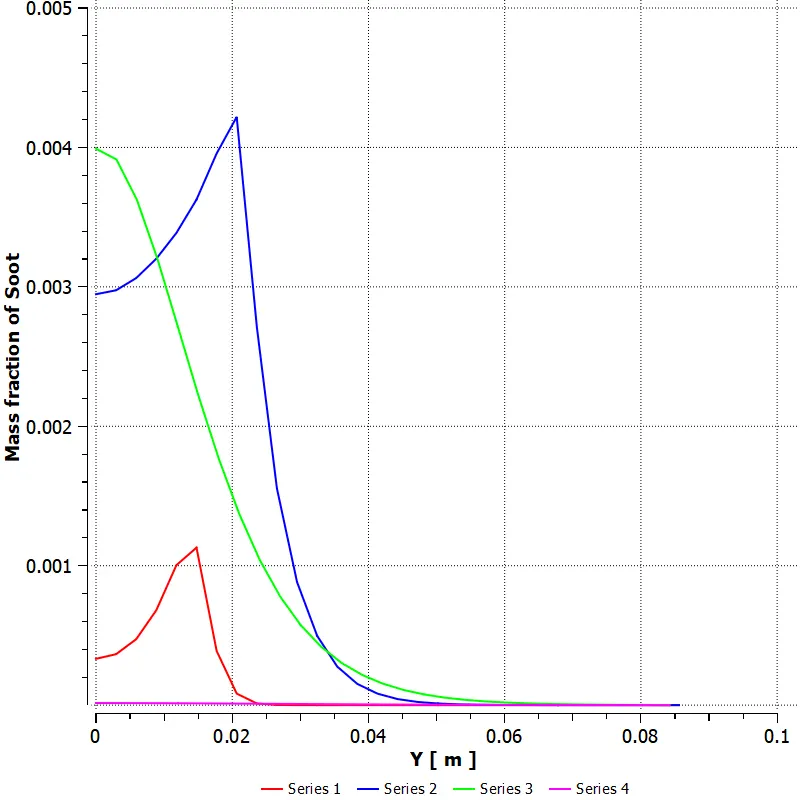 |
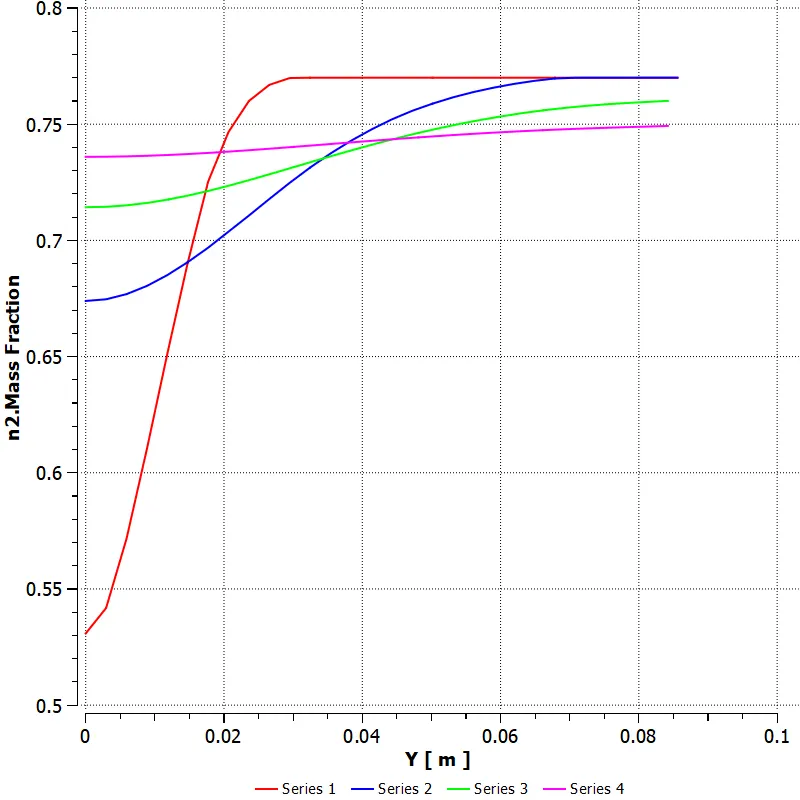
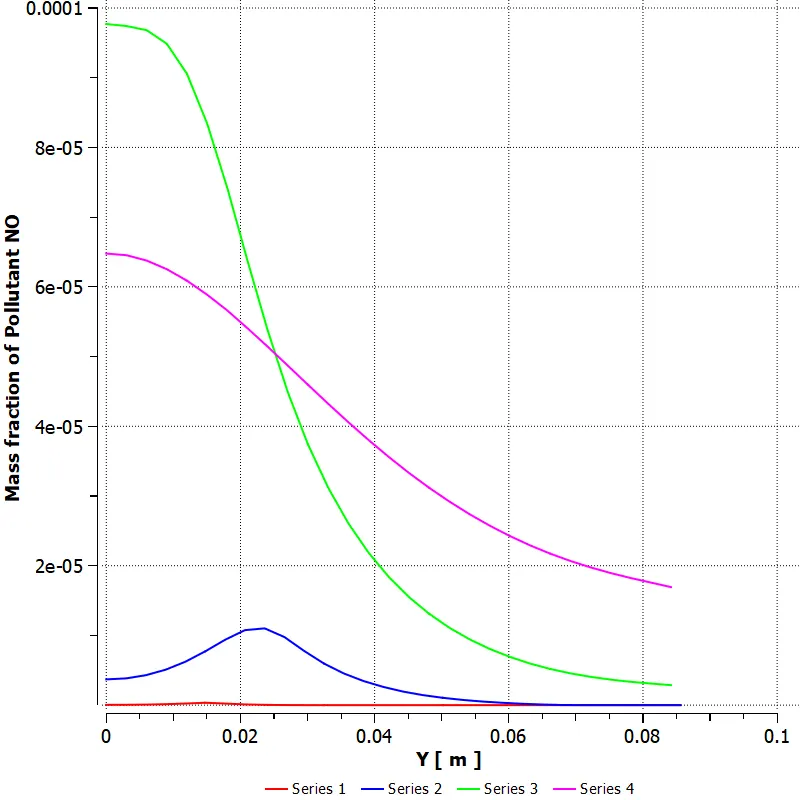
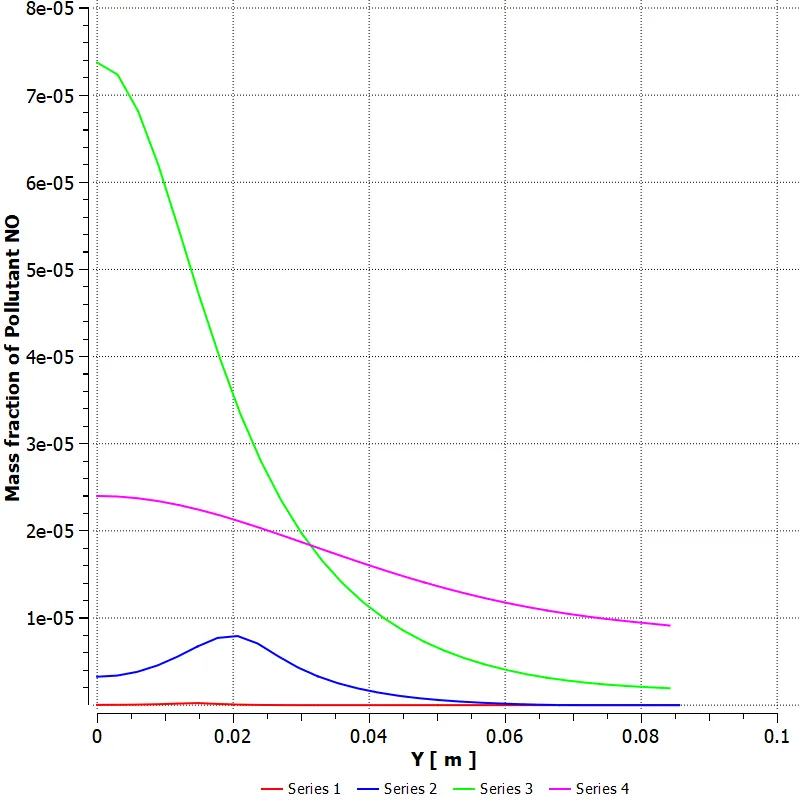
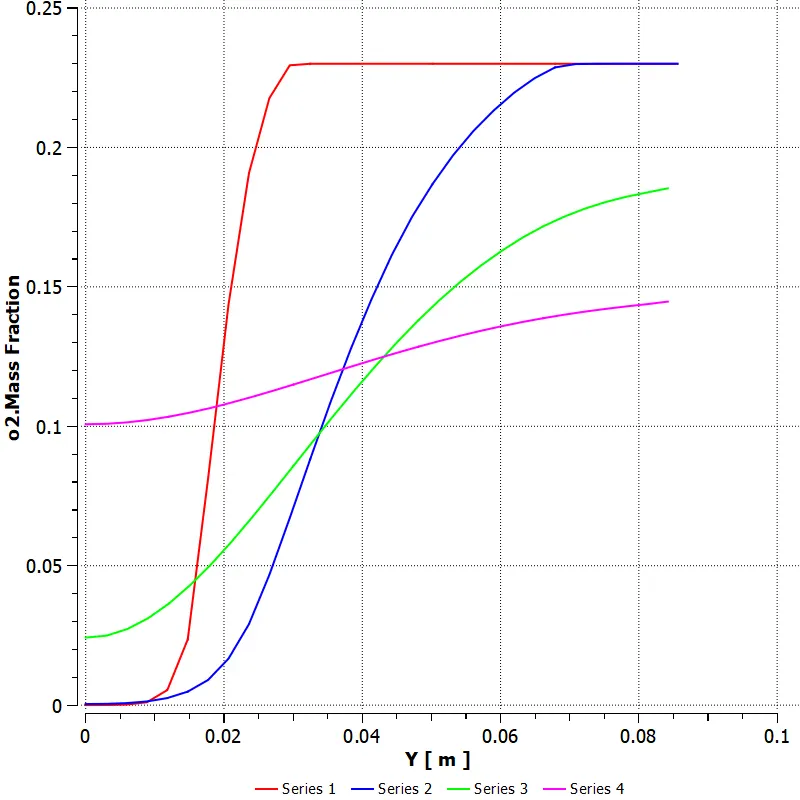
The results show a clear difference between the cases. As the water content increases the residual pollutants increases this is detrimental to the performance of the vehicle as incomplete combustion and less power extraction from the fuel. From this study we can observe this effect and validate the presence of pollutants.