Week 10 - Simulating Combustion of Natural Gas.
AIM: To perform a combustion simulation on the given combustor model and to observe the variation of mass fraction of different species in the simulation.
OBJECTIVE:
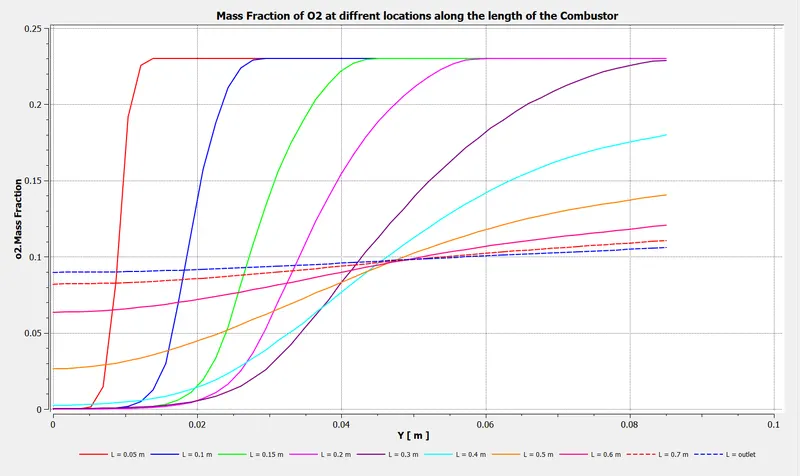
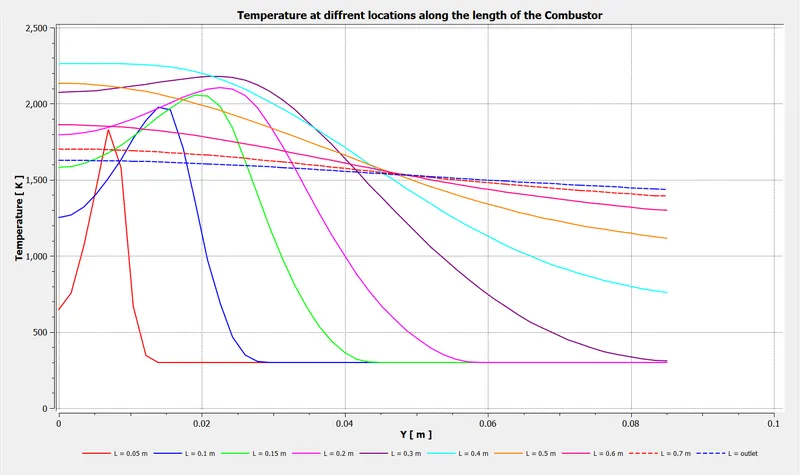
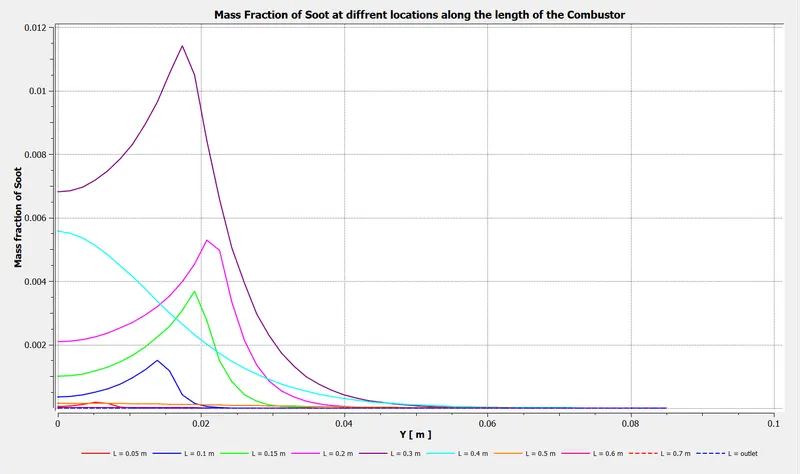
- Perform a combustion simulation on the combustor model and plot the variation of the mass fraction of the different species in the simulation using line probes at different locations of the combustor.
- Plot for CO2, H2O, CH4, N2, O2, NOx emissions & Soot formation.
- Add the water content in the fuel from 5% to 30% and observe the effect of it on the results.
- Provide necessary line plots and contours of the simulation results.
THEORY:
Combustion is a chemical process in which a substance reacts rapidly with oxygen and gives off heat. The original substance is called the fuel, and the source of oxygen is called the oxidizer. The fuel can be solid, liquid, or gas, although for airplane propulsion the fuel is usually a liquid.
Combustion requires three things to occur: fuel (hydrocarbons), oxygen (from the air), and a catalytic spark. Complete combustion will produce only carbon dioxide and water as the products and nothing will be leftover. Incomplete combustion will produce other byproducts like carbon monoxide or carbon soot left behind.
Examples of these combustion sources include steam/electric generating plants, industrial boilers, steel mills, and commercial and domestic combustion units. Coal, fuel oil, and natural gas are the major fossil fuels used by these sources.
Natural Gas Combustion
Natural gas is one of the major combustion fuels used throughout the country. It is mainly used to generate industrial and utility electric power, produce industrial process steam, and heat residential and commercial space. Natural gas consists of a high percentage of methane (generally above 85 percent) and varying amounts of ethane, propane, butane, and inerts (typically nitrogen, carbon dioxide, and helium).
The emissions from natural gas include nitrogen oxide (NOx), carbon monoxide (CO), and carbon dioxide (CO2), methane (CH4), nitrous oxide (N2O), volatile organic compounds (VOCs), trace amounts of sulfur dioxide (SO2), and particulate matter (PM).
In this project, the formation of pollutants from NOx emission which mainly consists of NO, NO2, N2O, and Soot formation which is a mass of impure carbon particles is simulated and the variation of mass fraction of pollutants from NOx emission and Soot formation with the addition of water into the fuel is studied.
SOLUTION:
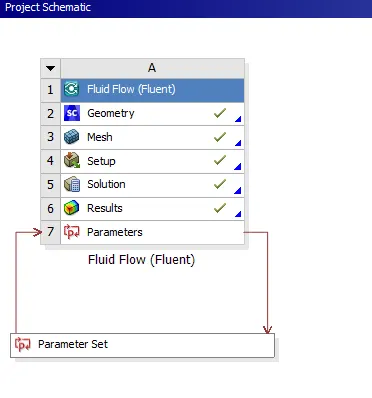
In this project, two different cases are studied, case 1 is focused on the fraction of species in combustion, and case 2 is focused on the effect of water with fuel as inlet, on NOx emissions, and on Soot formation.
Steps involved for solving the problem:
Geometry:
- Imported the 3D geometry into the Spaceclaim.
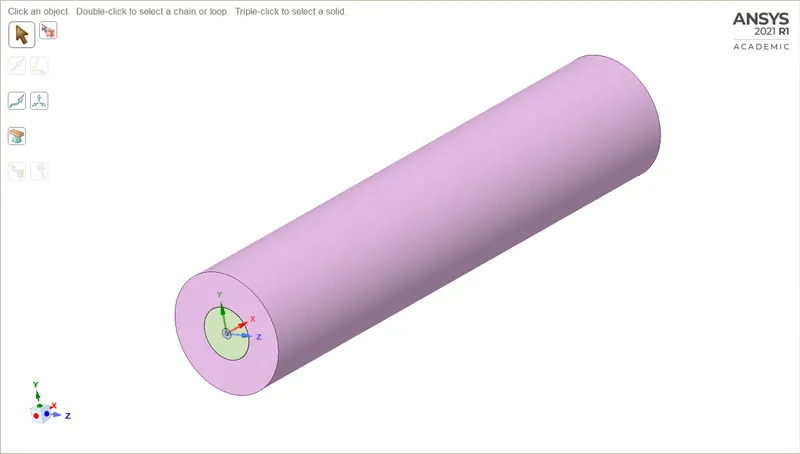
- The above image shows the combustor model which we need to simulate, but since we have an academic limitation, as if we simulate the entire geometry, this will be more time-consuming and expensive so we would not able to simulate the above 3D combustor model.
- In order to simulate the above combustor model, we need to split the body and convert the above combustor model into the 2D plane. We need to assume that the flow is axisymmetric.
- Now first a single component is created from the three components for that used combine tool in the design tab.
- Now three planes are created by clicking at the origin using the create plane tool.
- Now we used the split body tool to cut this body in half along the XY plane and remove the part on the front. The split body is used once again to cut the bottom half of the body along the XZ plane and remove the bottom half component.
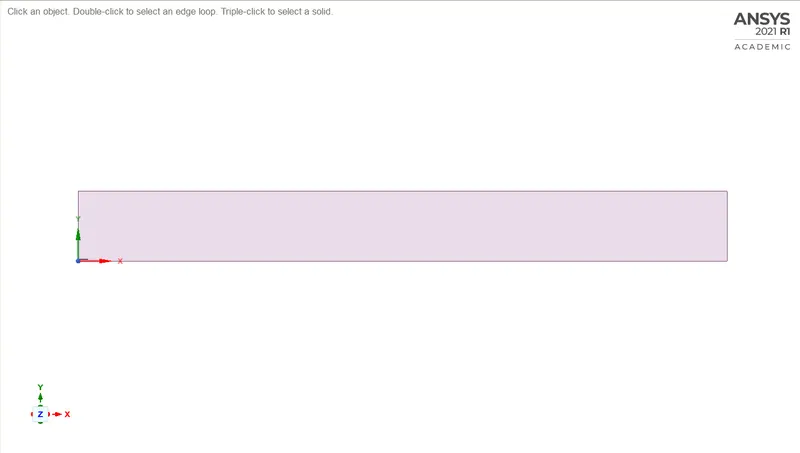
- Now the face on the XY plane is selected and copied, as that face is the desired 2D geometry so pasted in the new design.
- Required 2D geometry is shown below.
Mesh:
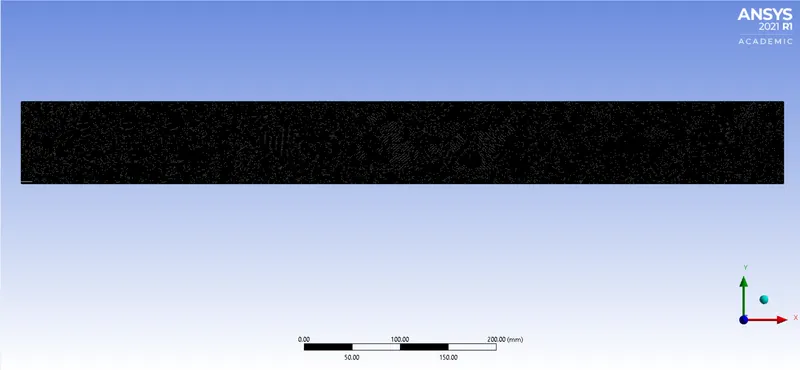
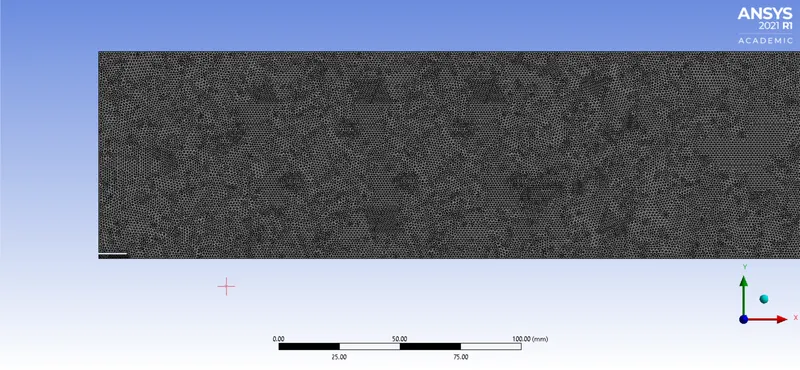
- Now generated the mesh.
- Generated mesh is shown below.
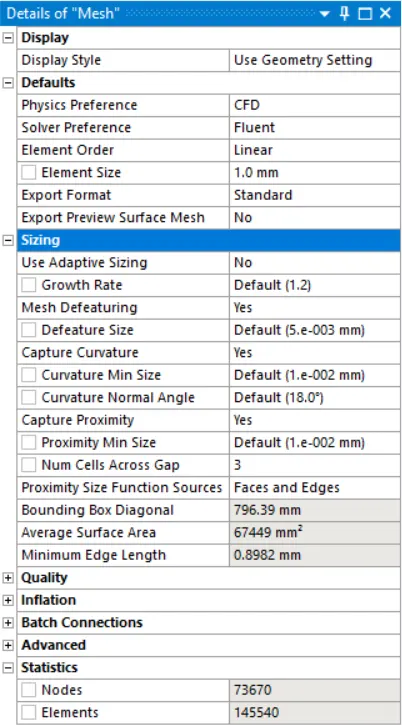
Details of the Mesh
Named Selections:
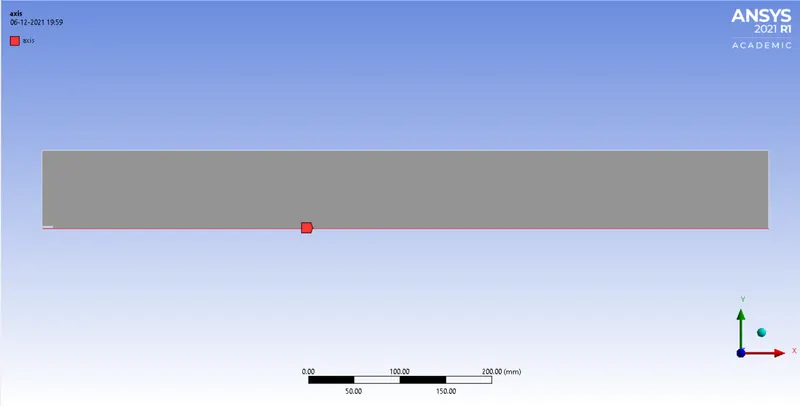
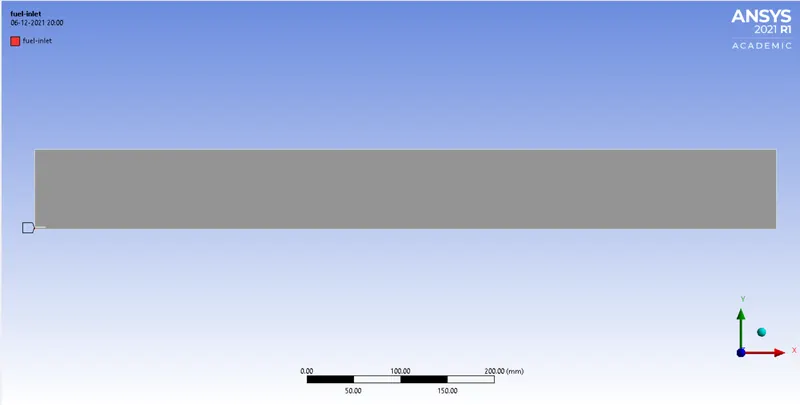
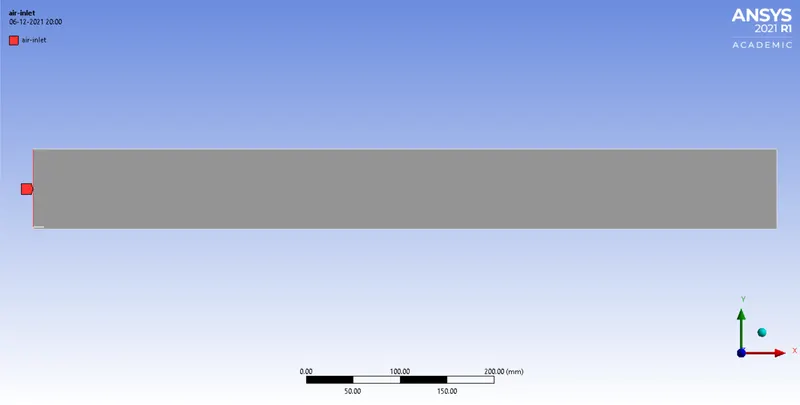
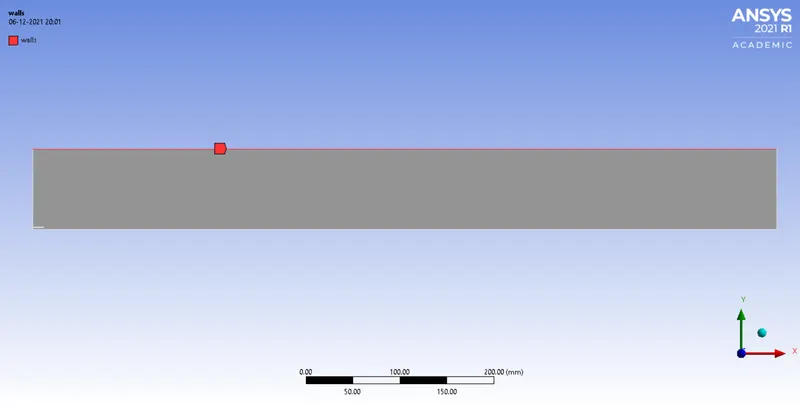
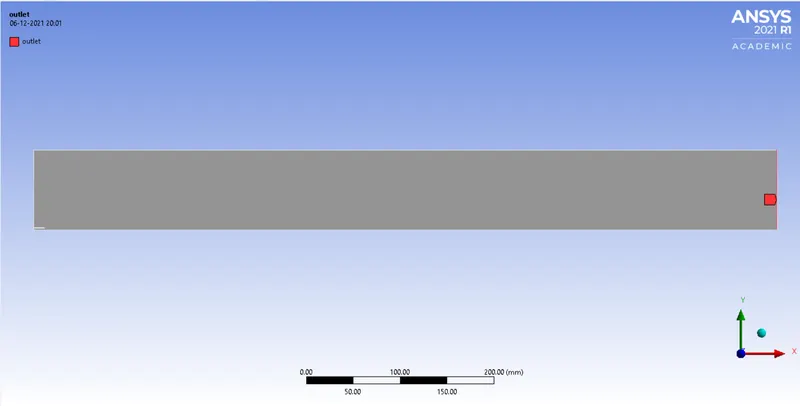
- Added named selection to all the parts as shown below.
Axis
Fuel inlet
Air inlet
Walls
Outlet
Setup:
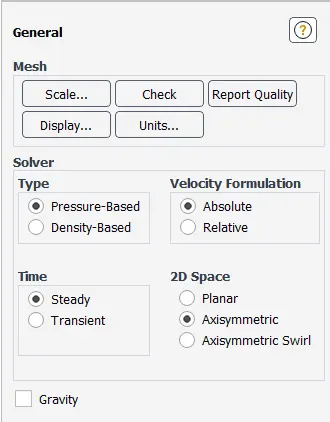
- In a general setting, the pressure-based solver with steady time is used, the 2D Space is set to axisymmetric.
- Turned on the Energy.

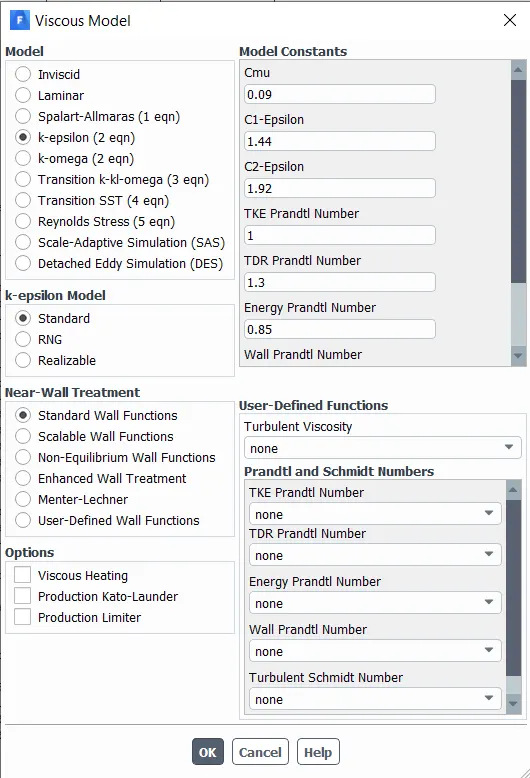
- Selected standard K-epsilon model with standard wall functions.
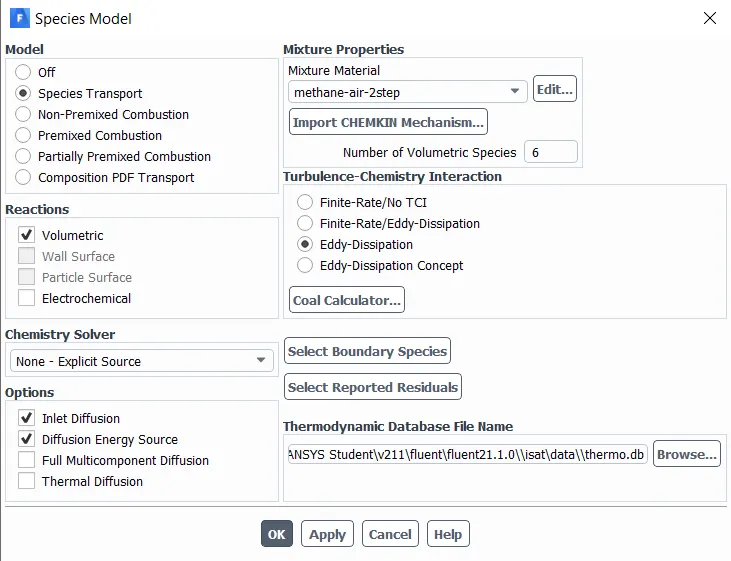
- In the Species Model, turned on the Species Transport with Volumetric Reactions, also turned on the Inlet Diffusion and Diffusion Energy Source Options. In the Mixture Material, selected the methane-air-2step, this will help in adding water with fuel at the inlet. Eddy Dissipation Turbulence-Chemistry Interaction is used.
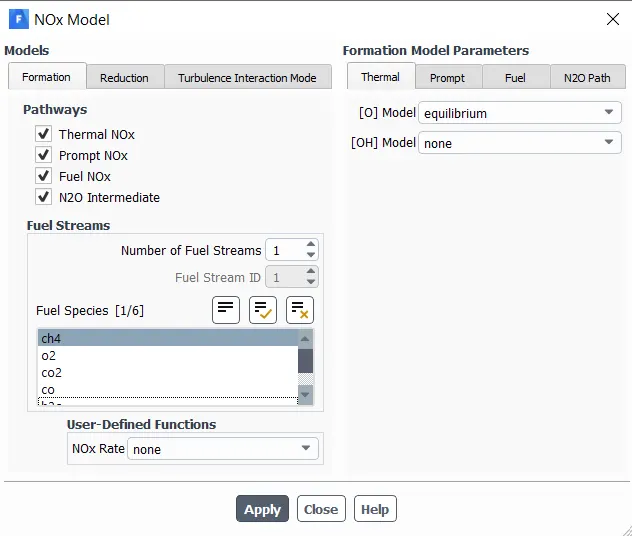
- NOx Model is turned on and selected the CH4 as the Fuel Species.
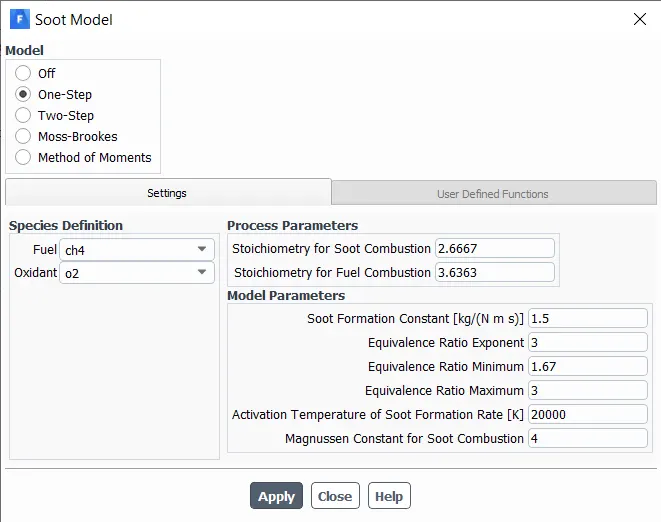
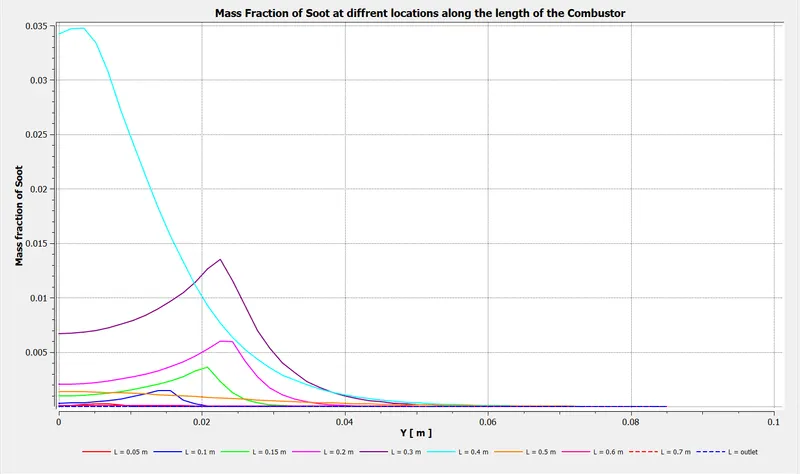
- In the Soot Model, One-Step Model is selected, and for Species Definition CH4 is selected as Fuel, O2 is selected as Oxidant.
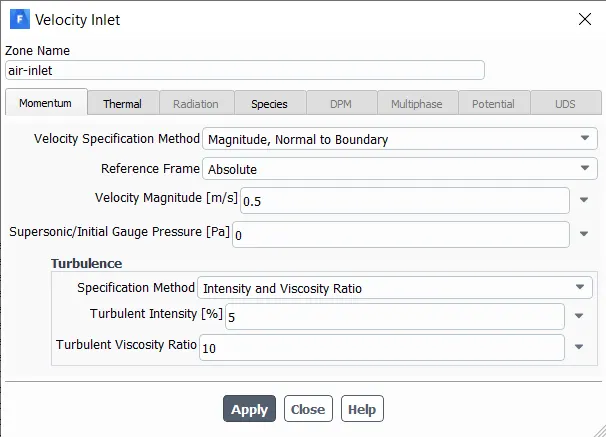
Air-inlet
- Velocity Inlet is set with a Velocity Magnitude of 0.5 m/s.
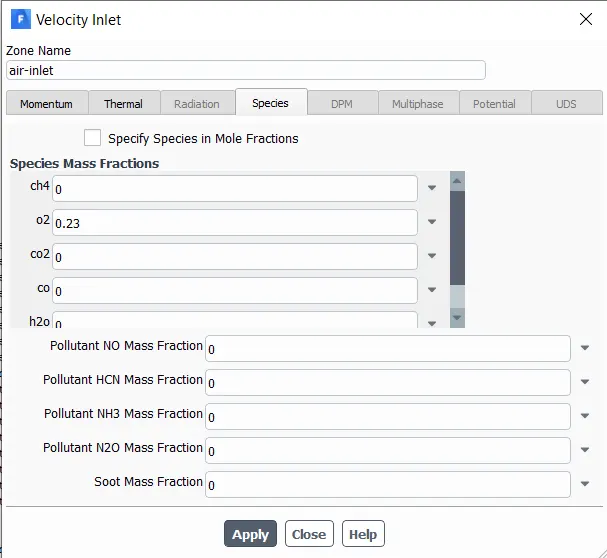
- In the Species tab set the O2 Mass Fraction as 0.23
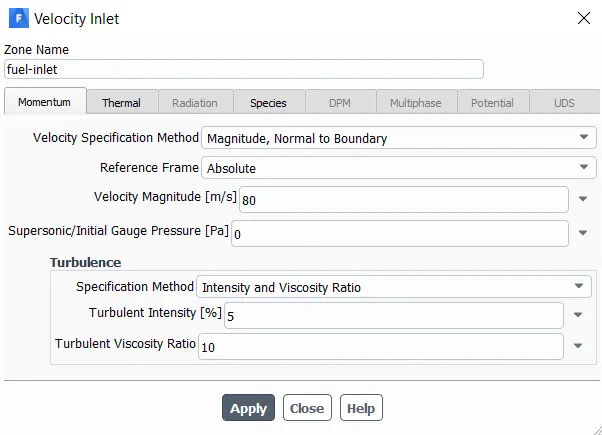
Fuel-inlet
- In the Fuel inlet, the Velocity Magnitude is set as 80m/s.
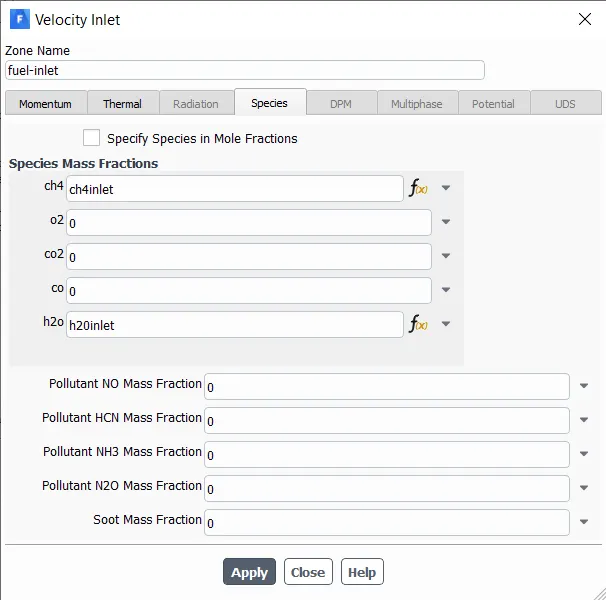
- Input parameters are introduced for the mass fraction of Species of CH4 and H2o, it will help in the parametric study approach.
RESULTS:
CASE-1
Species Fractions, CH4 = 1
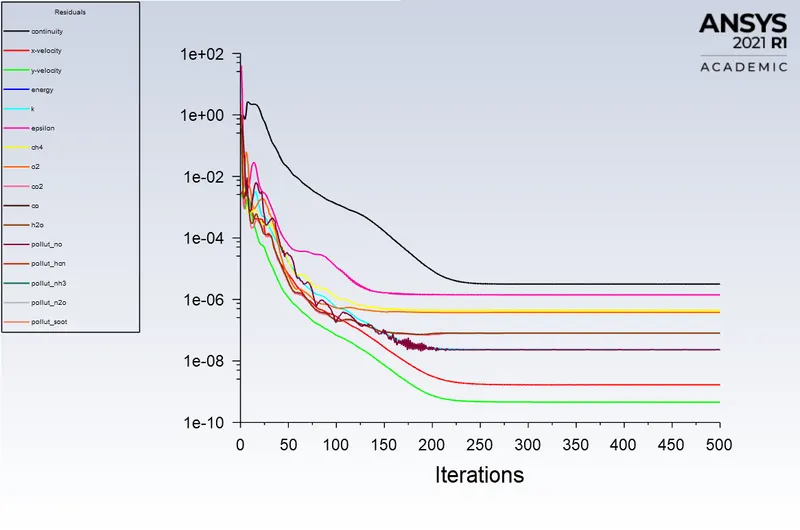
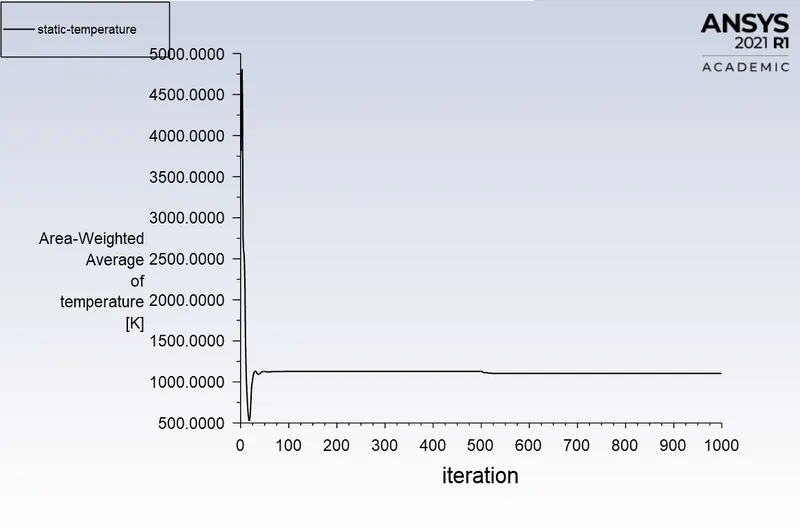
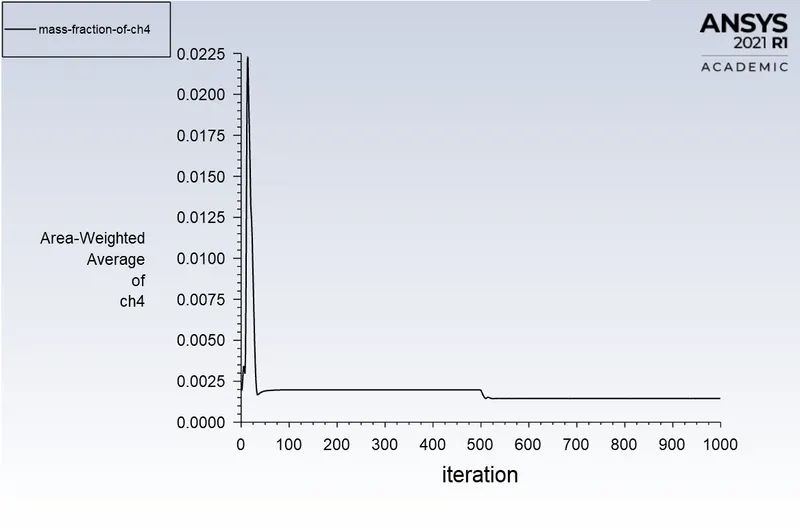
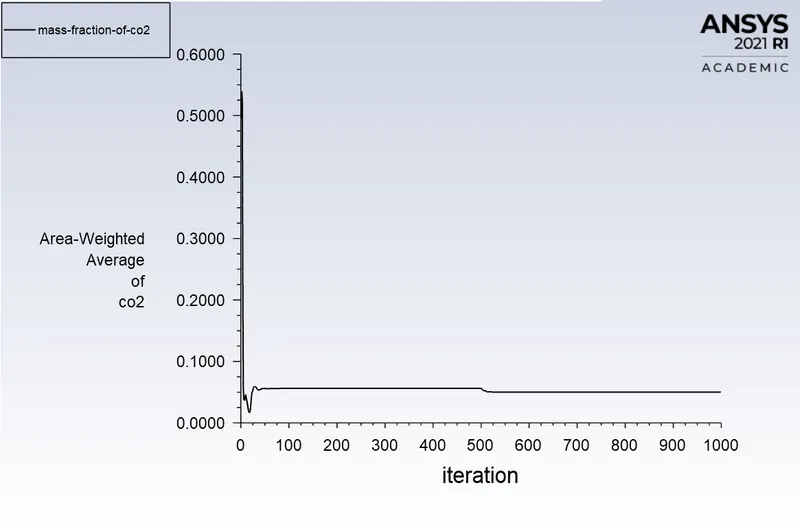
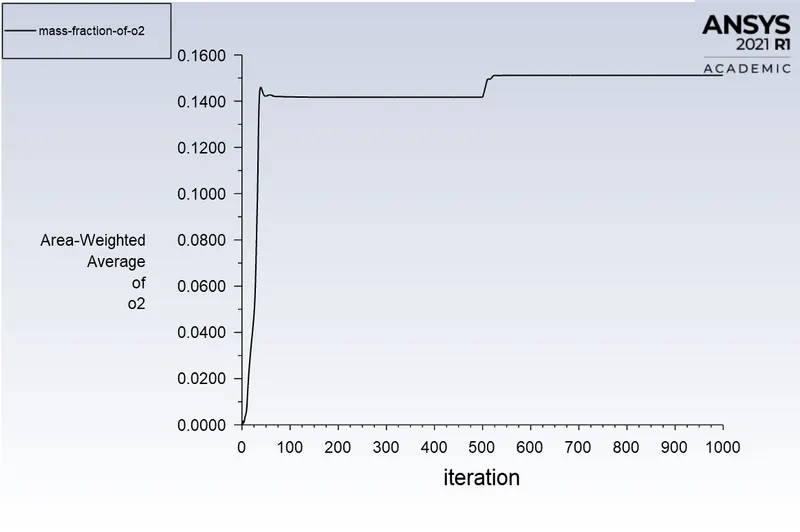
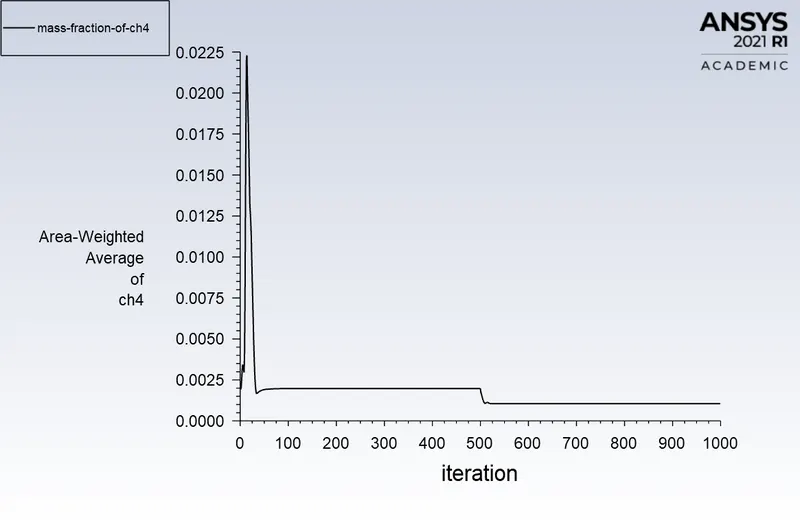
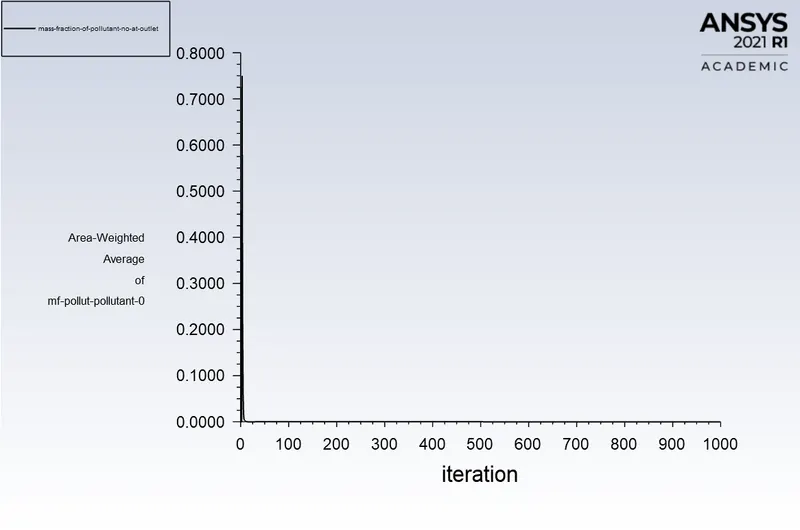
Residual Plot:
Temperature
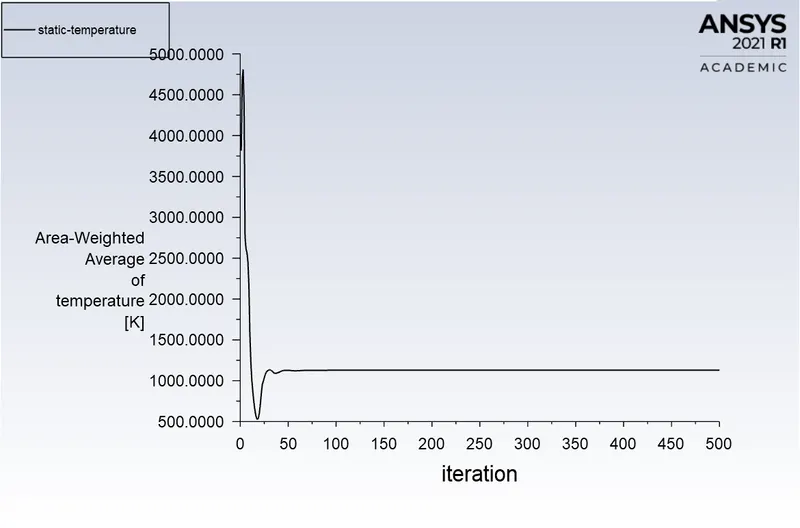

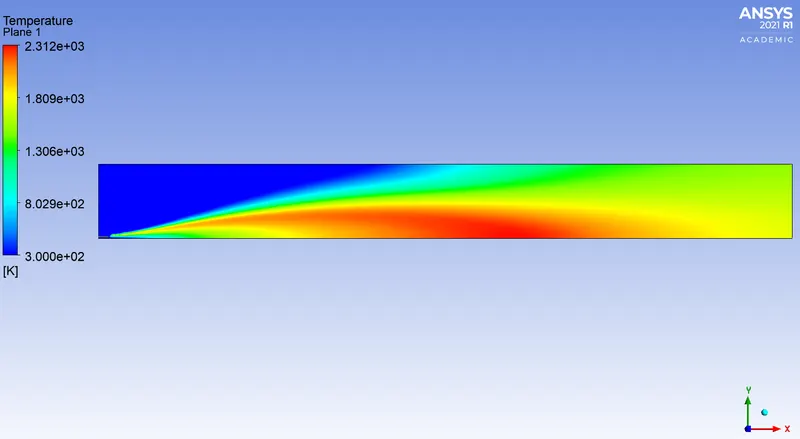
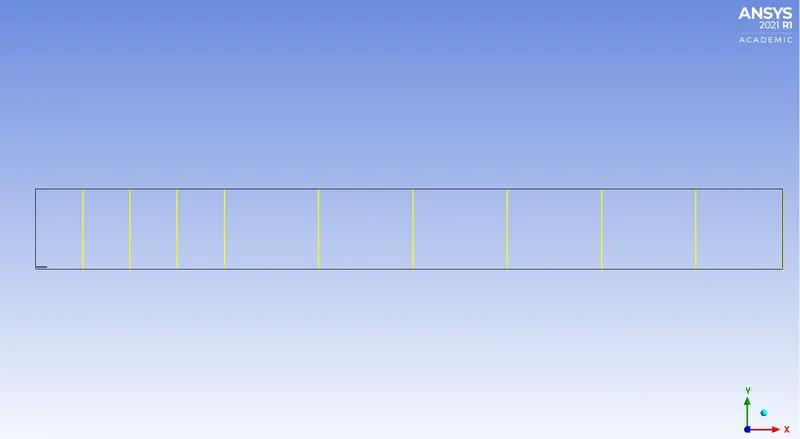
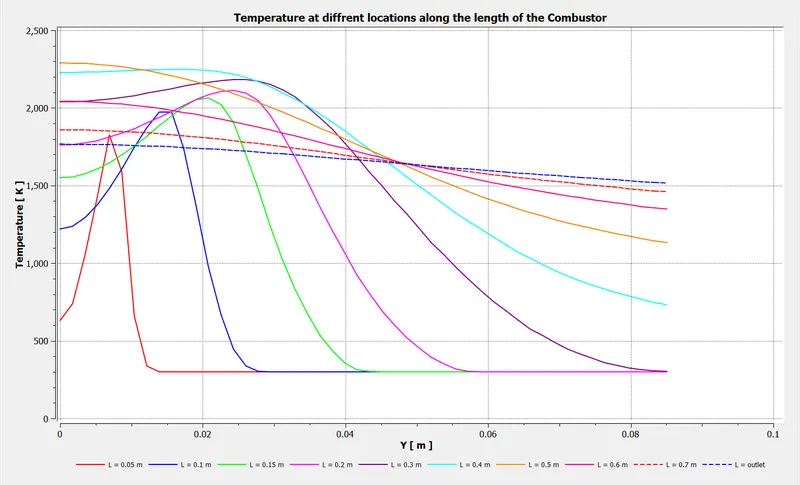
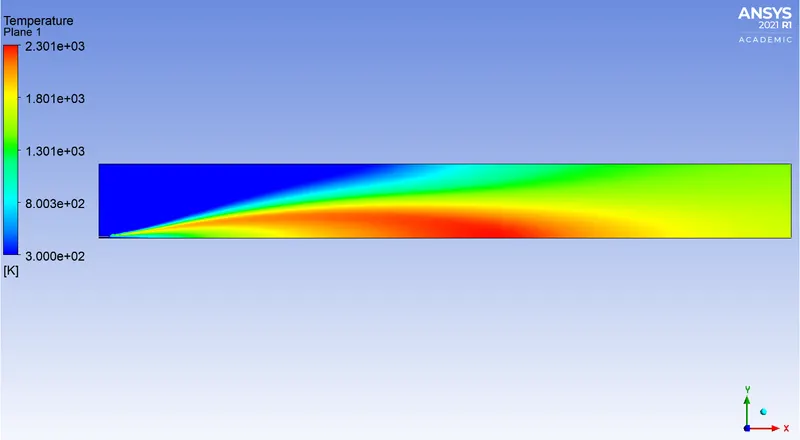
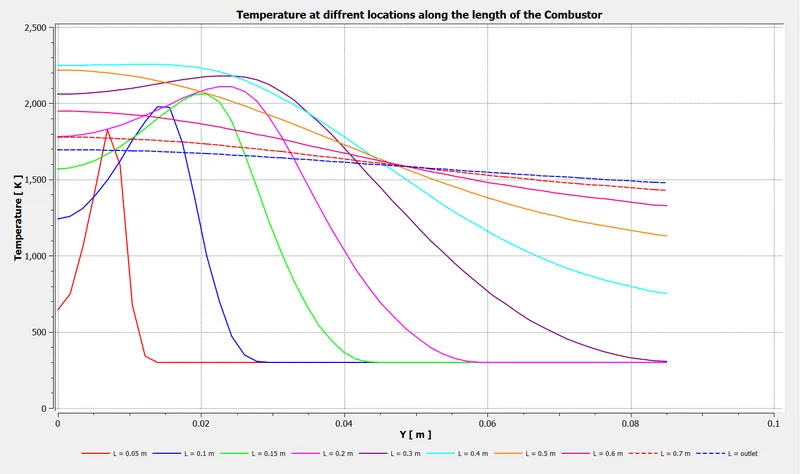
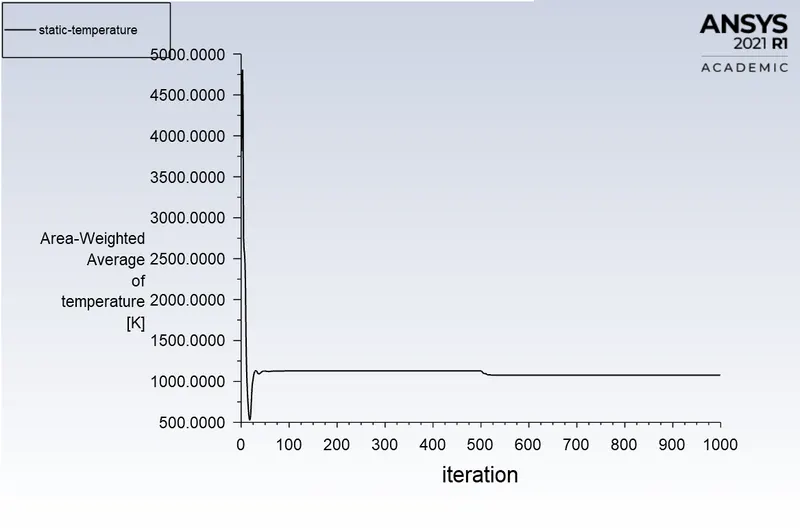
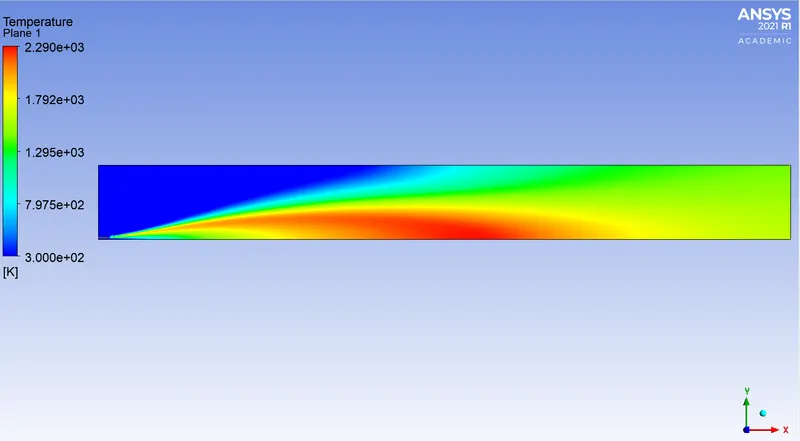
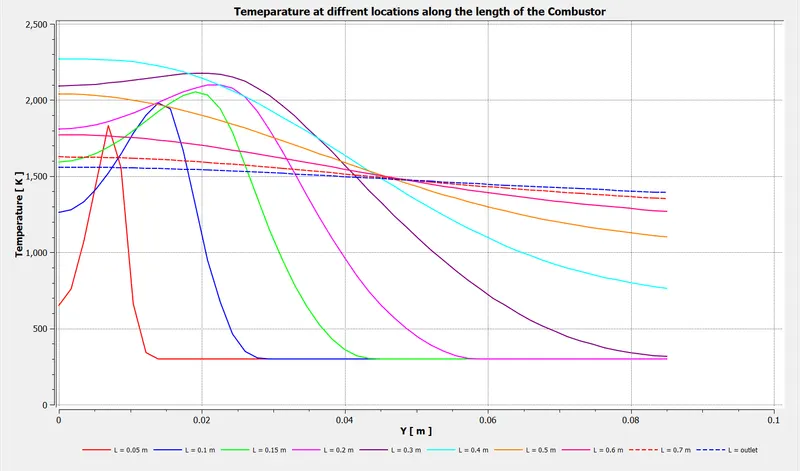
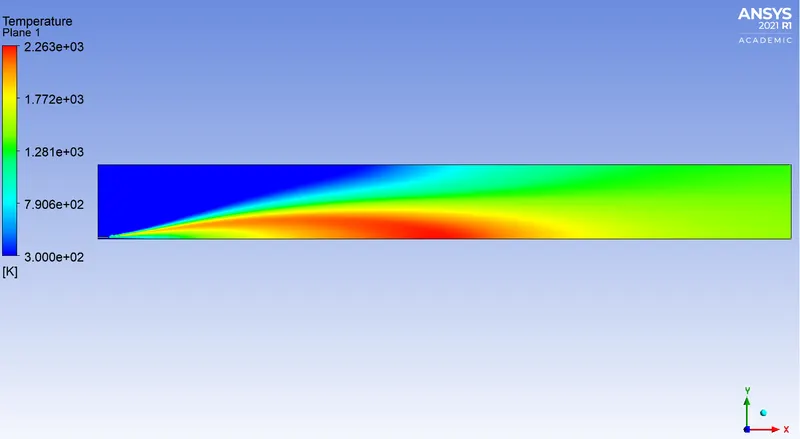
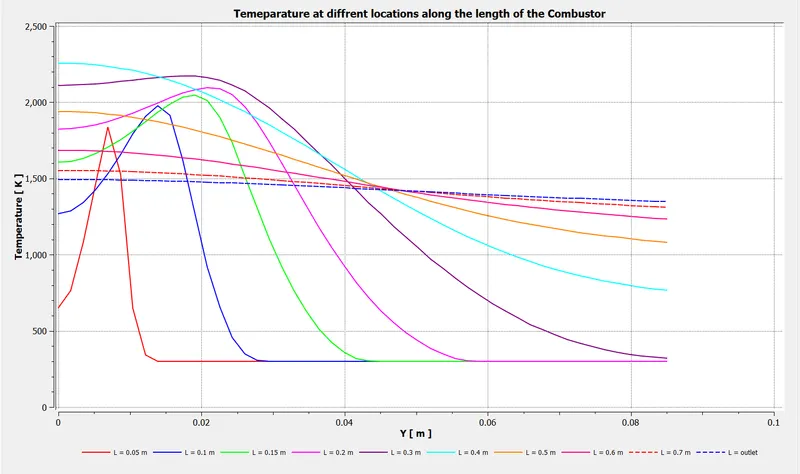
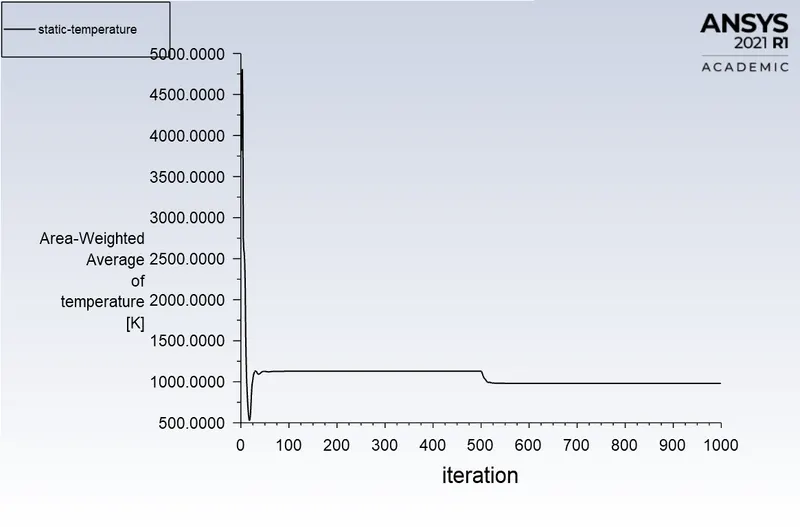
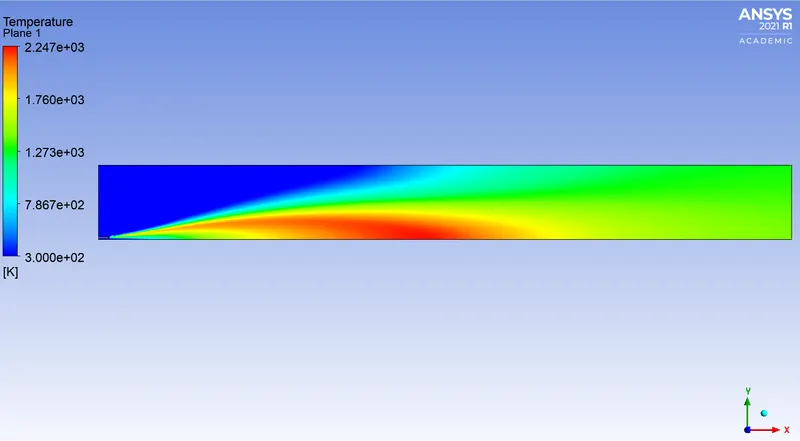
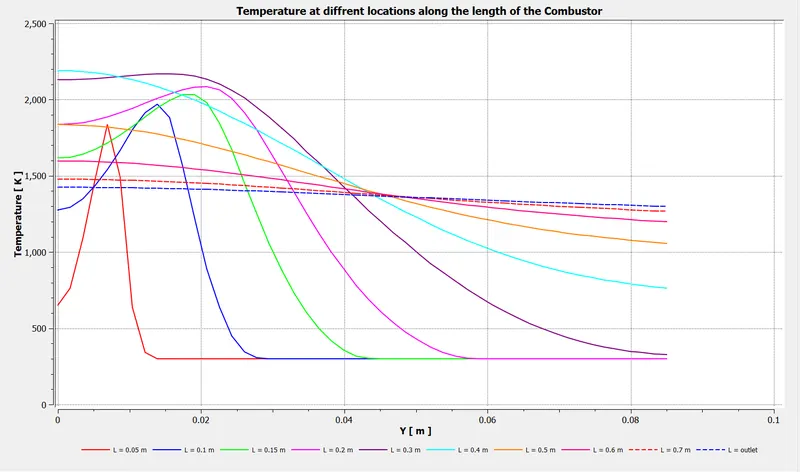
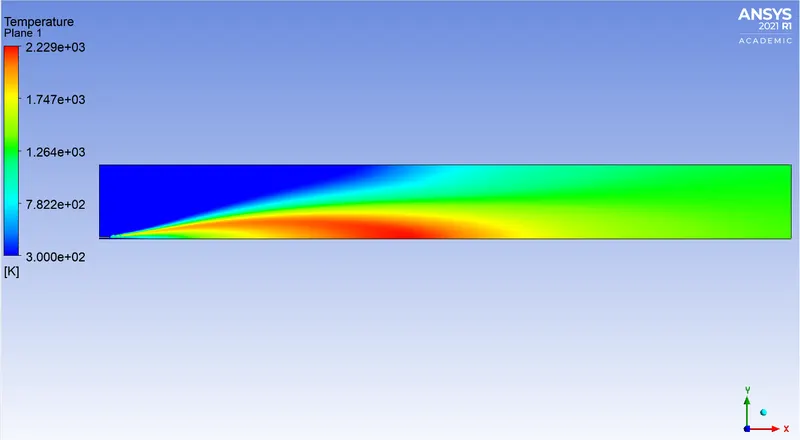
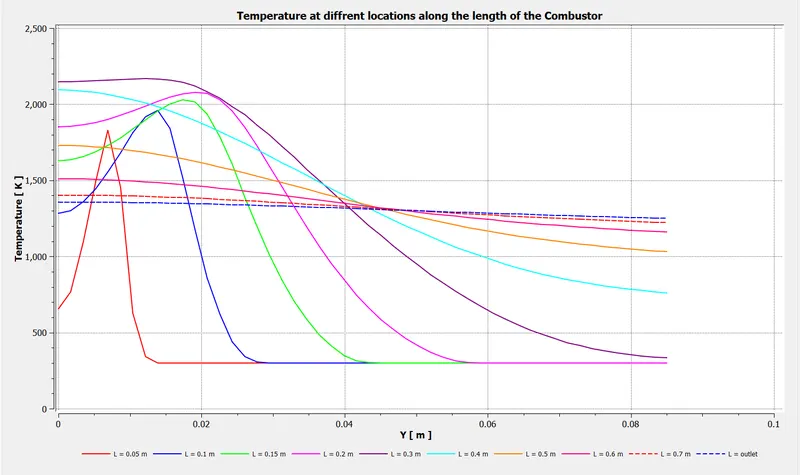
It is observed from the temperature contour and plots, the temperature increases as we move away from the inlet towards the outlet. The highest temperature is observed where the combustion takes place. At the outlet, the temperature distribution is uniform it means that the combustion of fuel is complete inside the combustor.
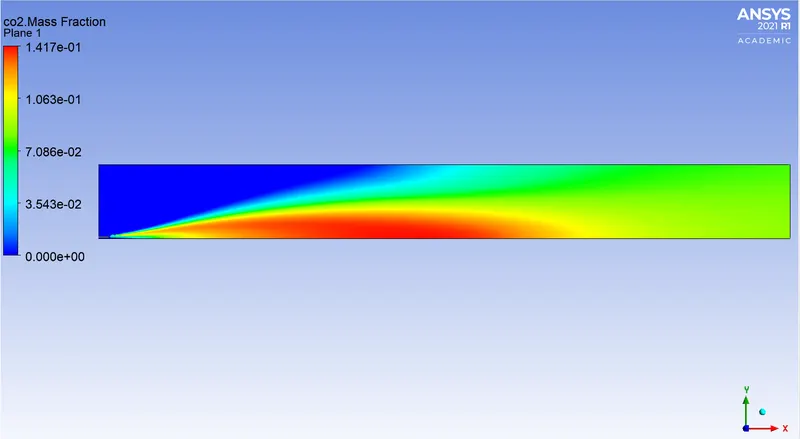
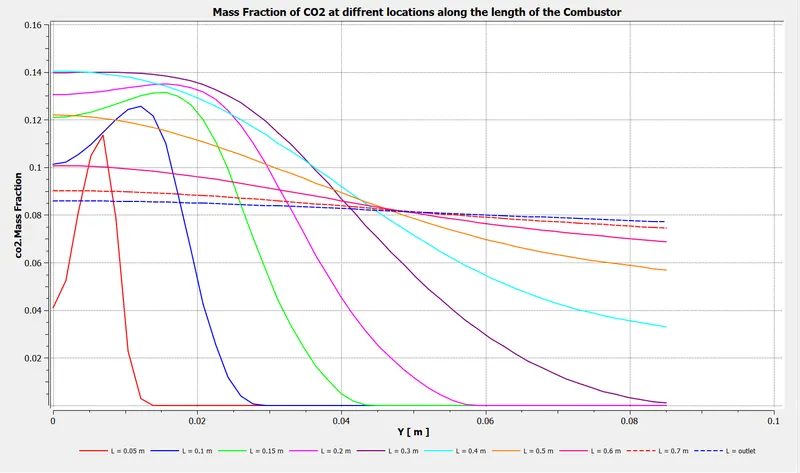
CO2
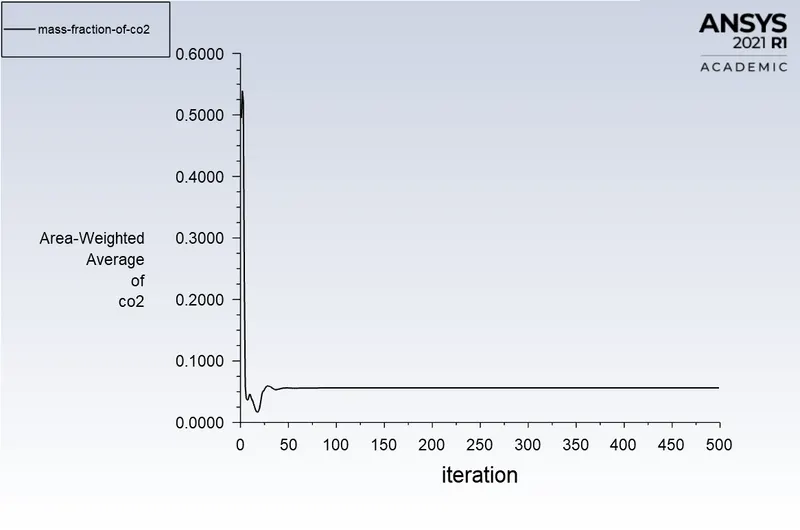

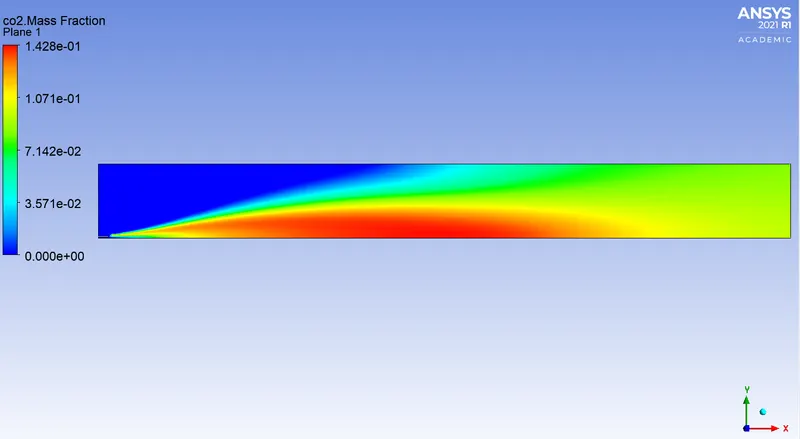
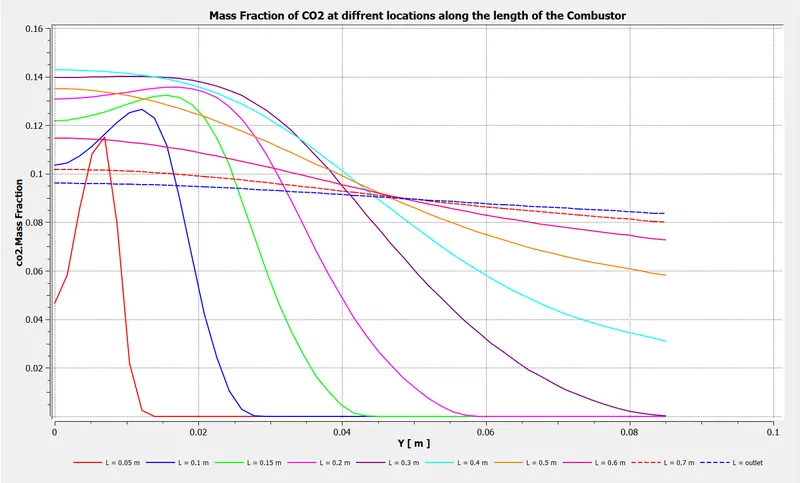
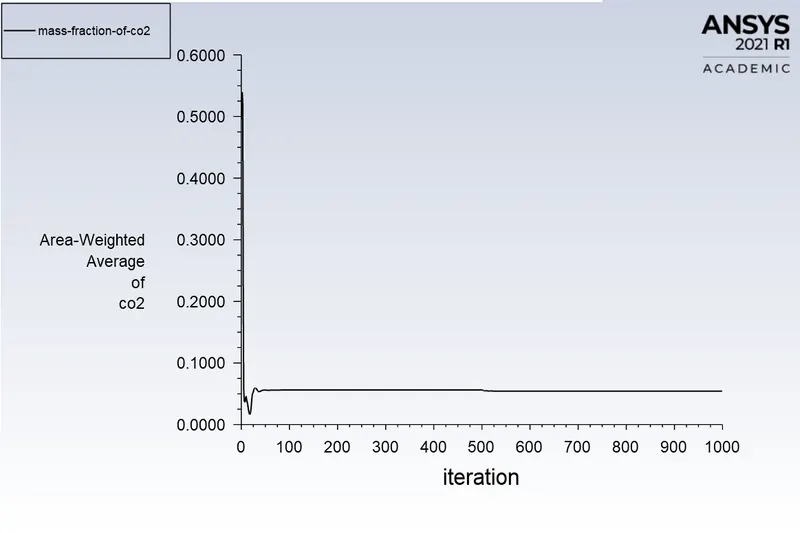
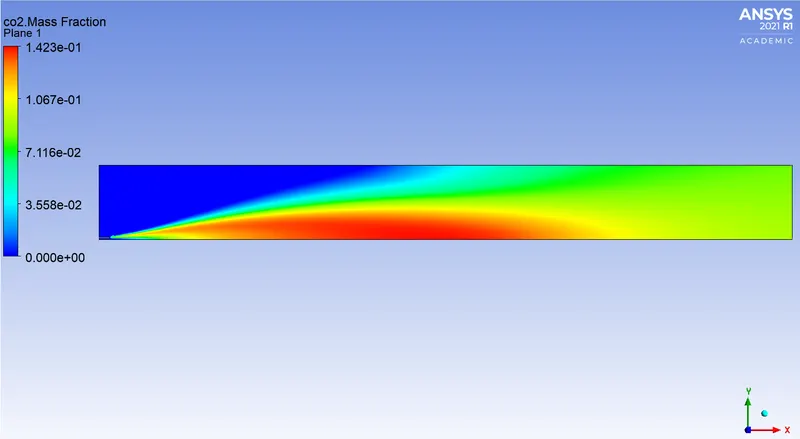
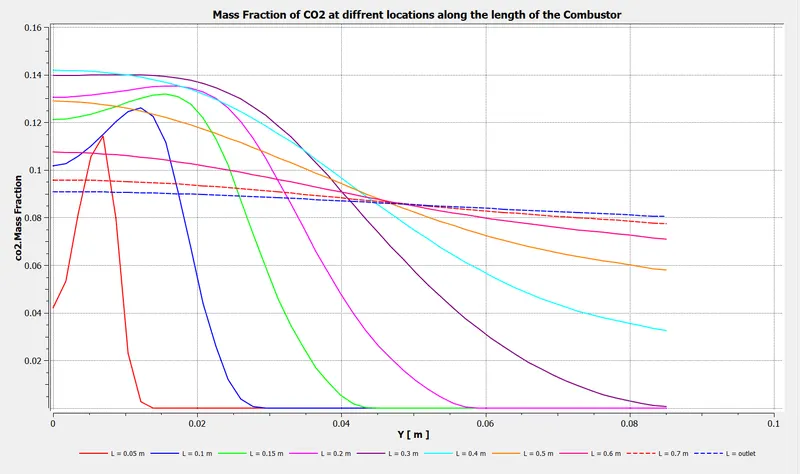
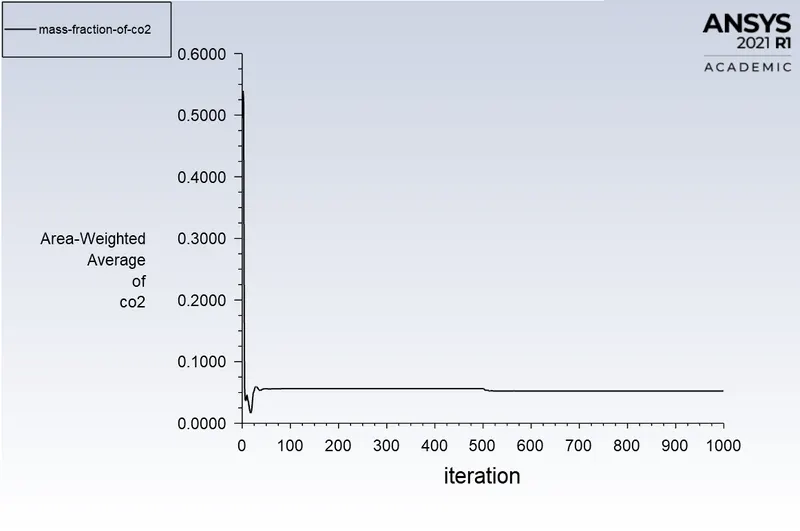
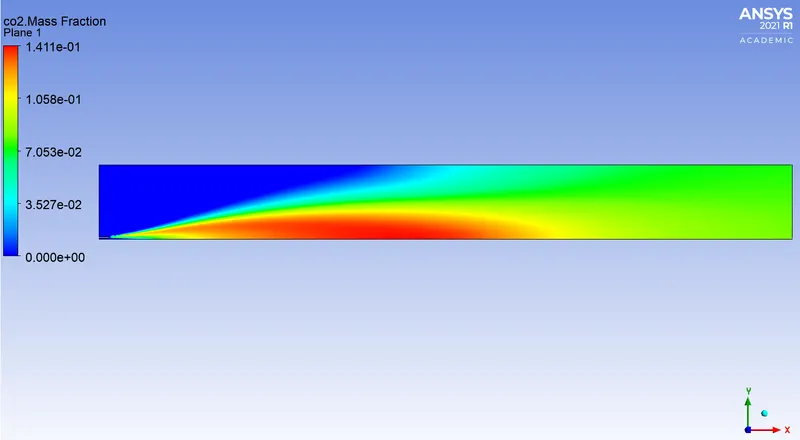
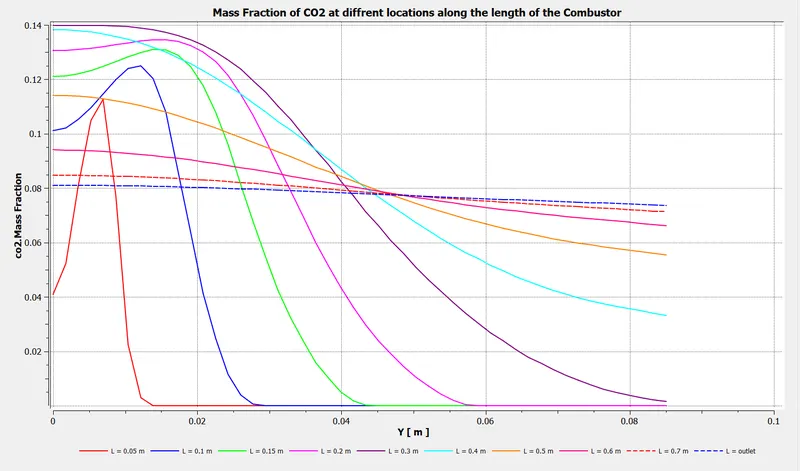
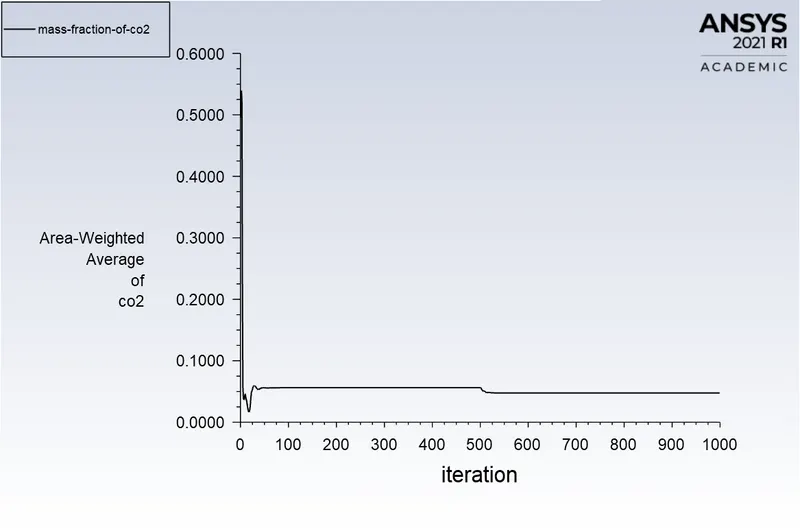
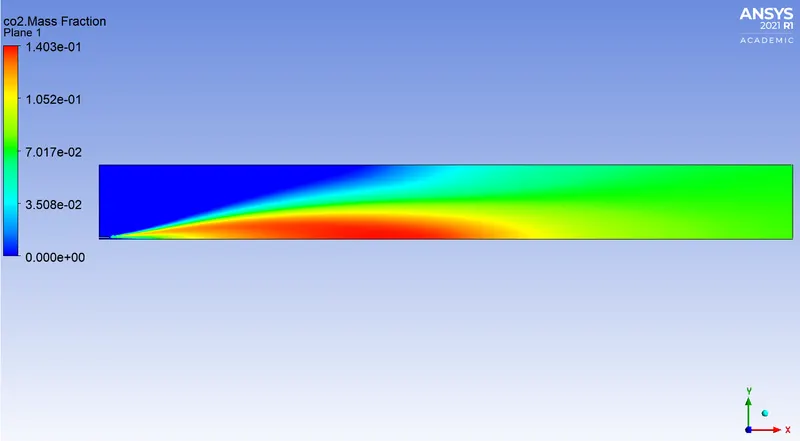
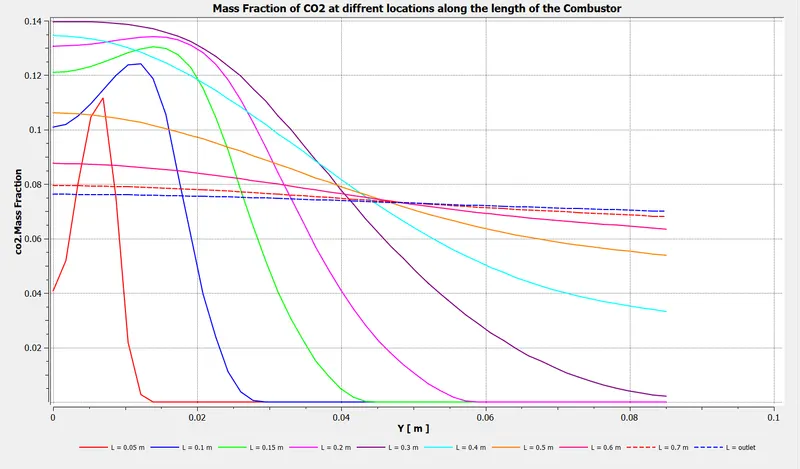
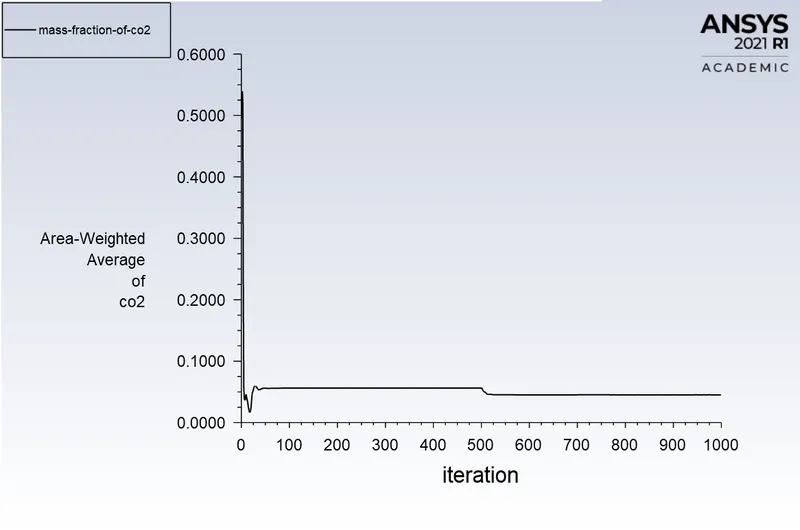
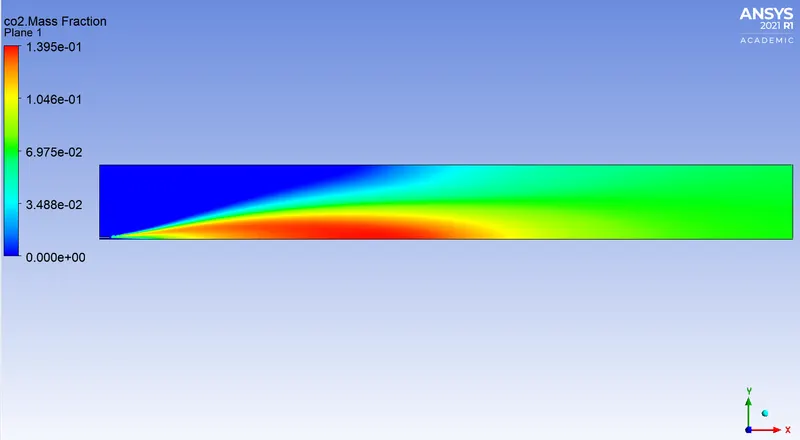
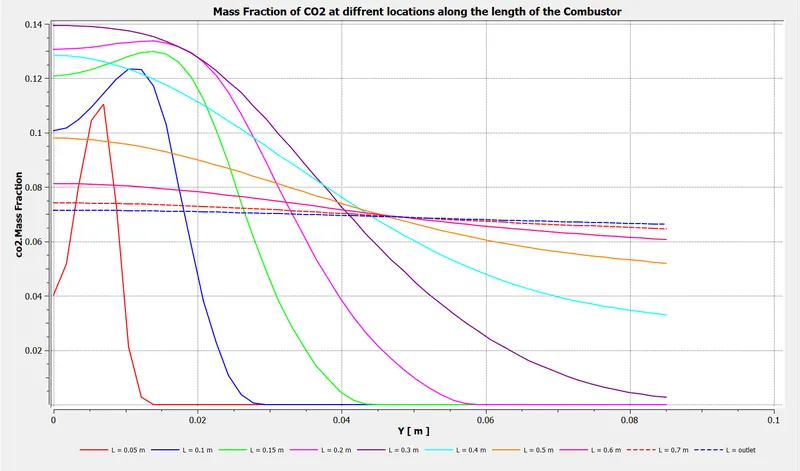
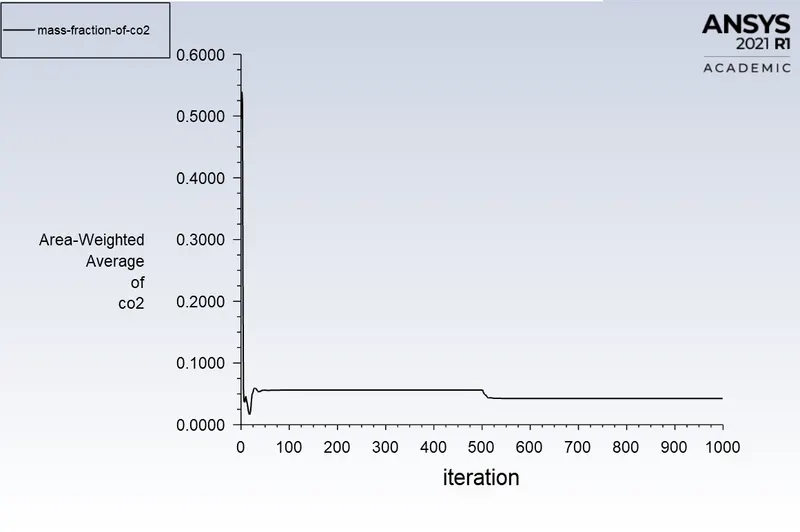
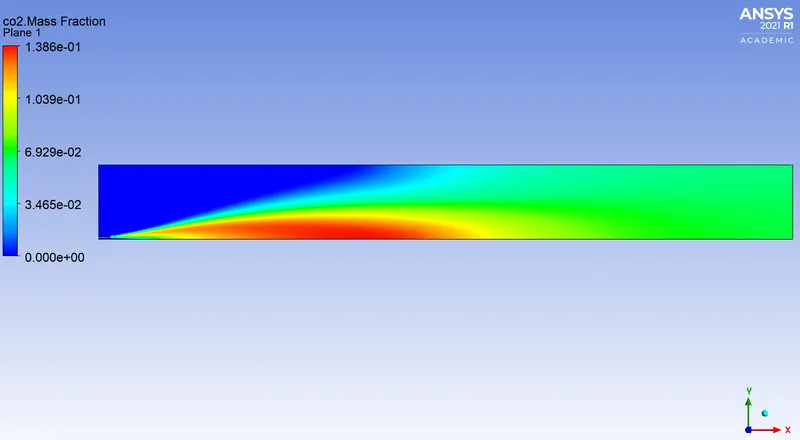
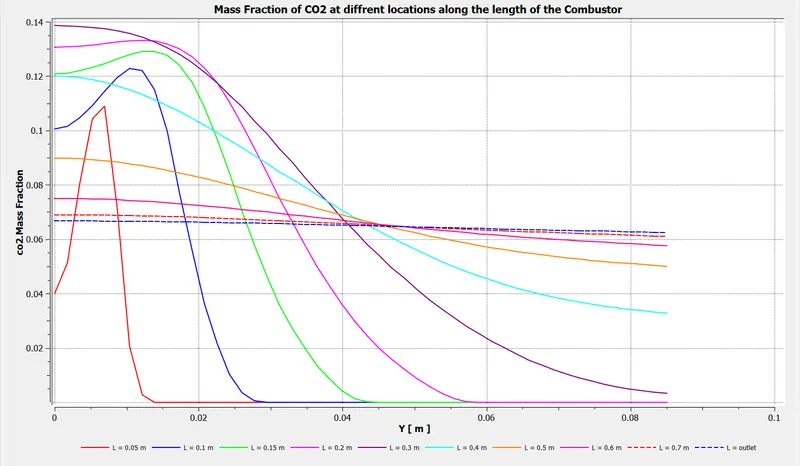
Mass fraction of CO2 increases along the direction of flow and becomes uniform at the outlet. The highest mass fraction of CO2 is observed in the high-temperature region.
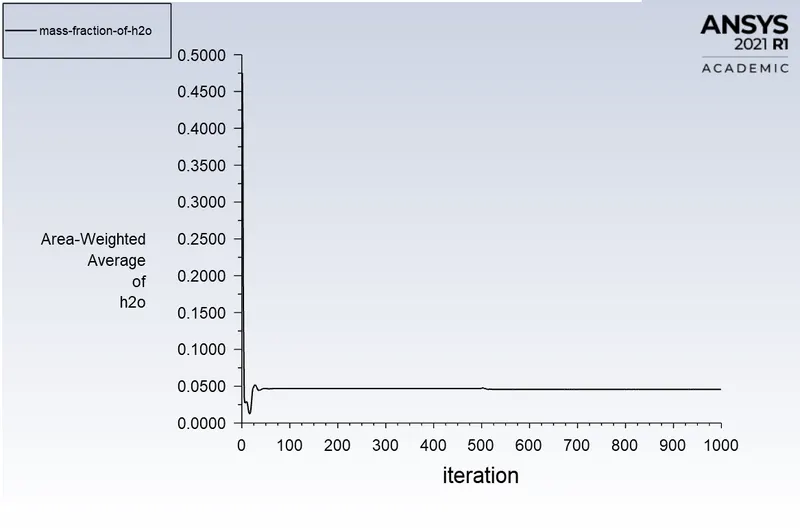
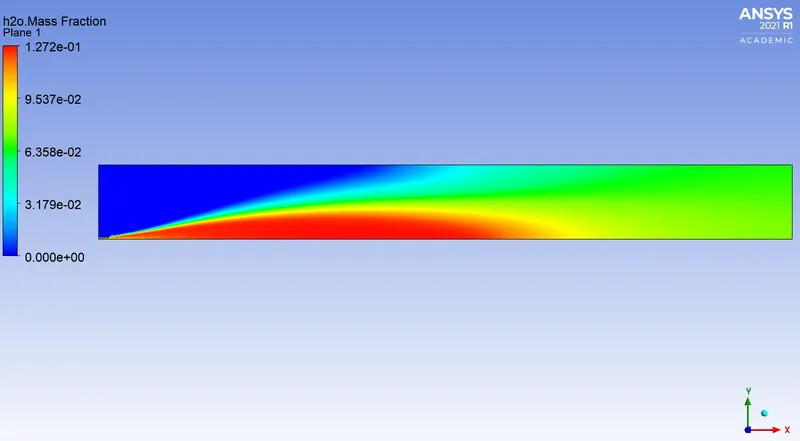
H2O
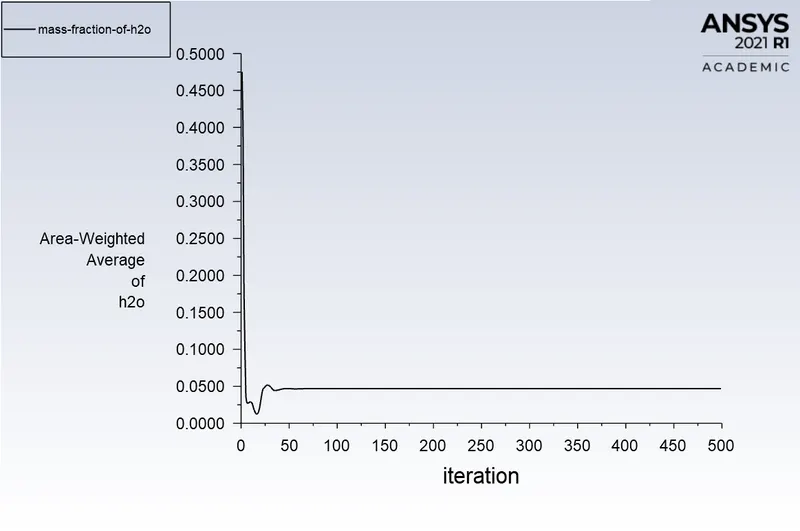

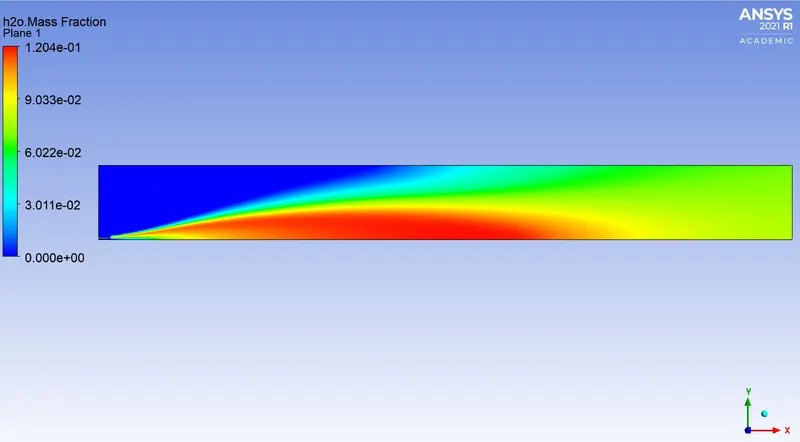
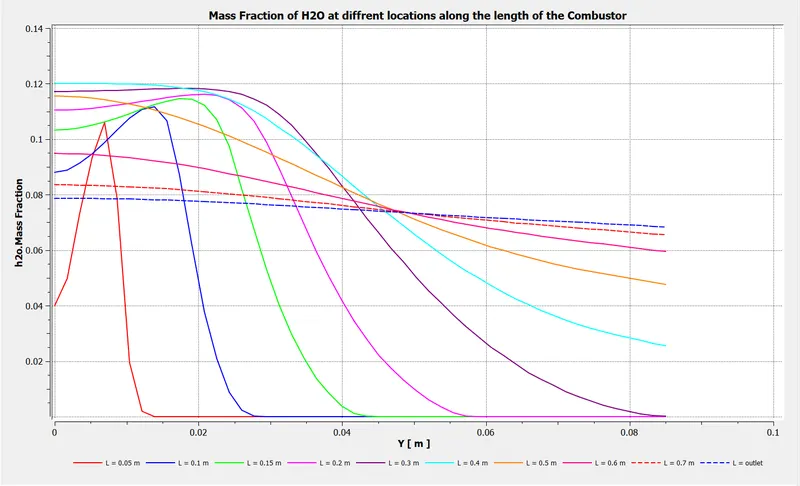
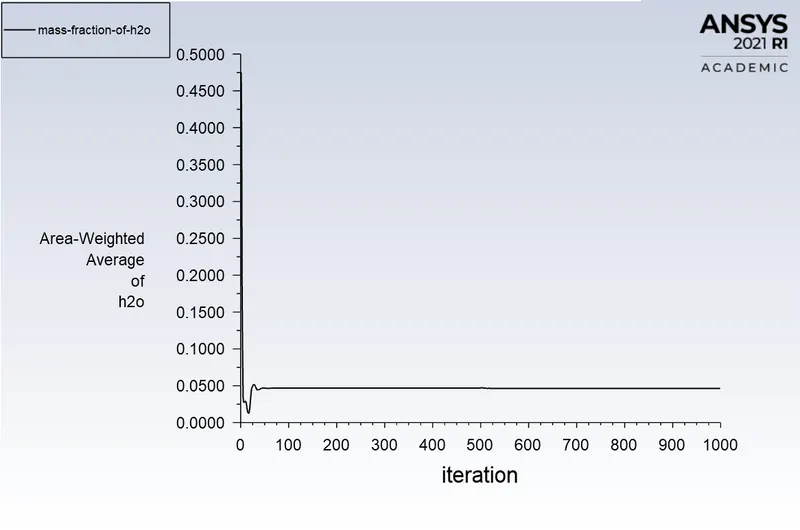
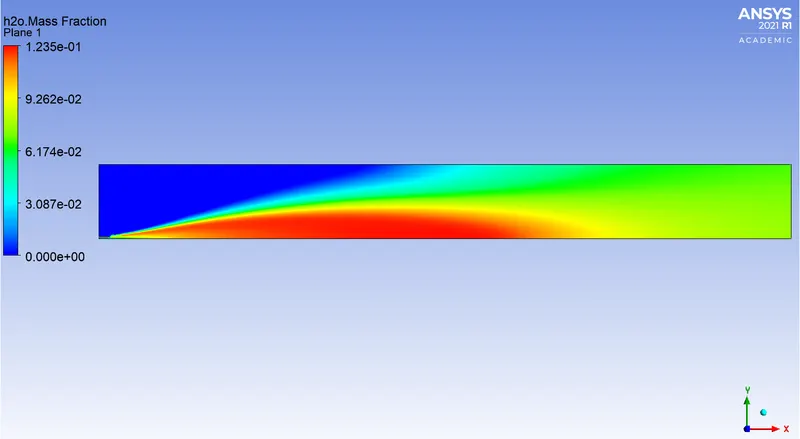
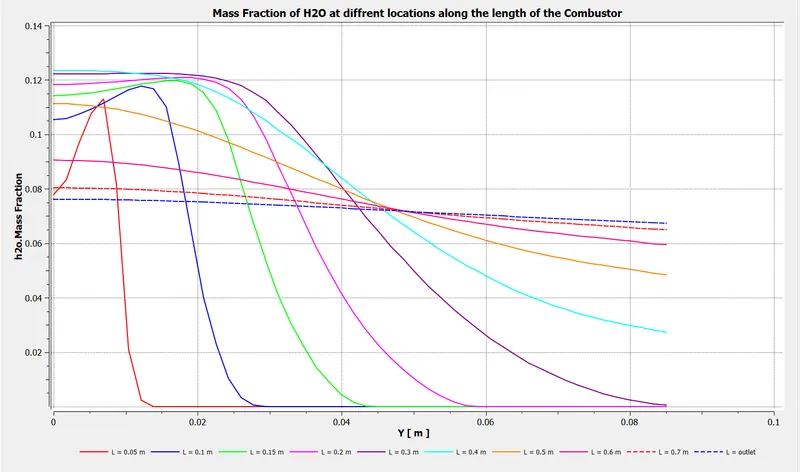
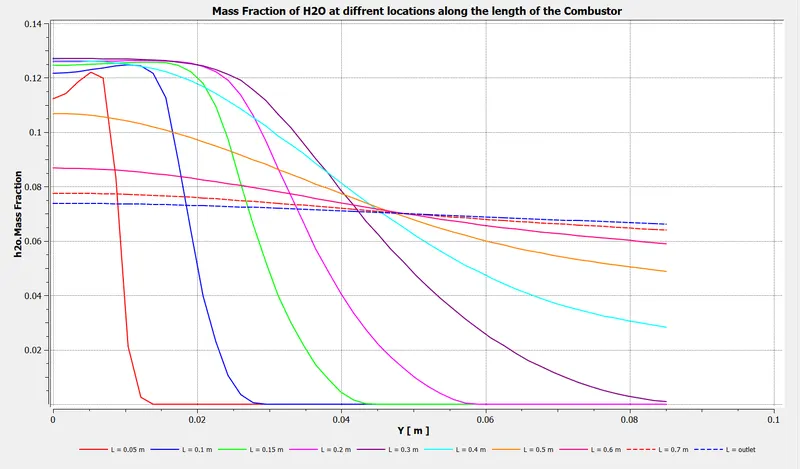
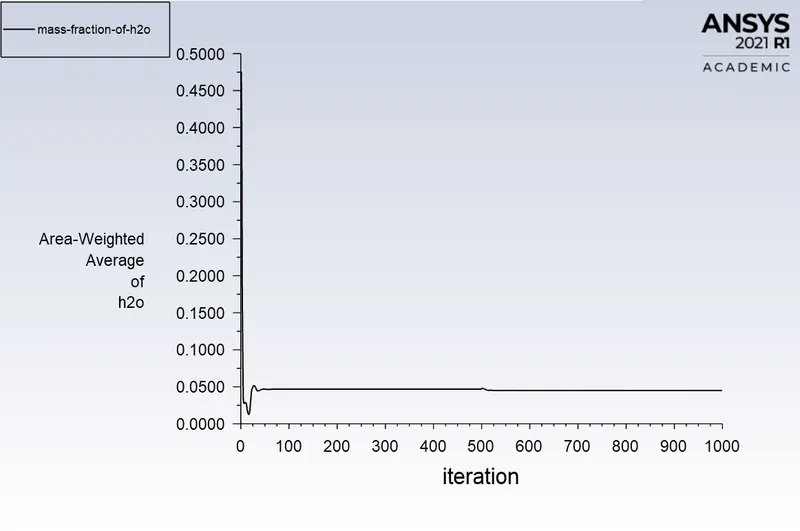
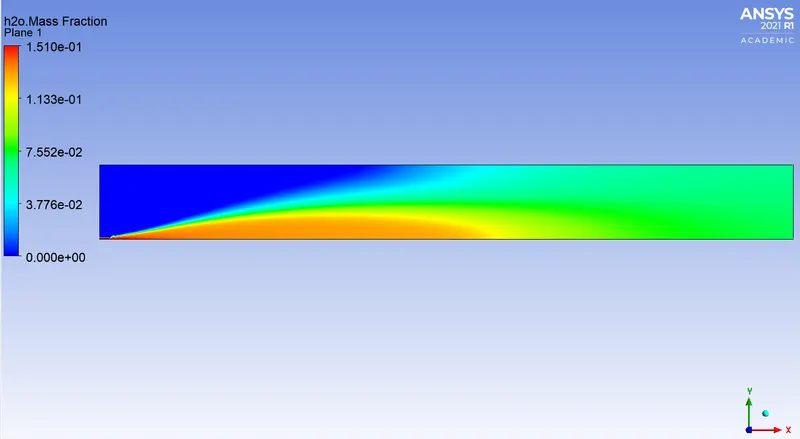
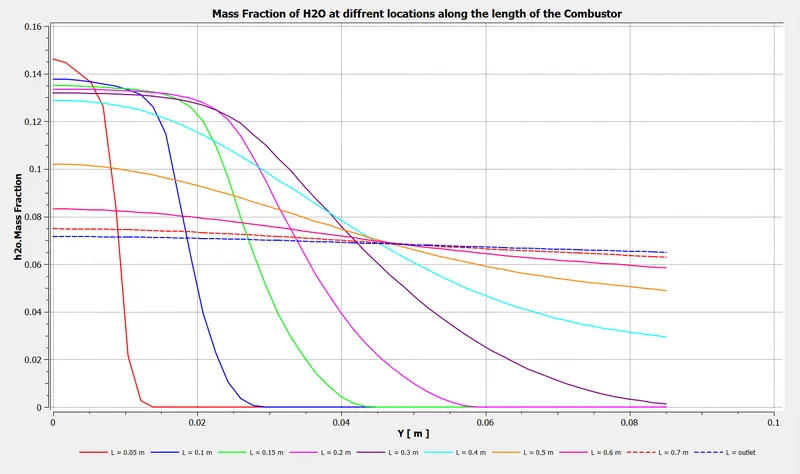
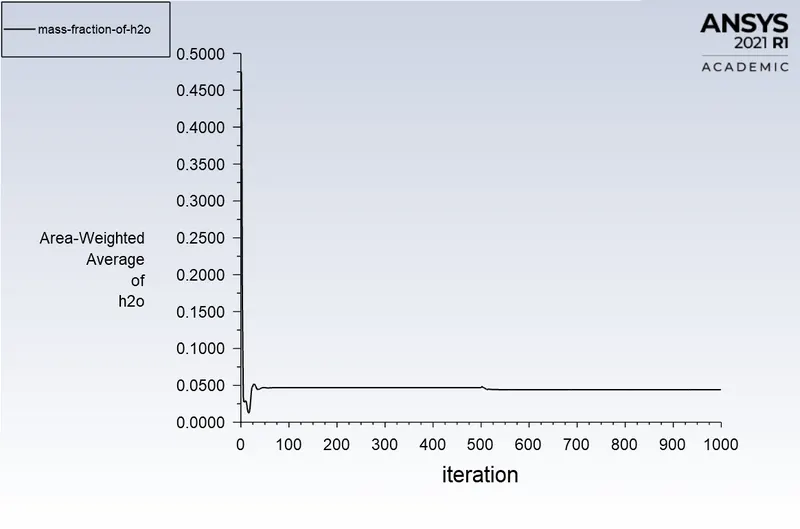
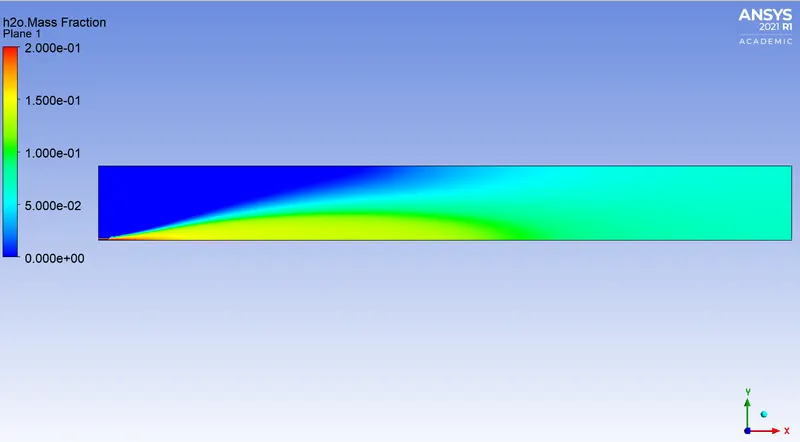
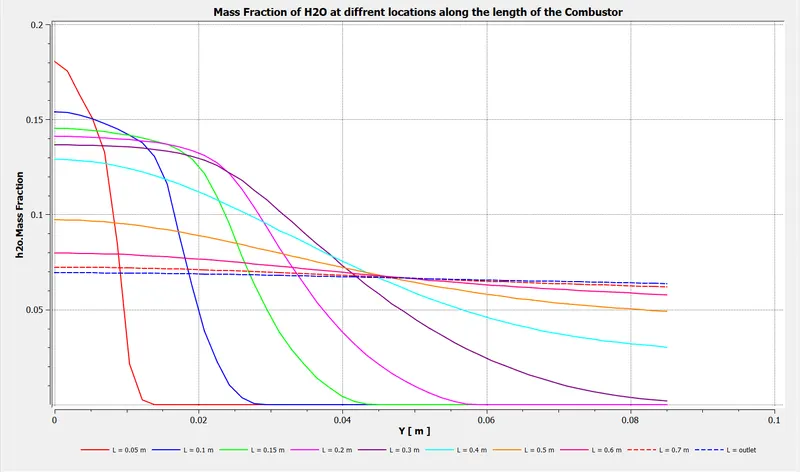
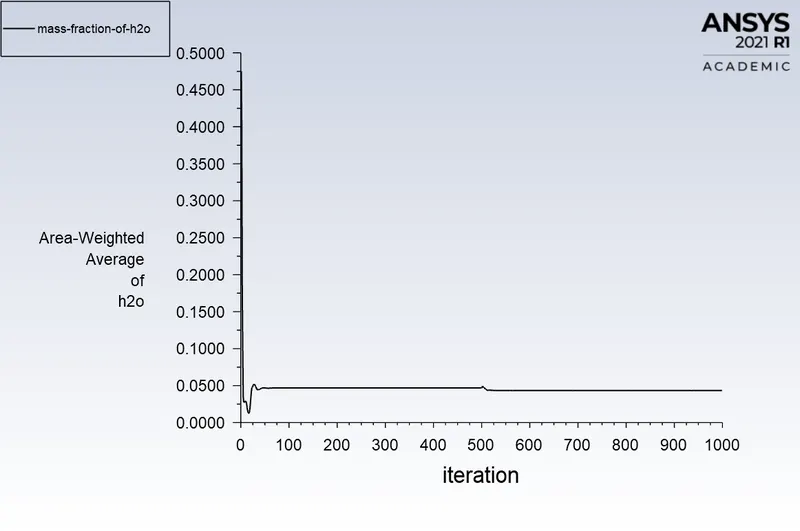
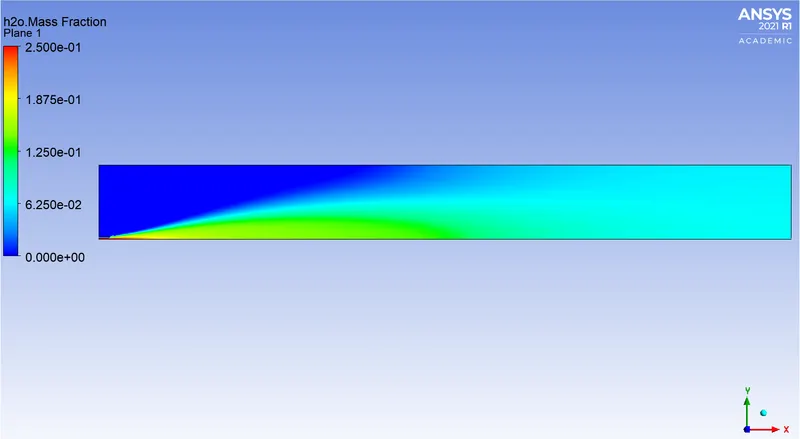
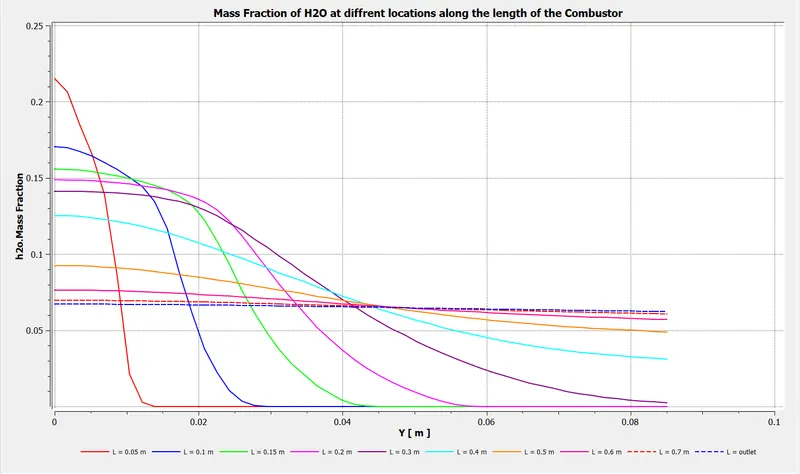
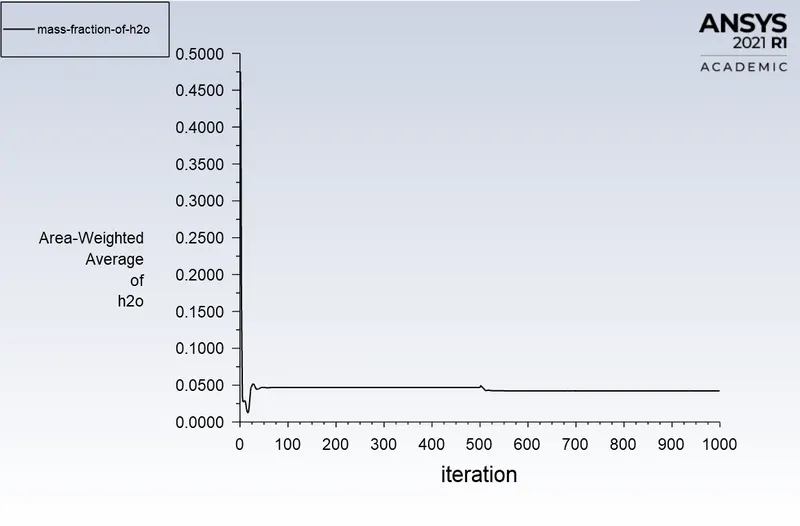
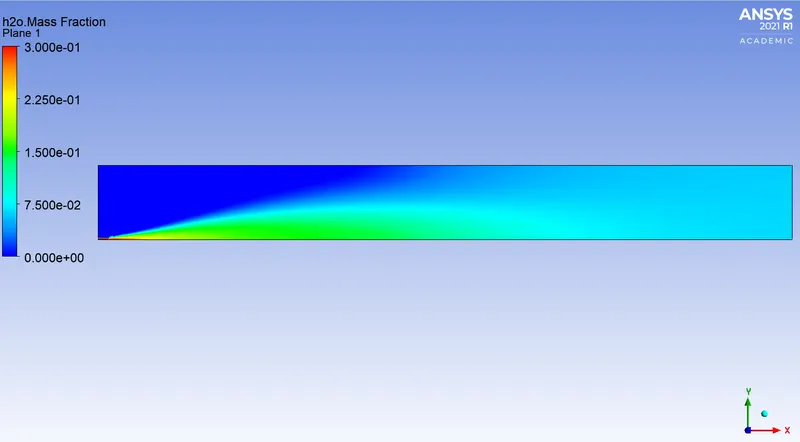
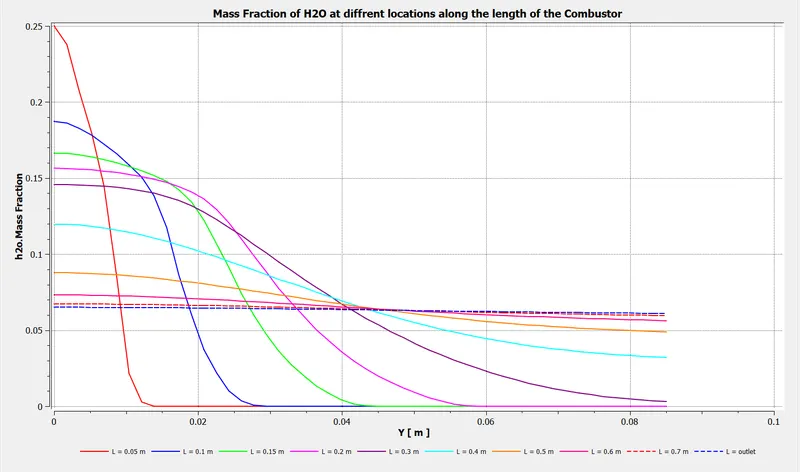
The highest mass fraction of H2O is observed in the high-temperature zone as in the CO2. The characteristics of H2O and CO2 species are very similar as both are products of the combustion process.
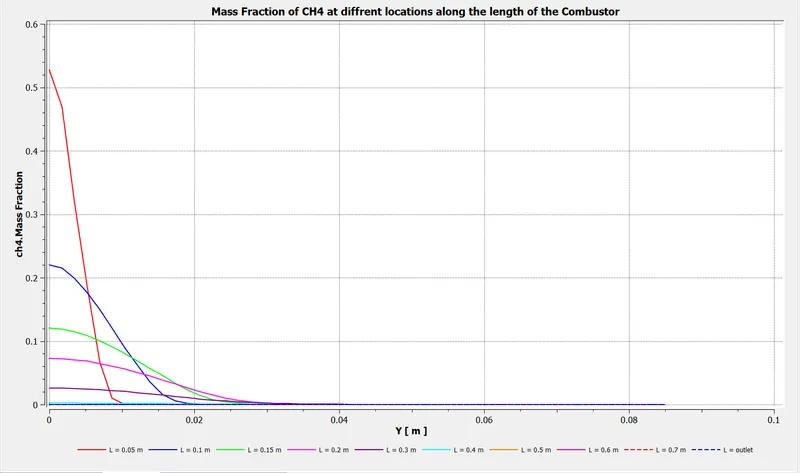
CH4
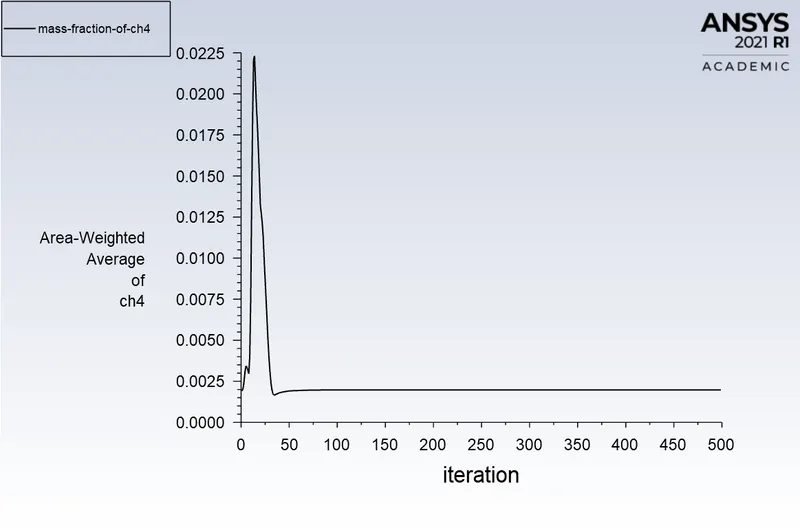

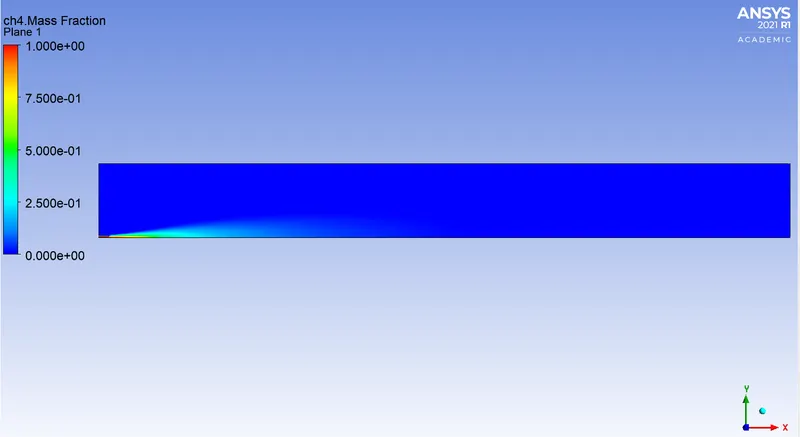
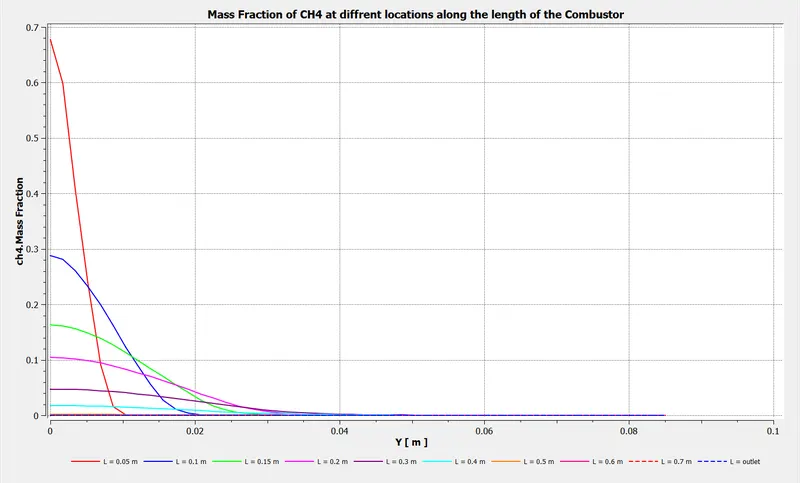
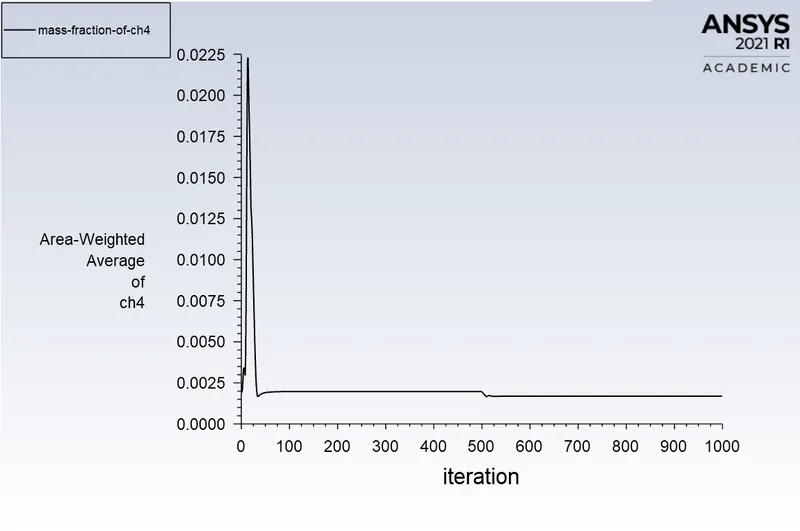
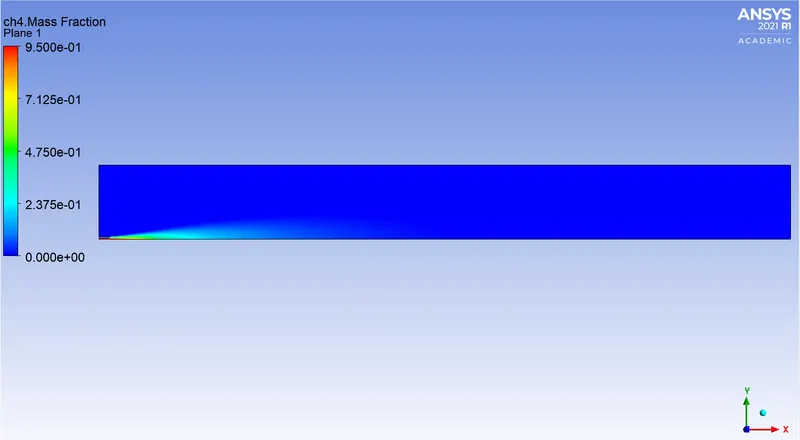
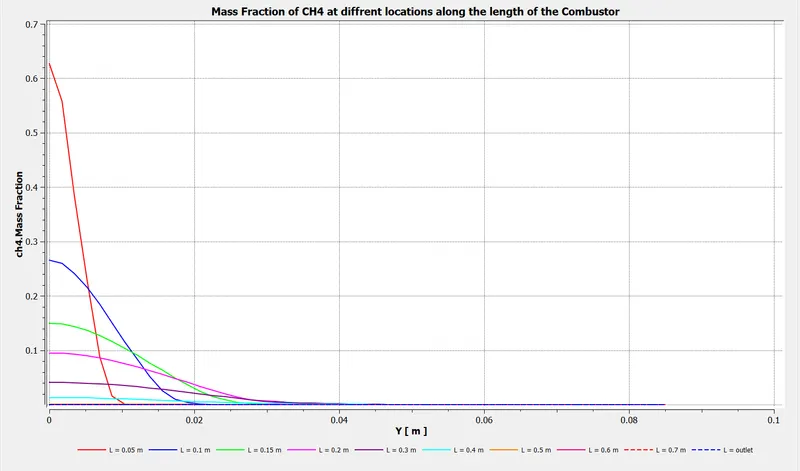
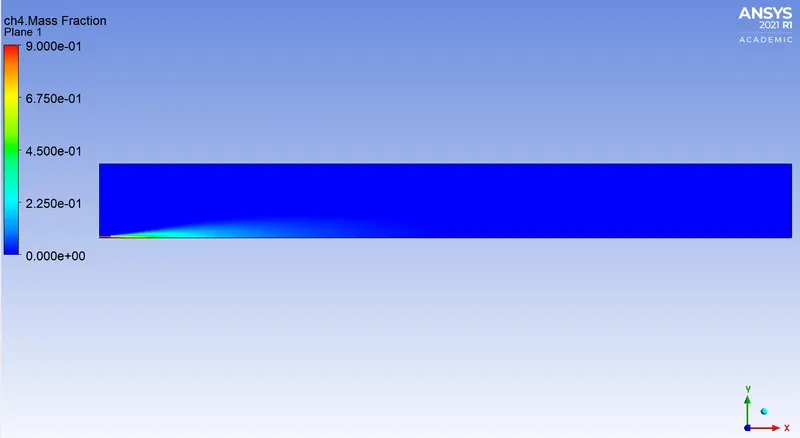
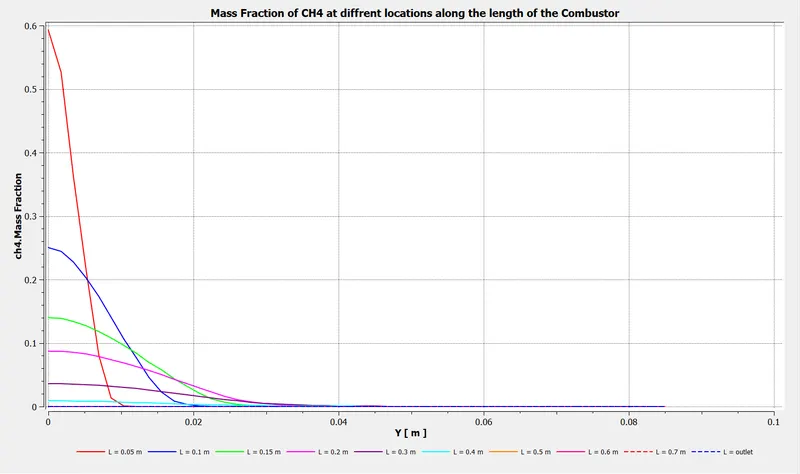
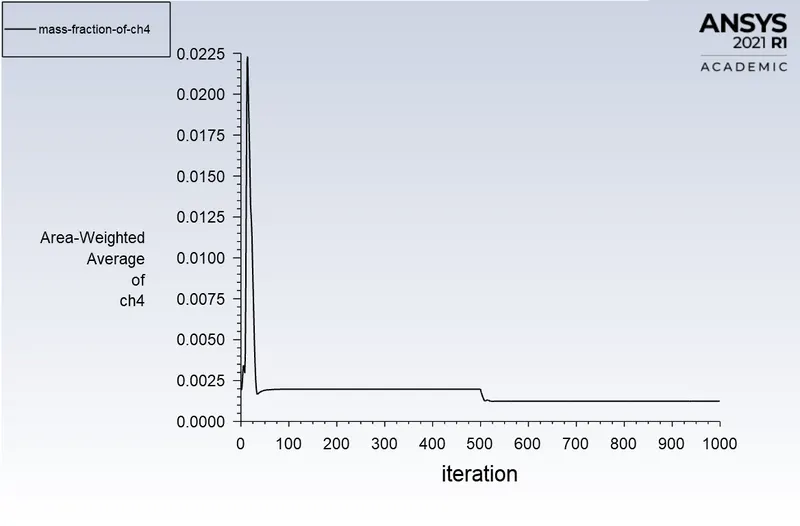
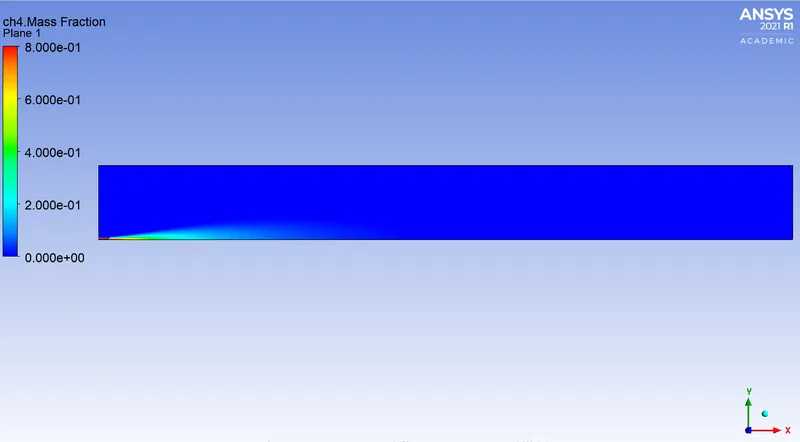
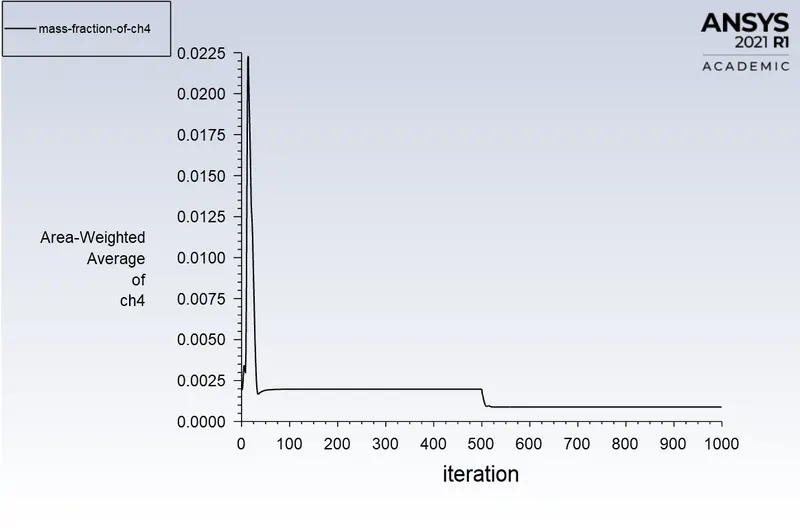
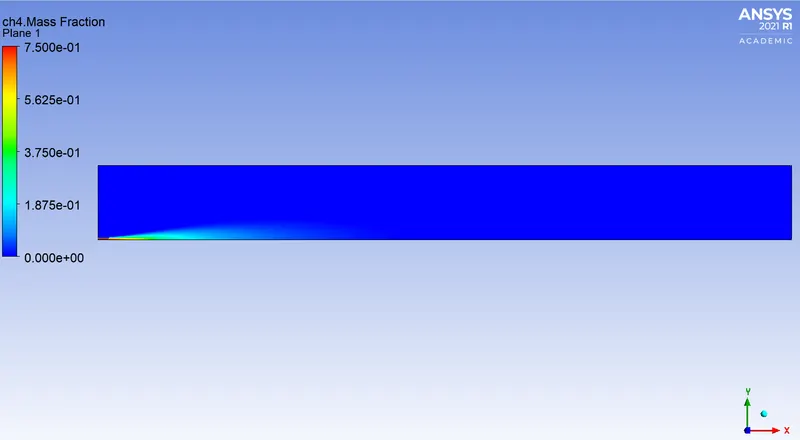
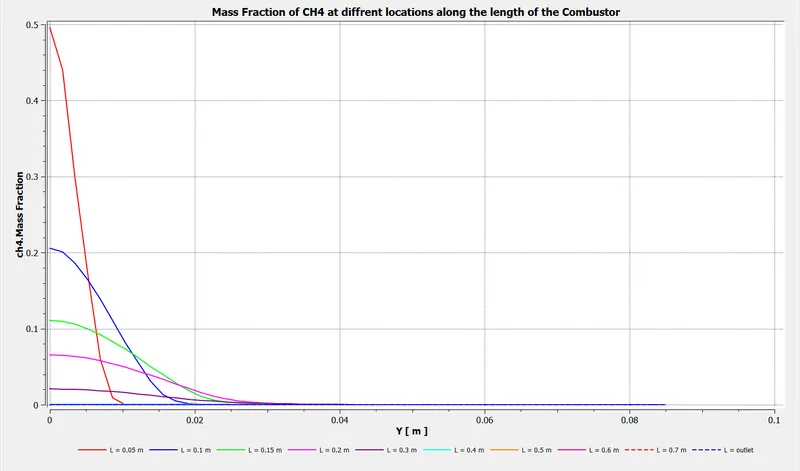
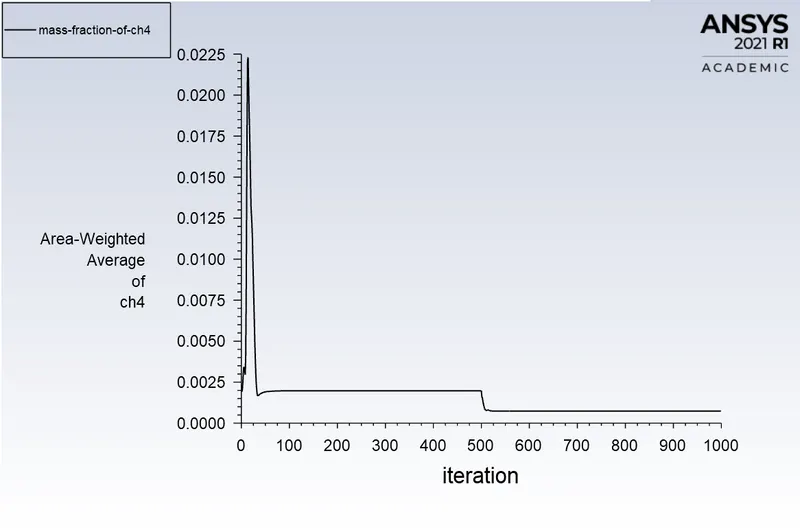
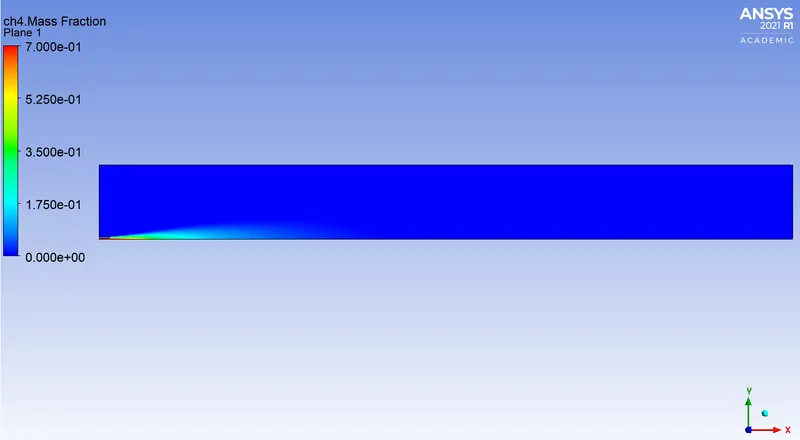
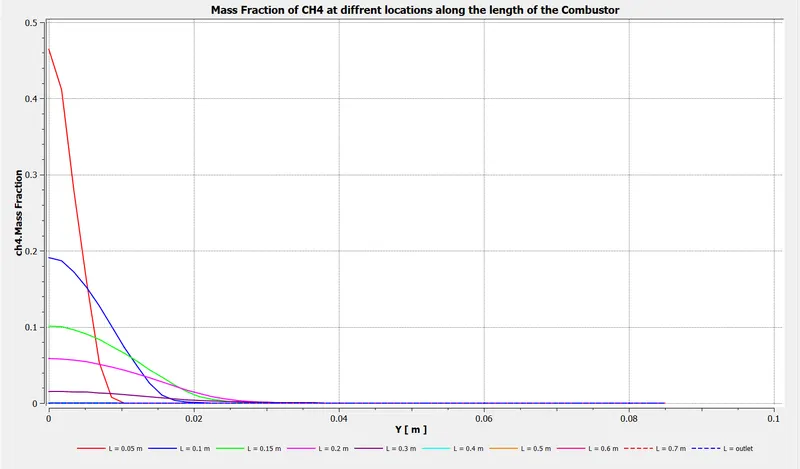
CH4 concentration is visible at the inlet, and as combustion takes place CH4 mass fraction decreases.
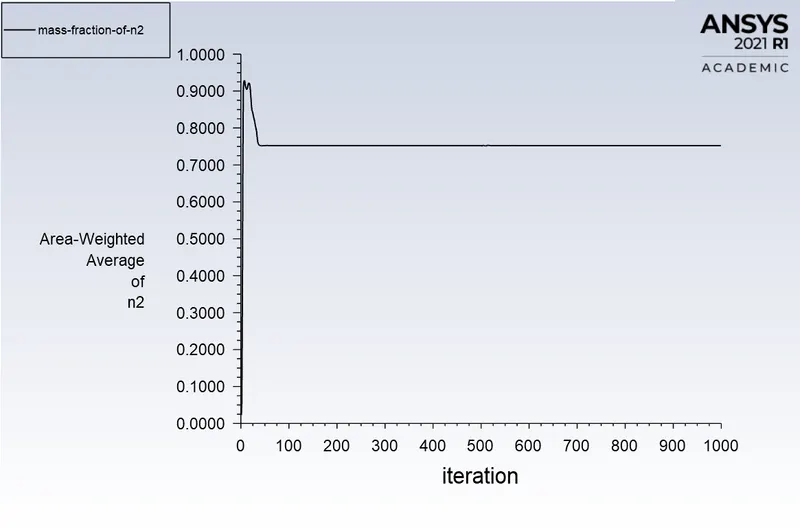
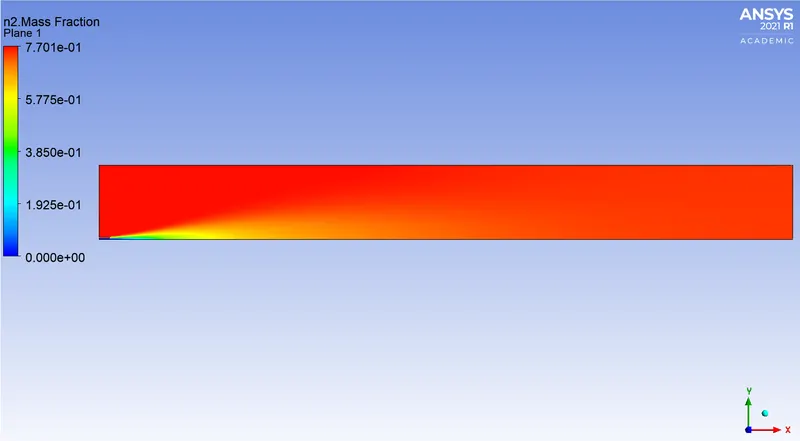
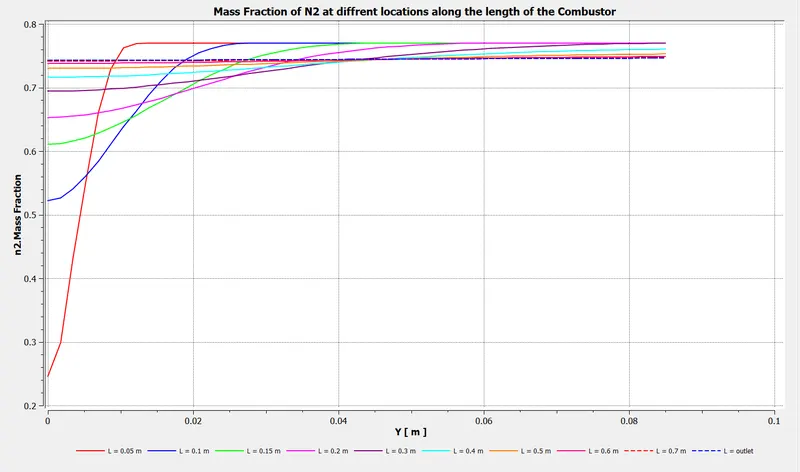
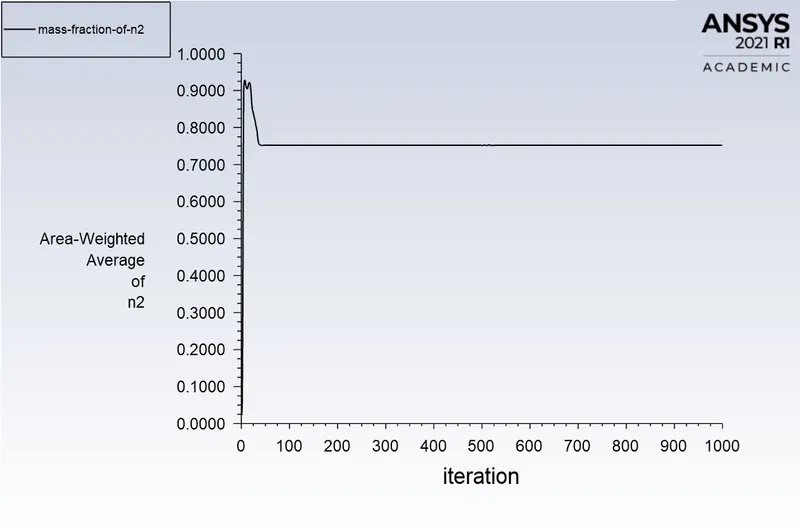
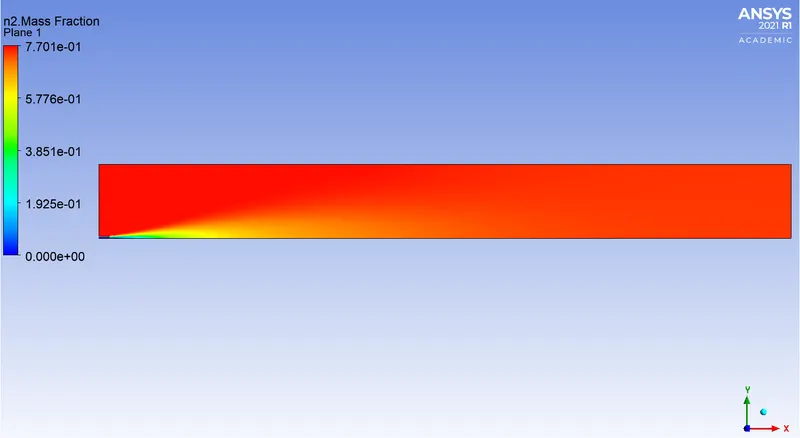
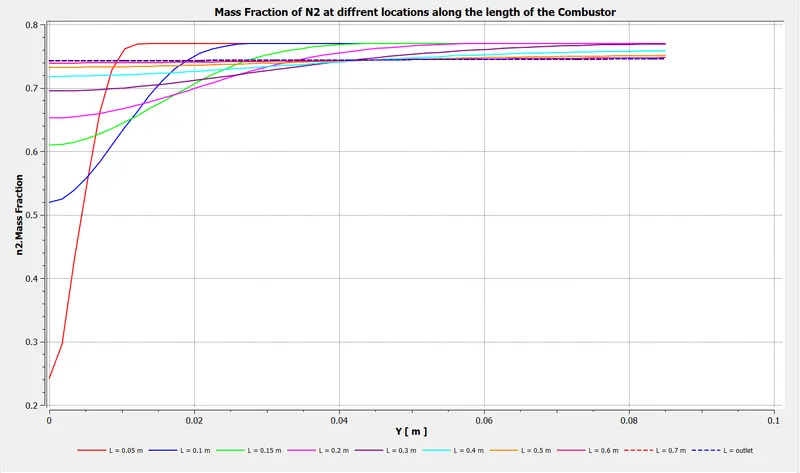
N2
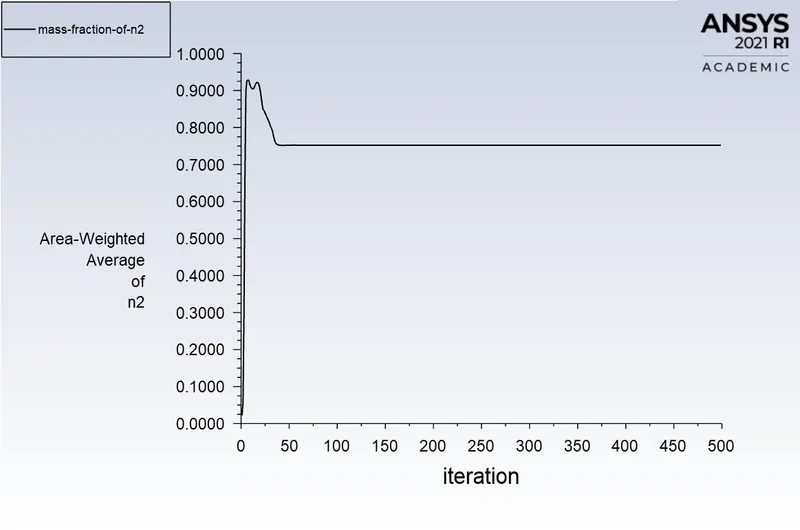

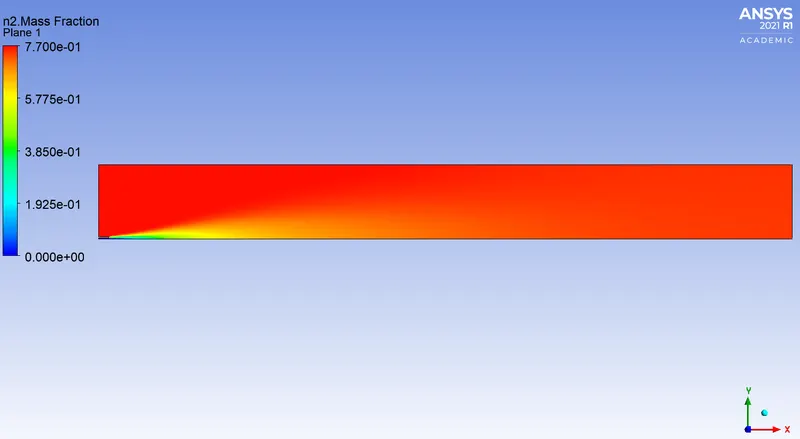
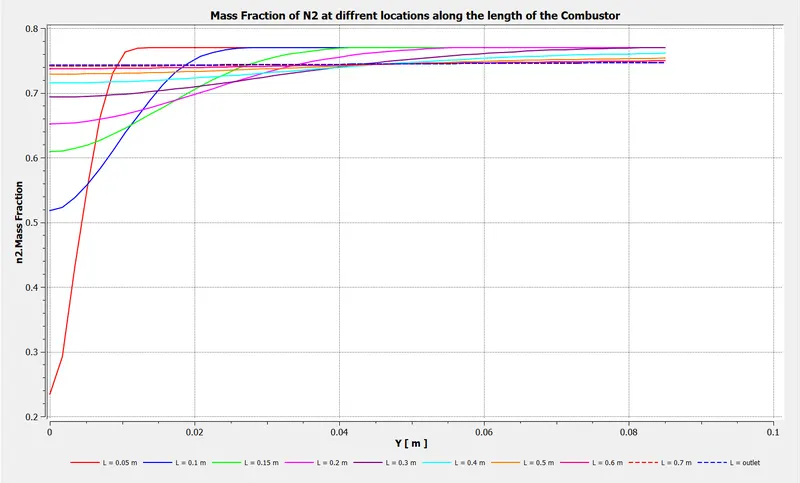
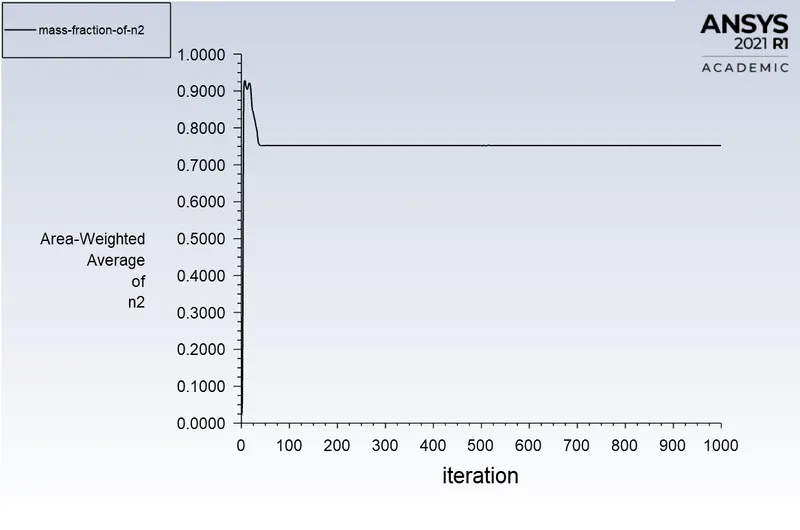
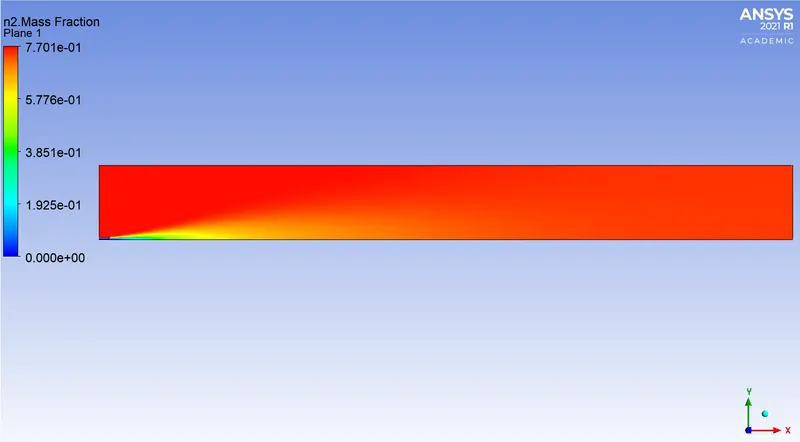
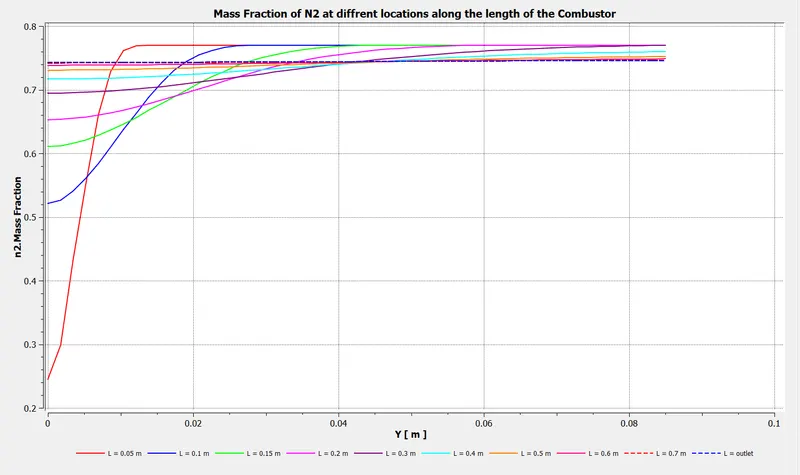
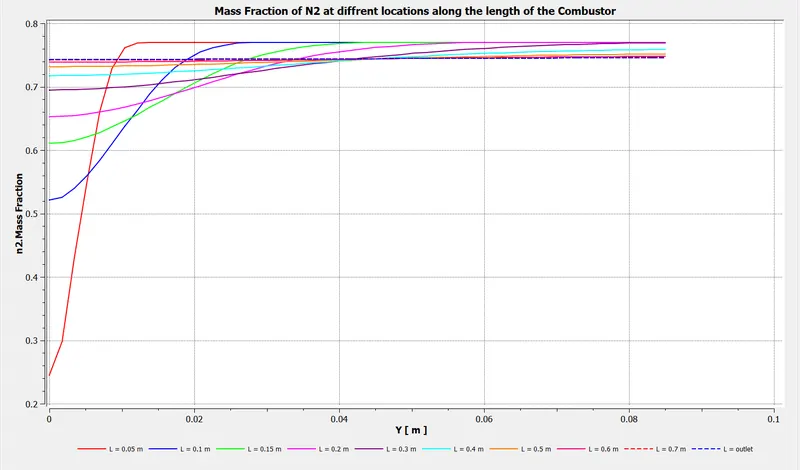
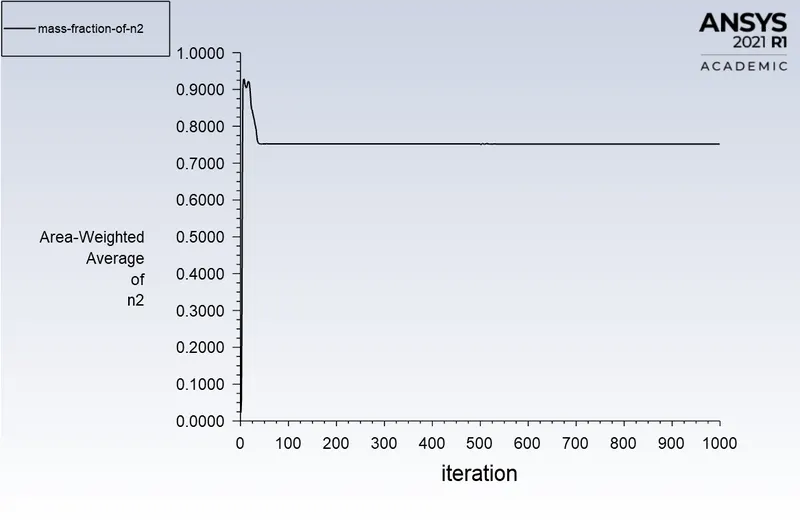
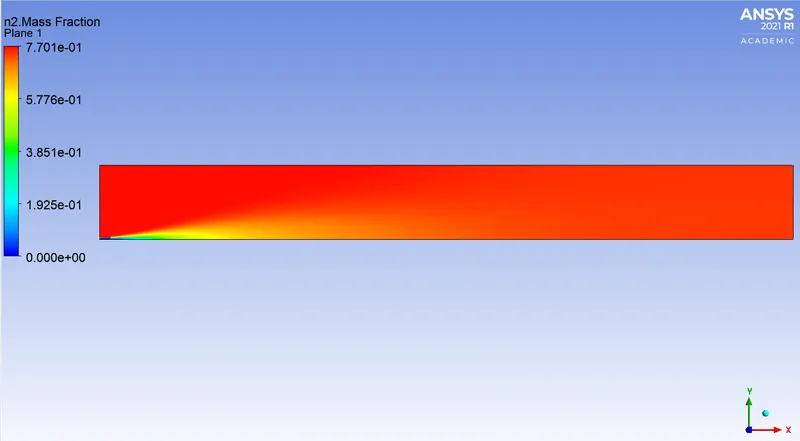
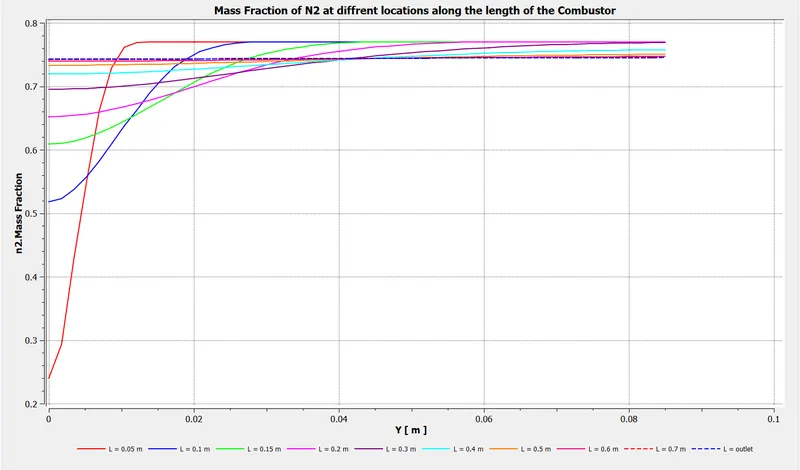
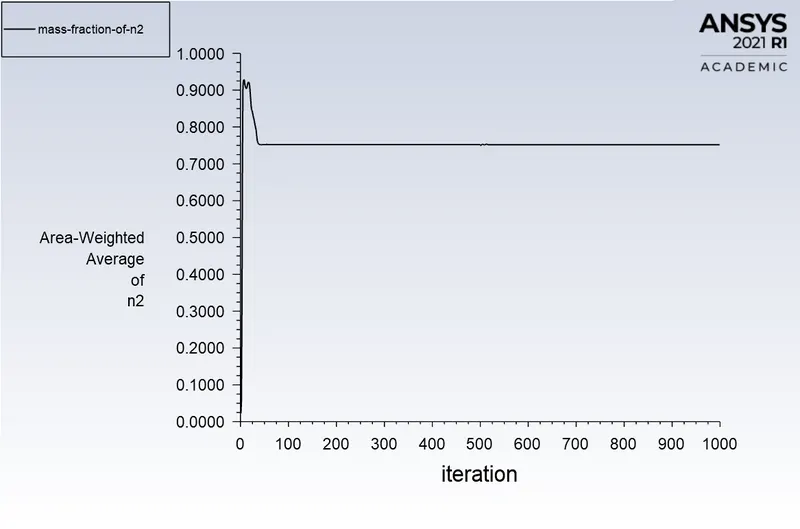
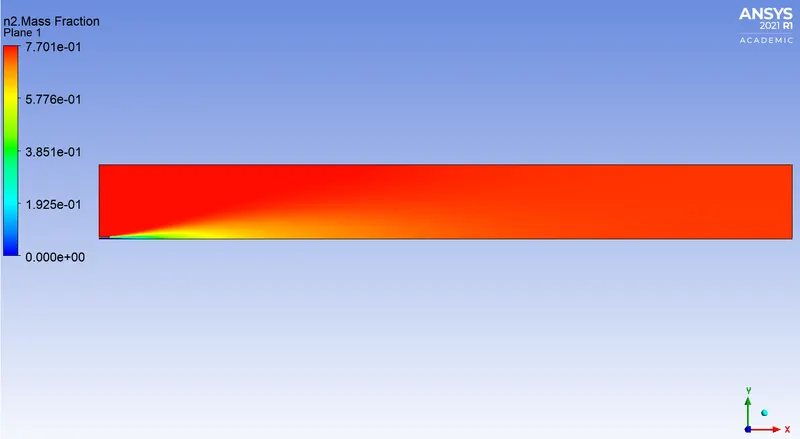
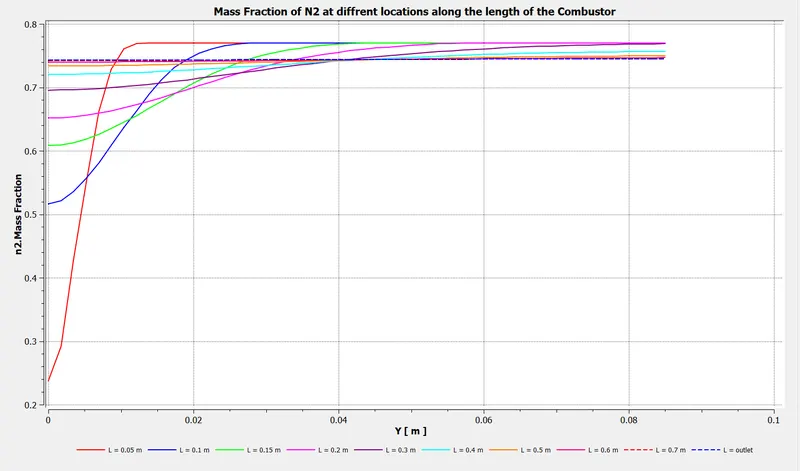
It can be observed that the N2 mass fraction did not change much, it is almost distributed uniformly across the combustor.
O2
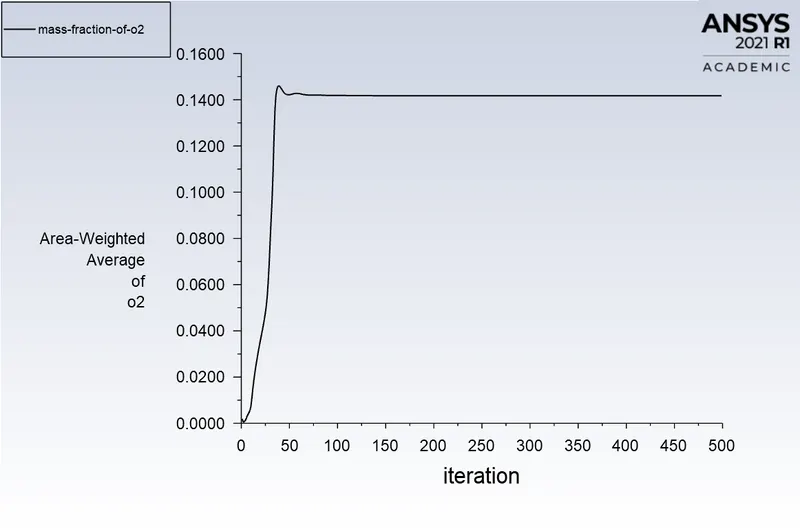

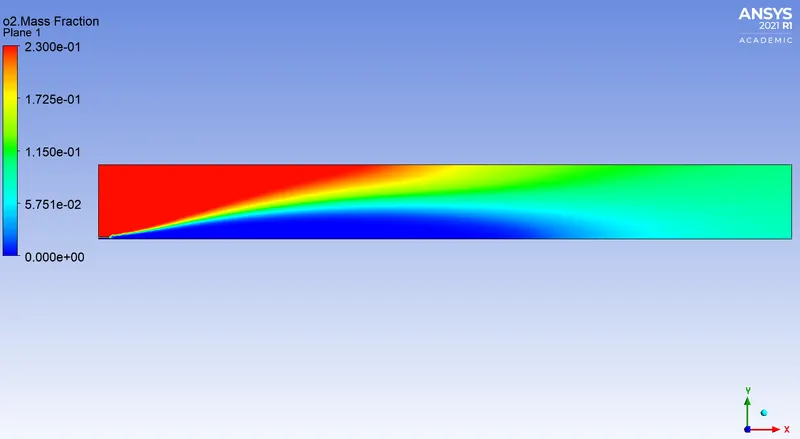
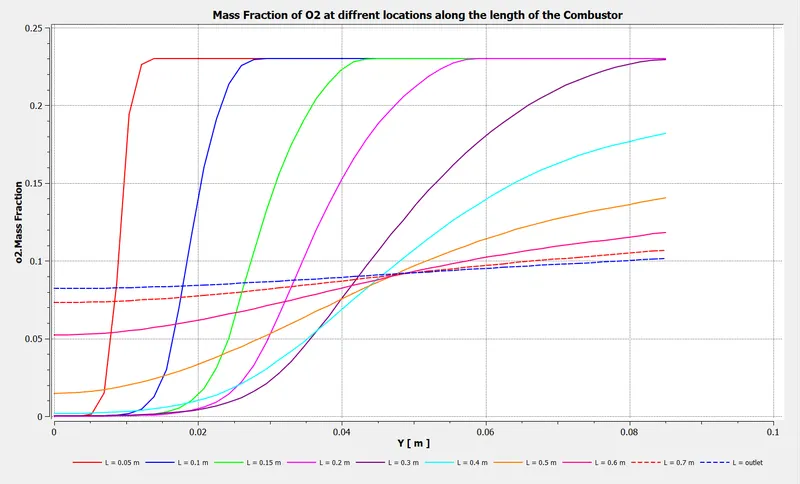
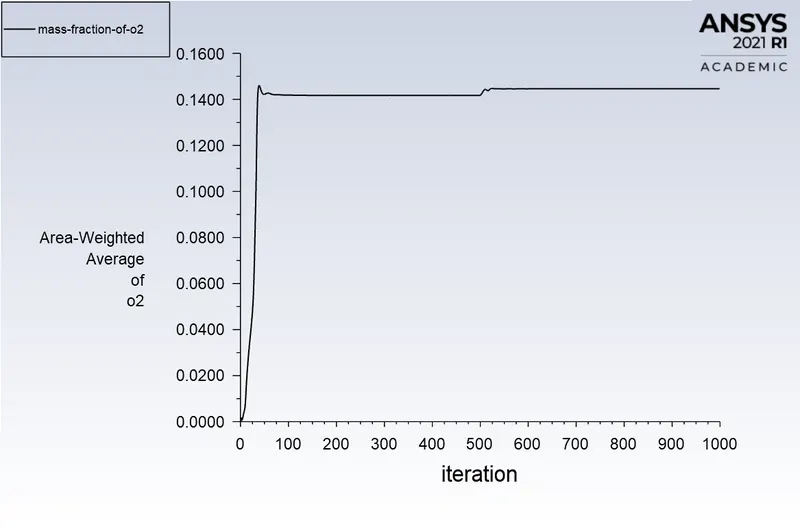
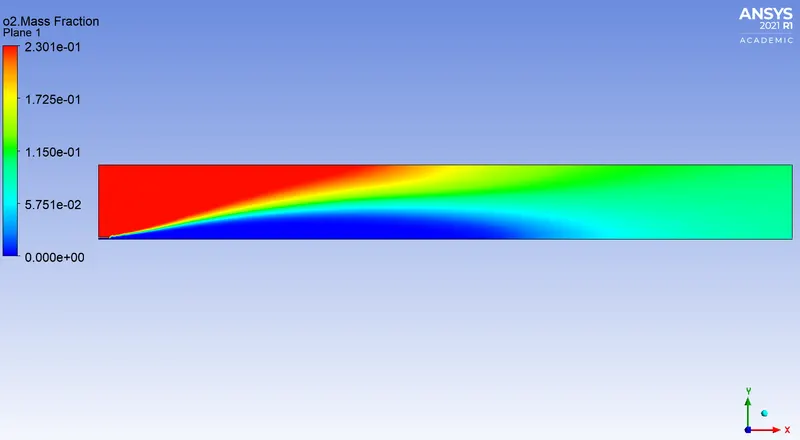
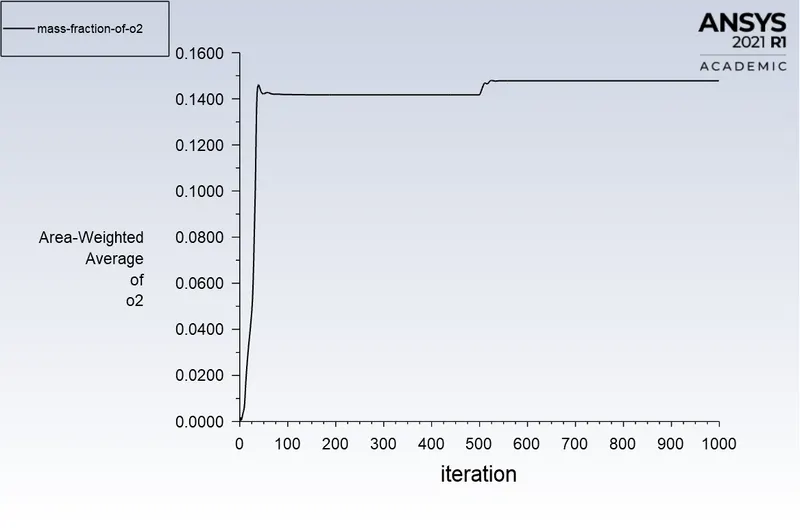
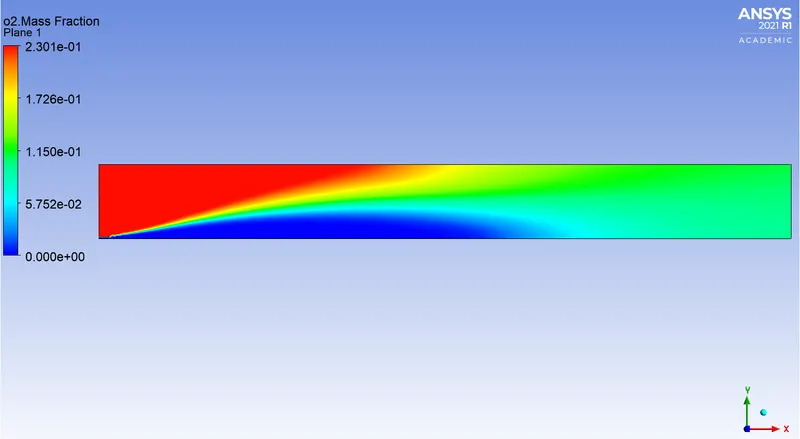
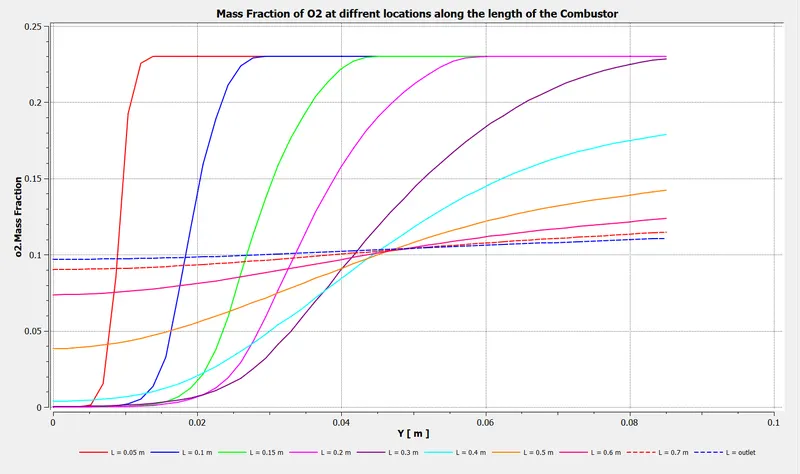
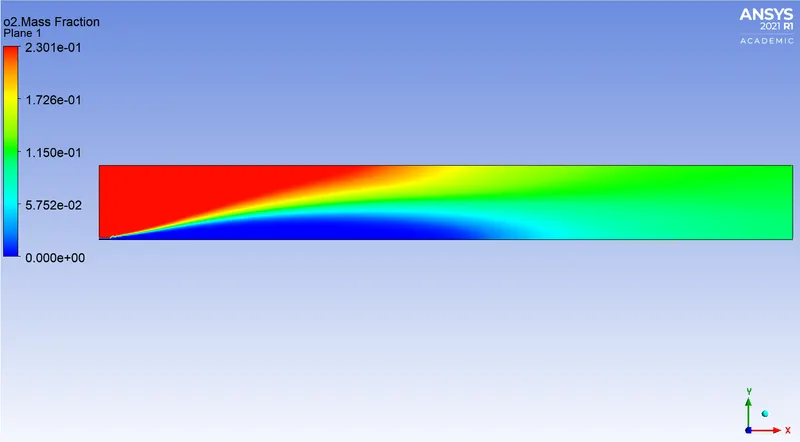
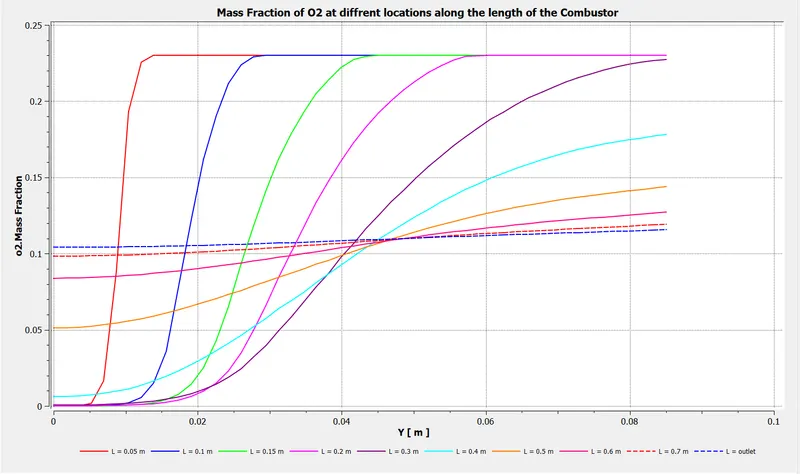
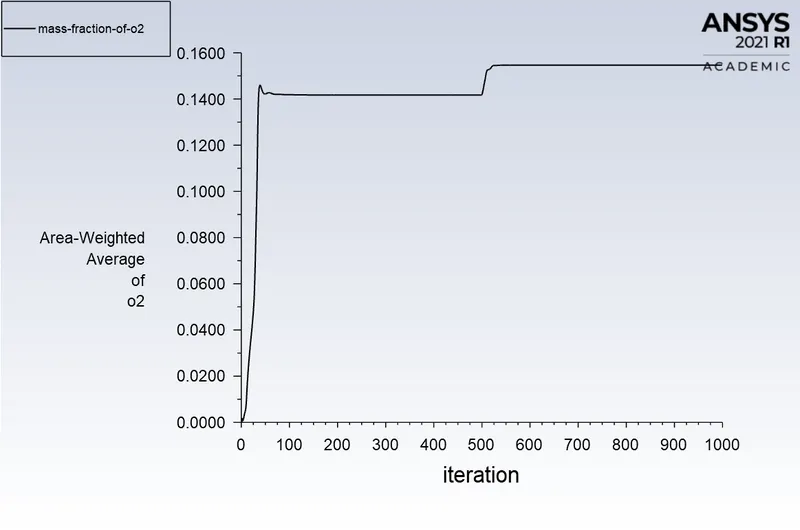
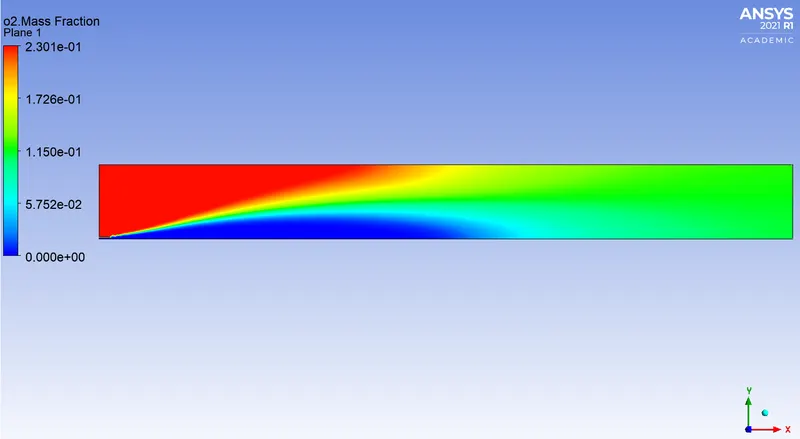
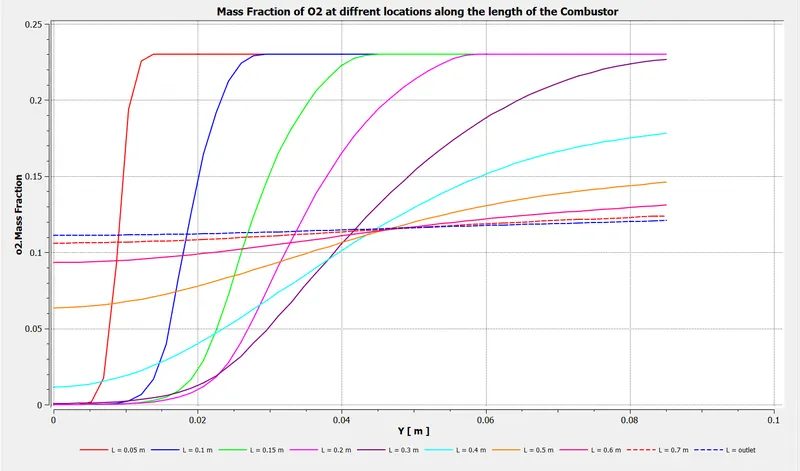
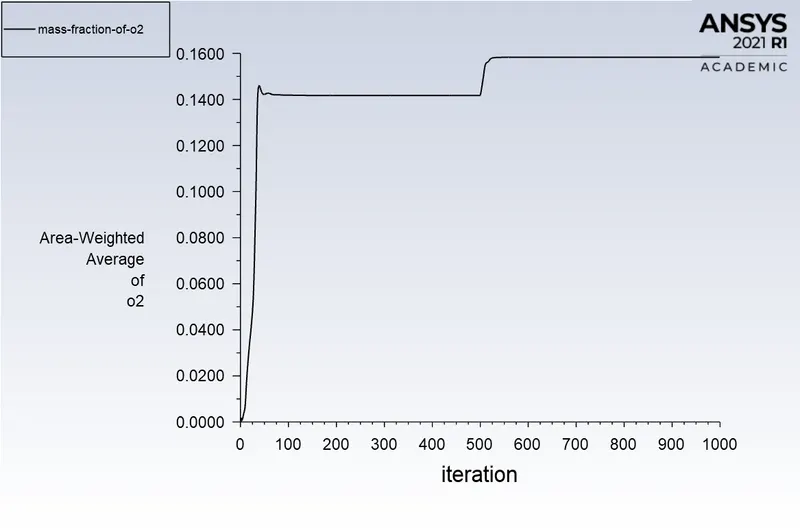
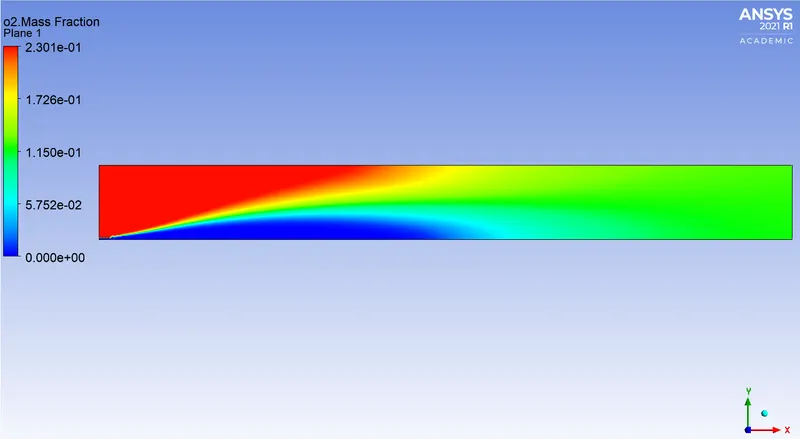
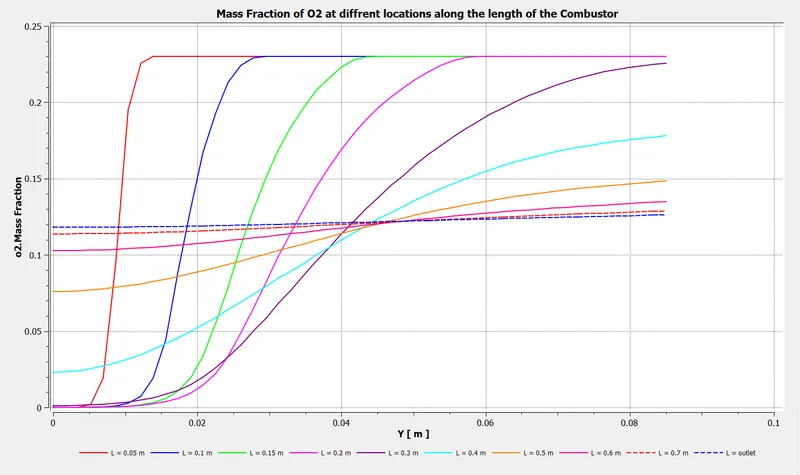
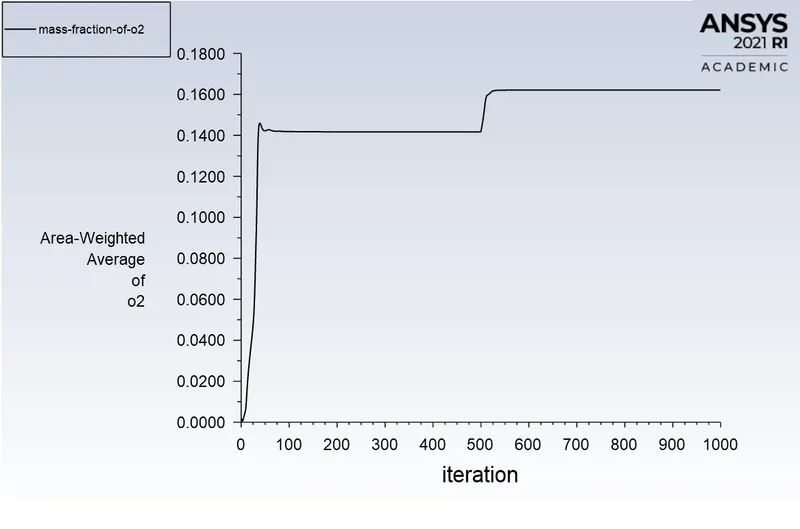
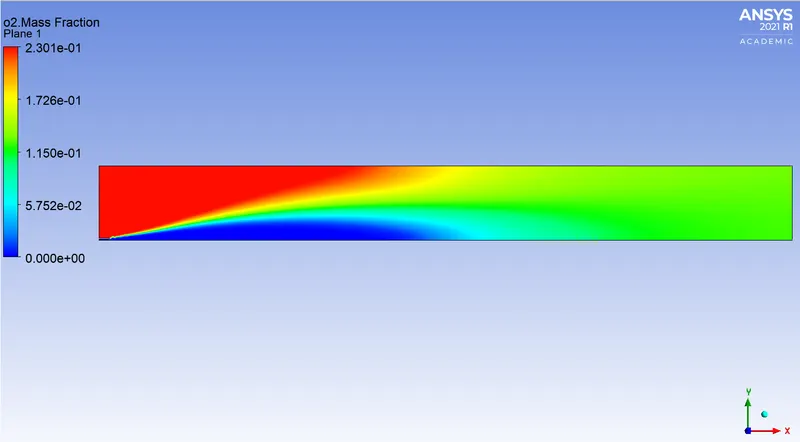
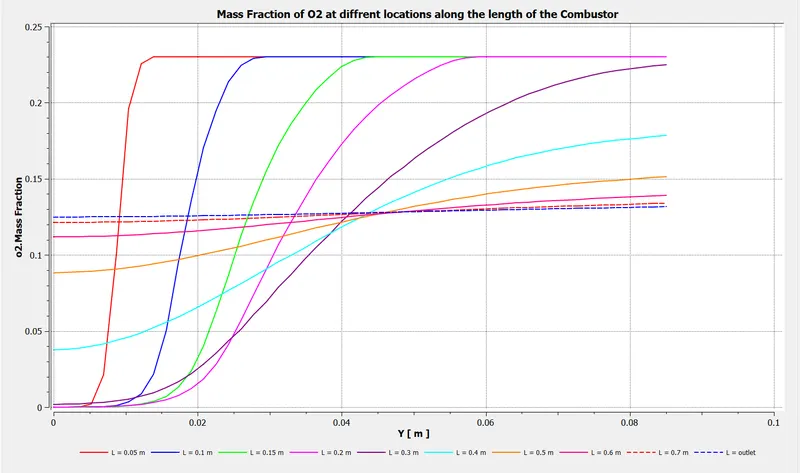
O2 mass fraction is highest near the air-inlet.
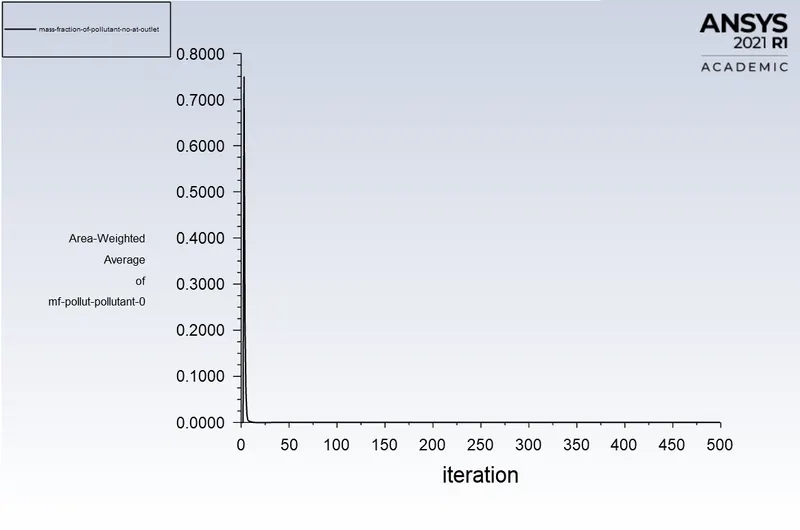
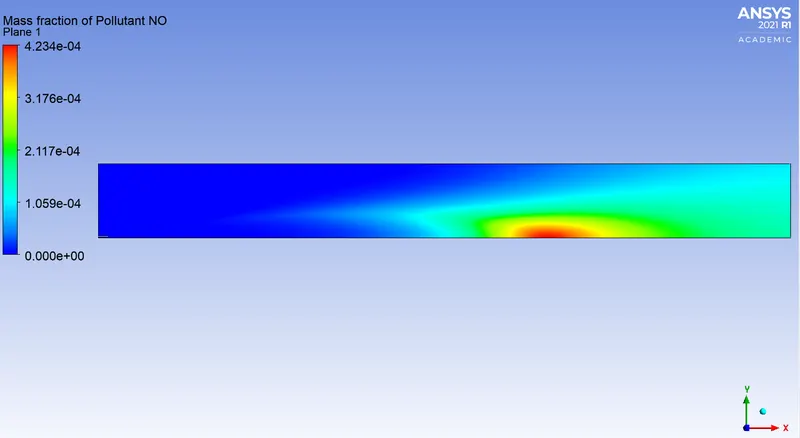
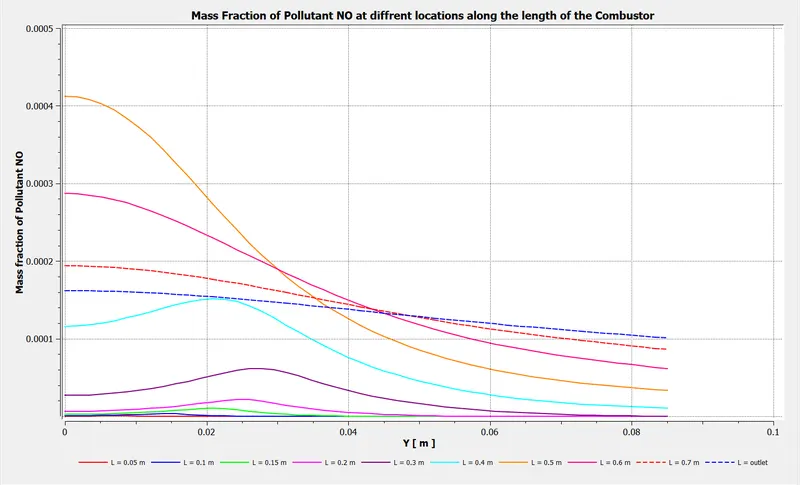
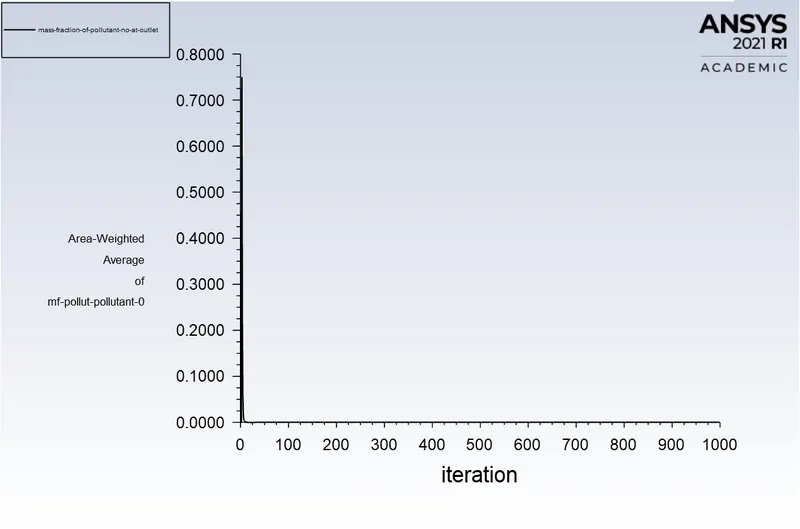
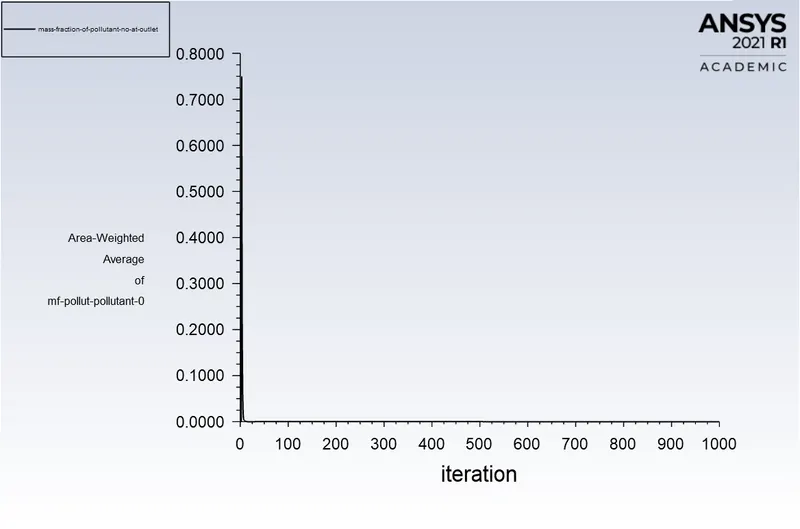
Pollutant NO at the outlet

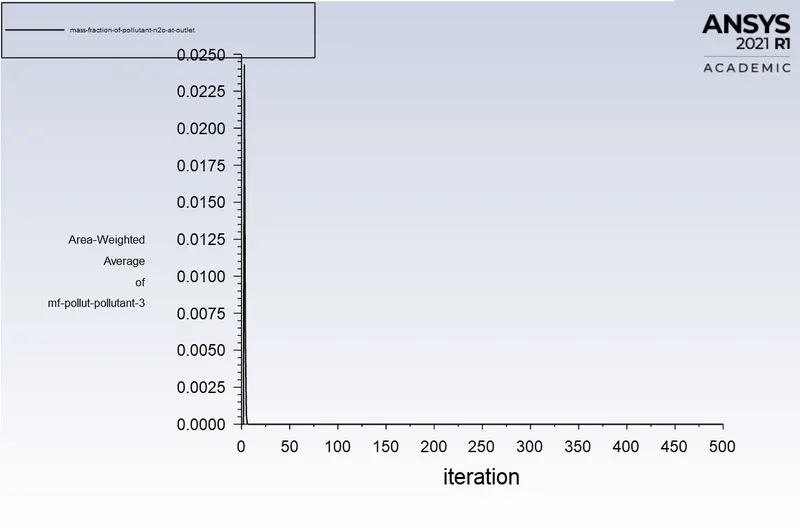
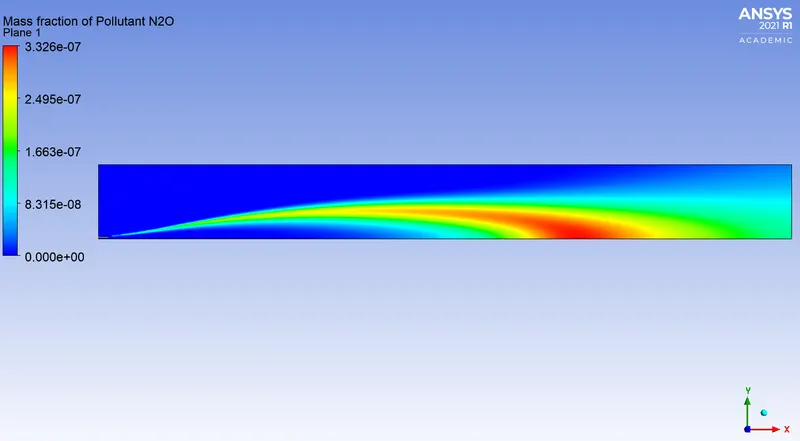
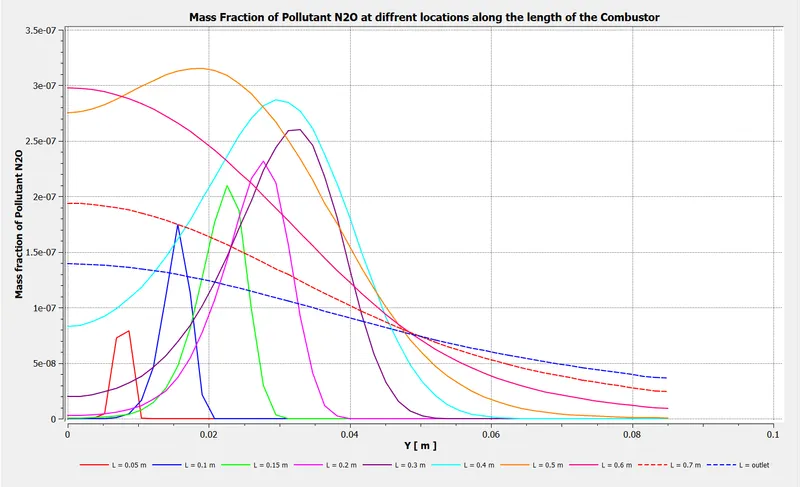
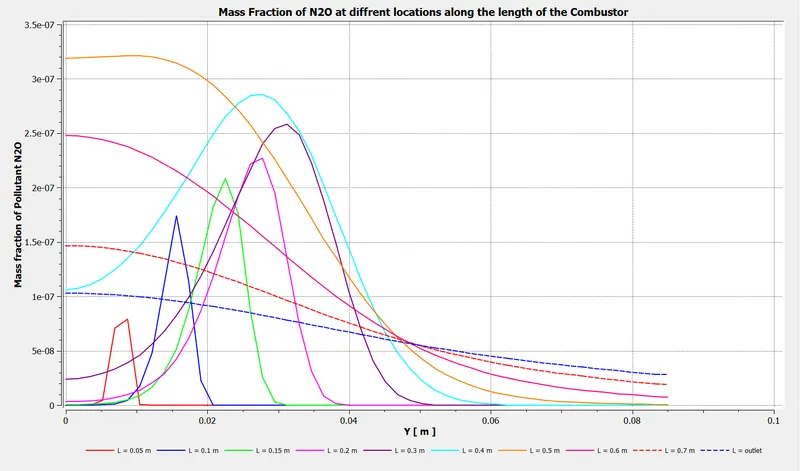
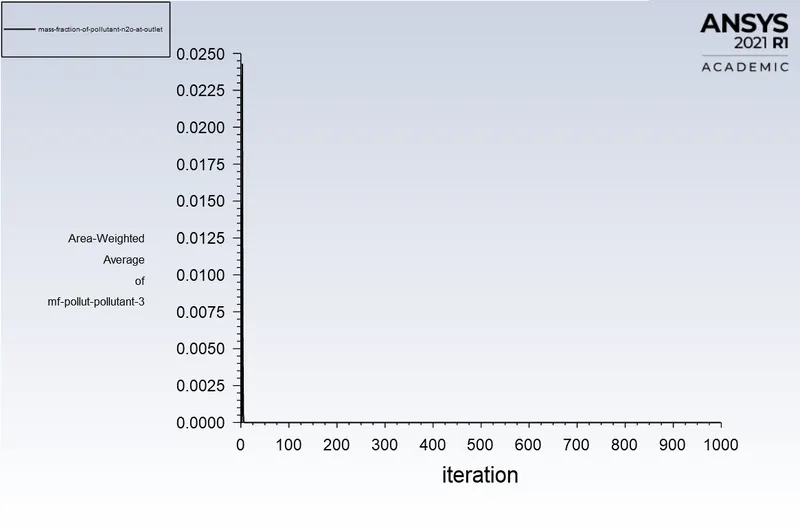
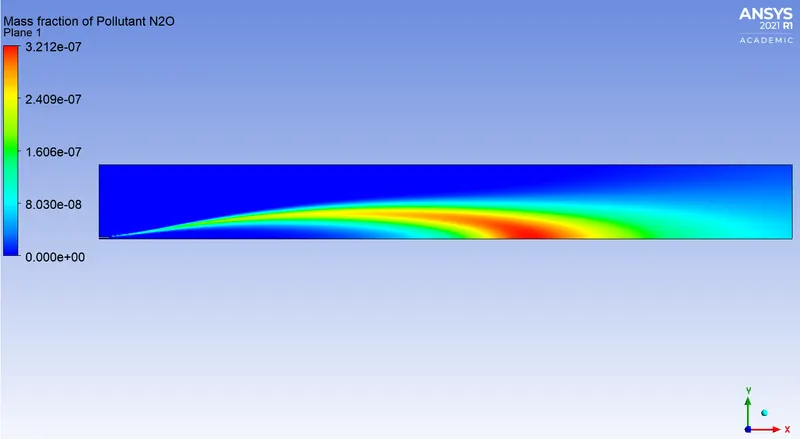
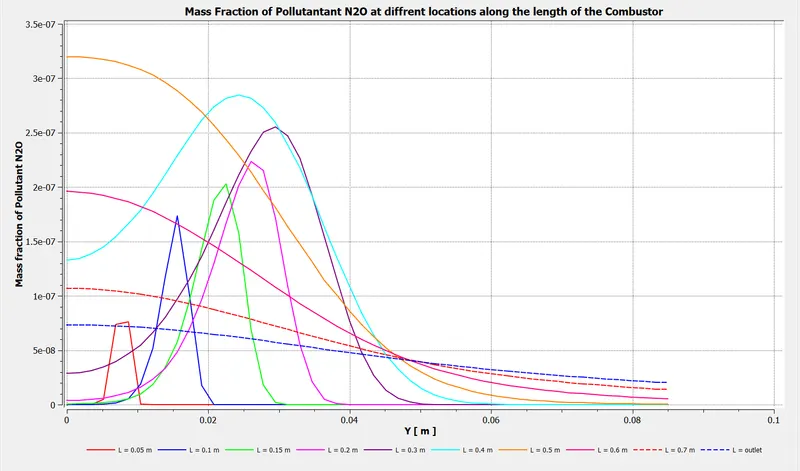
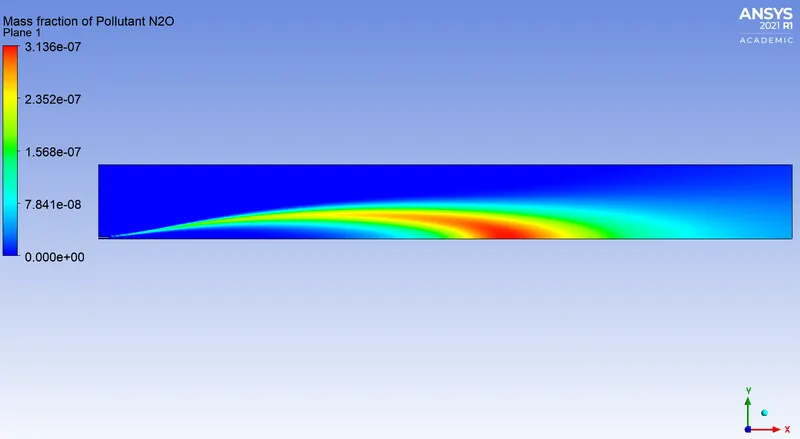
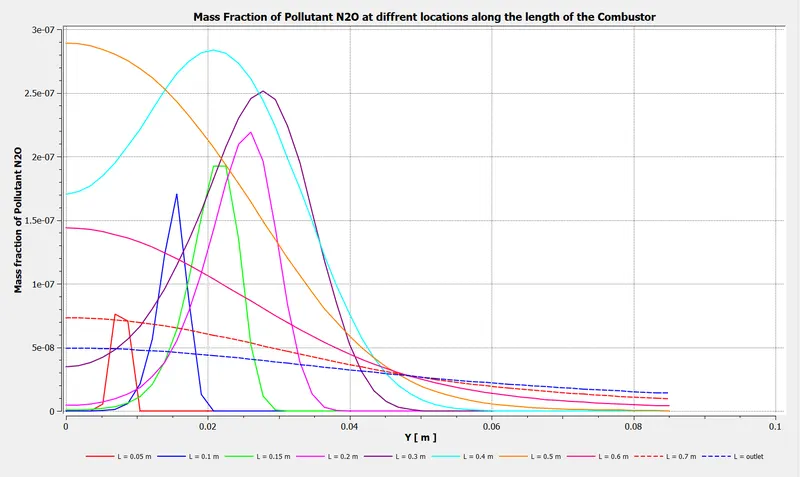
Pollutant N2O at the outlet

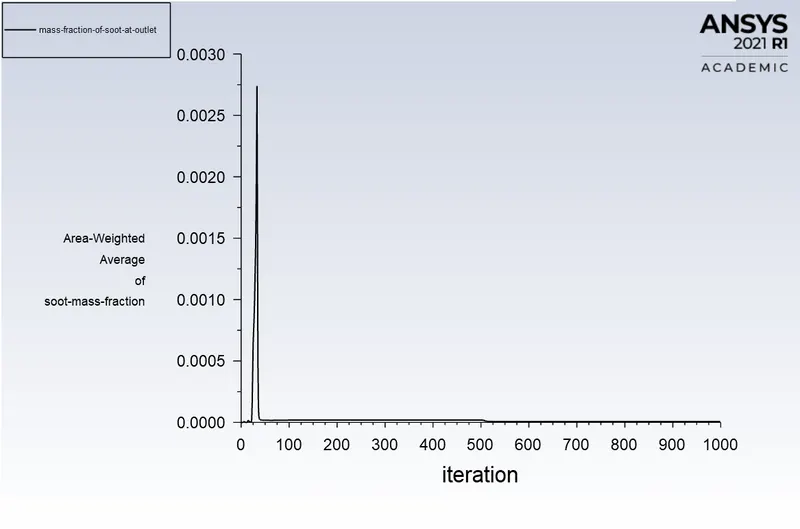
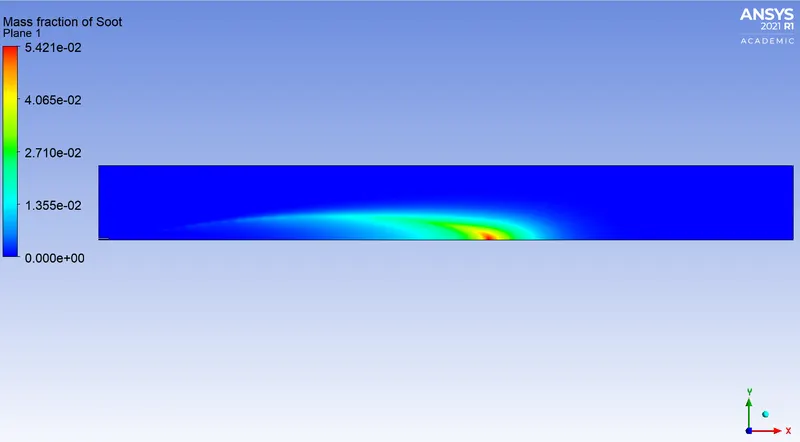
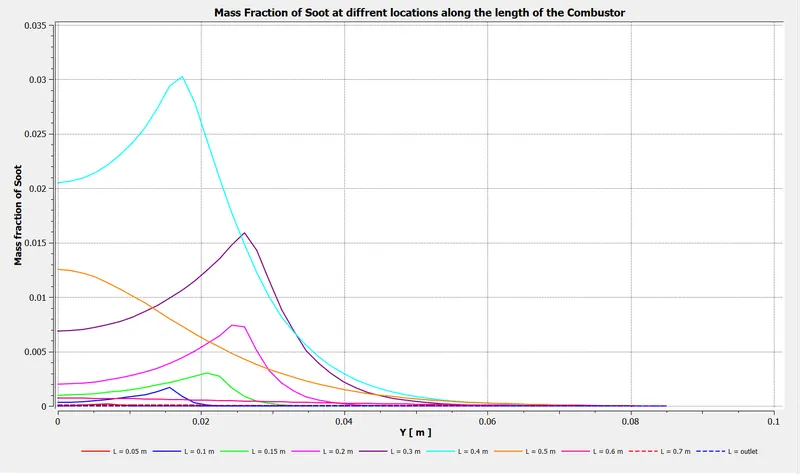
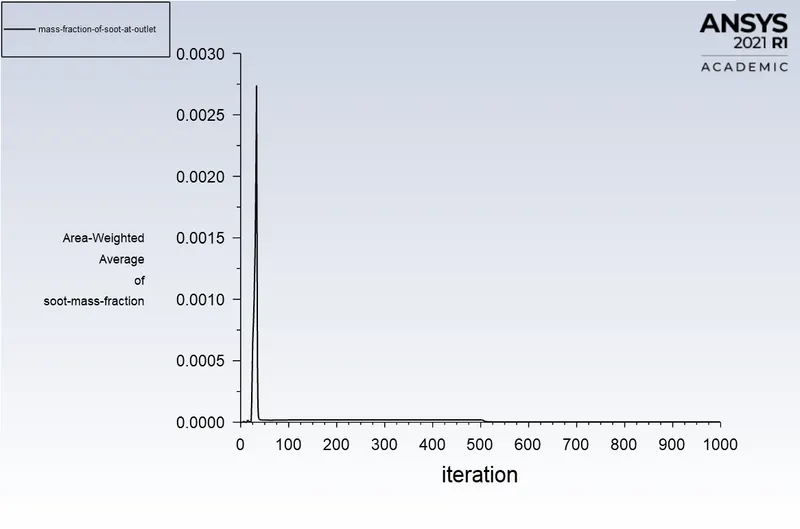
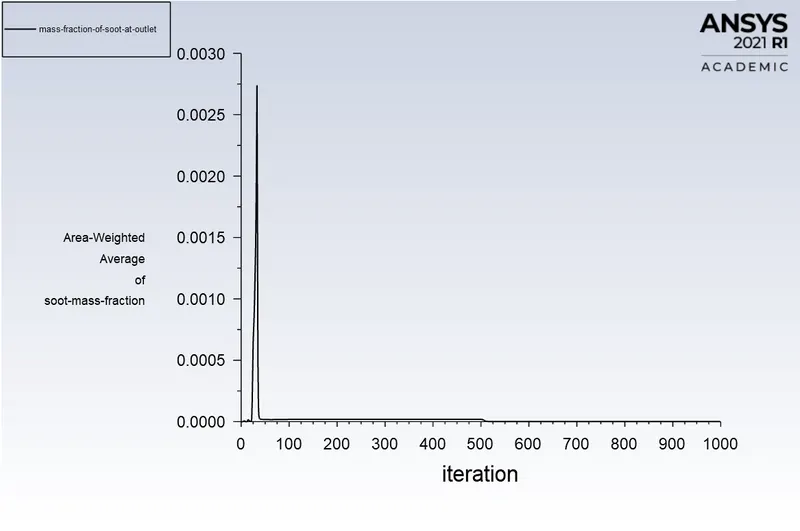
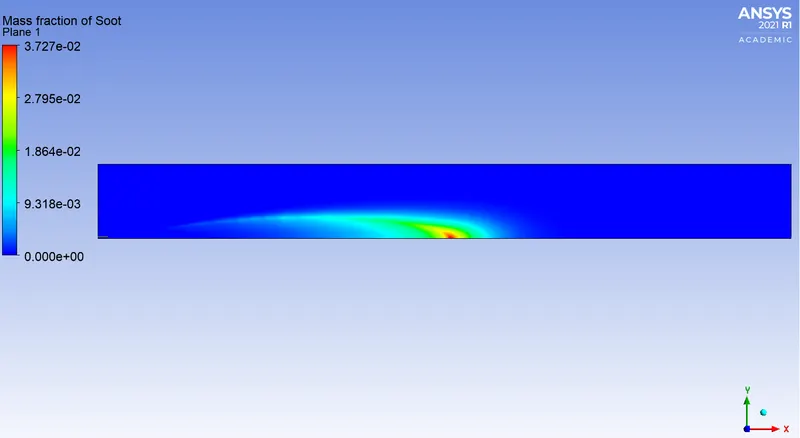
Soot at the outlet
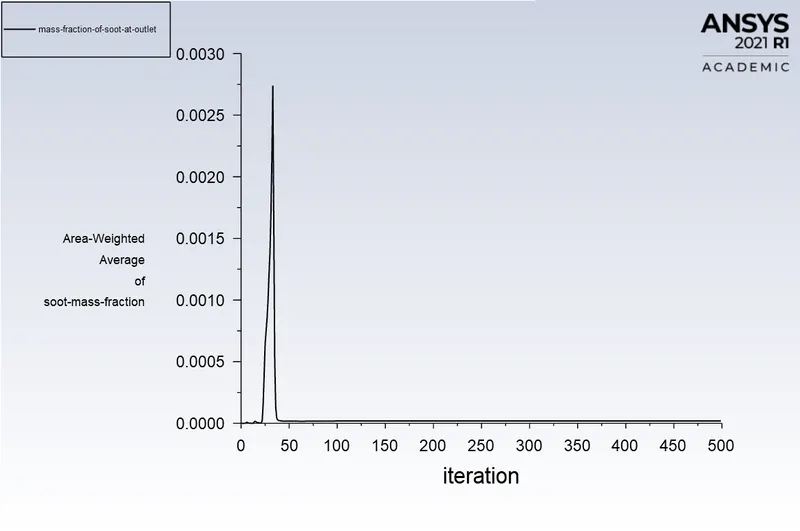

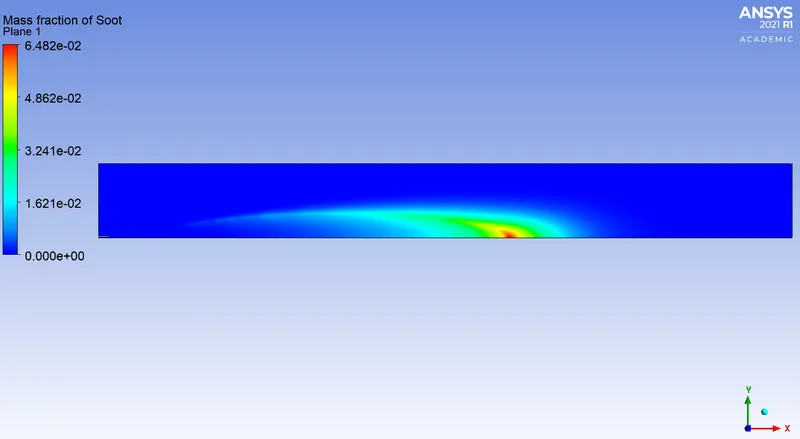
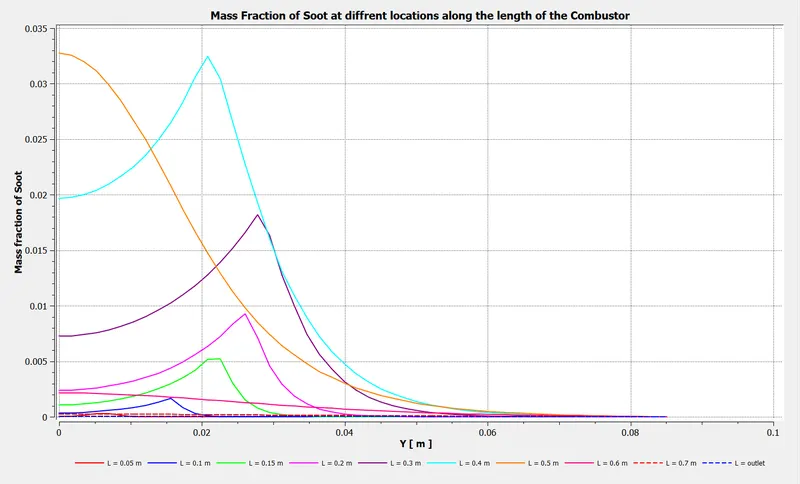
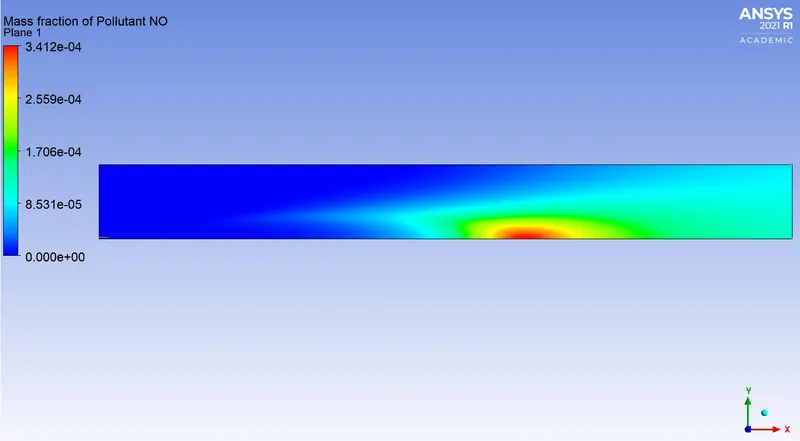
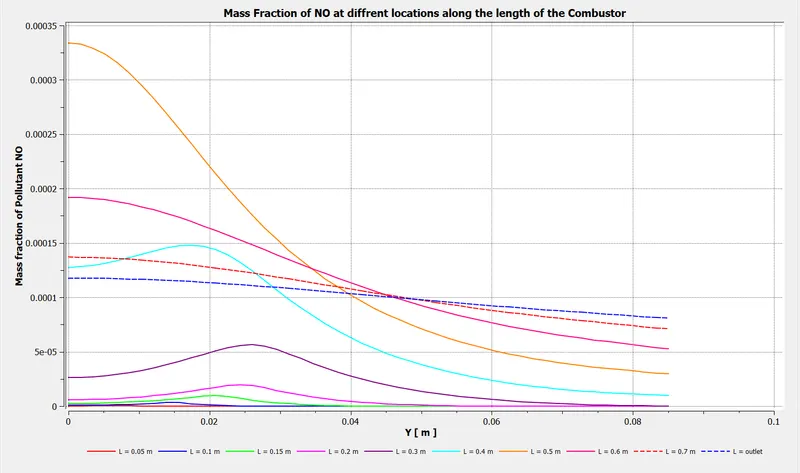
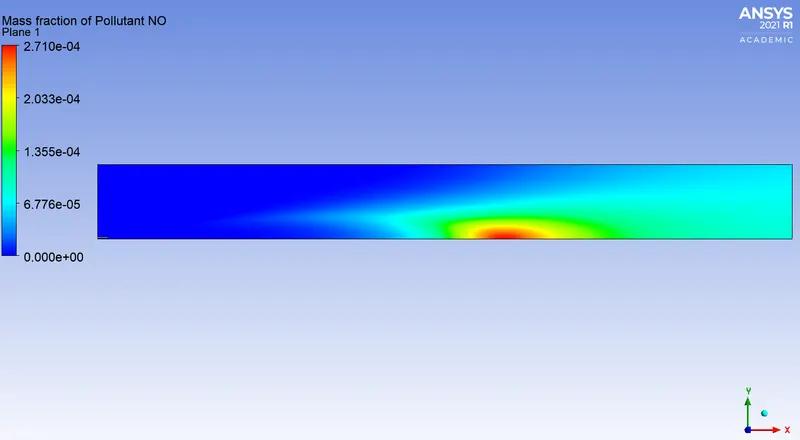
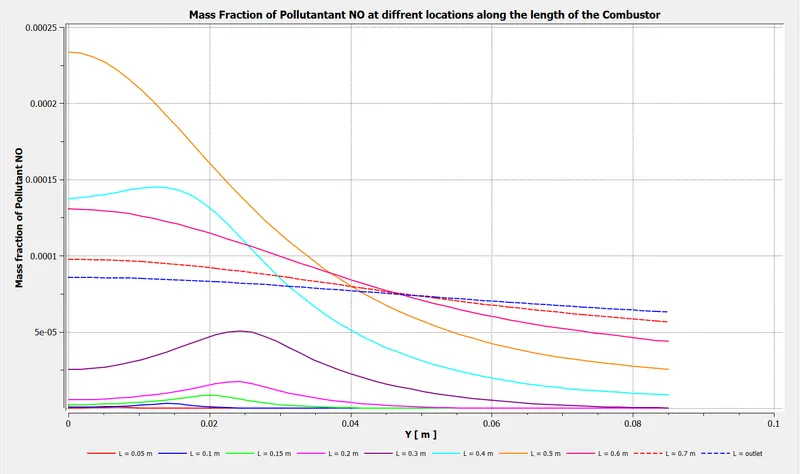
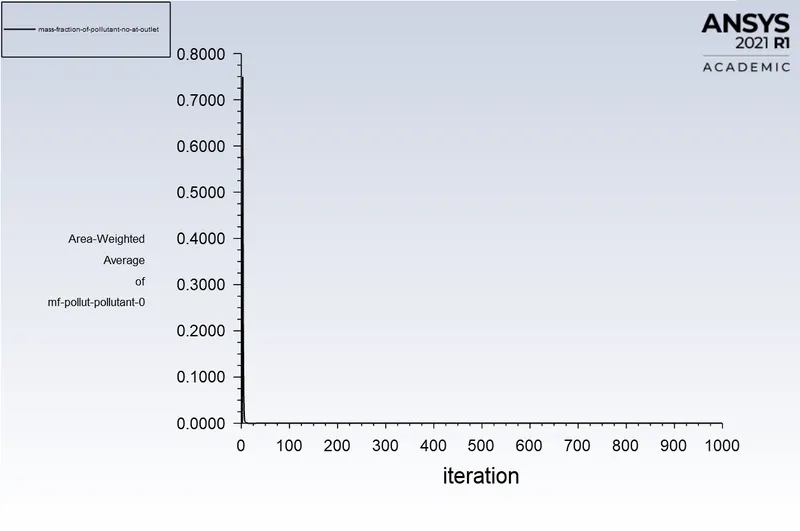
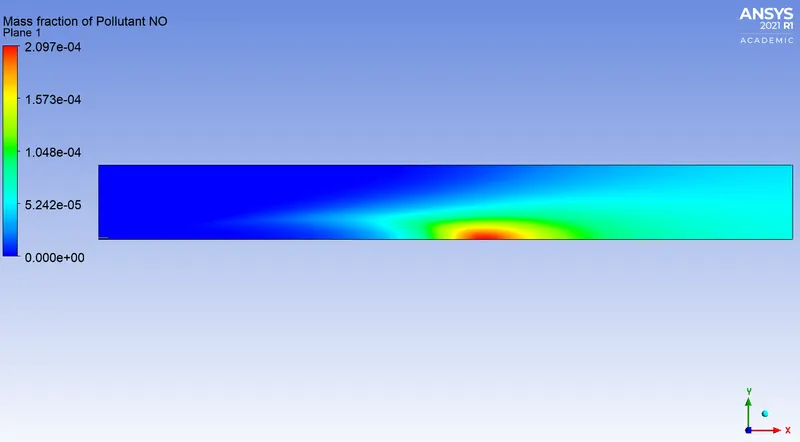
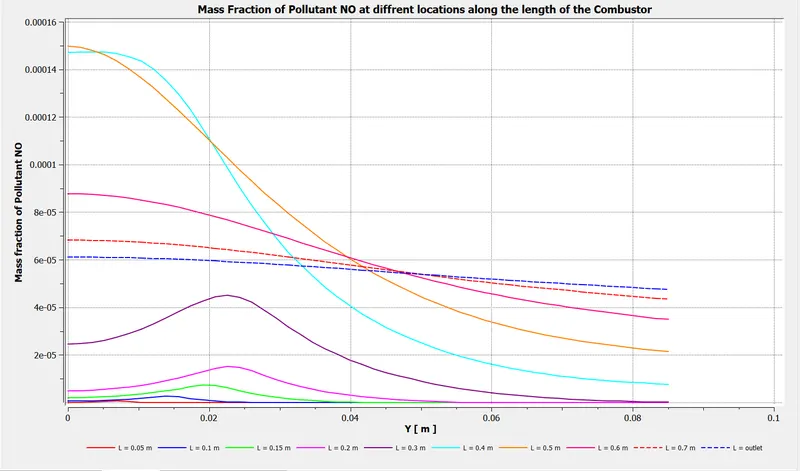
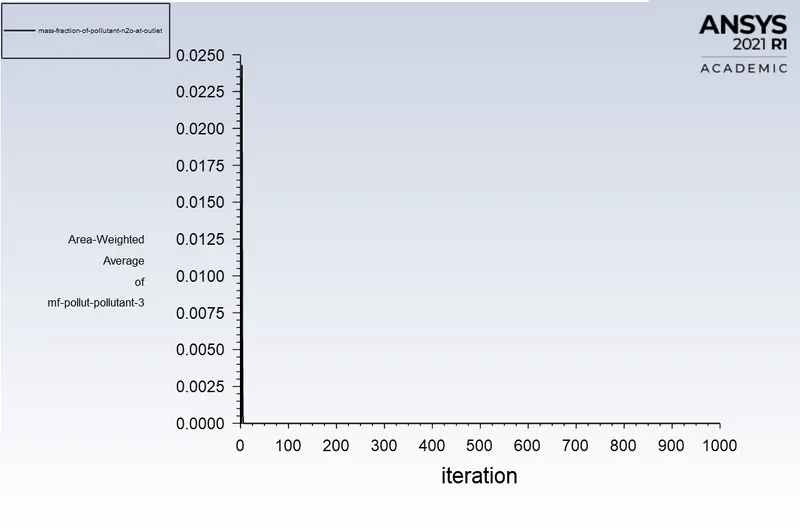
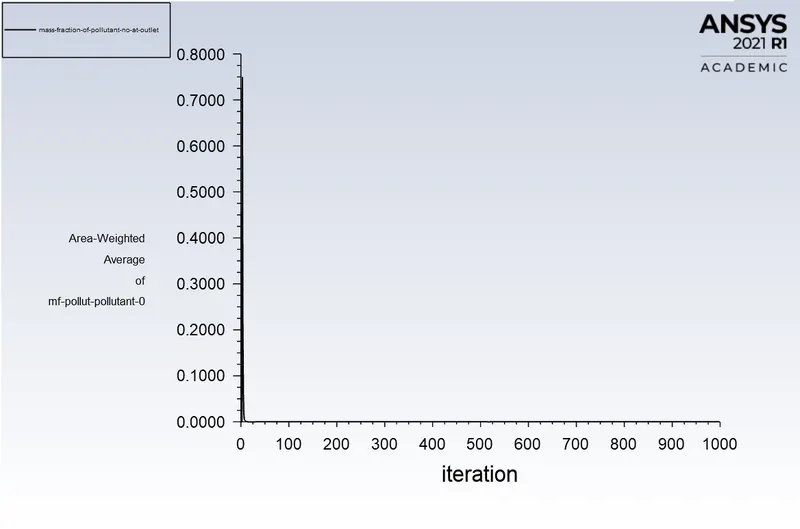
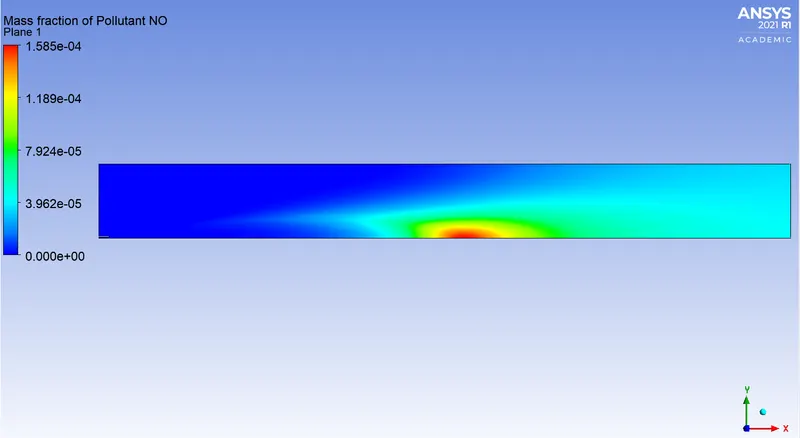
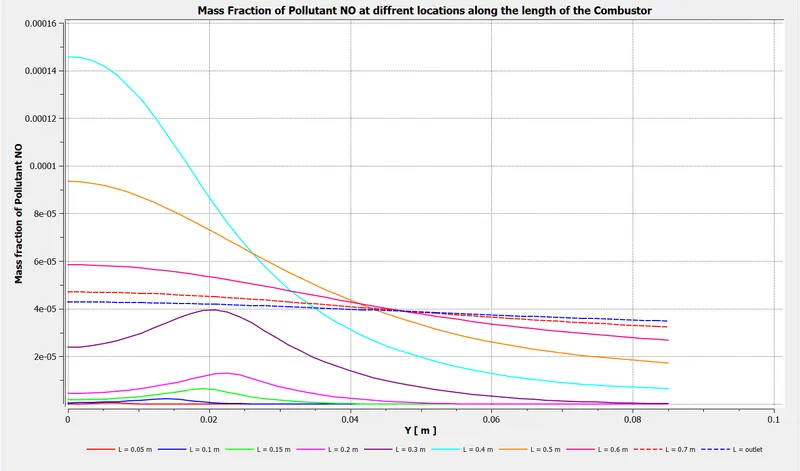
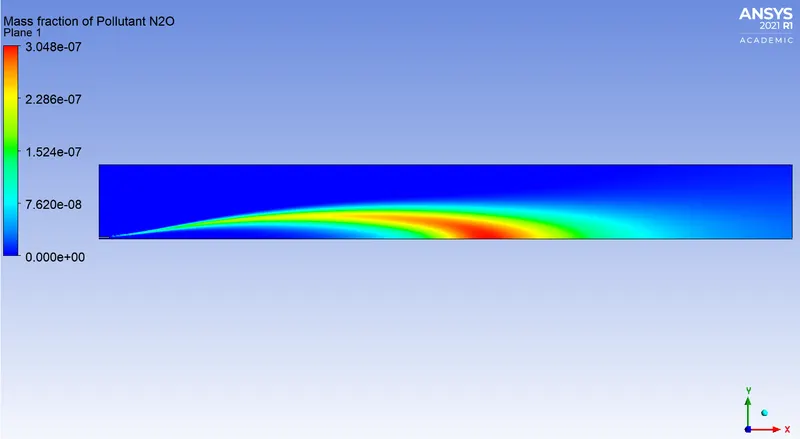
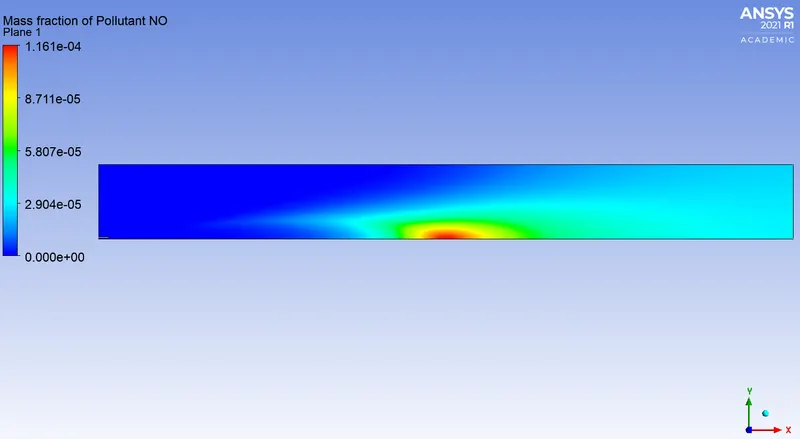
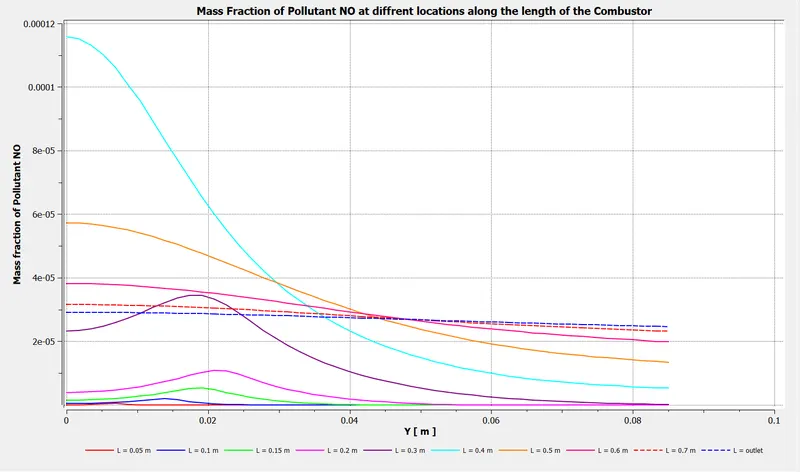
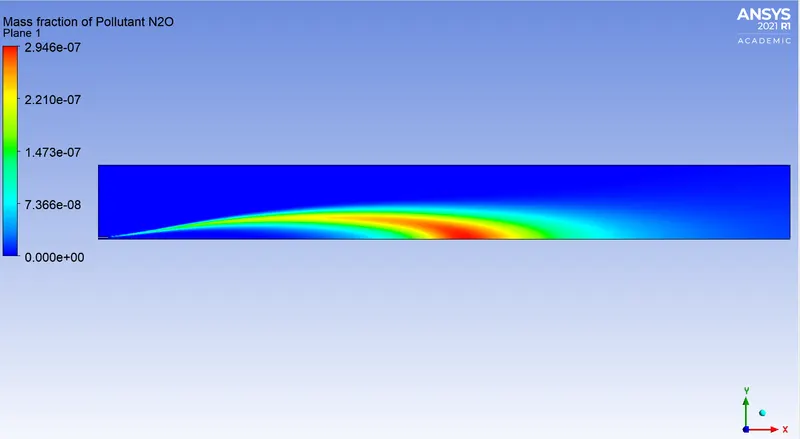
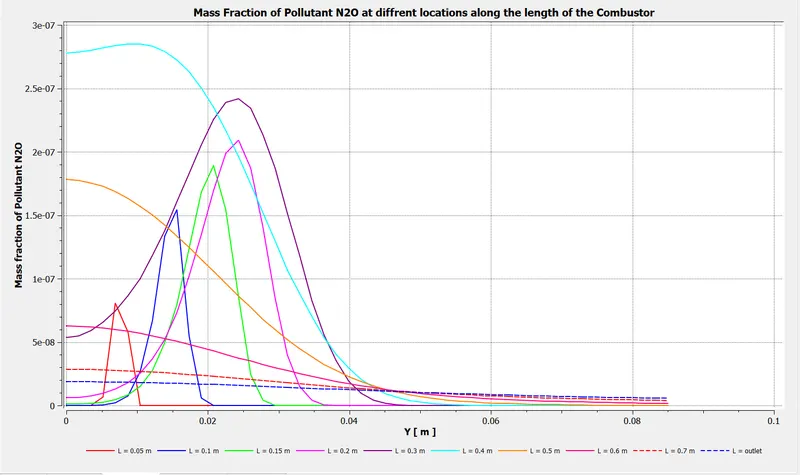
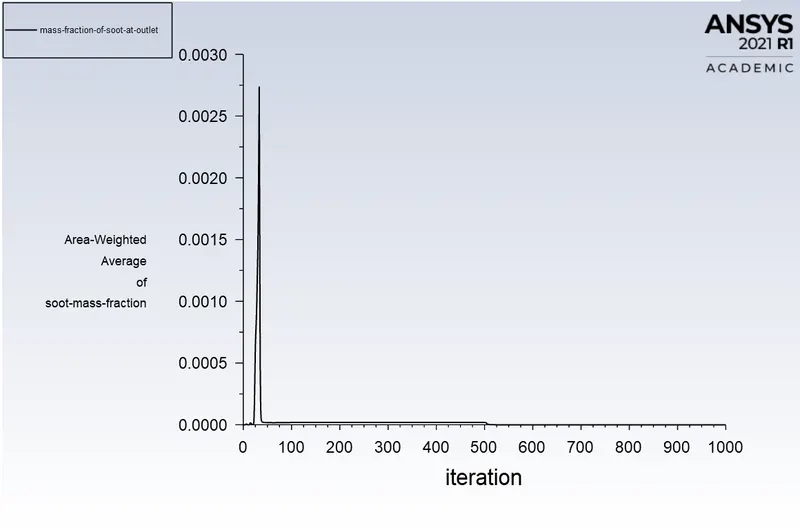
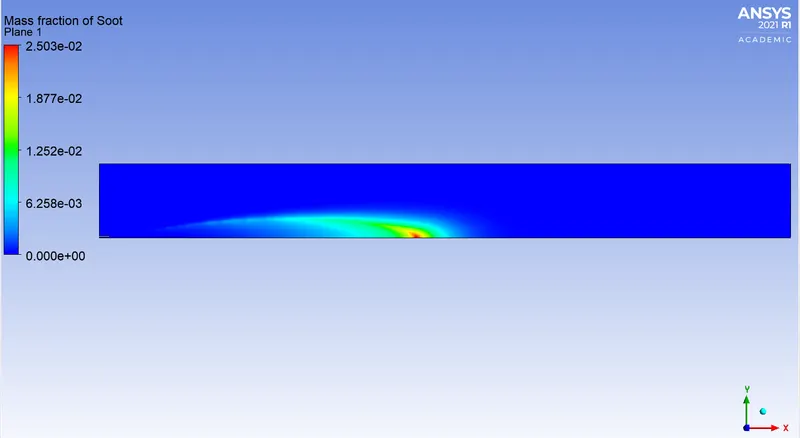
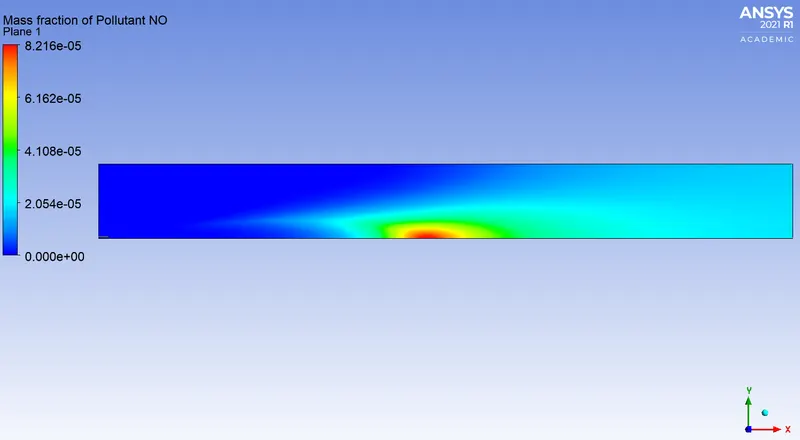
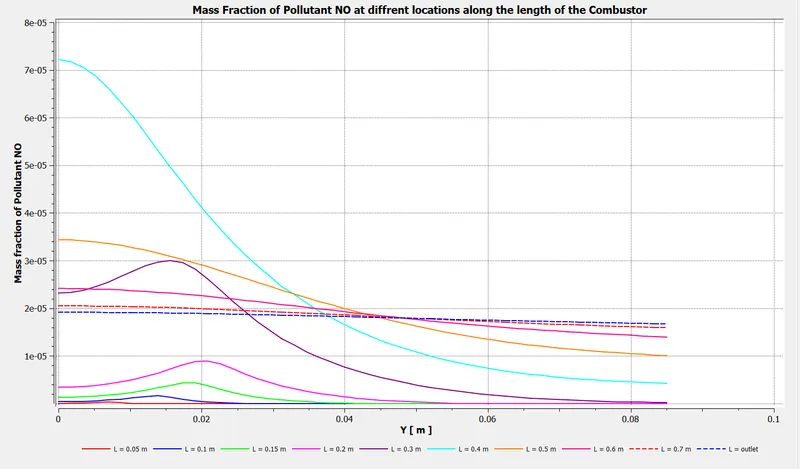
It is observed that pollutant like NOx and Soot mass fraction is more near the outlet of the combustor and accumulated at the bottom part of the combustor.
CASE-2
Parametric Study Data

(A) Adding 5% by mole of water into the fuel mixture
Species Fractions, CH4 = 0.95
H2O = 0.05
Temperature

CO2

H2O

CH4

N2

O2

Pollutant NO at the outlet

Pollutant N2O at the outlet

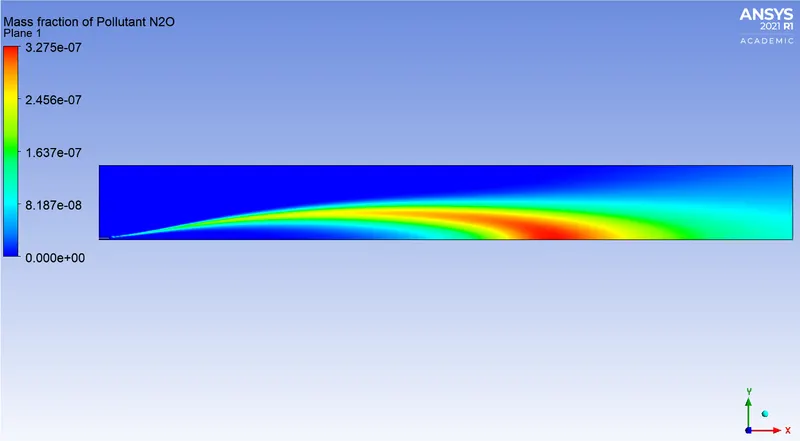
Soot at outlet

(B) Adding 10% by mole of water into the fuel mixture
Species Fractions, CH4 = 0.9
H2O = 0.1
Temperature

CO2

H2O

CH4

N2

O2

Pollutant NO at the outlet

Pollutant N2O at the outlet

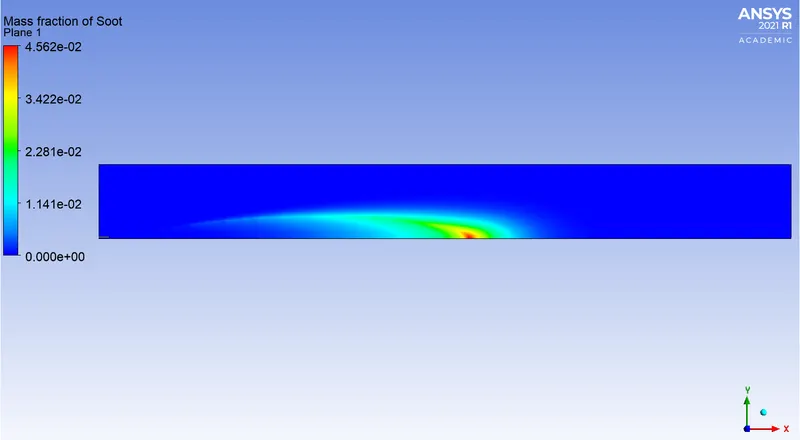
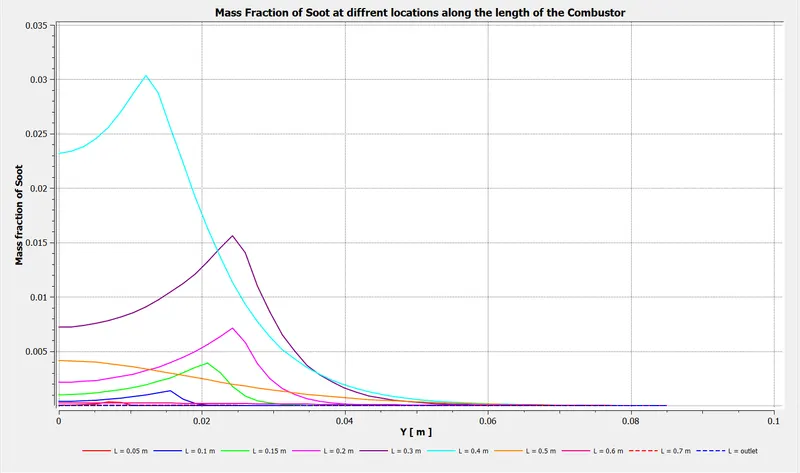
Soot at the outlet

(C) Adding 15% by mole of water into the fuel mixture
Species Fractions, CH4 = 0.85
H2O = 0.15
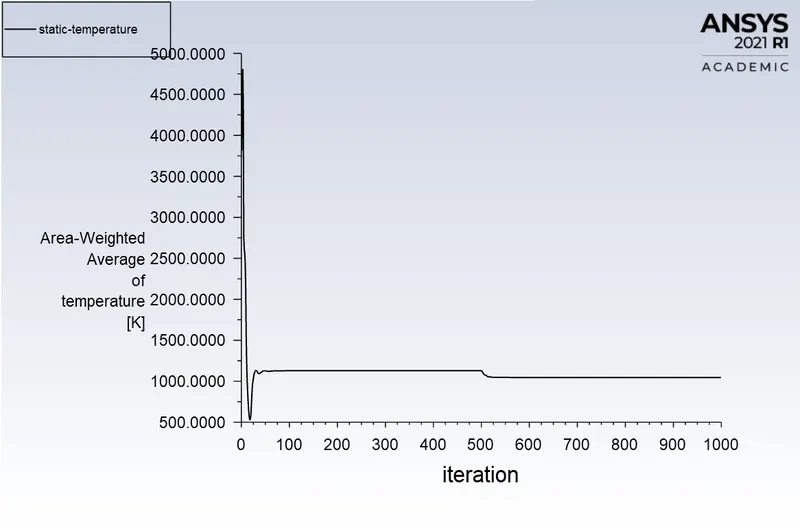
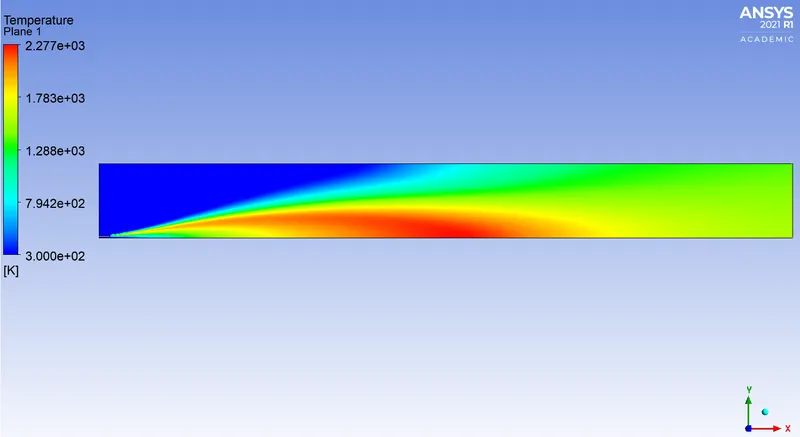
Temperature

CO2

H20

CH4

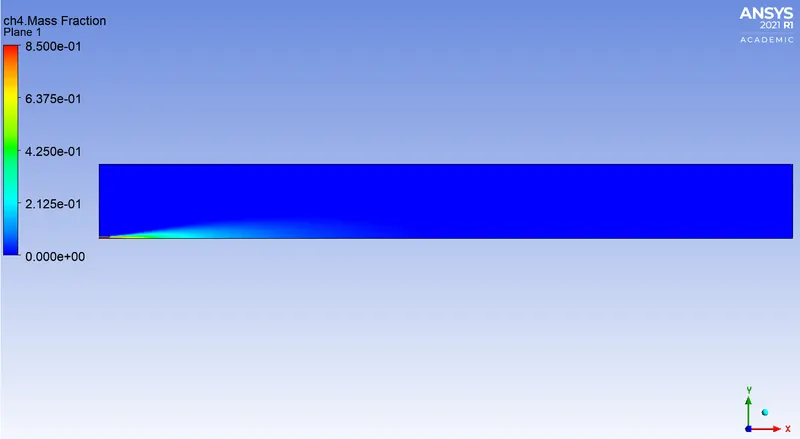
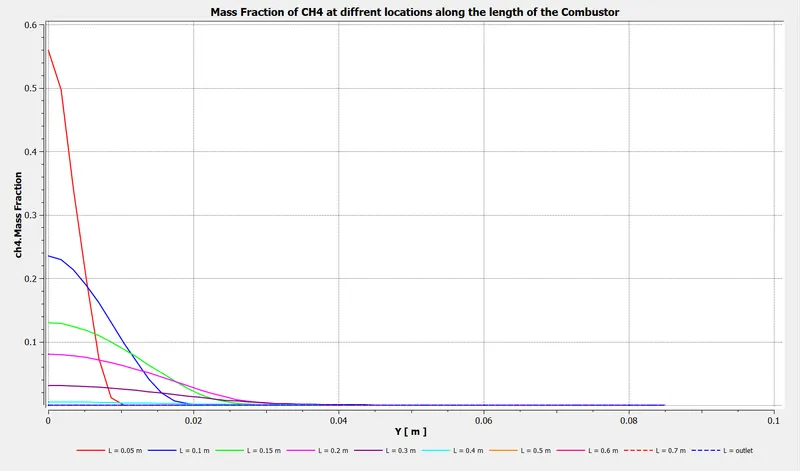
N2
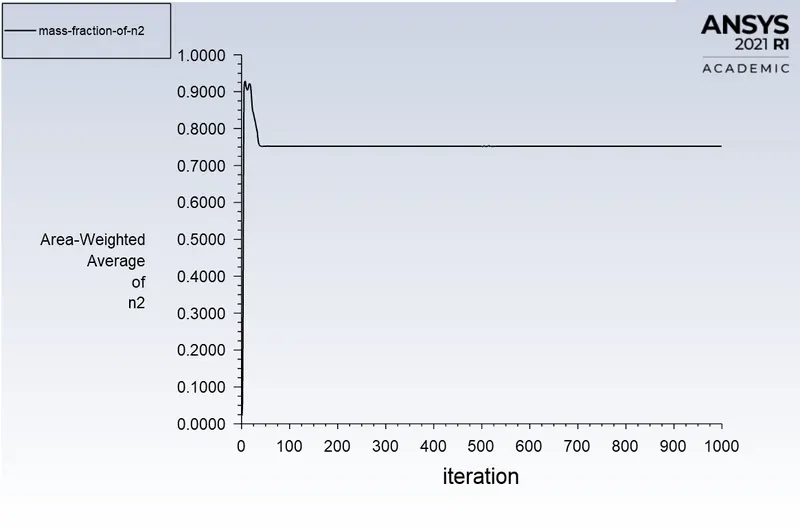

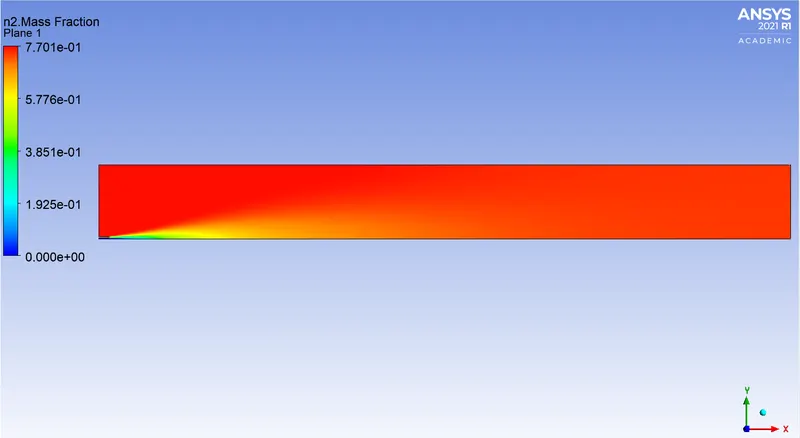
O2

Pollutant NO at the Outlet

Pollutant N2O at the Outlet

Soot at the outlet

(D) Adding 20% by mole of water into the fuel mixture
Species Fractions, CH4 = 0.80
H2O = 0.20
Temperature

CO2

H2O

CH4

N2

O2

Pollutant NO at the outlet

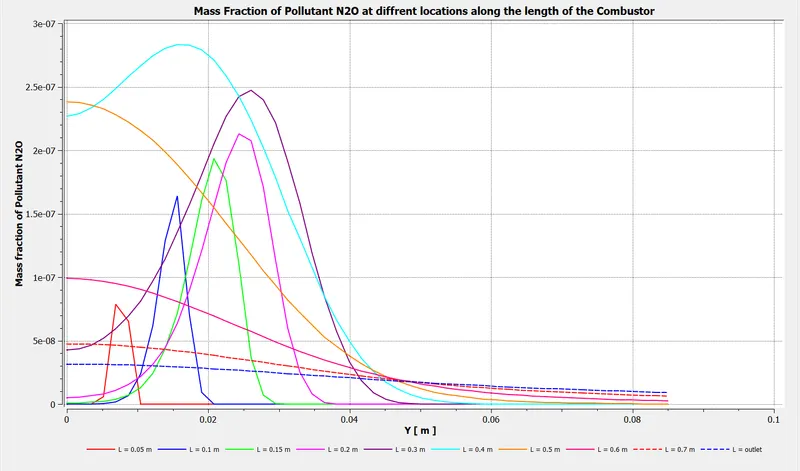
Pollutant N2O at the outlet

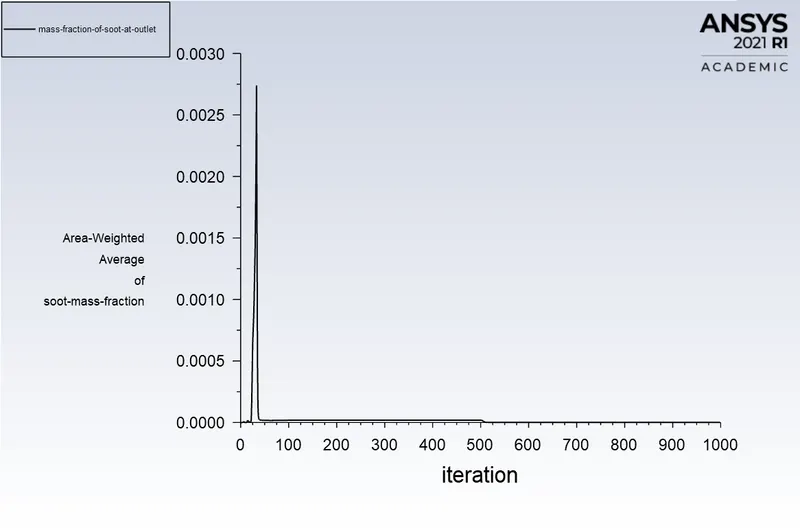
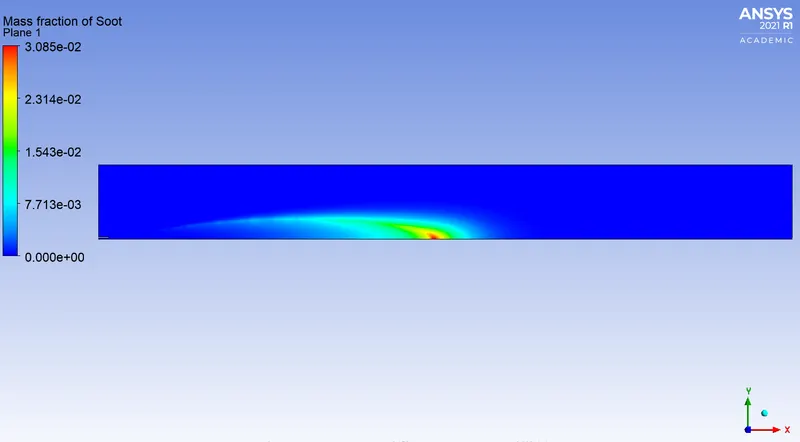
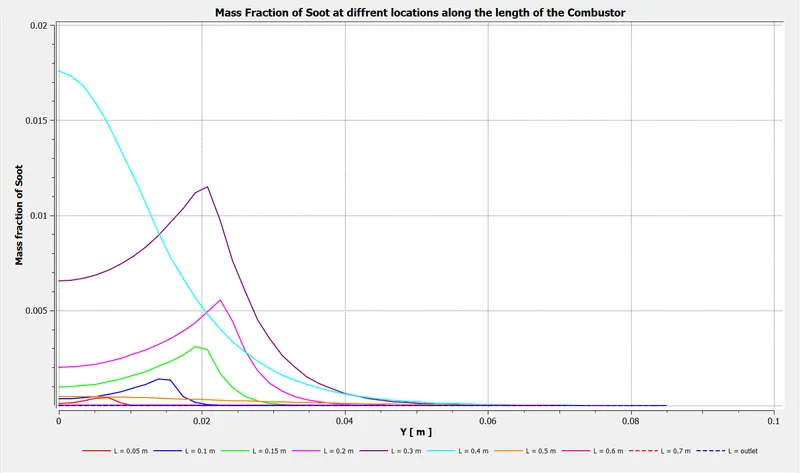
Soot at the outlet

(E) Adding 25% by mole of water into the fuel mixture
Species Fractions, CH4 = 0.75
H2O = 0.25
Temperature

CO2

H2O

CH4

N2

O2

Pollutant NO at the outlet

Pollutant N2O at the outlet

Soot

(F) Adding 30% by mole of water into the fuel mixture
Species Fractions, CH4 = 0.70
H2O = 0.30
Temperature

CO2

H2O

CH4

N2

O2

Pollutant NO at the outlet

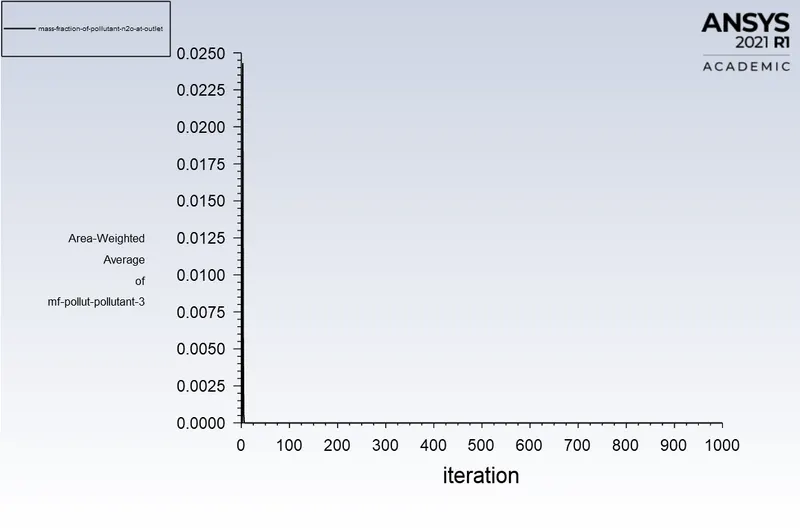
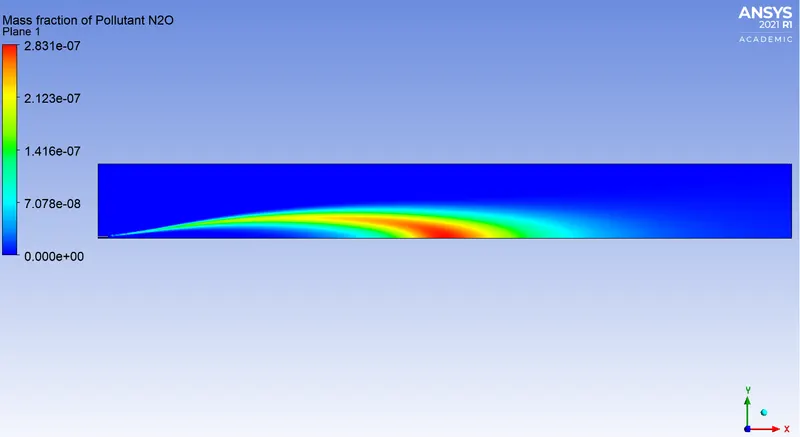
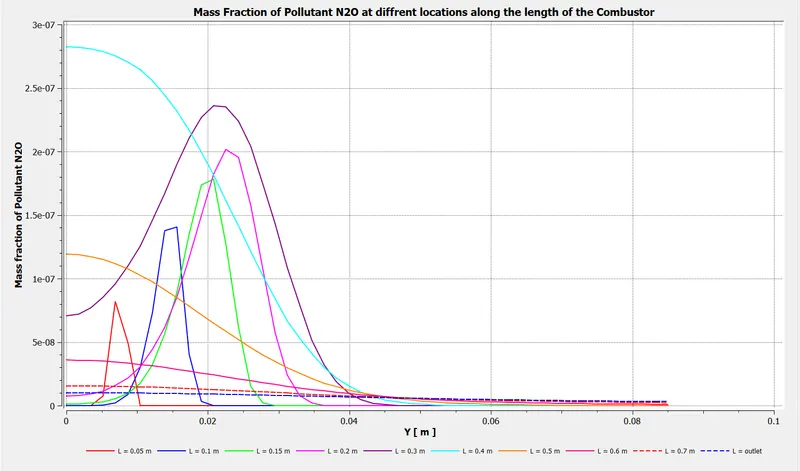
Pollutant N2O at the outlet

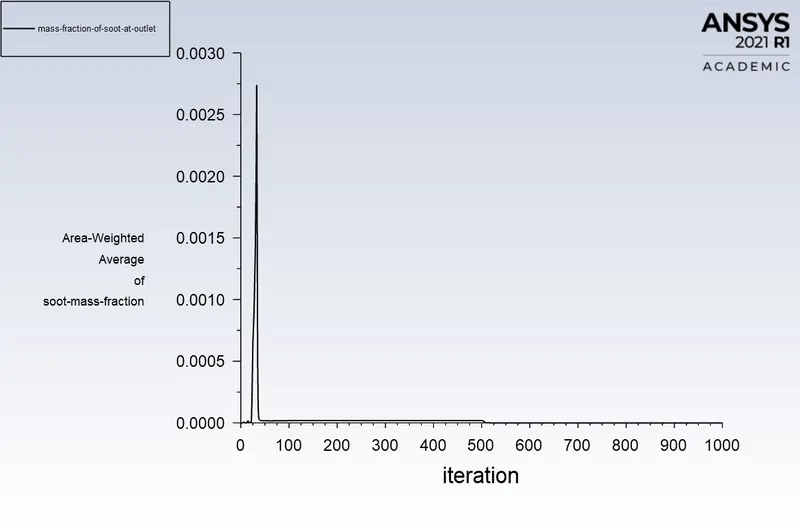
Soot at the outlet

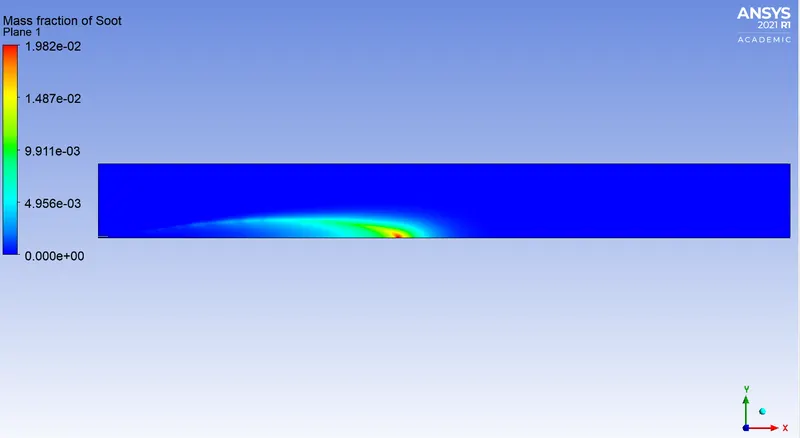
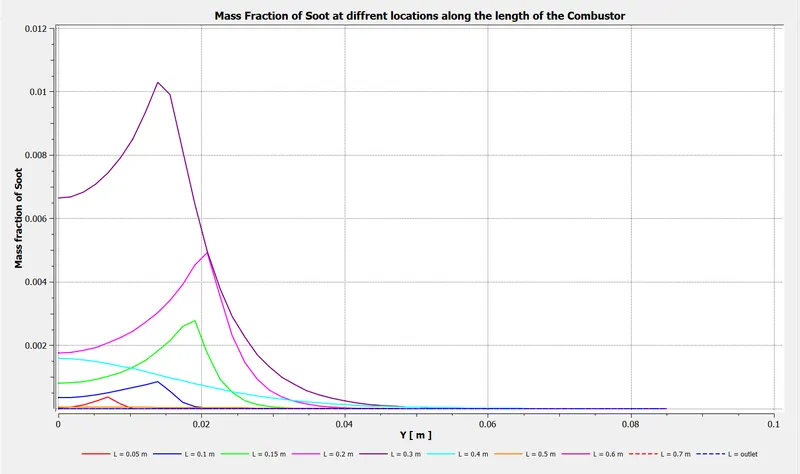
Following observations from the simulation after adding water:
- The mass fraction of pollutants like NOx and Soot decreases as the water content in the fuel is increased.
- It is observed that as the percentage of water is increased, the NOx and Soot formation moves away from the outlet, and also the maximum mass fraction decreases significantly.
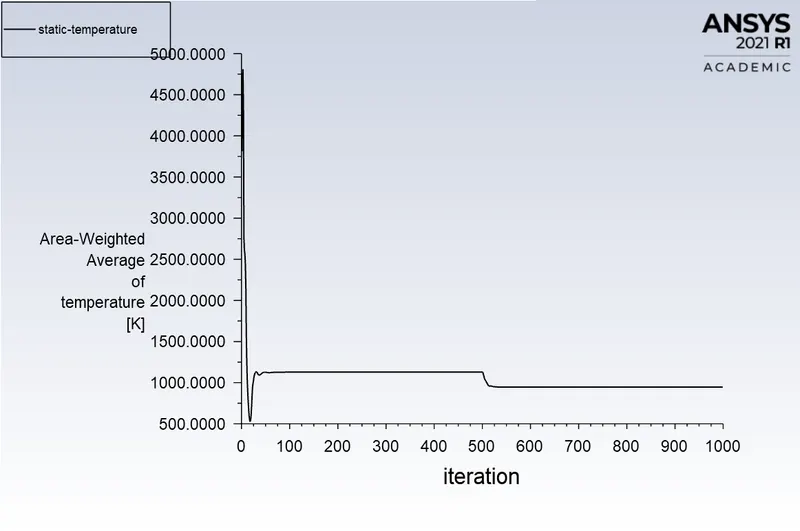
- It is observed that the temperature drops as the water content are increases.
- An increase in water percentage decreases temperature, CO2, H2O, CH4, N2, NOx emissions, and Soot formation, and increases in O2, it can be noticed from the parametric study data.
CONCLUSIONS:
- As per the above study, emissions can be controlled by the application of water in the fuel.
- It can be said that the addition of water into the fuel helps in reducing the mass fraction of pollutants like NOx and Soot.
- Hence adding water will reduce the harmful effects of these pollutants on the environment and humans.
References:
https://www.sciencedirect.com/science/article/pii/S1876610217337724