Week 10 - Simulating Combustion of Natural Gas.
Title: Combustion of Natural Gas Simulation
This study is conducted to study combustion and understand the effects of adding water to the fuel. This will give insight into the NOX and soot formation after coombustion which are pollution causing agents.
There are 2 studies that are conducted:
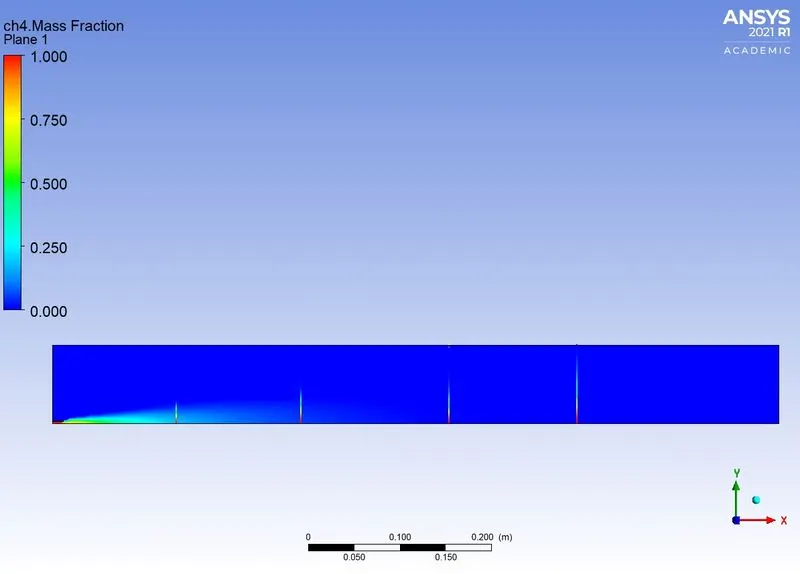
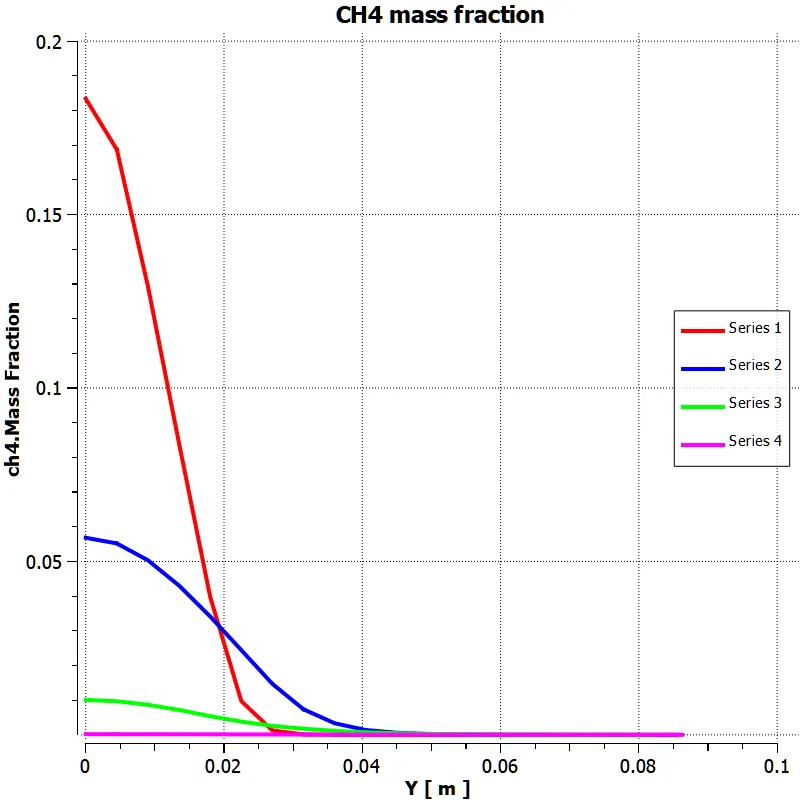
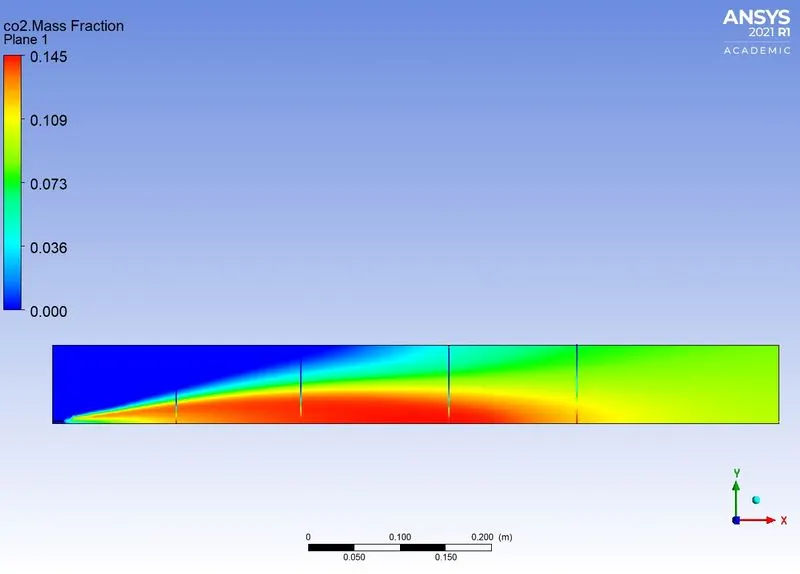
1) To conduct simulation of combustion of CH4 as fuel and study the mass fraction of CH4, CO2m H20, N2, O2.
2) To extend the above study by including H2O (5% to 30%) in the fuel and check the effects on the NOx and Soot formation.
| ------------------------------------------------------------- |
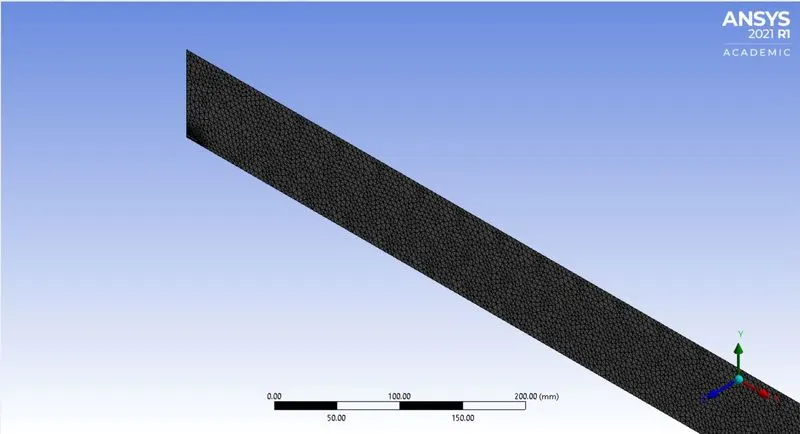
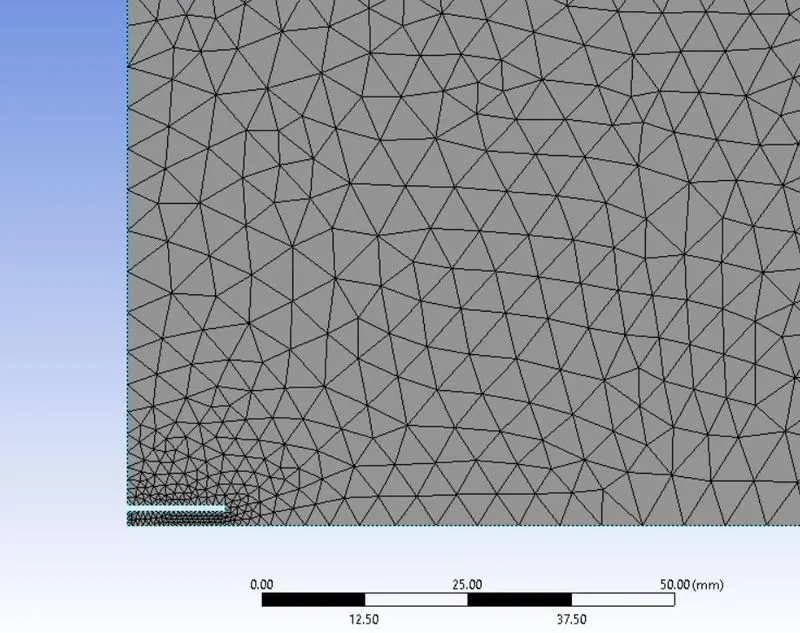
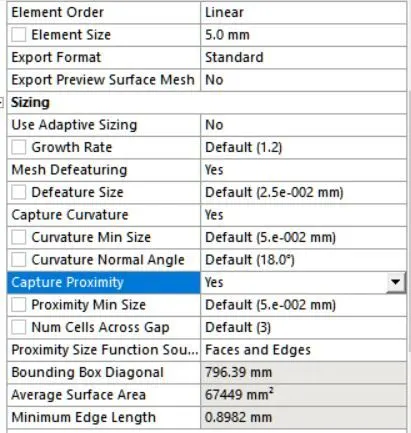
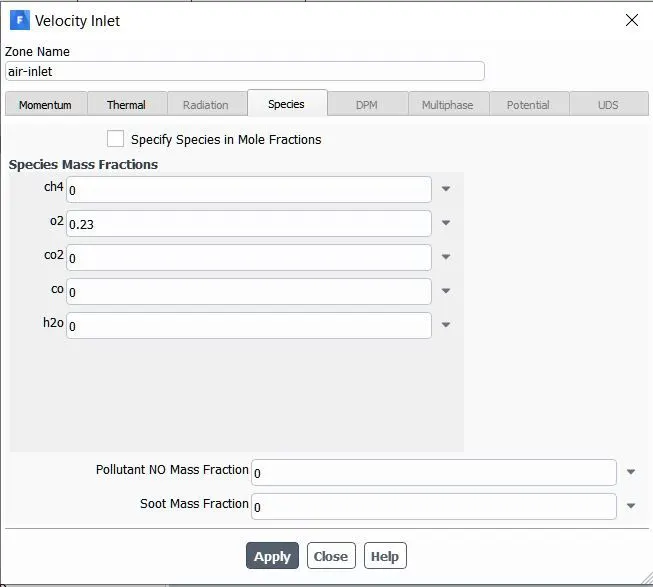
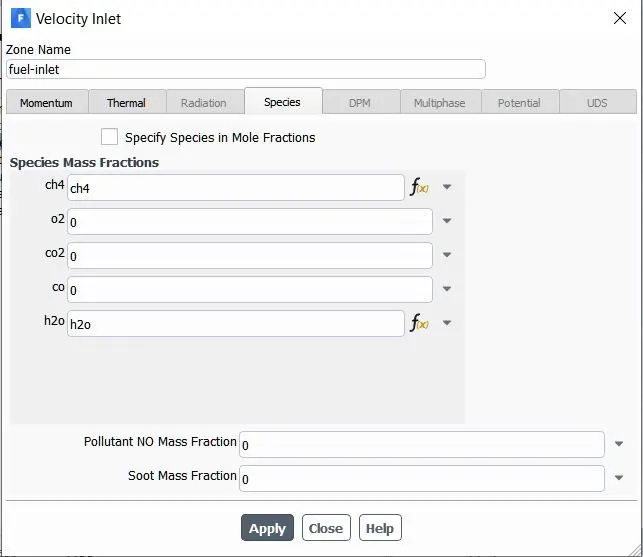
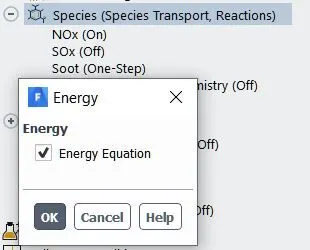
Setting up the simulation:
|
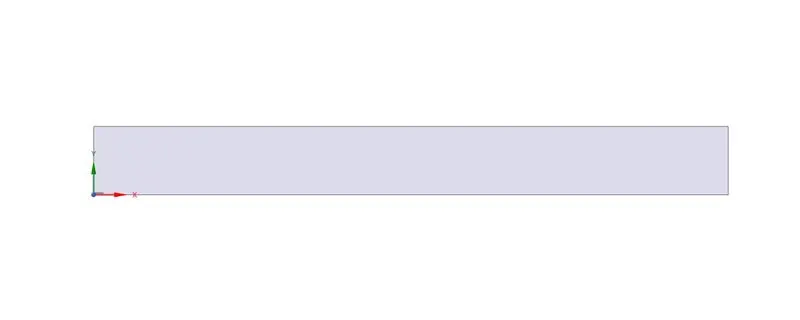
Geometry:
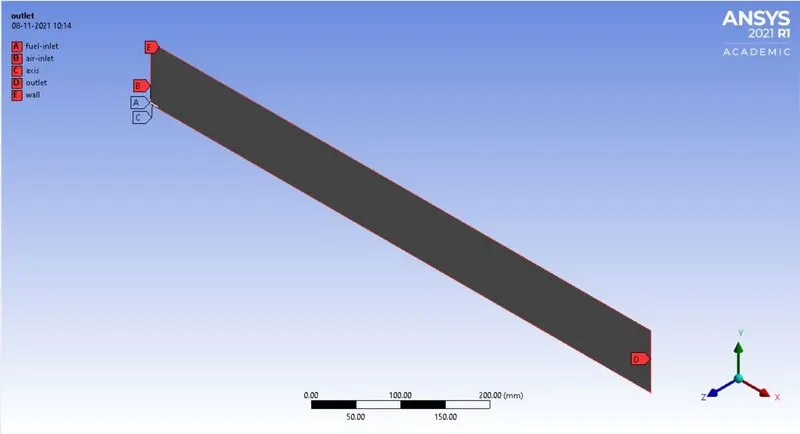
Boundary Conditions:
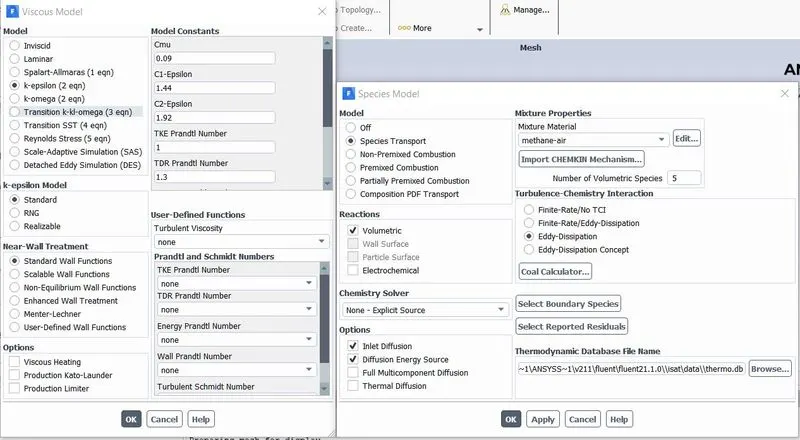
Selecting Viscous model, Species and energy equation:
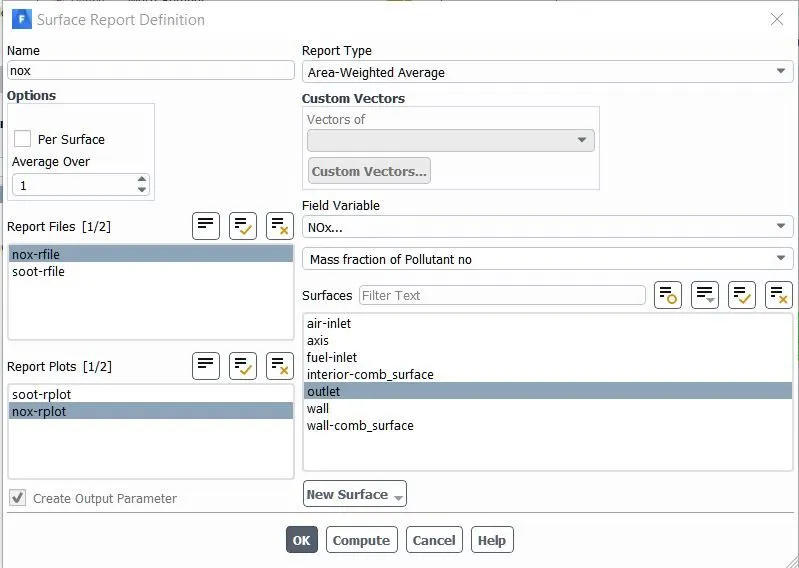
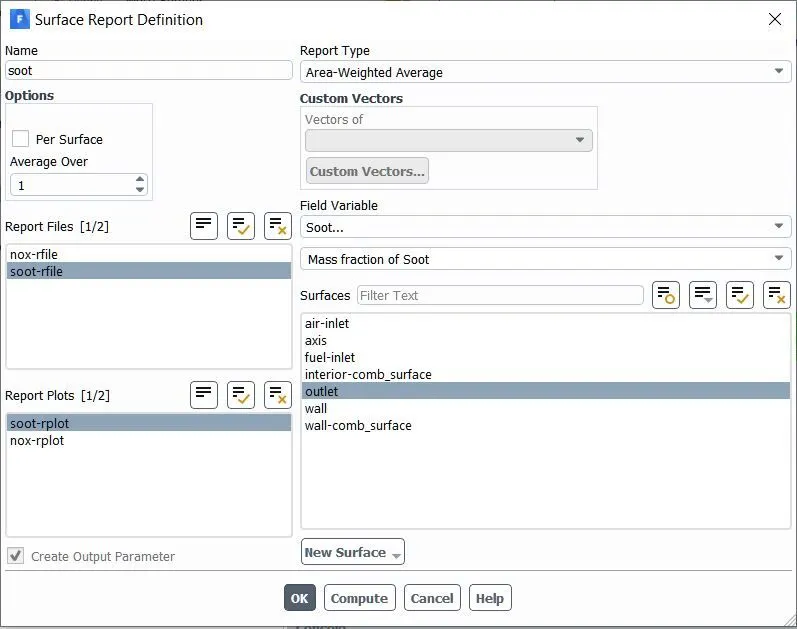
Parametrization of NOx and Soot:
|
| ------------------------------------------------------------- |
Q1:
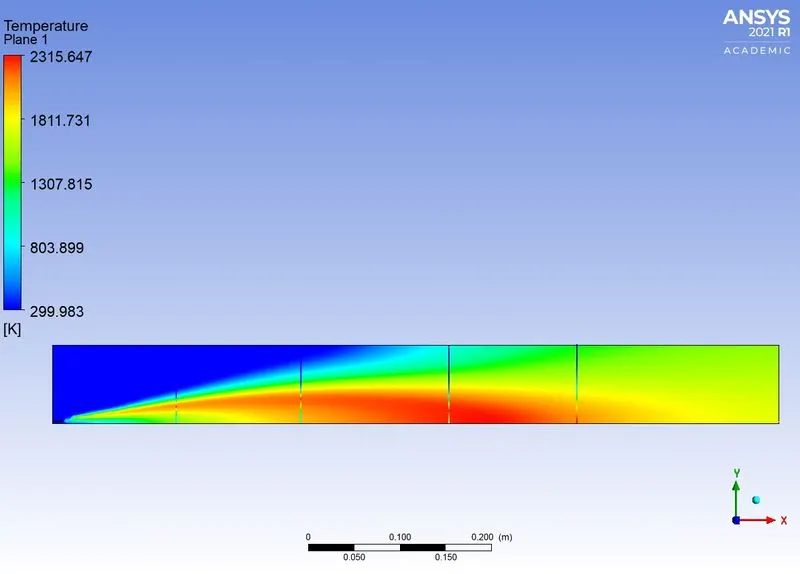
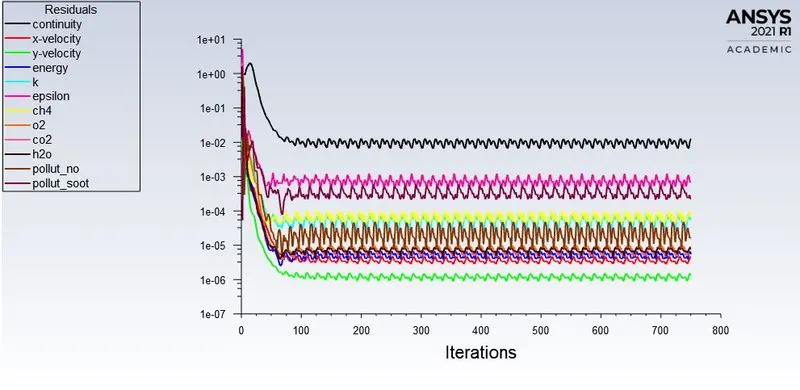
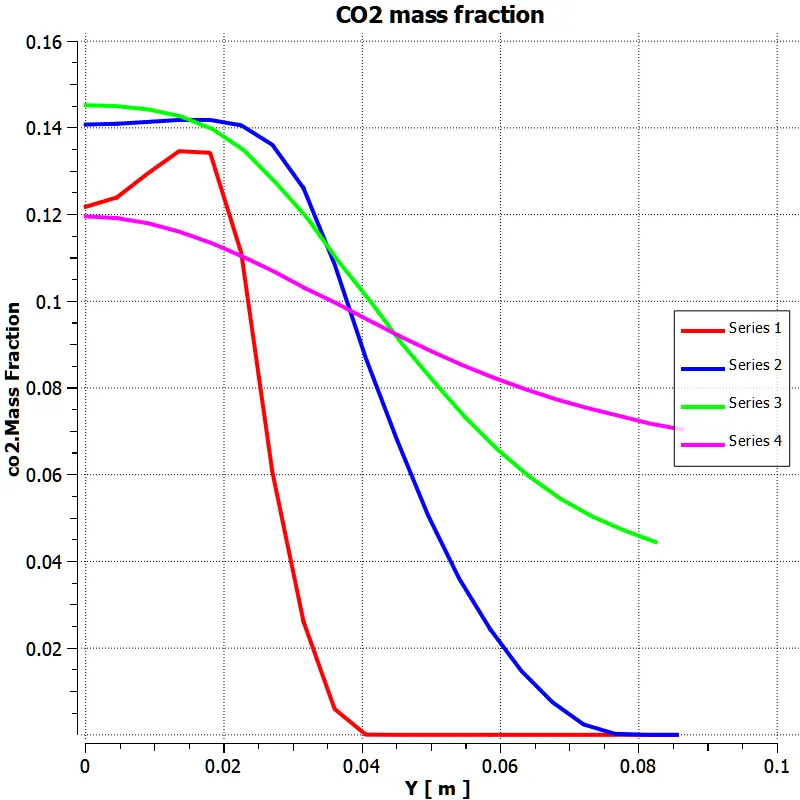
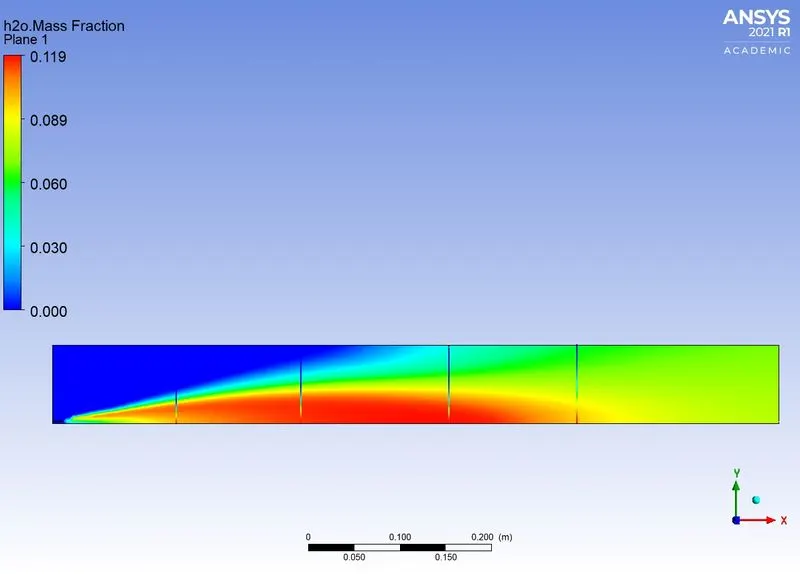
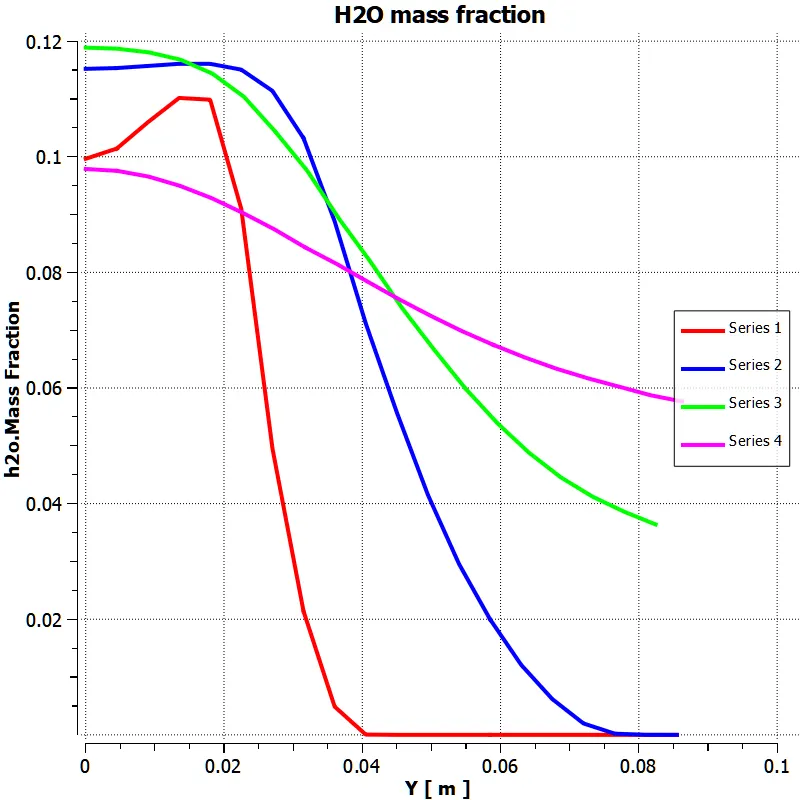
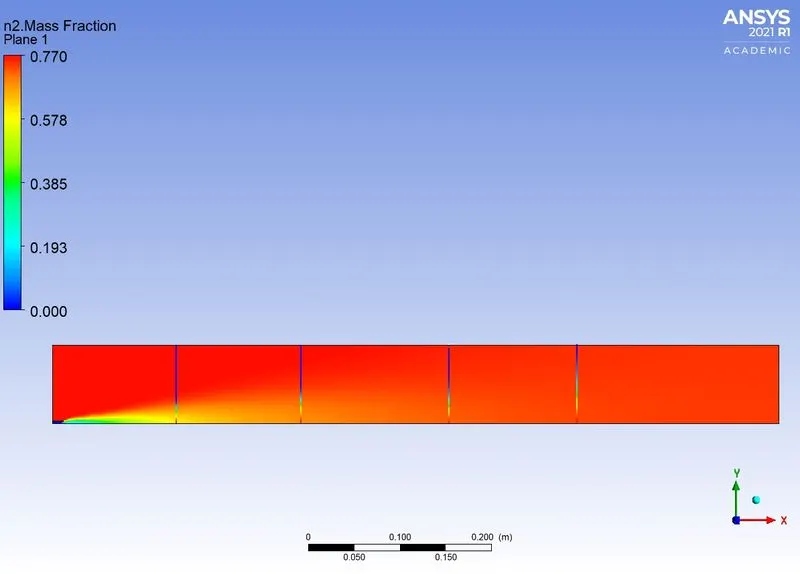
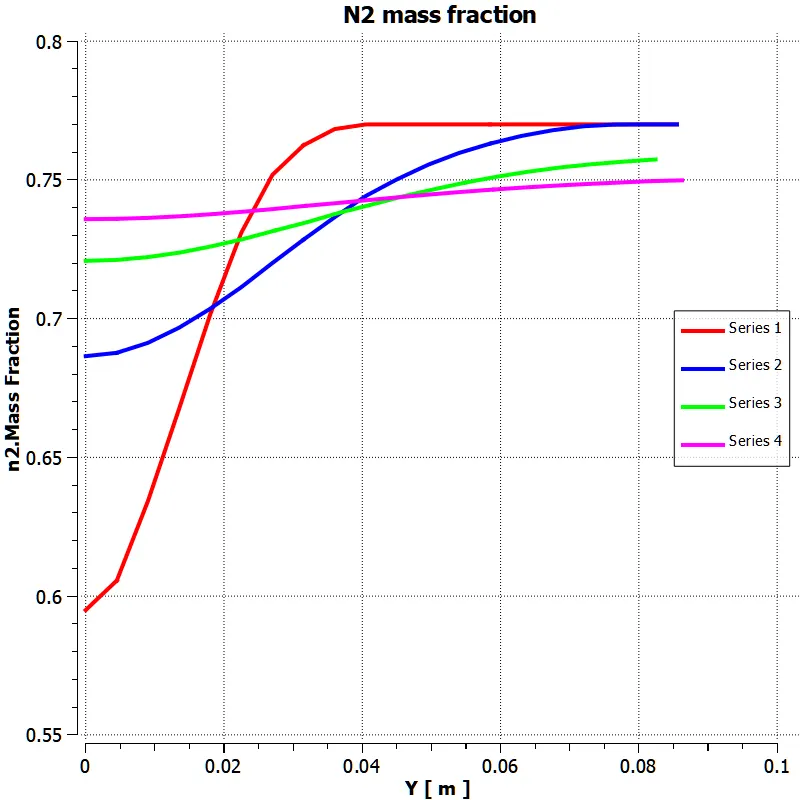
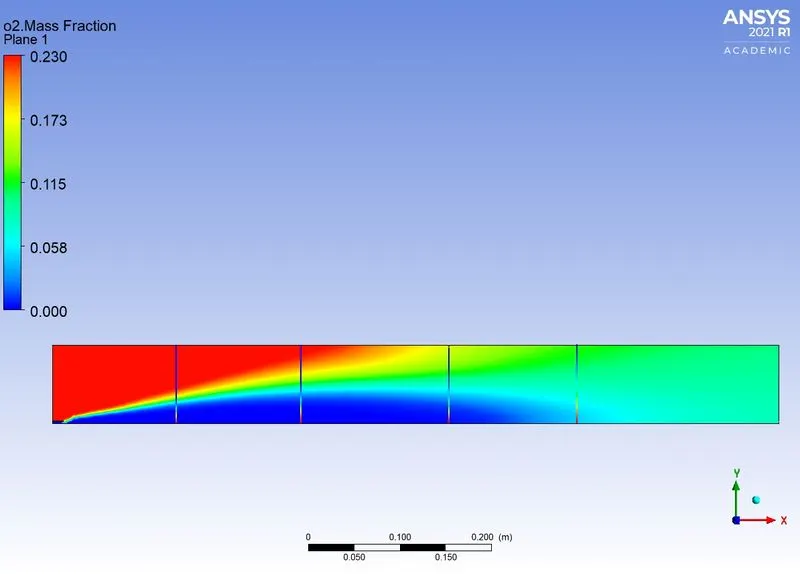
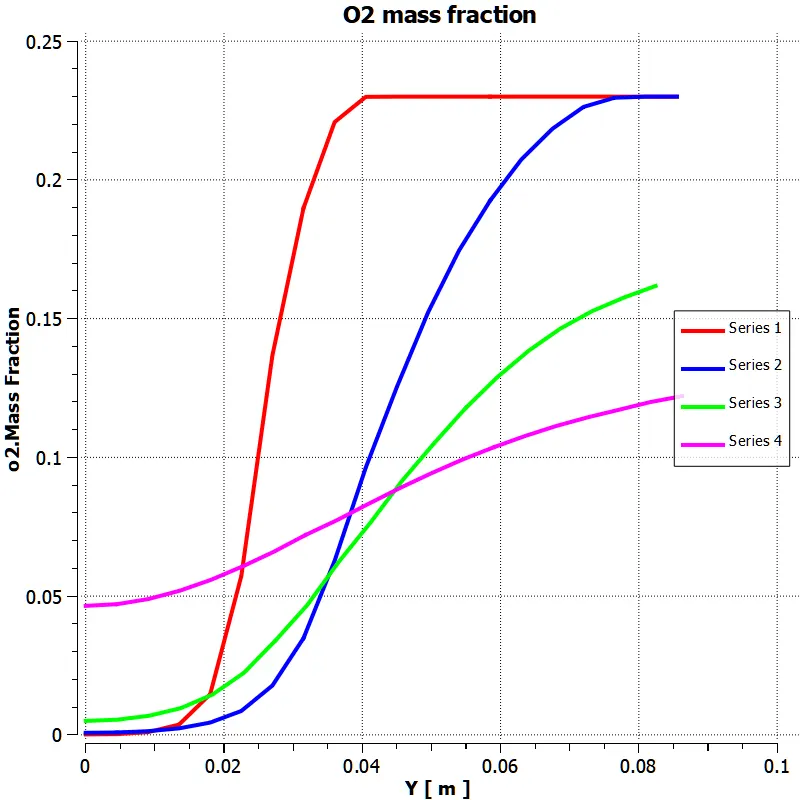
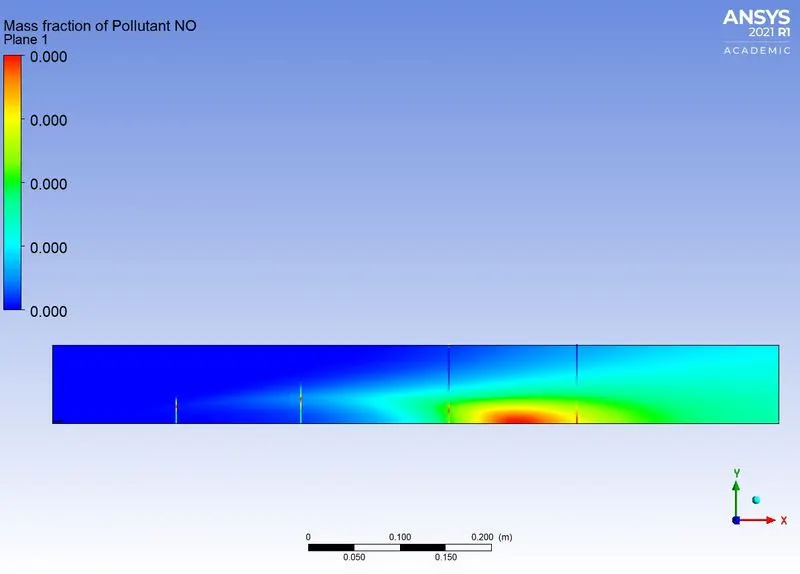
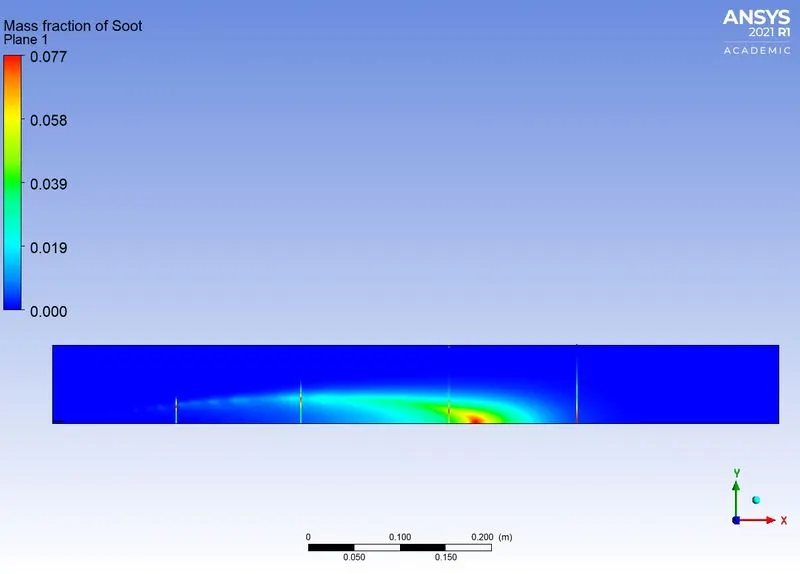
Perform a combustion simulation on the combustor model and plot the variation of the mass fraction of the different species’ in the simulation using line probes at different locations of the combustor as shown in Fig. You need to plot for CO2, H2O, CH4, N2, O2, NOx emissions & Soot formation.
 |
 |
Result:
 |
 |
 |
 |
 |
 |
 |
 |
 |
 |
 |
 |
 |
 |
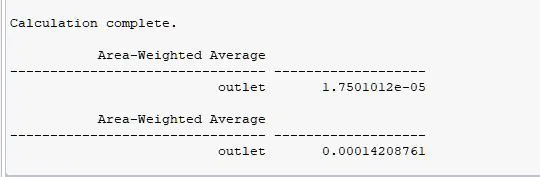
The NOx and soot by mass fraction at the outlet is calculated to be:
| ------------------------------------------------------------- |
Q2:
For this part of the problem parametrization of the input and output is done in order to analyze the result.
|
Parametrization
|
The result is as follows:
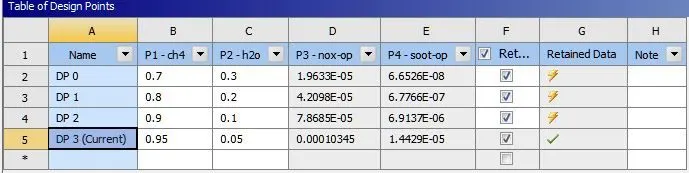 |
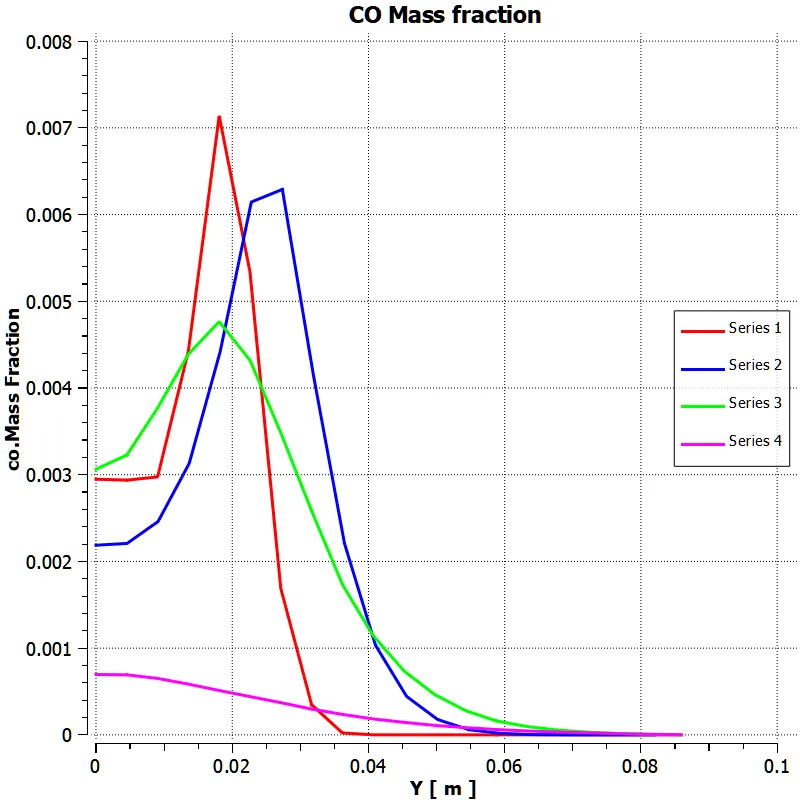
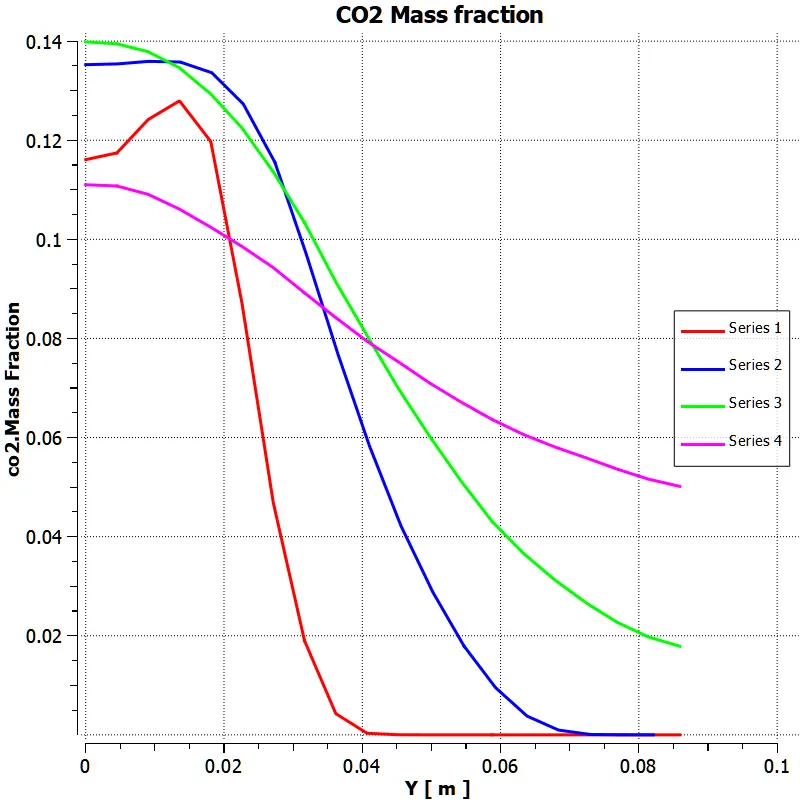
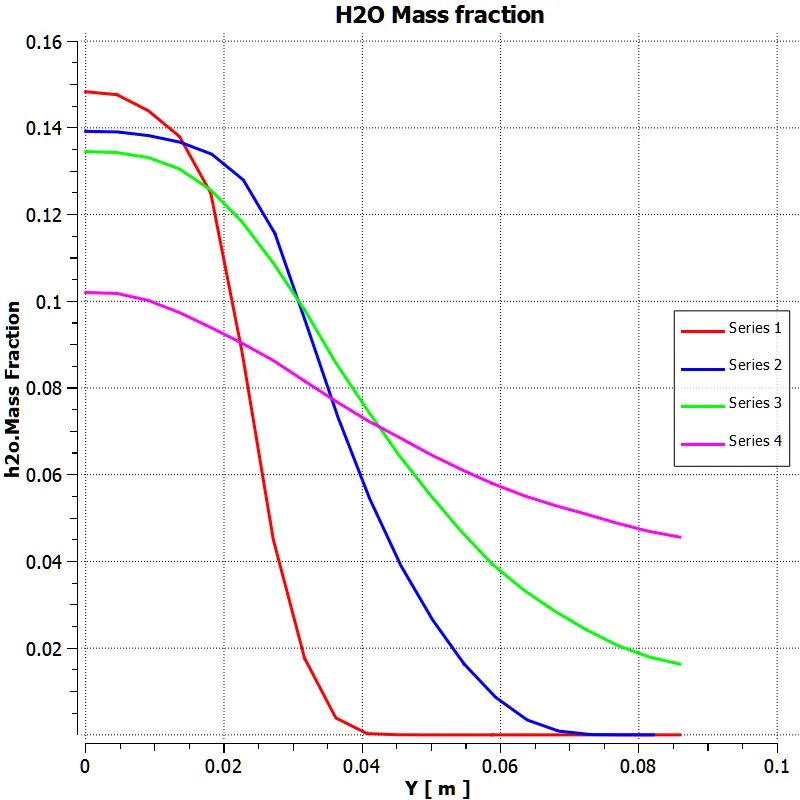
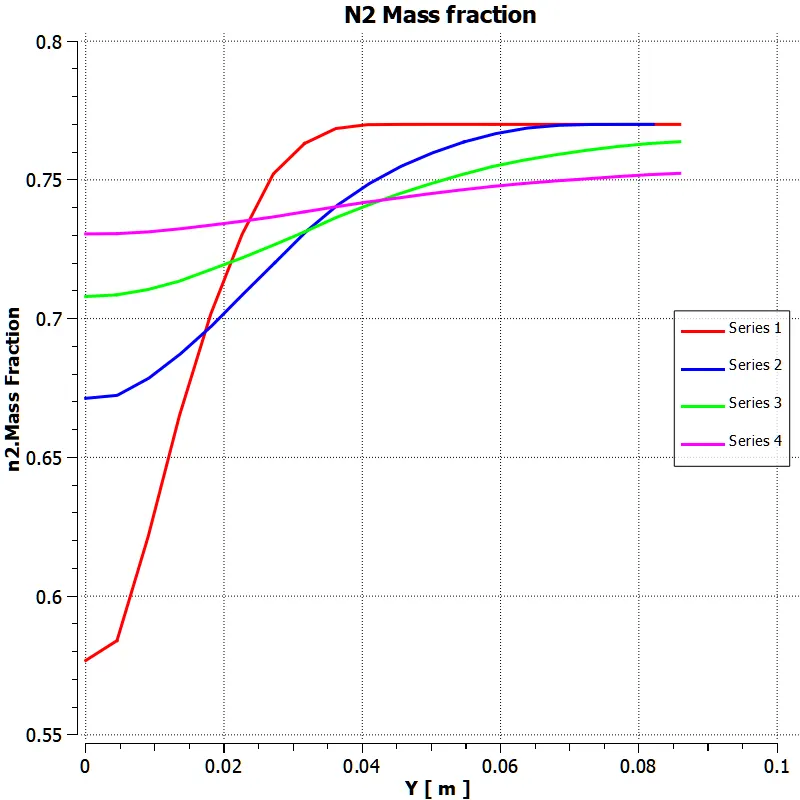
For each case the results obtained are as follows (Cases are displayed in the increasing order of CH4):
Case 1: CH4 = 0.7; H2O = 0.3
|
Temperature plane:
Residual:
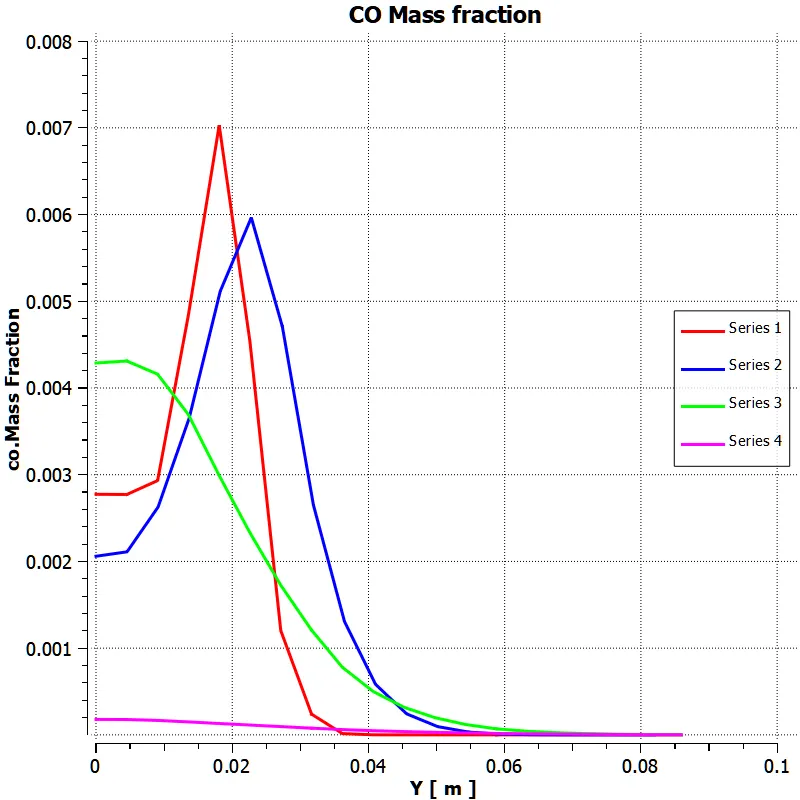
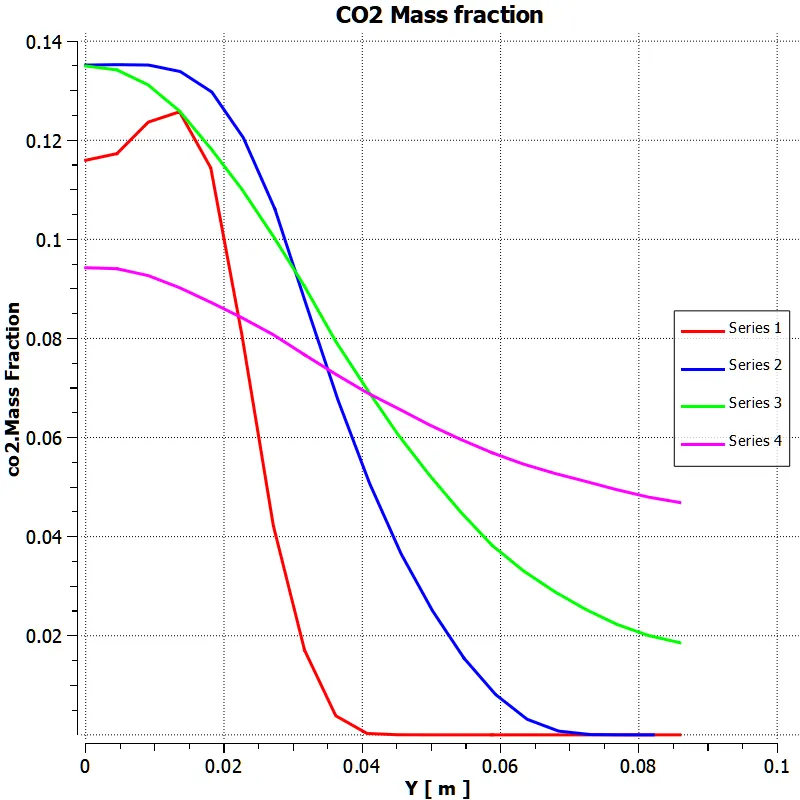
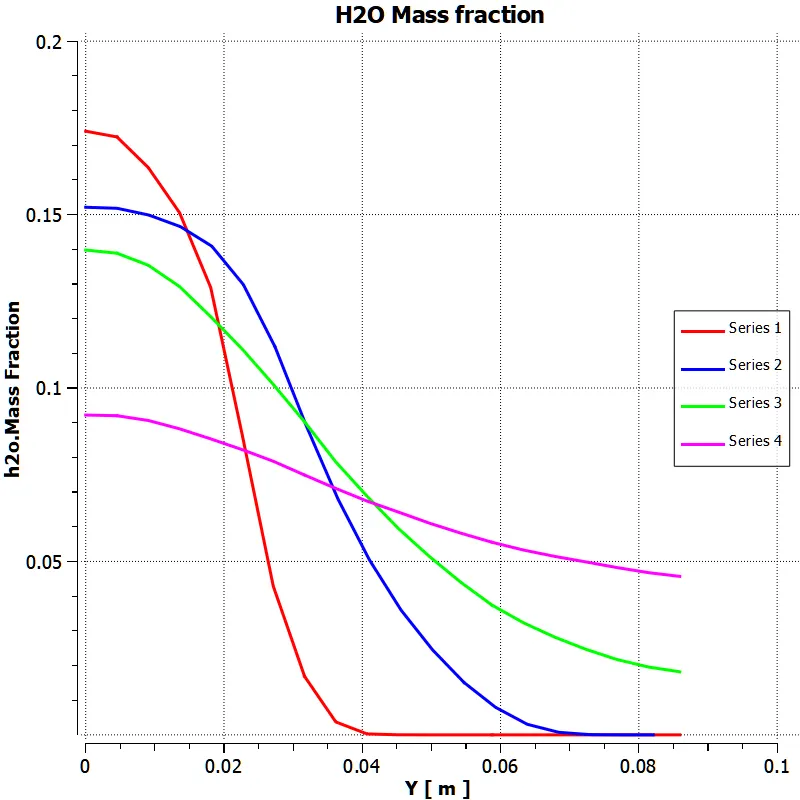
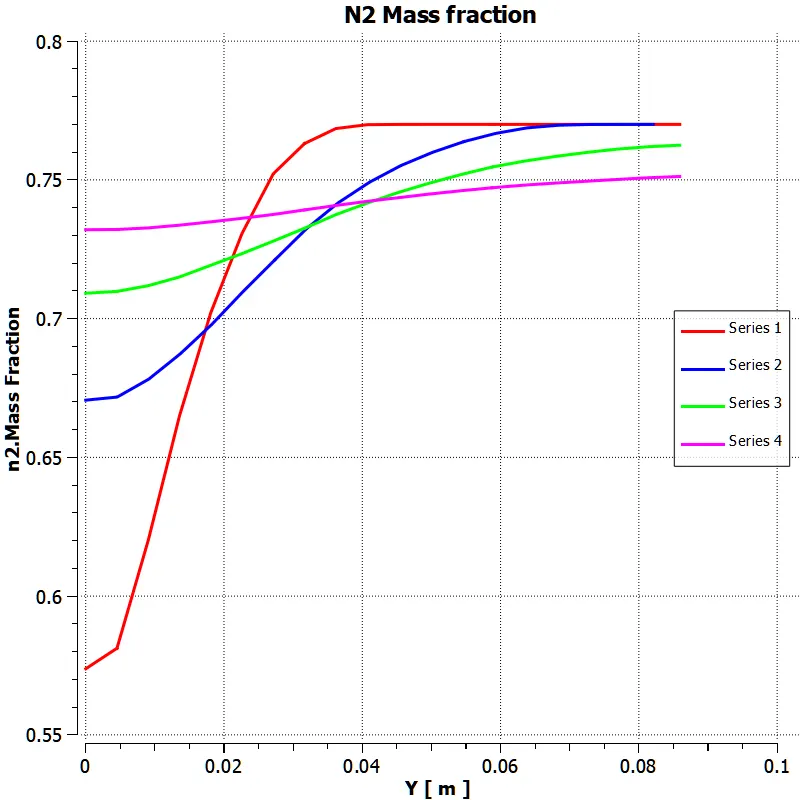
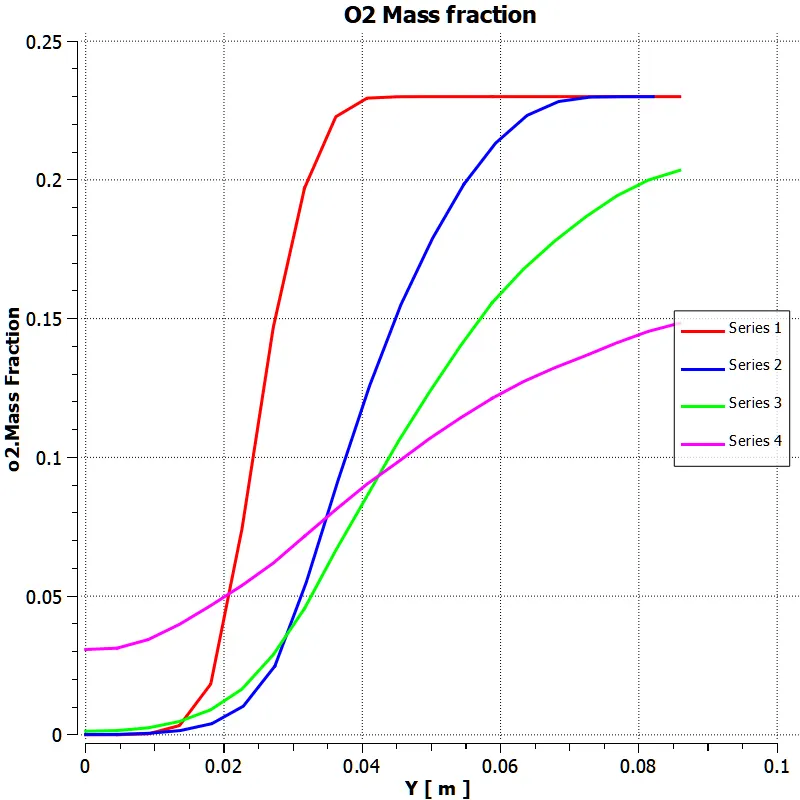
Results : (CH4, CO, CO2, H2O, N2, O2)
|
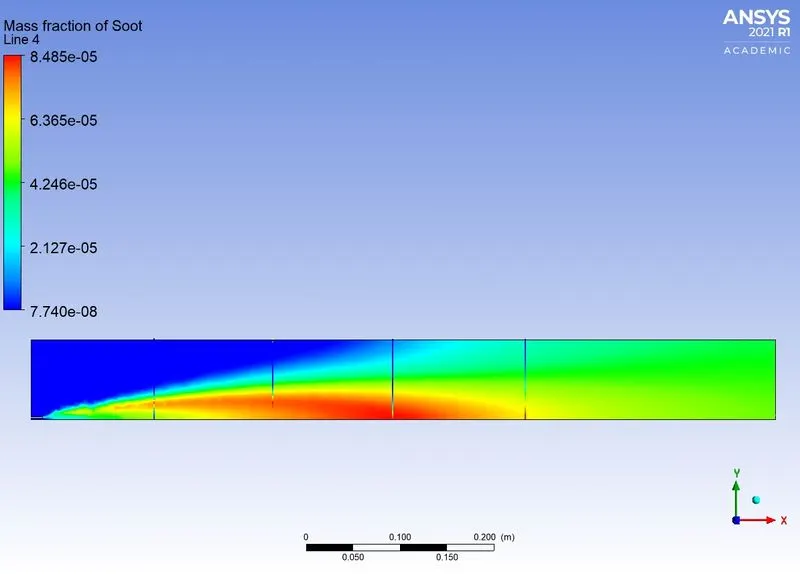
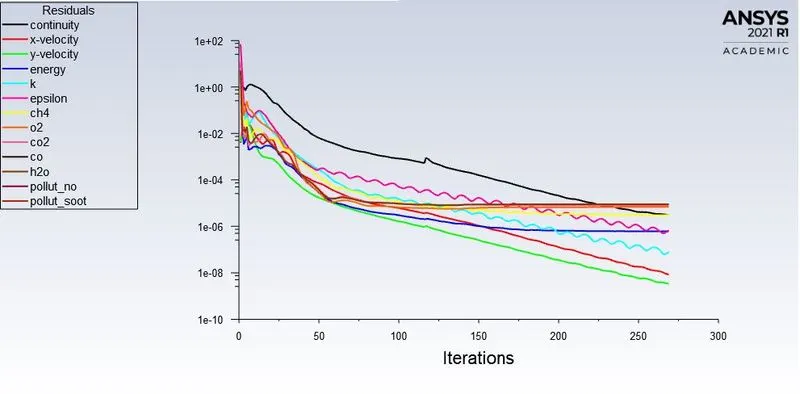
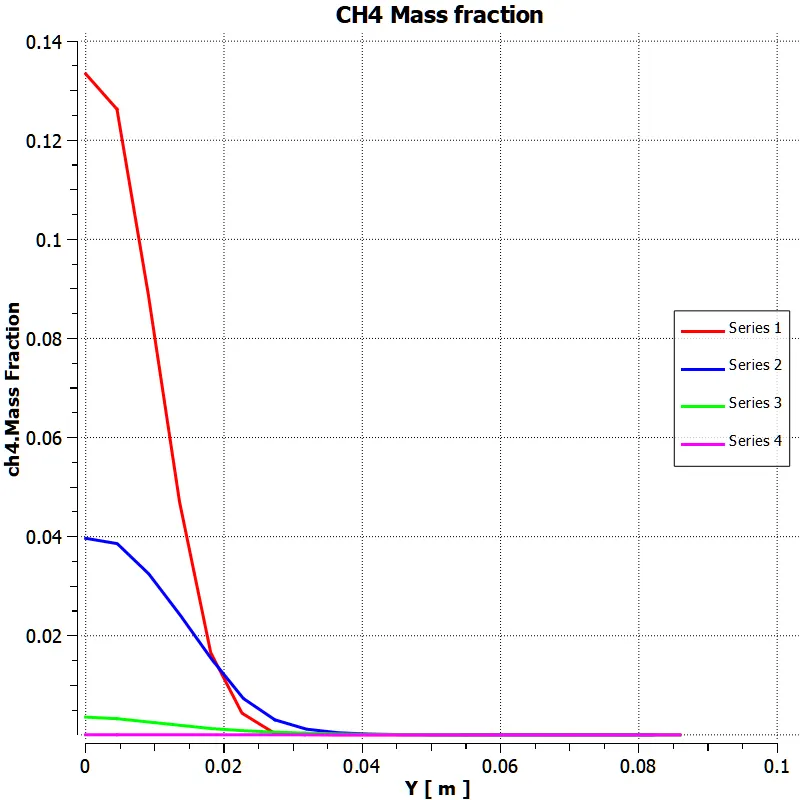
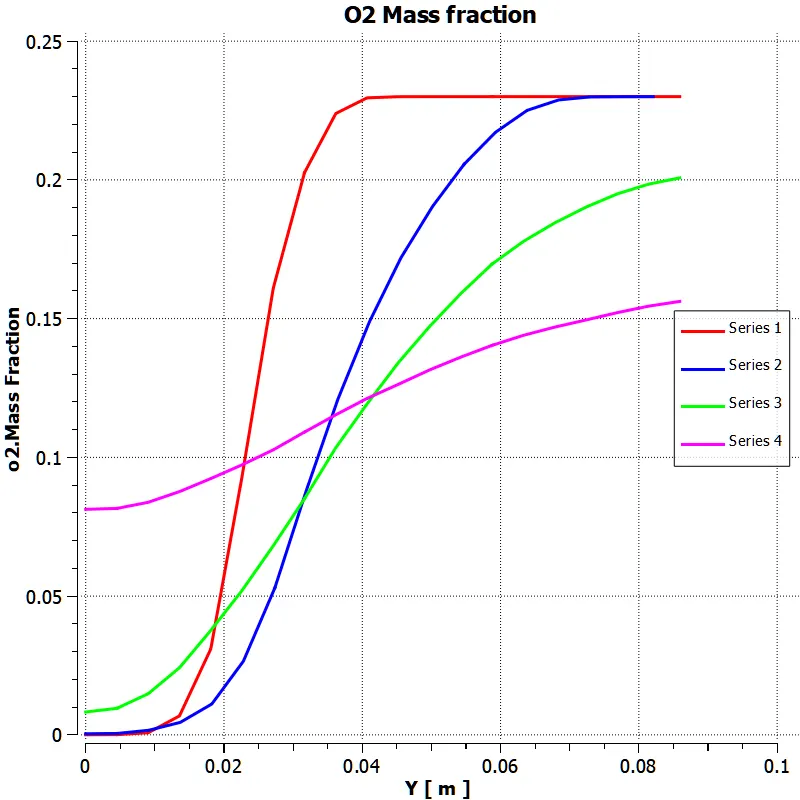
Case 2: CH4 = 0.8; H2O = 0.2
|
Temperature plane: Residual:
Results : (CH4, CO, CO2, H2O, N2, O2)
|
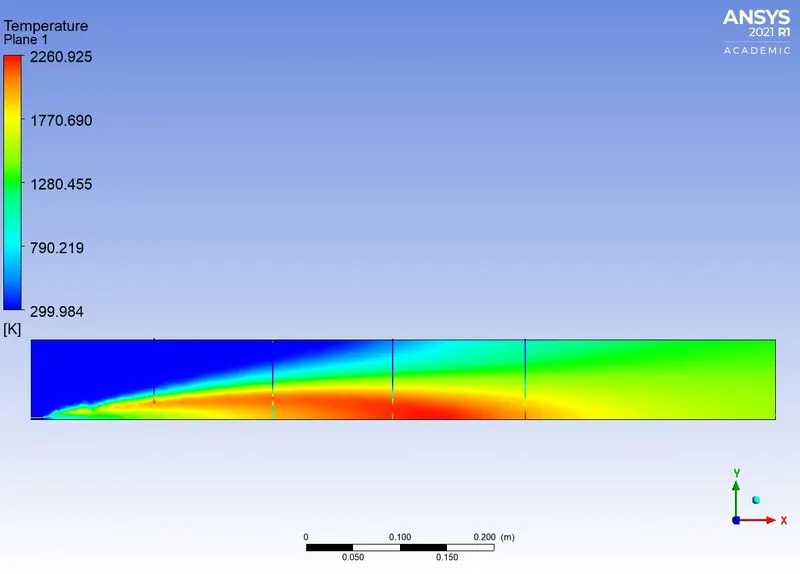
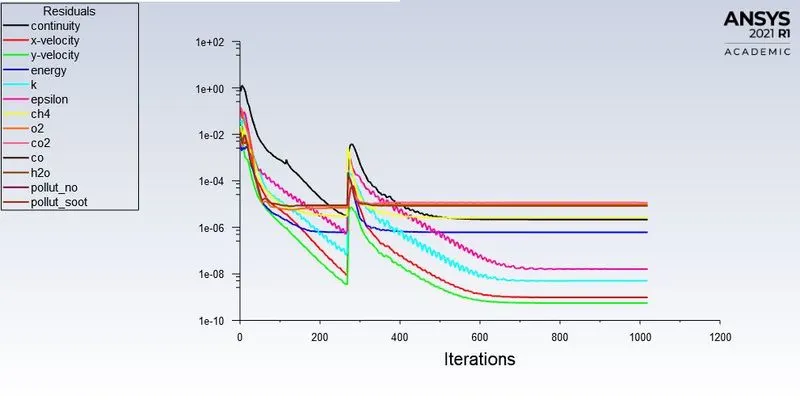
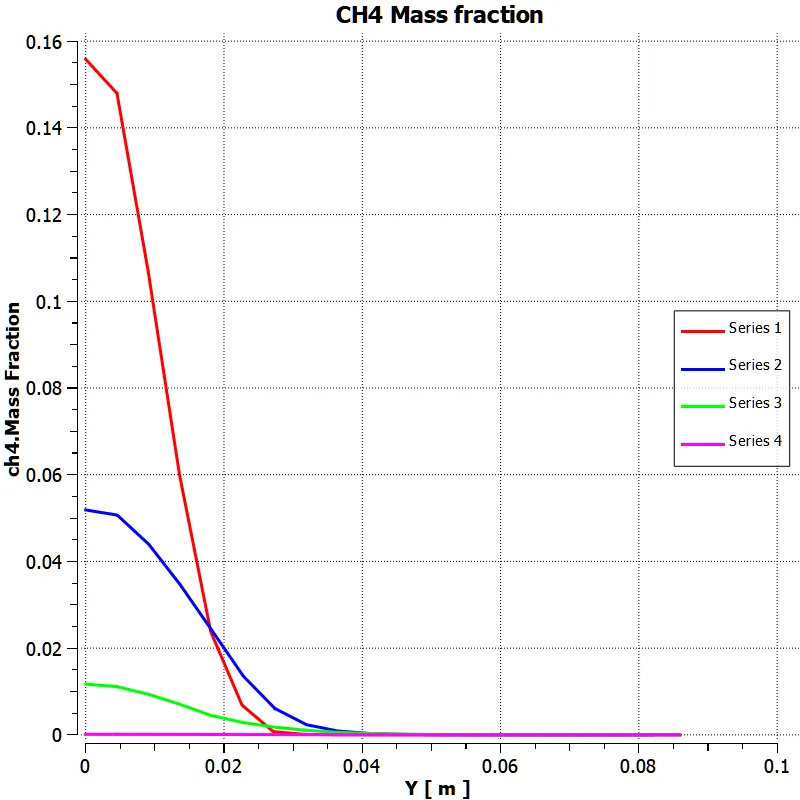
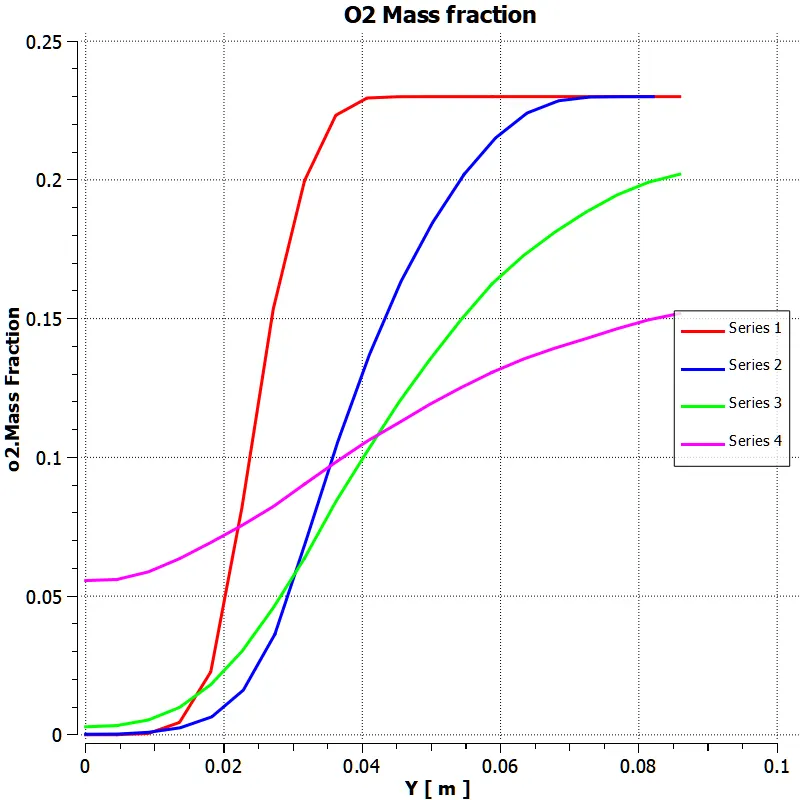
Case 3: CH4 = 0.9; H2O = 0.1
|
Temperature plane:
Residual:
Results : (CH4, CO, CO2, H2O, N2, O2)
|
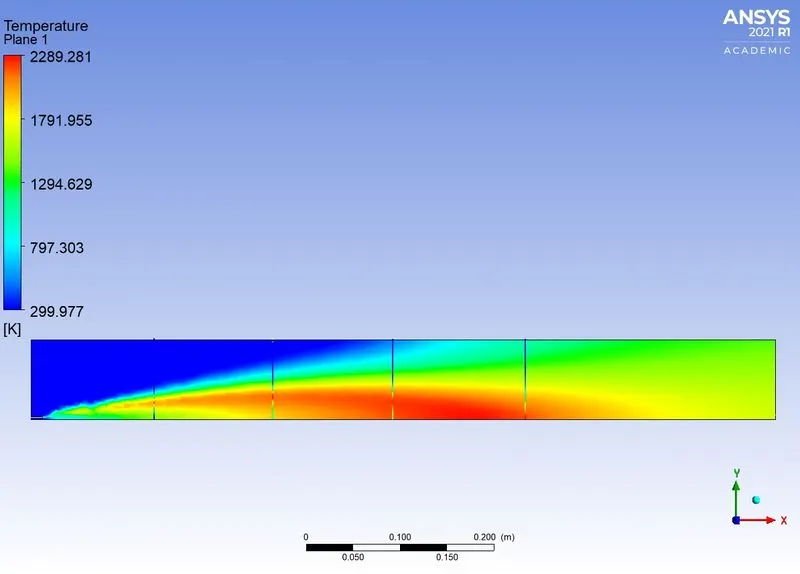
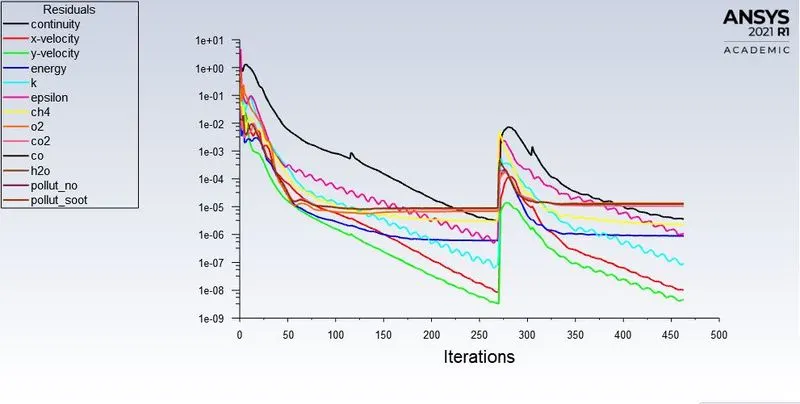
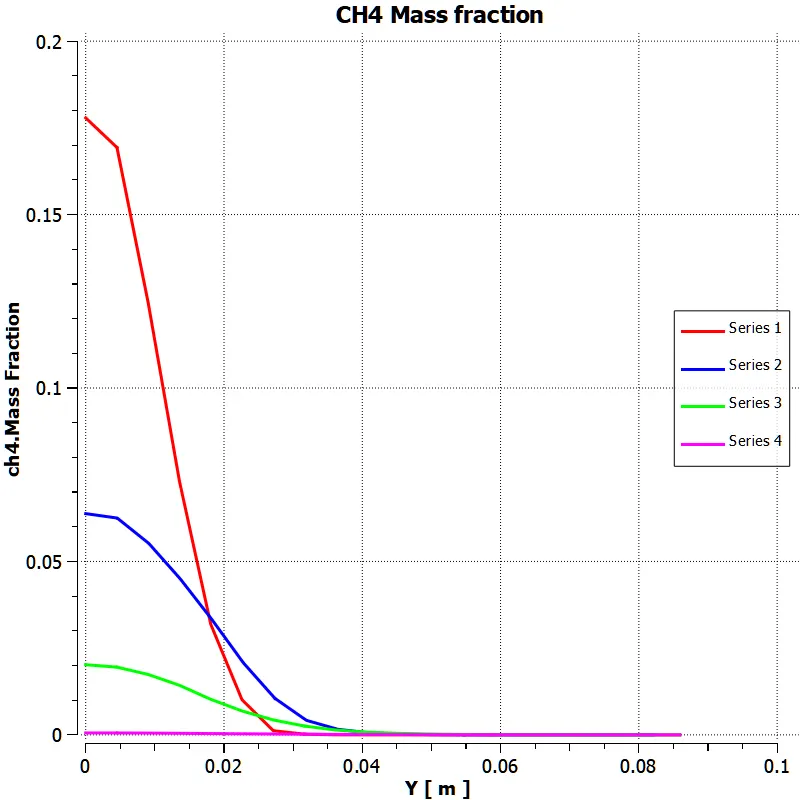
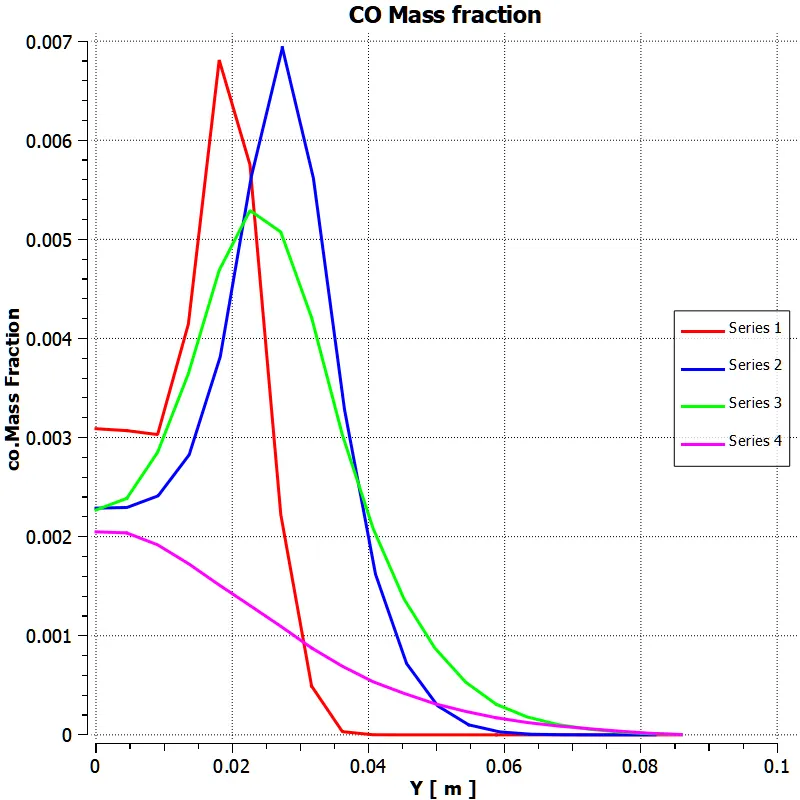
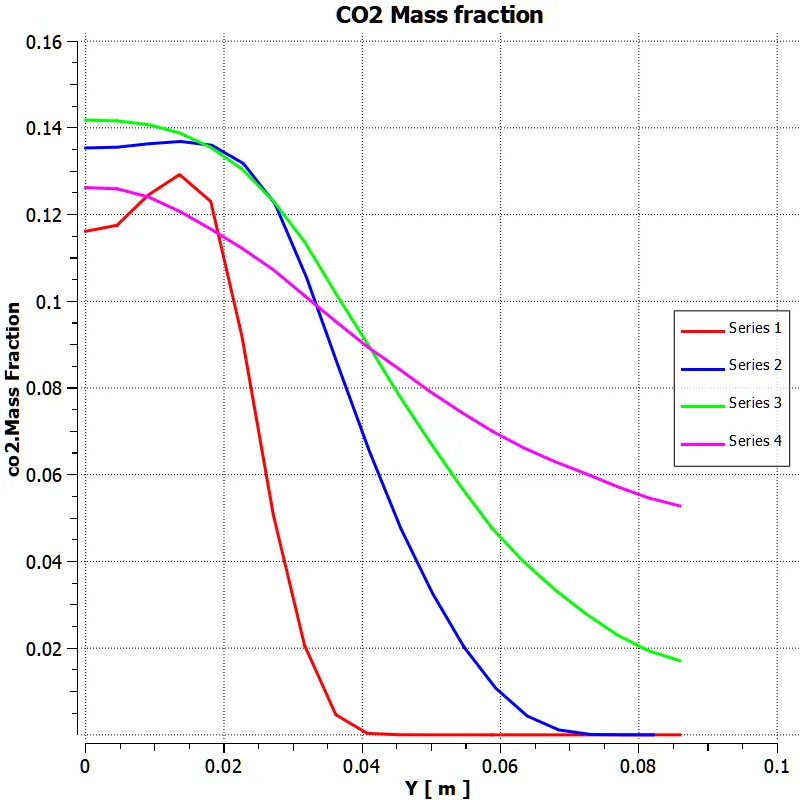
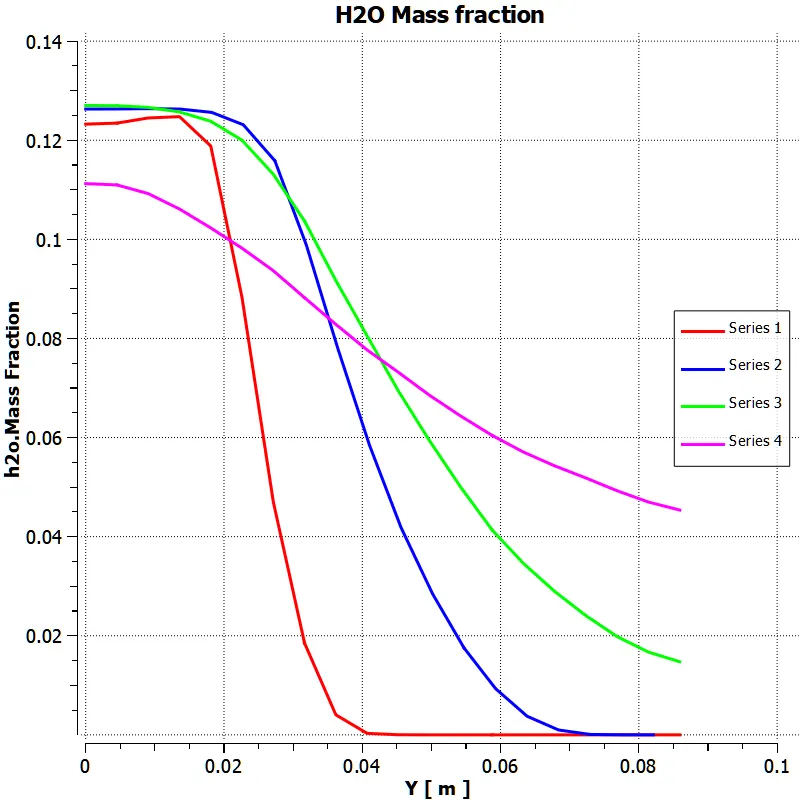
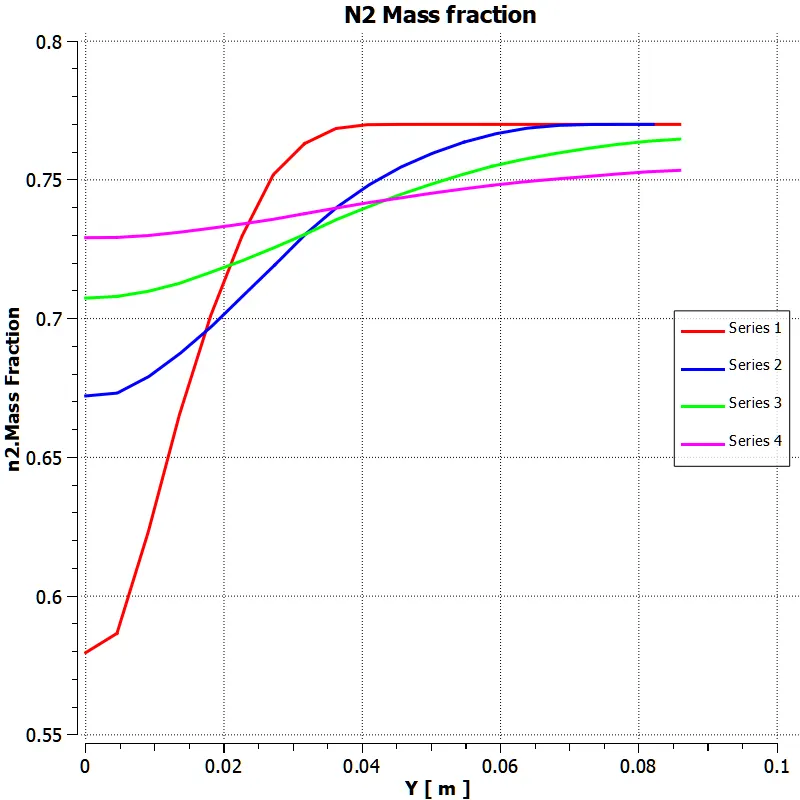
Case 4: CH4 = 0.95; H2O = 0.05
|
Temperature plane:
Residual:
Result:
|
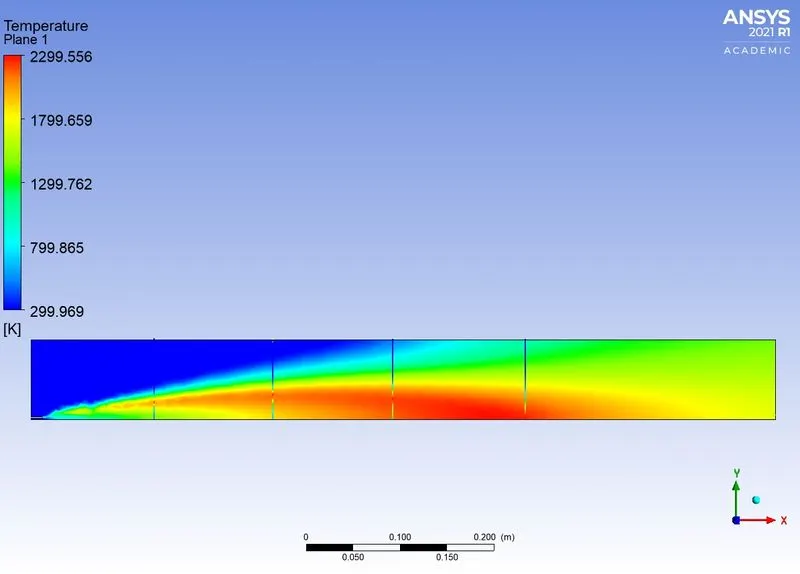
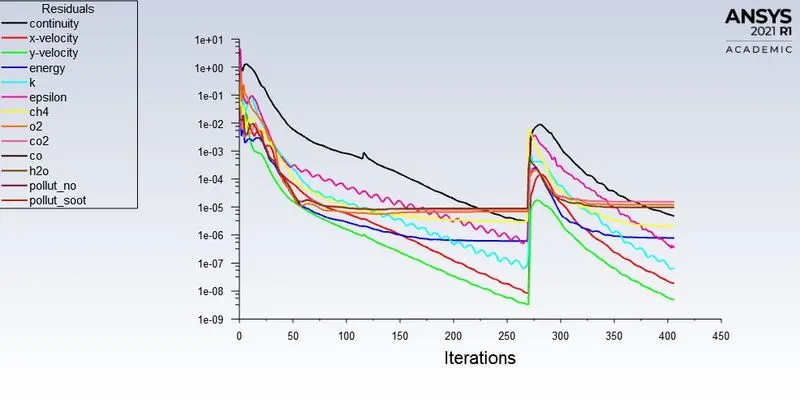
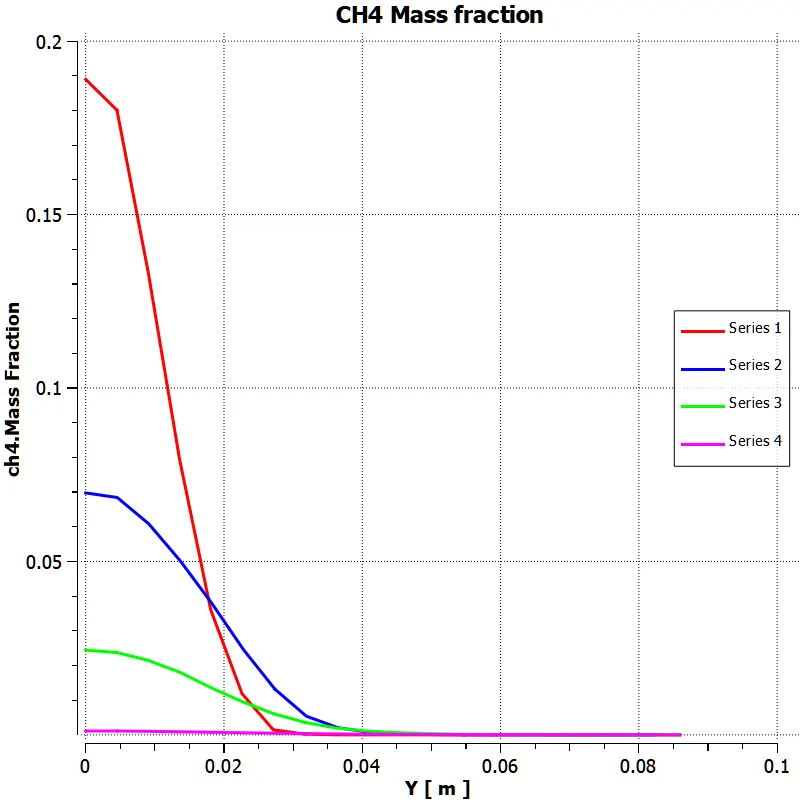
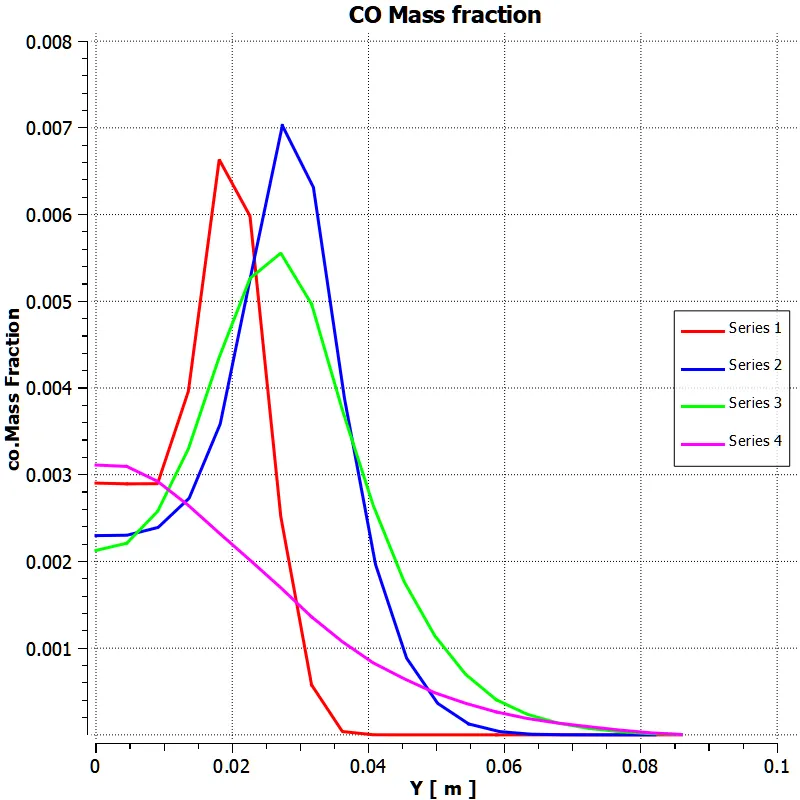
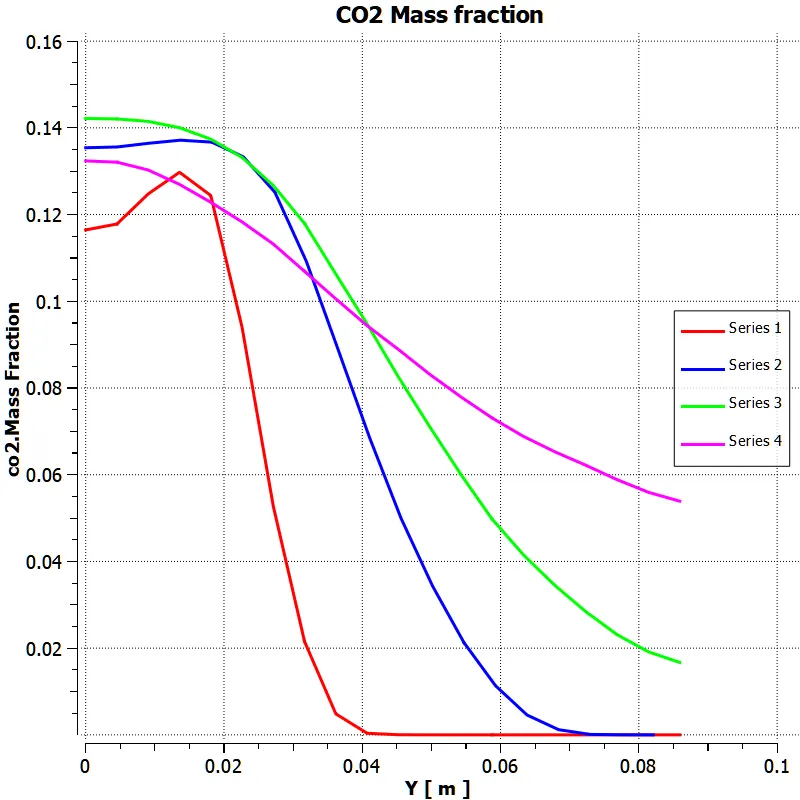
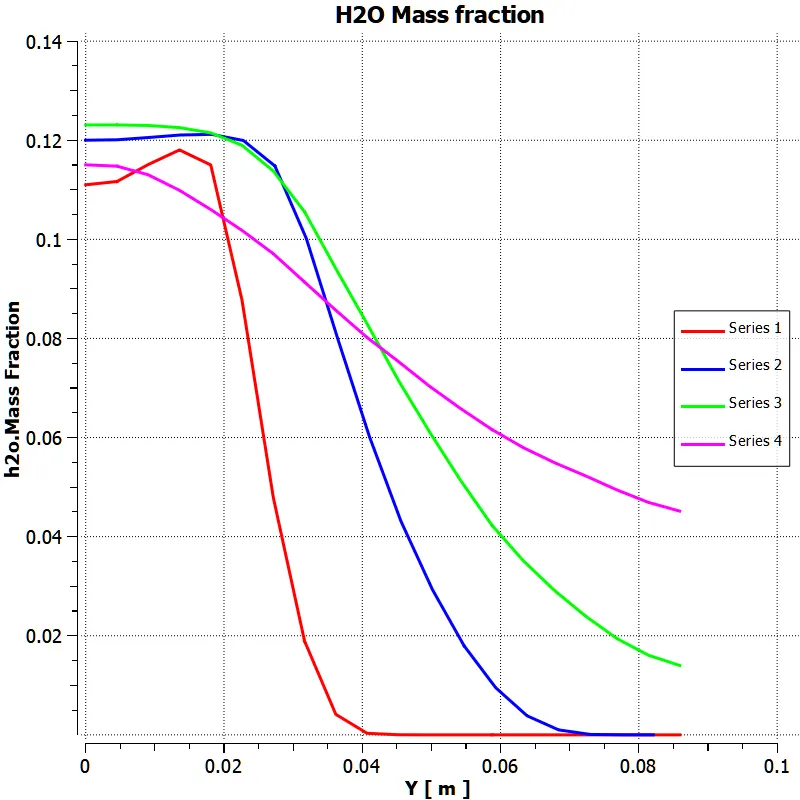
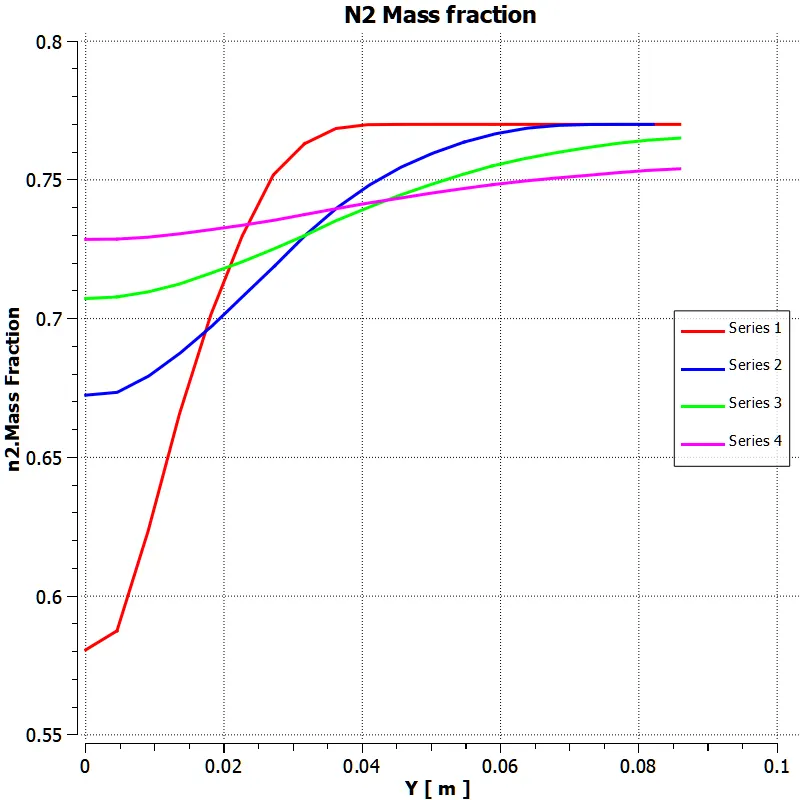
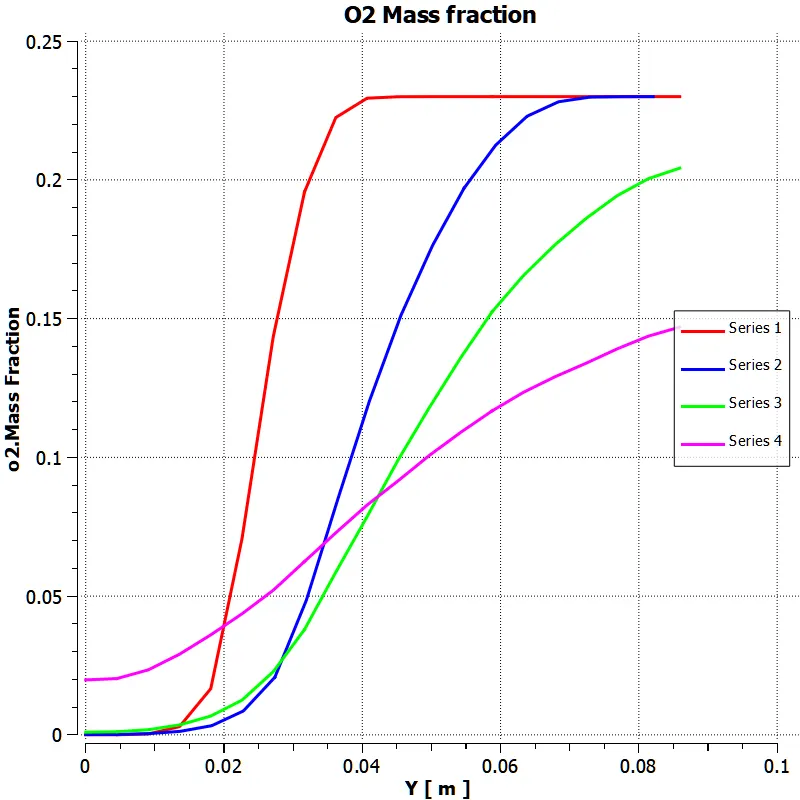
NOTE: The ablove results taken individually might not show the true difference in the result. For comparision of the results in the cumbustion refer the results below.
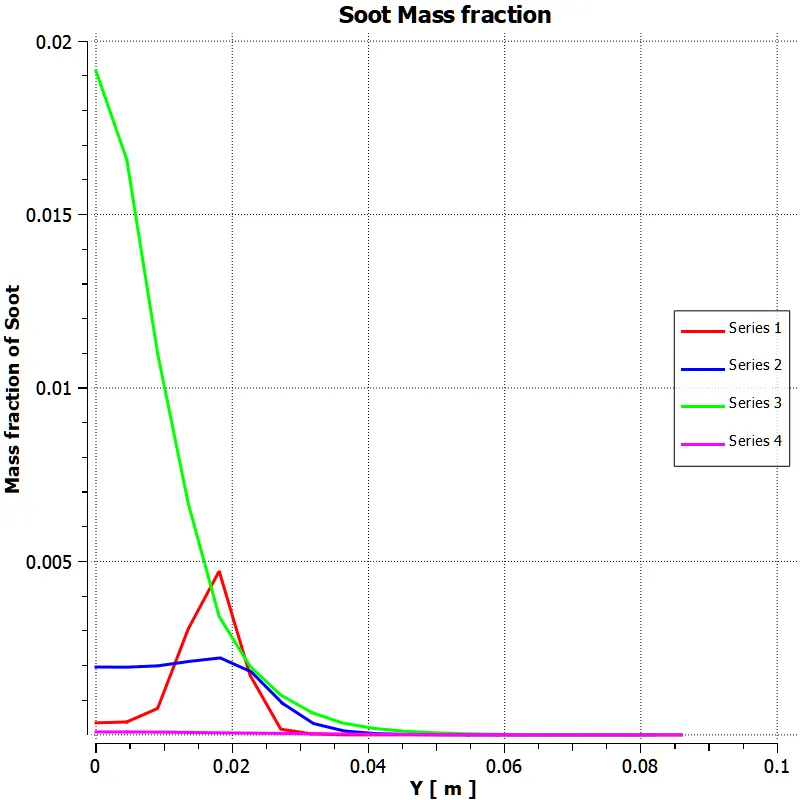
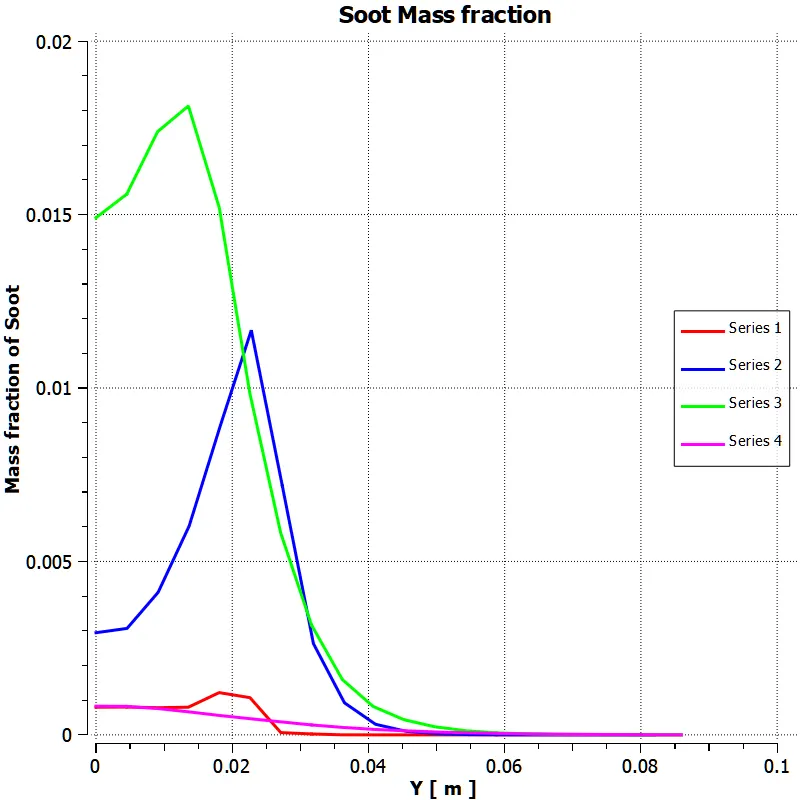
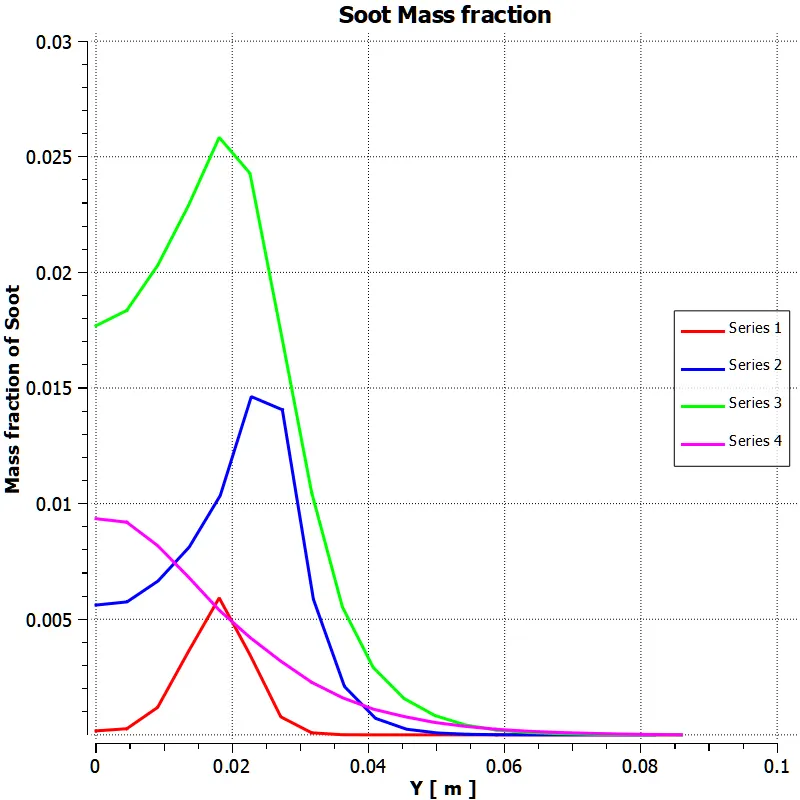
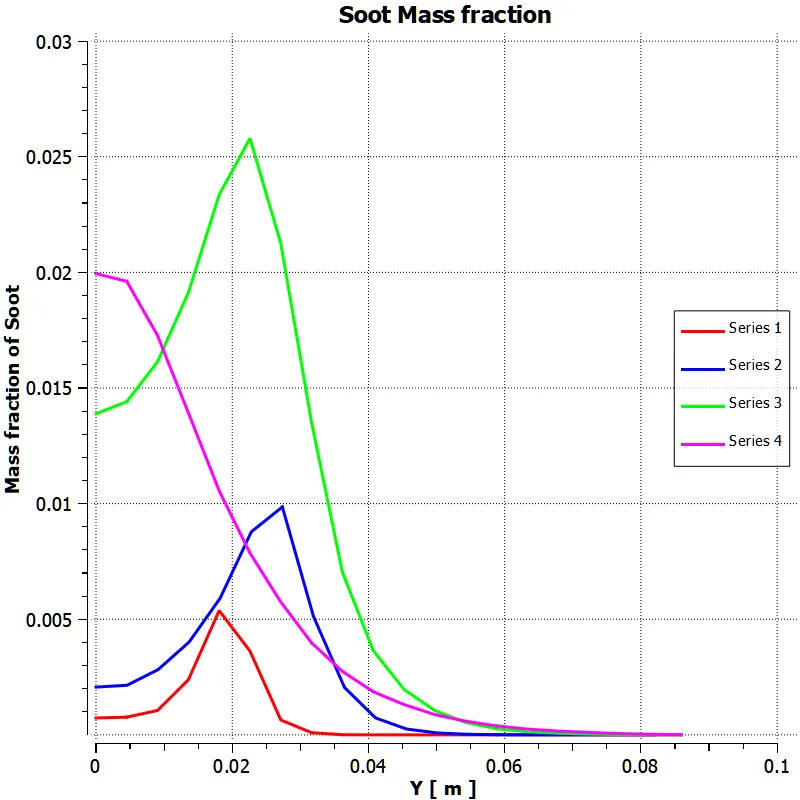
Result: (NOx, soot)
| Case 1 | 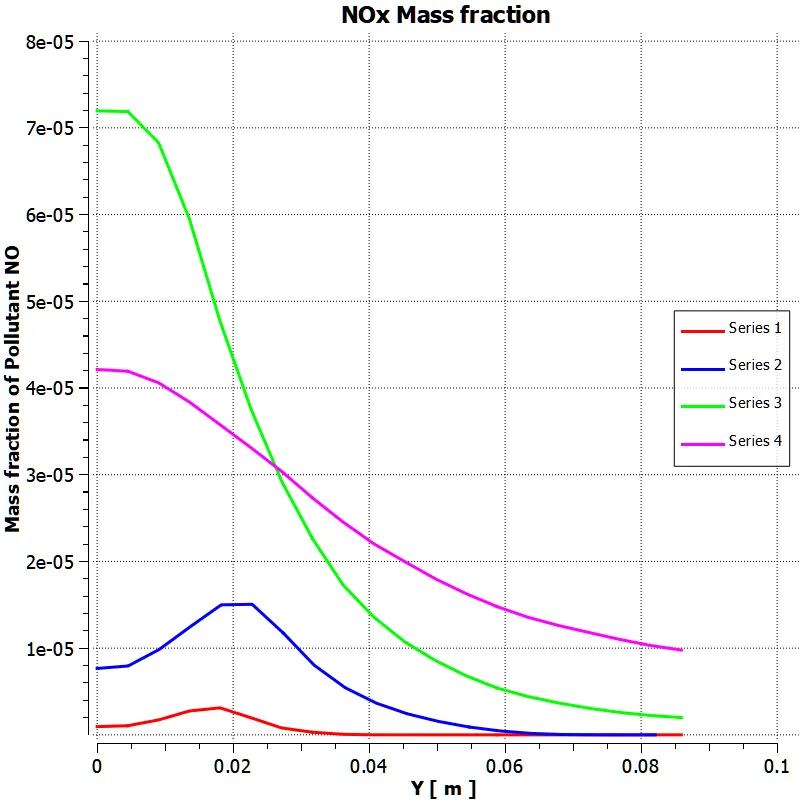 |
 |
| Case 2 | 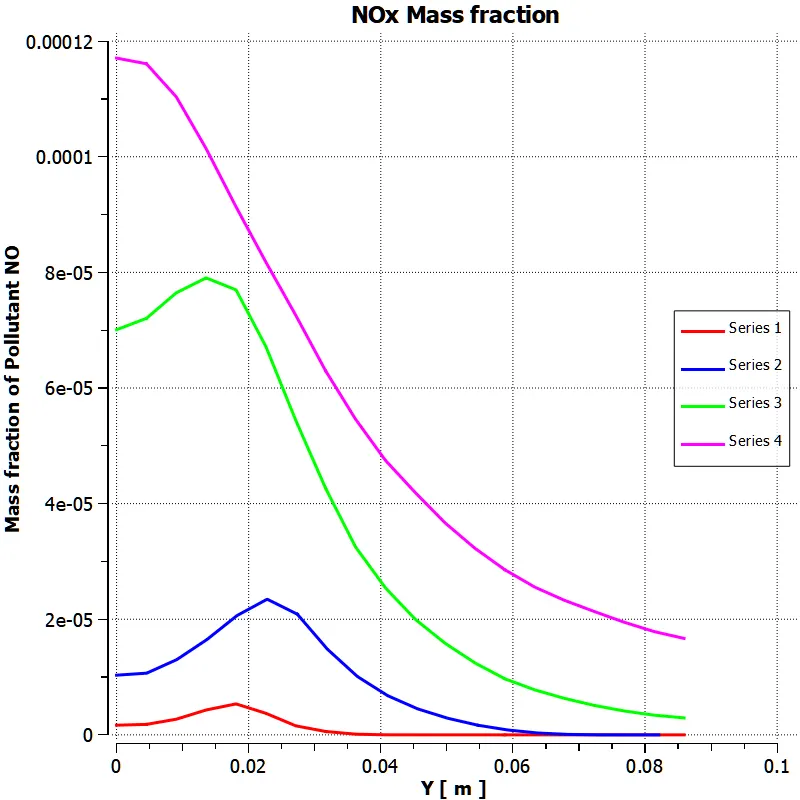 |
 |
| Case 3 | 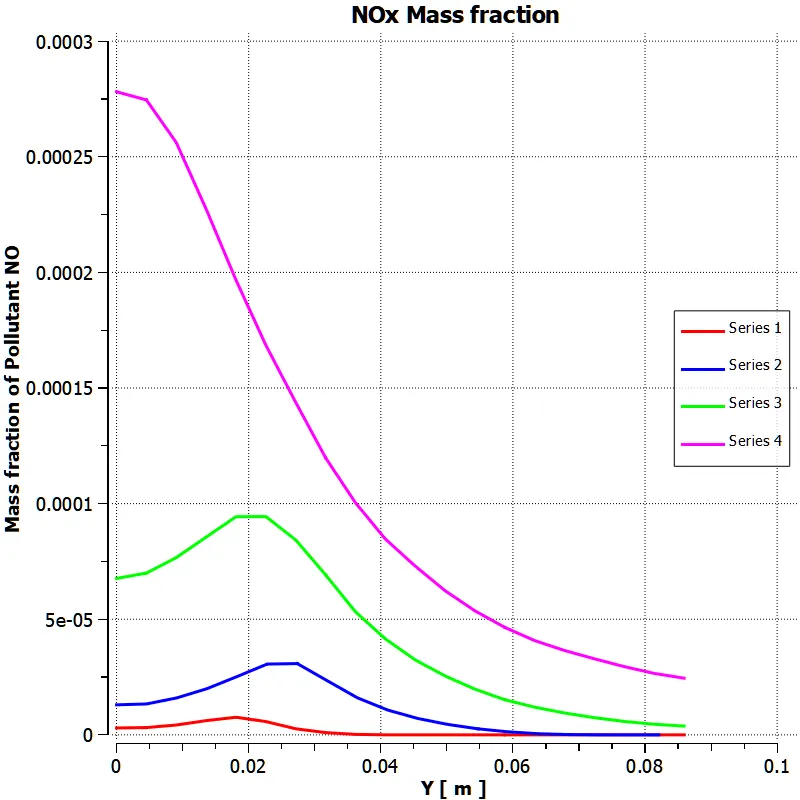 |
 |
| Case 4 | 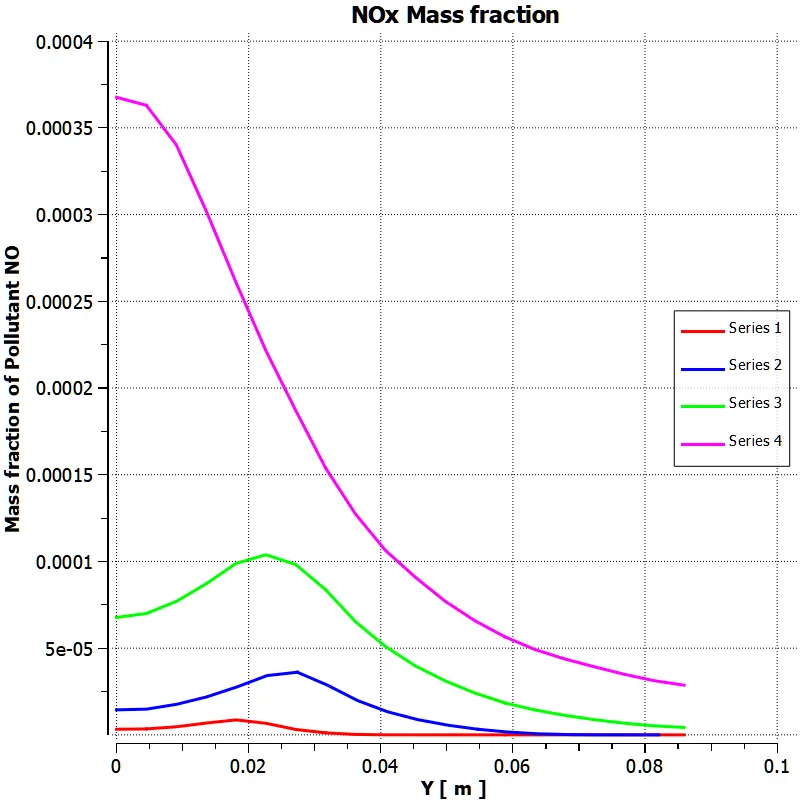 |
 |
Observations:
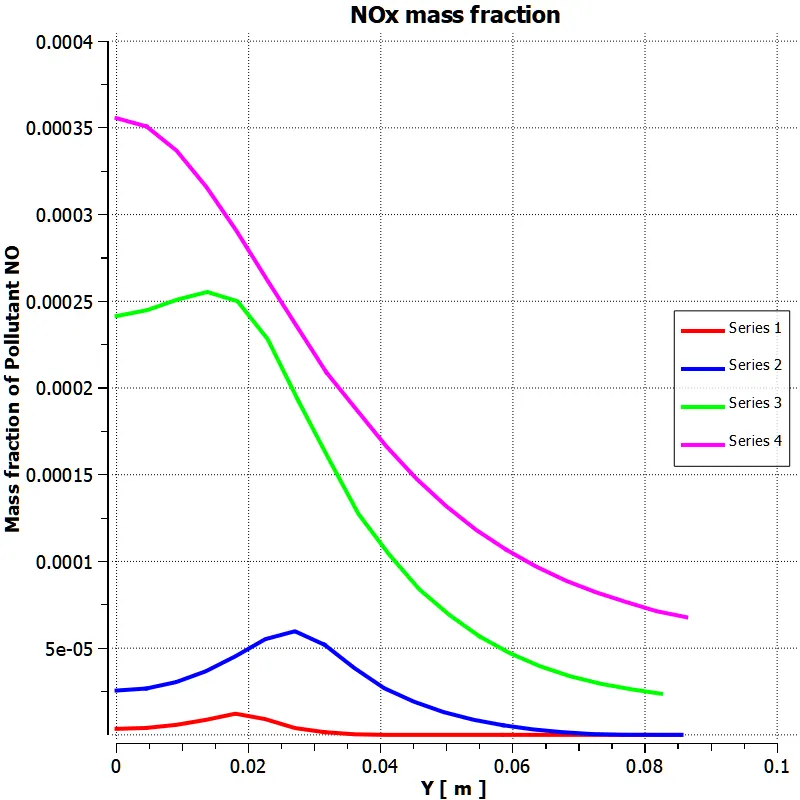
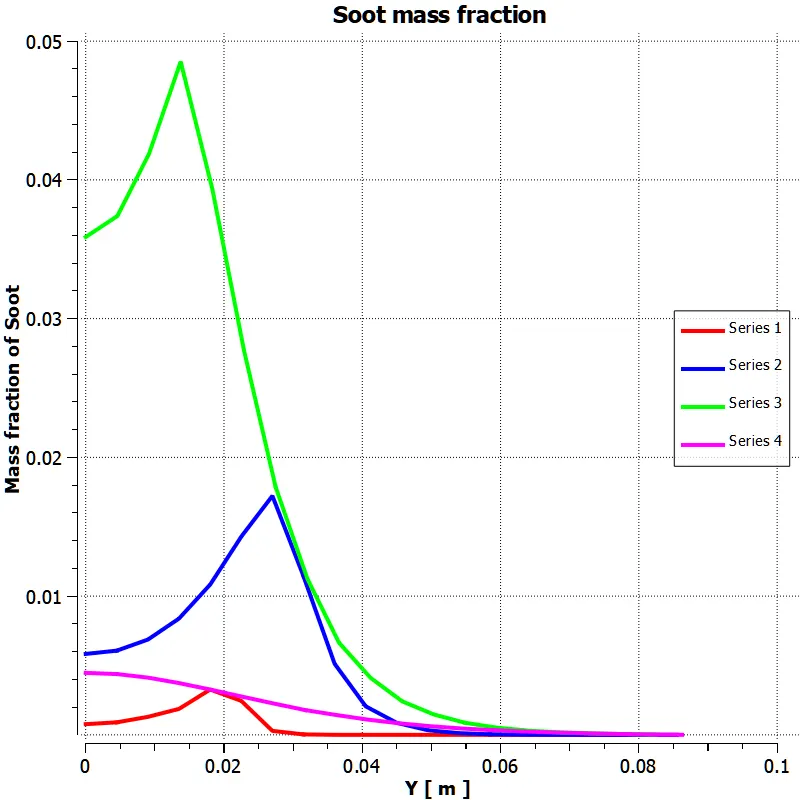
-Evidently, the difference is clear in the plots. Plus, the fact that the mass fraction of the soot and NOx decreases as the mass fraction of H2O increases from 5% to 30%.
-This means that the presence of water in fuel reduces the soot formation as well as the NOx fromation which are harmful for the envoirnment.
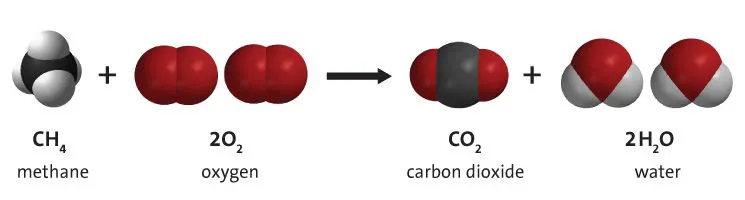
-The mechanisim of soot fromation is shown in the image below:
-The reduction of NOx and soot gives an idea that mixing H2O in fuel is a good way to reduce the emmissions.