Week 10 - Simulating Combustion of Natural Gas.
AIM
To simulate the combustion of natural gas
OBJECTIVES
Part I
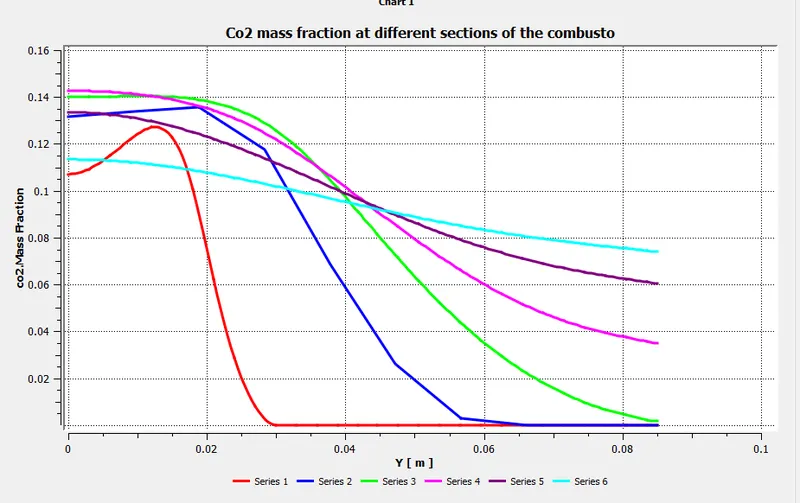
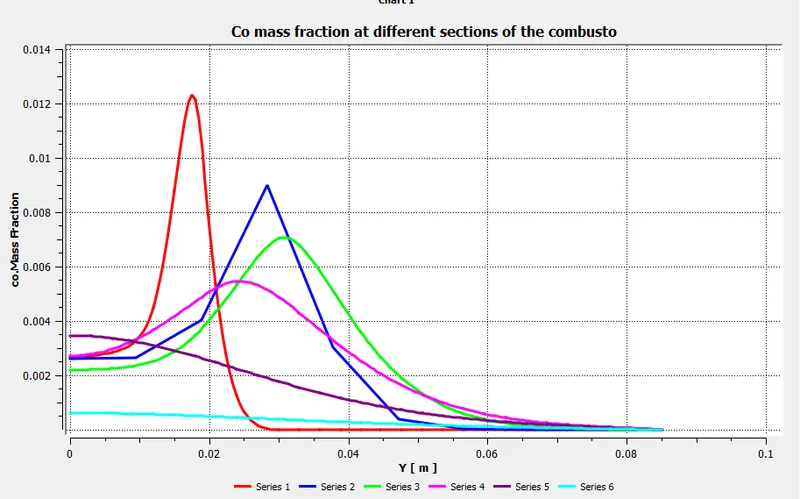
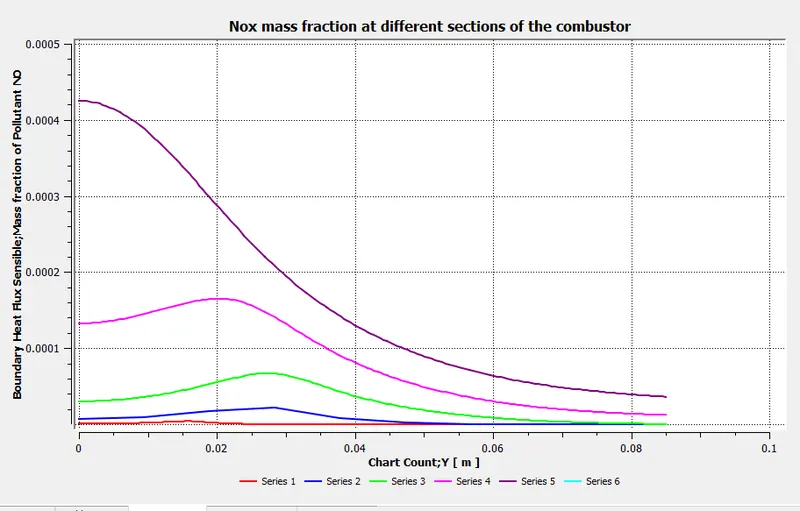
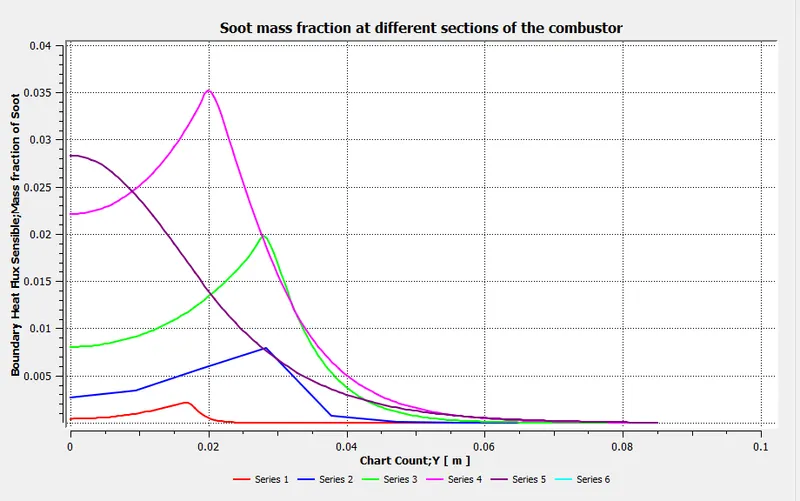
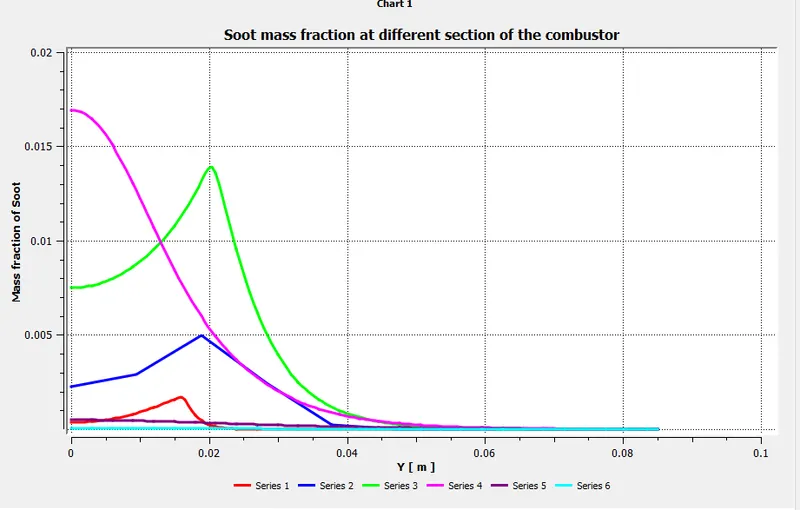
Perform a combustion simulation on the combustor model and plot the variation of the mass fraction of the different species’ in the simulation using line probes at different locations of the combustor. You need to plot for CO2, H2O, CH4, N2, O2, NOx emissions & Soot formation.
Part II
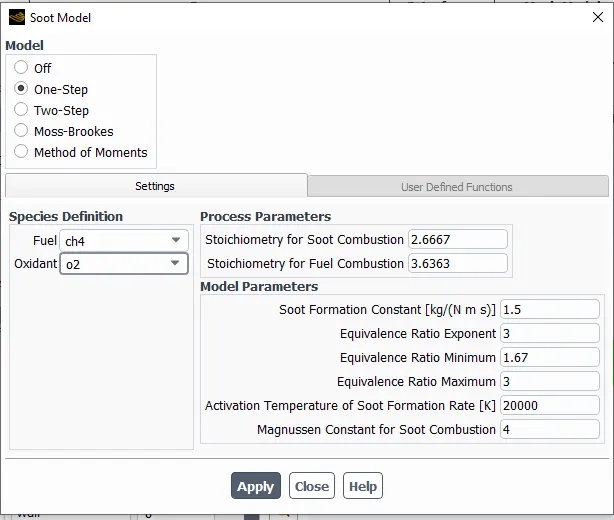
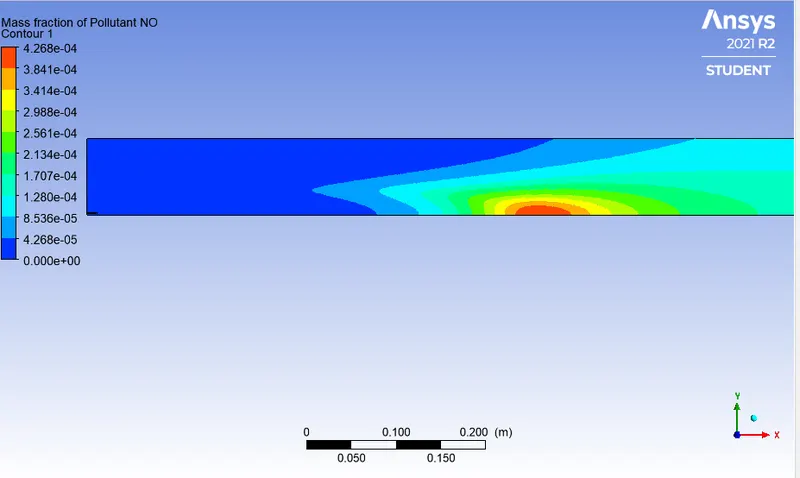
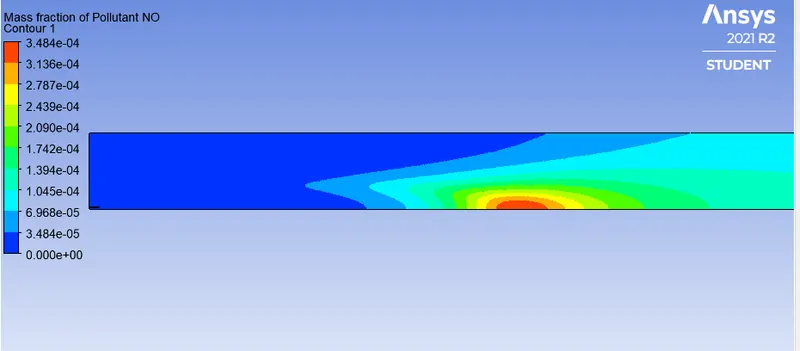
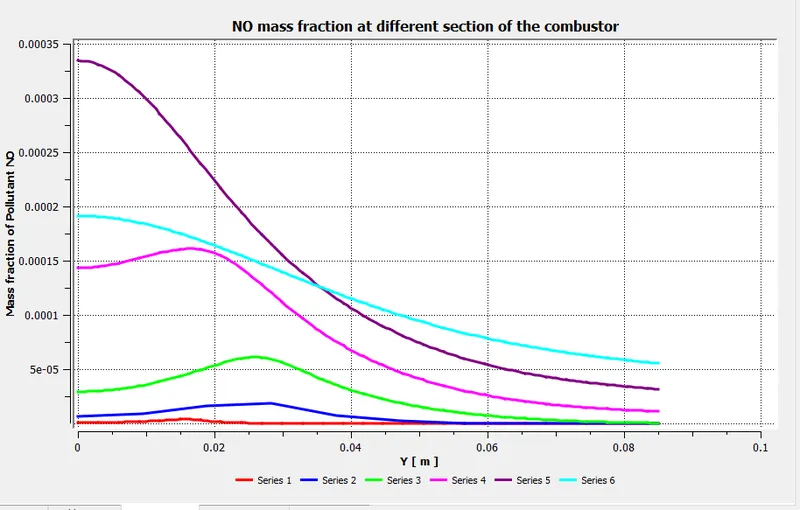
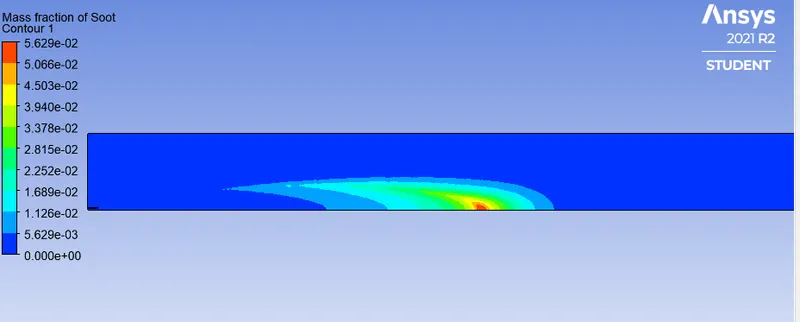
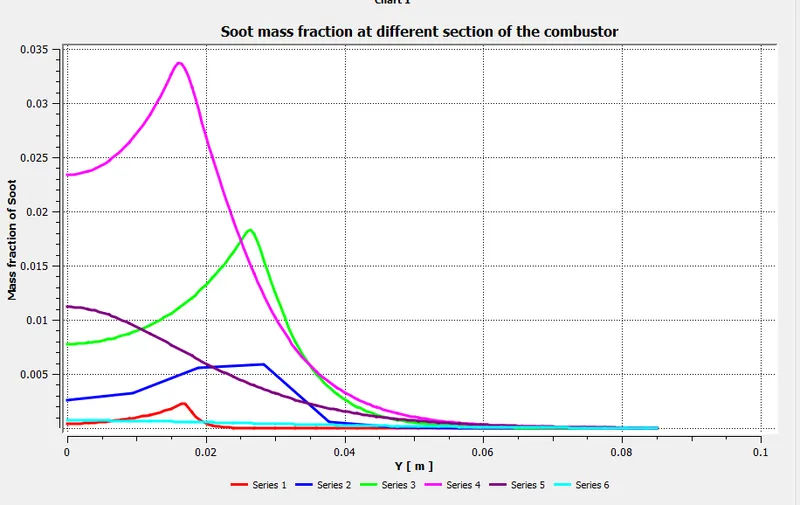
As you must have observed from the above simulation, the Nox and soot is getting formed at the outlet of the combustor. Such formation has harmful effects on the environment and humans. The stringent government norms also demand the least formation of Nox and soot and to satisfy those requirements, you need to check the effect of adding the water in the fuel.
In this part, you need to add the water content in the fuel from 5% to 30% by mole and observe the effect of it on the results. It is necessary to provide line plots and contours to prove your claim.
THEORY
Natural Gas
Natural Gas is a naturally-occurring mixture of hydrocarbon and non-hydrocarbon gases found in porous formations beneath the earth's surface. It is not a pure element like oxygen, but a mixture of gases of which hydrocarbon gases are the components that are combustible and produce heat.
Natural gas distributed by utilities varies in composition. The heat-producing hydrocarbons are composed of the elements Carbon and Hydrogen. Methane (CH4) is always the largest component. Ethane, propane (C3H8) and butane are heavier, "hotter" hydrocarbons produced from natural gas wells, and are present in low concentration. Nitrogen, Oxygen, and Carbon Dioxide are the major components (99.9%) of air, but are considered contaminants of natural gas.
Natural gas is one of the major combustion fuels used throughout the country. It is mainly used to generate industrial and utility electric power, produce industrial process steam and heat, and heat residential and commercial space. Natural gas consists of a high percentage of methane (generally above 85 percent) and varying amounts of ethane, propane, butane, and inerts (typically nitrogen, carbon dioxide, and helium). The average gross heating value of natural gas is approximately 1,020 British thermal units per standard cubic foot (Btu/scf), usually varying from 950 to 1,050 Btu/scf.
Combustion of Natural Gas
Combustion of natural gas is the chemical reaction of oxygen with a combustible material which produces heat.
There are three requirements for combustion. If one of these three components is missing, combustion cannot occur.
- Fuel (natural gas, in this case).
- Oxygen.
- A source of ignition.
Natural gas will not burn unless the mixture is within a flammable range of roughly 4 to 15% gas per volume of air. Above and below these amounts it will not burn. The most efficient or ideal mixture is about 10% gas.
The emissions from natural gas-fired boilers and furnaces include nitrogen oxides (NOx), carbon monoxide (CO), and carbon dioxide (CO2), methane (CH4), nitrous oxide (N2O), volatile organic compounds (VOCs), trace amounts of sulfur dioxide (SO2), and particulate matter (PM).
Nitrogen Oxides
Nitrogen oxides formation occurs by three fundamentally different mechanisms. The principal mechanism of NOx formation in natural gas combustion is thermal NOx. The thermal NOx mechanism occurs through the thermal dissociation and subsequent reaction of nitrogen (N2) and oxygen (O2) molecules in the combustion air. Most NOx formed through the thermal NOx mechanism occurs in the high temperature flame zone near the burners. The formation of thermal NOx is affected by three furnace-zone factors: (1) oxygen concentration, (2) peak temperature, and (3) time of exposure at peak temperature. As these three factors increase, NOx emission levels increase.
The second mechanism of NOx formation, called prompt NOx, occurs through early reactions of nitrogen molecules in the combustion air and hydrocarbon radicals from the fuel. Prompt NOx reactions occur within the flame and are usually negligible when compared to the amount of NOx formed through the thermal NOx mechanism. However, prompt NOx levels may become significant with ultra-low-NOx burners.
The third mechanism of NOx formation, called fuel NOx, stems from the evolution and reaction of fuel-bound nitrogen compounds with oxygen. Due to the characteristically low fuel nitrogen content of natural gas, NOx formation through the fuel NOx mechanism is insignificant.
Carbon Monoxide
The rate of CO emissions from boilers depends on the efficiency of natural gas combustion. Improperly tuned boilers and boilers operating at off-design levels decrease combustion efficiency resulting in increased CO emissions. In some cases, the addition of NOx control systems such as low NOx burners and flue gas recirculation (FGR) may also reduce combustion efficiency, resulting in higher CO emissions relative to uncontrolled boilers. Volatile Organic Compounds - The rate of VOC emissions from boilers and furnaces also depends on combustion efficiency. VOC emissions are minimized by combustion practices that promote high combustion temperatures, long
residence times at those temperatures, and turbulent mixing of fuel and combustion air. Trace amounts of VOC species in the natural gas fuel (e.g., formaldehyde and benzene) may also contribute to VOC emissions if they are not completely combusted in the boiler.
Sulfur Oxides
Emissions of SO2 from natural gas-fired boilers are low because pipeline quality natural gas typically has sulfur levels of 2,000 grains per million cubic feet. However, sulfur-containing odorants are added to natural gas for detecting leaks, leading to small amounts of SO2 emissions. Boilers combusting unprocessed natural gas may have higher SO2 emissions due to higher levels of sulfur in the natural gas. For these units, a sulfur mass balance should be used to determine SO2 emissions.
Particulate Matter
Because natural gas is a gaseous fuel, filterable PM emissions are typically low. Particulate matter from natural gas combustion has been estimated to be less than 1 micrometer in size and has filterable and condensable fractions. Particulate matter in natural gas combustion are usually larger molecular weight hydrocarbons that are not fully combusted. Increased PM emissions may result from poor air/fuel mixing or maintenance problems.
Greenhouse Gases
CO2, CH4, and N2O emissions are all produced during natural gas combustion. In properly tuned boilers, nearly all of the fuel carbon (99.9 percent) in natural gas is converted to CO2 during the combustion process. This conversion is relatively independent of boiler or combustor type. Fuel carbon not converted to CO2 results in CH4, CO, and/or VOC emissions and is due to incomplete combustion.
Even in boilers operating with poor combustion efficiency, the amount of CH4, CO, and VOC produced is insignificant compared to CO2 levels. Formation of N2O during the combustion process is affected by two furnace-zone factors. N2O emissions are minimized when combustion temperatures are kept high (above 1475oF) and excess oxygen is kept to a minimum (less than 1 percent).
Methane emissions are highest during low-temperature combustion or incomplete combustion, such as the start-up or shut-down cycle for boilers. Typically, conditions that favor formation of N2O also favor emissions of methane.
SIMULATION PROCEDURE
Open Ansys Workbench, select fluid flow(fluent) and open spaceclaim. Import the file containing combustion model into spaceclaim.
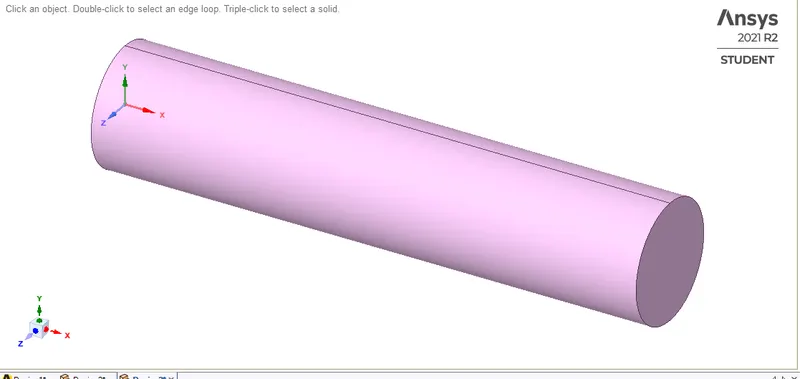
Since we are doing a 2D simulation, only a 2D section of the 3D model is used. For that we have to remove 3/4th part of the model.
Create a plane as shown in the figure
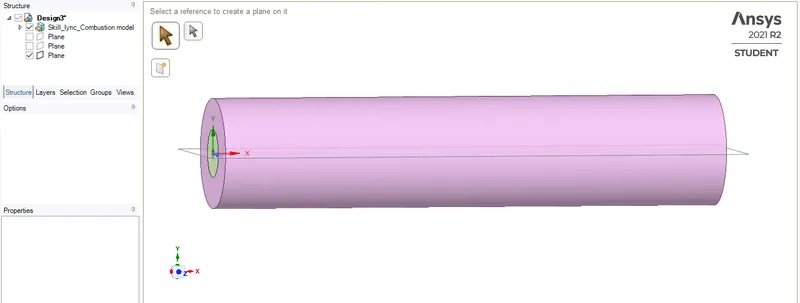
Using split body command remove the 3/4 part of the model
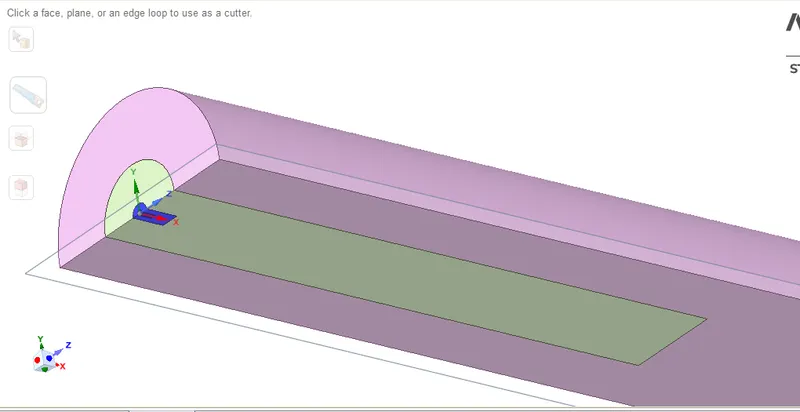
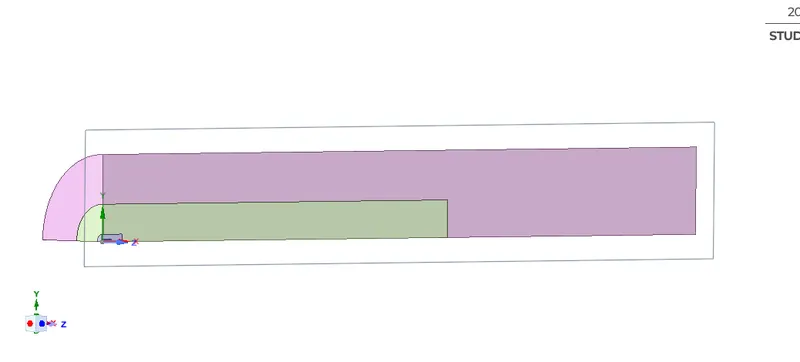
By using combine tool, combine all the parts as shown in the figure.
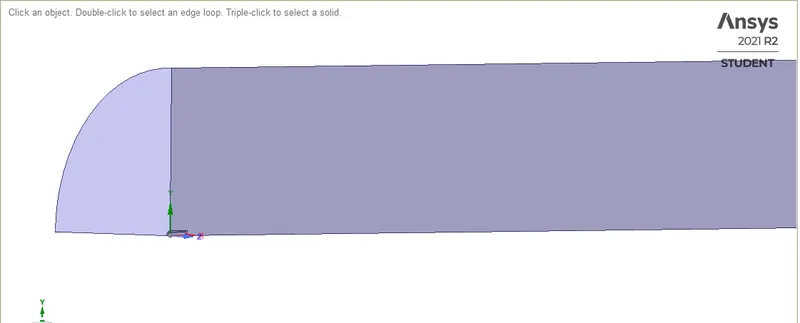
Copy the face and paste it into a new design file. The figure given below shows the required design to perform the 2D simulation.
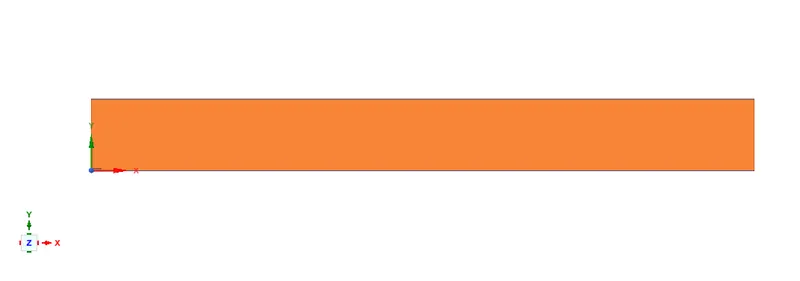
After creating geomtery, close spaceclaim and open meshing
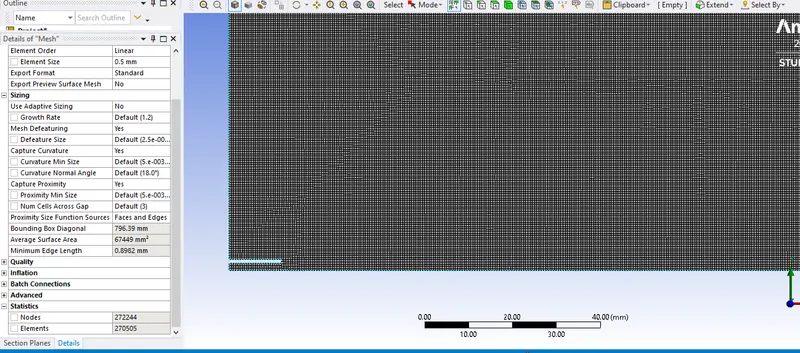
Element size = 0.5mm
Capture proximity is turned on
Name the boundaries
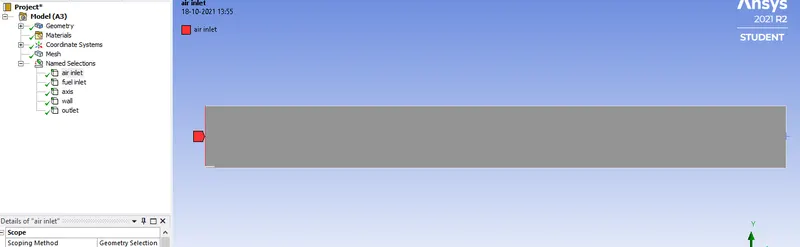
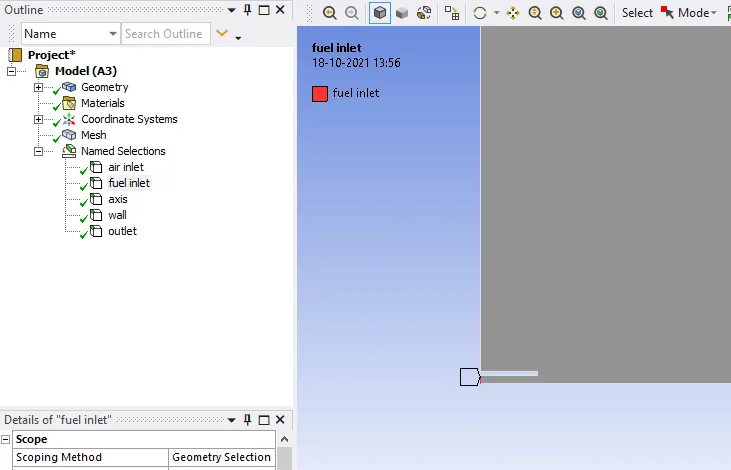
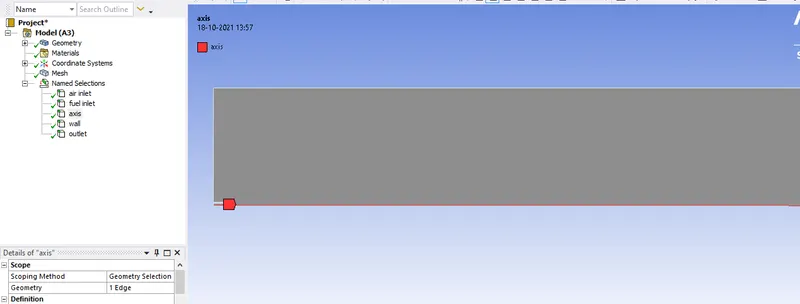
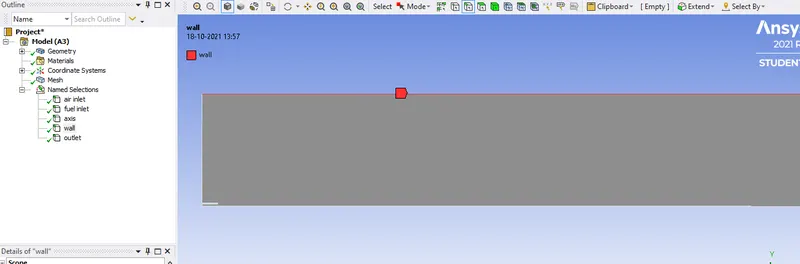
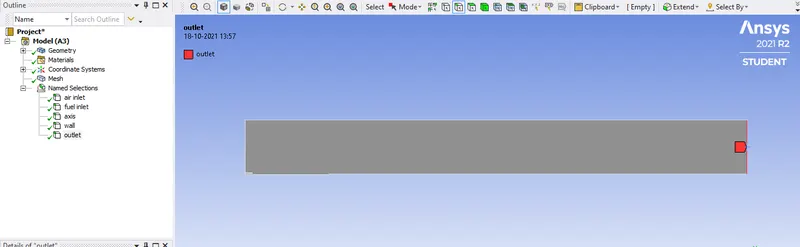
Meshing is complete. Double click on setup to open CFD solver.
CFD Case Setup
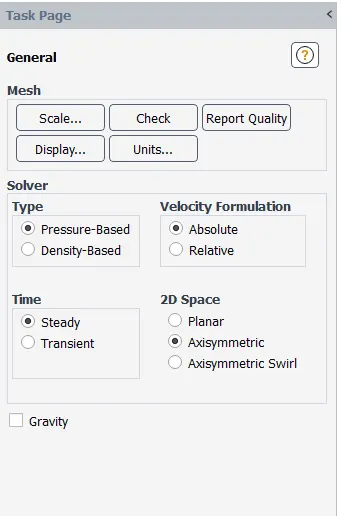
- Pressure based solver
- Steady state simulation is performed
- Axisymmetric is enabled
- Energy equation is enabled
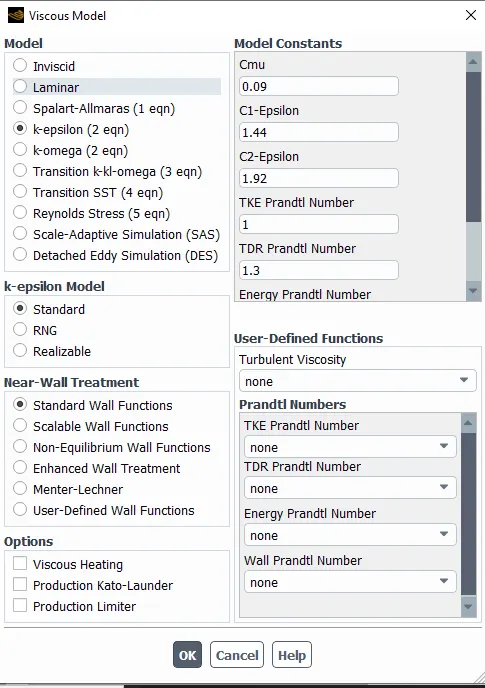
- Viscous model - K epsilon Standard with standard wall functions
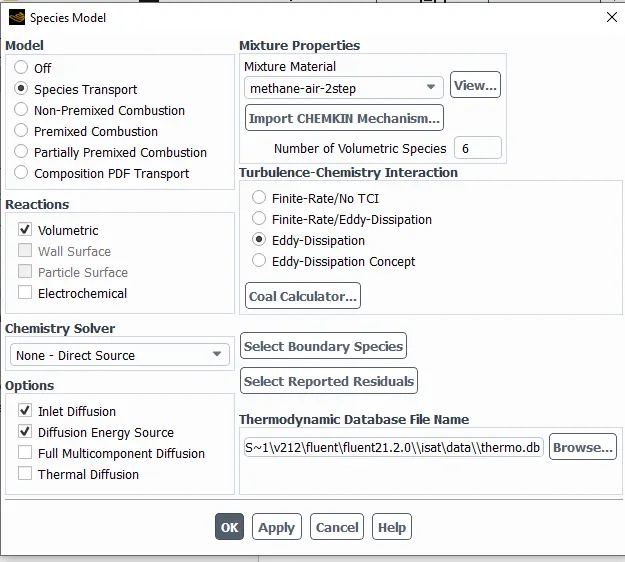
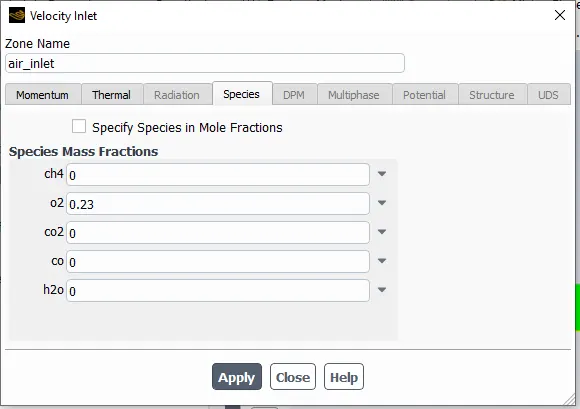
- Set the species model
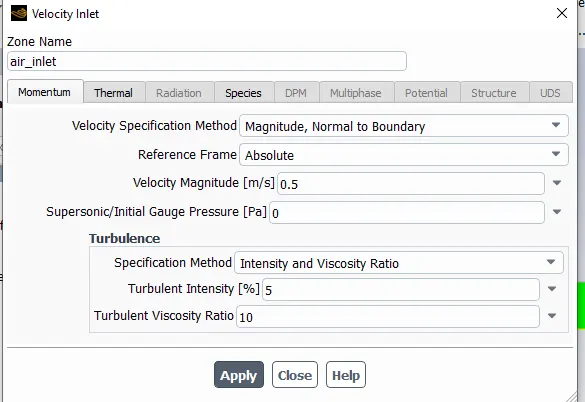
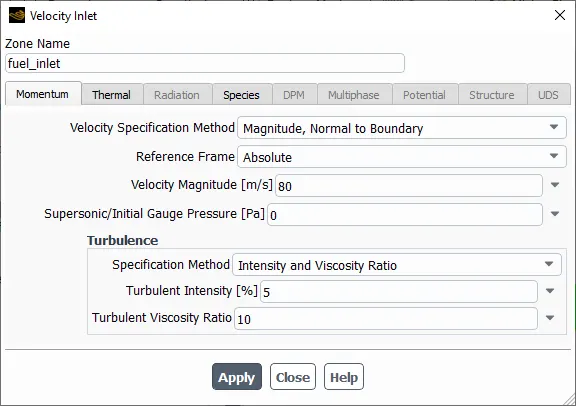
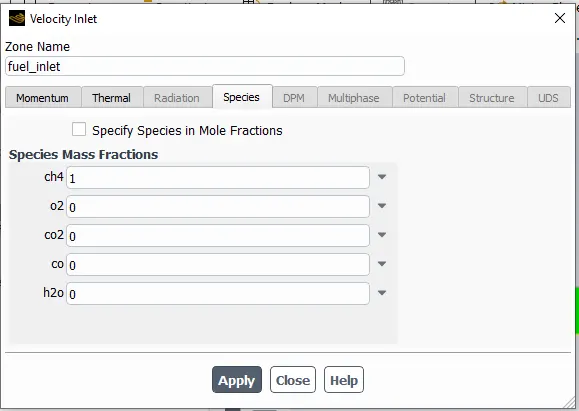
- Set the boundary conditions
- Initialize the solution using standard initialization
- Run the calculation
RESULTS
Part I
CH4 species mass fraction = 1
O2 species mass fraction = 0
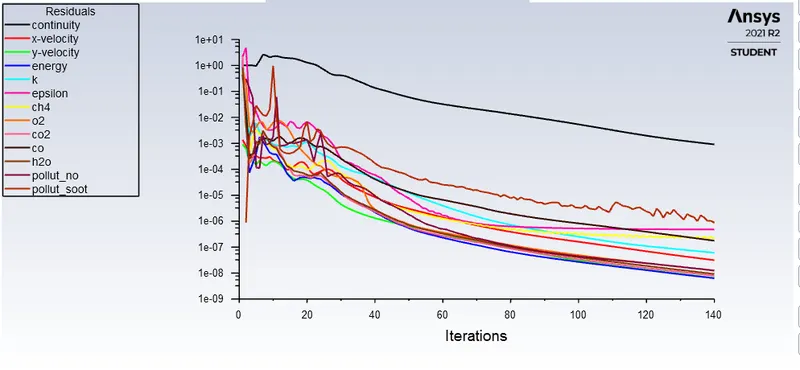
Residual plot
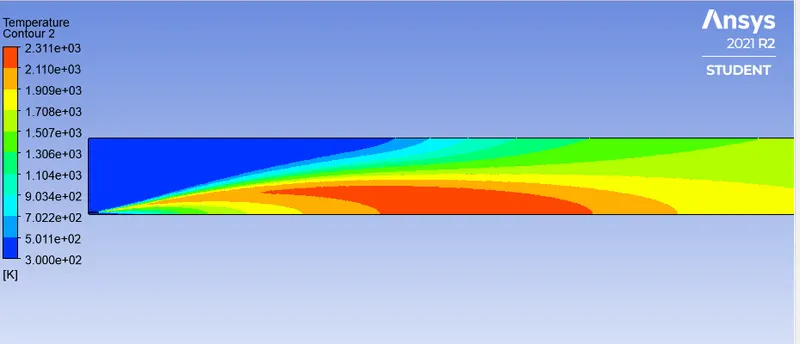
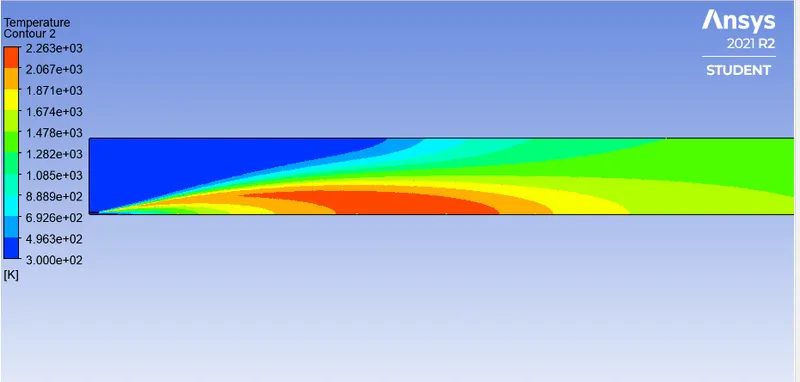
Temperature contour plot
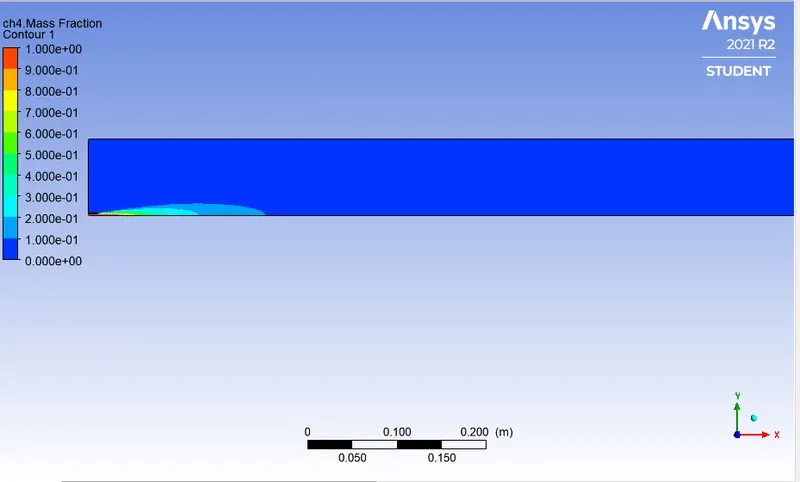
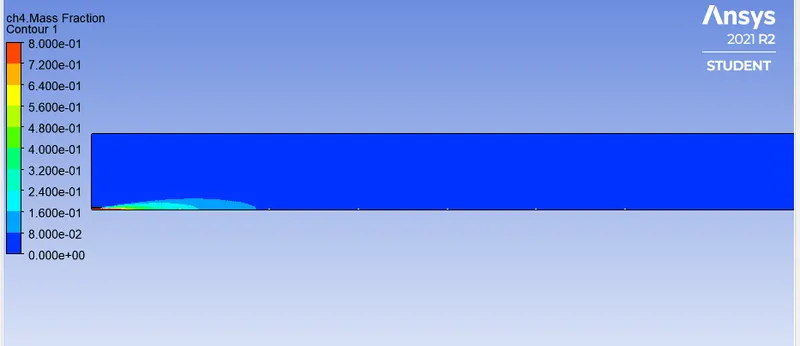
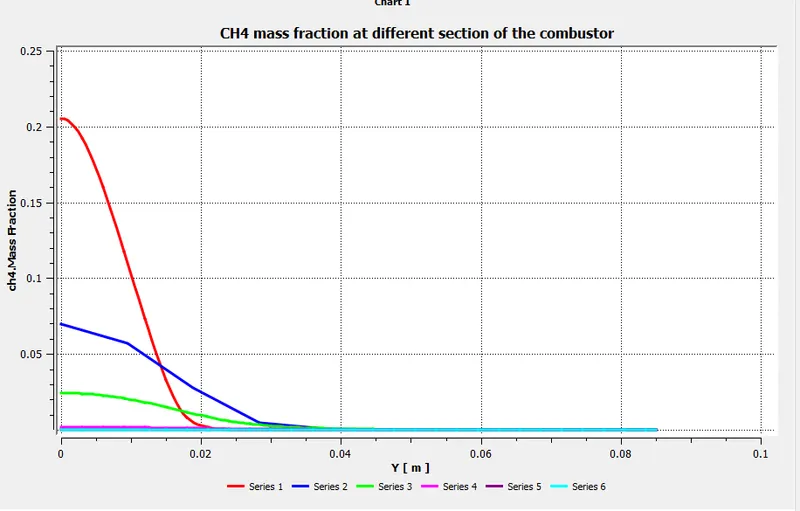
Mass fraction of CH4
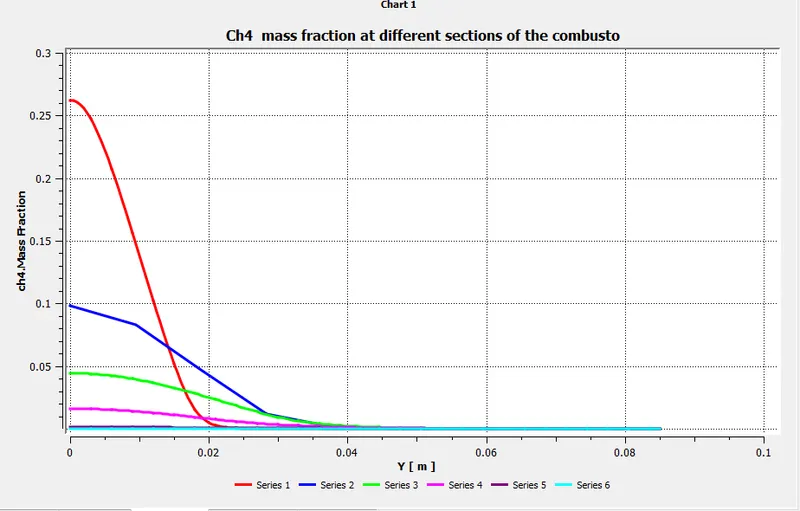
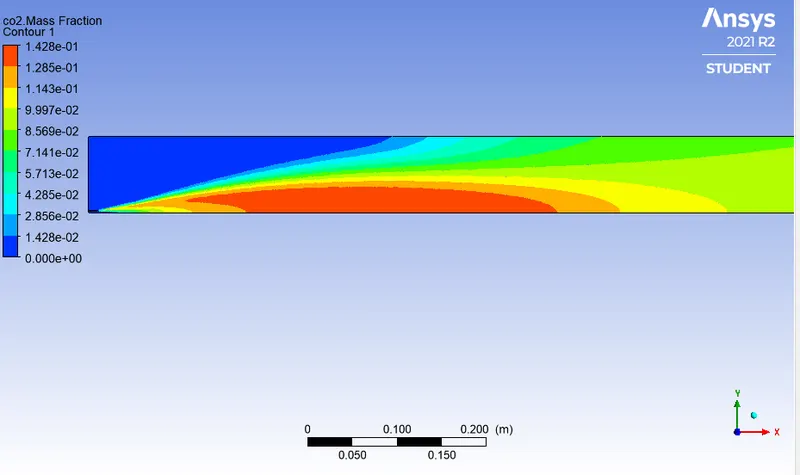
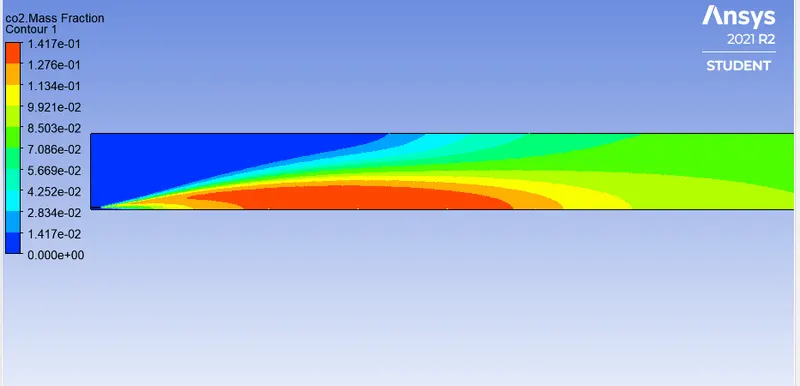
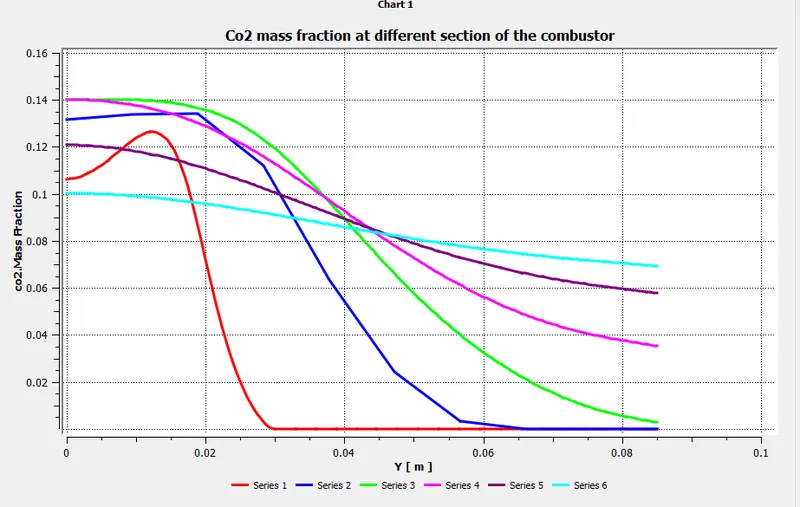
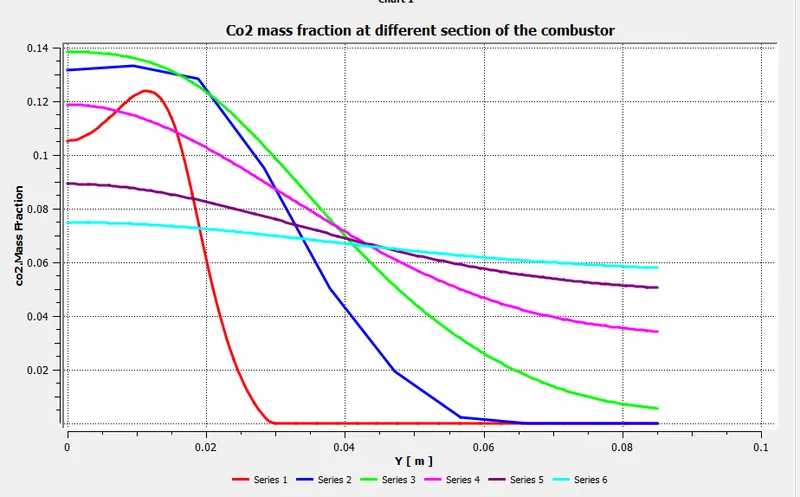
Mass fraction of Co2
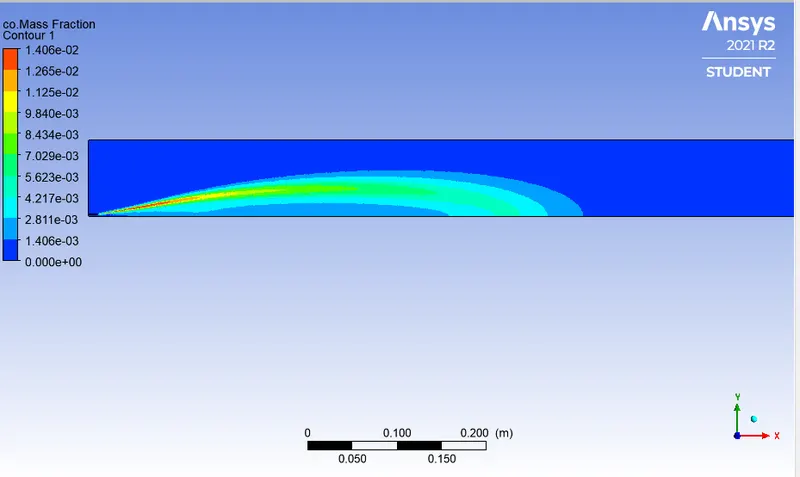
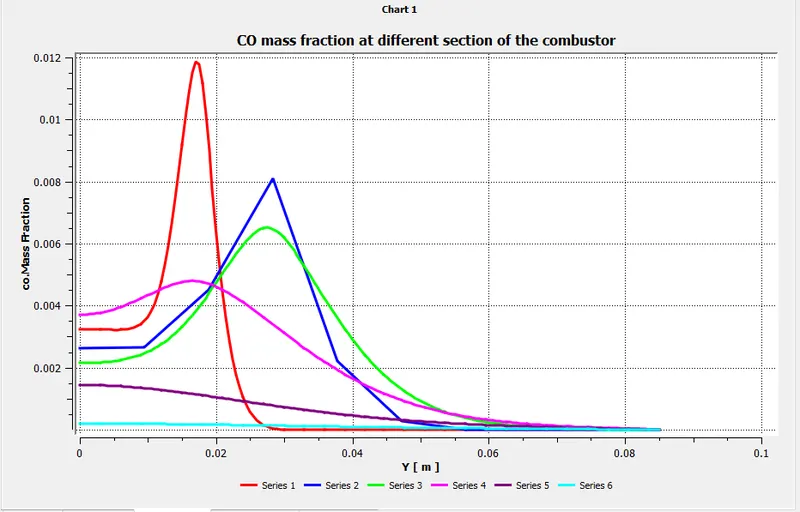
Mass fraction of Co
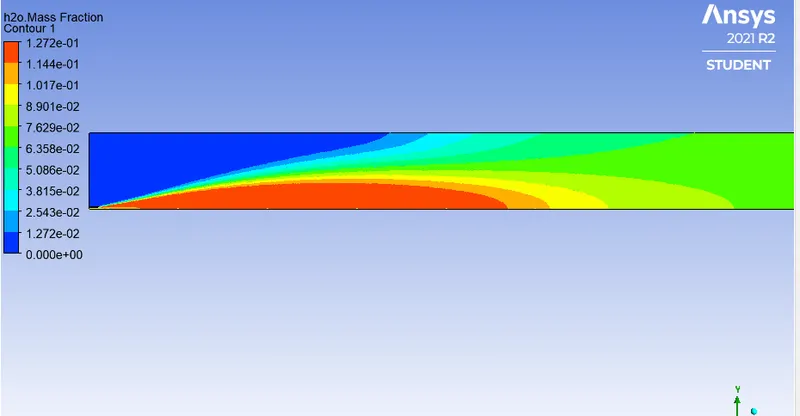
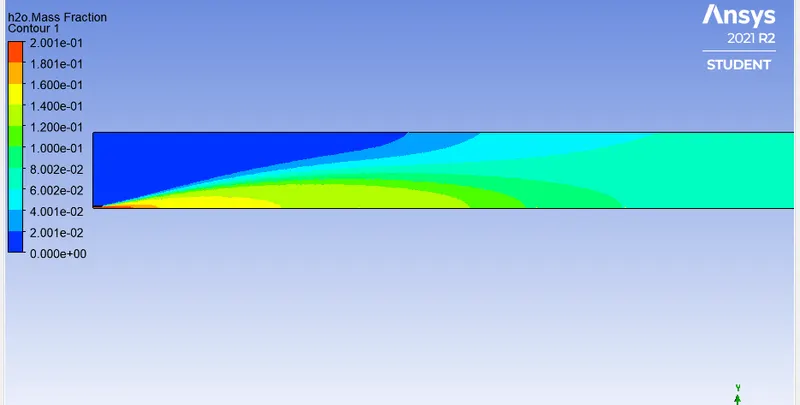
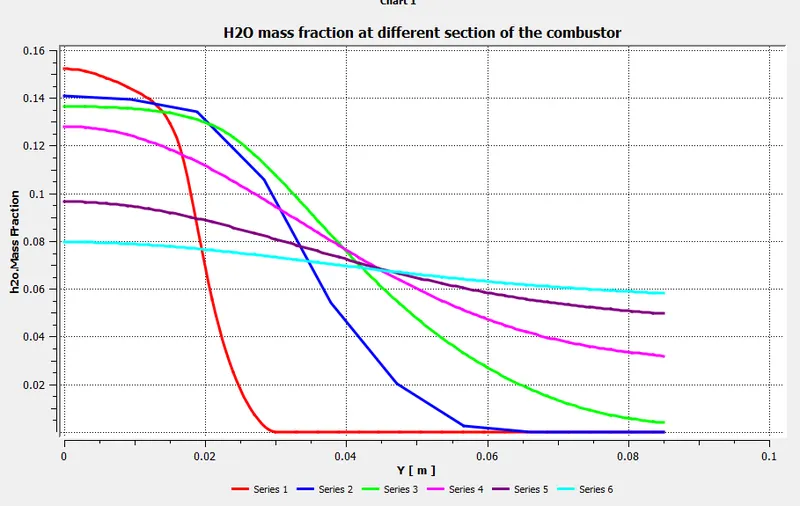
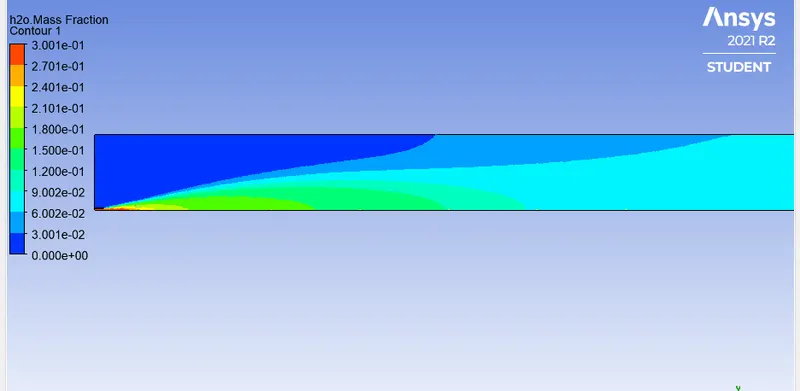
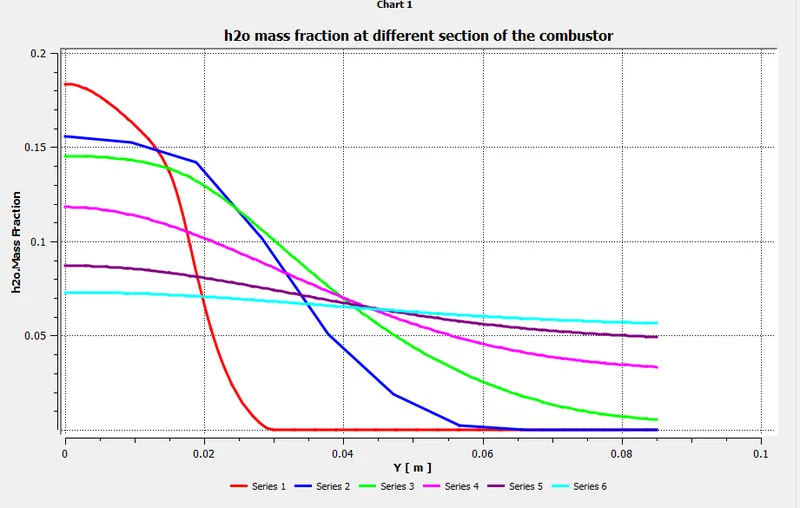
Mass fraction of h2o
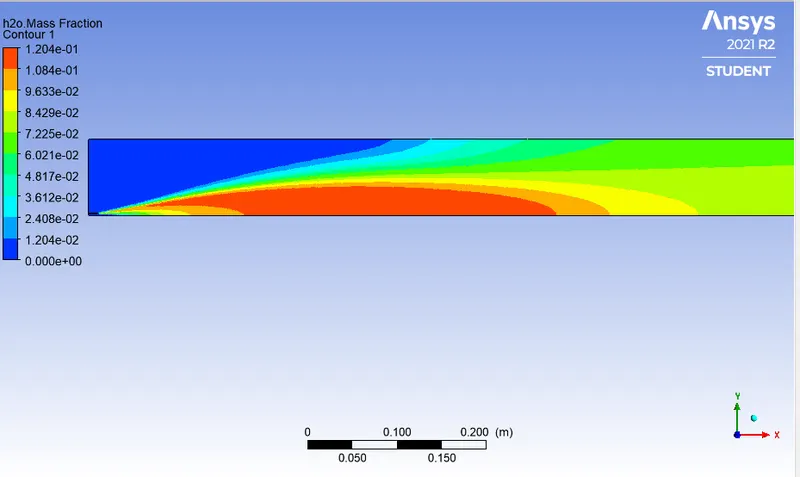
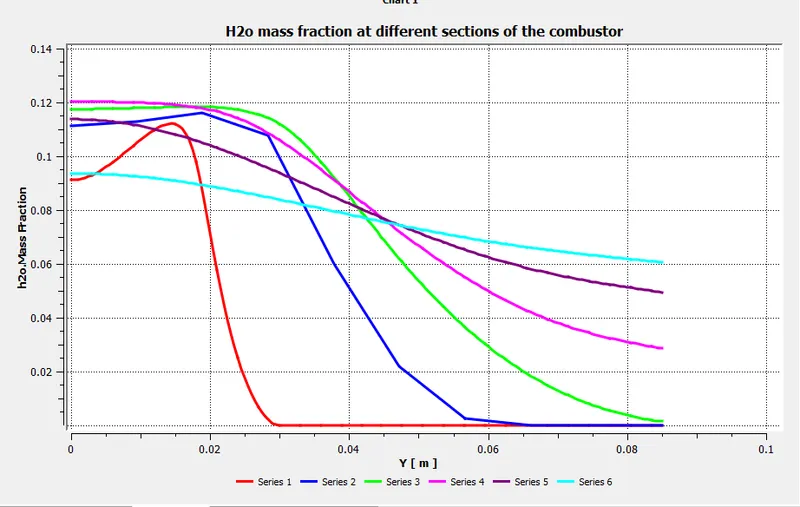
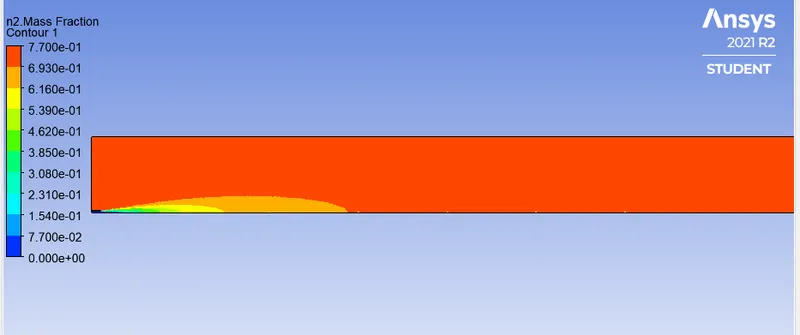
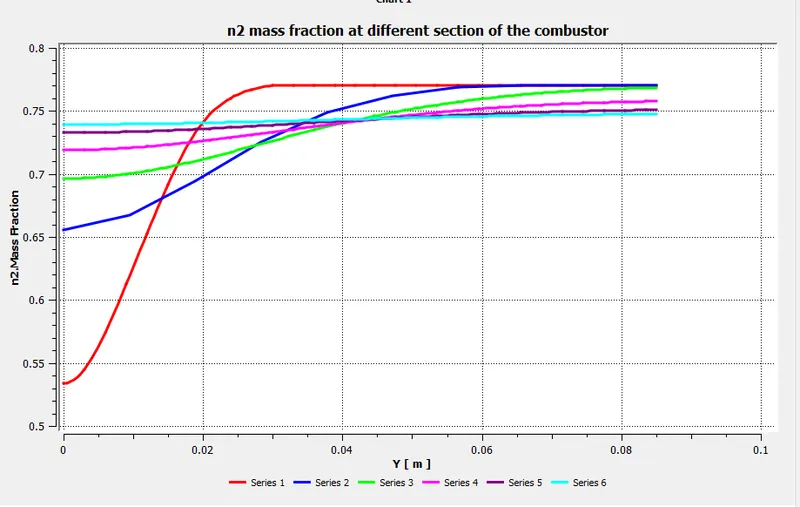
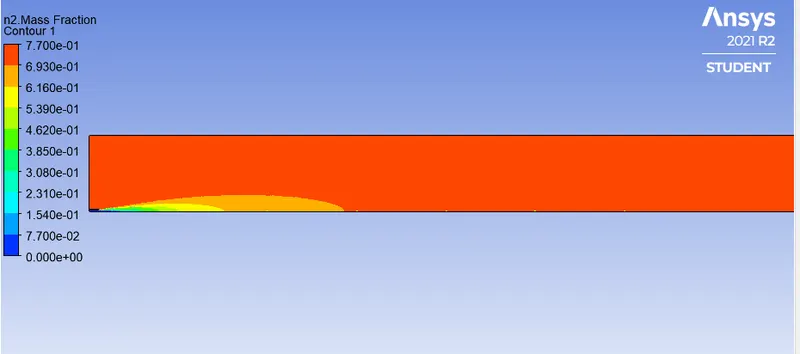
Mass fraction of n2
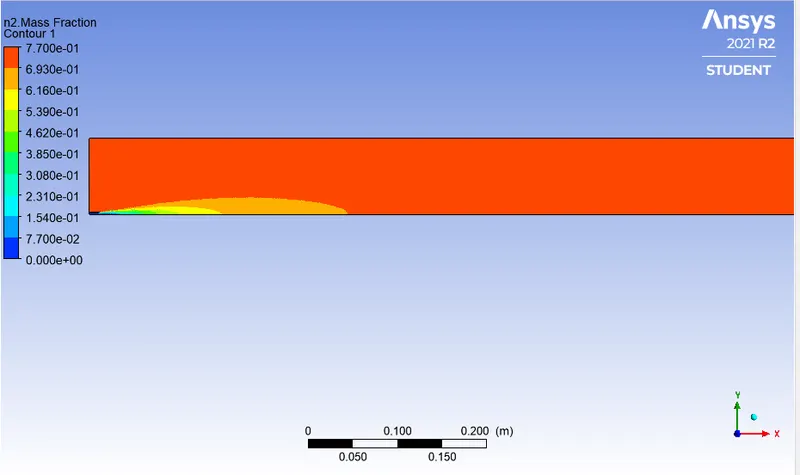
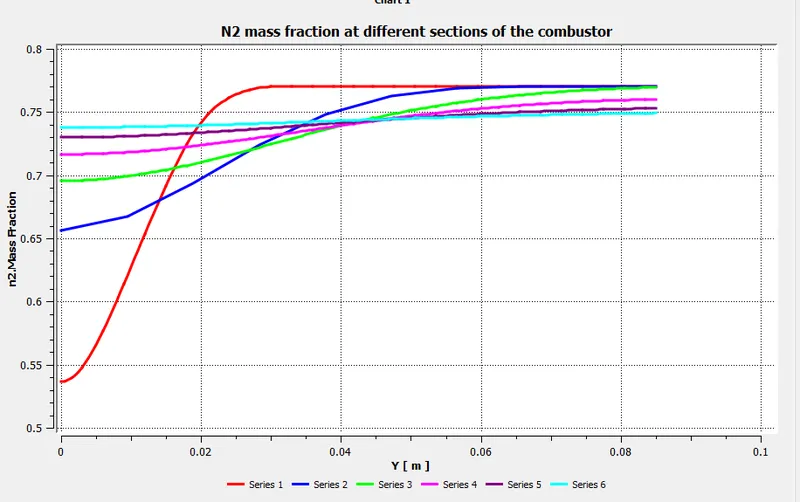
Mass fraction of o2
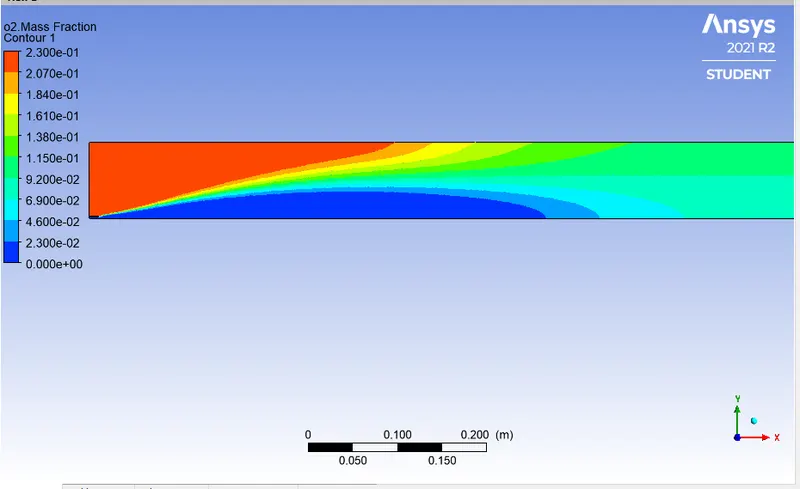
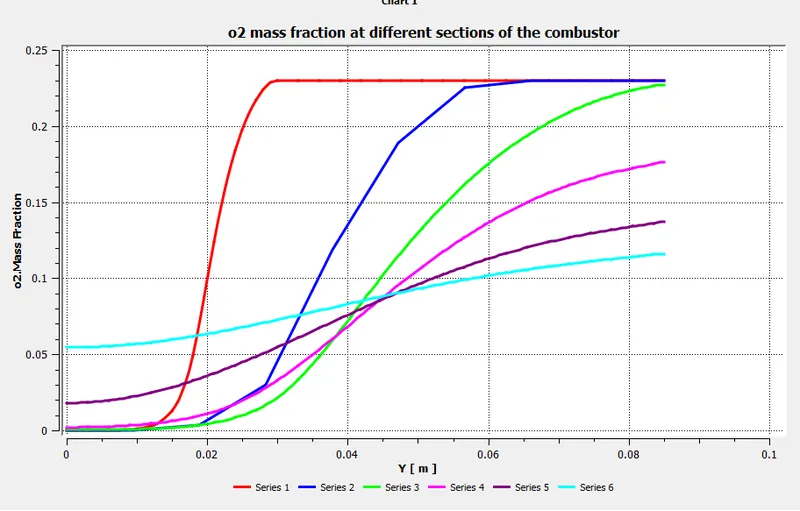
Mass fraction of Nox
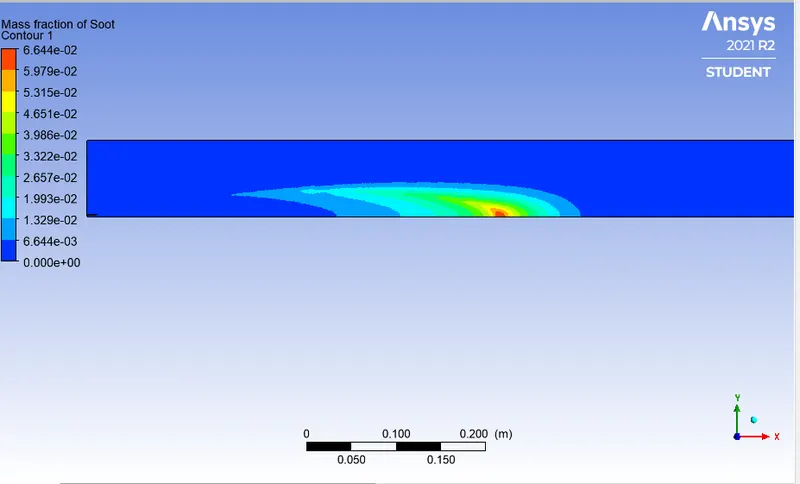
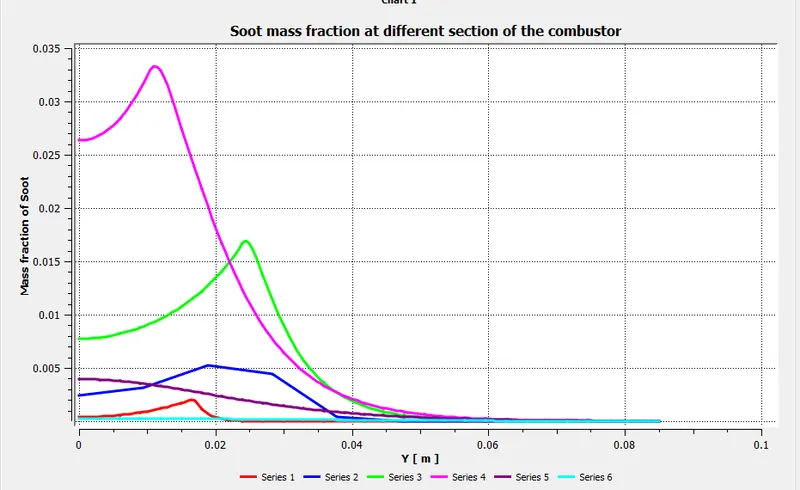
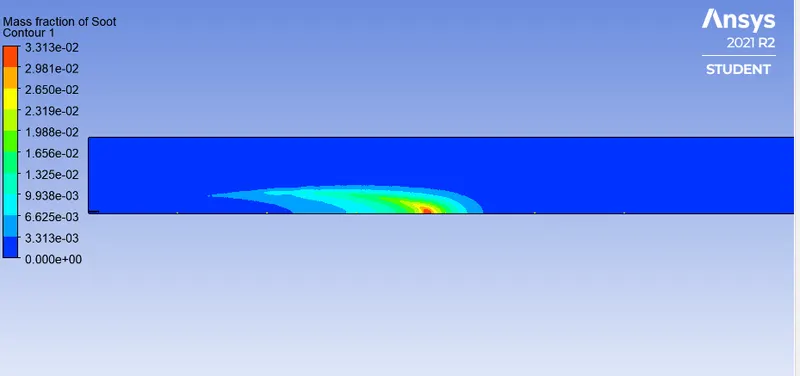
Mass fraction of Soot
Part II
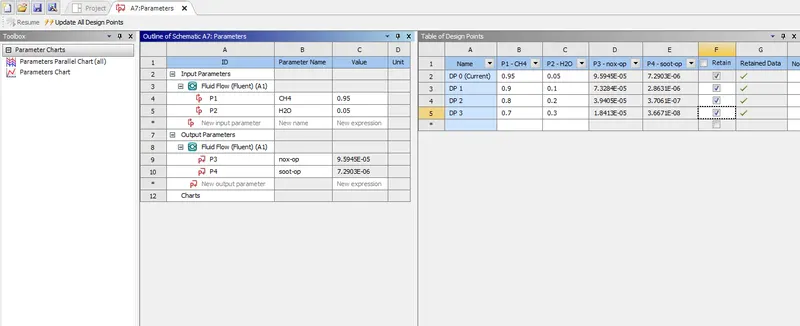
Parametric study approach is used for solving part 2
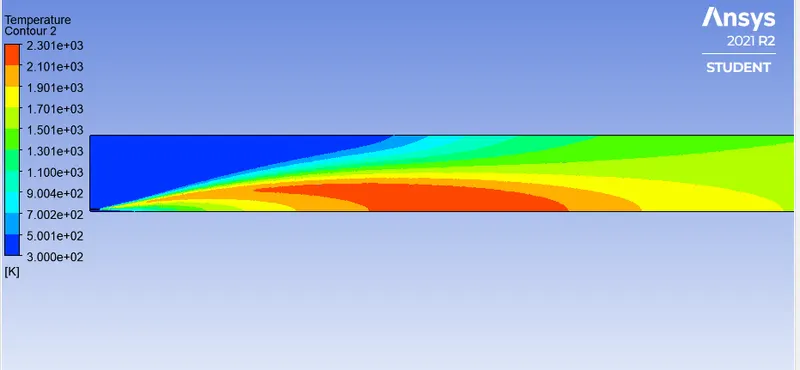
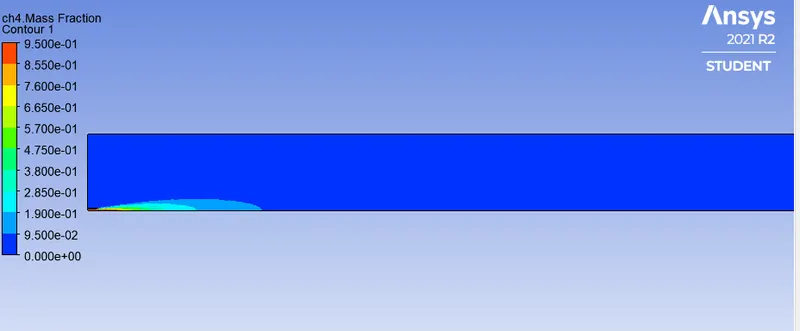
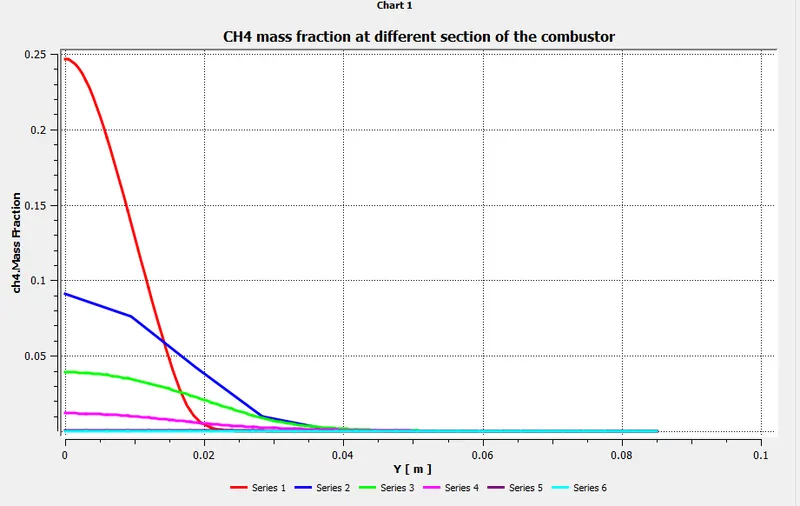
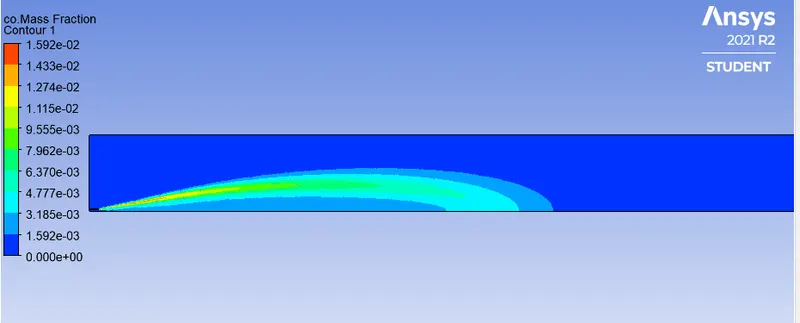
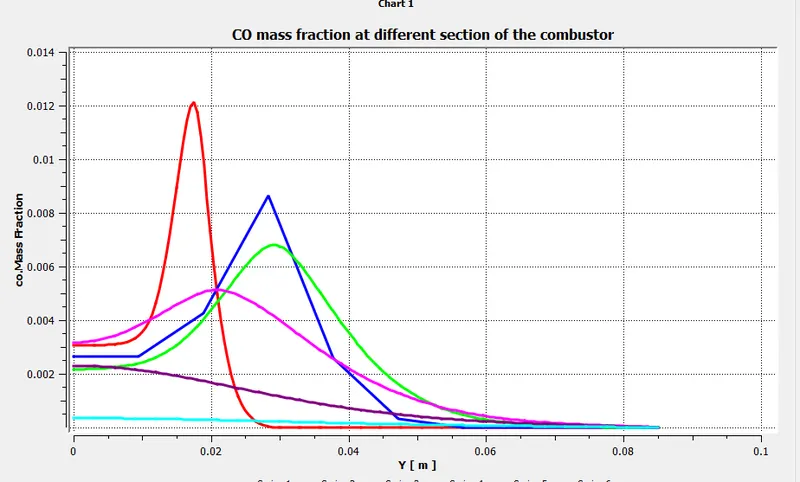
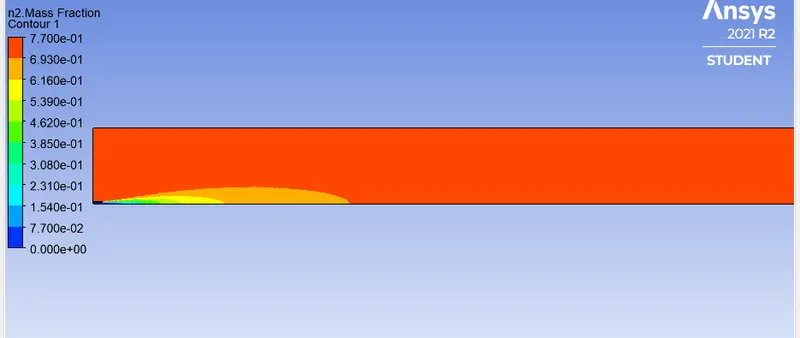
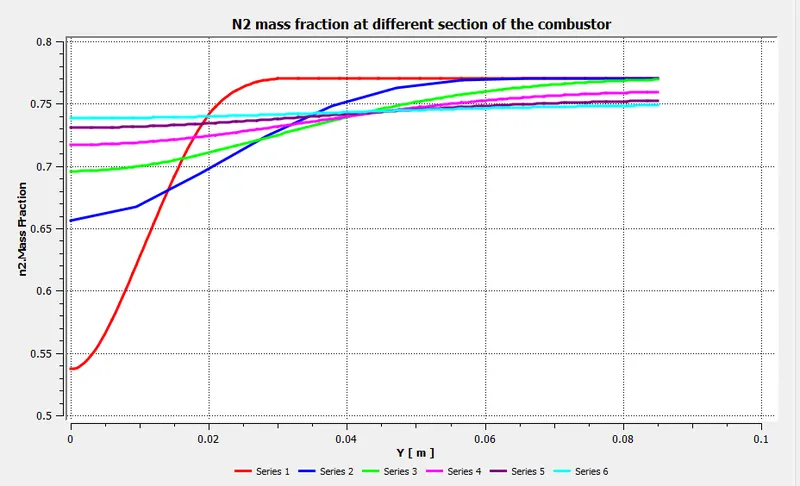
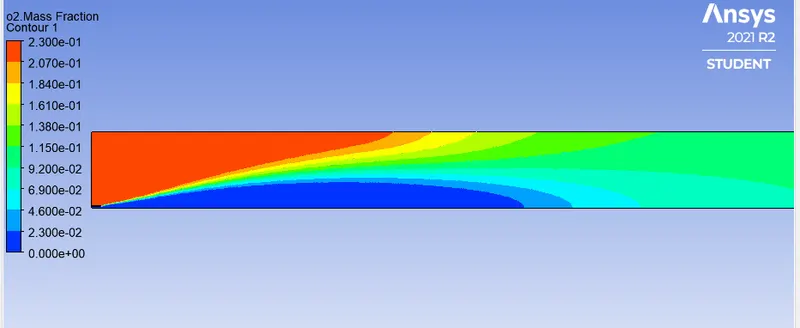
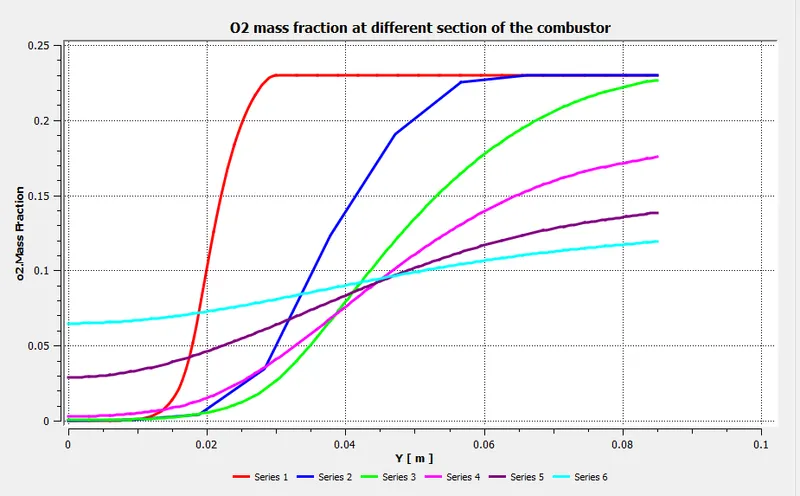
5% water content in fuel
Temperature contour plot
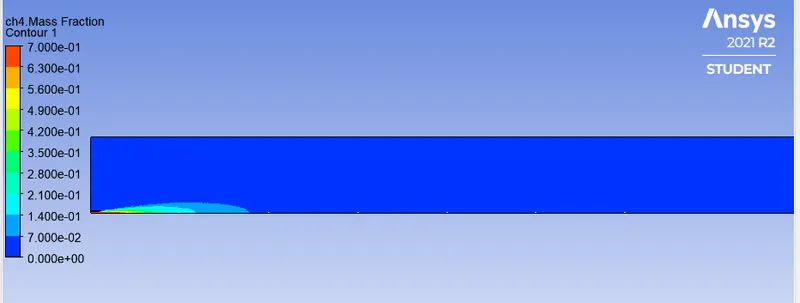
Mass fraction of CH4
Mass fraction of CO
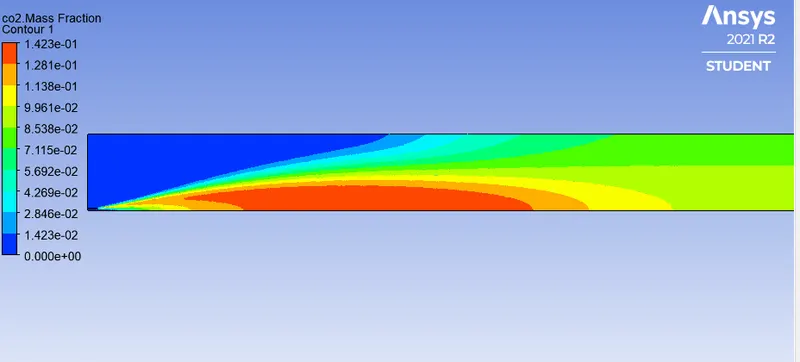
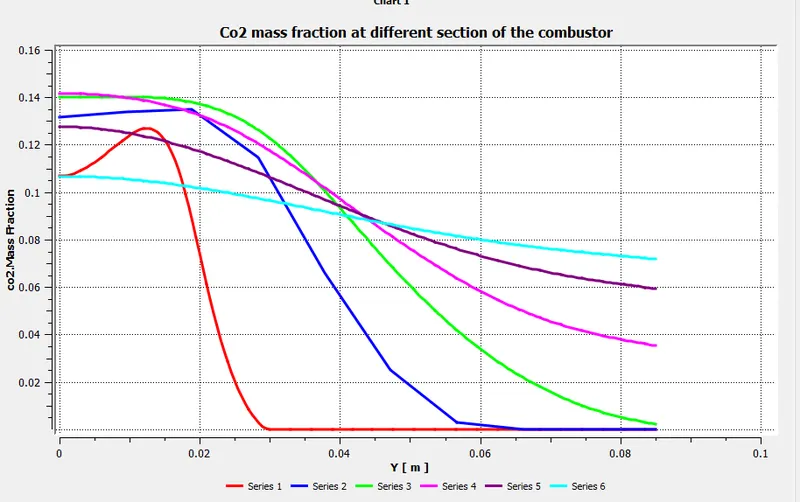
Mass fraction of Co2
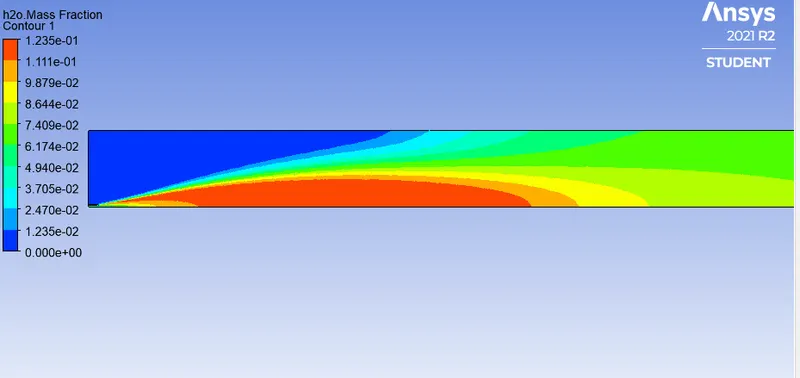
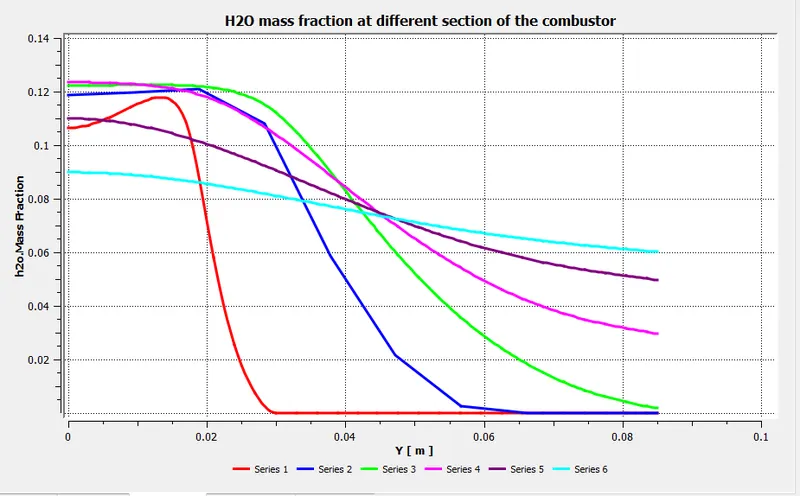
Mass fraction of H2O
Mass fraction of N2
Mass fraction of O2
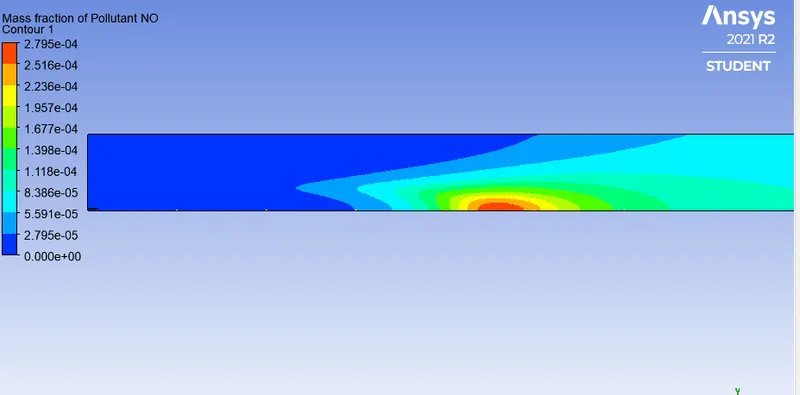
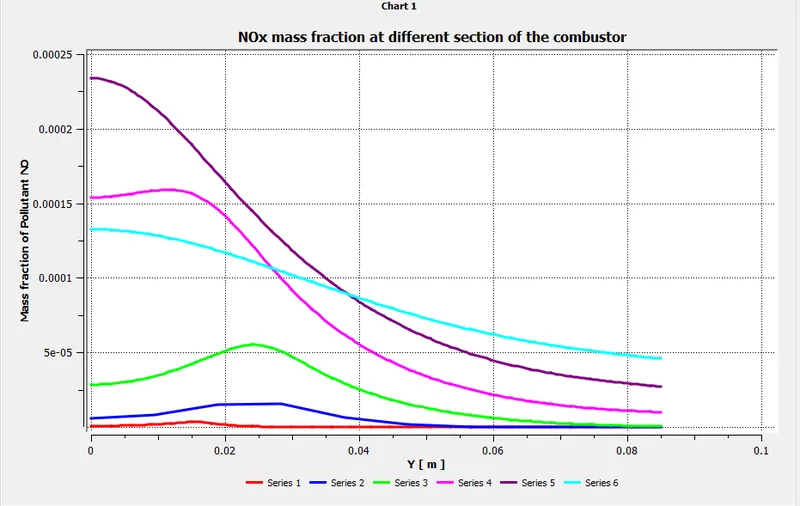
Mass fraction of NOx
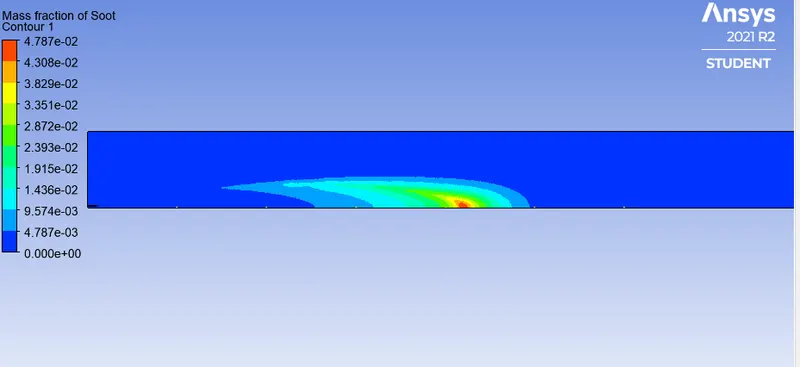
Mass fraction of Soot
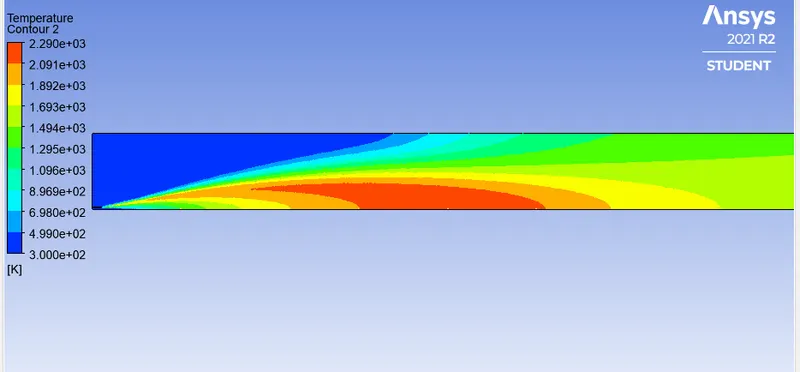
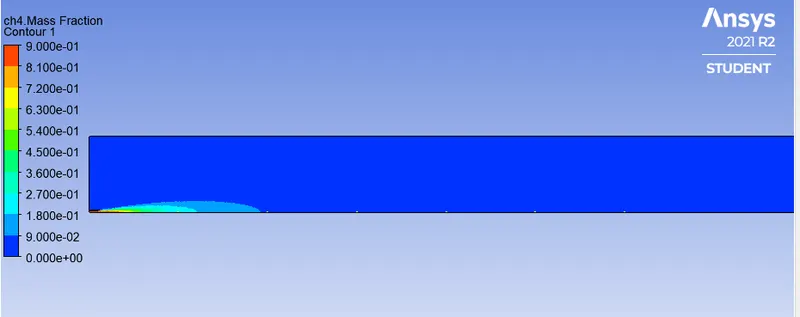
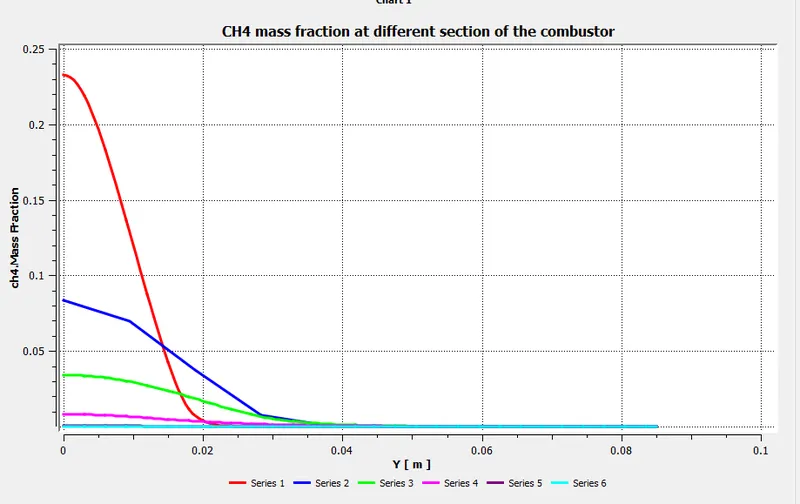
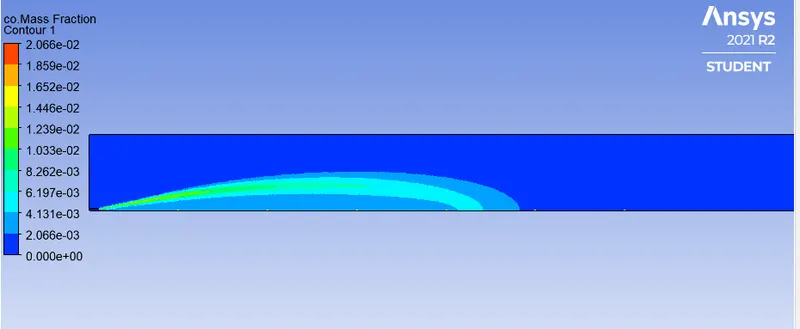
10% water content in fuel
Temperature plot
Mass fraction of CH4
Mass fraction of CO
Mass fraction of Co2
Mass fraction of H2O
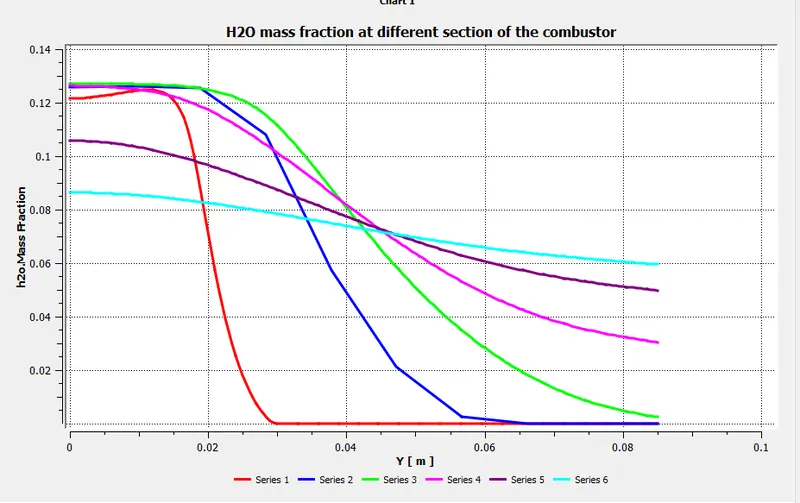
Mass fraction of N2
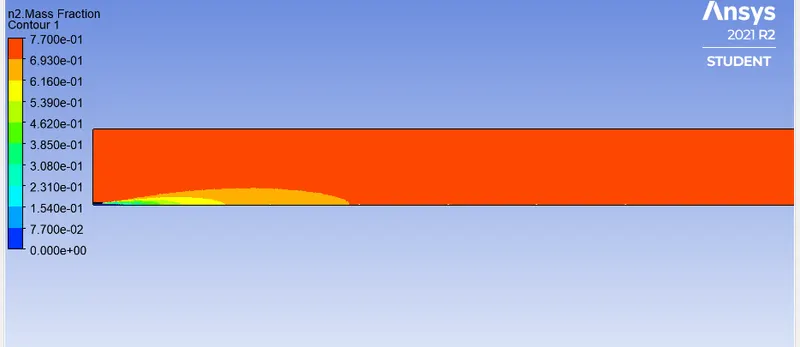
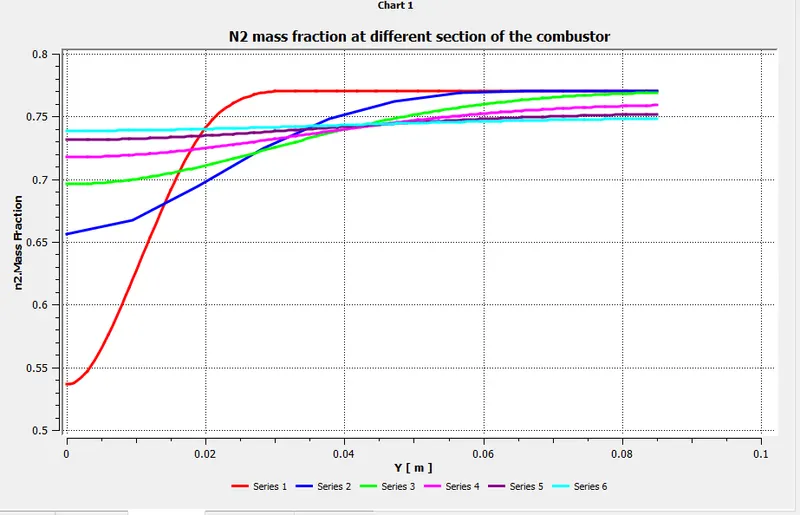
Mass fraction of O2
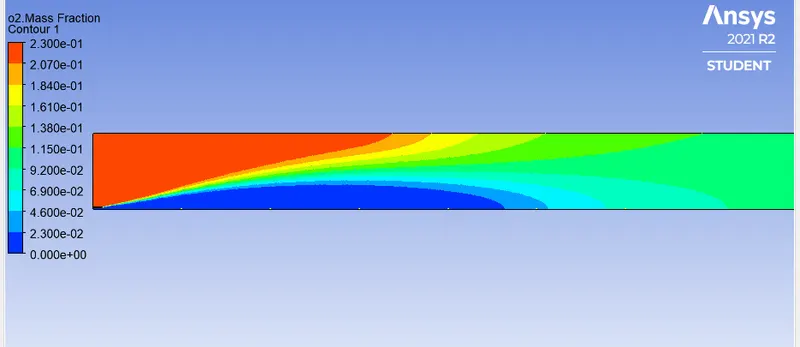
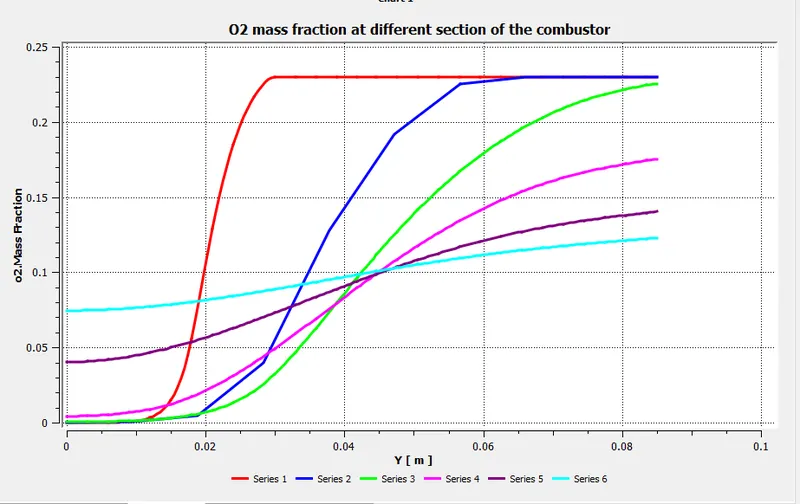
Mass fraction of NOx
Mass fraction of Soot
20% water content in fuel
Temperature plot
Mass fraction of CH4
Mass fraction of CO
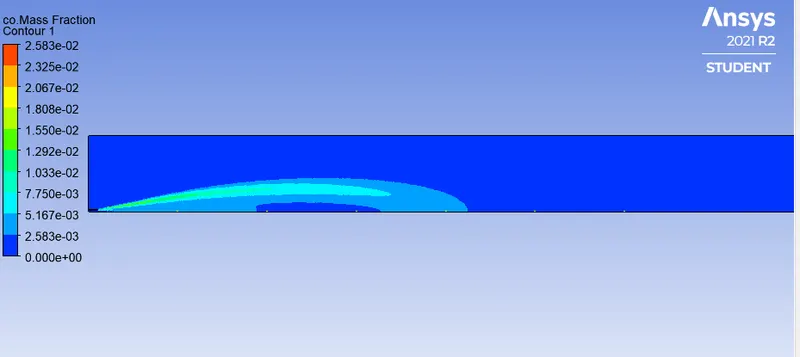
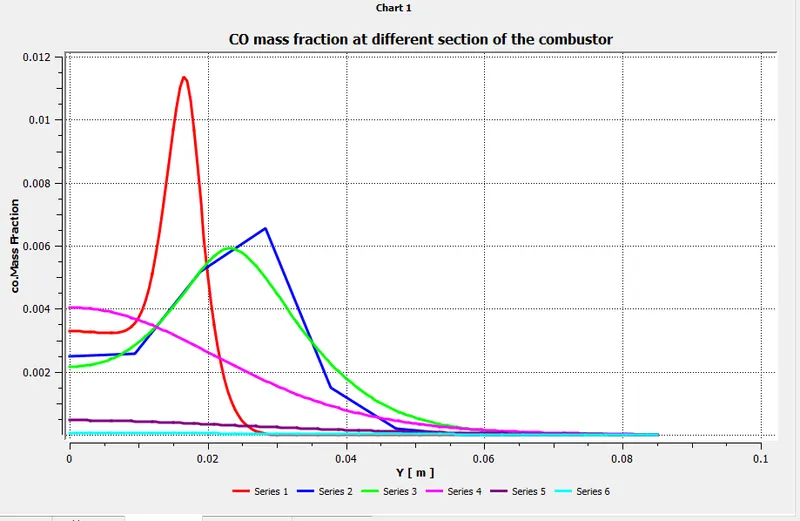
Mass fraction of CO2
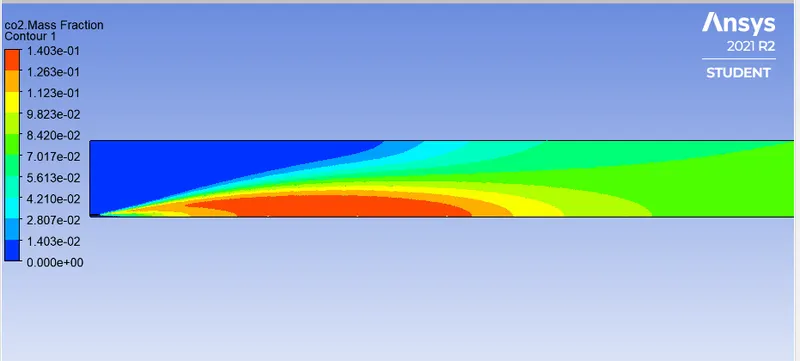
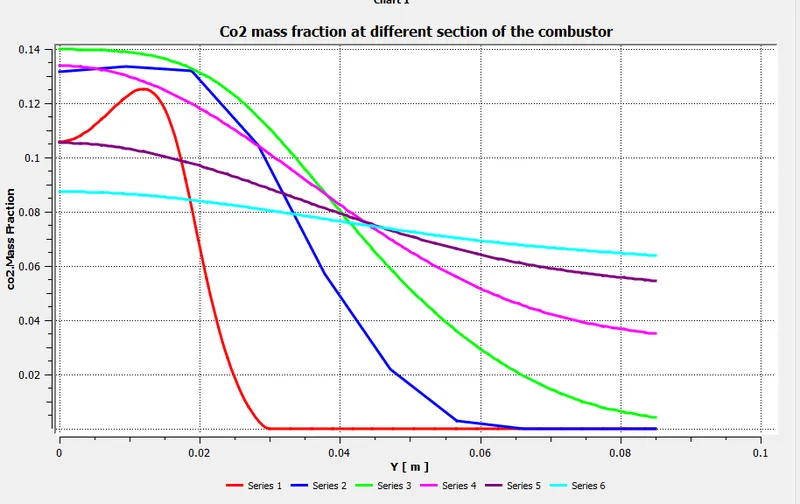
Mass fraction of H20
Mass fraction of N2
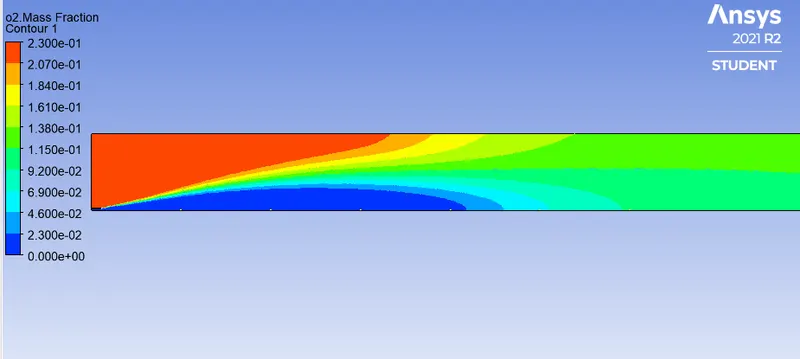
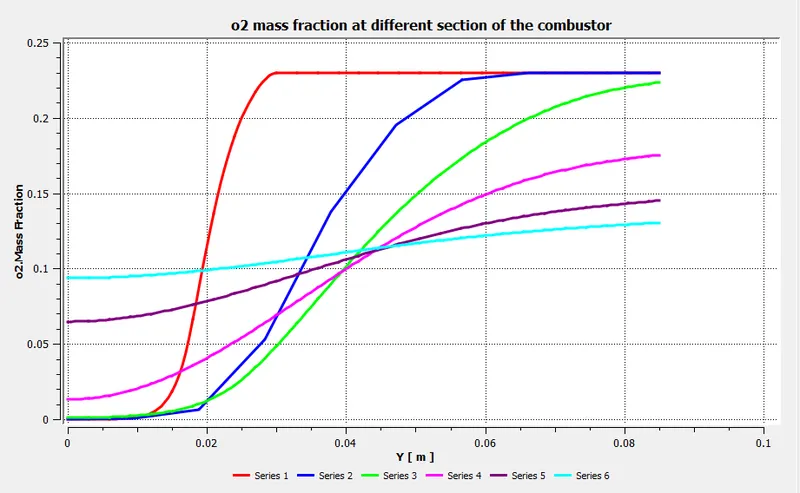
Mass fraction of O2
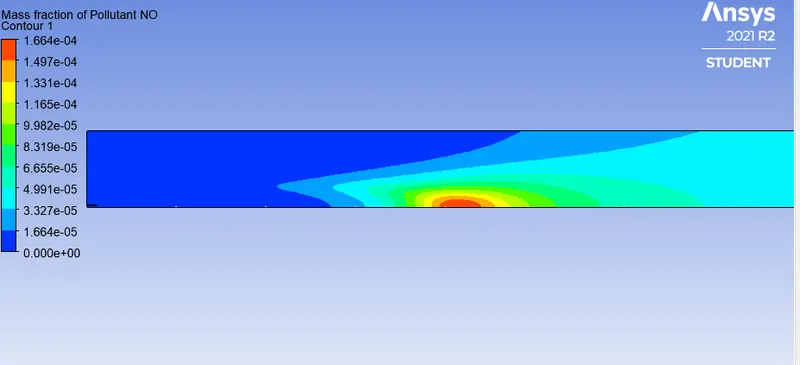
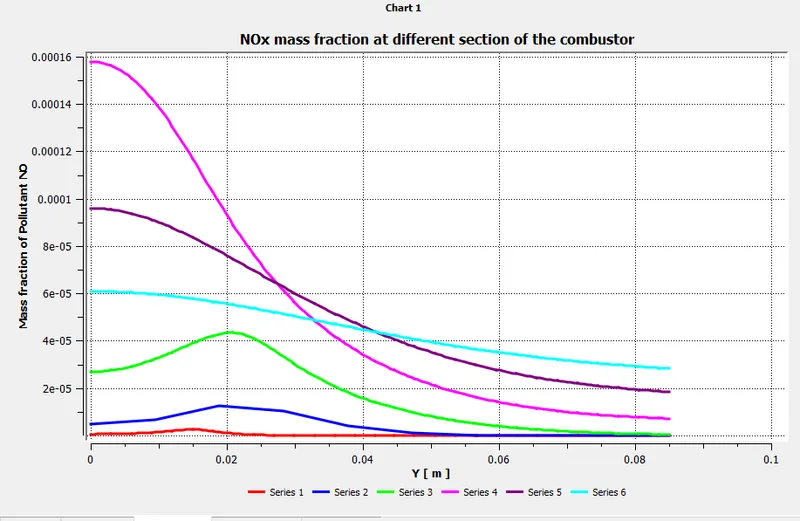
Mass fraction of NOx
Mass fraction of Soot
30% water content in fuel
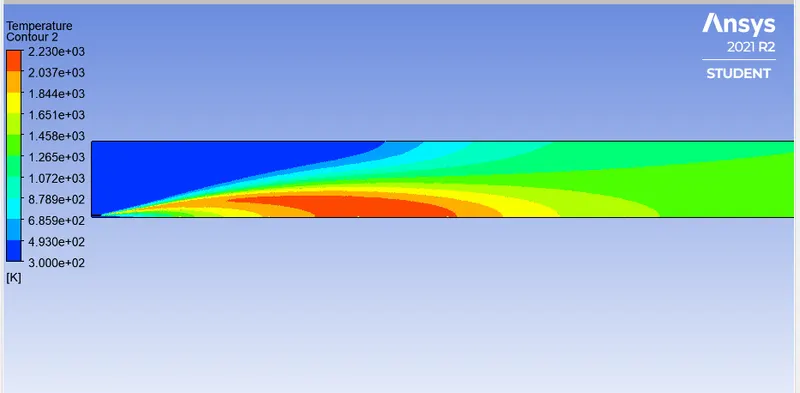
Temperature plot
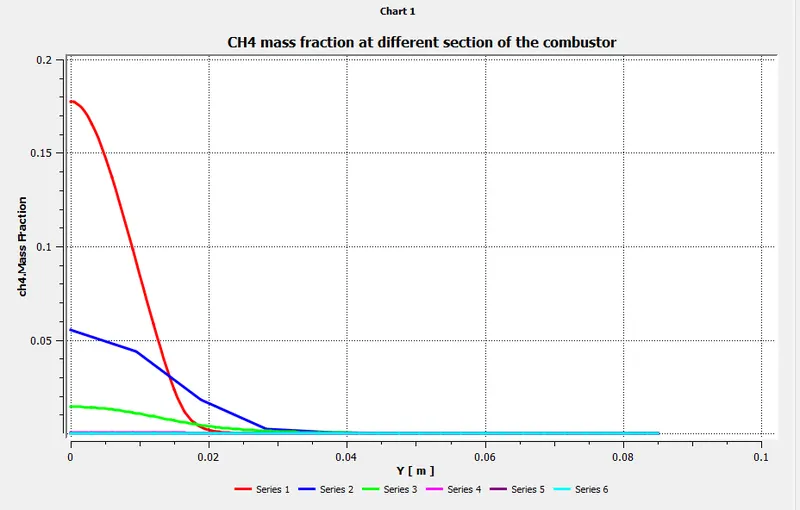
Mass fraction of CH4
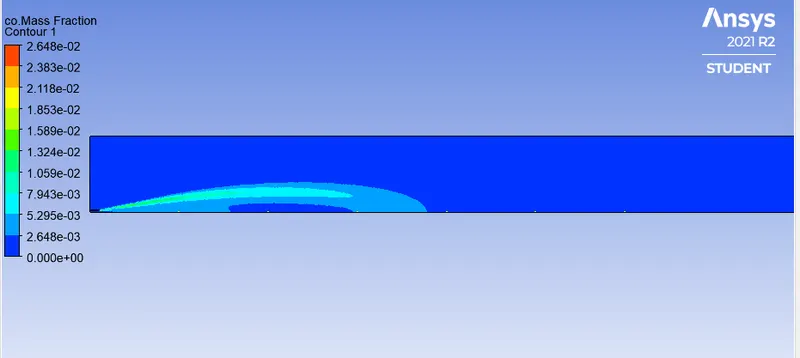
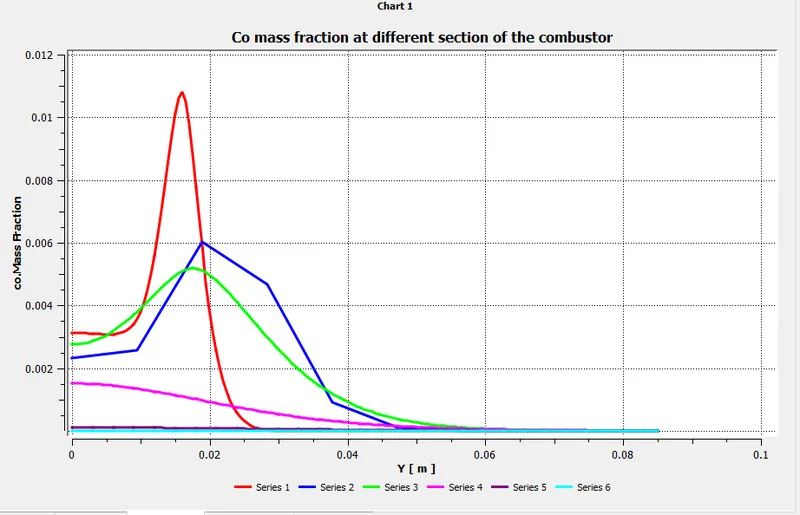
Mass fraction of CO
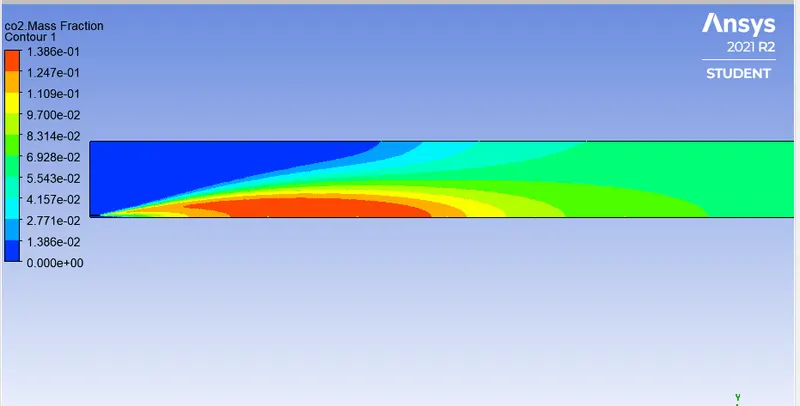
Mass fraction of CO2
Mass fraction of H2O
Mass fraction of N2
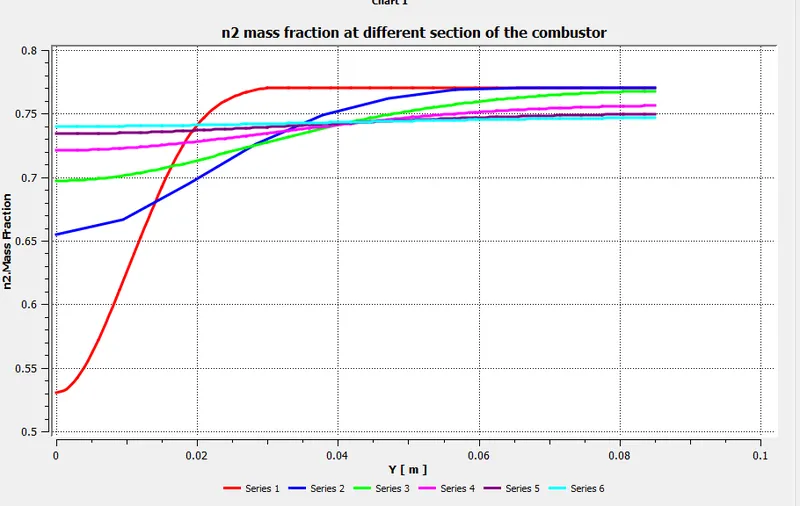
Mass fraction of O2
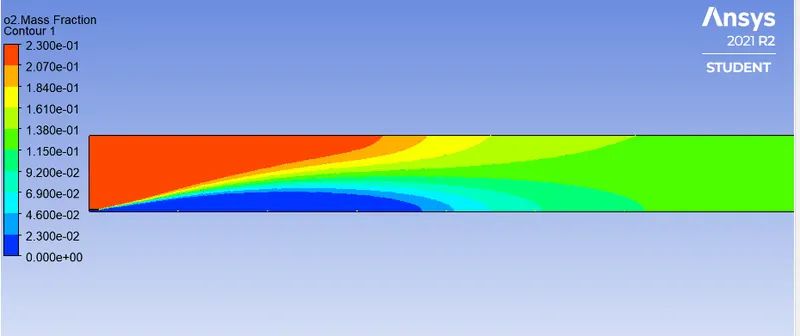
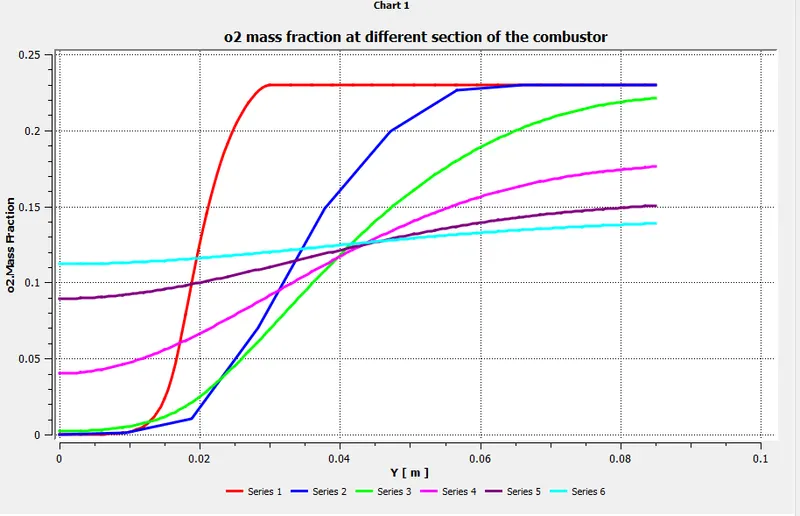
Mass fraction of NOx
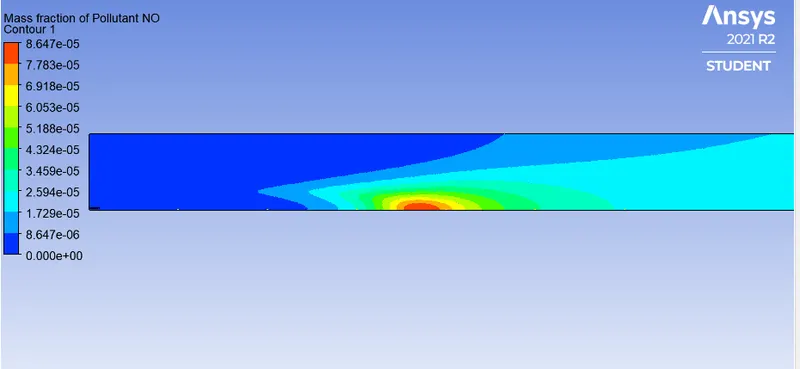
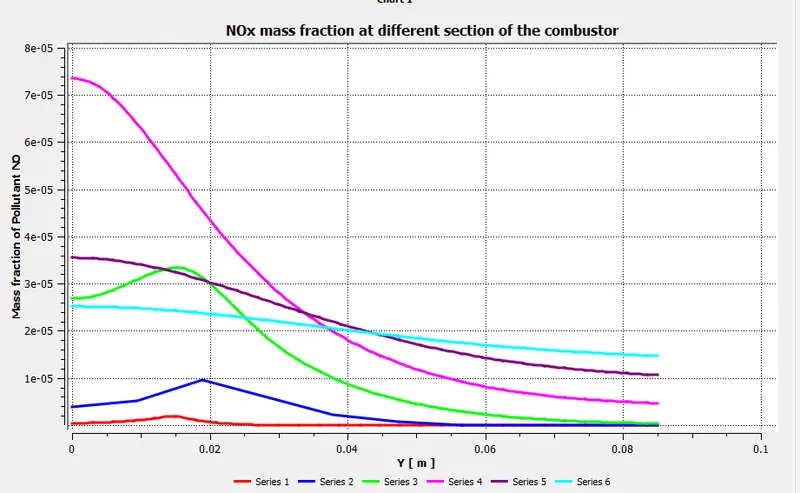
Mass fraction of Soot
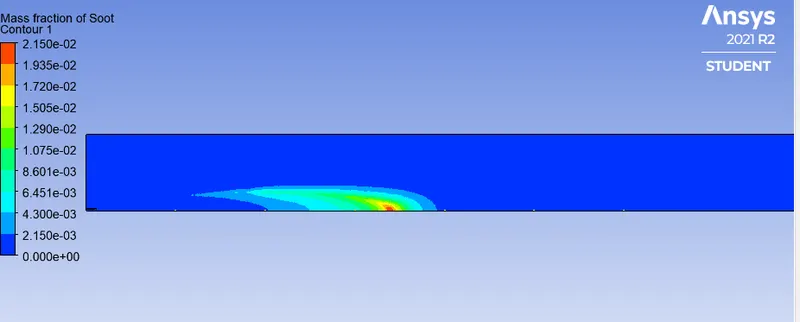
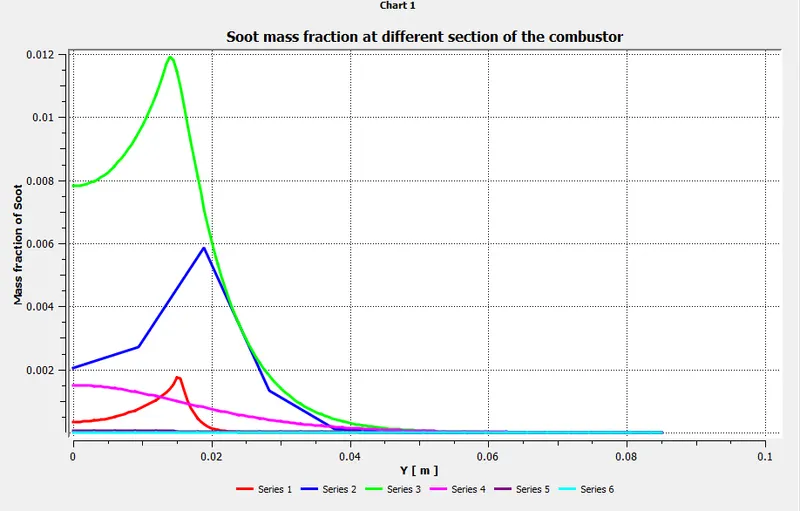
Effect of adding water in the fuel
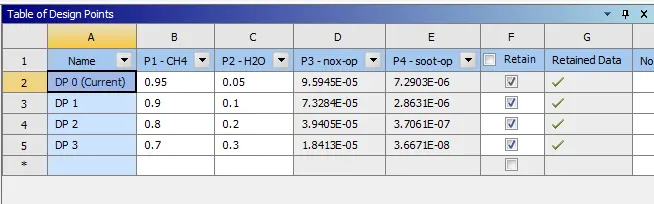
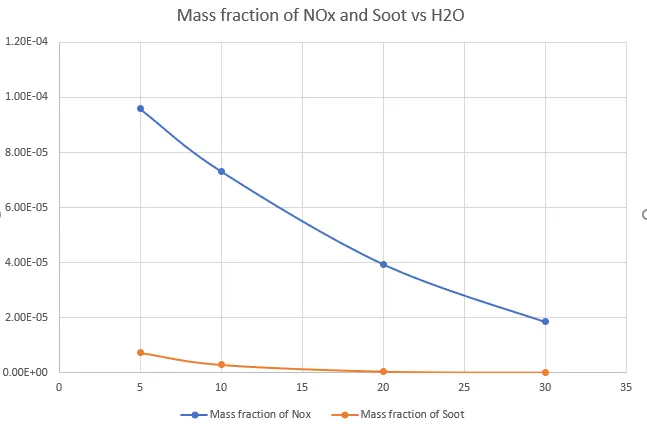
Variation of mass fraction of NOx and soot with the addition of water content in the fuel
CONCLUSION
- The emission of particulate matter or soot can be considered a side effect associated to combustion processes characterized by high temperature and rich conditions. The production of these carbon nano particles entails a reduction in the efficiency of the combustion devices, as well as a detrimental effect on climate change and human health. In this project a simulation was conducted to study the effect of adding water content in the fuel inorder to reduce the formation of soot and NOx getting formed at the oulet of the combustor.
- With the addition of water content in the fuel the mass fraction of pollutants NOx and soot decreases.