Week 10 - Challenge 3 - Door Trim Lower with Engineering Features
ANSWER
HEAT STAKING
Heat Staking is a pulsed-heat joining technique for two or more parts, at least one of which must be constructed of plastic. At a predetermined process period, the plastic material is deformed using force and heat. The plastic part is partially deformed to create the bond, which fixes one to the other. Heat Staking is frequently used in high volume/low cost uses like automotive, IT, and consumer appliances and makes it simple to bond metal to plastic.
SHAPING PLASTIC USING HEAT AND PRESSURE
By heating it above the glass transition point, the plastic is distorted. For this, either extremely hot air or a thermode is used. The spike is then created by applying pressure. The plastic should be cooled again below the glass transition temperature after the stake has been made. In order to guarantee that the parts are properly fixed, cooling is done under continuous pressure. When using a thermode, compressed air can be used to chill the device. The formation of the stake is aided by heat. In particular for glass-filled plastics, which frequently have a process window of less than 10 degrees Celsius, heat regulation is essential.
BENEFITS
- Materials that are comparable and dissimilar can be joined, such as metal to metal, plastic to plastic, and metal to plastic.
- precise management working within a constrained process window
- Localized warmth without causing harm to the materials in the vicinity
- processing of products containing glass
- Mechanical disturbance is absent
- Numerous heat-stake shapes are feasible with specially created tools.
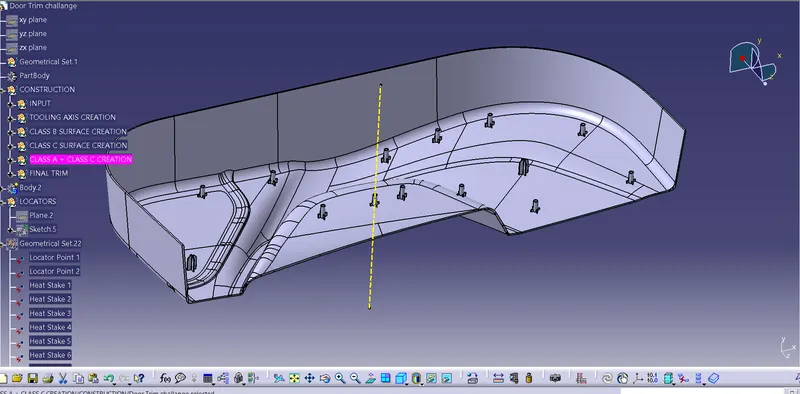
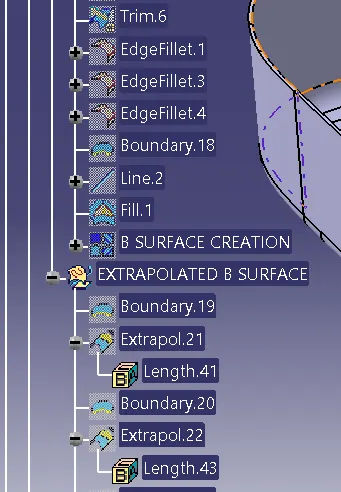
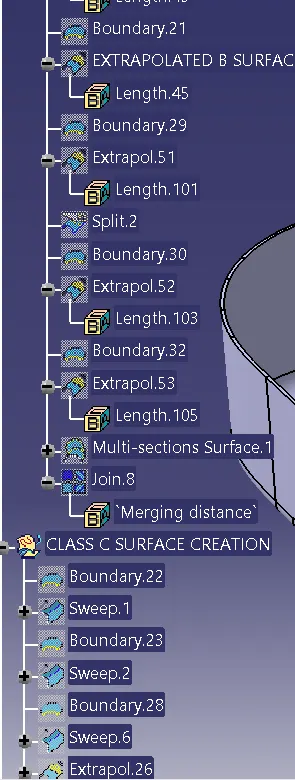
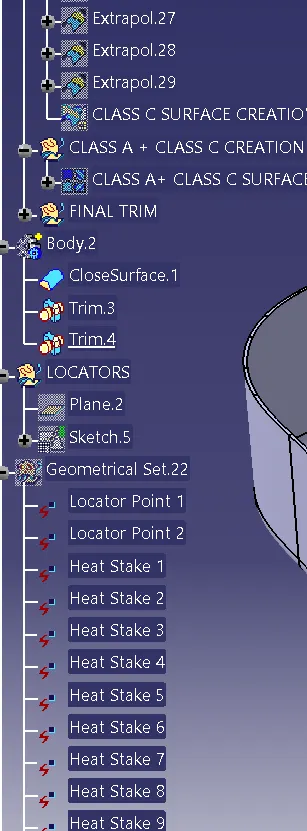
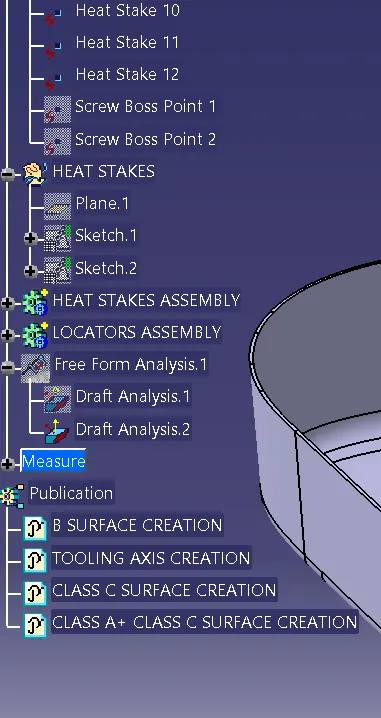
TREE STRUCTURE