Week 1 Understanding Different Battery Chemistry
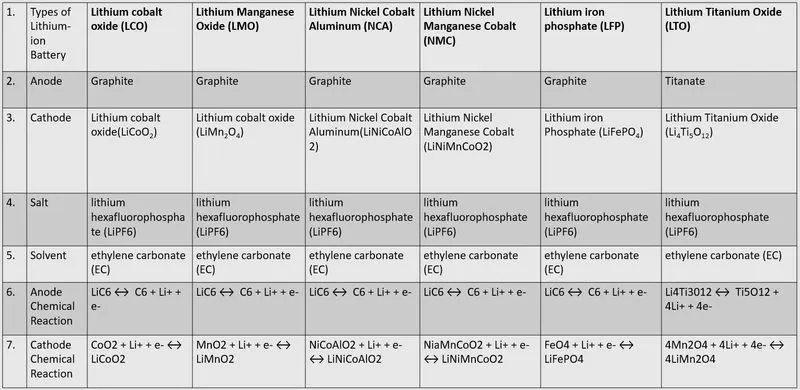
1. Prepare a table that includes materials & chemical reactions occurring at the anode and cathode of LCO, LMO, NCA, NMC, LFP, and LTO types of lithium-ion cells. Give your detailed explanation on it.
Answer -
Introduction of Li-ion battery
A lithium-ion battery or Li-ion battery is a type of rechargeable battery composed of cells in which lithium ions move from the negative electrode through an electrolyte to the positive electrode during discharge and back when charging. Li-ion cells use an intercalated lithium compound as the material at the positive electrode and typically Graphite at the negative electrode. Li-ion batteries have a high energy density and low self-discharge.
Types of Li-ion Batteries
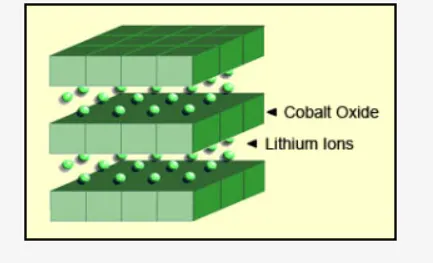
1. LCO(Lithium Cobalt Oxide) - its high specific energy makes Li-cobalt the popular choice for mobile phones, laptops, and digital cameras. The battery consists of a cobalt oxide cathode and a graphite carbon anode. The drawback of Li-cobalt is a relatively short life span, low thermal stability, and limited load capabilities (specific power).

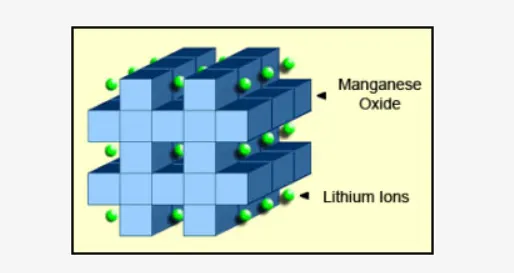
2. LMO(Lithium Manganese Oxide (LiMn2O4)) - The architecture forms a three-dimensional spinel structure that improves ion flow on the electrode, which results in lower internal resistance and improved current handling. A further advantage of spinel is high thermal stability and enhanced safety, but the cycle and calendar life are limited.
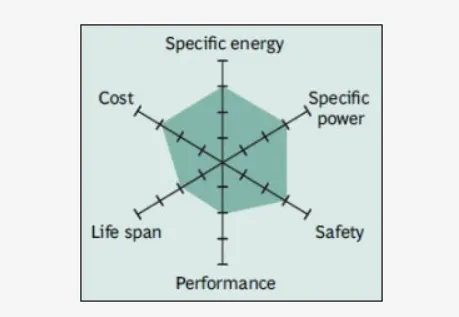
3. NCA(Lithium Nickel Cobalt Aluminium Oxide (LiNiCoAlO2))
NCA gives specific energy, reasonably good specific power, and a long life span. Less flattering are safety and cost. NCA is a further development of lithium nickel oxide; adding aluminum gives the chemistry greater stability.
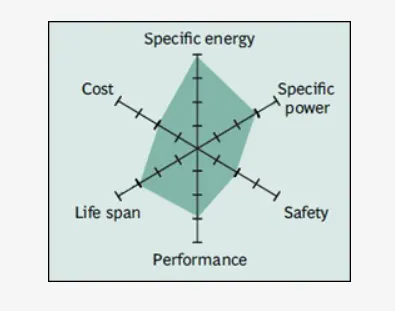
4. NMC (Lithium Nickel Cobalt Manganese Oxide (LiNiMnCoO2))
The cathode of NMC is composed of nickel cobalt and manganese in equal proportion. this battery is commonly used in medical equipment, and power tools and is considered as one of the preferred batteries in EVs.
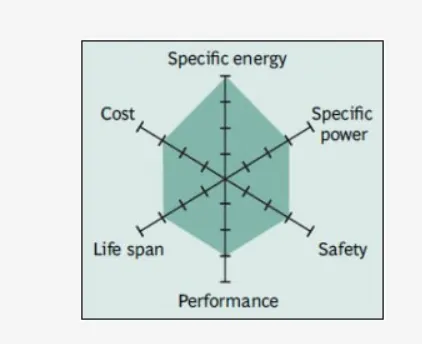
5. LFP(Lithium Iron Phosphate(LiFePo4))
Li-phosphate offers good electrochemical performance with low resistance. This is made possible with nano-scale phosphate cathode material. The key benefits are high current rating and long cycle life, besides good thermal stability. Li-phosphate is more tolerant to full charge conditions and is less stressed than other lithium-ion systems if kept at high voltage for a prolonged time.
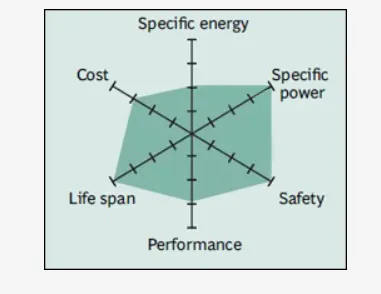
6. LTO(Lithium Titanate (Li4Ti5O12))
Li-titanate replaces the graphite in the anode of a typical lithium-ion battery and the material forms into a spinel structure. The cathode can be lithium manganese oxide or NMC. Li-titanate has a nominal cell voltage of 2.40V, can be fast charged and delivers a high discharge current of 10C, or 10 times the rated capacity.

A table which includes materials & chemical reactions occurring at the anode and cathode of LCO, LMO, NCA, NMC, LFP and LTO type of lithium-ion cells is given below
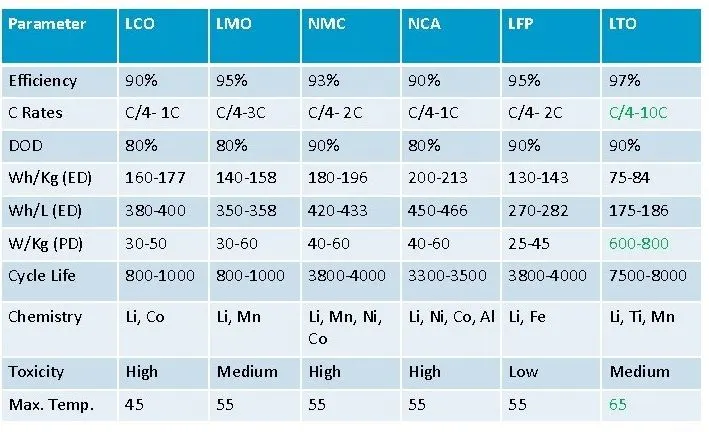
2. Compare the differences between each type of Li-ion batteries based on their characteristics
The difference between each type of Li-ion batteries is shown in the following table.