Week 1 Understanding Different Battery Chemistry
Lithium is the 3rd element in the periodic table. It is a light metal with very less ionise energy and highly reactive. This makes it a very good element for anode. A small lithium ion battery can have more voltage than a big conventional nickel cobalt battery due to the high reactive characteristic. Lithium ion batteries can work under extreme conditons from a low atmospheric temperature from -40 degrees to high temperature upto 70 degrees. The life of this battery is very good upto 10 years. The energy density is good and are light and compact. It has only one electron on the outer most shell so it has a very less ionization energy.
1)There are 6 types of lithium chemistry which are as follows:-
i) LCO stands for lithium cobalt oxide
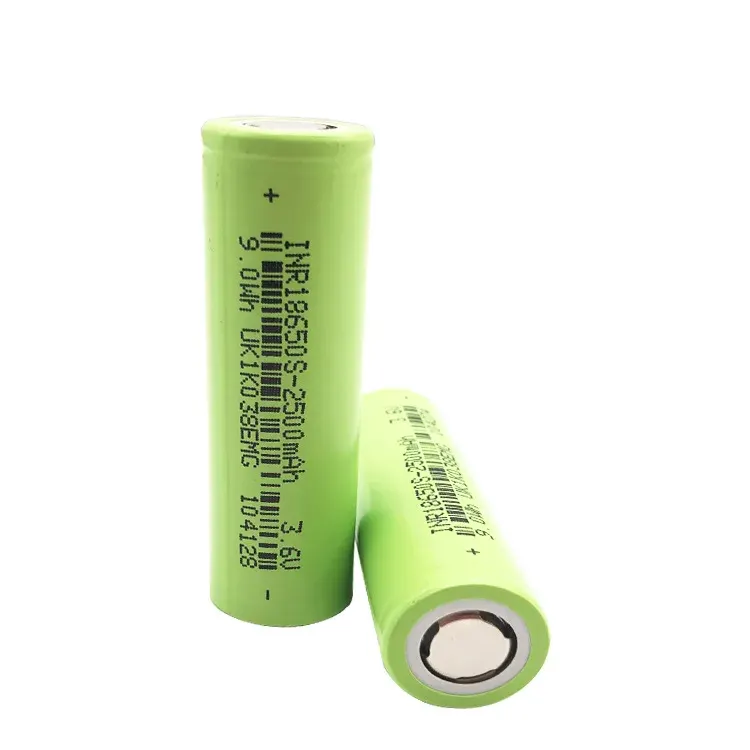
This is the first lithium ion battery produced by SONY in 1991 and used it in the walkman music device. The battery is made of several cells with the same structure. The negative electrode is the anode which is made of graphite while positive electrode i.e. cathode is made of lithium cobalt oxide. The electrolyte prevents the flow of electron through it towards the negative terminal. The electrolyte contains salts such as hexafluorophosphate dissolved in diethyl carbonate. The seperator prevents any short circuit to happen inside the battery. It is made of polymer-film and is installed in between the two electrodes. Seperator is permeable to lithium ions and can absorb a huge amount and is made up of polyolefin. The design helps in free movement of lithium ion back and forth between the electrodes in ionized form. To increase the conductivity of the battery, the lithium cobalt oxide anode is coated on the aluminium current collector and graphite is coated on an copper current collector. This is done to ease the flow of electron.The lithium ions flow from anode to cathode when the battery is discharging and the reverse happens on charging.
Chemical reactions
at cell
at cathode
lithium ions are absorbed by lithium dioxide,and electrode is reduced as it also receives the electrons from the circuit due to reduction reaction.
Li(1−x)CoO2+xLi(+)+xe(−)→LiCoO2
at anode
lithium is oxidised,lithium ions are released from the carbon along with electrons due to oxidation reaction.
LiC6→xLi(+)+xe(−)+C6
overall reaction
Carbon atom with lithium cobalt oxide gives lithium with carbon and lithium cobalt oxide.
C6+LiCoO2⟷Li(x)C6+Li(1−x)CoO2
ii) LMO stands for lithium manganese oxide
In this battery, anode is made of lithium metal and cathode is made of maganese oxide treated at 350 degree C. The electrolyte in which the electrodes are kept is lithium halide dissolved in organic solvent. The seperator is made of polyolefin to keep both the electrodes isolated with each other and free flow of only lithium ions between the electrodes.
Chemical Reaction
at cell
at anode
Lithium metal goes oxidation to give lithium (+) ion and electron.
Li-> Li(+)+e(-)
at cathode
Manganese oxide goes reduction reaction with lithium ion and electron to give lithium manganese oxide.
MnO2+Li(+)+e(-)->LiMnO2
overall reaction
Lithium with manganese oxide gives lithium manganese oxide.
Li+MnO2->LiMnO2
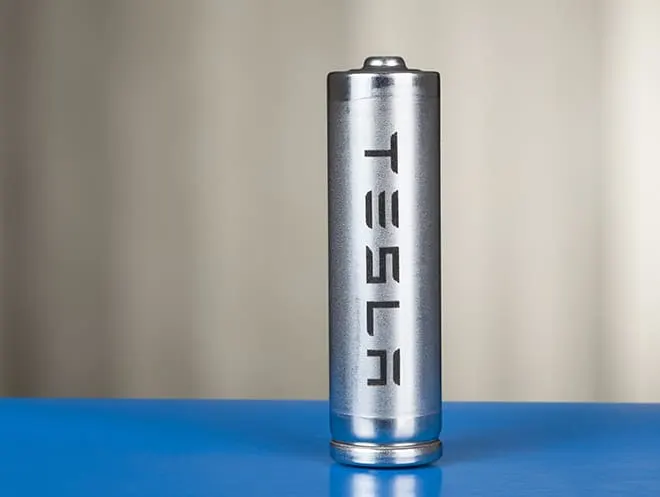
iii) NCA stands for lithium nickel cobalt aluminium oxide
iv) NMC stands for nickel manganese cobalt oxide
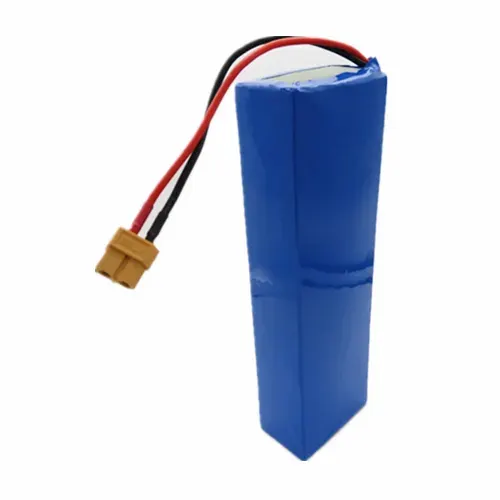
The battery has postive electrode cathode made of lithium nickel manganese cobalt oxide. Anode is made of lithium carbide. Electrolyte is made of lithium salts which is lithium hexaflourophosphate with solvent as ethylene carbonate. Seperator used in this battery is coated with graphene.
v) LFP stands for Lithium iron phosphate
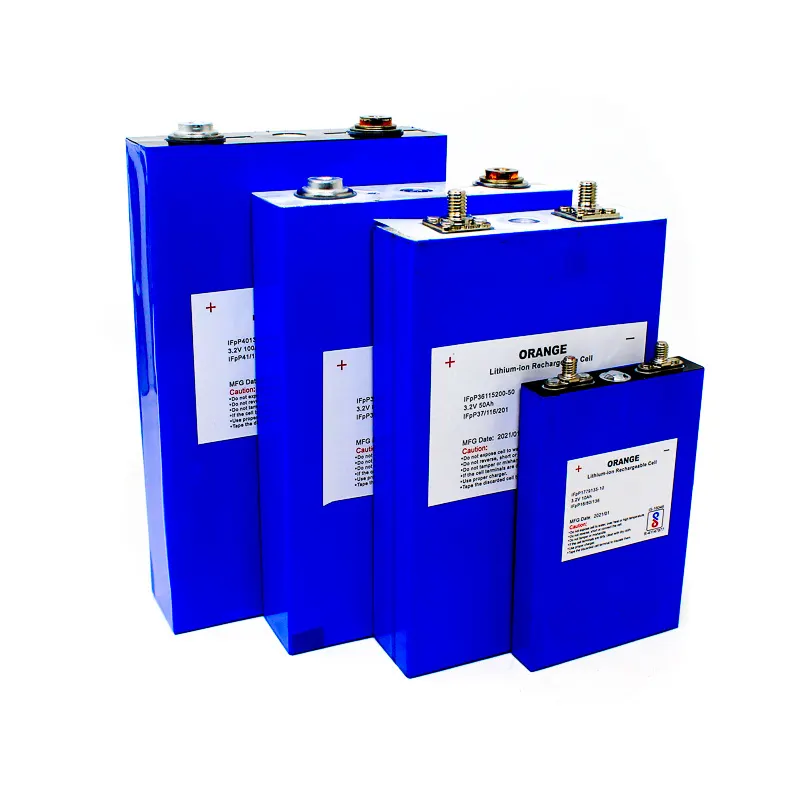
This is also a lithium ion battery but there has been a change made in the chemistry a bit. The contruction is very much similar to the lithium cobalt oxide battery except for the material used for positive electrode i.e. cathode. Cathode is made of iron phosphate. Anode is made of graphite. Electrolyte has salts such as hexafluorophosphate dissolved in diethyl carbonate. Seperater is a used to prevent any internal short circuit which is made up of polyolefin.
Chemical reactions
During discharge
at cathode
lithium ions are absorbed by lithium dioxide,and electrode is reduced as it also receives the electrons from the circuit.
LiFe(III)PO4+xLi(+)+xe(−)→LiFe(II)PO4
FePO4+Li++e−→LiFePO4
at anode
lithium is oxidised,lithium ions are released from the carbon along with electrons
LiC6→xLi(+)+xe(−)+C6
overall reaction
LiFePO4+6C→LiC6+FePO4
vi) LTO stands for Lithium titanate battery
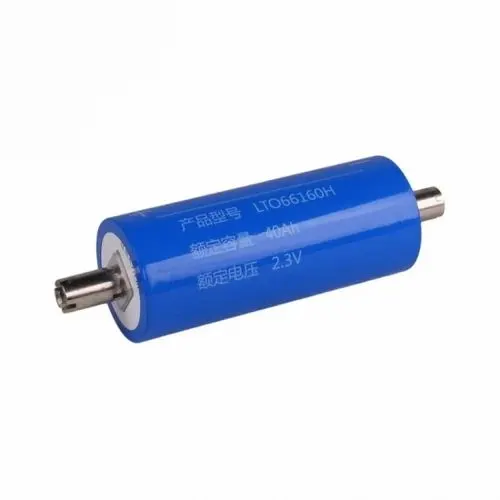
The best in class in terms of life and performance is lithium titanate battery. The cathode is made up of lithium iron phosphate. Anode is not made up of graphite but lithium titanate in form of nanocrystals and forms the material into a 3-d spiral crystal structure. This helps to increase the surface area of the anode so that electrons leave and enter in less time. Electrolyte is a made of lithium salt. Seperator is a made of polyolefin
Chemical reactions
at cell
At anode
Li4Ti5012->Ti5O12+4Li(+)+4e(-)
At cathode
4Mn2O+4Li(+)+4e(-)->4LiMn2O4
Overall reaction
4Mn2O+Li4Ti5012->4LiMn2O4+Ti5O12
2)Characteristics
The main difference between all the types of li-ions battery is the material used at cathode.
i) LCO
It has low specific power.
It has high capacities of properties.
It is high on cost.
It has a safety issues due to heating so it is not used in electric cars.
It is used in mobiles and laptops.
ii)LMO
It has high power density.
It has poor electronic conductivity due to unstable structure of the material used at cathode.
It has high thermal stability.
It has enhanced safety.
The cycle and calender life is limited.
Due to low internal resistance, it has a capability of fast charging and high current discharge.
It has not so good life span and performance.
It is not very costly with average safety.
It has average specific power and energy.
This is battery is the most poorly performaning battery of all the Li-ion batteries.
It is used in power tools,hybrid and EVs.
iii)NMC
The material used in this battery is low on cost and this is the reasion why the battery is cheaper than battery using cobalt.
It has longer life cycle than li-co battery.
It provides high capacity and high power.
It has good specific power,safety and life span.
It has excellent specific energy.
This is one of the best battery with LFP due to impressive overall characteristics.
It is used in e-bikes and power tools.
iv)LTO
It has ultra fast charging ability.
It delivers high discharge current.
It has a higher cycle count compared to other Li-ion batteries.
It has a better thermal stability.
It is one of the most safest battery but is very expensive due to titanate material usage.
It gives excellent performance.
It is awesome safety wise and so this battery has amazing life span.
It has average specific energy and power.
It is used in electric powertrain,UPS and solar powered street lights.
v)LFP
It is very good in safety.
It has excellent battery life or life span.
It has low charge capacity and voltage capacity.
It is more torelant to full charge conditions.
It has high self discharging which causes balancing issue with aging.
It has average performance,specific power and energy.
Considering the overall behavior of the battery, this is one of the best battery of all others.
It is used in vehicle in the place of starter battery,military fields.
vi)NCA
It has better charge capacity which makes it a good choice to travel a longer distance on a full charge.
Due to high voltage, it has high energy density.
It has excellent fast charging ability.
It is high in cost due to the presence of cobalt which is very expensive and a limited resource. However, the nickel variant is less costly due to less use of cobalt.
It is not so good in safety.
It has average performance but has very good life span and specific energy and power.
It is used in e-automobiles,electric appliances.