Week 1 Stress Concentration on a Plate with hole
#1 Week Ansys WorkBench
CASE-1:
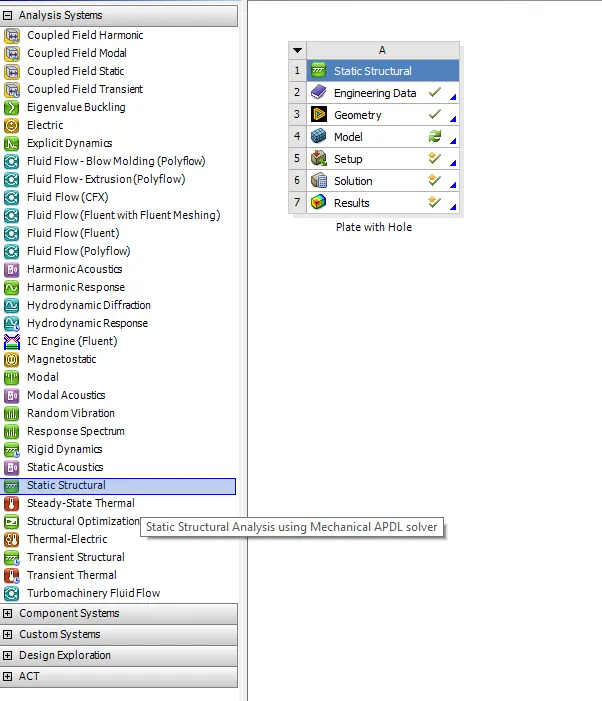
- Open the Ansys Work-Bench.
- Select the Static structural.
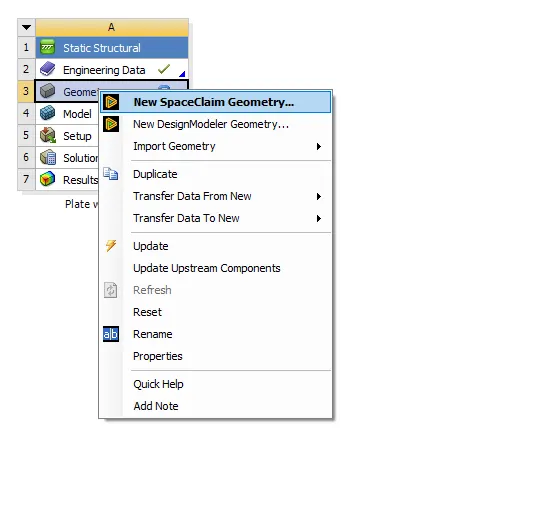
- Click on the New Space Claim Geometry,
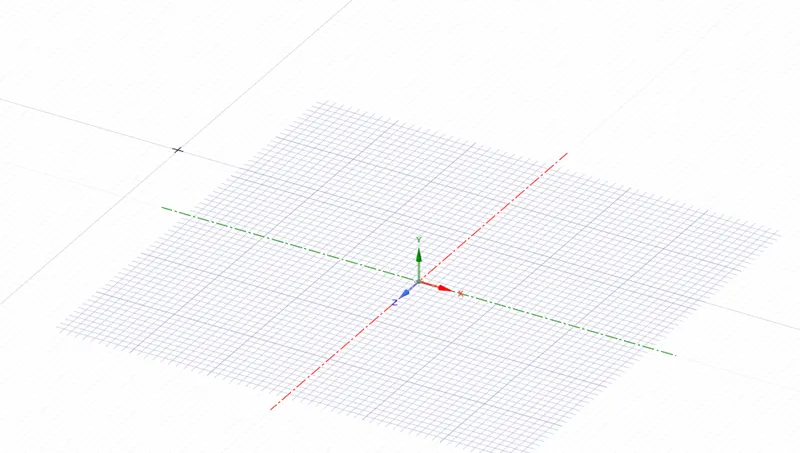
- The window will open graphical area as below, you can see tools

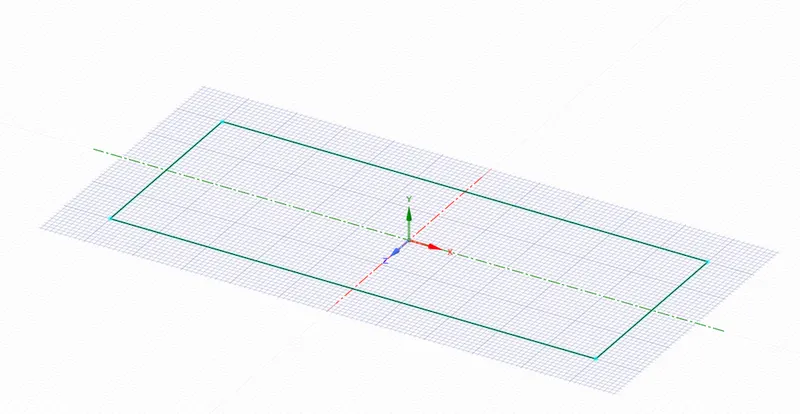
- Create a rectangle with specified Dimensions
Length=300
Height=120
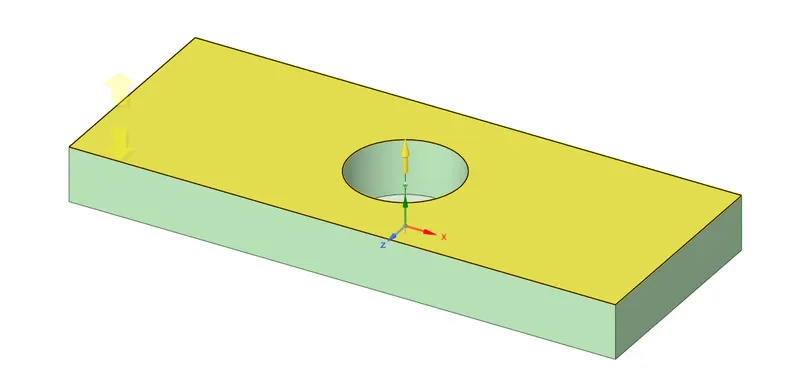
Pull=30
- Select the circle tool and center the dimension 60 Diameter.
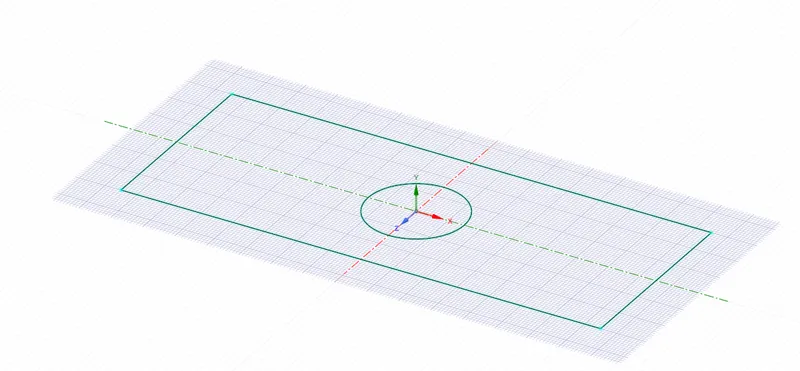
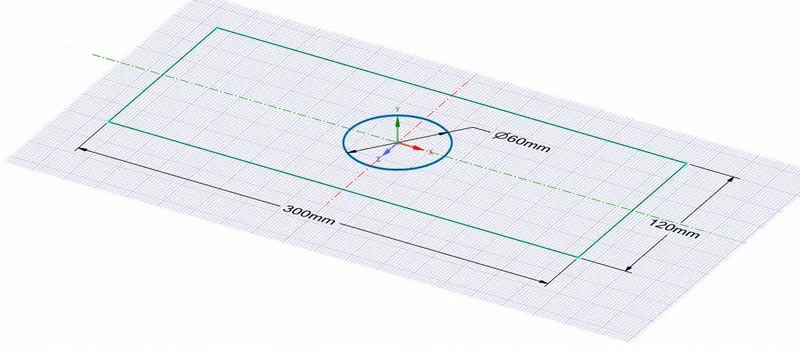
- Use the pull tool and drag to specified value as 30.
- Goto Ansys Workbench click on update.
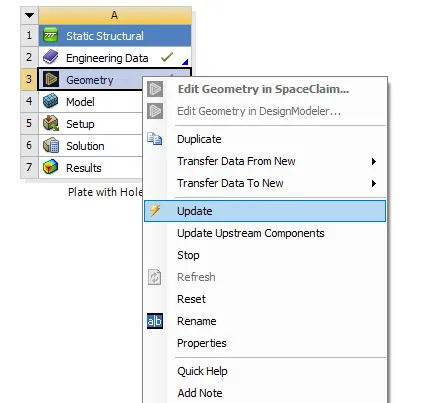
- Click on model and click on update.
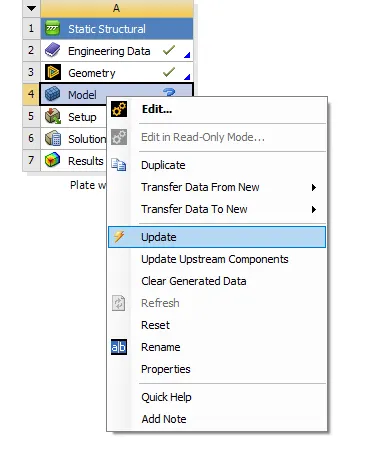
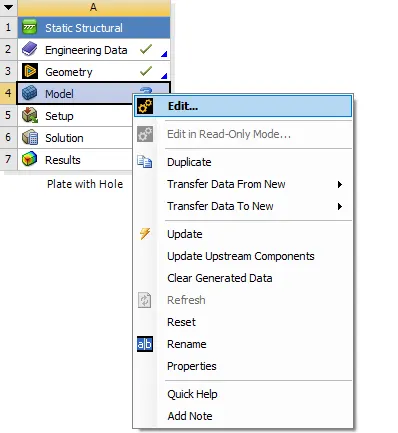
- Click on Edit.
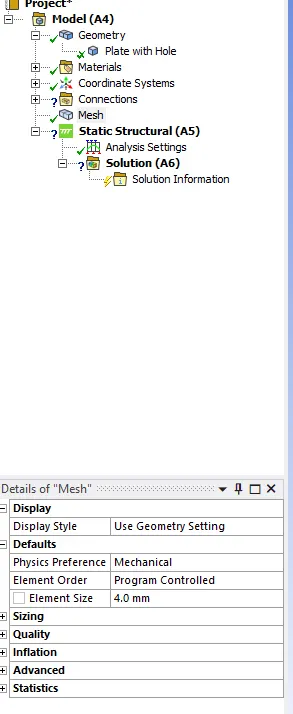
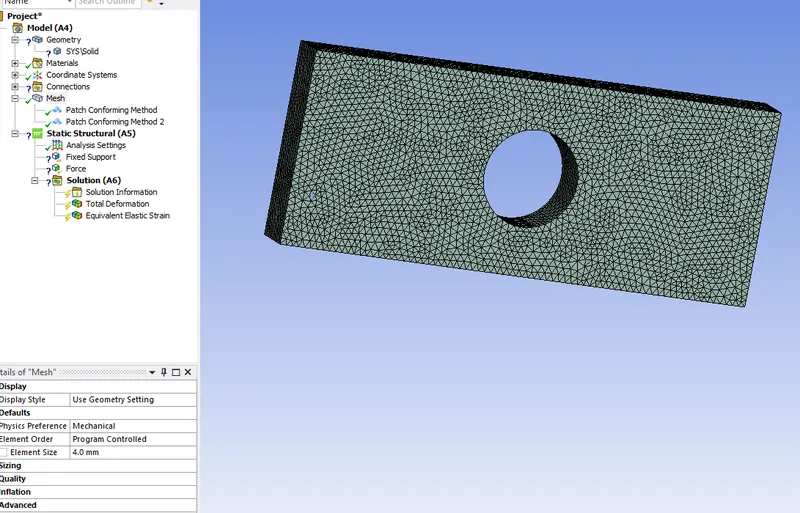
- New window will open and to create the mesh click on mesh and enter the mesh size check the units to "mm".
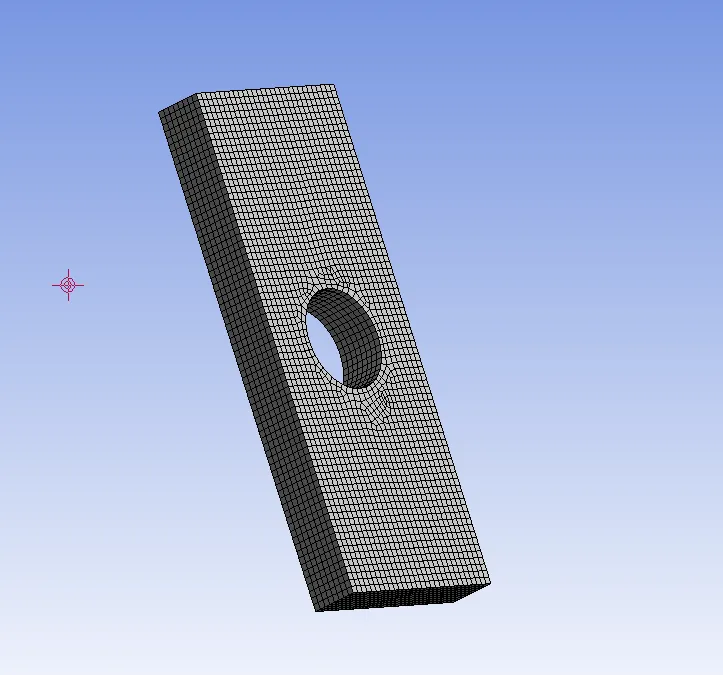
- If you want to make a tetrahedron right click on thje mesh andf create the method to Tetrahedron and select the component.
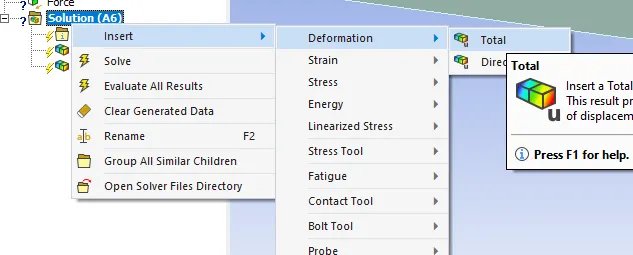
Total Displacement:

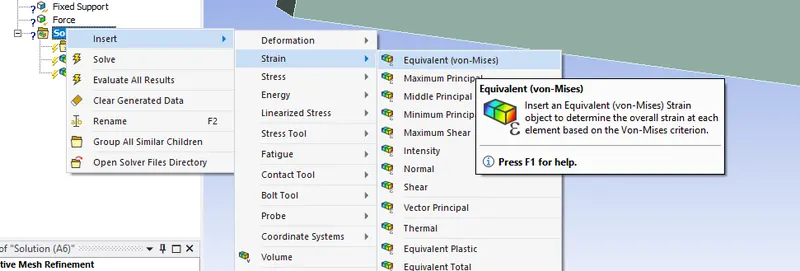
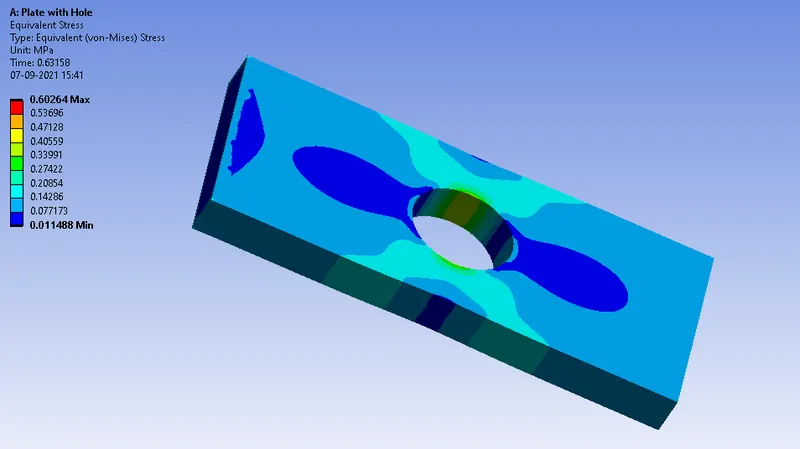
Equivalent Elastic Stress:
CASE-2:
Same as above create the other circles with diameter=30 with 90mm from the center of the rectangle.
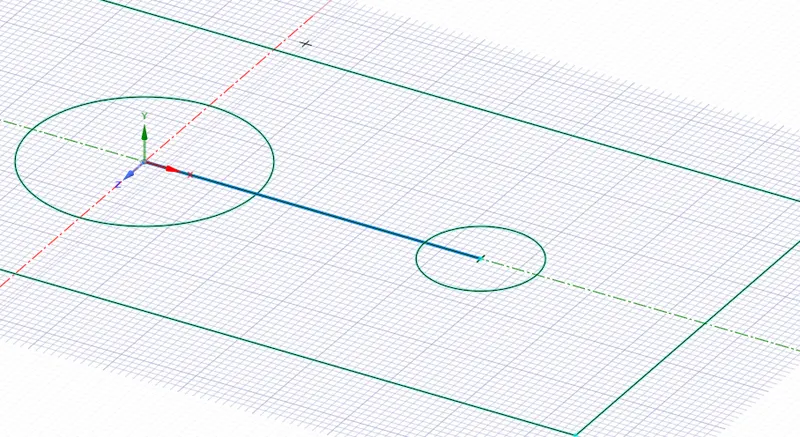
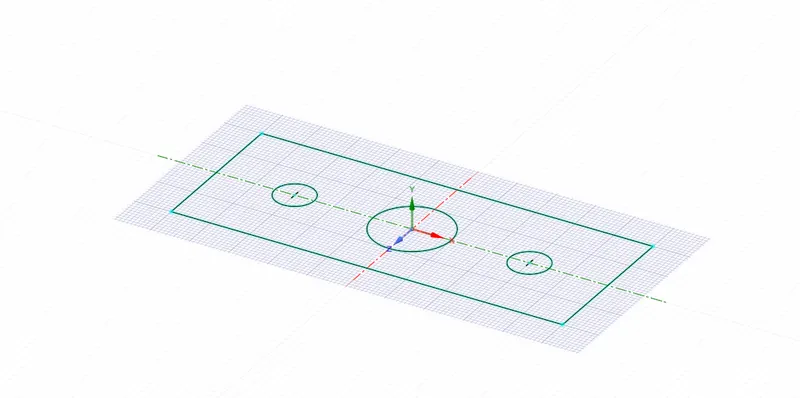
- Use pull option with drag of 30.
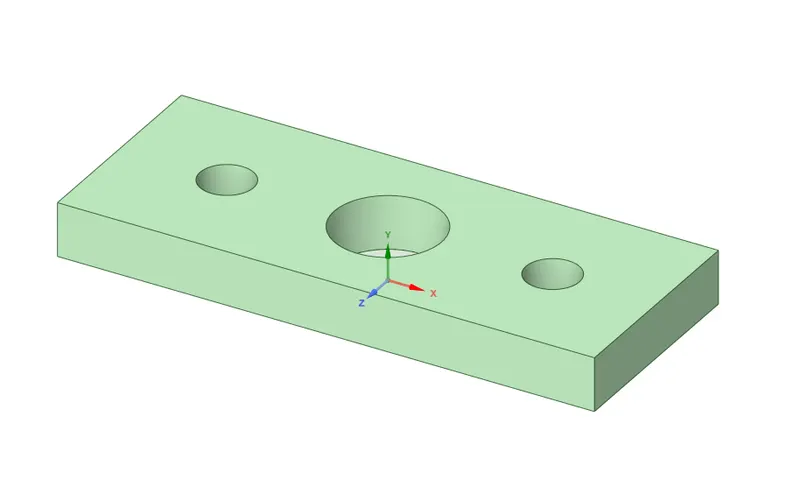
Click on geomtery and and update.
Now click on model and update it.
Click on edit , a new window opens
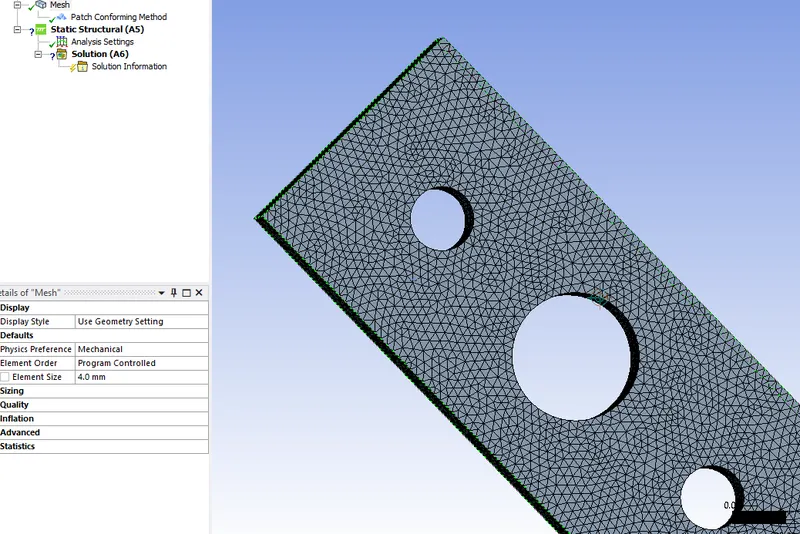
Create the mesh as case-1.
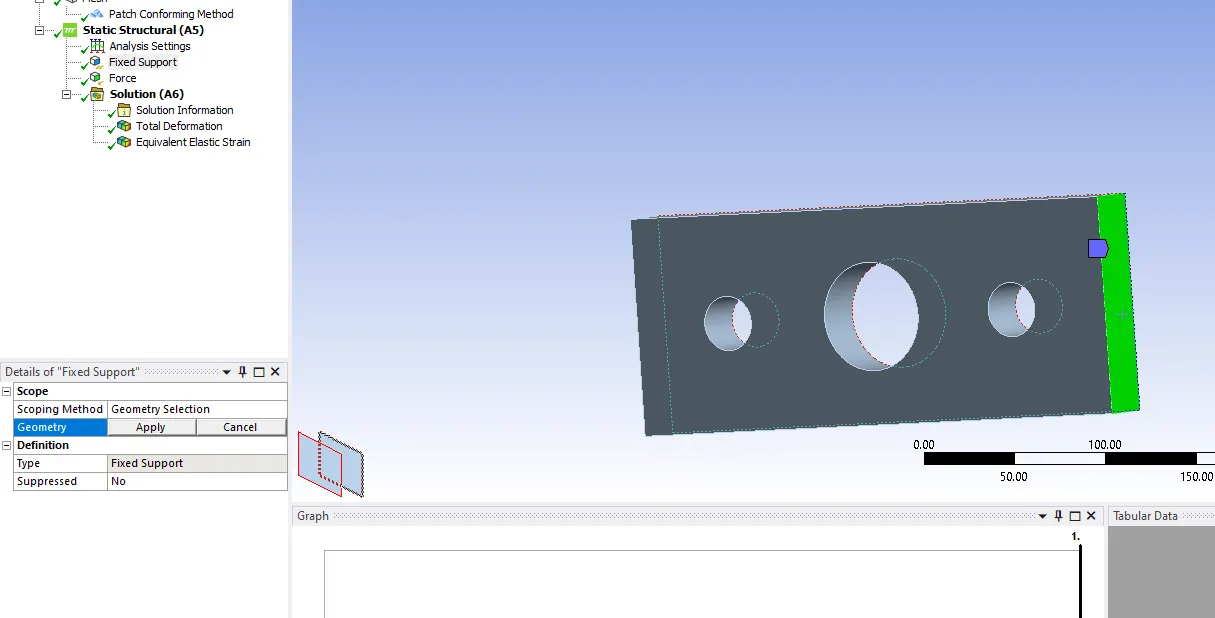
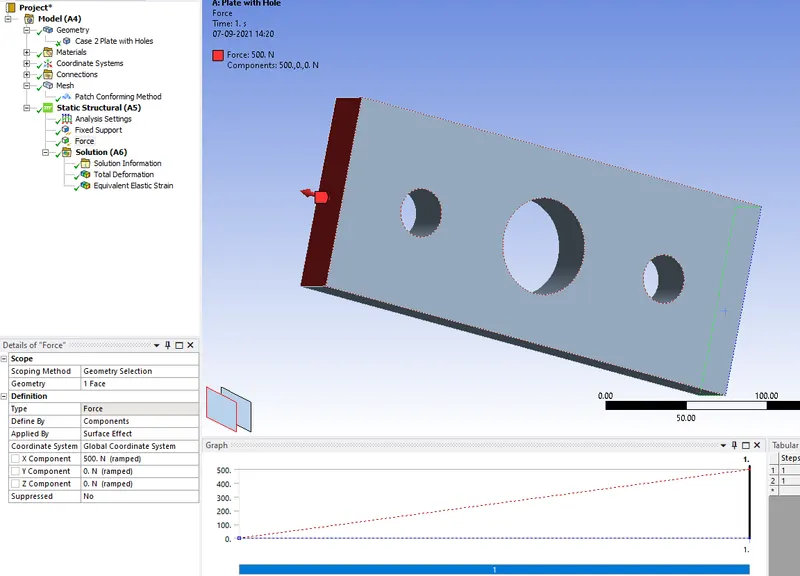
Create fixed support and force with given value of 500N.
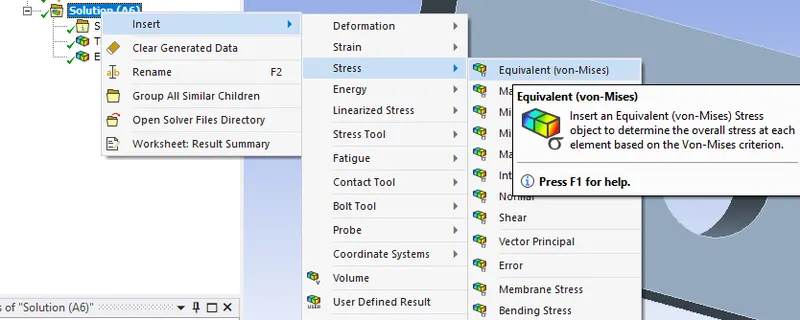
- Click on the solution and click on solve you can see both simulations.
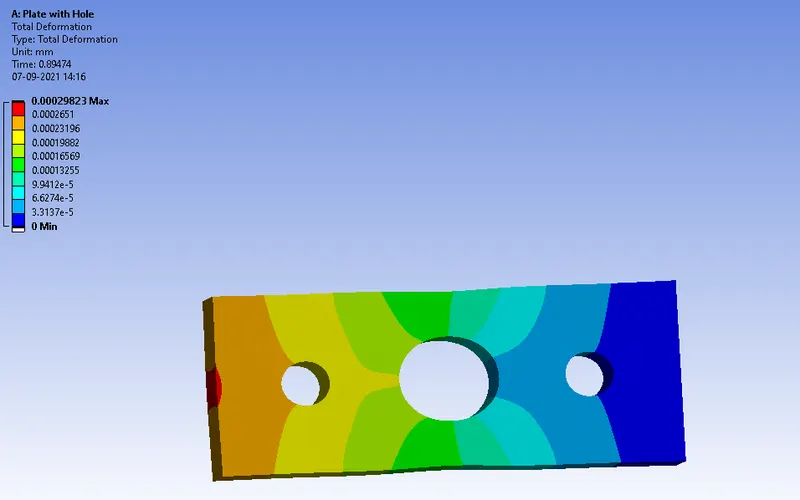
Total Deformation:
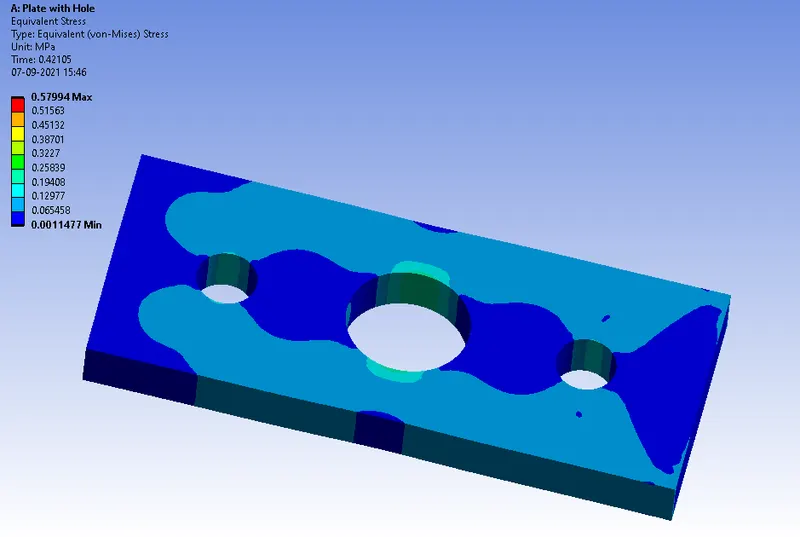
Equivalent Elastic Stress:
| Case | Deformation | Max Stress |
| 1 |
Max:0.00027493 Min:0 |
Max:0.60264 Min:0.011488 |
| 2 |
Max:0.0002983 Min:0 |
Max:0.57994 Min:0.0011477 |
From an analysis standpoint, which of the design will you select? Explain why?
Analysis Standpoint: Plate with three holes Case-2 is selected because, less Stress concentration and it undergoes with notable Maximum deformation, when a load 500N applied.This plate having less weight, because of extra 2 nos. of holes machined.
From a manufacturing standpoint, which of the design will you select? Explain why?
Manufacturing Point: Plate with single hole Case-1 is selected because of less machining cost, less time consumed during machining, less tooling and there is no need to change tool oftenly, because of single hole required in the centre compared to three holes (different diameters) on the plate.