Week 1 Spur Gear Challenge
Objective 1:
- Case 1:
Using Cast Iron(ductile) as a material, carry out a static structural analysis to find out Equivalent stress, Total deformation and Stress intensity(Learn about what stress intensity is). Find location for possible fracture
- Case 2:
Using Cast Steel as material, perform the same analysis for the results as in Case 1.
- Case 3:
Using Cast Bronze as material, perform the same analysis for the results as in Case 1.
Objective 2:
Write a detailed report comparing the results of the three cases and conclude which material would you recommend based on these results.
Case 1:Using Cast Iron(ductile) as a material, carry out a static structural analysis to find out Equivalent stress, Total deformation and Stress intensity. Find location for possible fracture
Procedure:
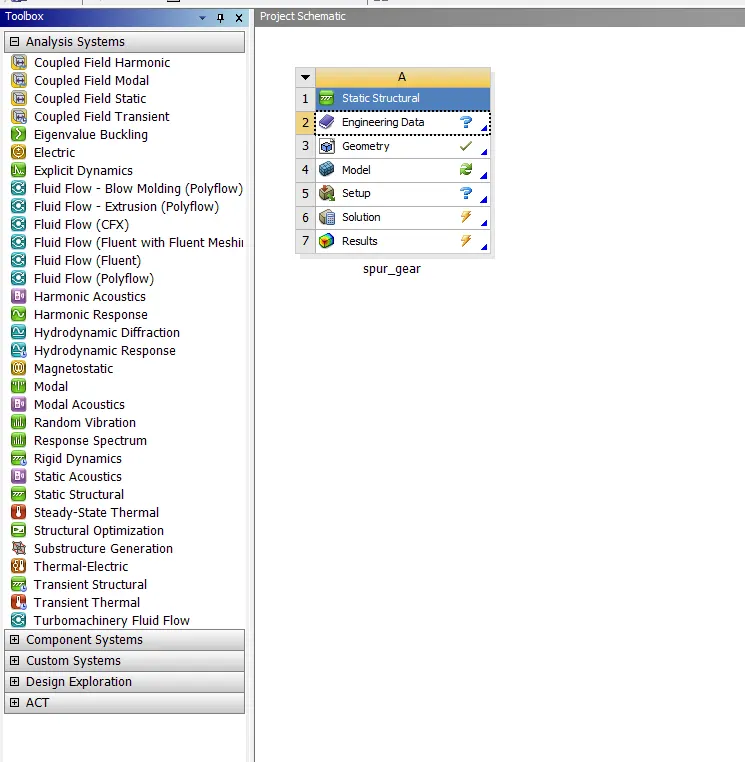
- First we have to double click on the static structural analysis and rename it spur gear as shown below.
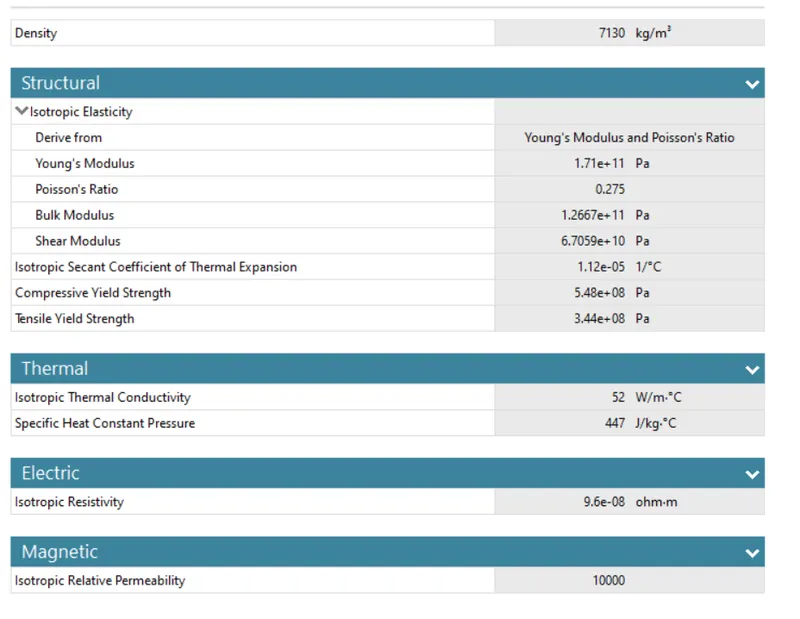
- After that we have to right click on the engineering data which is here in first case we have to select the cast iron(ductile).
- Then we have to right click on the geometry and then click on import option and import the geometry given in the question section.
- Then we have to right click on to the model na click on update now we have to again right click and clikon edit and a mechanical window opend as shown below.
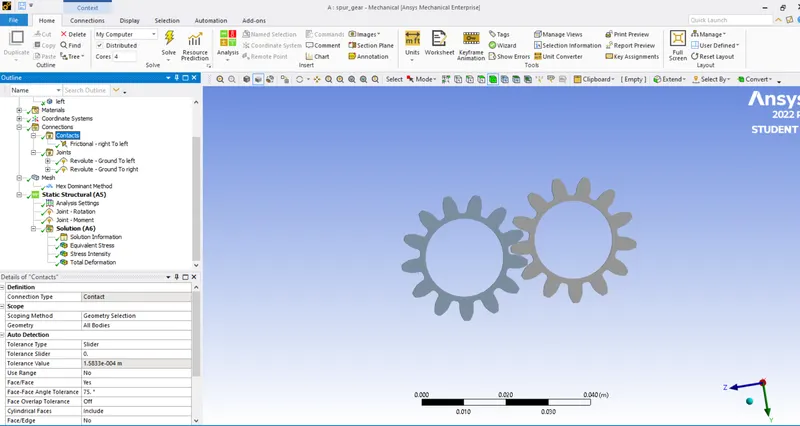
- Then rename the geometry as right and left.
- Select the material as cast iron here.
- In connection we have to right click and insert friction contact and select all the teeth of right gear as contact body and select all the teeth of left gear as target body body .
- Now we have to right click again on the contact and insert the 2 joint contact one for left and another for right and make both as revolute and ground and connection type ground to body.
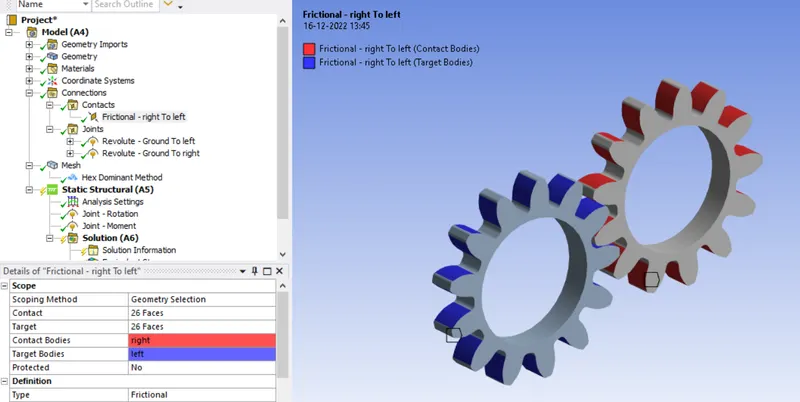
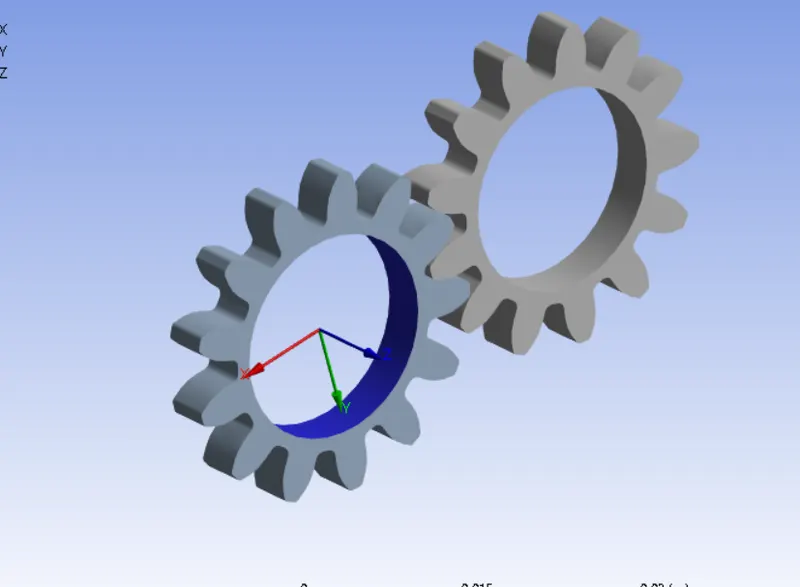
The image shows the connection and joints.
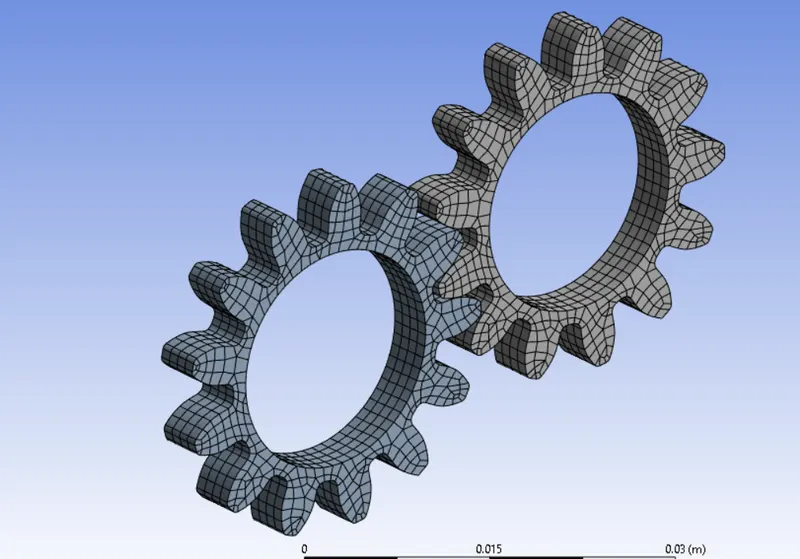
Now we give the mesh here hexahedron with element size 1mm as shown below.
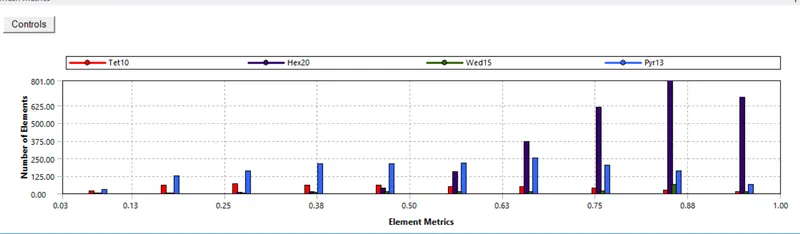
This is meshmetrics graph.
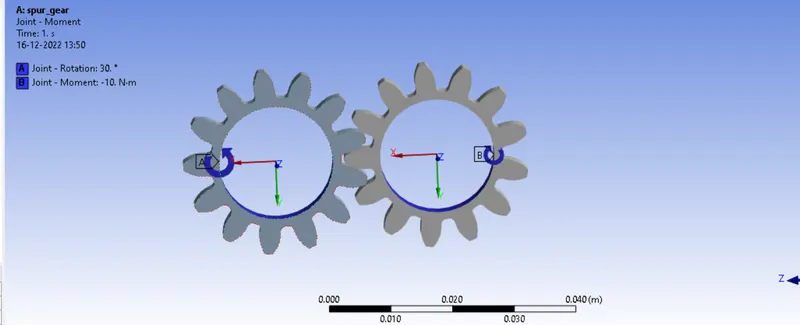
Now the next step is to give boundey condition here i gave left side as joint rotation and right side gear as joint moment both with the tabular data as shown below.
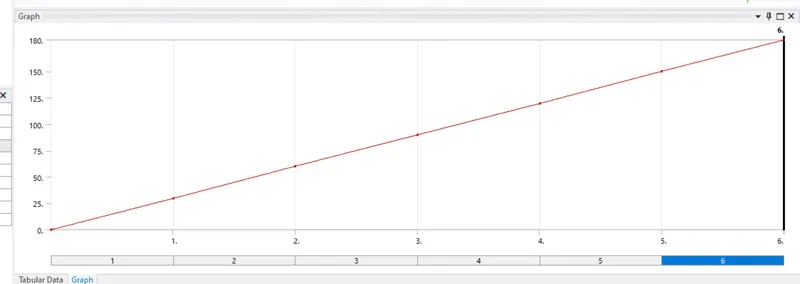
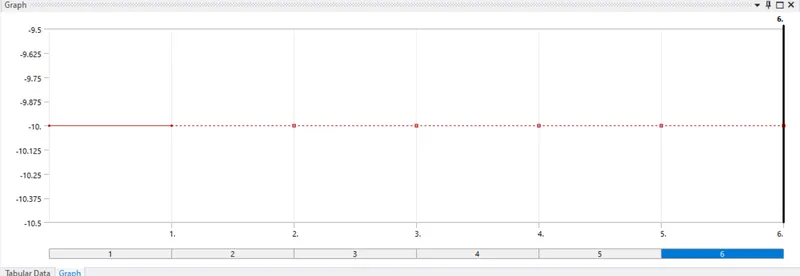
Finally as per the question we have to analyze the result of equivalent stress,stress intensity and total deformation so inside the solution insert all these.
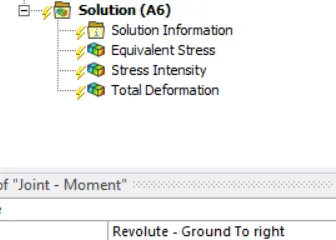
Now right click on solution and click on solve.
Equivalent stress:
The name suggests as maximum stress is produced in the spur gear when it runs for its application. It predicts the yielding of materials under multiaxial loading conditions using the result from simple uniaxial tensile stress.
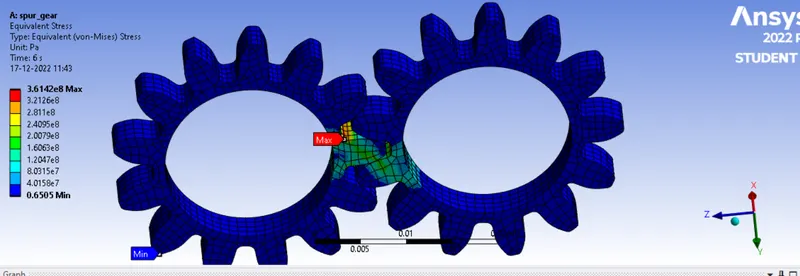
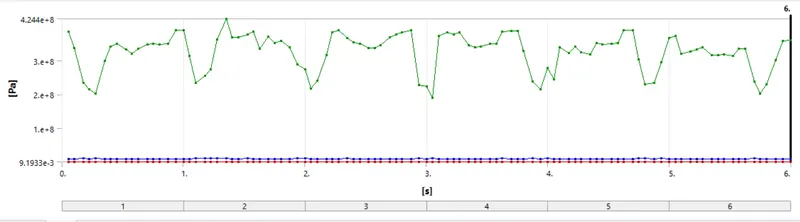
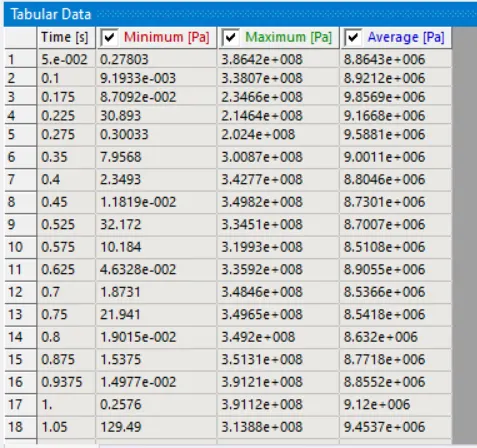
The image shown above is the equivalent stress and the graph shown for the stress and time. Here the maximum equivalent stress is 3.6142e+008 Pa and the minimum equivalent stress is 0.6505 Pa
Stress intensity:
The stress intensity is a measure of stress fields and distribution around a formed crack in terms of fracture mechanics and is a fundamental parameter used to study crack propagation leading to failure.
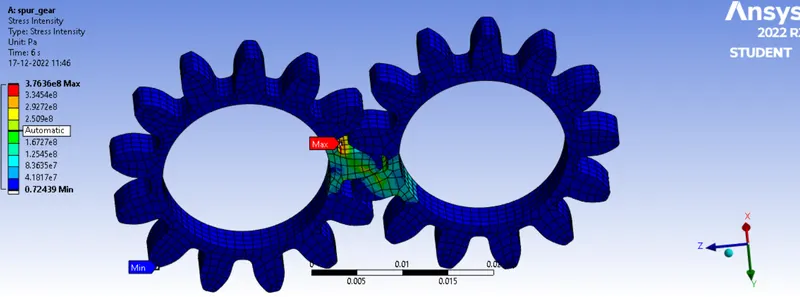
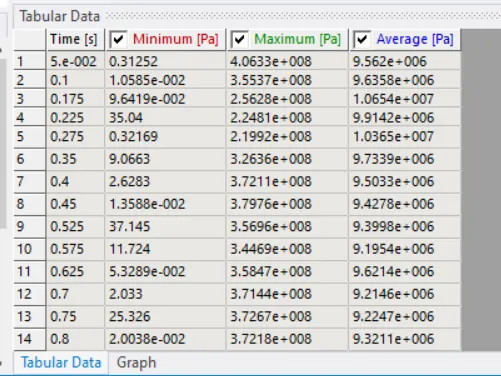
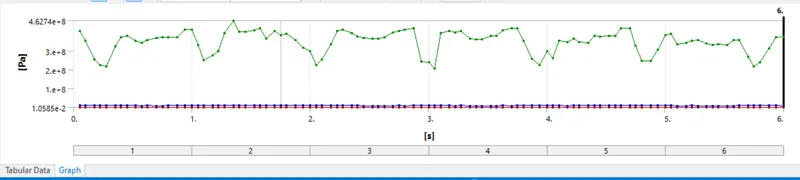
The maximum stress intensity is 3.7636e+008 Pa and minimum is 0.72439 Pa
Total deformation:
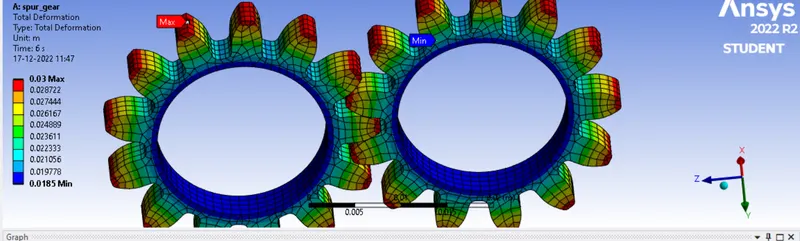
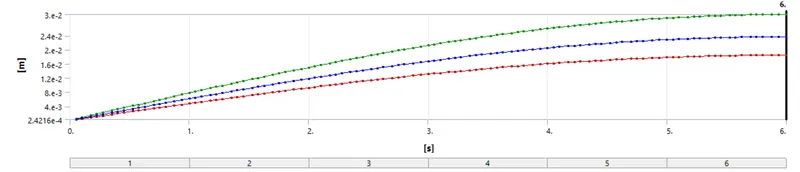
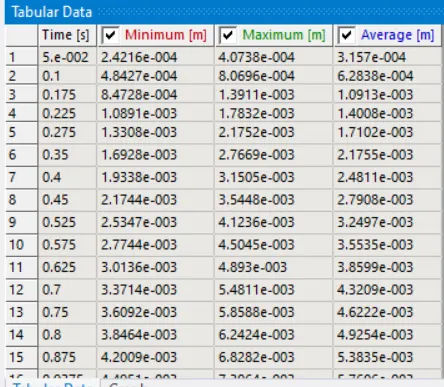
Total deformation is maximum of 0.03m and the minimum of 0.0185m.
- Case 2:
Using Cast Steel as material, perform the same analysis for the results as in Case 1.
Procedure:
procedure for this case is same just we need to change the material as cast steel and then in the solution part right click and then click on clear generated data and then click to solve and the results are mentioned below.
Results:
Equivalent stress:
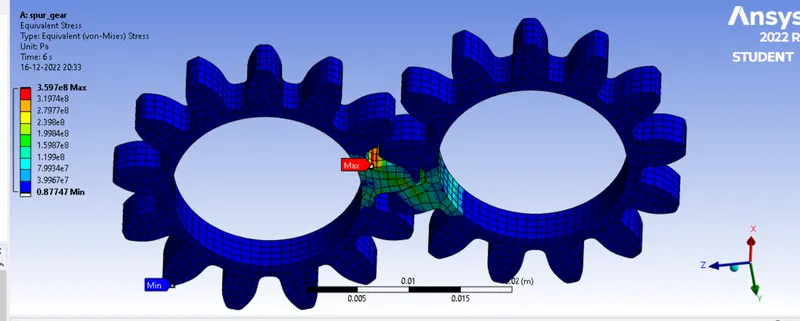
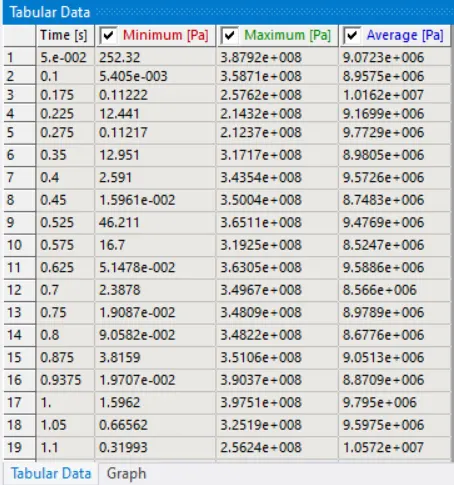
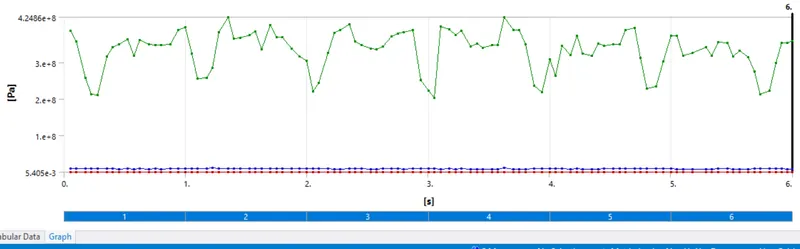
here the maximum equivalent stress is 3.597e+8pa and minimum is0.87747pa
Stress intensity:
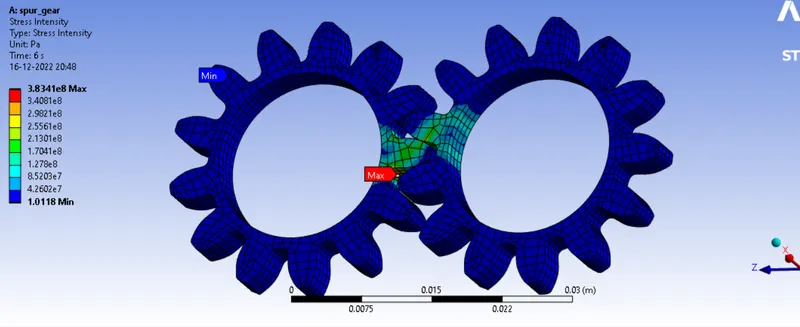
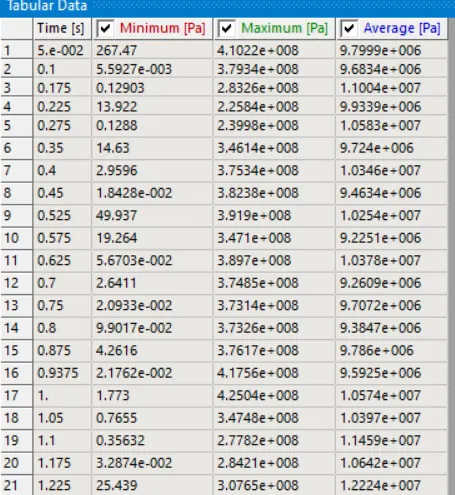
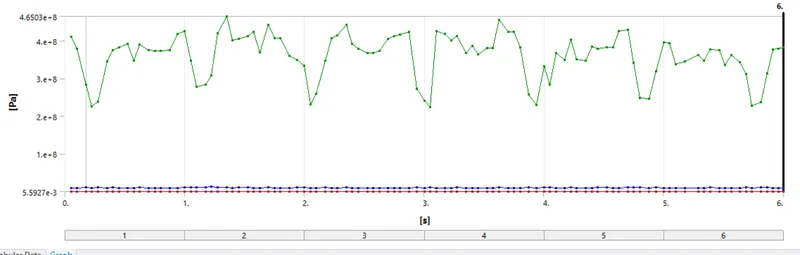
here the maximum stress intensity is 3.8341e+08pa and the minimum is1.0118pa
Total deformation:
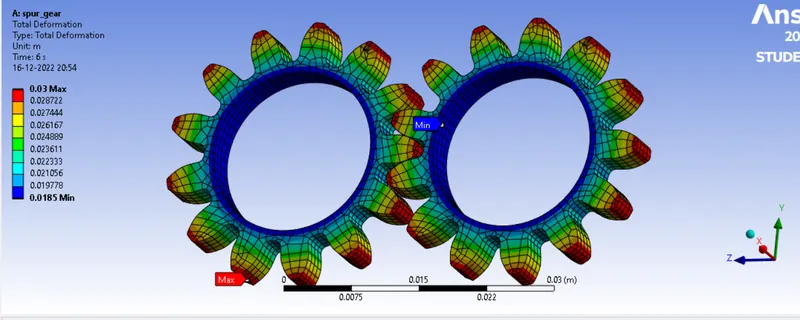
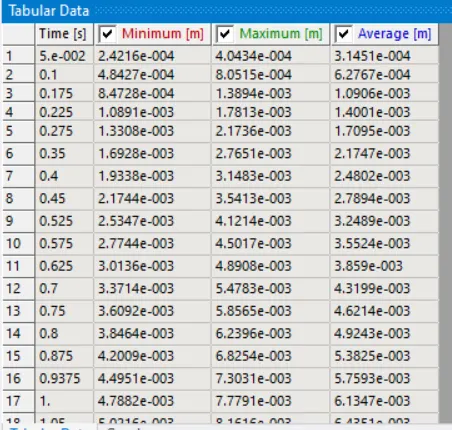
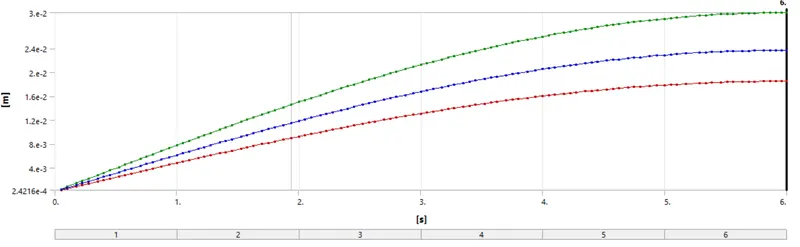
Total max deformation is 0.03m and minimum deformation is 0.0185m.
- Case 3:
Using Cast Bronze as material, perform the same analysis for the results as in Case 1.
Procedure:
procedure for this case is same just we need to change the material as cast bronze and then in the solution part right click and then click on clear generated data and then click to solve and the results are mentioned below.
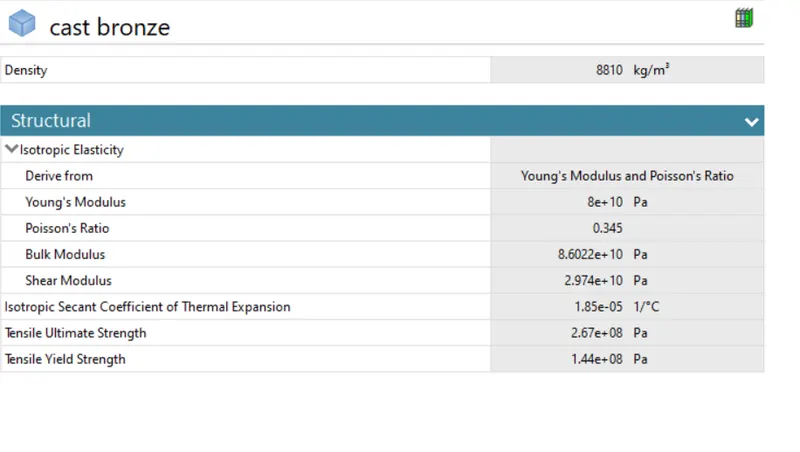
Results:
Equivalent stress:
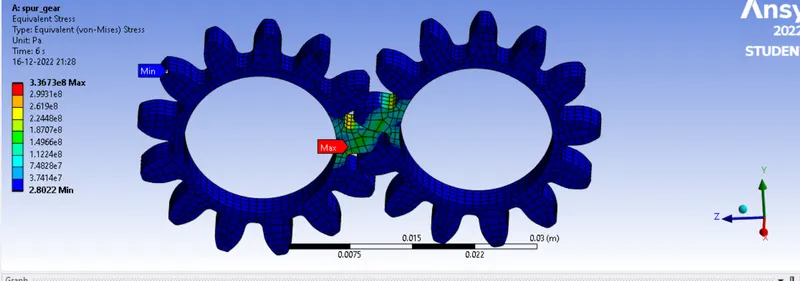
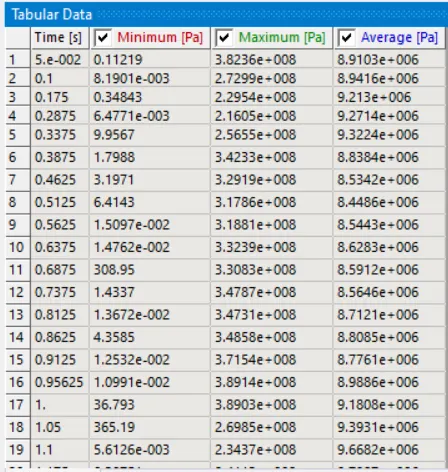
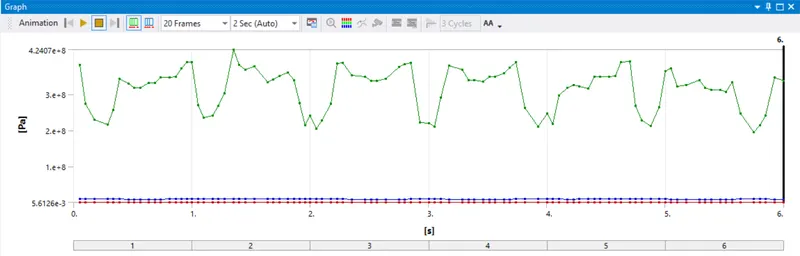
here the maximum equivalent stress is 3.3673e+8pa and minimum is2.8022pa
Stress intensity:
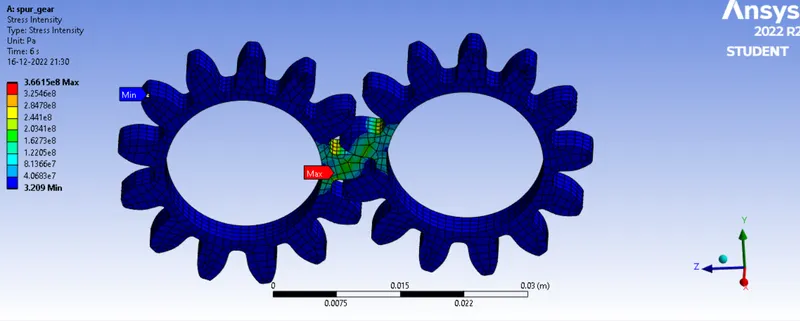
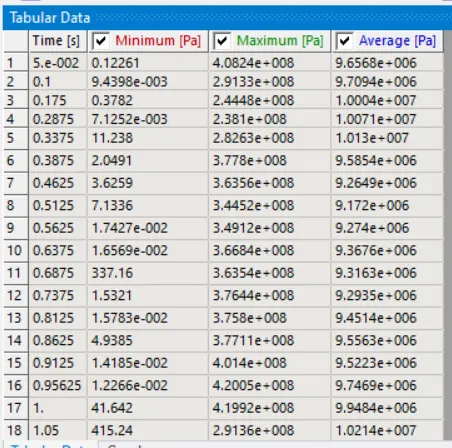
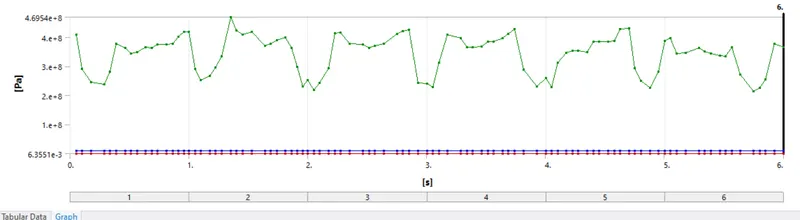
here the maximum stress intensity is 3.6615e+008 Pa and the minimum is 3.209 Pa.
Total deformation:
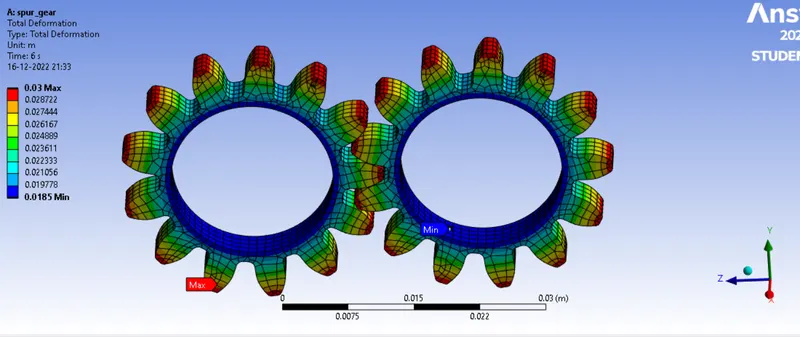
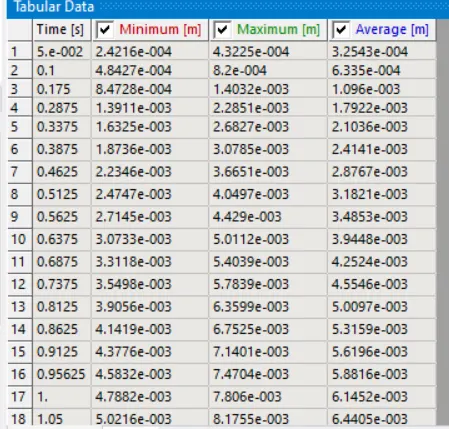
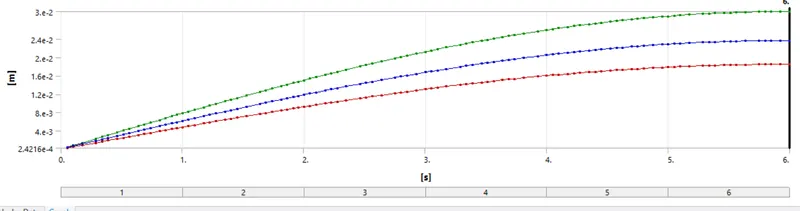
Total max deformation is 3.e-002 m and minimum deformation is 1.85e-002 m
Discussion on all three cases:
| Engineering material | Max Equivalent stress | Max Stress intensity | Max Total deformation. |
| Cast iron (ductile) | 3.6142e+008Pa | 3.7636e+008Pa | 0.03m |
| Cast Steel | 3.597e+8pa | 3.8341e+08pa | 0.03m |
| Cast bronze | 3.3673e+8pa | 3.6615e+008Pa | 0.03m |
- Here we can see that according to the max Equivalent stress cast bronze is having least equivalent stress among all three mateial.
- According to the max stress intensity of all the three material cast steel is having the higest stress intensity of 3.8341e+08pa among all and the lowest of cast bronze.
- According to total deformation all the three materials having same deformation at the given load condition.
Conclusion:
According to the stress intensity the cast steel will fail at some point at the given load,and the deformation is almost same for all the three materials.