Week 1- Mixing Tee
Aim:
To Perform Steady State Simulations for Mixing Tee and to compare mixing effectiveness when the hot inlet temperature is 360C & the Cold inlet is at 190C using a suitable model in combination with two other cases.
- Case 1
- Short mixing tee with a hot inlet velocity of 3m/s.
- Momentum ratio of 2, 4.
- Case 2
- Long mixing tee with a hot inlet velocity of 3m/s.
- Momentum ratio of 2, 4.
Theory:
Mixing Tee is used to effectively mix two fluid streams into one combined stream. The concept of Mixing Tee is widely used in Airconditioning. It is known that AC works more efficiently at some temperatures but they need not be the same as our desired temperature. Not only that, but Mixing Tees are also used in Food and beverage Production, Chemical Processing Industries, and HVAC systems. They can be made from materials like Carbon steel, PVC, and Stainless steel. Some mixing Tees have adjustable diverters to divert the to control the degree of mixing between the fluids.
The Steps involved to analyse any problem in CFD are as follows.
Pre-Processing:
Pre-Processing involves Geometry cleanup, and Meshing which is very important for performing the required simulation on the geometry.
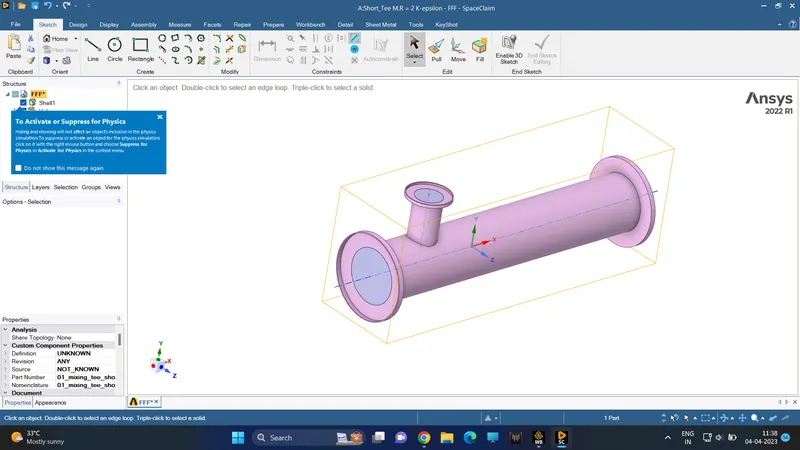
In the image shown above, there is no purpose in having the shell for physics, so it can be hidden from getting displayed and suppressed for physics.
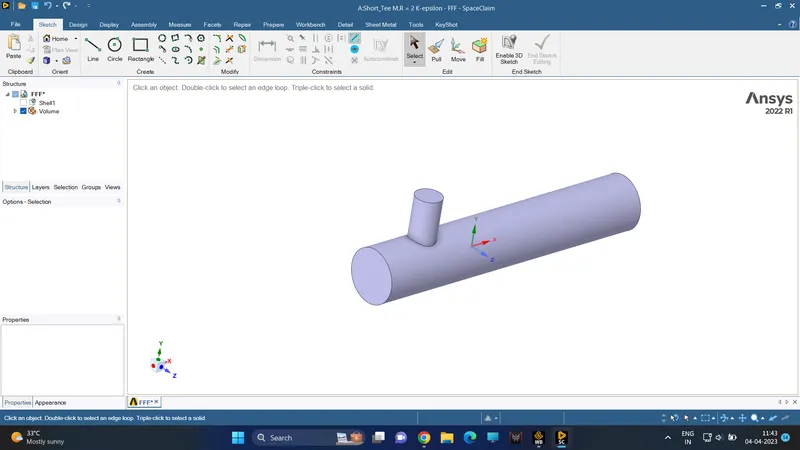
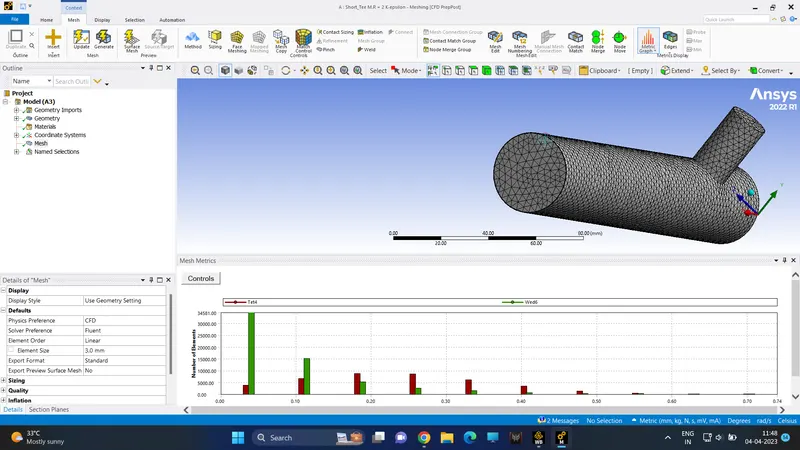
Followed by Geometry Clean-up the model is meshed using tetra mesh using ANSYS meshing software with an element size of 3mm along with an inflation layer of the first layer thickness of 0.05mm with 10 layers.
Solving:
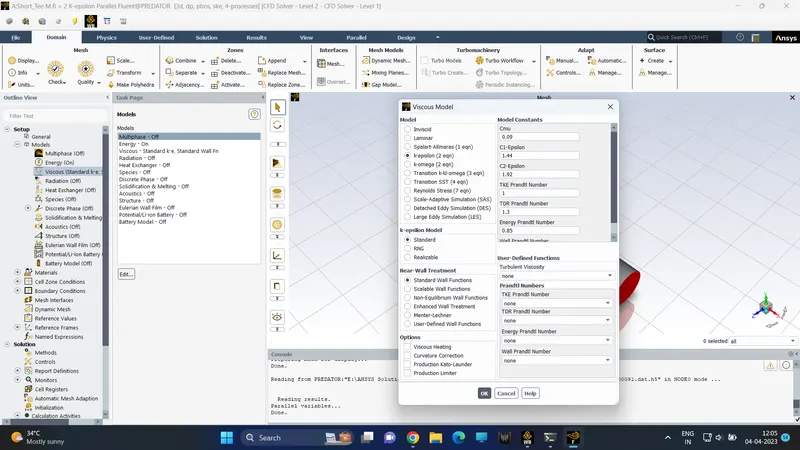
It involves applying suitable Boundary Conditions to Solve the given CFD Problem. Here the Boundary Conditions are given as per the Problem Statement.
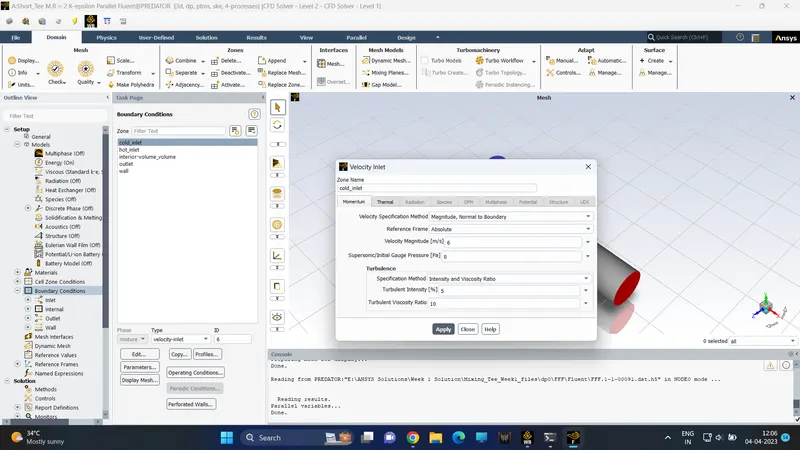
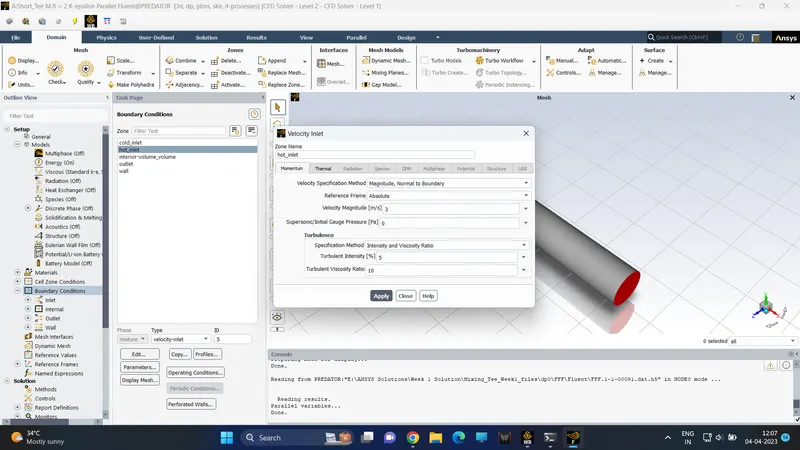
Post-Processing:
In Post-Processing Section the results obtained are analyzed for more understanding of the given problem
Short-Tee M.R = 2:
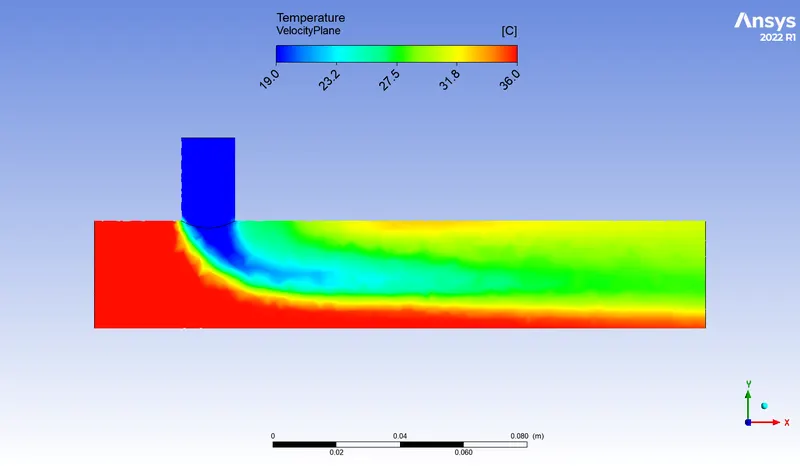
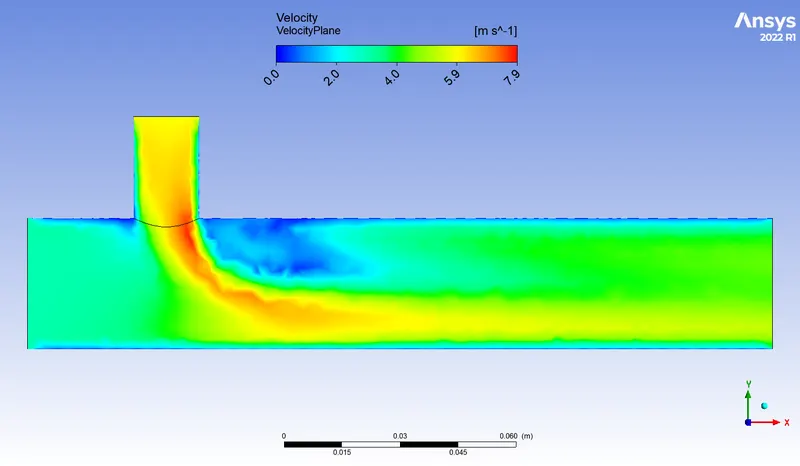
At X = 0 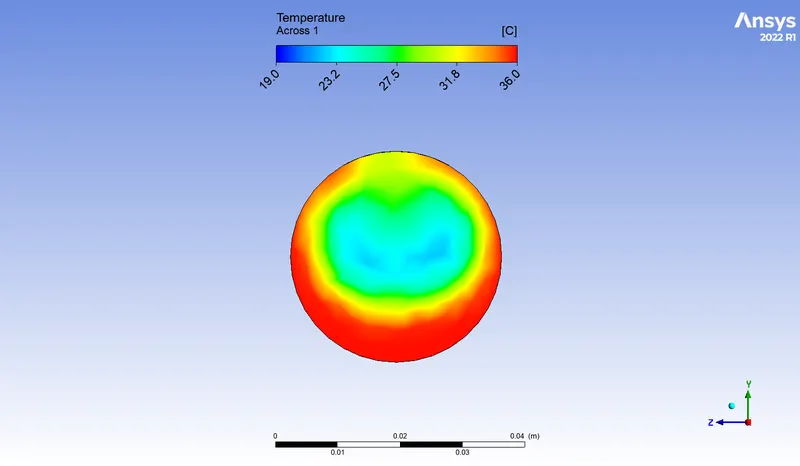
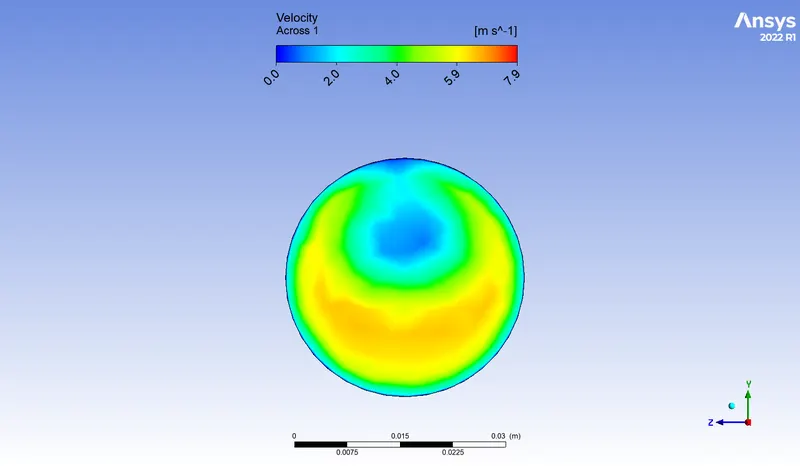
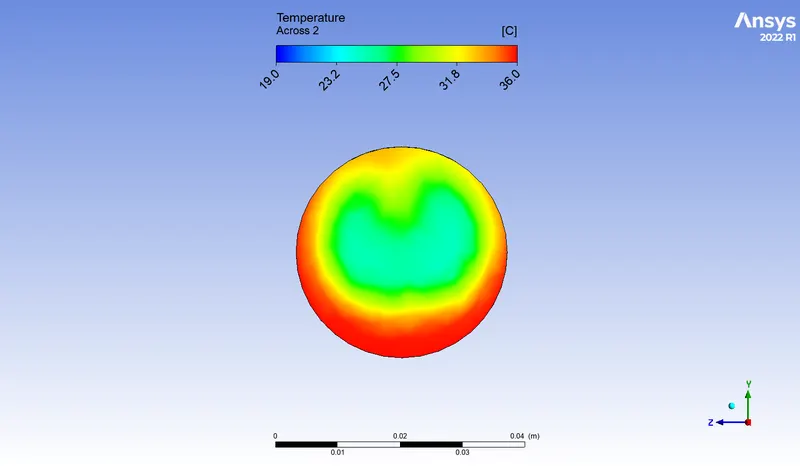
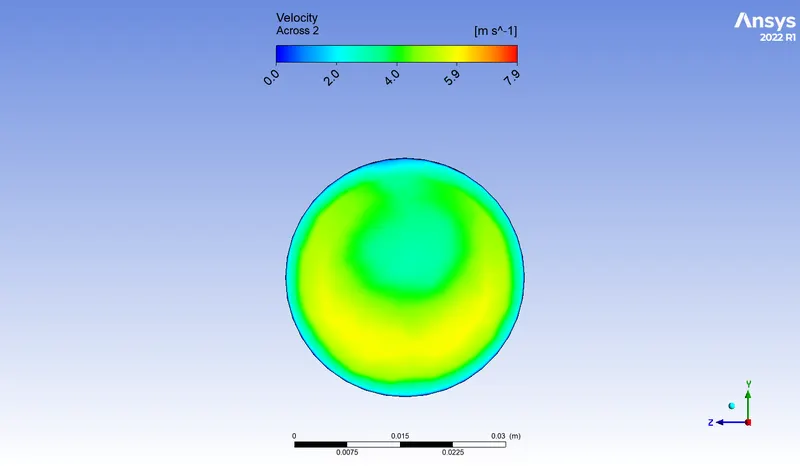
At X = 60 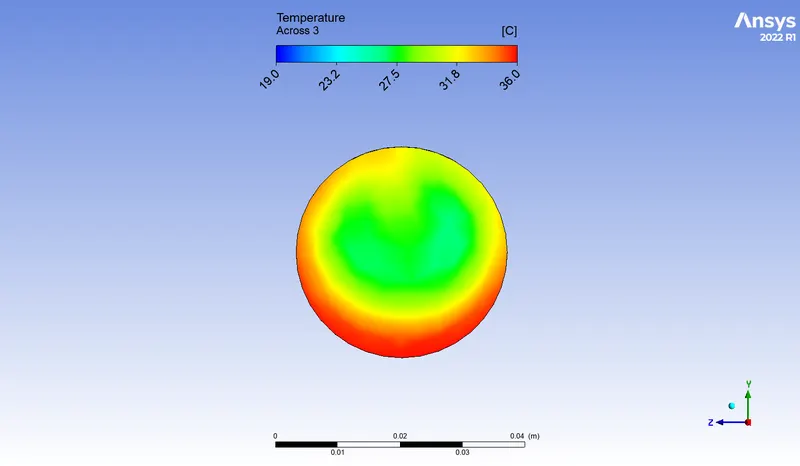
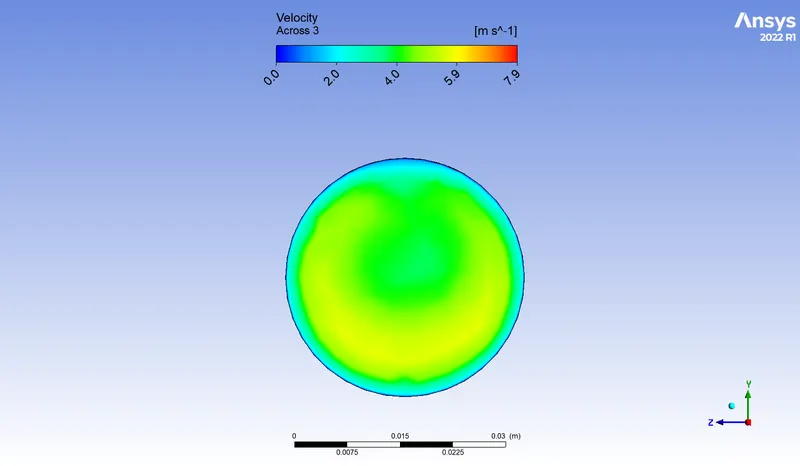
Short-Tee M.R = 4:
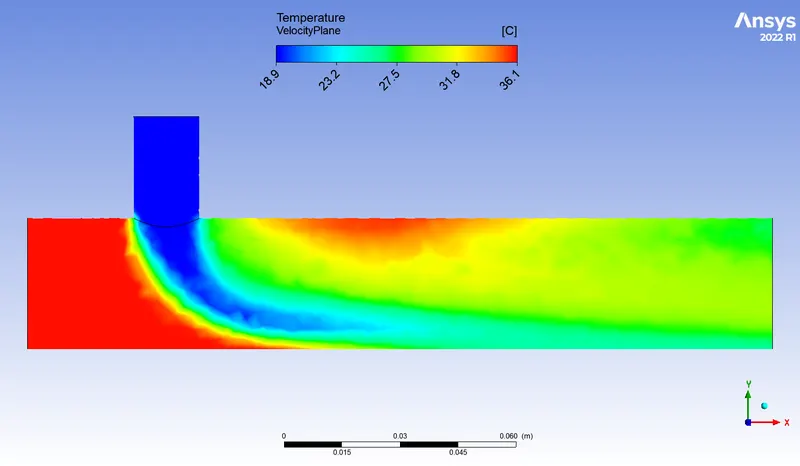
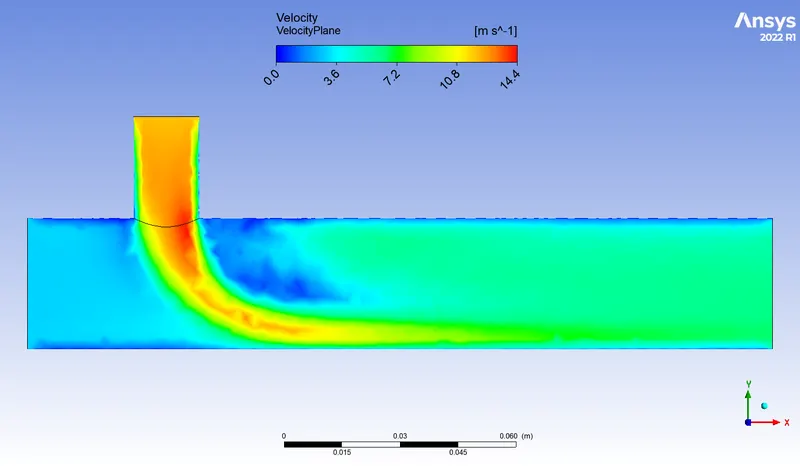
At X = 0 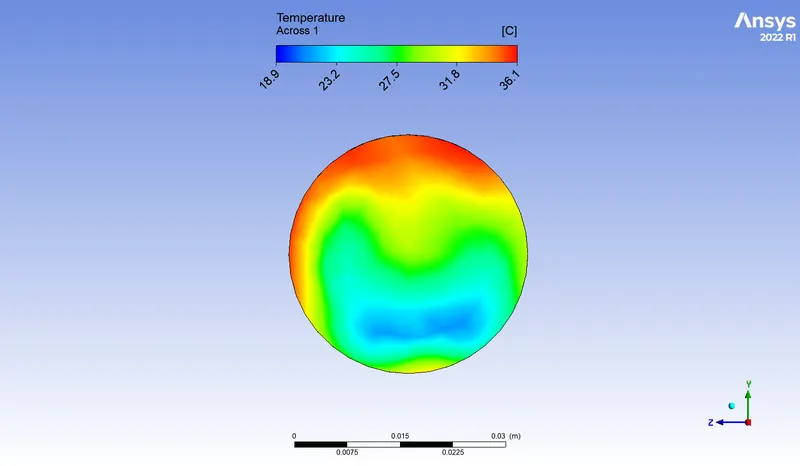
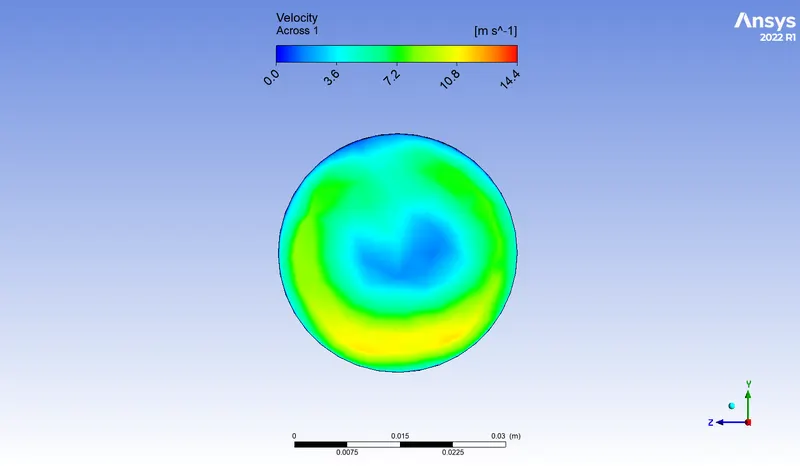
At X = 30 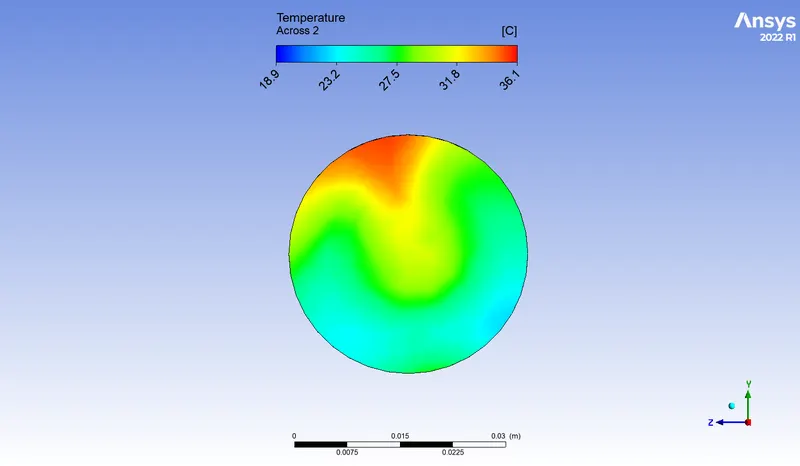
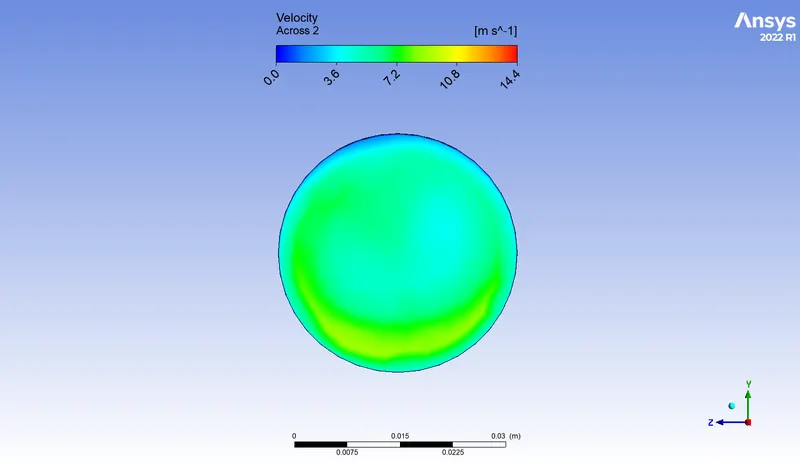
At X = 60 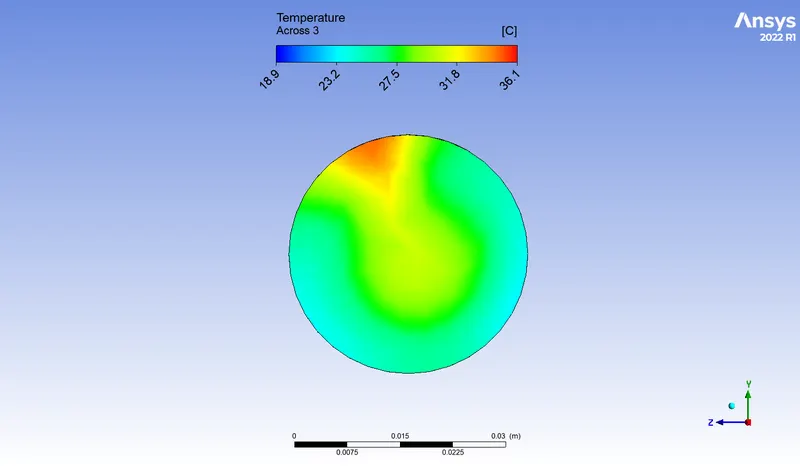
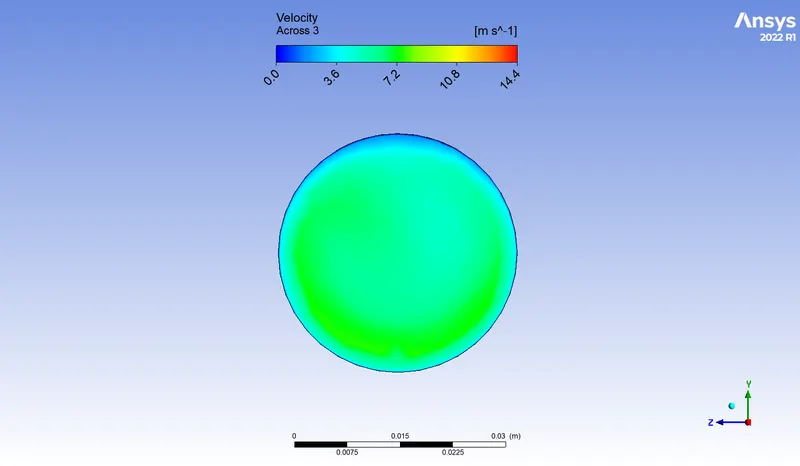
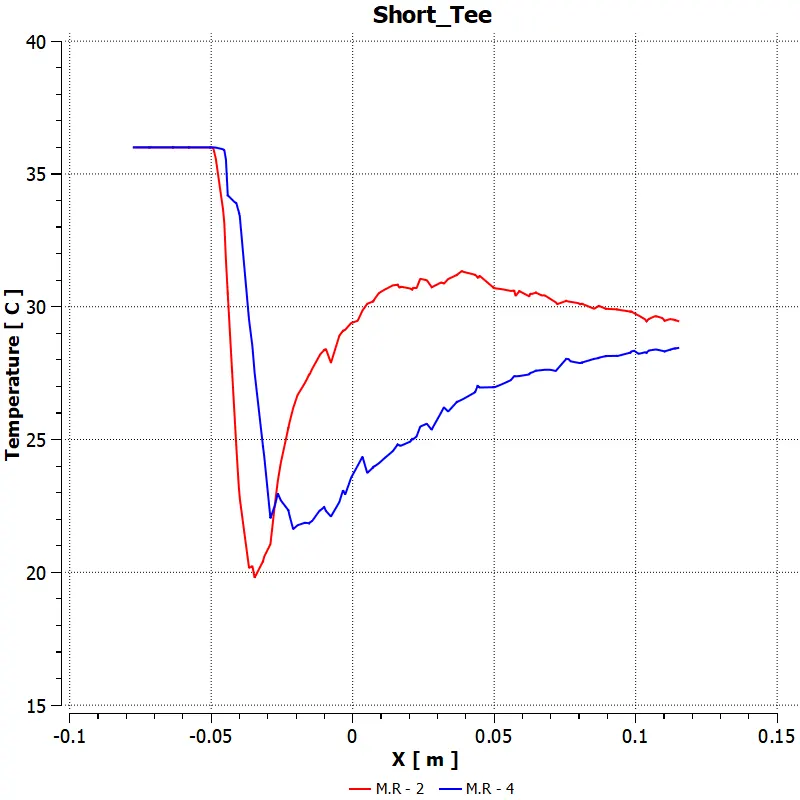
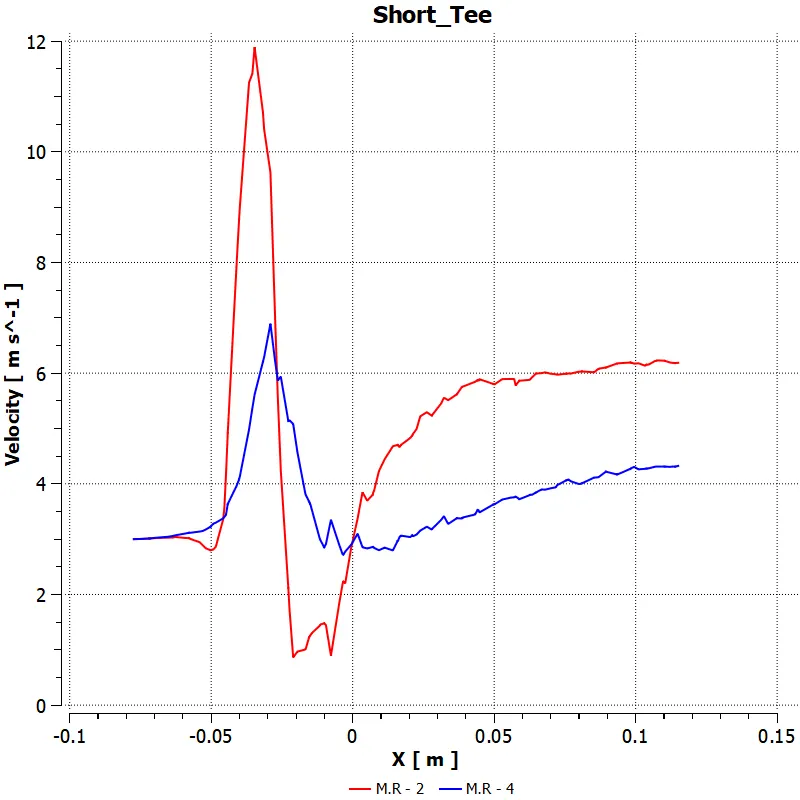
Comparison Chart for Short-Tee:
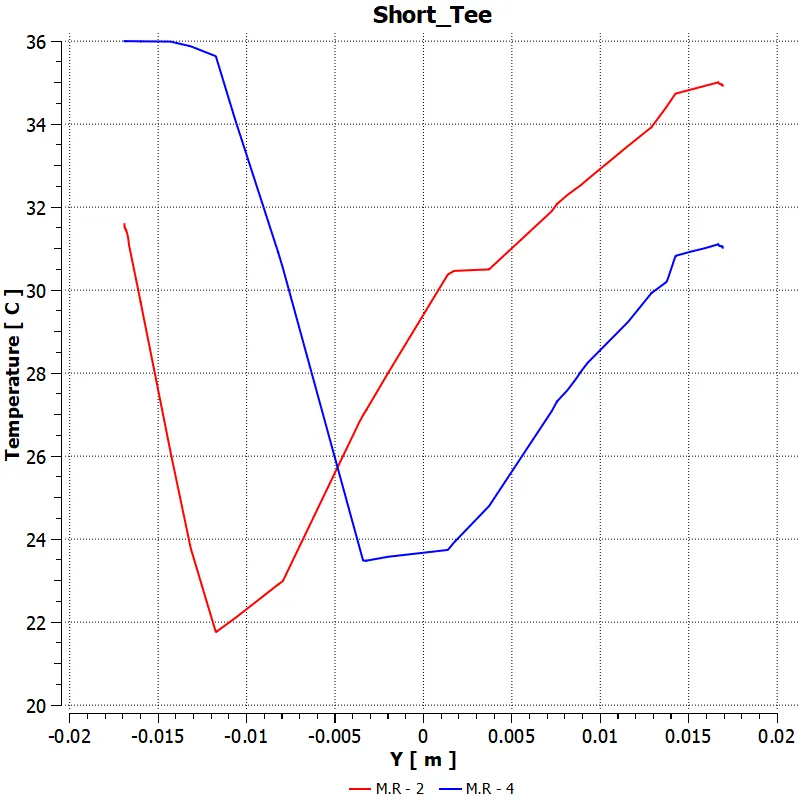
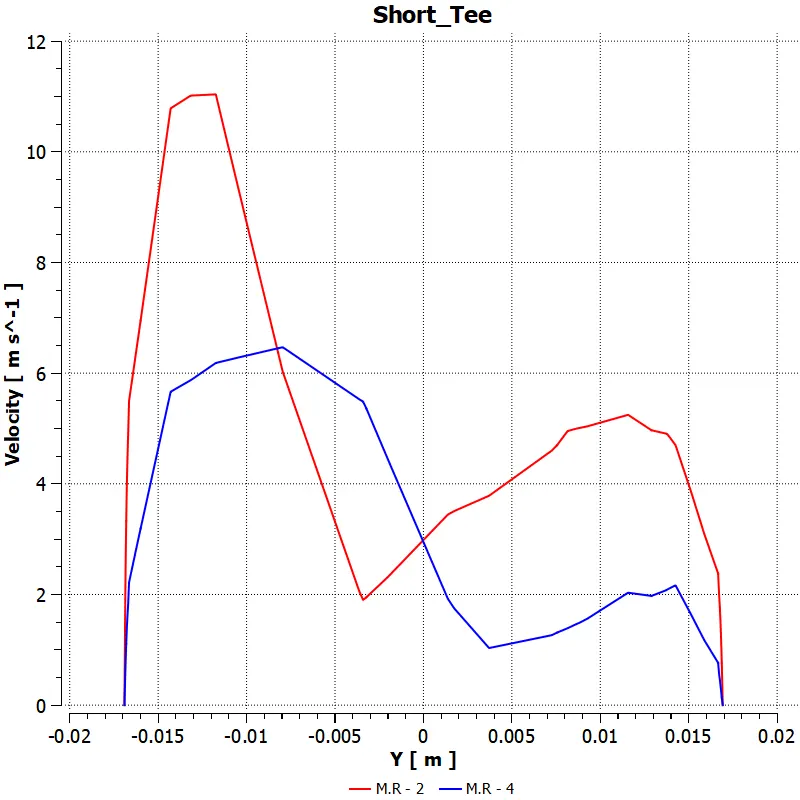
Long-Tee M.R = 2:
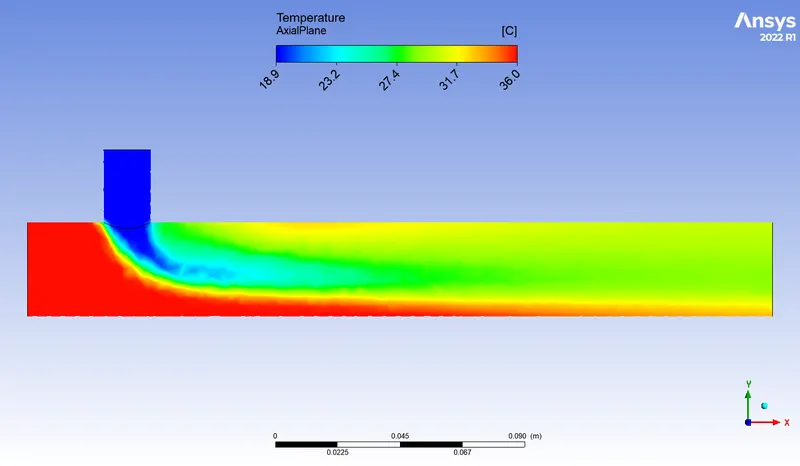
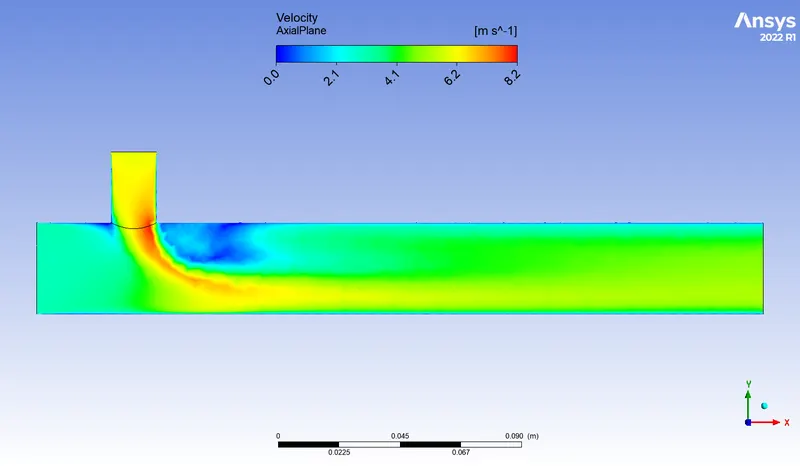
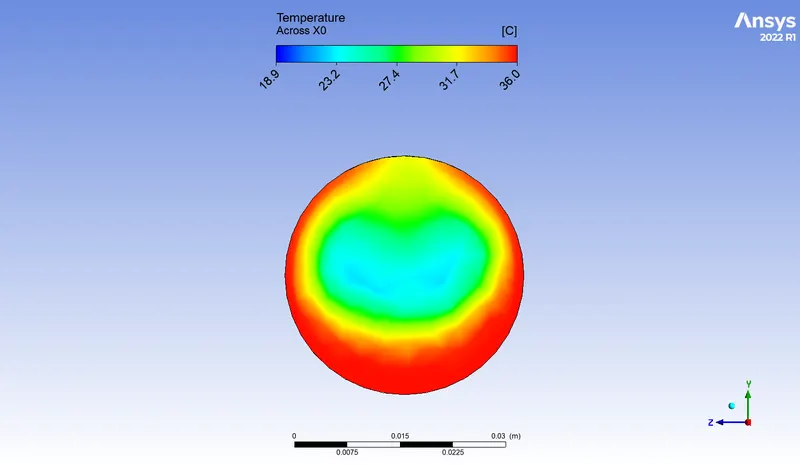
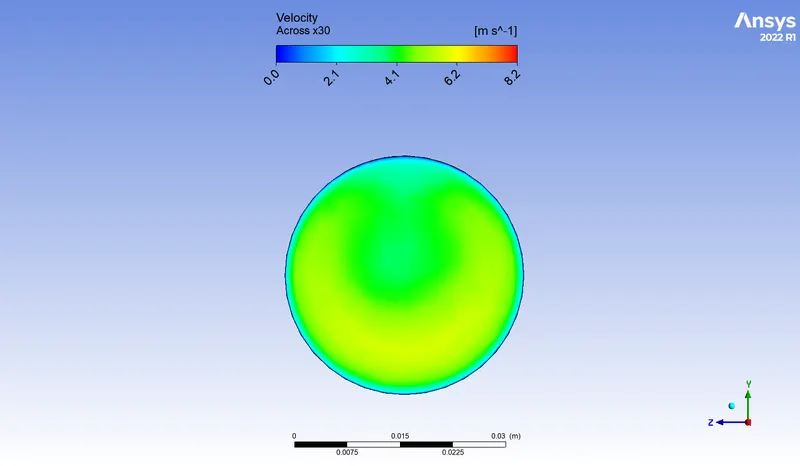
At X = 30 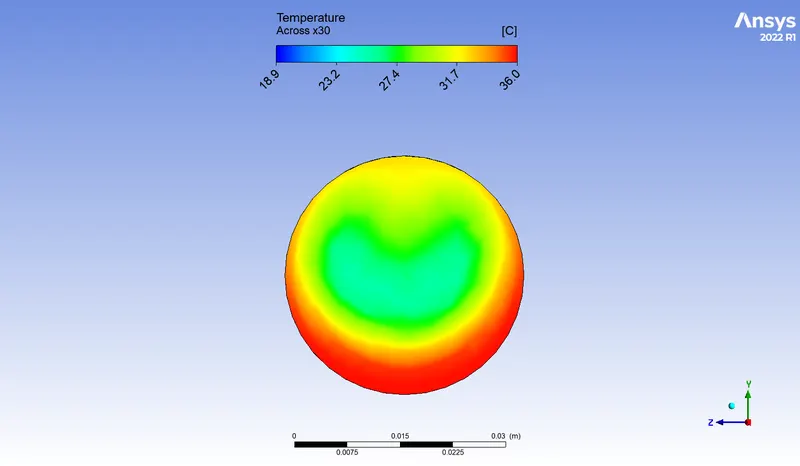
At X = 60 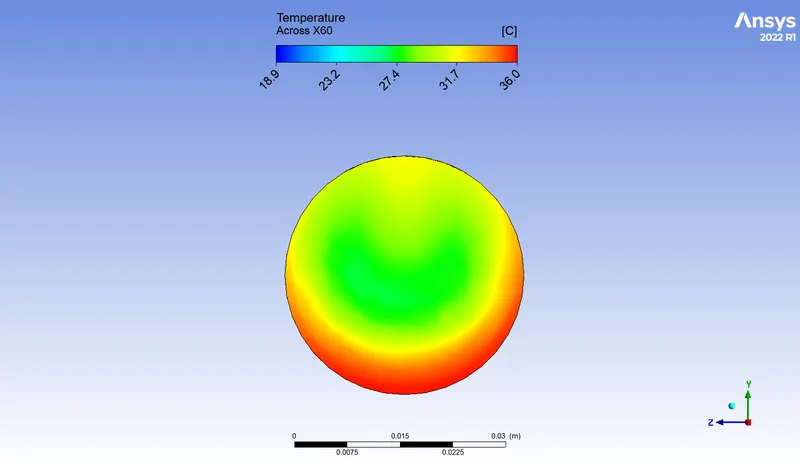
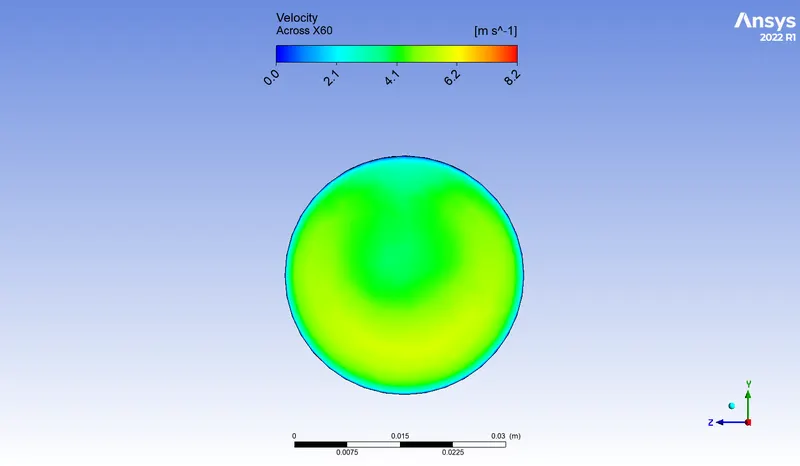
Long-Tee M.R = 4:
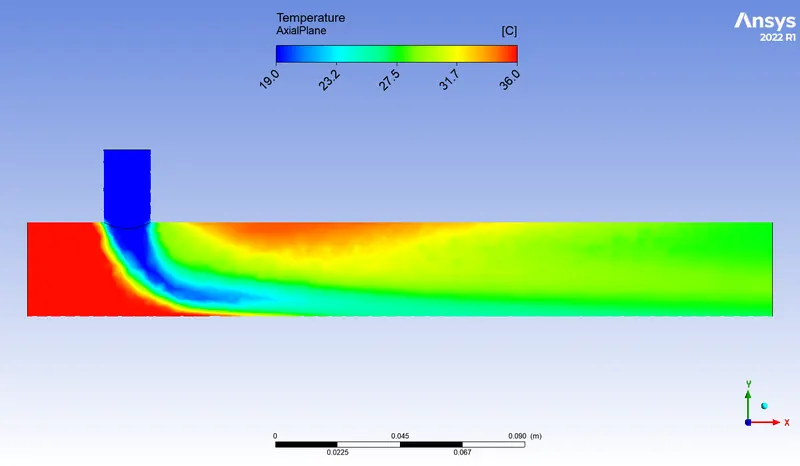
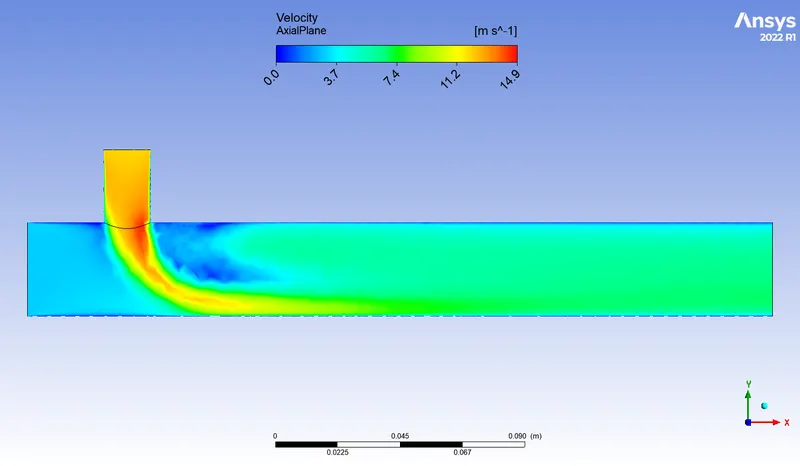
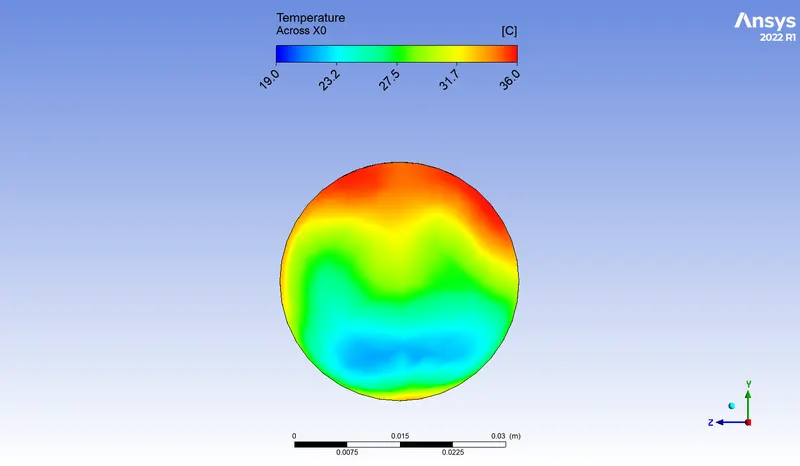
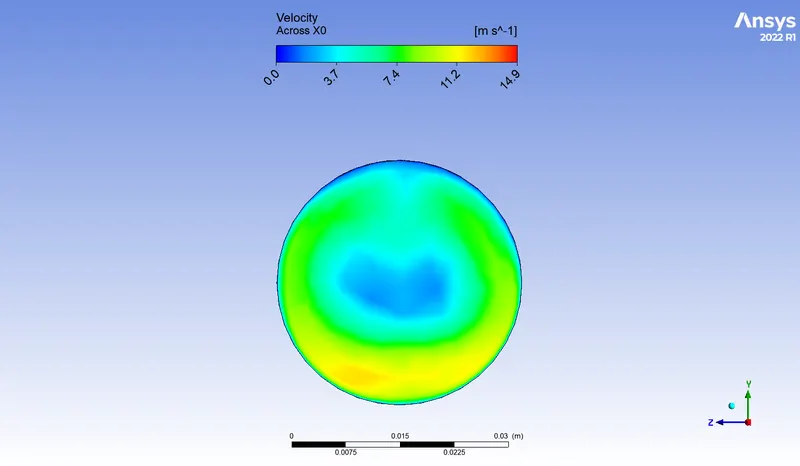
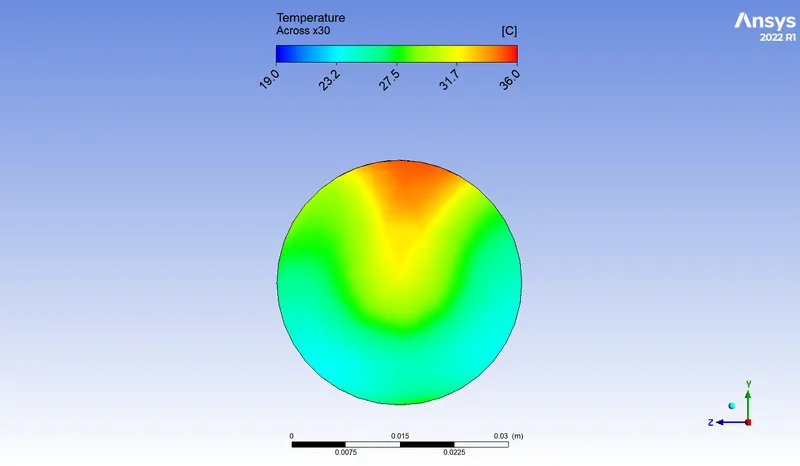
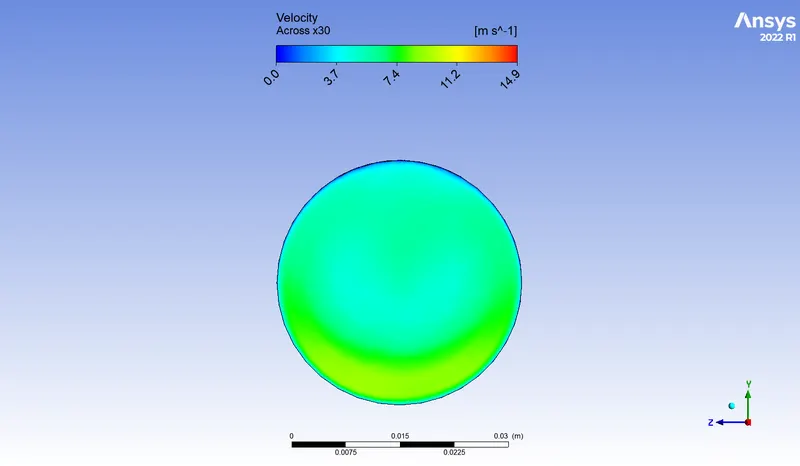
At X = 60 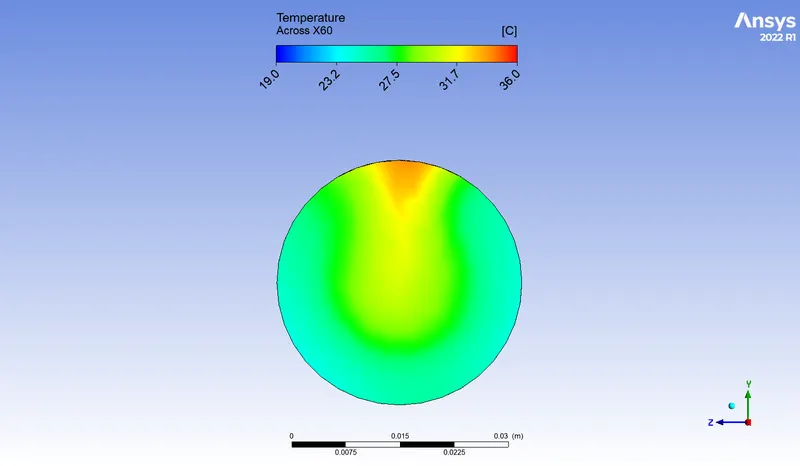
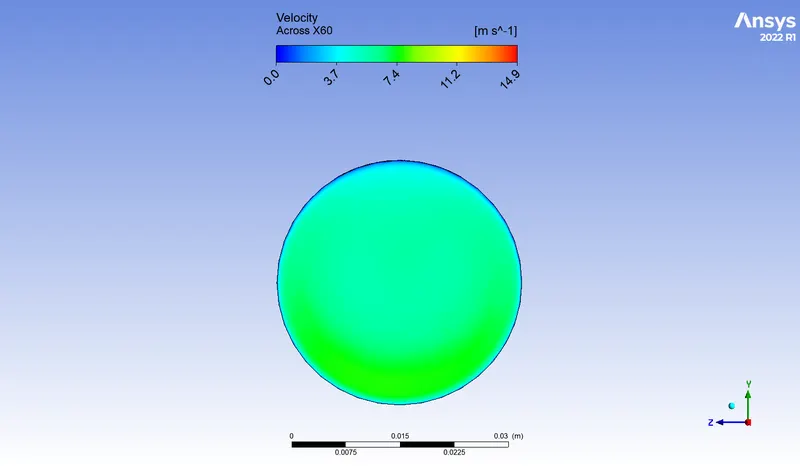
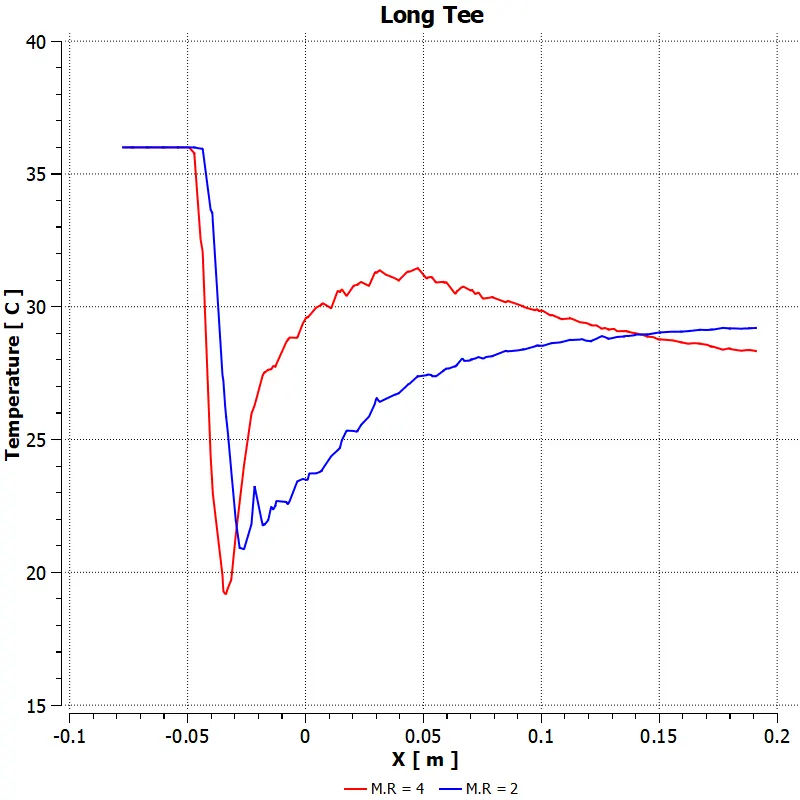
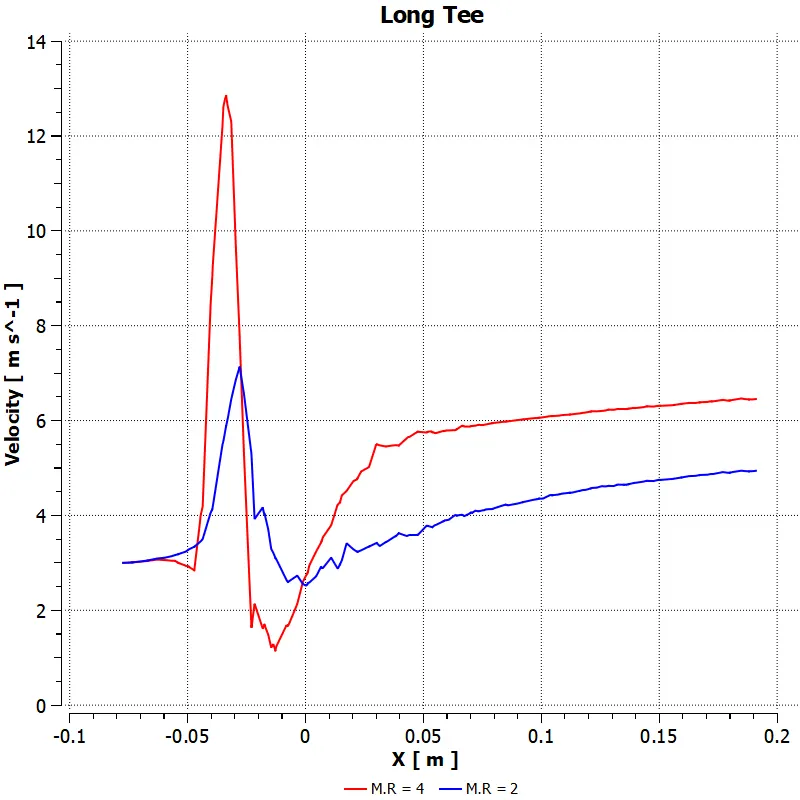
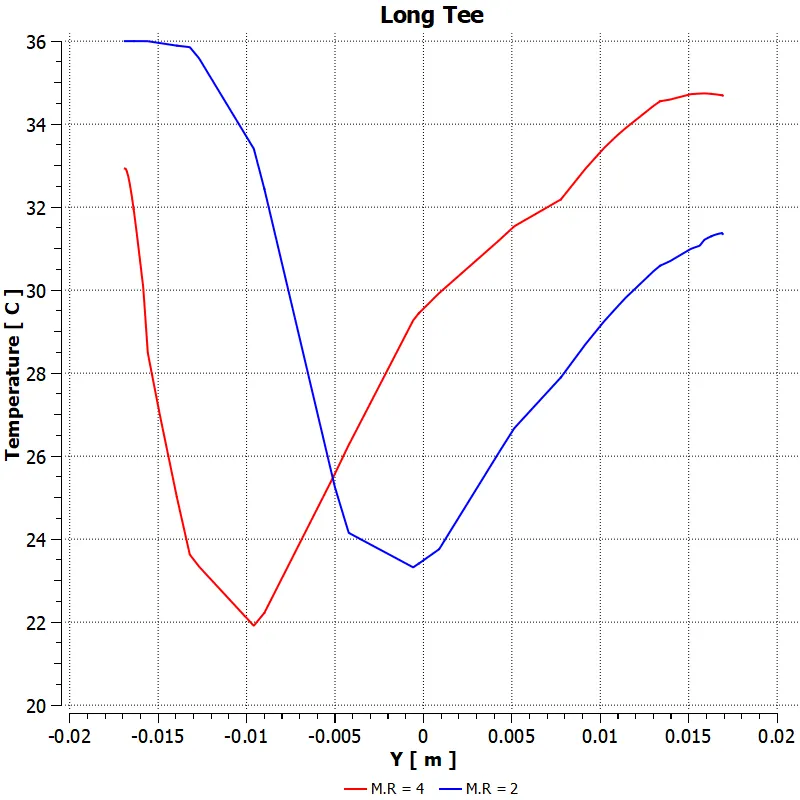
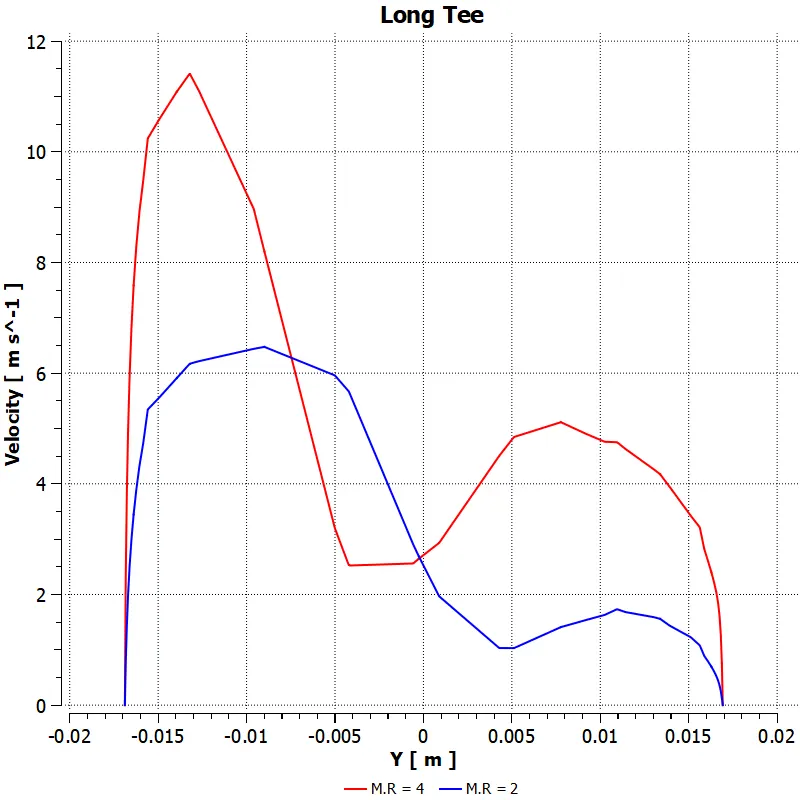
Comparison Chart for Long-Tee:
Results:


- From the above tables it can be inferred that if the length of the Mixing-Tee increase then the effectiveness of mixing increases.
- As well as if Momentum ratio increases then mixing effectiveness decreases in Short-Tee and vice-versa in the case of Long-Tee.
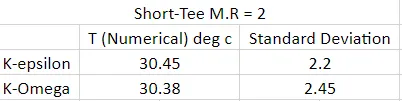
- Numerical simulation was performed for two different viscous models and found that K-epsilon was able to Numerical value closer to the theoretical value (30.76 deg c) with less standard deviation.
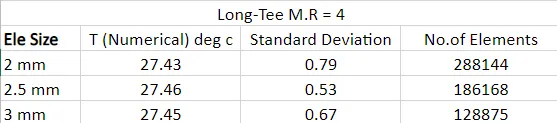
- Grid indenpendence test was also performed for the case of Long-Tee with M.R = 4 and the result has been tabulated.
https://drive.google.com/file/d/1uJgbgwEW1IUttg-IVhc_G8VPSiaeKt7K/view?usp=share_link