Week 1- Mixing Tee
Aim : To set up steady-state simulations to compare the mixing effectiveness for 2 different cases.
Introduction: Two different mixing tee models are given or which we have to perform simulation to check and compare the mixing effectiveness at diferent inlet temperatures and velocities.
Procedure:
For the short mixing T, I extracted the inner volume of the pipe as only the inner volume is necessary to check for the mixing. The solid component is now hidden and supressed or physics.
Next in the 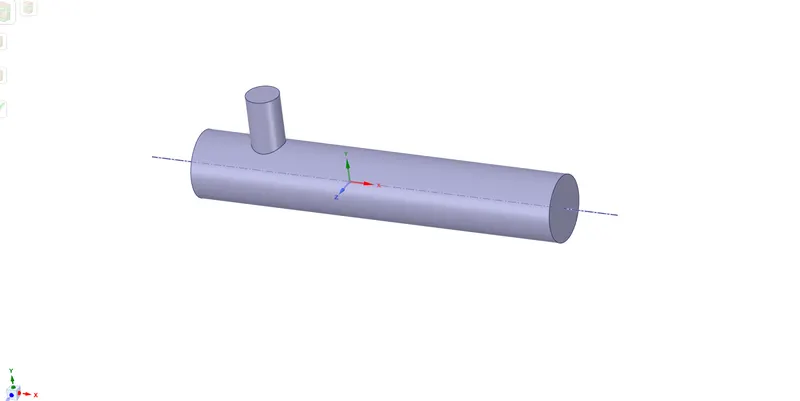 meshing module I selected the appropriate faces and named them as inlet, outlet and walls.
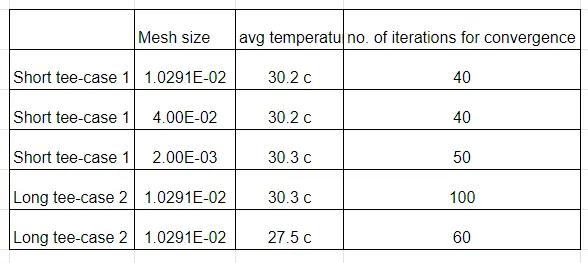
the mesh size or the model is already determined by the sotware using a bounding box. After that I generated the mesh. For the irst case, I kept the deault mesh size, i.e: 1.0219e-002m
Next I opened the Fluent module, and checked the mesh quality. Next I setup the physics. I used pressure based solver and absolute for velocity formation. For the first case i selected the k-epsilon viscous model. Next I selected the material as air.
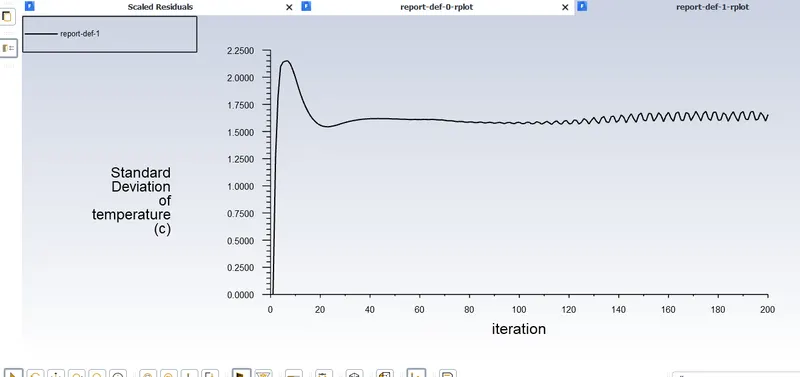
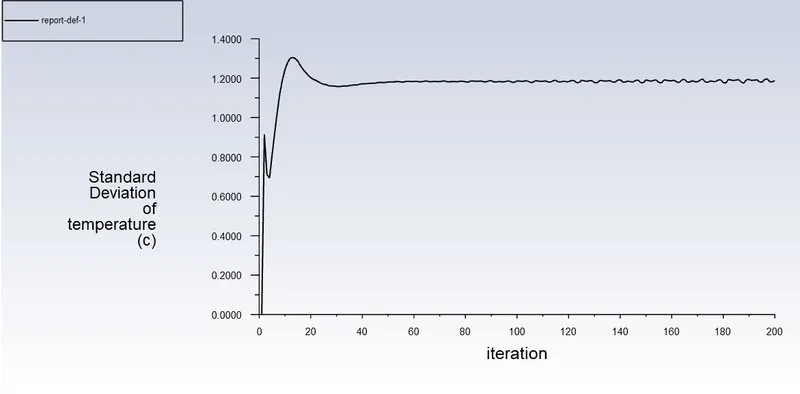
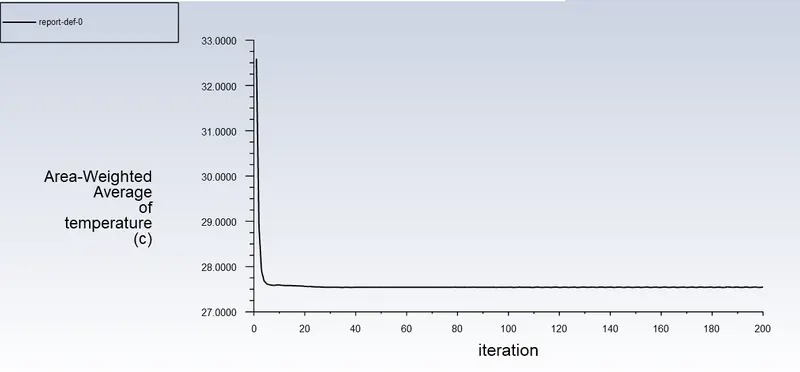
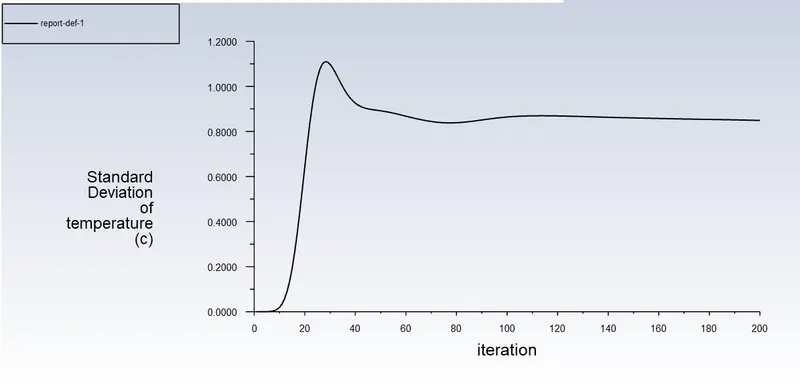
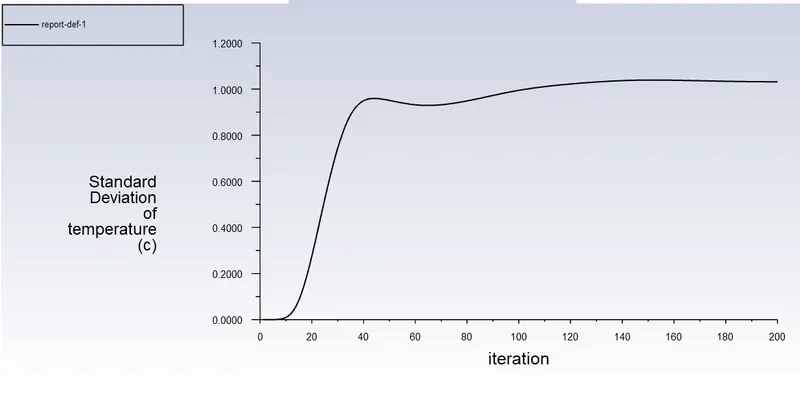
For the boundaries, Fluent has autmatically set it up according to the name of the faces. now according to the formula Velocity of cold inlet= 6m/s, Velocity of ht inlet =3m/s, inlet hot temp =36c and inlet cold temp =19c. In definitions I selected surface report selected the report type for temperature. To find out about the mixing ratio another surface report is needed, that is standard deviation of temperature.
Now we have to initialize in order to solve the problem and I set the iterations or 200 and solve it.
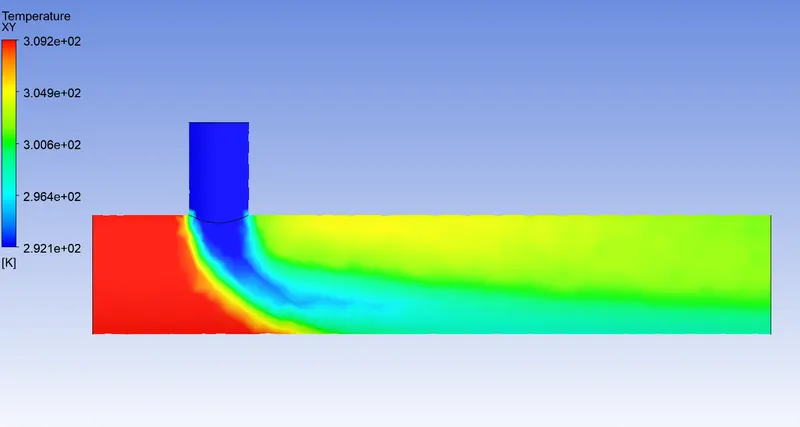
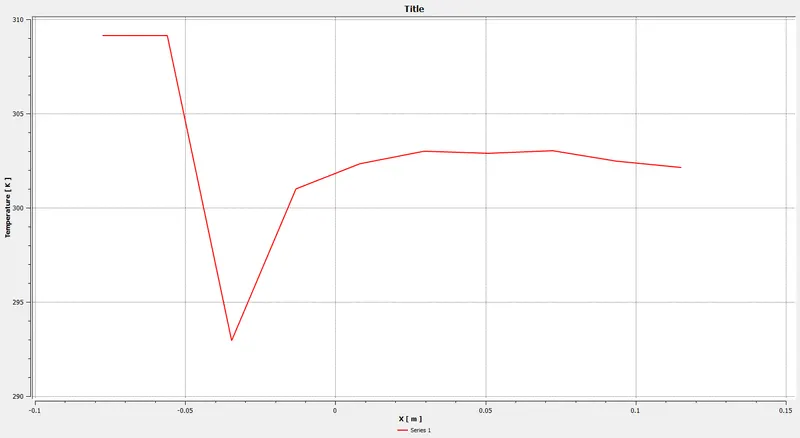
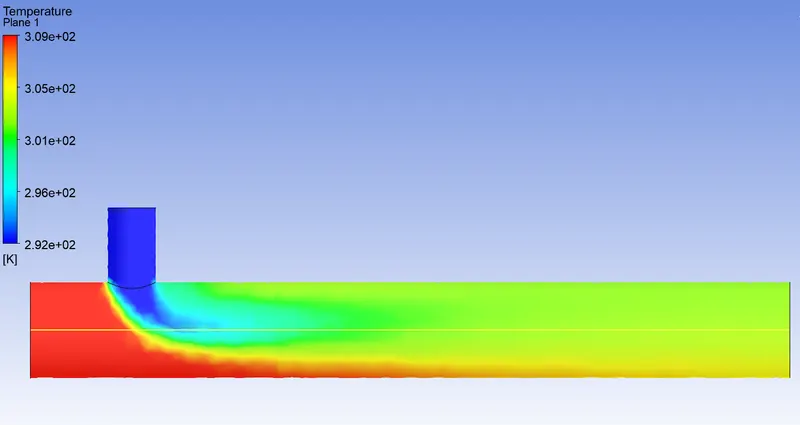
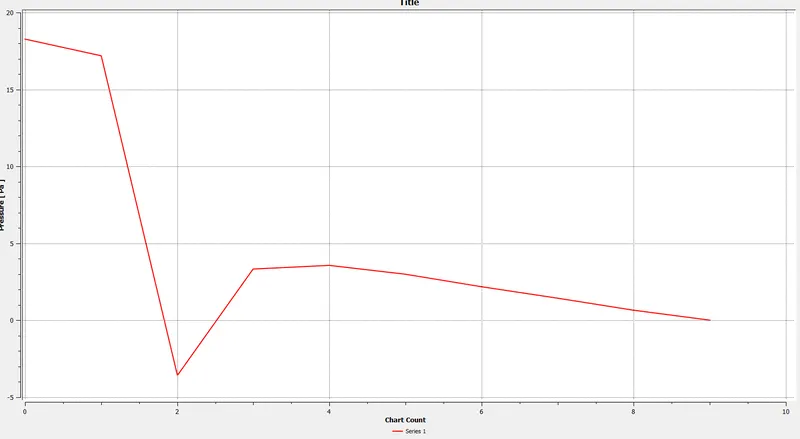
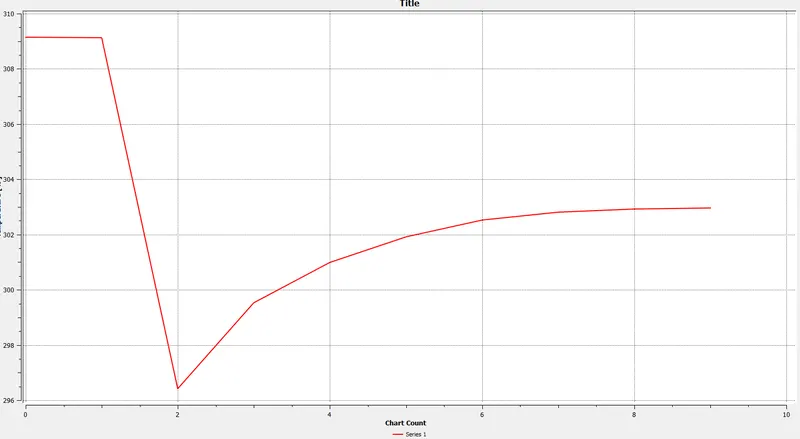
This is the result 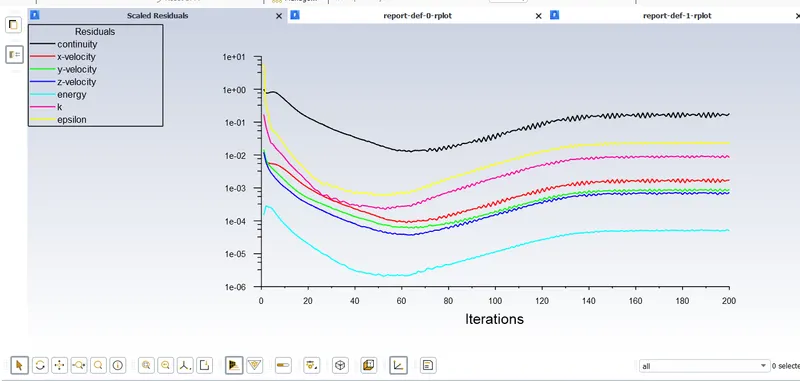
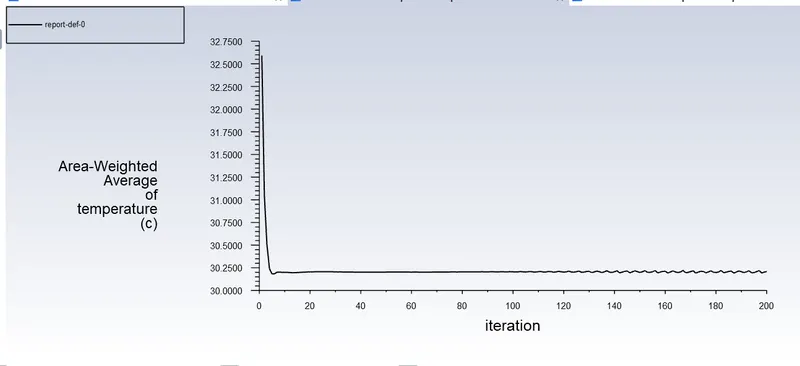
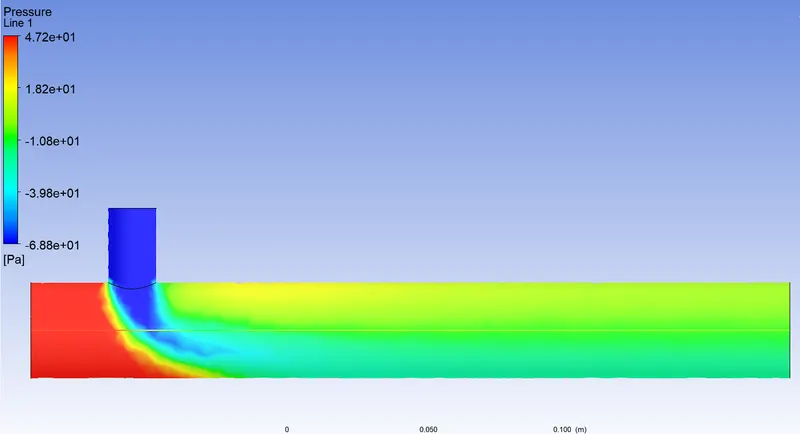
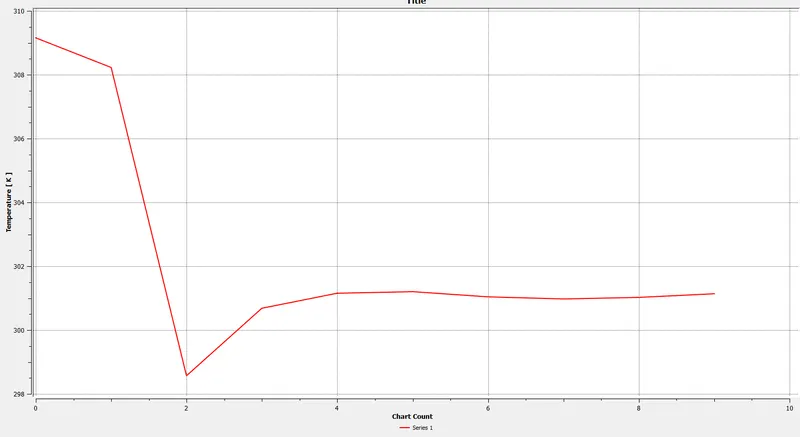
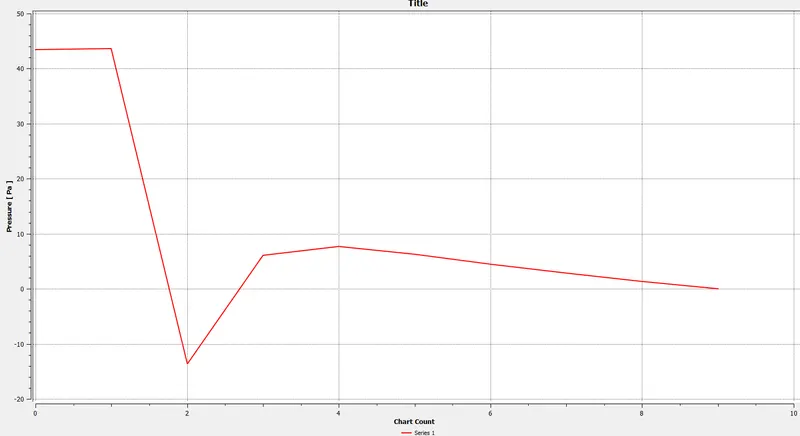
Next in the results tab i setup a plane and line and generated the temperature plot and graphs 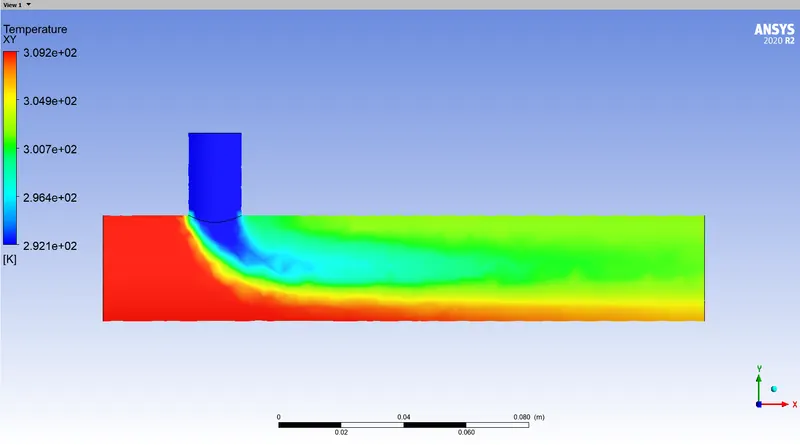
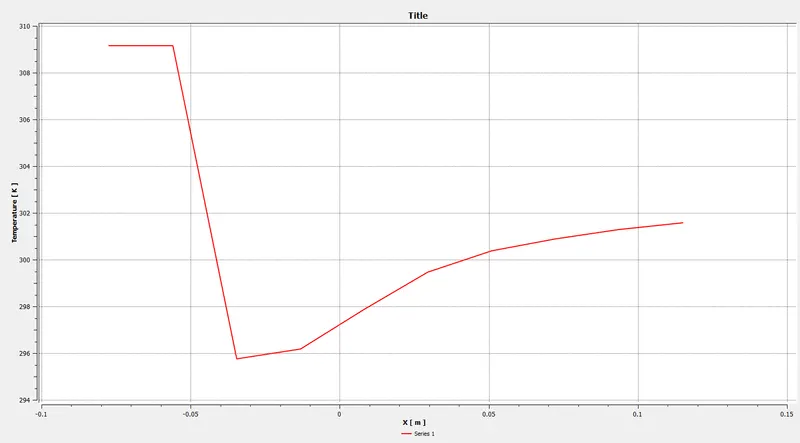
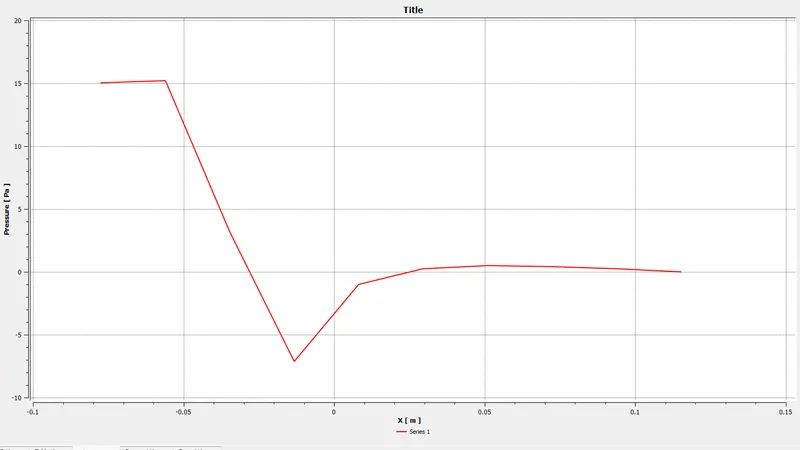
For the next simulation, I changed the cold inlet velocity to 12m/s and used the K-omega (2 eq) solver. The mesh size is default size and I solved for 200 iterations.
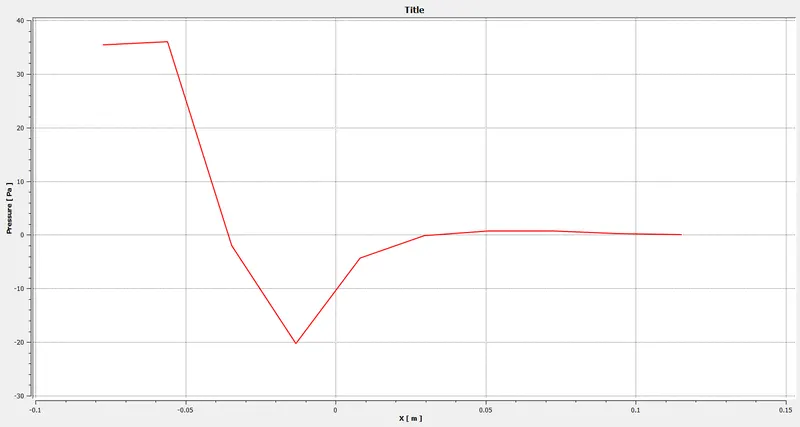
Next I did a mesh independent study. I kept the cold inlet velocity as 6m/s and changed the mesh size to 4e-002. I solved or 200 iterations.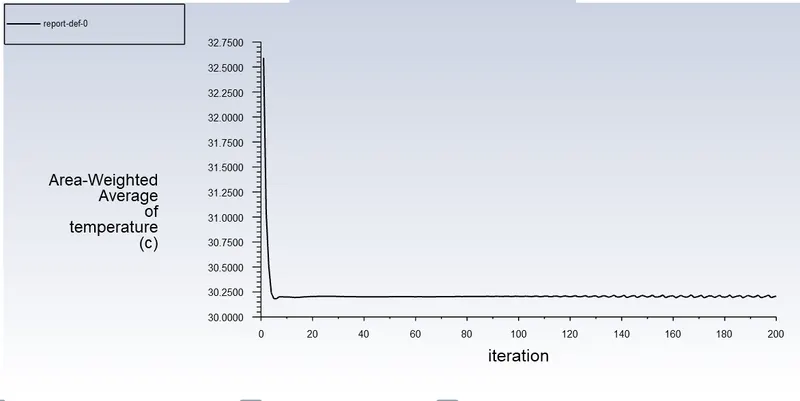
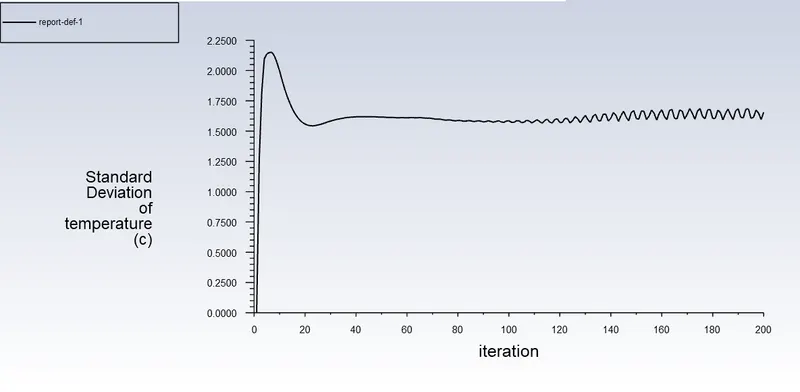
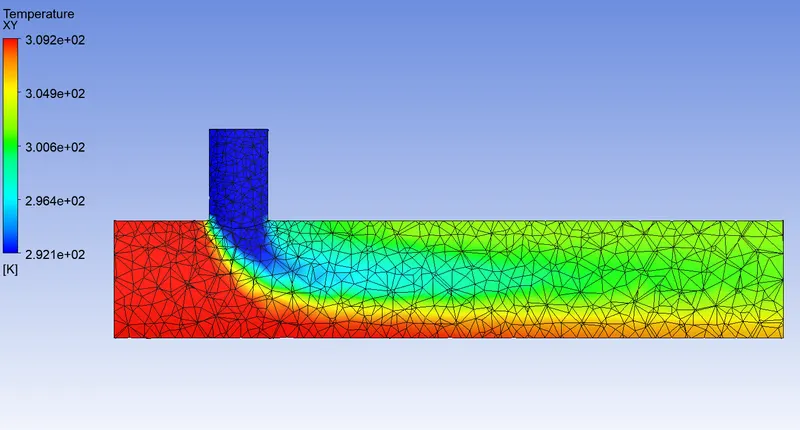
For the next simulation, I changed the mesh size to 2e-003 with same inlet velocities and solved for 200 iterations.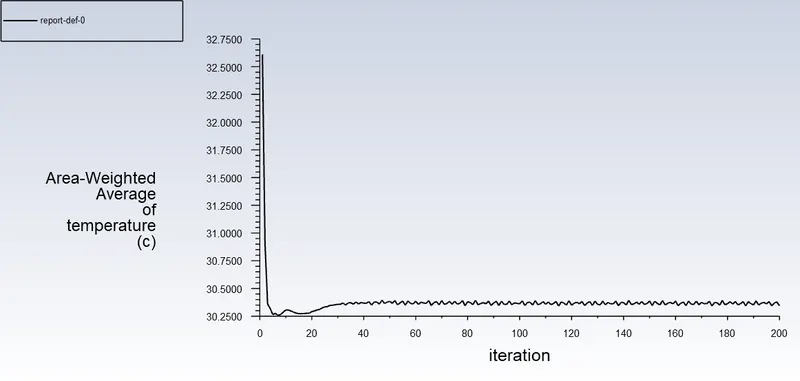
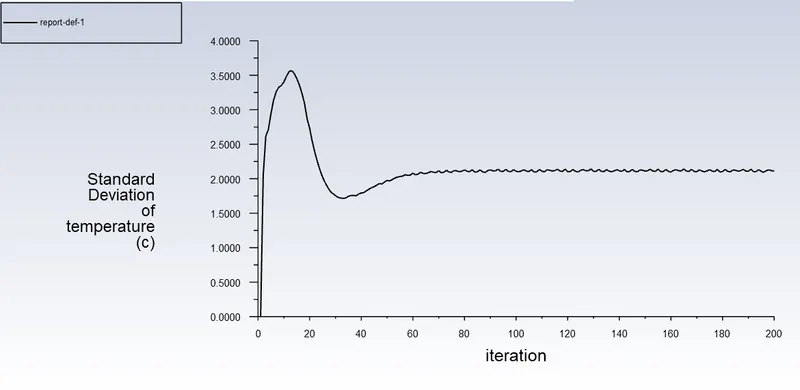
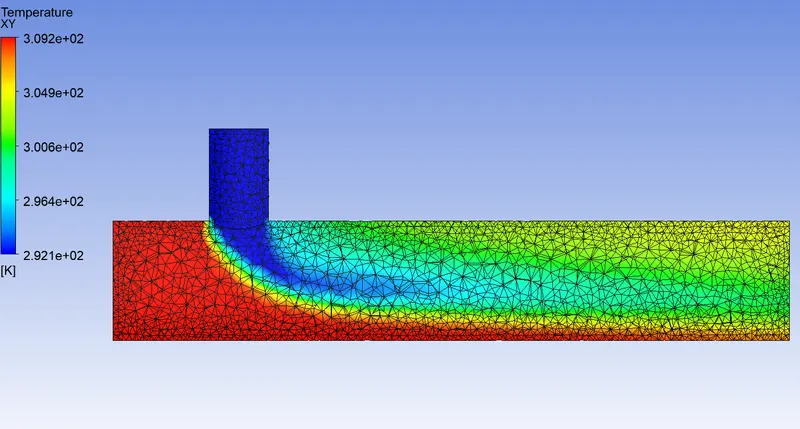
Next or case 2, Long Tee, I kept the cold inlet velocity to 6m/s. The mesh size is deault. I used the Transition k-kl omega solver and solved or 200 iterations.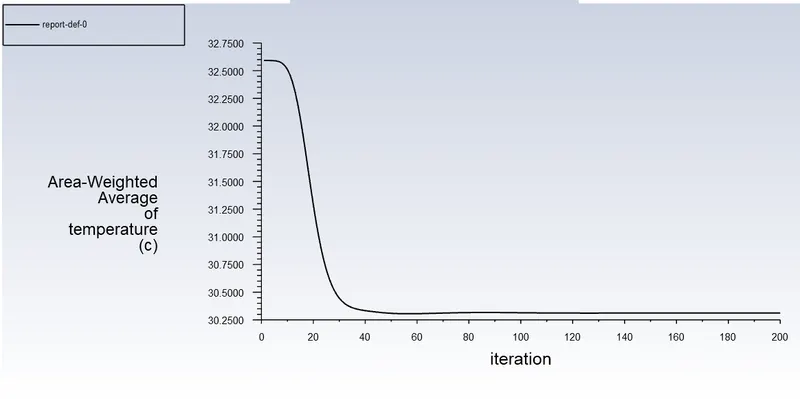
In the next simulation, I changed the cold inlet velocity to 12m/s with default mesh size and solved or 200 iterations.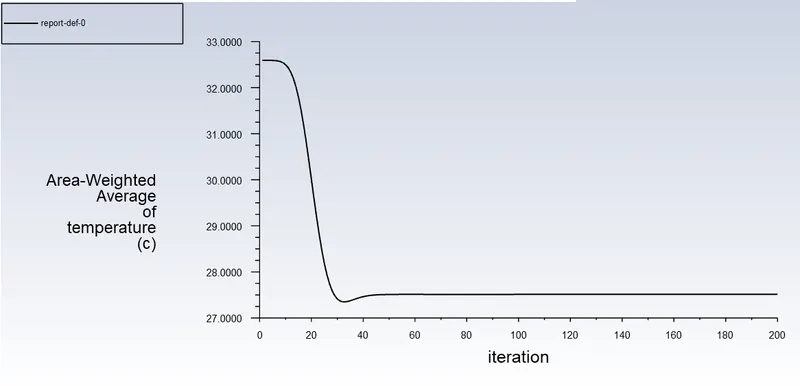
Coclusion-