Week 1- Mixing Tee
Internal flow simulation for Mixing Tee
Aim: To analyze average temperature and standerd diviation in outlet for two given cases
Case 1:
-
- Short mixing tee with a hot inlet velocity of 3m/s.
- Momentum ratio of 2, 4.
- hot inlet temperature is 360C & the Cold inlet is at 190C.
Theory :
In CFD the softwares uses the continuity momentum , mass and energy conservation equations nothing but the Navier stokes equation,
solving partial diffrential equation is possible but solveing non linier partial diffrential equations is very very tough where reynolds numers power to 6 and more will in such case Computional fluid dynamics help to solve equations ,
In present senario we are mesureing average outlet temprature while inlets from 2 diffrent temperature and velocity
here we to sutdy the effect of the change in velocity over temp we change momentum ratio and
to study the effect of length of pipe we use short and long pipes for diffrent cases
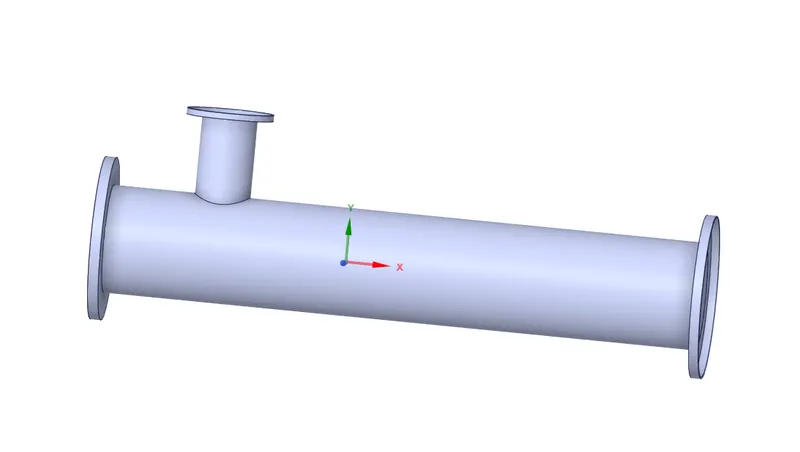
Methodology
Volume is been extracted and above thickened solid is suppresed for phsysics
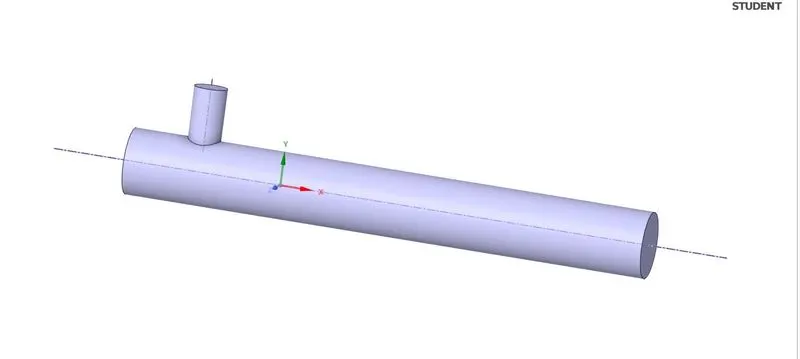
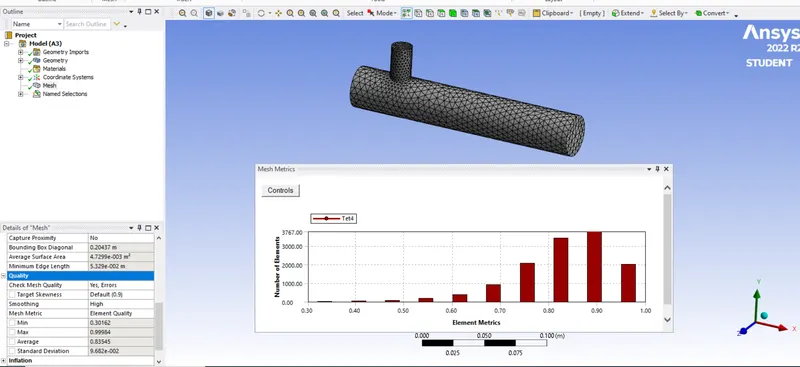
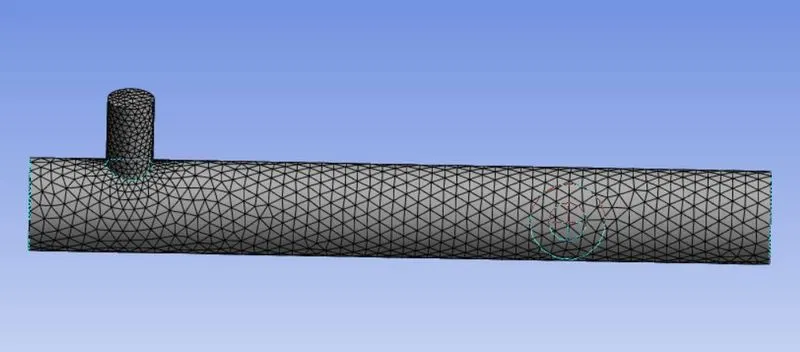
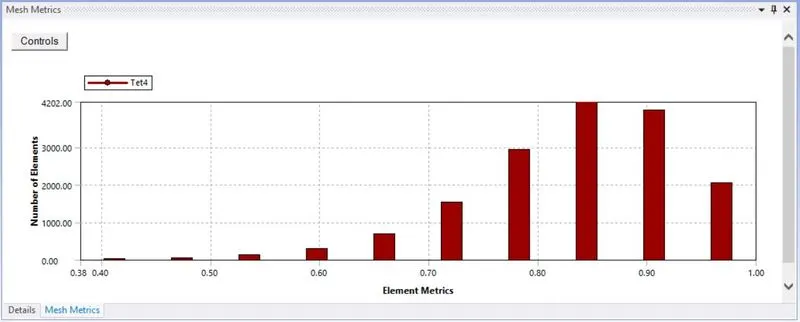
After completing the Geometry setup we use Mesing module to mesh the model and create named selection and
give them like Inlet X ( hot air ) inlet and inlet Y(cold air)and and outlet Pressure is gauss pressure 0
other surfaces are given as walls
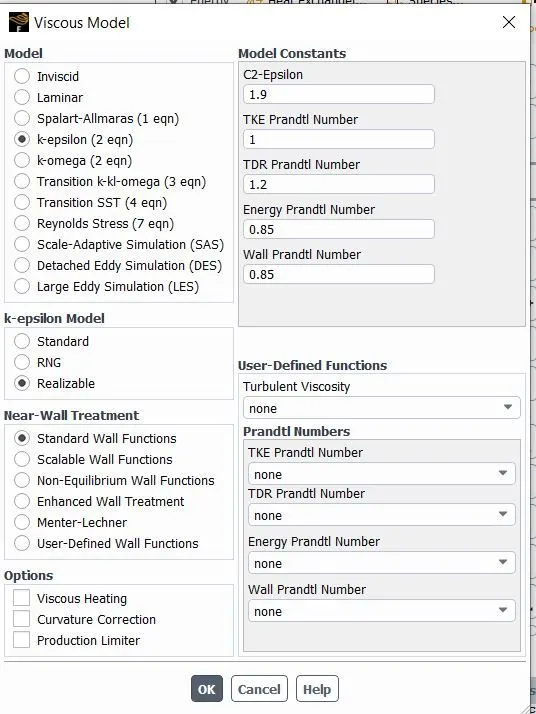
After finishing the mesh we move towards the Setup and solving by opening ansys fluent
Here we Run steady state and hybrid solvers and as thiere exis the temperature we use energy equation and
Physical model as my judgement i use the K epsilon
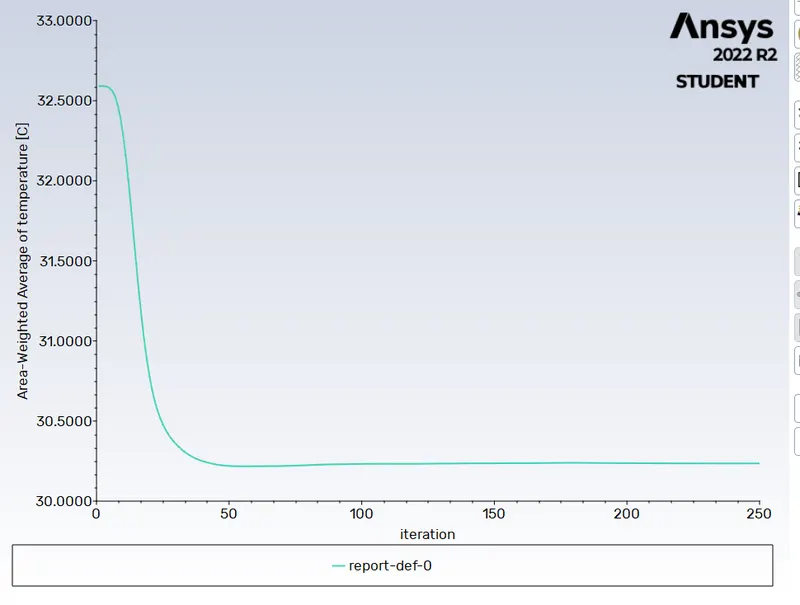
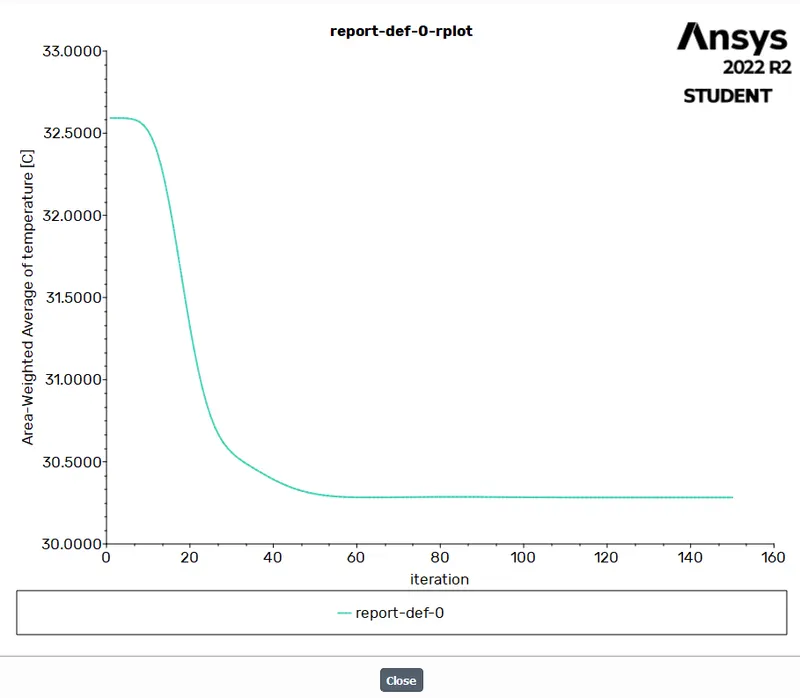
And we creat report to know outlet tempertature thats Surface based area wieghted avarage temperture at outlet
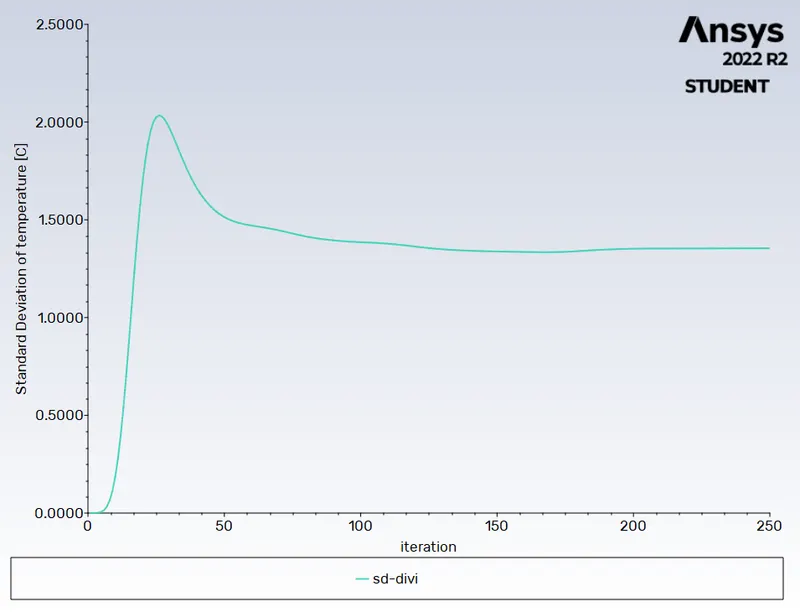
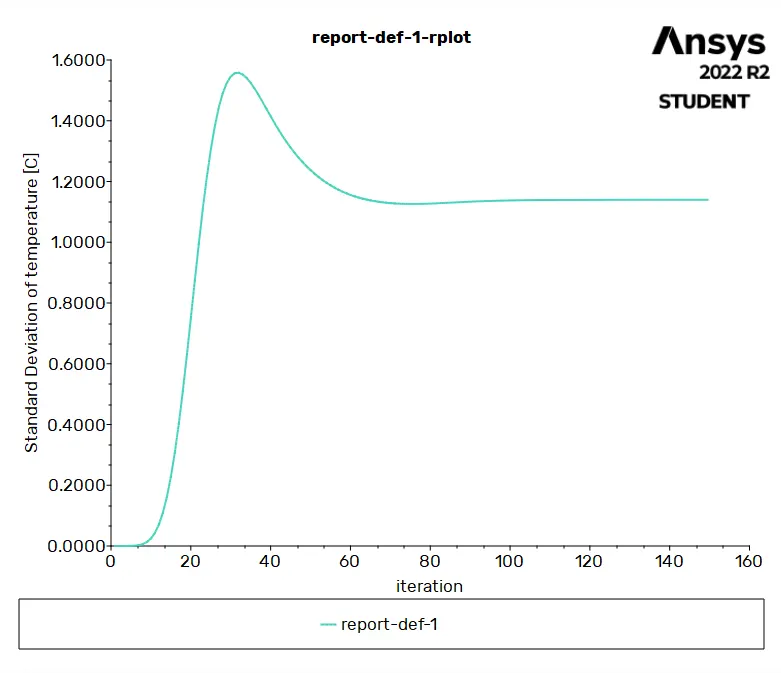
to know effectiviness of mixing we use the Stnadard diviation for temperature at outlet
Results
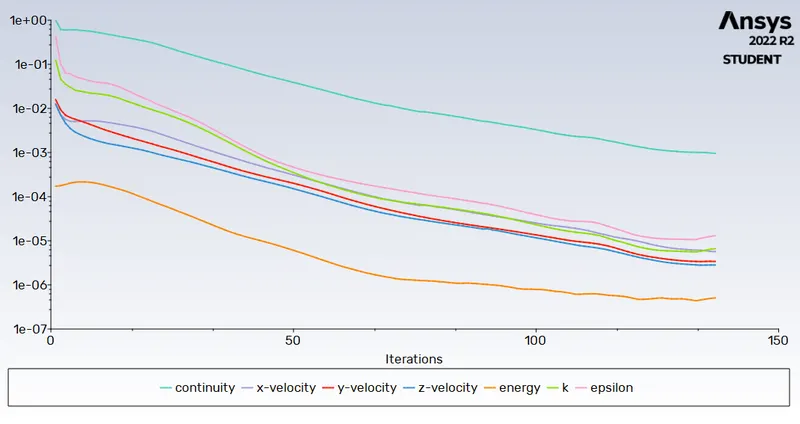
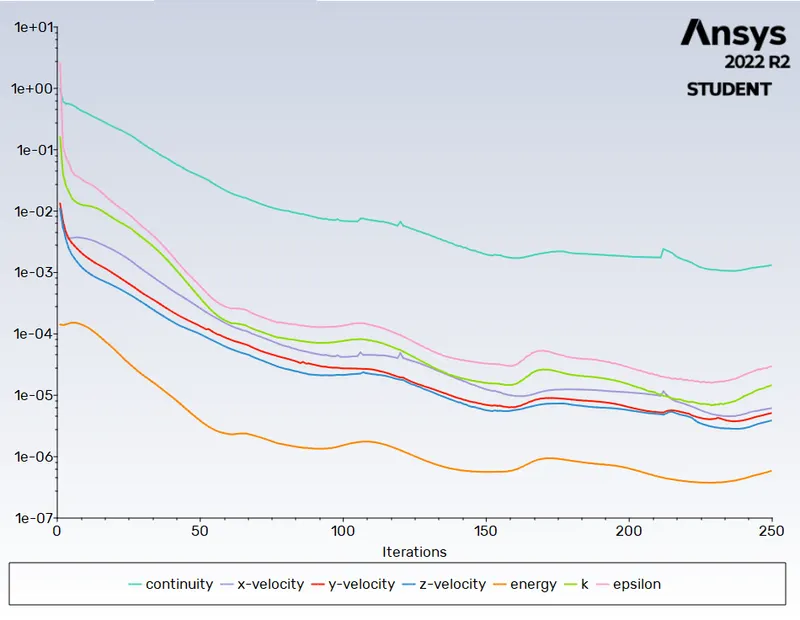
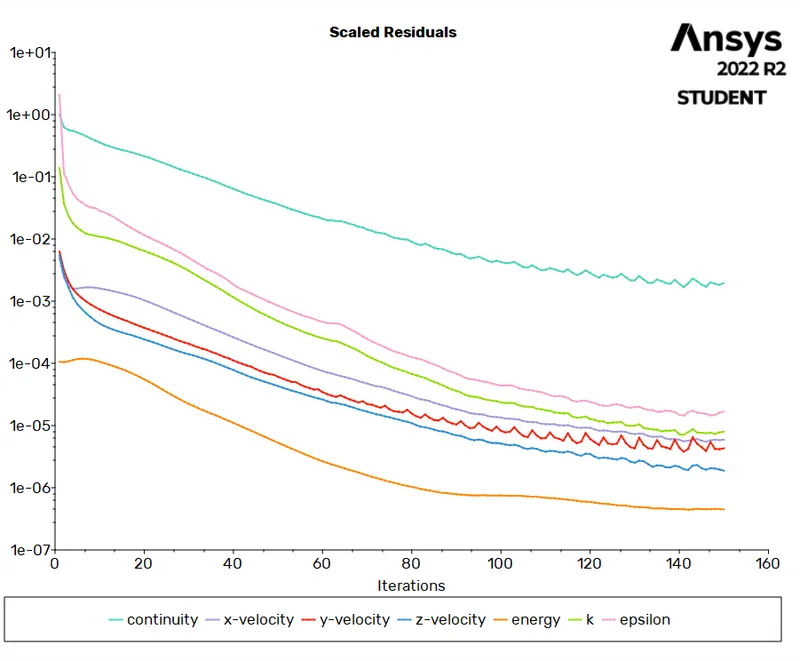
above resuiduels for 12m/s
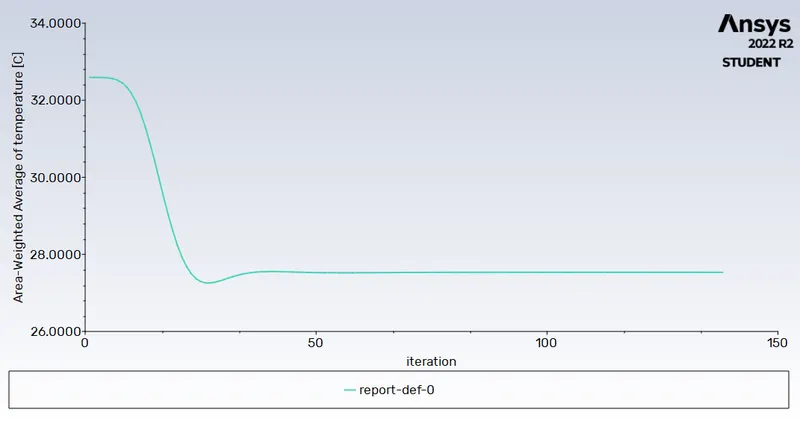
for 12m/s
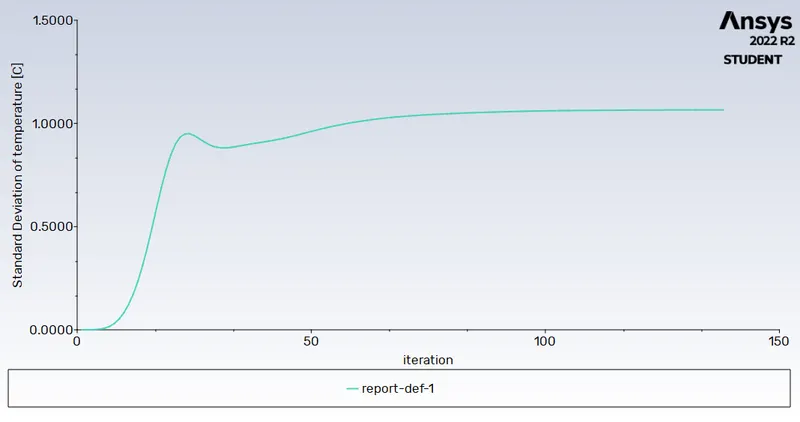
for 12m/s
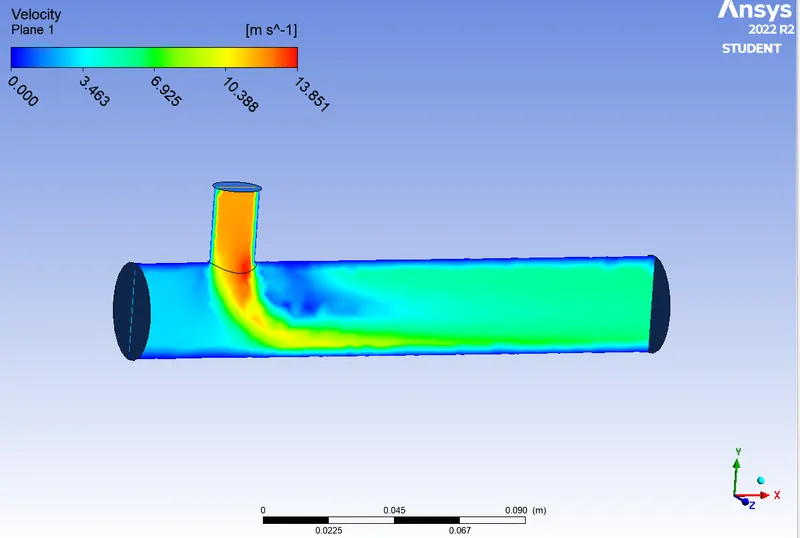
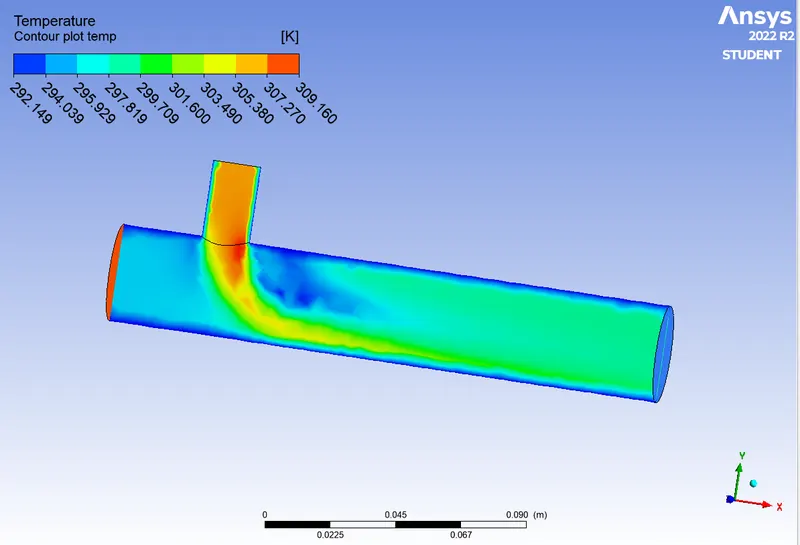
Countor plots
| Length of Mixing Tee | Shrot |
| Cell counts | 12730 |
|
Average outlet temperature for Momentum ratio 2(6m/s) |
300C 80iterations |
|
Average outlet temperature for Momentum ratio 4(12m/s) |
270C 137Iiterations |
| No of iterations to converge |
Movementum ratio 2(6m/s)
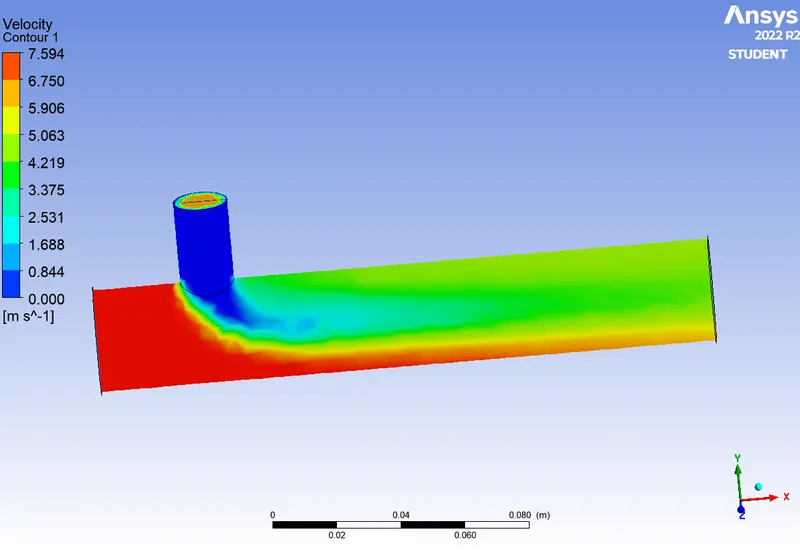
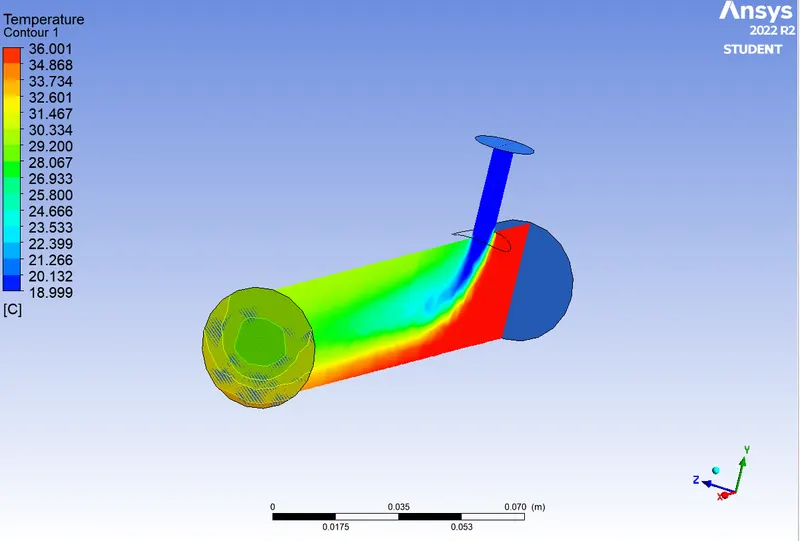
Conclusion
From the above data we got know that As change in Velocity at inlet (cold inlet ) as increses the tempertature decreses
Momentum ratio incresed from 2 to 4 thats 6m/s to 12m/s velocity temperature decresed from 36degree to 30degrees for 6m/s 27degrees for 12m/s.
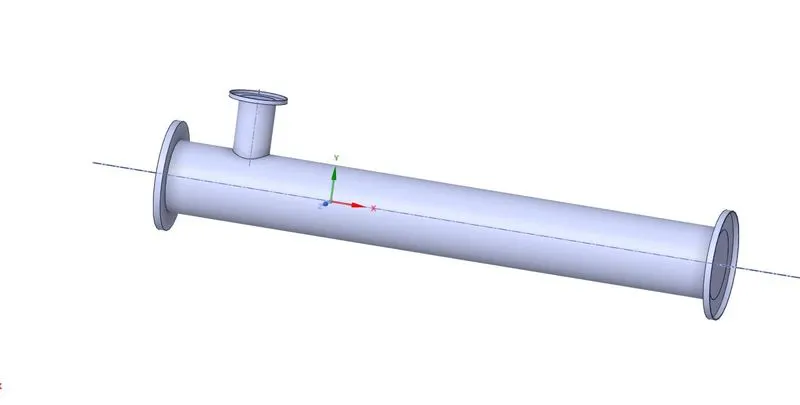
CASE 2: Long mixing tee
Here in this case we study the effectivness of the lenght of the pipe for the average outlet temperature
As above case 1 here we used same procedure to set geometry and solve
Tabel for comparision
| Length of Mixing Tee | Shrot | Long |
| Cell counts | 12730 | 15663 |
|
Average outlet temperature for Momentum ratio 2(6m/s) |
300C 80iterations |
29.530C 70iterations |
|
Average outlet temperature for Momentum ratio 4(12m/s) |
270C 137Iiterations |
270C 80iterations |
| No of iterations to converge |
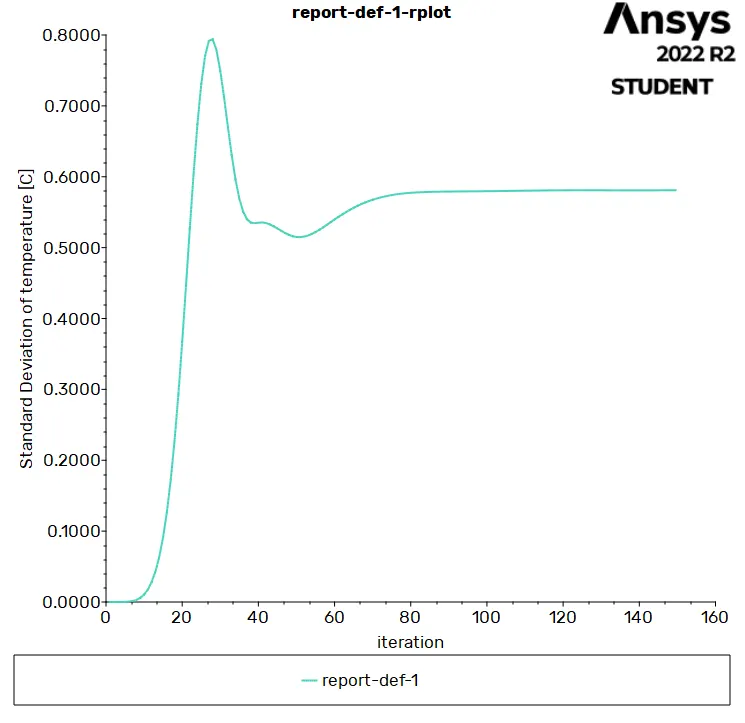
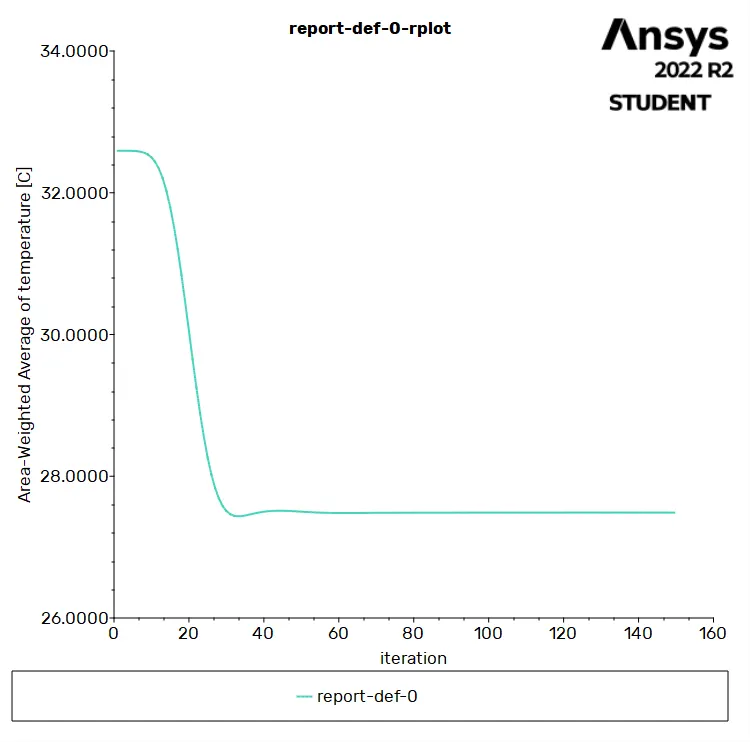
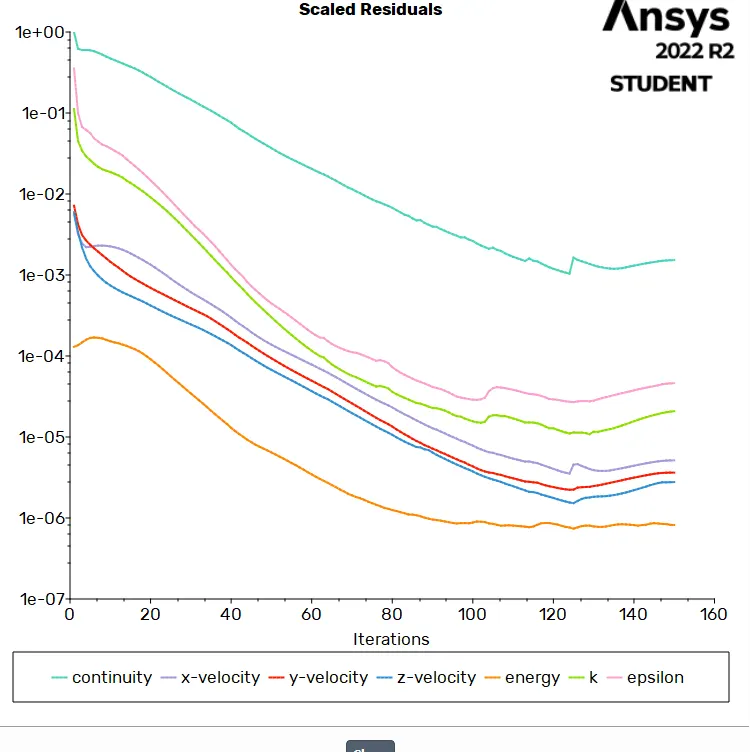
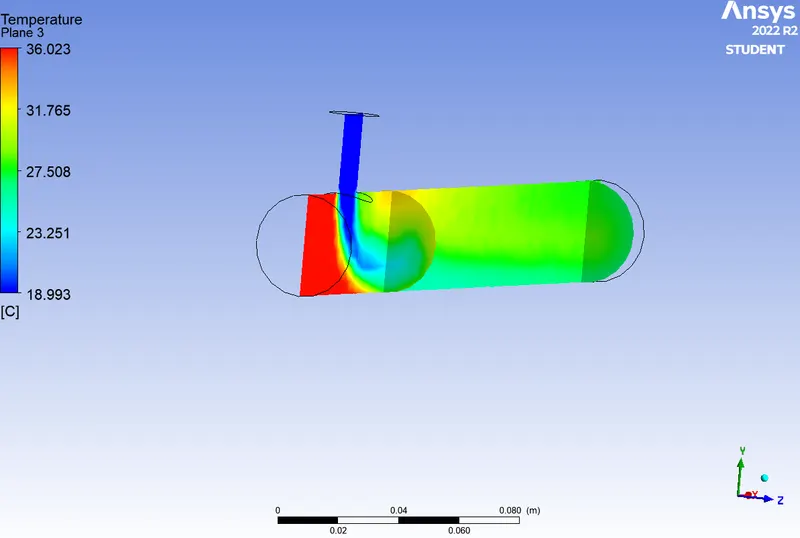
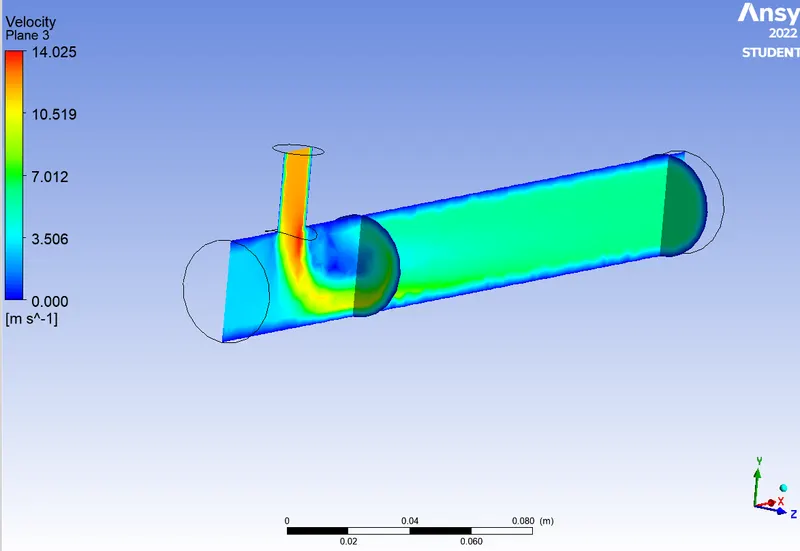
Line plots along the pipe for long mixing tee
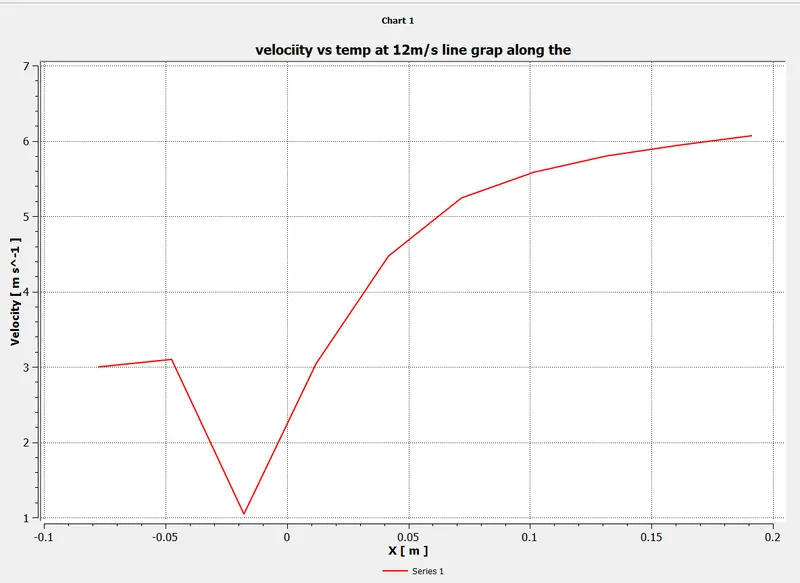
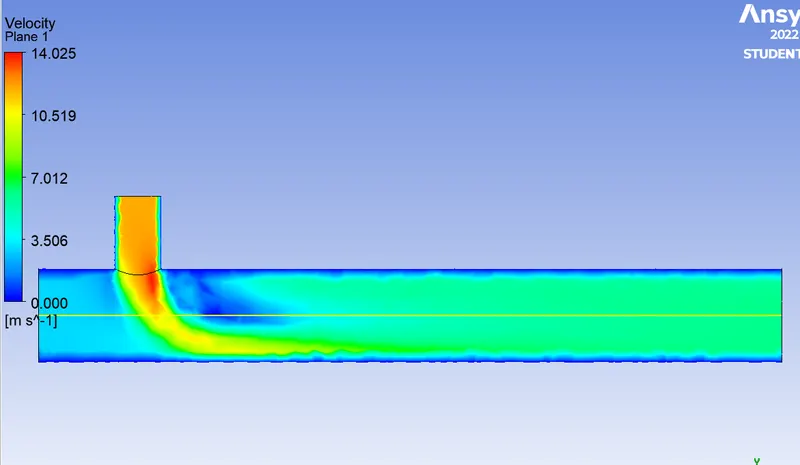
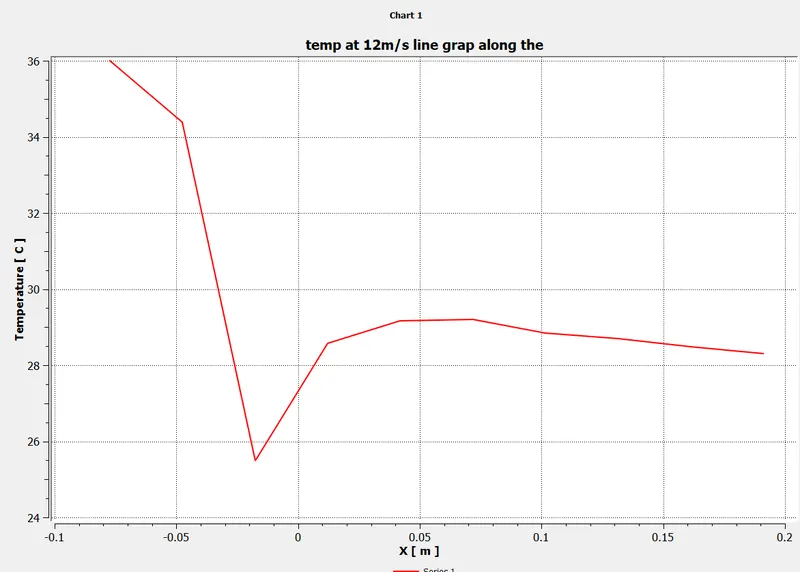
For case 2 Velocity at inlet is decresed to 12m/s to 6m/s
below are the results counoutor plots and line plots
Contour plots
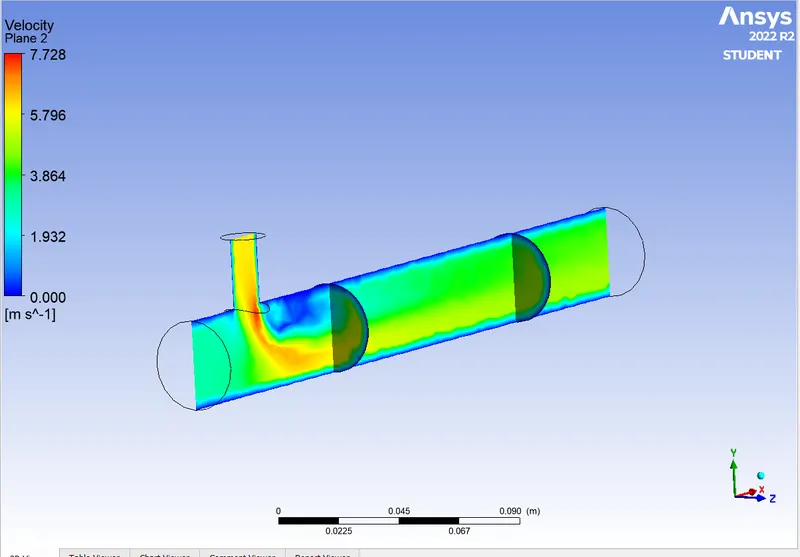
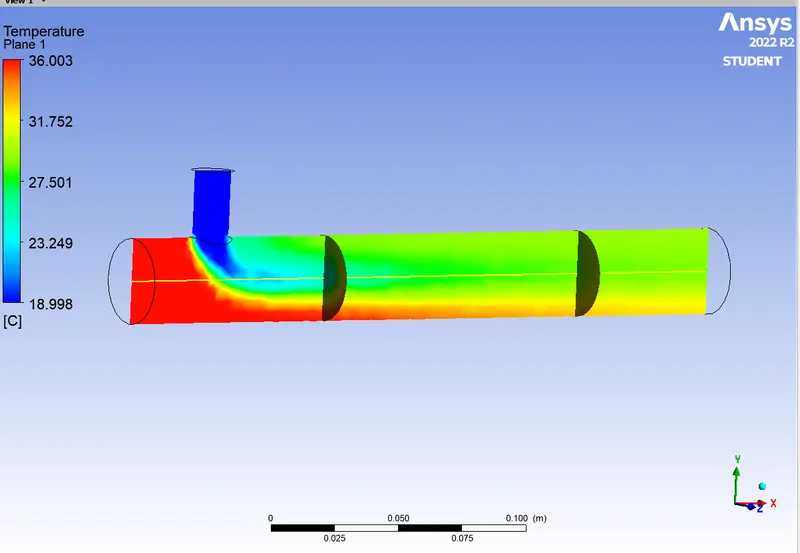
Lines plots for Velocity and temperature
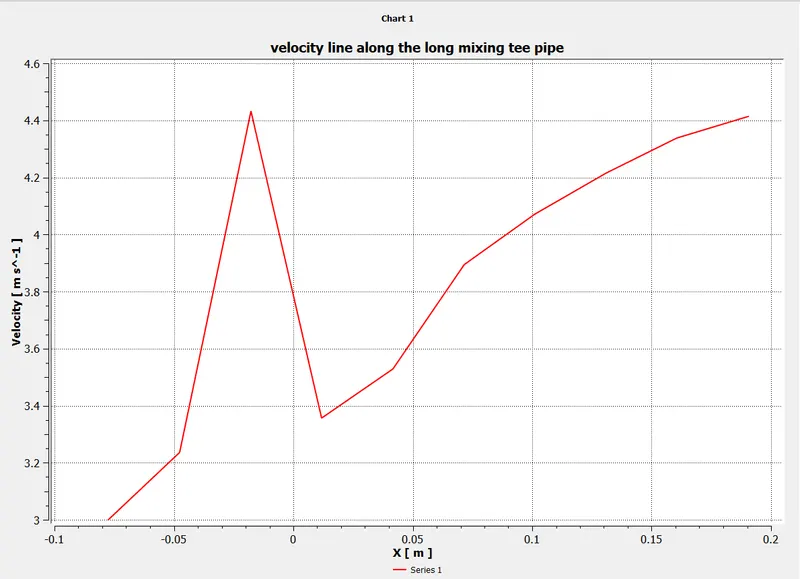
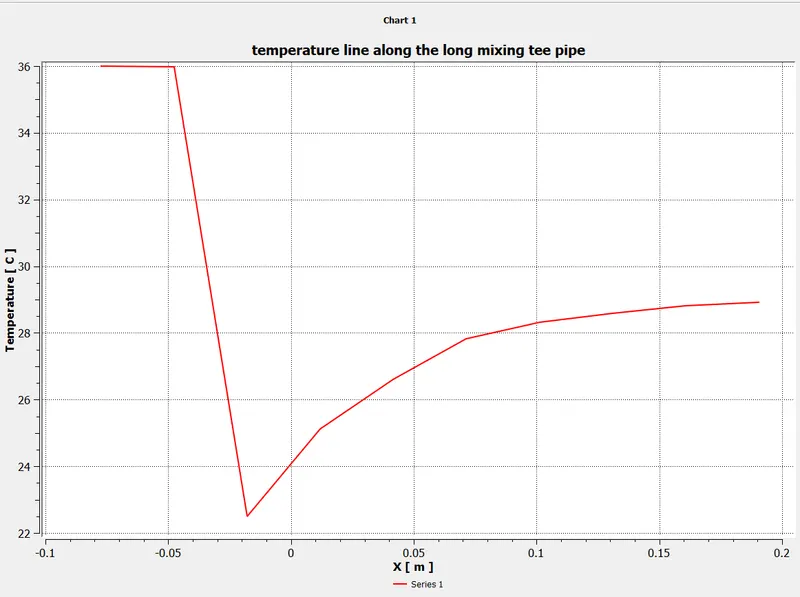
Conclusion
From the above data we can conclude that Momentum ratio is inversly proportional to temperature at out let
and as Length of the pipe increses not much changes occered in temperature at outlet from case 1 short length to long length
Lets make on Mesh indipendent study one case 12m/s long mixing tee
Basicaly mesh indipendent study means makeing the results very very less dependent on mesh that is like makeing the mesh more refined step by step and at some point results become contant then results are mesh indipendent
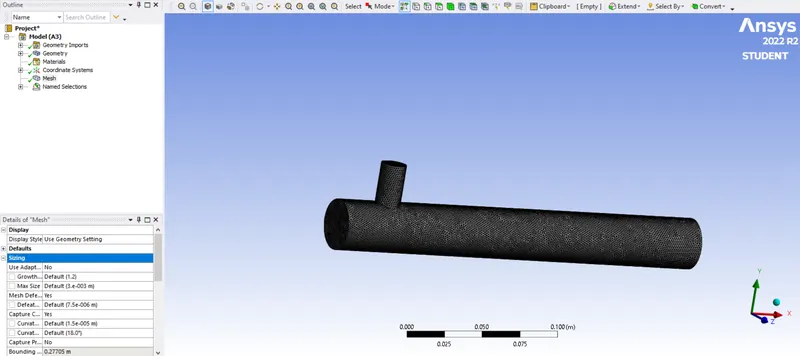
after makeing mesh more refinied
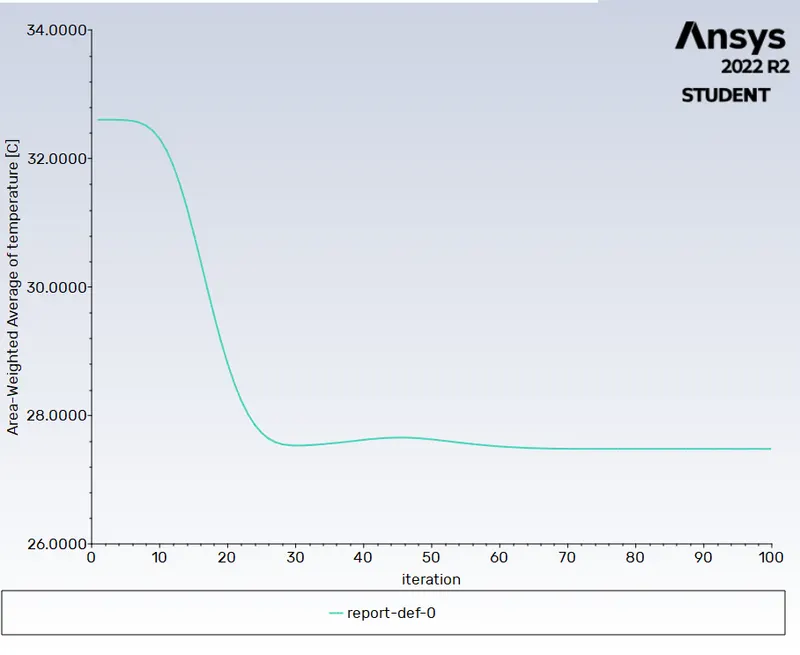
27.43degreee outlet temperature is which is not much change and for this case result are indipendent of the mesh .