Week 1- Mixing Tee
TITLE
Mixing Tee Simulations
OBJECTIVES
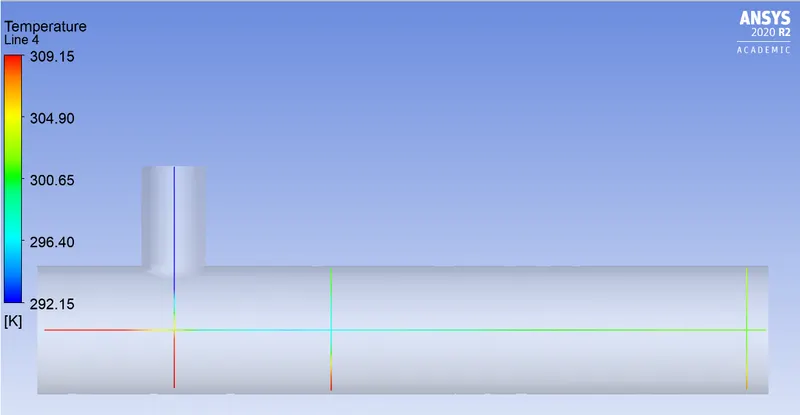
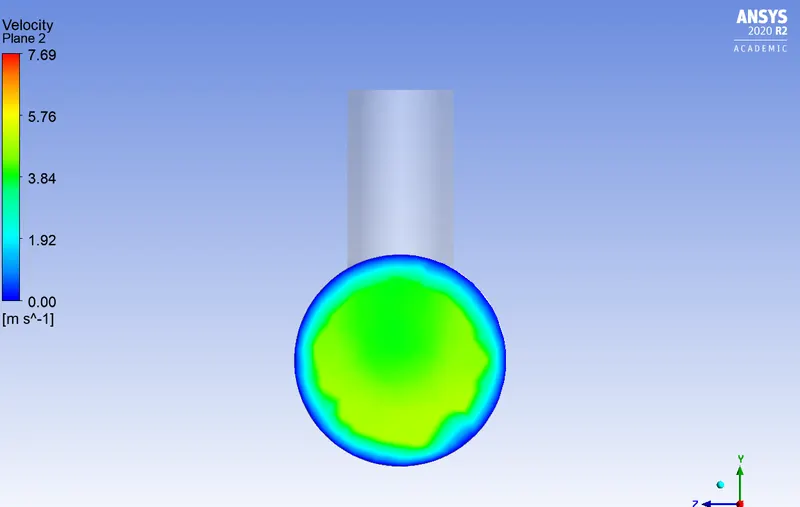
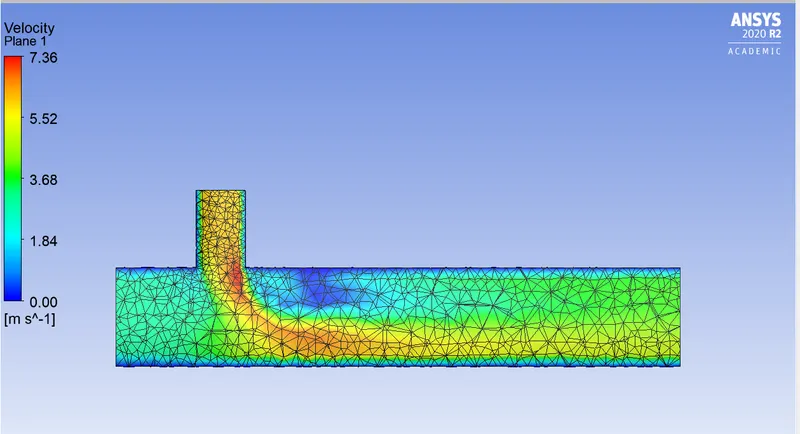
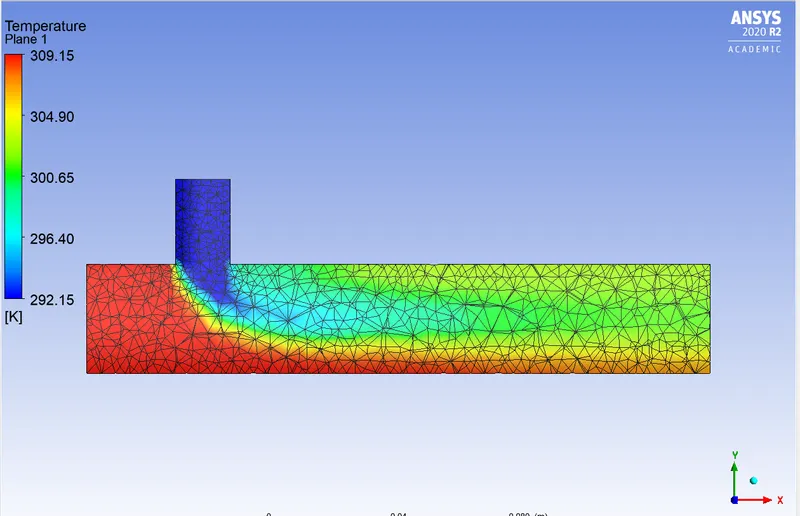
- Velocity and temperature contour plots on the cut planes along and across the pipe.
- Velocity and temperature line plots along and across the length of the pipe.
- Perform Mesh independent study for any one case.
- Discuss the effect of length and momentum ratio on results.
THEORY
Mixing tee is a type of mixing mechanism. Mixing Tees utilizes a specifically engineered internal geometry to efficiently mix two fluid streams into one combined stream. Mixing tees are widely used in the petrochemical, HVAC industry etc.
Here what we're trying to show is how the lenght of the tee and the velocity of hot and cold air may or may not affect the final outcome of the desired temp of air required.
So, in theory here we are trying to pass cold air through the inlet in the y-direction, then pass the hot/moderate air throgh another inlet through the x_direction. see how well they mix checking the mixing efficiency and this is determined by getting some values which will be mentioned below.
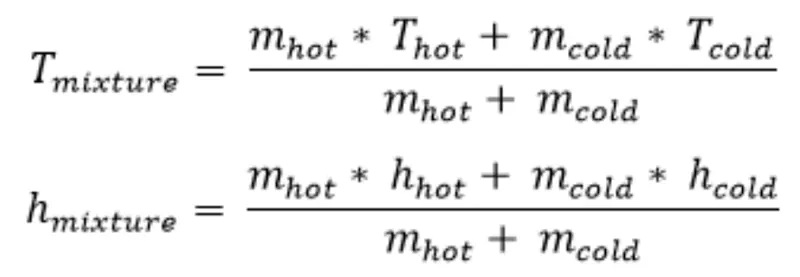
So, the parameters we are measuring is standard deviation of the temperature at the outlet, the area weighted average of temperature and velocity at the outlet. With these values we can find out the mixing efficiency.

example of how a mixing tee looks like, the image is different from that of the geometry that we have but have the same process of working.
I have divided the solutions into 5 parts, namely
cases 1.1A, 1.1B, 1.2, 2.1 and 2.2.
PS : All data is tabulated after the images.
CASE 1.1A
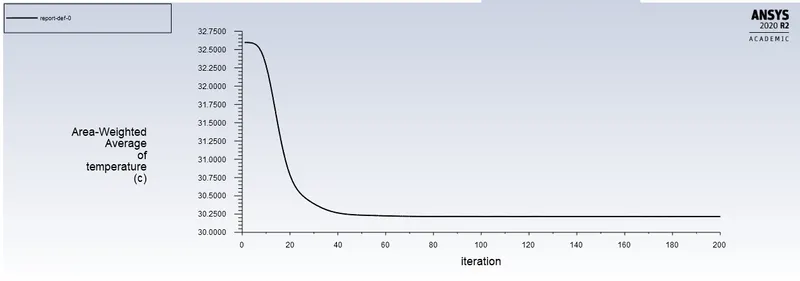
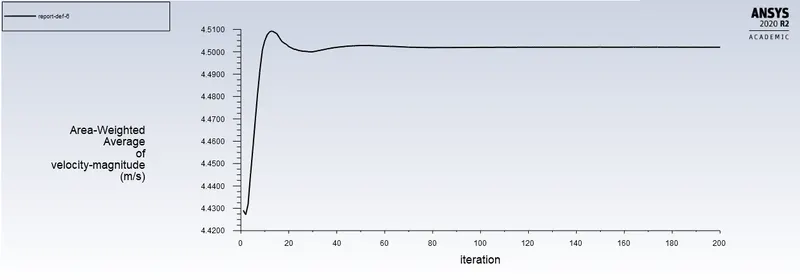
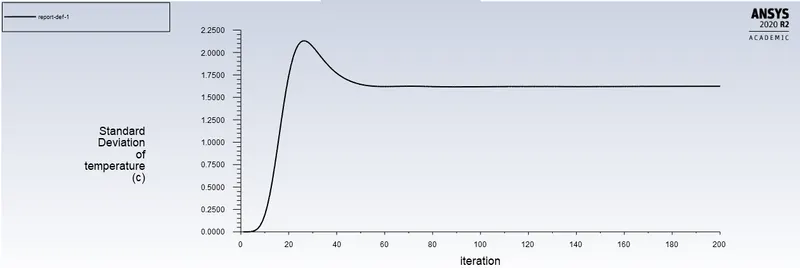
CASE 1.1B
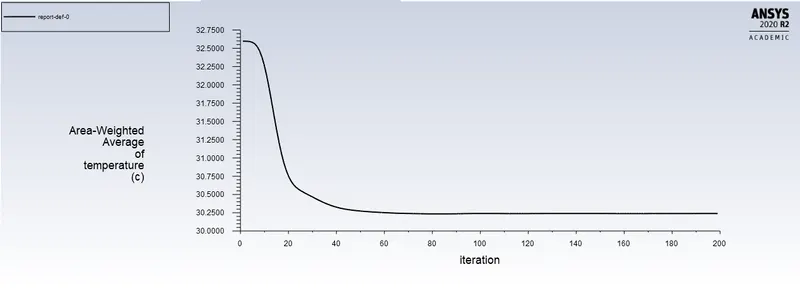
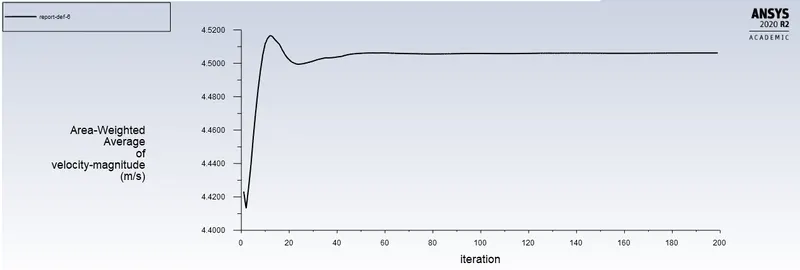
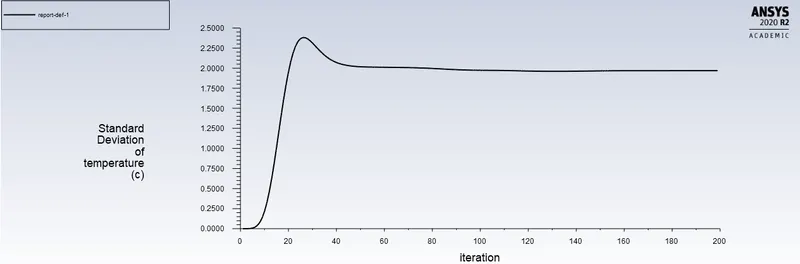
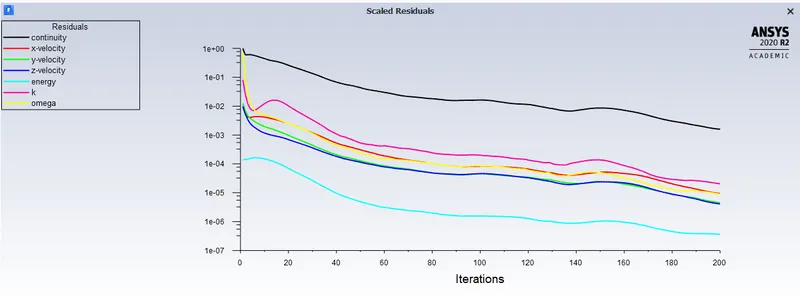
CASE 1.2
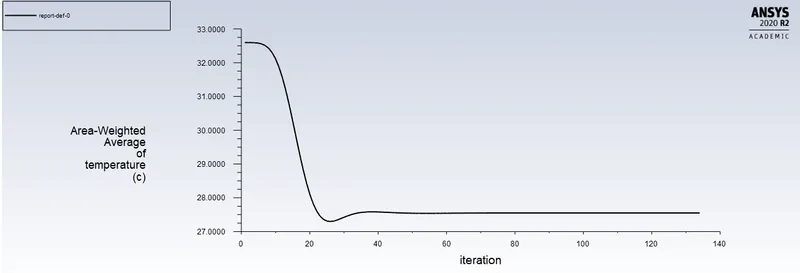
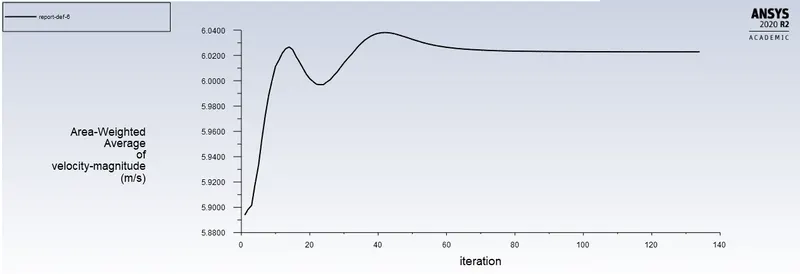
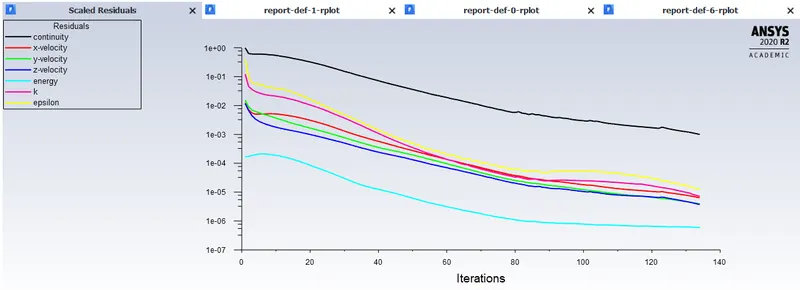
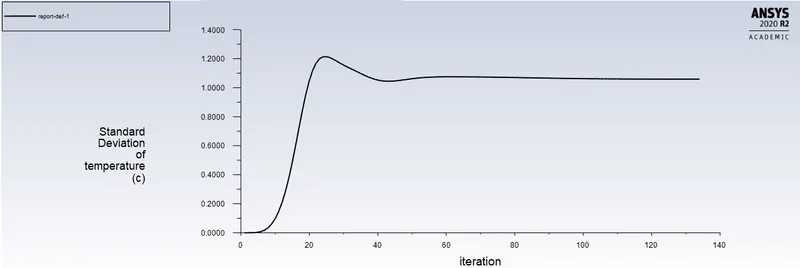
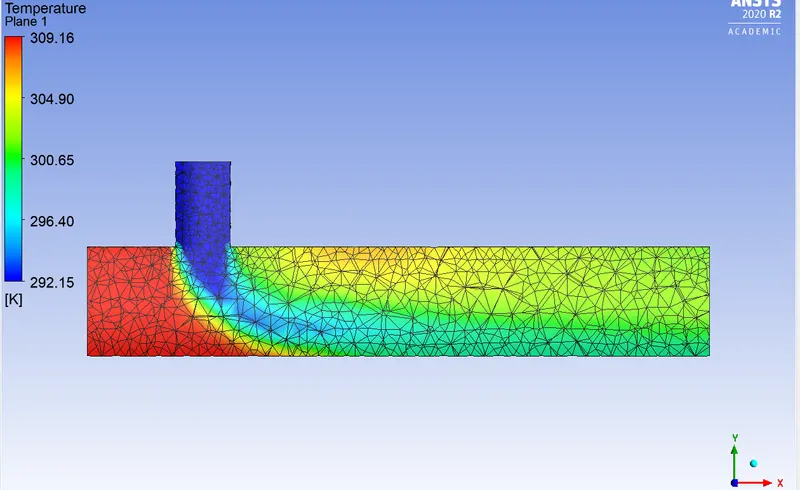
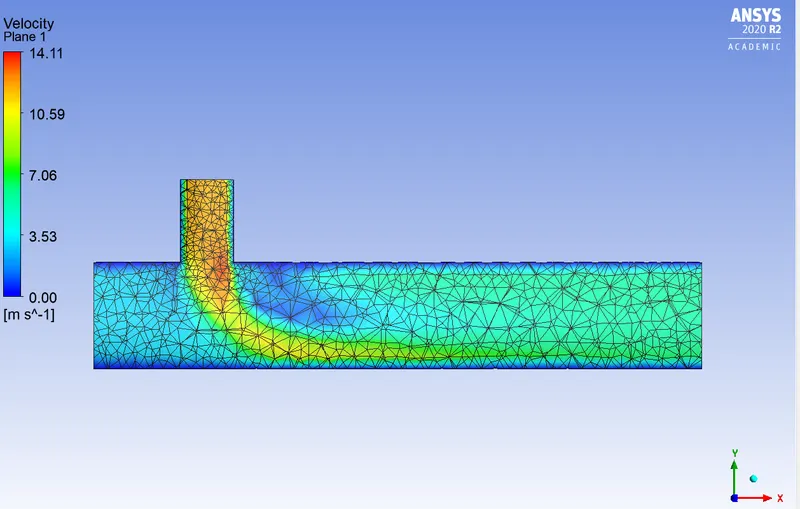
CASE 2.1
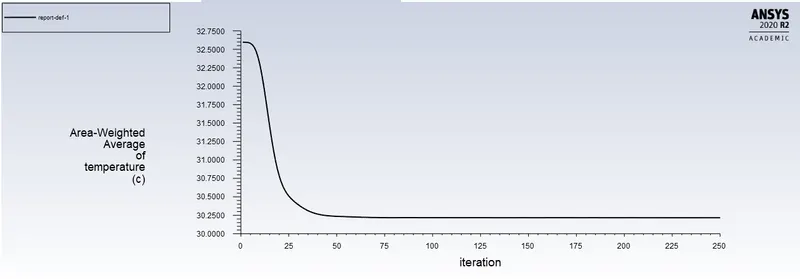
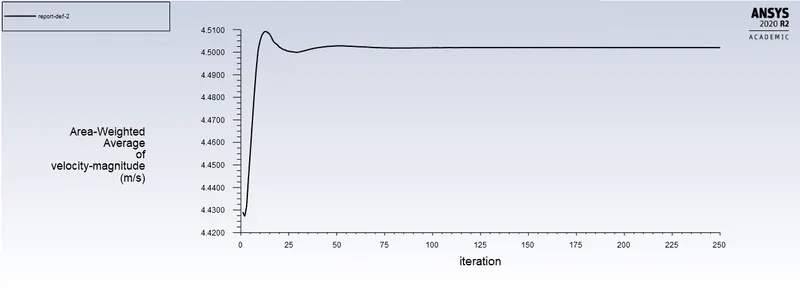
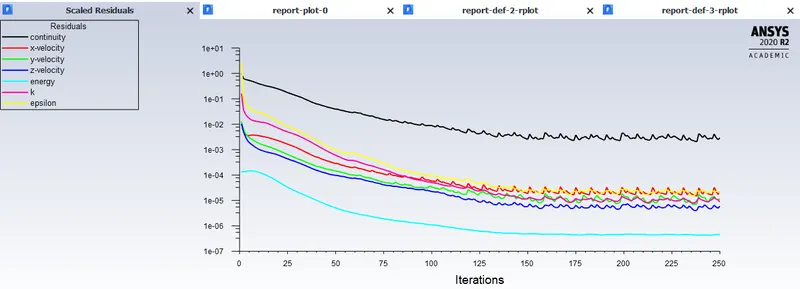
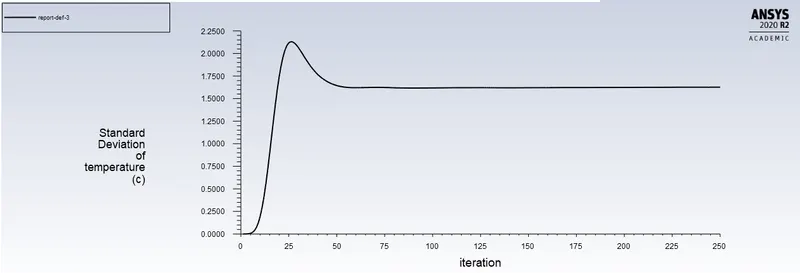
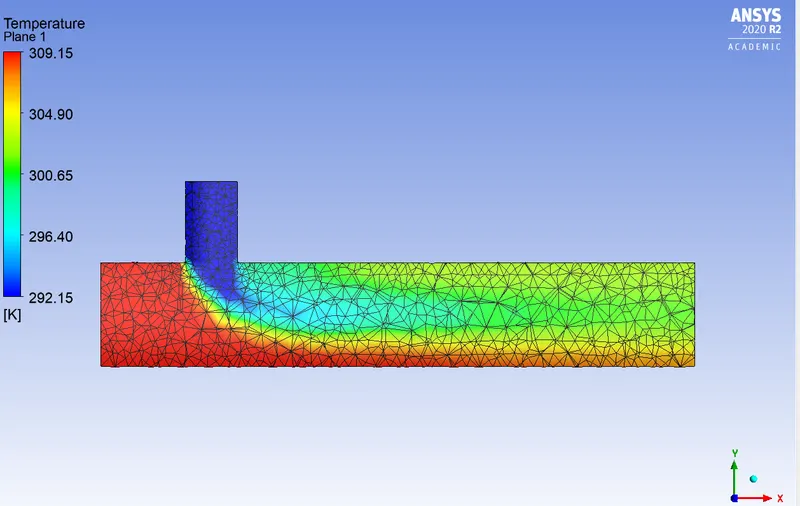
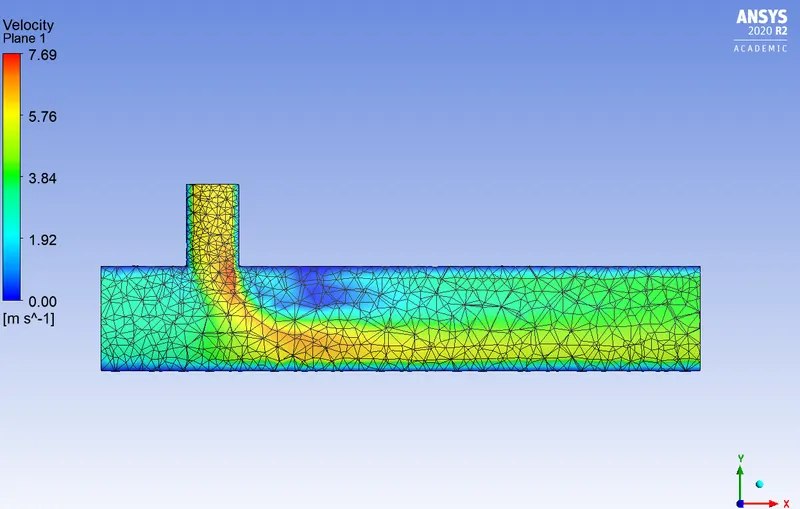
CASE 2.2
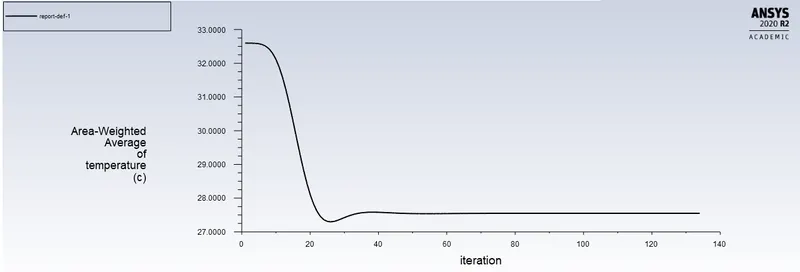
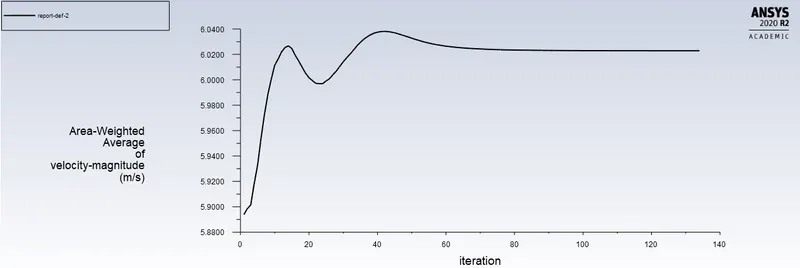
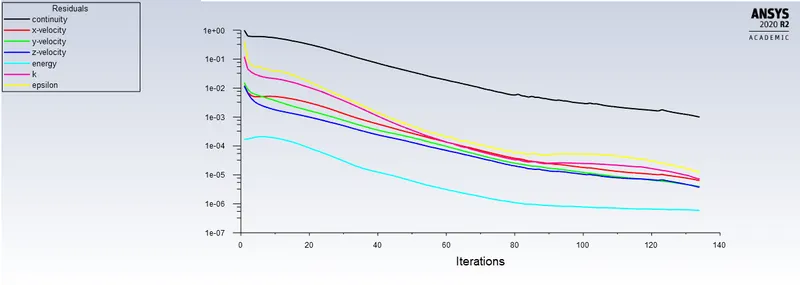
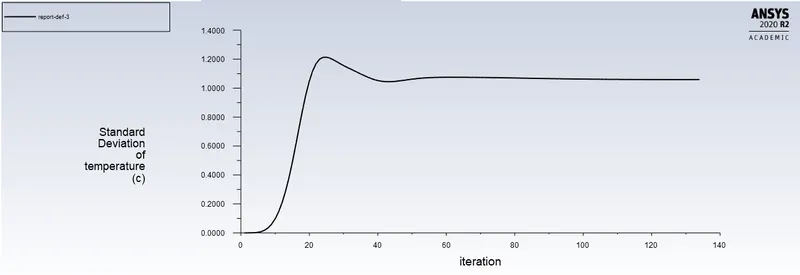
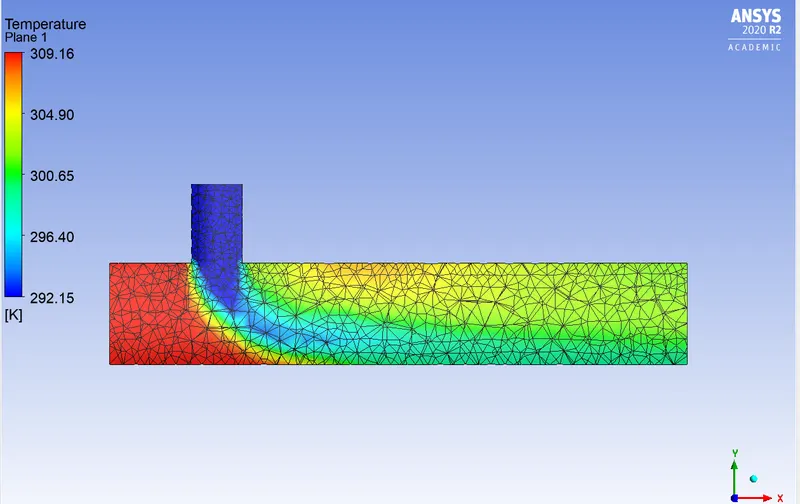
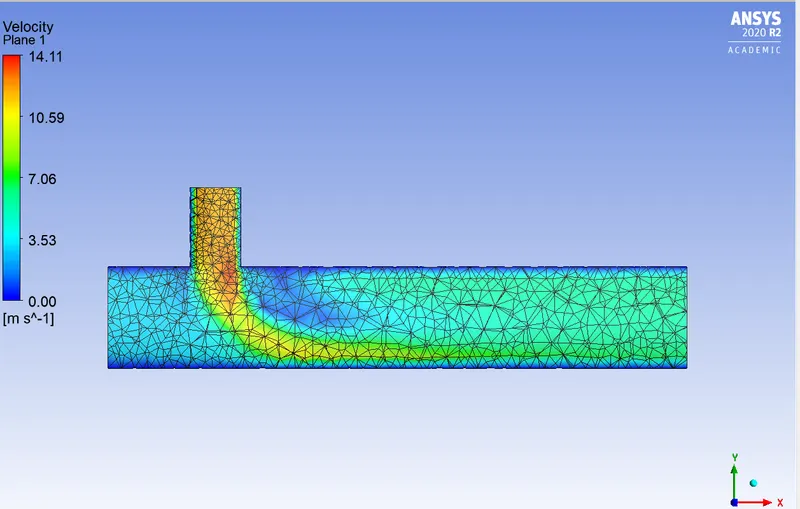
Below you can find the comparison between the cases
Cases
1.1A: Short tee
momentum ratio = 2
cold air velocity = 6m/s
hot air velocity = 3m/s
K-`epsilon` solver
1.1B: Short tee
momentum ratio = 2
cold air velocity = 6m/s
hot air velocity = 3m/s
K-`omega` solver
1.2: Short tee
momentum ratio = 4
cold air velocity = 12m/s
hot air velocity = 3m/s
2.1: Long tee
momentum ratio = 2
cold air velocity = 6m/s
hot air velocity = 3m/s
2.2: Long tee
momentum ratio = 4
cold air velocity = 12m/s
hot air velocity = 3m/s
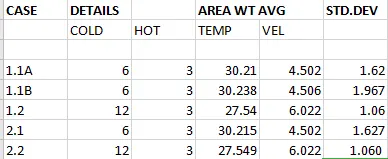
MESH INDEPENDANCE TEST ON SHORT TEE WITH MOMENTUM RATIO 2.

From the observations above we can say that the mesh size and no of elements do not affect the properties we considered in this challenge.
Talking about length of the Tee and how it affects the temperature and velocity, The length doesnt have much of an affect on the outcome in our case. The difference can be seen when there is a change in the velocity and/or momentum ratio which in turn affects the velocity of the fluid mediums here.
As you can see in the above table, cases : 1.2 and 2.2 bear almost exact values of temperature and velocity.