Week 1- Mixing Tee
Aim:
To simulate the air flow in an mixing tee for the following cases and compare the results
- Case 1
- Short mixing tee with a hot inlet velocity of 3m/s.
- Momentum ratio of 2, 4.
- Case 2
- Long mixing tee with a hot inlet velocity of 3m/s.
- Momentum ratio of 2, 4.
Intoduction and Theory:
Mixing Tee
A mixing tee is a geometry that is used to mix two fluid flows to obtain a desired condition
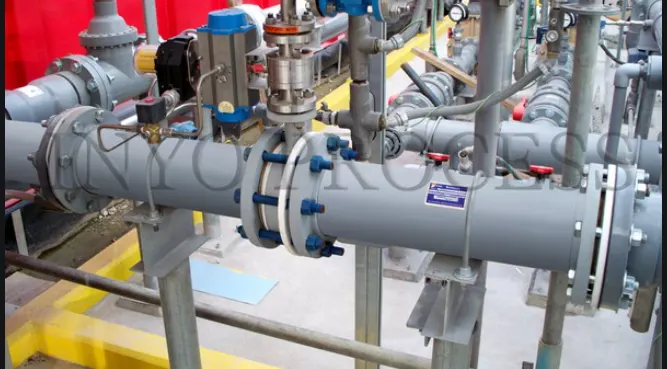
They are used in many kind of applications like HVAC systems, Petrochemical industries etc.In this simulation it is used mix a cold fluid with a hot fluid to produce air with an desired temperature.So here the cold fluid enters from one inlet and hot fluid enters from another inlet to give an optimum temperature.The length of these mixing tee can also affect its efficiency so mixing tee with both short and long length is analysed.
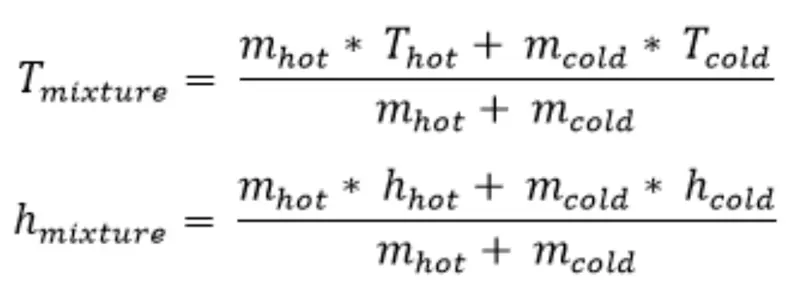
The final temperature and enthalpy of the fluid in the mixing tee can be found using
Turbelence models
So turbelence models are used to capture the effects of turbulence in fluid flows.
There main types of turbelence models are
- RANS
- LES
- DNS
In this simulation the following models from RANS is used
- K-epsilon
- K-omega sst
From results from both the model which better suits this application is found.
Pre-processing:
Geometry
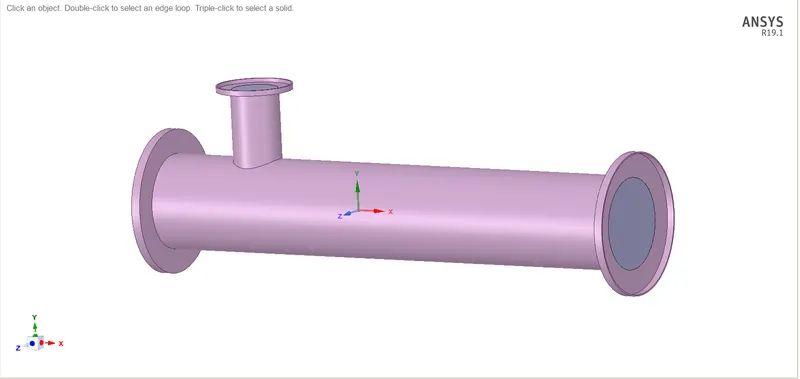
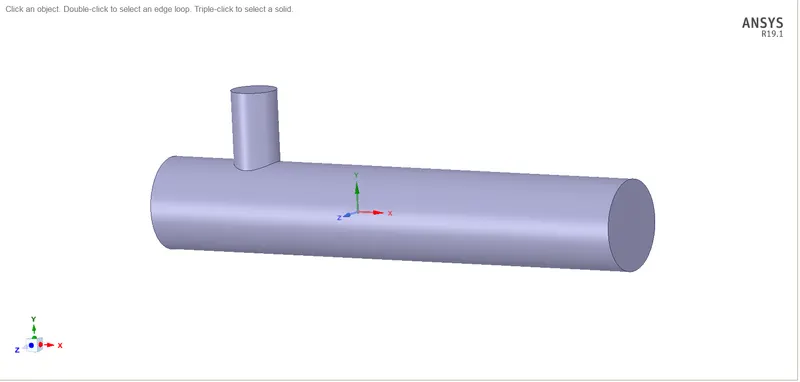
The given model is imported to spaceclaim using ansys workbench where we use the volume extract feature to select the required volume for simulation and neglecting other areas
Before:
After:
Meshing
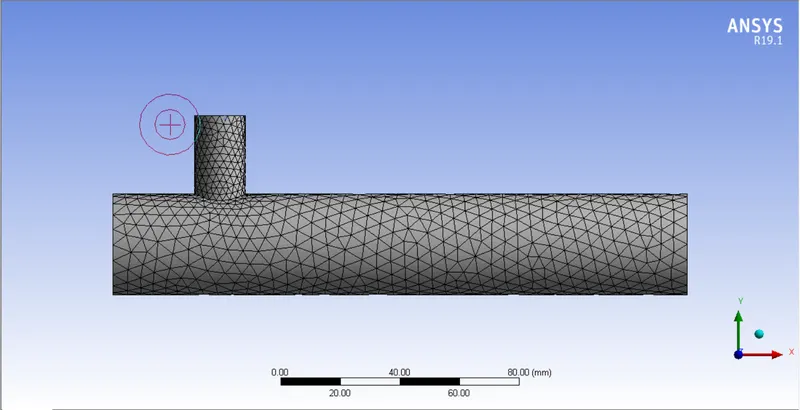
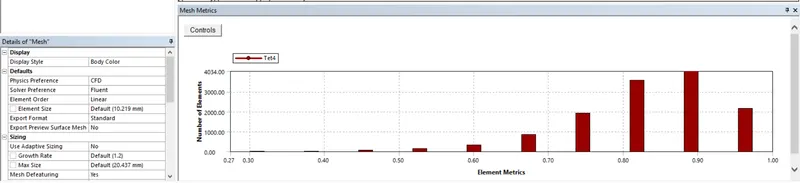
Meshing is also carried out in ansys workbench where we create different boundaries using the create named selection function, these boundaries are later used to input boundary conditions
the mesh size (default)= 10.219mm
Setup
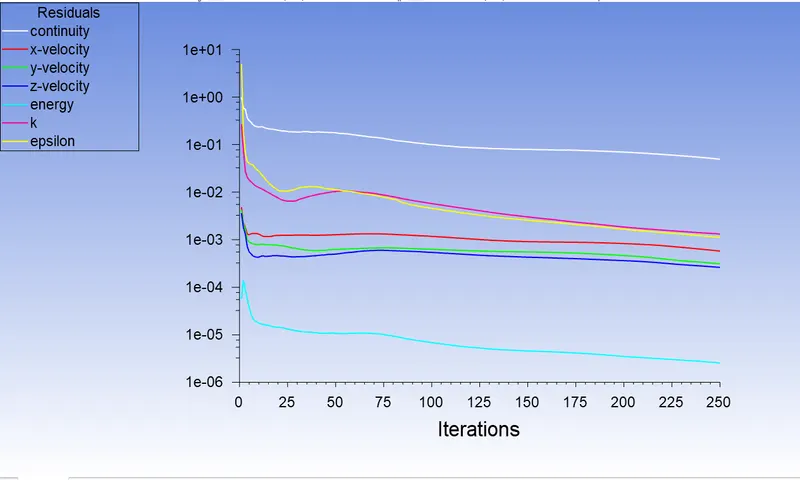
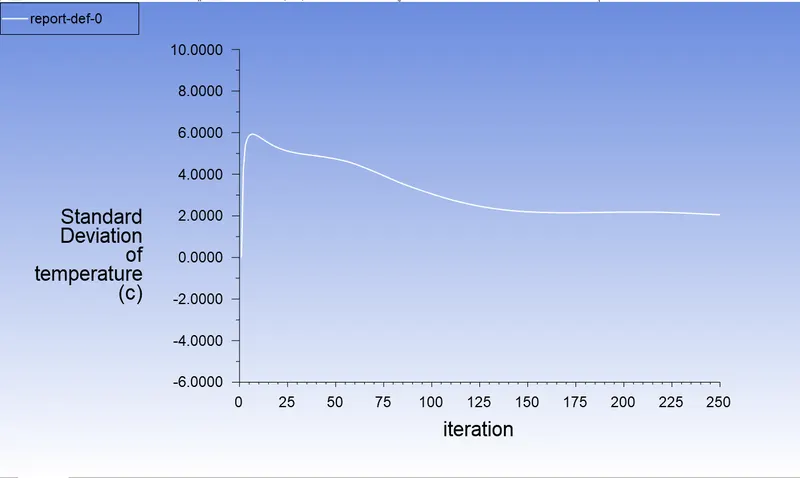
After meshing we go for setup which will take us to the fluent software where we have give the boundary conditions and model for solving the physics, So after giving all values we can run the simulations and the following plots were obtained
Case - 1a
Short mixing tee with a hot inlet velocity of 3m/s
momentum ratio - 2
k-epsilon Model
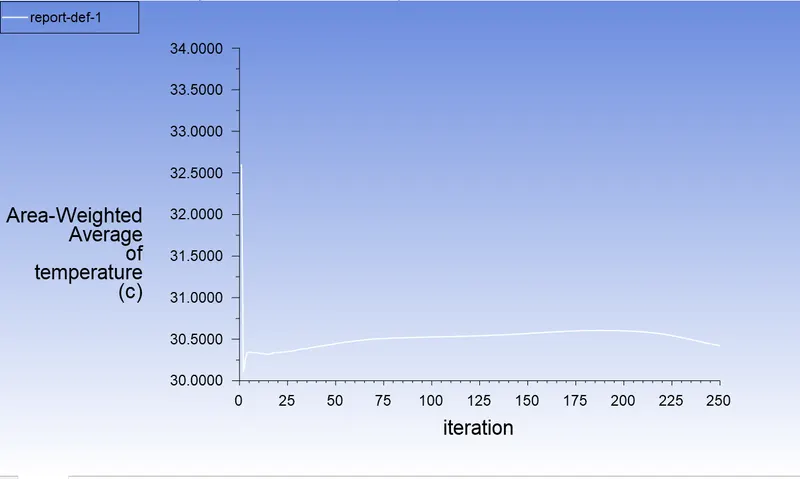
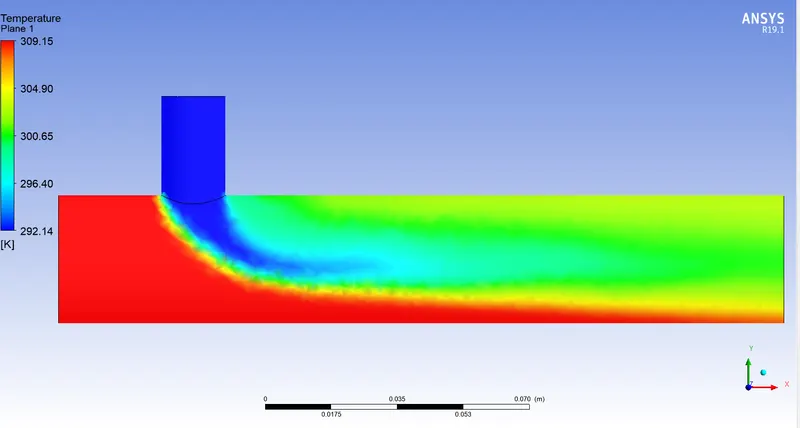
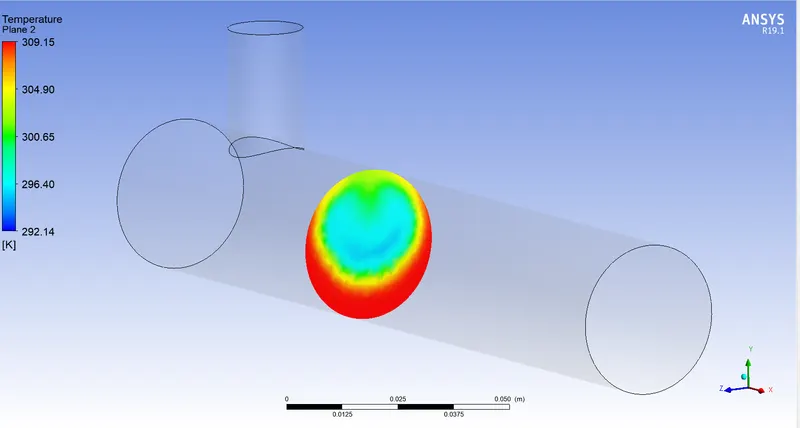
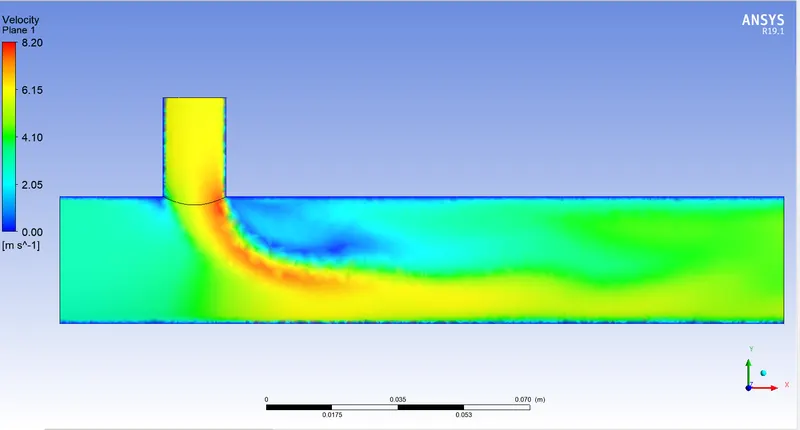
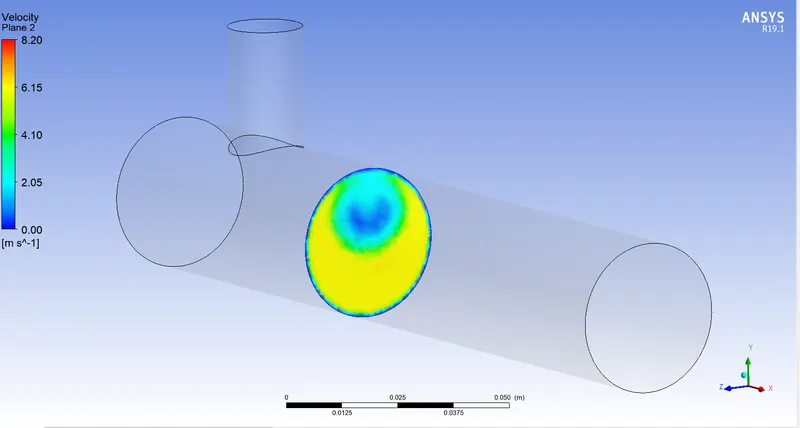
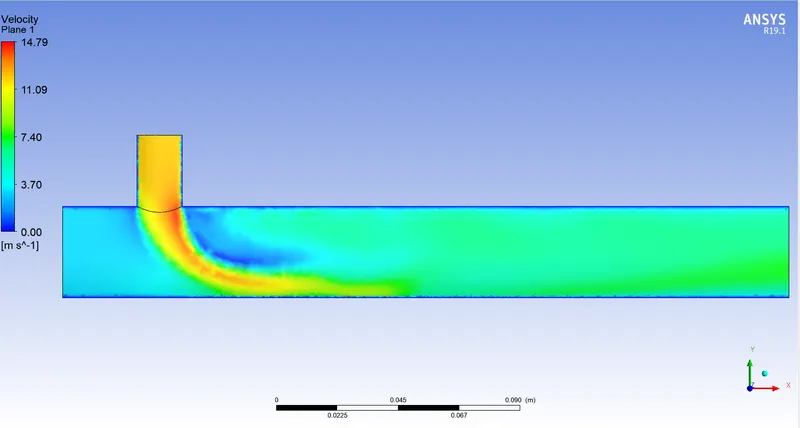
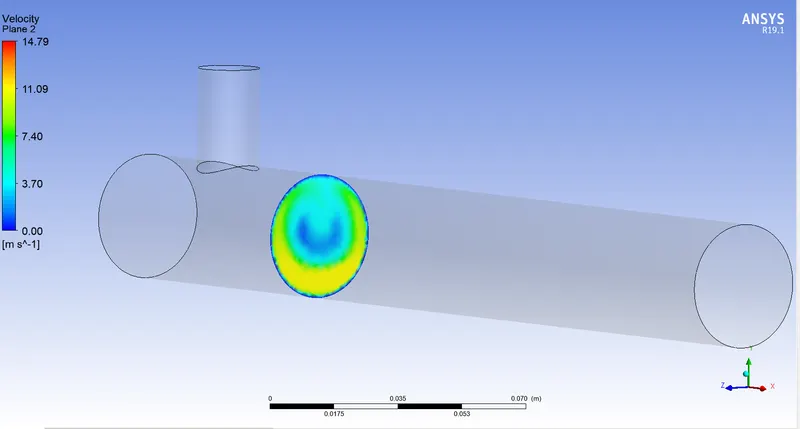
Temperature and velocity contour plots on the cut planes along and across the pipe
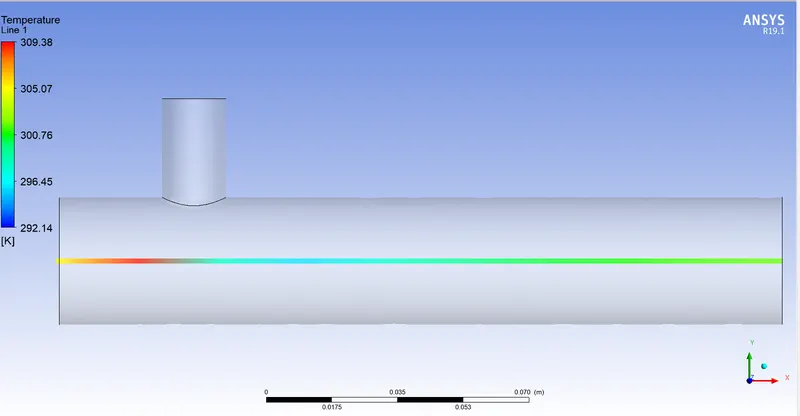
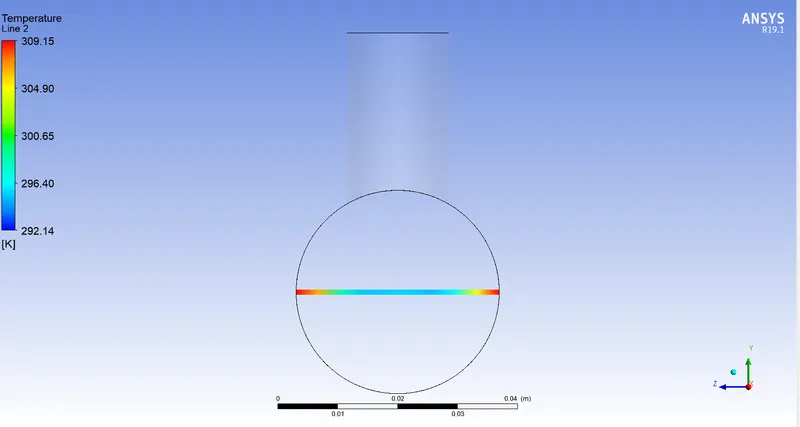
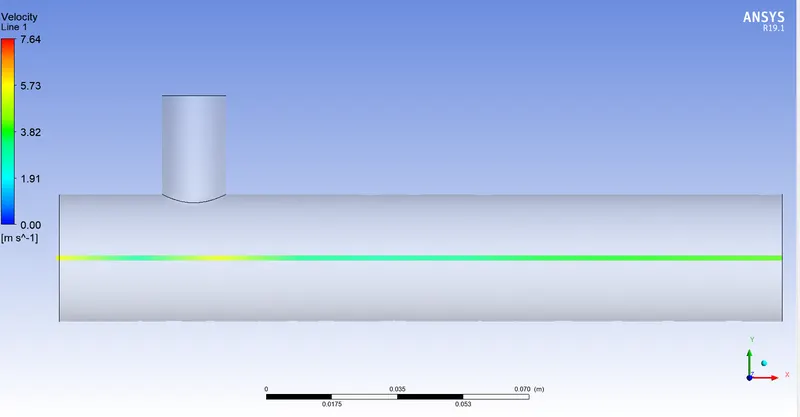
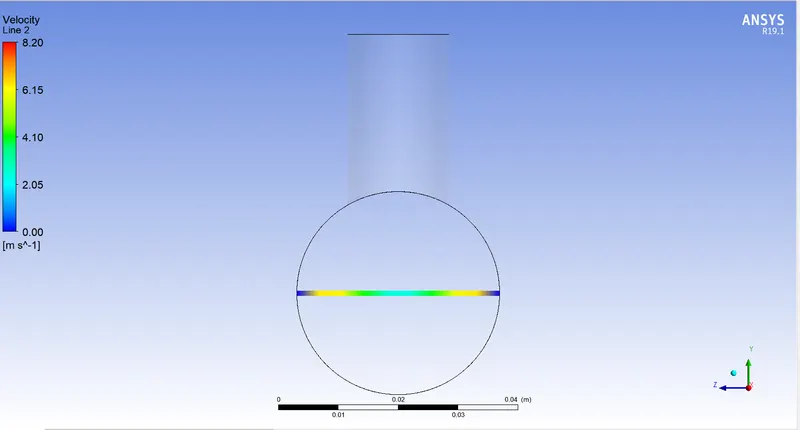
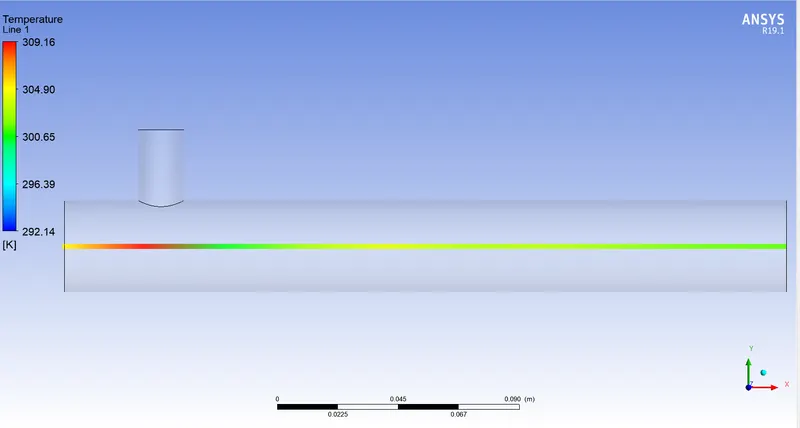
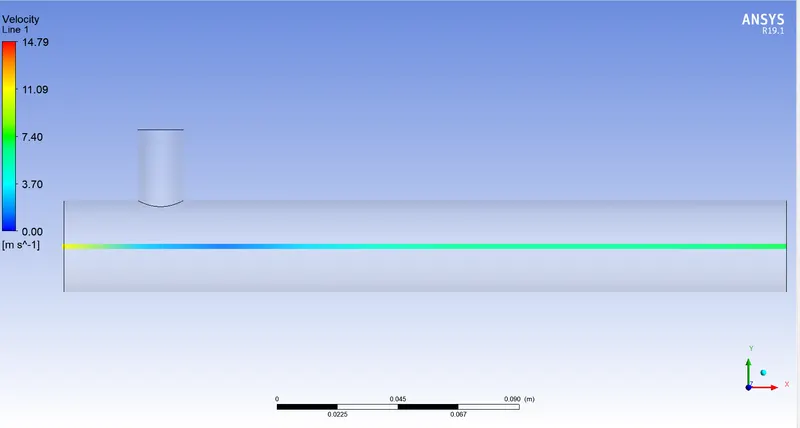
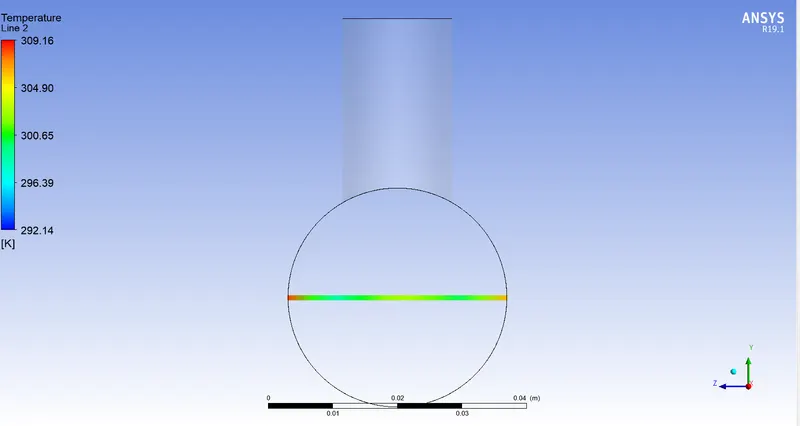
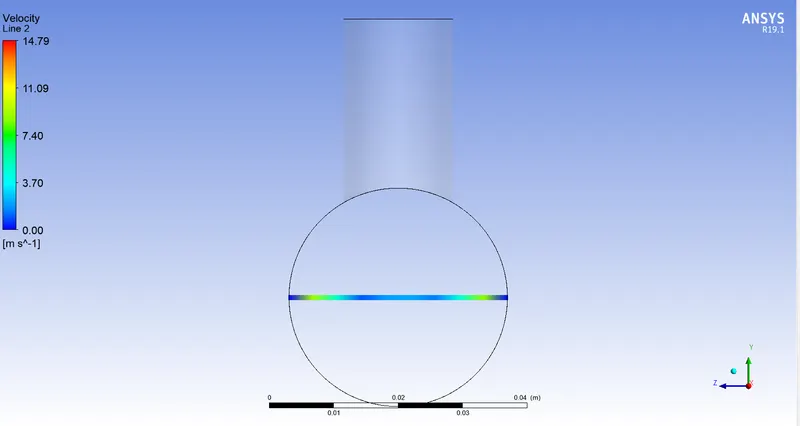
Temperature and velocity line plots along and across the length of the pipe
Mesh Independence Test
| Cell Count | Average Temperature |
| 13014-(10 mm) | 30.25 |
| 14453- (5 mm) | 30.19 |
| 106916- (2 mm) | 30.30 |
| 213592- (1.5mm) | 30.42 |
Since after 1.5mm the change was negligeble we can say that the simulation is now mesh independent and hence the other cases are carried with 1.5mm mesh
Case -1b
Short mixing tee with a hot inlet velocity of 3m/s
momentum ratio - 4
k-omega sst
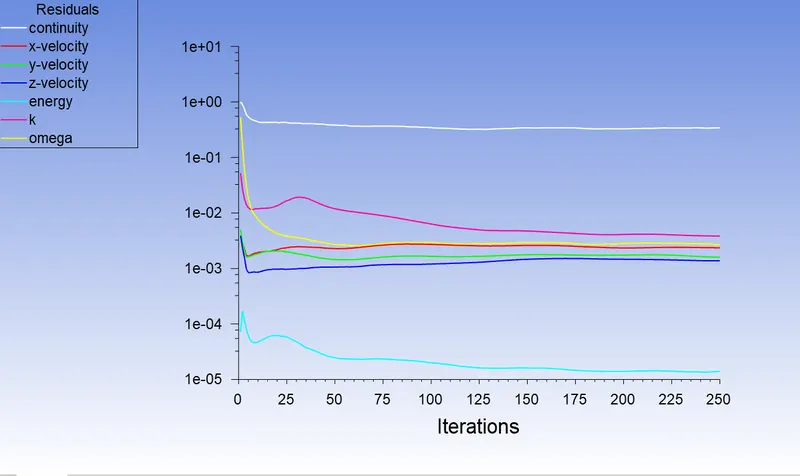
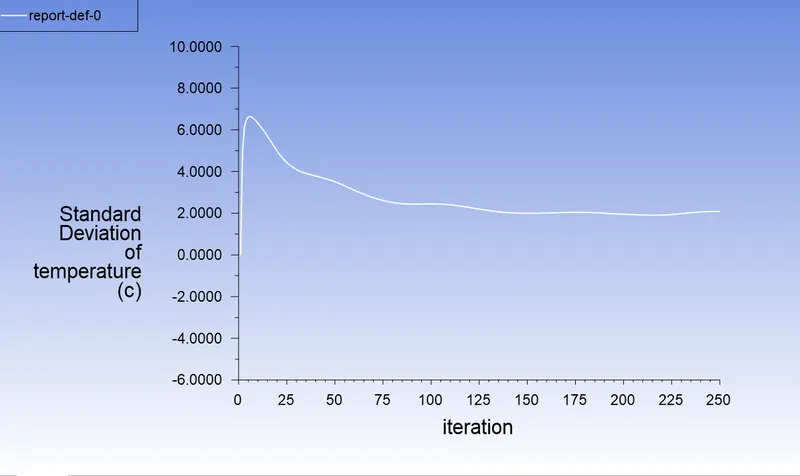
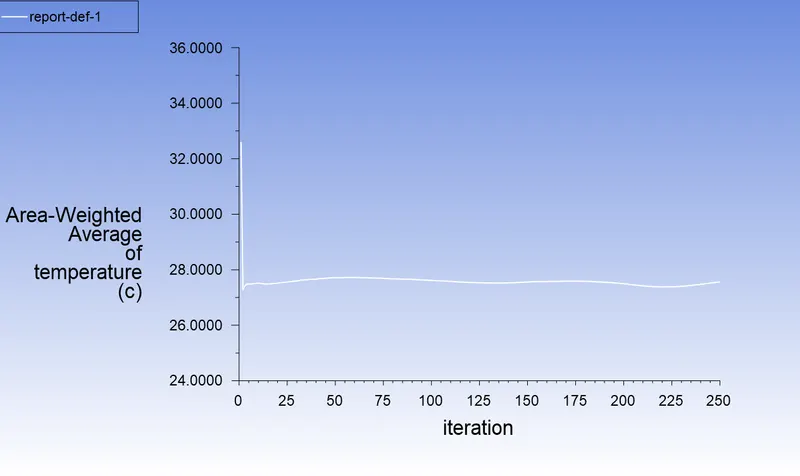
Temperature and velocity contour plots on the cut planes along and across the pipe
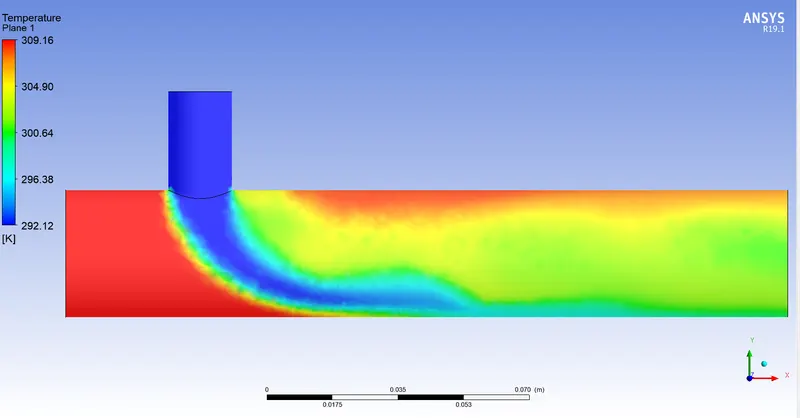
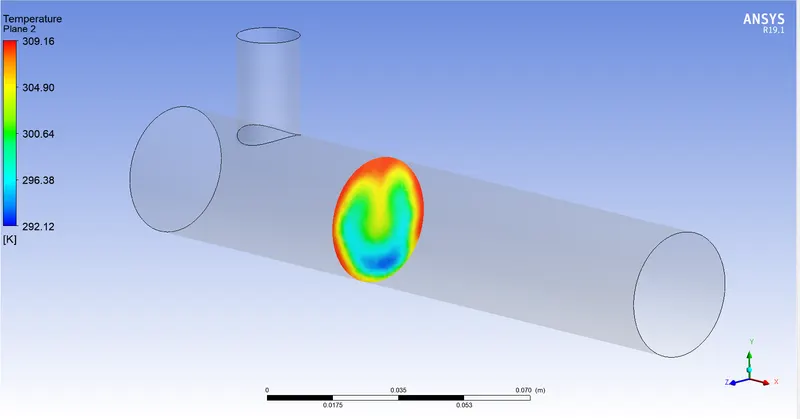
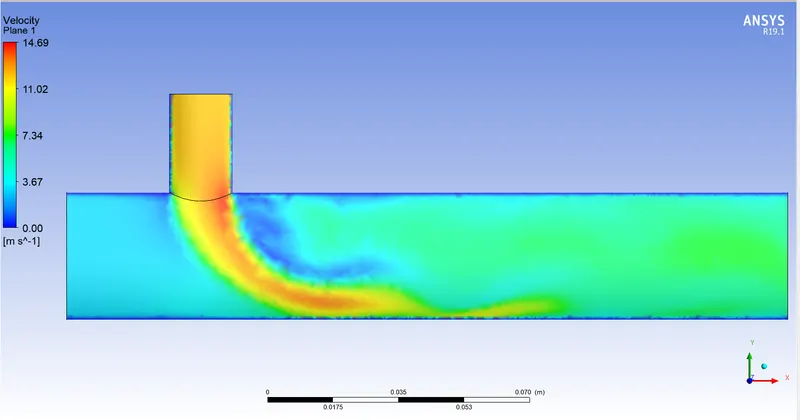
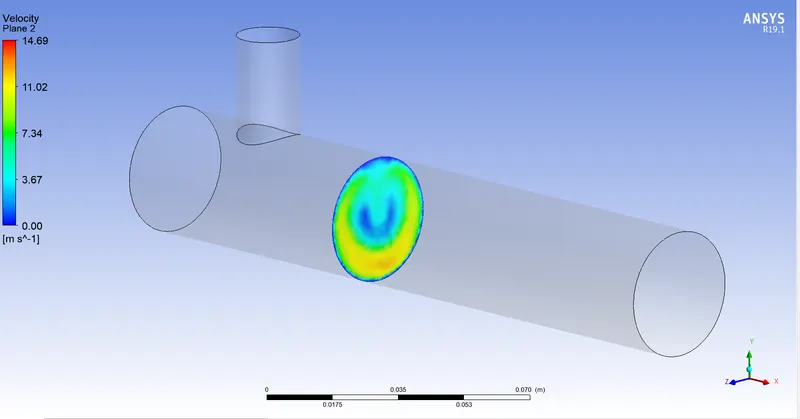
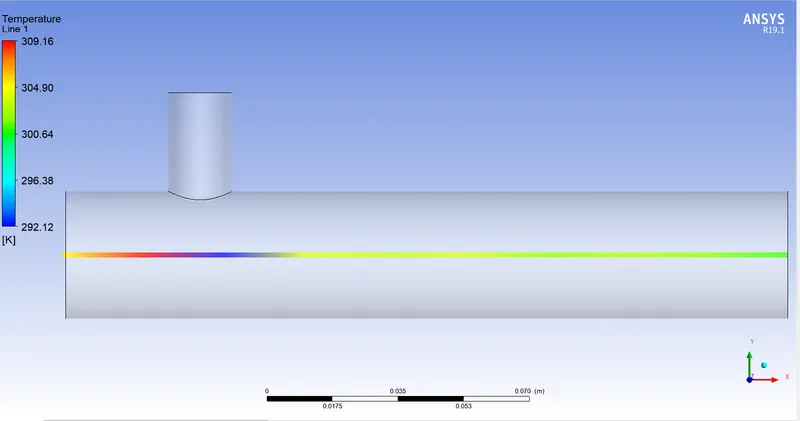
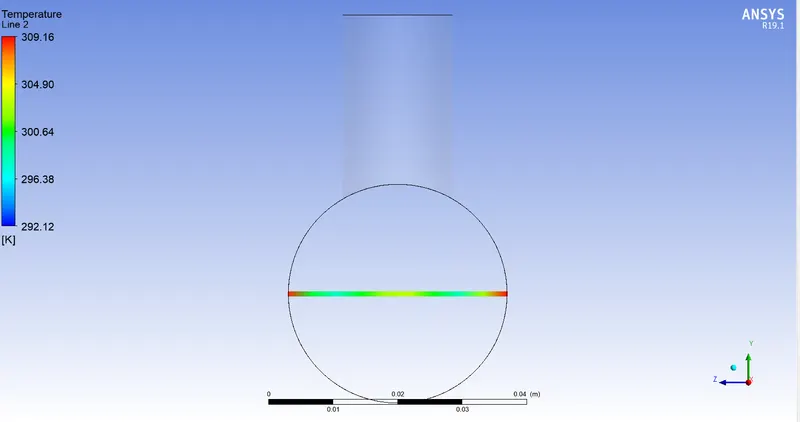
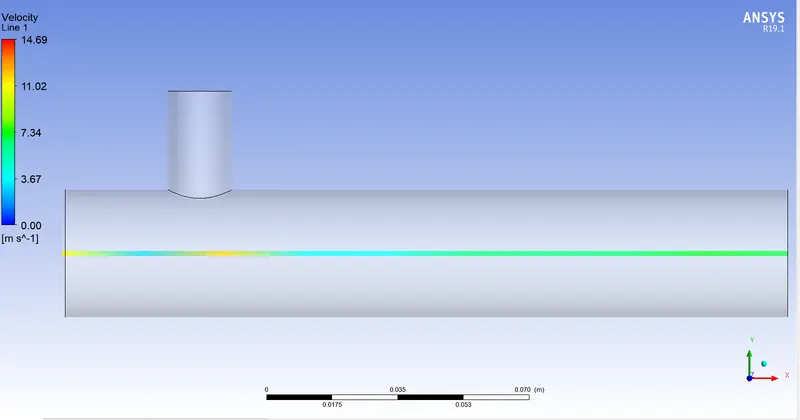
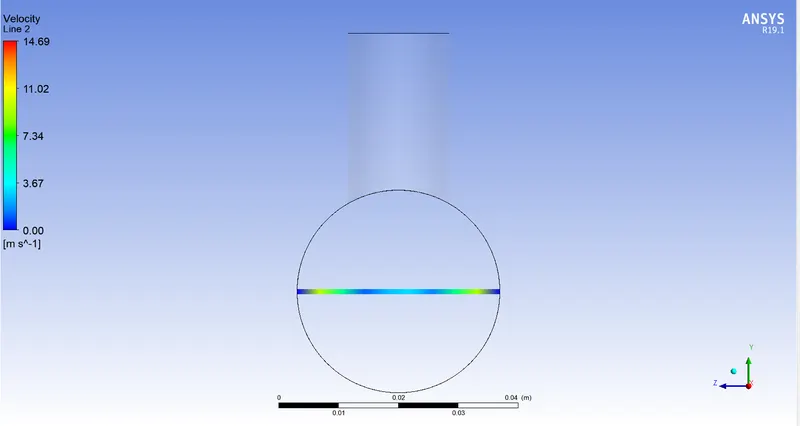
Temperature and velocity line plots along and across the length of the pipe
K-epsilon vs K-omega SST
- So from the above two simulations we can understand more about these turbulent models.
- The k-epsilon model seemed to have less accuracy on the boundary region whereas the k-omega sst model could give a accurate results at the boundaries
- But a major drawback in the k-omega sst was it couldnt capture the mixing properly for this simulation .
- So if we want to choose a model for this simulation then it will be k-epsilon model because the main objective here is to find the effectiveness of mixing
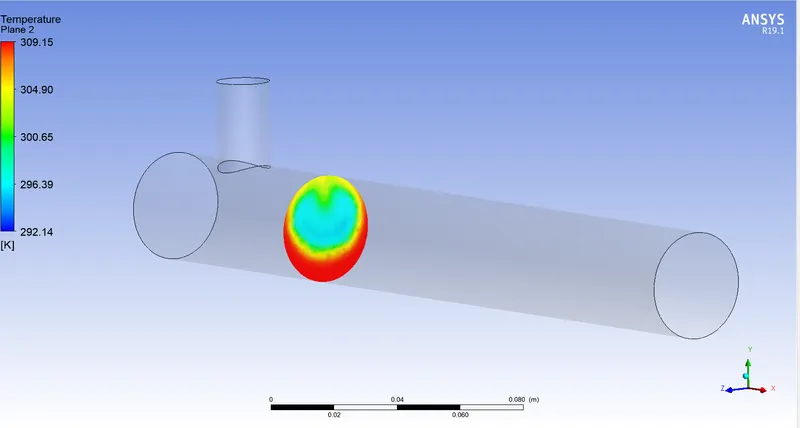
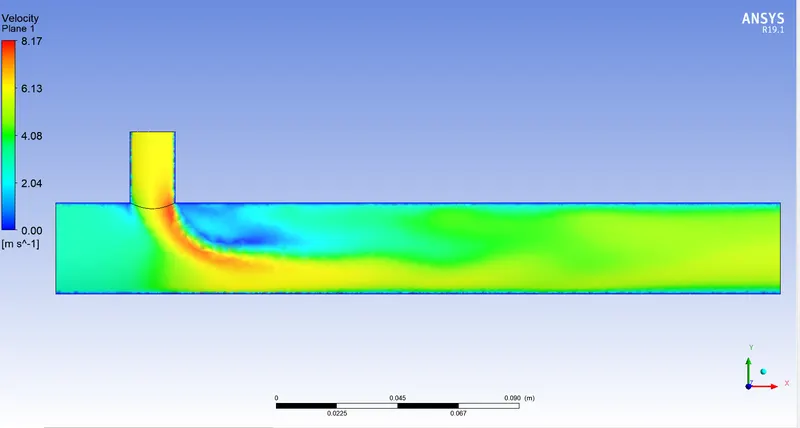
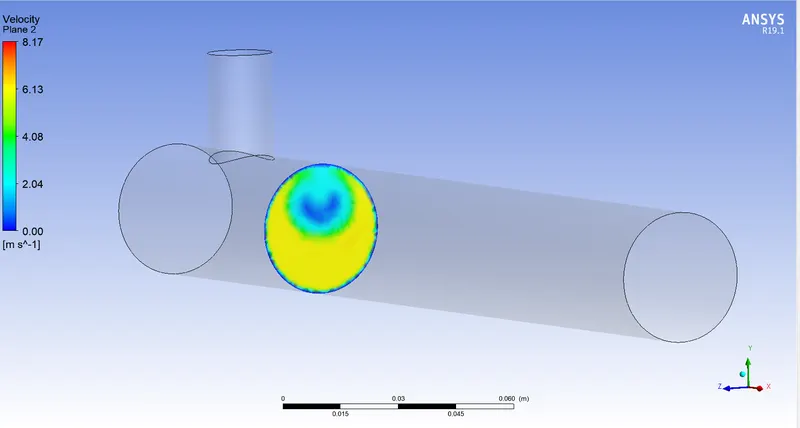
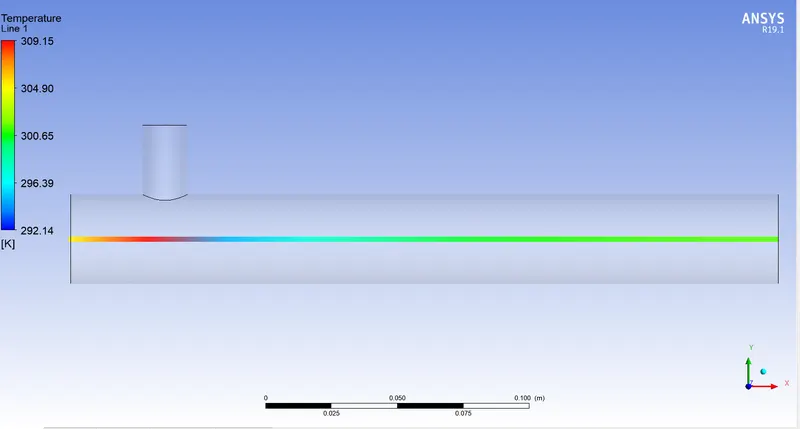
Case 2a
Long mixing tee with a hot inlet velocity of 3m/s
Momentum Ratio - 2
K-epsilon model
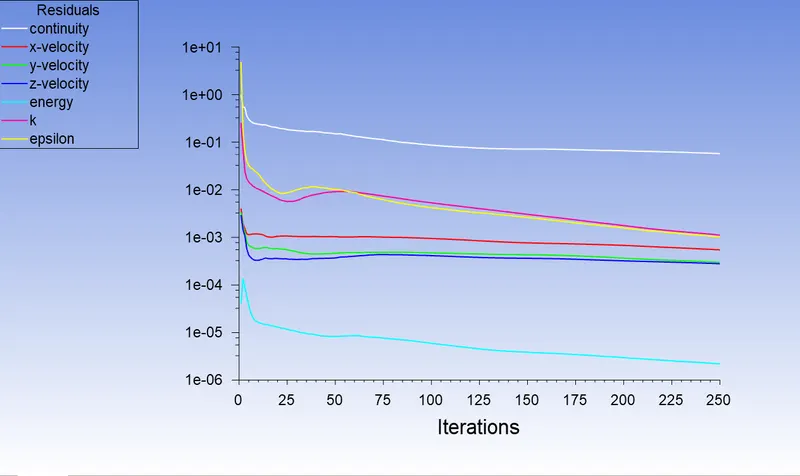
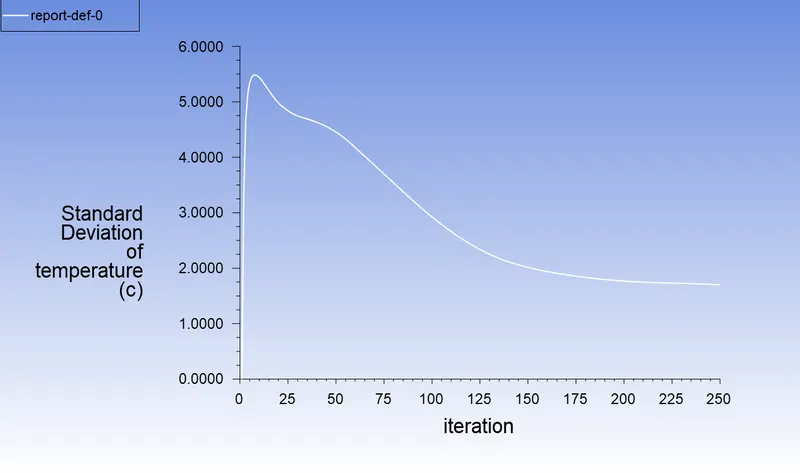
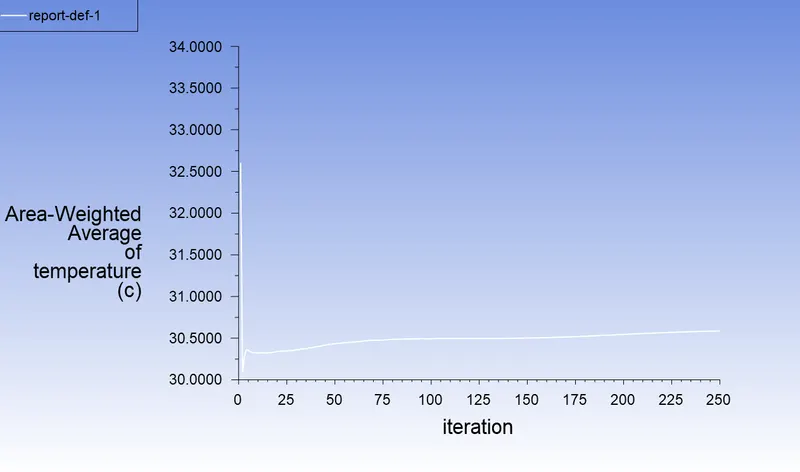
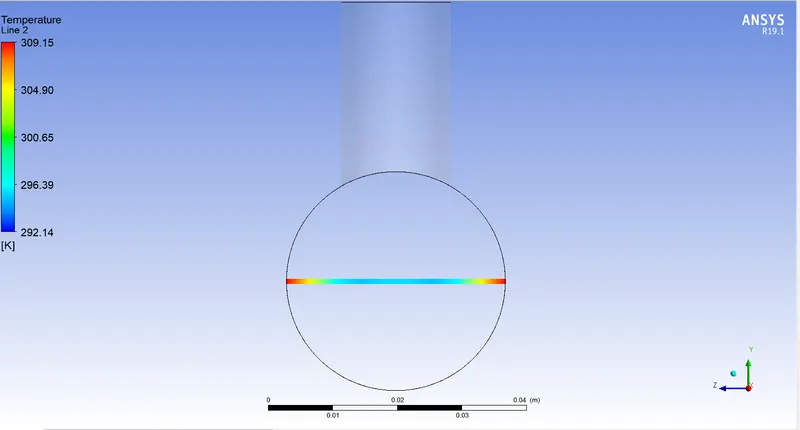
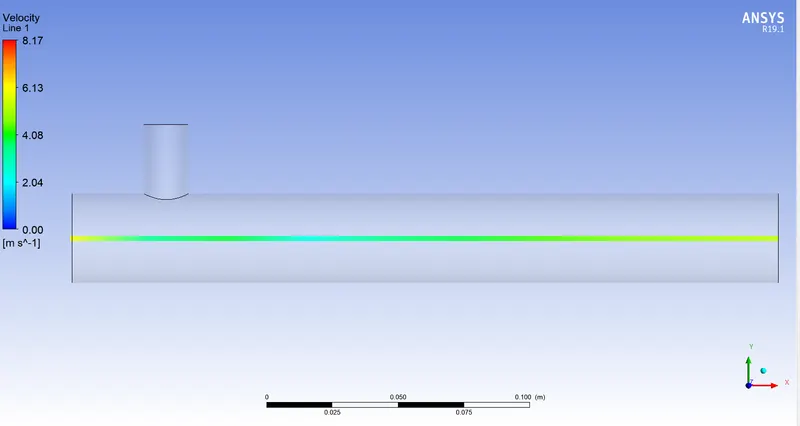
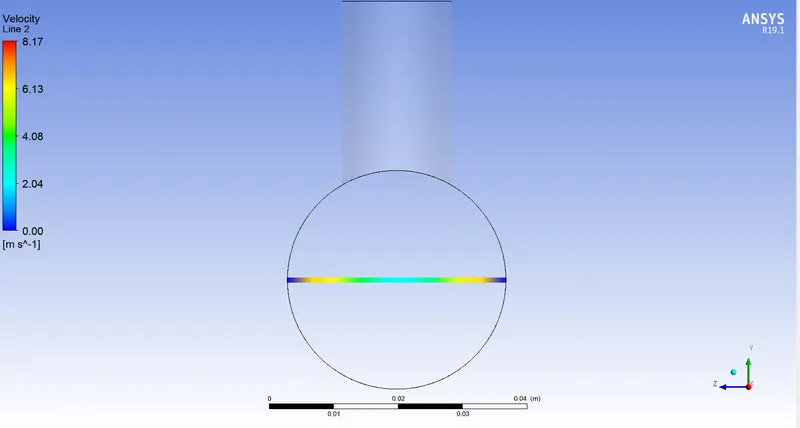
Temperature and velocity contour plots on the cut planes along and across the pipe
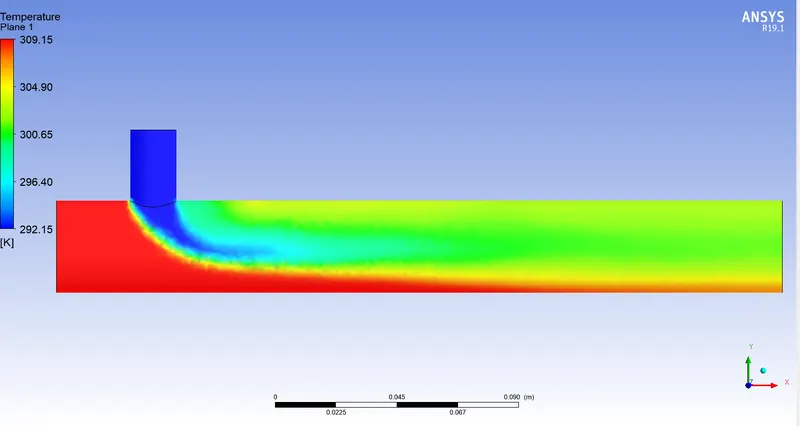
Temperature and velocity line plots along and across the length of the pipe
Case 2b
Long mixing tee with a hot inlet velocity of 3m/s
Momentum Ratio - 4
K-epsilon model
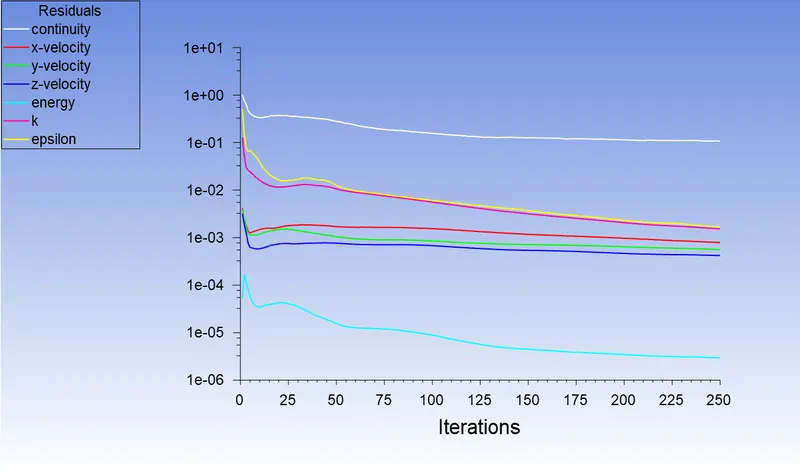
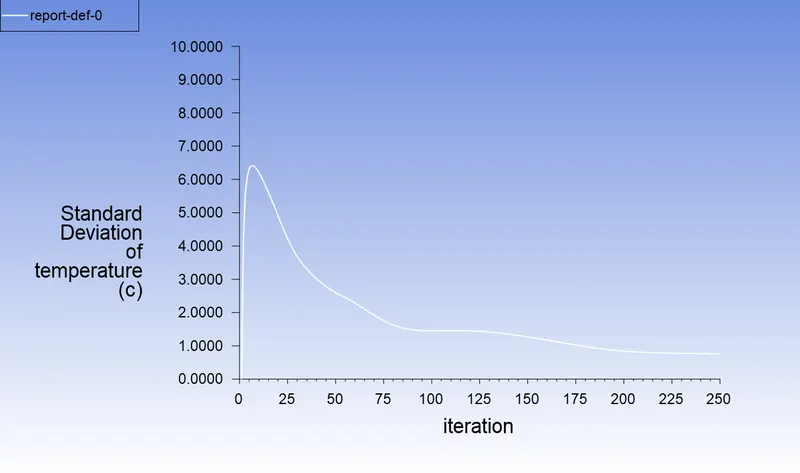
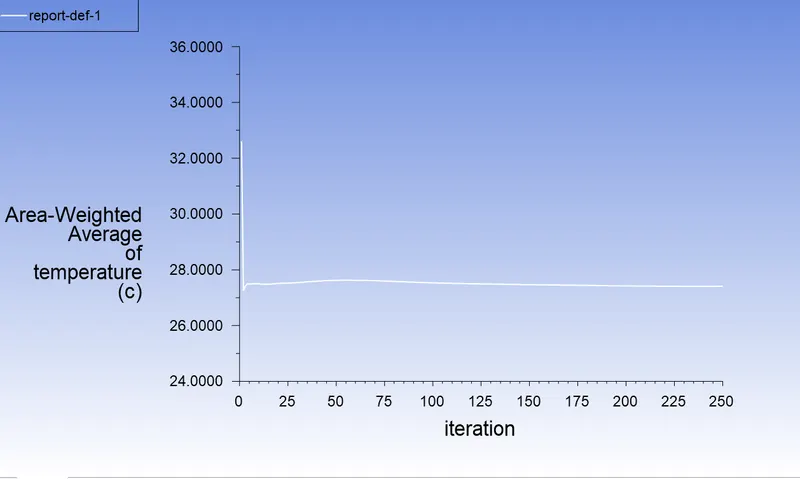
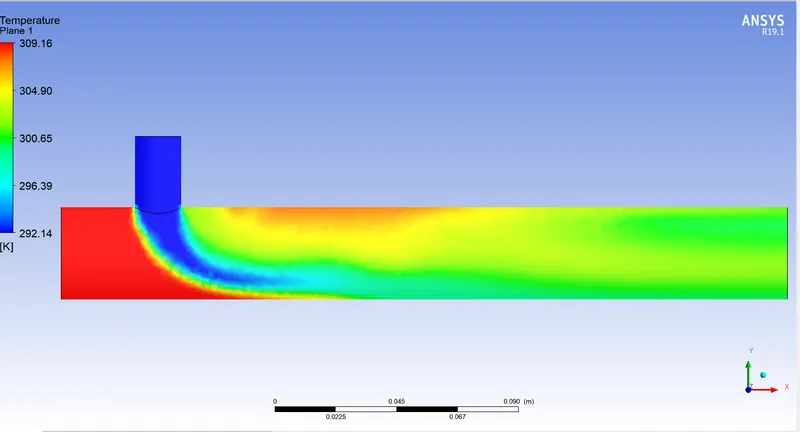
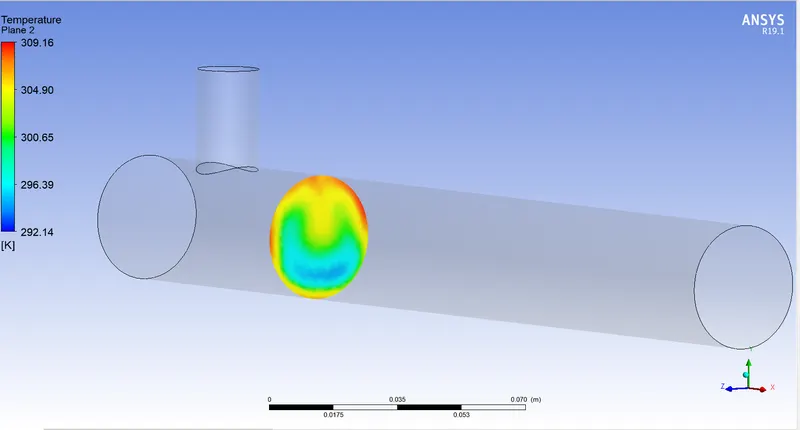
Temperature and velocity contour plots on the cut planes along and across the pipe
Temperature and velocity line plots along and across the length of the pipe
Result:

Conclusion:
Momentum ratio
- So there was a major effect in the mixing tee for different moment ratios.
- For a high moment ratio which means the cold air is coming at a high velocity the mixing was more effective and the temperature was reduced significantlly
- As compared to a moment ratio of 2 where u can see the average temperage is high which means the mixing was not so efficient
- Hence it can be concluded that for a high moment ratio the effectiveness of mixing will be high mainly due to the turbulence caused by high speeds
Length
- As far as the length is concerned the change in effectiveness due to length is small
- We can the temperature is low for short and slightly high for long
- So we can conclude that length does not affect the effectiveness majorly