Week 1 Challenge
1)
Aim: To find out which is the most efficient in carrying gravity load in the given truss type and Reason it out.
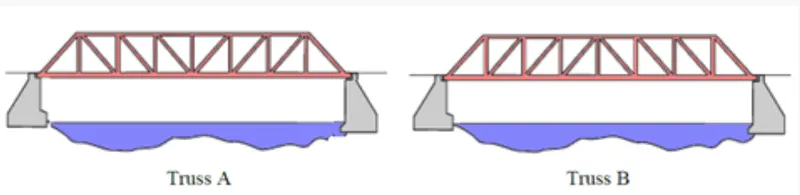
Theory: Trusses are designed to withstand gravity and uplift load, by transferring loads in the form of tension and compression to the top and bottom chords with vertical and diagonal bracings.
Answer: Truss A is a Pratt Truss & Truss B is a Howe Truss. Truss A is more efficient to carry gravity loads.
In truss A, compression loads will be taken by the top chord while tension is taken by both diagonal and bottom chords, which makes it efficient to carry gravity loads.
In truss B, tension will occur on the vertical and bottom chords, while compression will be more on top and diagonals. This is more suitable for uplift loads.
2)
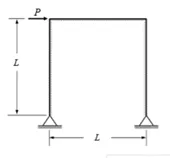
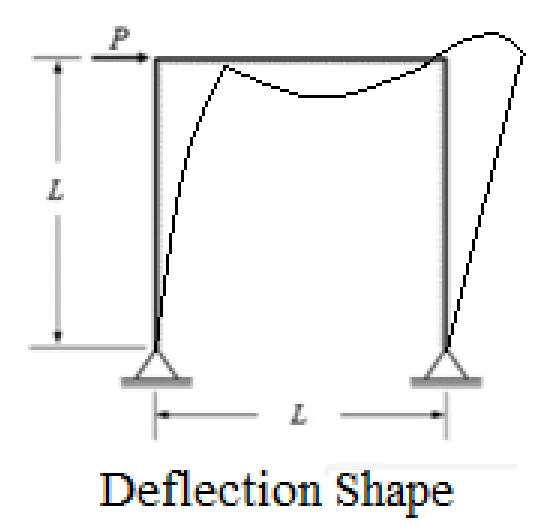
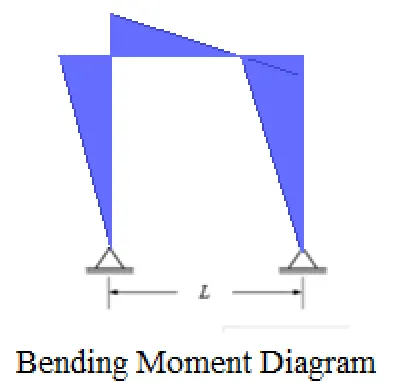
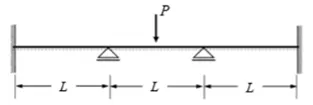
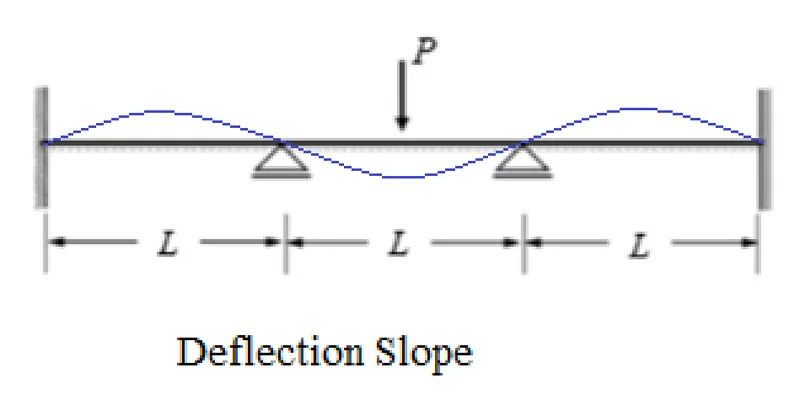
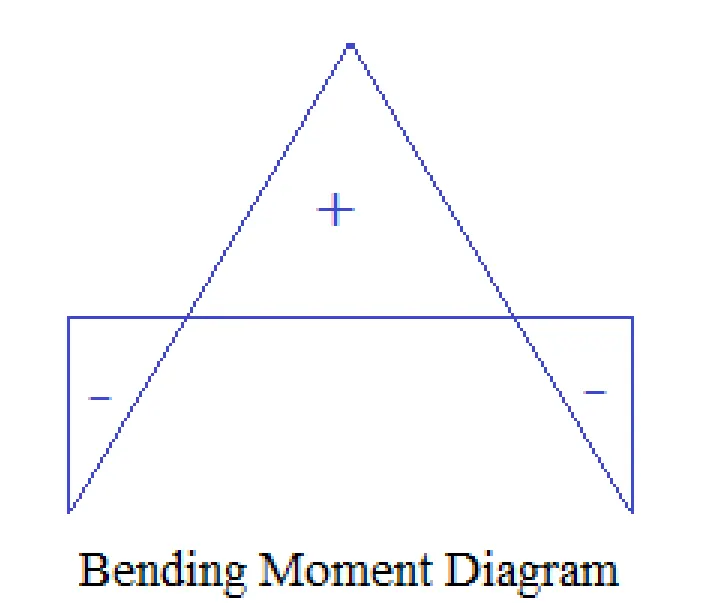
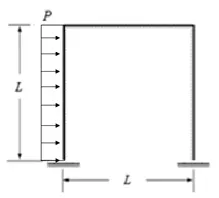
Aim: For the beam & Frame below draw deflected shape and bending moment drawing. (Qualitative approach). E & I are constants.
a.
b.
c.
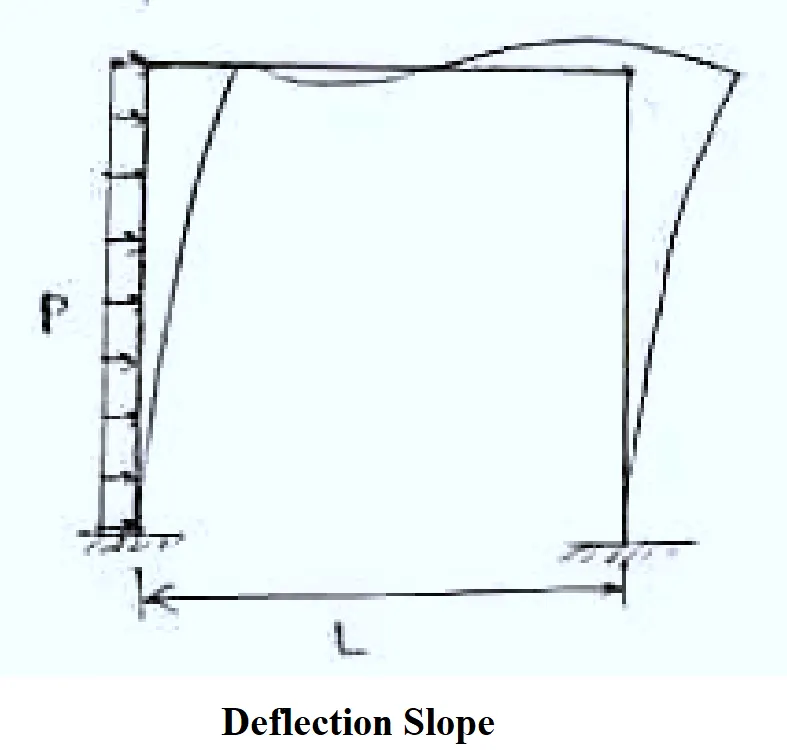
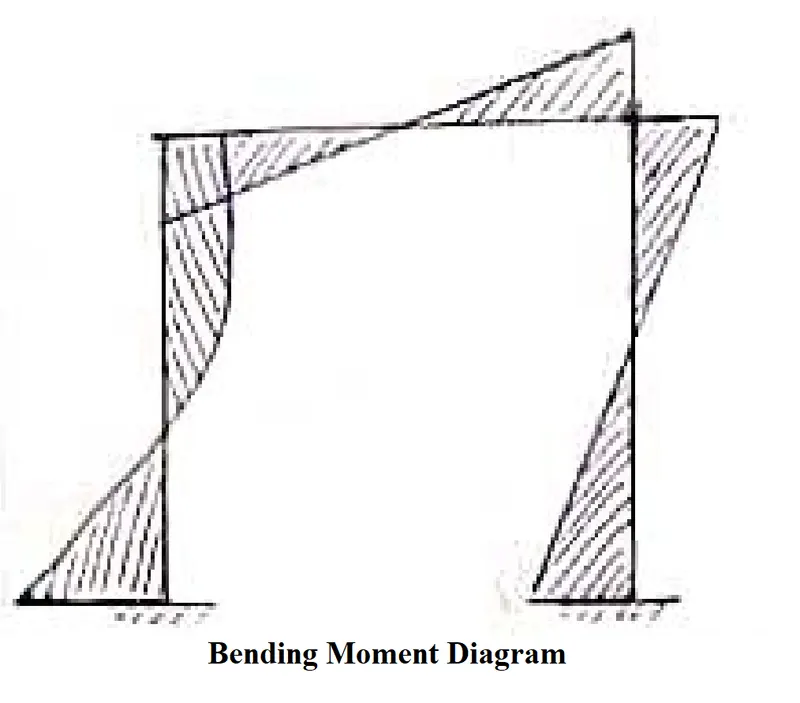
d.
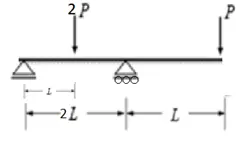
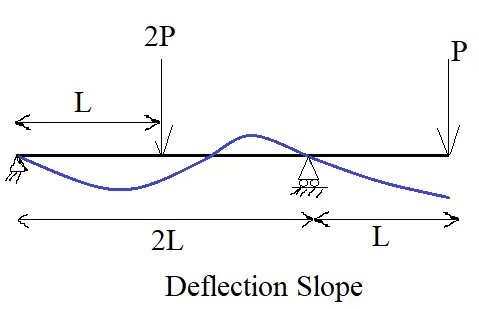
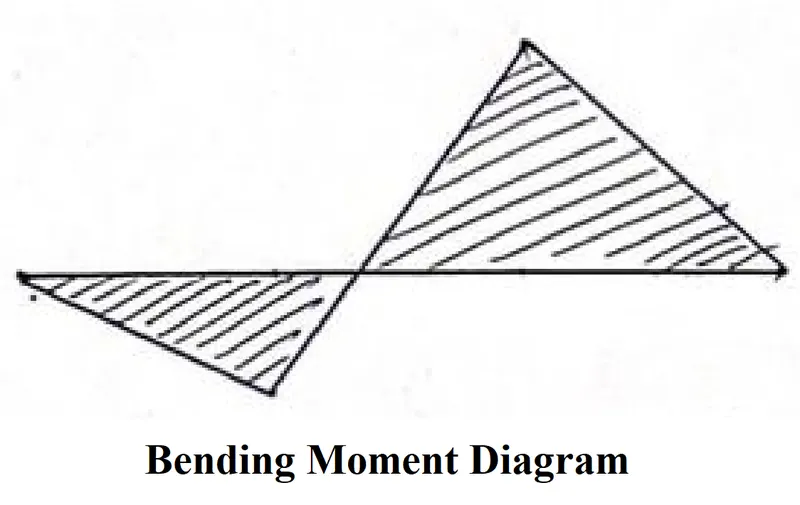
Result: Deflection shape and Bending Moment Diagram for given frames and beams under various loading conditions are drawn.
3)
Aim: Determine MOI, Weight, C/S area of sections below.
a.
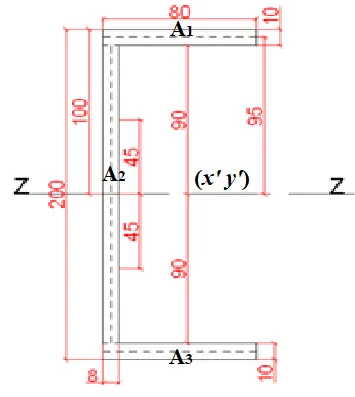
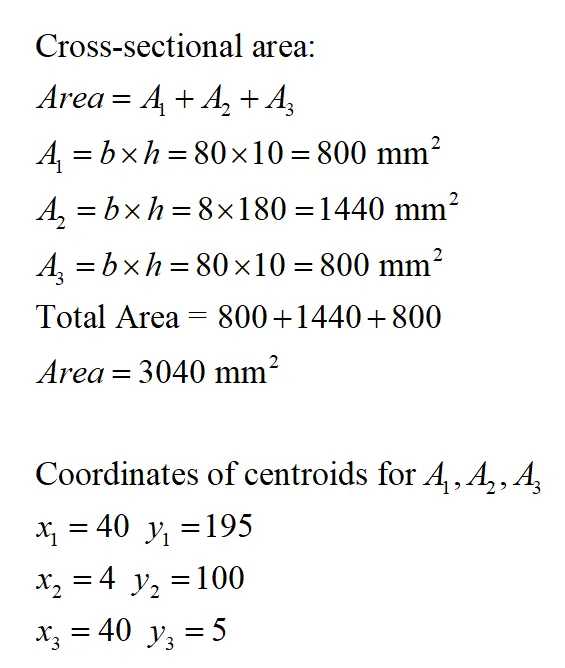
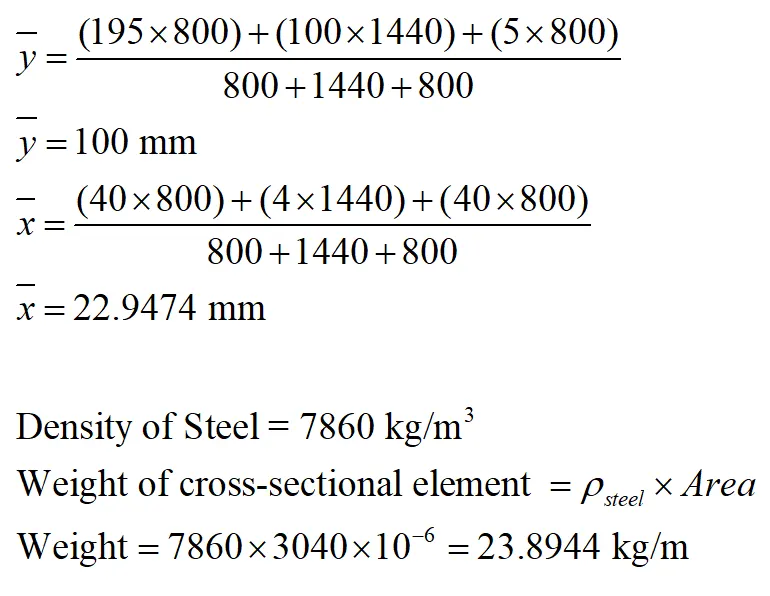
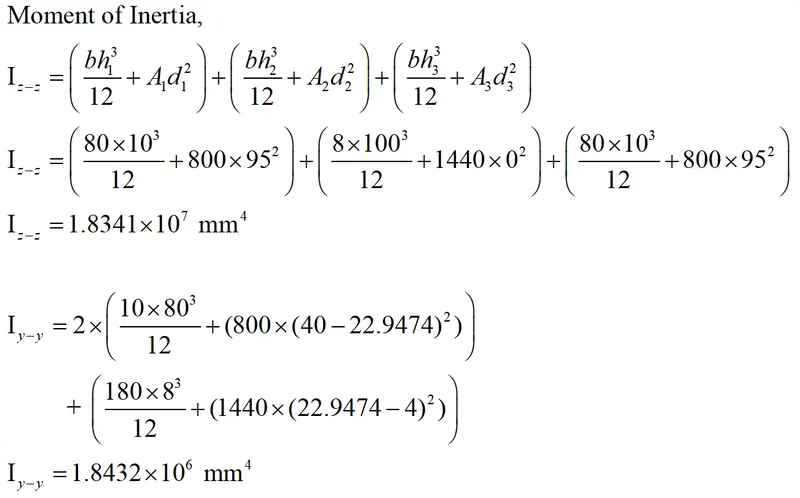
b.
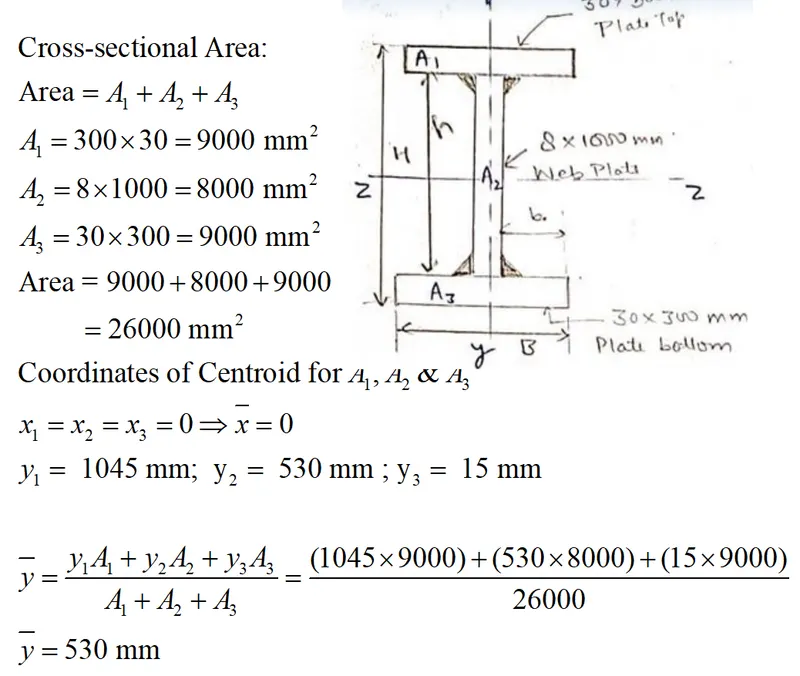
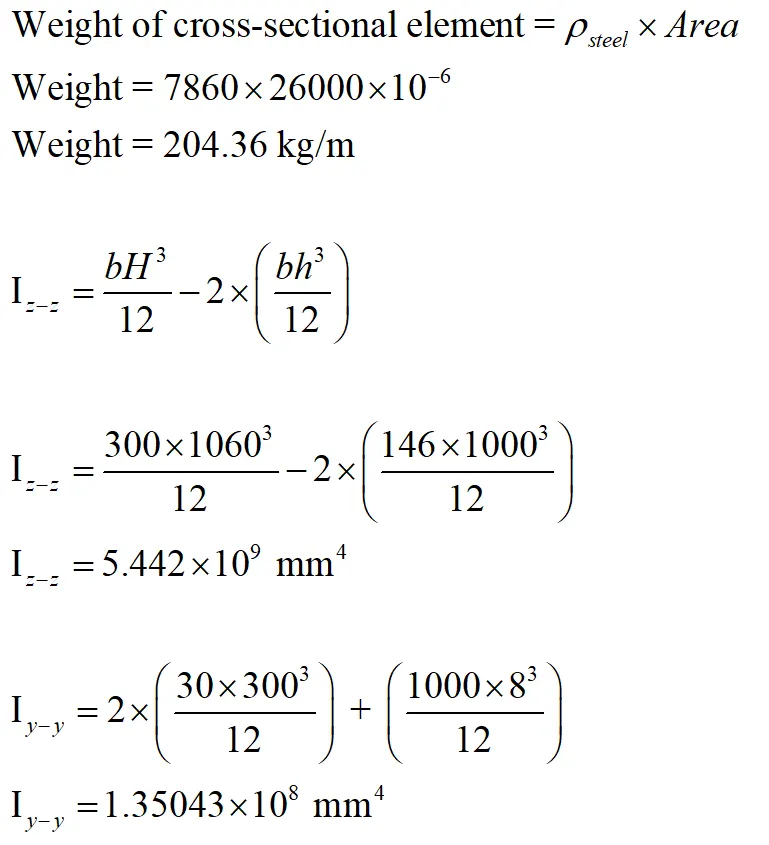
C.
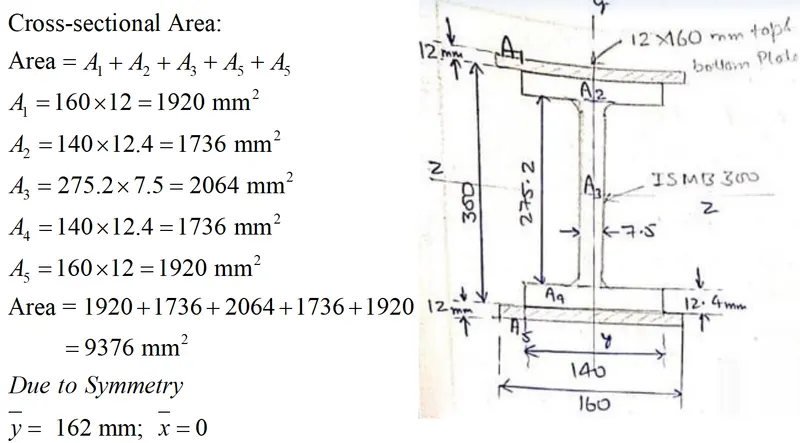
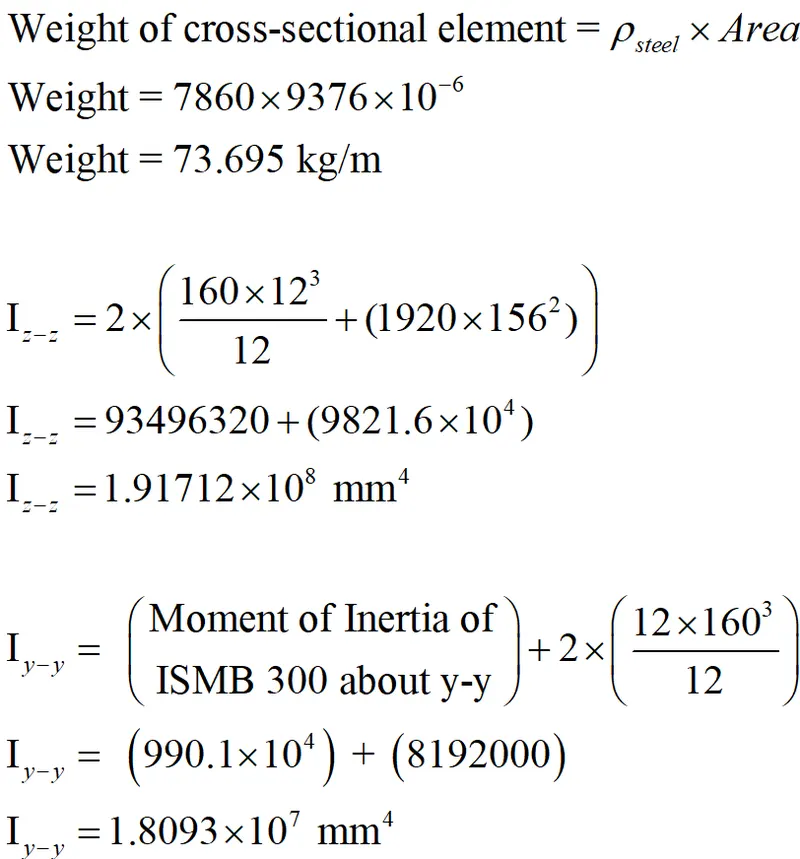
d.
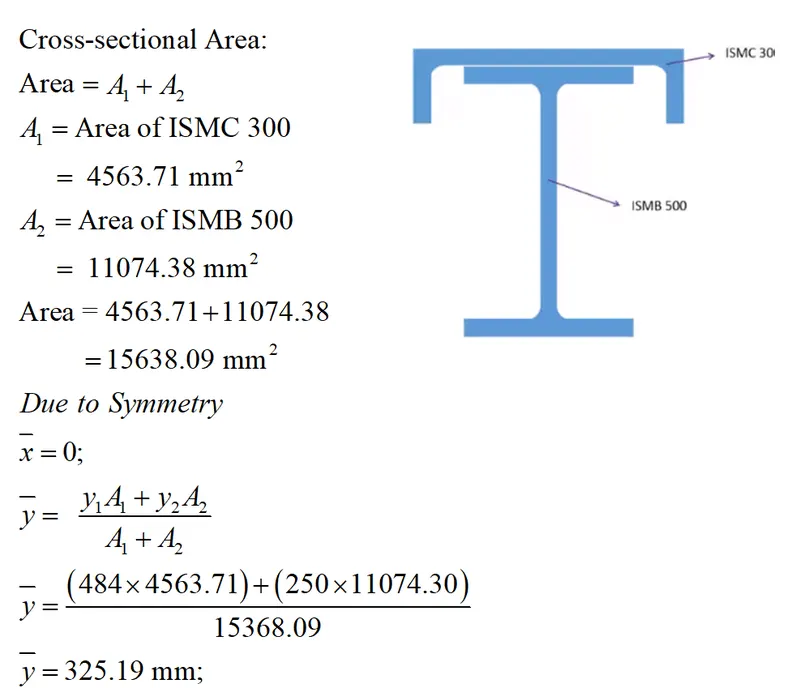
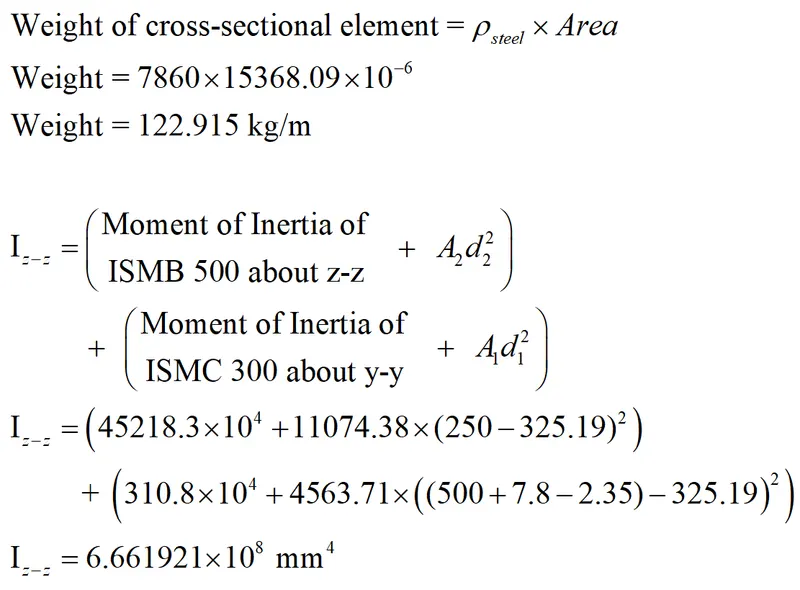
4)
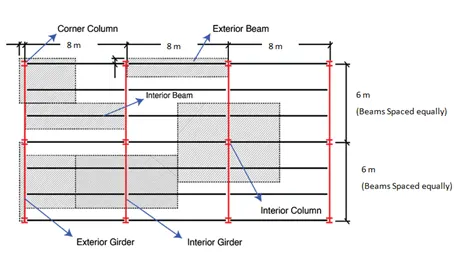
Aim: To Calculate the load on Interior beam, Exterior beam, Interior Girder and Exterior Girder having Floor Load of 10kN/m2
Theory:
As we know that,
Tributary Width = (Distance to adjacent beam on right)/2 + (Distance to adjacent beam on left)/2
Tributary Area = (Tributary Width x Span of Beam.
Answer:
for Interior Beam = 2 x 8 x 10 = 160 kN
for Exterior Beam = 1 x 8 x 10 = 80 kN
for Interior Girder = 4 x 8 x 10 = 320 kN
for Interior Girder = 4 x 4 x 10 = 160 kN
5)
Aim: To Calculate the difference in length and total length of the bridge due to Temperature Difference.
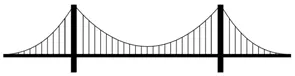
Given Data:
Initial Length = 2000 m
∆T=40 °C;
Coefficient of Thermal expansion of steel = 12x10-6/°C
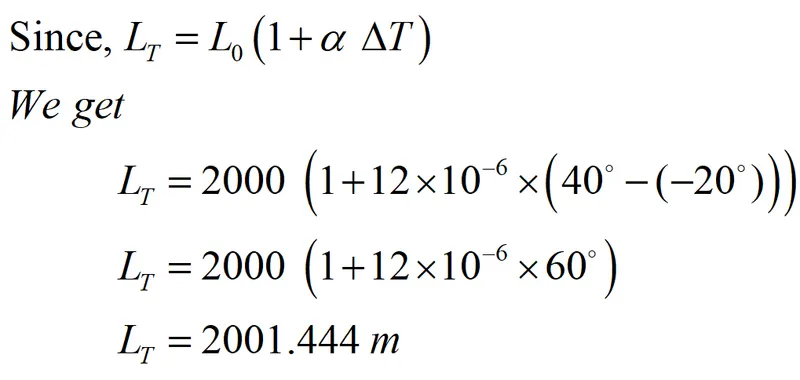
Change in Length = Final Length - Initial Length
= 2001.444 - 2000
= 1.444 m
Result: Change in length is 1.444 m and Total length is 2001.444 m.