Underbody Coating
Underbody Coating is usually a dense cladding applied uniformly to the undercarriage of the automobile. It also provides long-term protection from corrosion to the car’s underbody. It also protects parts like internal body panels, frame rails and other inner cavities that are not physically accessible but are prone to corrosion.
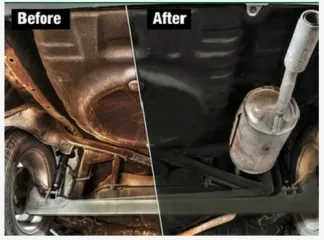
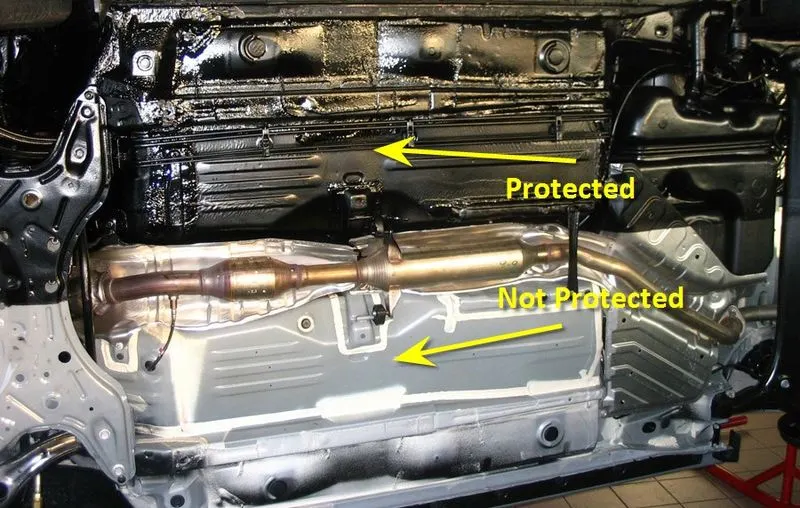
The main purpose of undercoating is to check rust, especially in the body components like frame rails along with other exposed metal parts and also it can reduce wear and tear.
Types of Underbody Coating
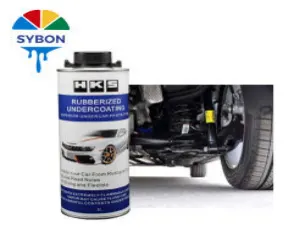
- Rubberized Underbody Coating: This is generally thought of as the best underbody coating for any car. It preserves the underbody well, protecting it from scratches. It is easy to apply and gives protection from dust, moisture and dents.
- Wax-Based Underbody Coating: Wax-based undercoating is the most affordable and quickest option out in the market. It puts up a bug fight against moisture but will wear away in a few months.
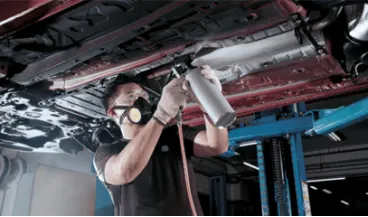
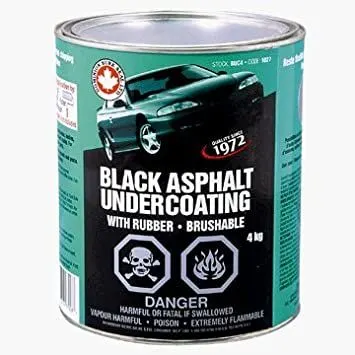
- Asphalt-based Underbody Coating: Asphalt-based underbody coating is mainly suited for lorries, trucks and large vehicles. It provides a greater degree of protection compared to rubber-based coatings. These coatings contain little amounts of rubber for sound-insulation purposes. This process is time-consuming.
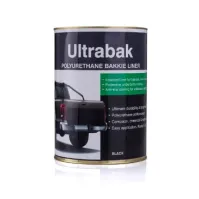
- Polyurethane underbody coating: This coating closes up splits and fractures on the underbody of the vehicle. It provides good protection again corrosion and also bonds with the metal. It is easier to apply.
Pros and Cons of Underbody Coating
Pros:
- It provides a layer of protection against corrosion: When an undercoating is properly applied to a vehicle, then you’ll be providing the underbelly with a layer of protection against rust and corrosion.
- It will extend the life of your vehicle: A proper undercoating extends the life of your vehicle because of its rust-stopping power.
- It can be applied to damaged areas:
Over time, the underbelly of your vehicle is going to develop nicks, chips, and scratches because of the debris you encounter while driving. Unlike older forms of undercoating, which included the use of asphalt and animal fat, modern products provide a real layer of protection because it can morph into the various areas of small damage. - It can be self-applied:
Rustproofing works best when you have this service professionally applied to your vehicle. If money is tight, however, and you have some basic car maintenance skills, then you can do the work yourself. - There are multiple undercoating methods that can be used:
There are four different undercoating methods that are commonly used on vehicles that require this service. The electronic method is used when rust is present to stop its corrosive effect, which is a method that receives mixed reviews. A standard undercoating method applies a tar-like substance to the exposed components of the vehicle underbelly. A dripless oil spray applies a waxy substance that fills in the entire body of the vehicle, which hardens when it dries. - It may help to reduce interior noise.
When you’re driving, the sounds of the road can be soothing if they aren’t too loud. For lightweight vehicles, noise pollution can be overwhelming to the driver in some situations. Applying a layer of undercoating creates a barrier against the sound, which creates an interior that is quieter.
Cons:
- It is less helpful if corrosion is already present.
For undercoating to be the most effective, it should be in place before the underbelly of your car begins to rust. If you apply it over corrosion, you will still isolate the metal from further moisture and airflow, which is good, but the existing oxidizing/rusting process will still continue to occur. After the rust is already present, applying an undercoating will slow the continuation of the corrosion process and will make your vehicle look better until the rust breaks its way through the layer of undercoating you’ve applied. - A third-party undercoating service might void your vehicle’s warranty.
If you hire a third-party provider to apply an undercoating, you could void the corrosion-perforation warranty that is factory-provided. Most vehicles today that leave the factory floor are all provided with included rust-proofing. - It adds weight to the vehicle.
Although the amount of weight added to a vehicle with an undercoating is minimal, there is a small element of fuel economy to consider. When your vehicle weighs more, the distance you can travel on a single tank of fuel is reduced. The undercoating might reduce your efficiency by up to one mile per gallon, which creates a small additional fuel cost over time.