Underbody Coating
UNDER BODY COATING:
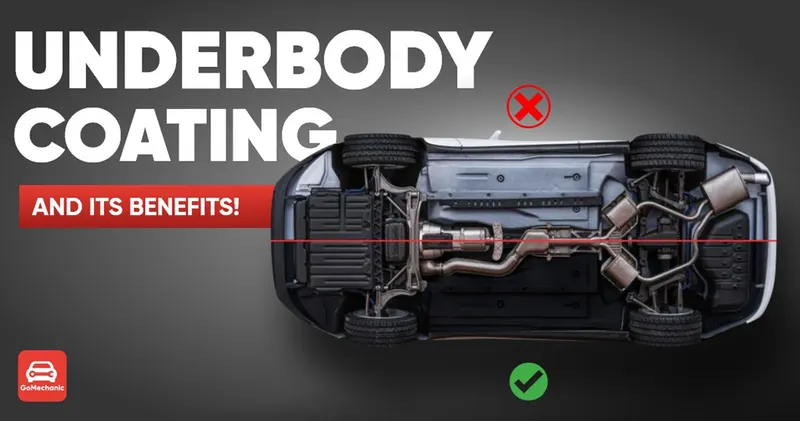
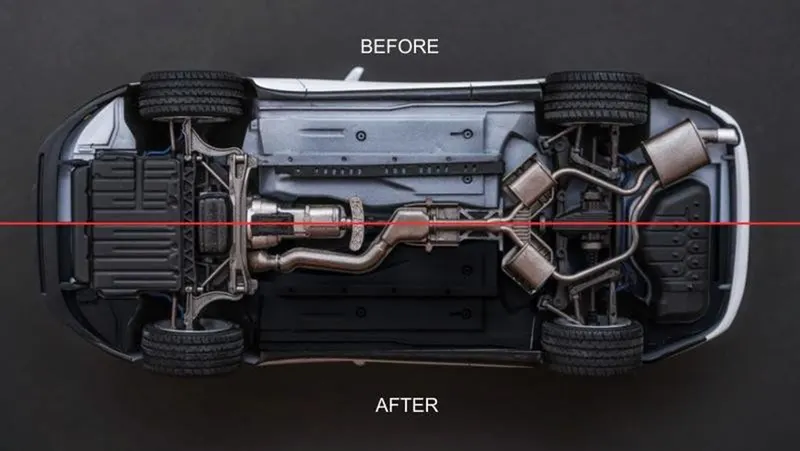
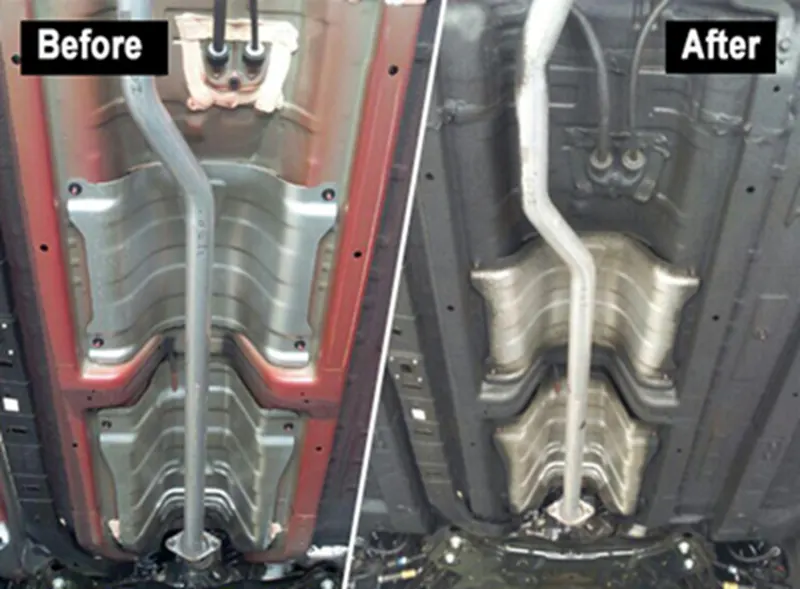
Underbody coating is usually a dense cladding (often based on rubber) applied uniformly to the undercarriage of the automobile. It is normally sprayed or painted on when the car is just out of the dealership and is clean. But even if you are getting the undercoating applied after a couple of years, it’s fine too. This is because it can prevent further damage to the undercarriage.
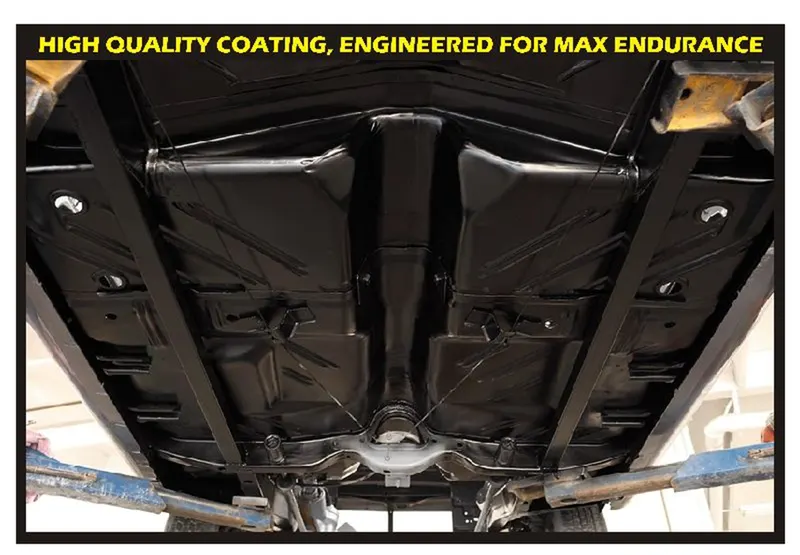
The underbody coating that is most commonly used on cars in India and supplied by companies such as 3M is a thick, rubberized paint that forms a 2-3 mm thick coating all along the underside of the car when sprayed on.
You also get a thinner clear coat underbody coating which is like a lacquer that coats the entire underside of the car. Some even inject rust-preventive coating material into crevices such as the bottom of doors and door sills, to protect them from rust.
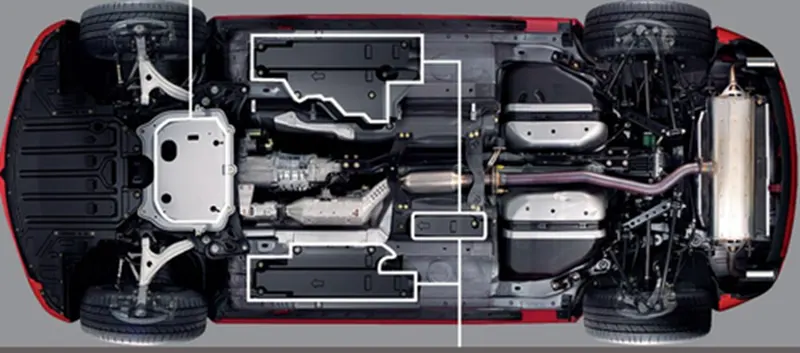
Some car manufacturers already offer some underbody coating straight out of the factory which is usually sprayed inside the wheel arches and under the floor board of the car.
The under-body coating is used for protecting the outside of the vehicle.
Main purpose of underbody coating:
Underbody coating provides long term protection from corrosion to car's underbody. It also protects parts like internal body panels, frame rails and other inner cavities that are not physically accessible but are prone to corrosion.
Types of underbody coating:
There are different types of under body coatings is used. Some of them are mentioned below:
Rubberized under body coating:
- Rubberized vehicle undercoatingis easy to apply and offers sound-cushioning as well as protection from dust, moisture, and dings or dents.
- Rubberized coatingis generally the best option for protecting the vehicle's undercarriage, as it provides the simplest and best protective measures against rust and moisture.
Polyurethane Undercoating:
- The other option for undercoating your vehicle is to use a polyurethane-based sealant.This type of vehicle undercoating is a little bit quicker and easier to apply.
- This type of car undercoating generally requires a little bit more surface prep work before applying -- sanding and applying an etching primer to bare metals before using are generally recommended.
Wax or Paraffin-Based Undercoatings:
- A paraffin-based undercoating will be the cheapest and quickest option available with which to protect the undercarriage of your vehicle. However, keep in mind that it will wear off quicker than other types of undercoating and will need to be stripped and reapplied at least once every year.
Asphalt based undercoating:
- For standard vehicles, any of the aforementioned types of undercoating will provide sufficient protection. For large trucks and heavy machinery, asphalt-based undercoating provides a bit of extra durability against rocks, chips, and moisture.
- Asphalt-based undercoating generally contains a little bit of rubberized material that sets up firmly and also helps soften noise.
Pros of underbody coating:
- Rust and corrosion prevention.
- Reduces NVH (Noise, Vibration and Harness) levels.
- Provides stability to the vehicle.
- Increases the life span of the vehicle.
Cons of underbody coating:
- It is less helpful if corrosion is already present.
- Most vehicles make it five years before corrosion begins to show.
- A third-party undercoating service might void your vehicle’s warranty.
- It must be reapplied every 3 to 5 years for the best results.