Underbody Coating
Underbody Coating :-
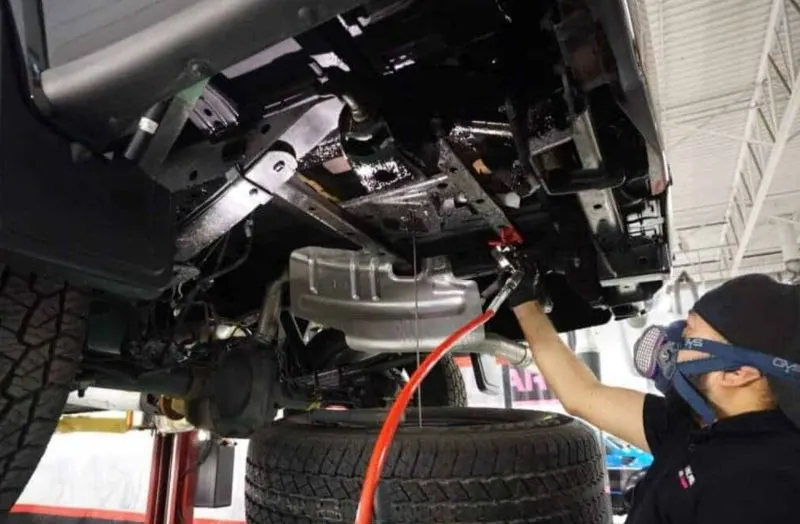
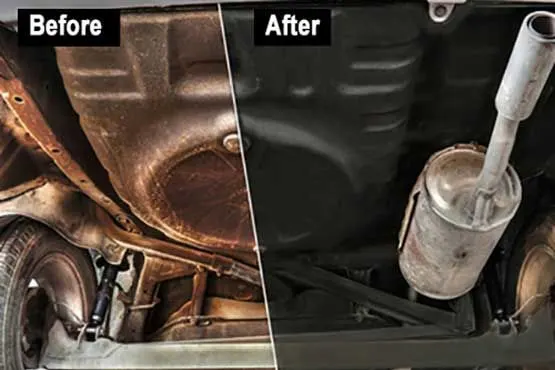
In Indian road conditions, a cars underbody is most prone to corrosion. Underbody coating provides long term protection from corrosion to car’s underbody. It also protects parts like internal body panels, frame rails and other inner cavities that are not physically accessible but are prone to corrosion. Underbody coating is usually a dense cladding (often based on rubber) applied uniformly to the undercarriage of the automobile. It is normally sprayed or painted on when the car is just out of the dealership and is clean. But even if you are getting the undercoating applied after a couple of years, it’s fine too. This is because it can prevent further damage to the undercarriage.
Purpose of Underbody coating :-
The main purpose of undercoating is to check rust especially in the body components like frame rails along with other exposed metal parts. Underbody coating can also reduce wear and tear.
- To minimize the sound :- It minimizes the sound from underneath the car resulting a noiseless, smooth driving experience.
- Heat Insulation :- It insulates the interior of the car from extreme temperatures from beneath the vehicle providing a comfortable cabin experience.
Types of Undercoating
(1) Rubberized Underbody Coating :-
This is generally thought of as the best underbody coating for your car. It preserves the underbody well, protecting it from scratches. Applying this to the undercarriage is not much of a hassle either.
(2) Wax Based Underbody Coating :-
This more or less ephemeral undercoating will wear away in a few months’ time. On the upside, wax-based undercoating puts up a big fight against moisture. It is also the most affordable option out there
(3) Asphalt Based Automotive Undercoating :-
Best suited for lorries, trucks and large vehicles this provides a greater degree of protection compared to rubber-based coatings. However, asphalt-based coatings contain little amounts of rubber for sound-insulation purposes. The process of applying this coating is a bit time-consuming though.
(4) Polyurethane Underbody Coating :-
This coating closes up splits and fractures on the underbody of the vehicle. It offers up good protection against corrosion and also bonds with the metal. Unlike in the case of asphalt-based coating, you can paint over the polyurethane coating.
Need of Underbody Coating
1) Car is driven in the coastal region :-
Vehicles in the coastal areas are much more prone to corrosion than in any other region. The content of salt in the water floating around during the monsoon season is way too high. Adding to this is the humidity in such areas and these elements further speed up the process of corrosion hence Underbody coating is important to avoid corrosion
2) Driving car on a muddy/un-paved roads :-
Offroading is hard on your vehicle, especially the underbody. You’ll be driving in slush, over big rocks and loose gravel. The car’s underbody is bound to get few scuffs. Even if you avoid any scraping, every nook and cranny will be covered in mud. This gets very difficult to wash even with high pressure washer. So it’s better to get car under body treated if you will be offroading your vehicle.
3) Extra protection :-
Extra protection is always better. Roads and conditions are unpredictable and it’s better to be on a safer side if you truly love your ride. Underbody driveway scrapes are also common. You’ll want to have a layer of underbody coating provide that extra safety margin to car chassis.
(4) Effect on car resale value :-
All that damage due to corrosion, if left unattended could lead to some permanent damage, which will cost you in terms of rapid depreciation in your car’s resale value. This will make it almost impossible for your car to pass a strict inspection when you put it up for sale. Hence, regular checks of your car’s underbody condition are the key to maintaining its value.
Advantages of Undercoating
Protects Against Rust & Corrosion
The primary objective of getting underbody coating done is preventing metal components that are exposed on the bottom side of the car to damage from corrosion. You can shut out the Adverse effects of corrosion on your car by simply applying a rubberised anti-rust coating all over the belly of your car.
Reduces NVH (Noise Vibrations Harshness) Levels
Our country is filled with roads having uneven patches and potholes and while we manoeuvre our cars through such sections, the unpaved crumbs, and pebbles hit the car from underneath or get stuck in the wheel wells. The underbody coating’s consistency is so thick that the layer it creates absorbs all the unpleasant noises and vibrations and marginally improves the driving experience.
Prevents Paint Chipping
Running on the highway or while pacing through a city road, you will often encounter sharp gravel or any other unattended object hitting the belly of your car with high momentum. This scrapes and chips off the metal from down below. A thick layer of Underbody Coating definitely comes to aid and minimises the effects of such contacts on the body.
Protects Vital Components
Underneath a car is somewhere a lot of indispensable parts of a car are left exposed like the Engine, silencer, etc. One simply can’t afford to let these parts go bad due to rusting and hence in order to save yourself from a hefty repair bill, a considerably less expensive Anti-Rust Coating is a must.