Underbody Coating
Underbody Coating
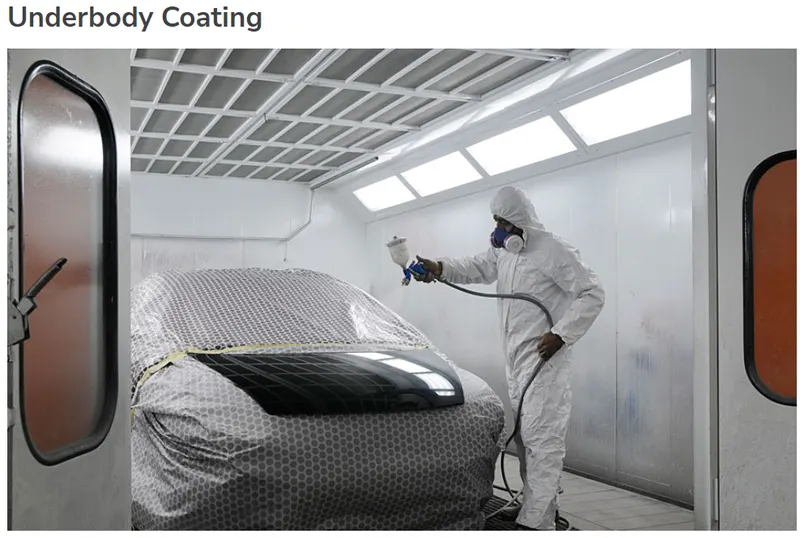
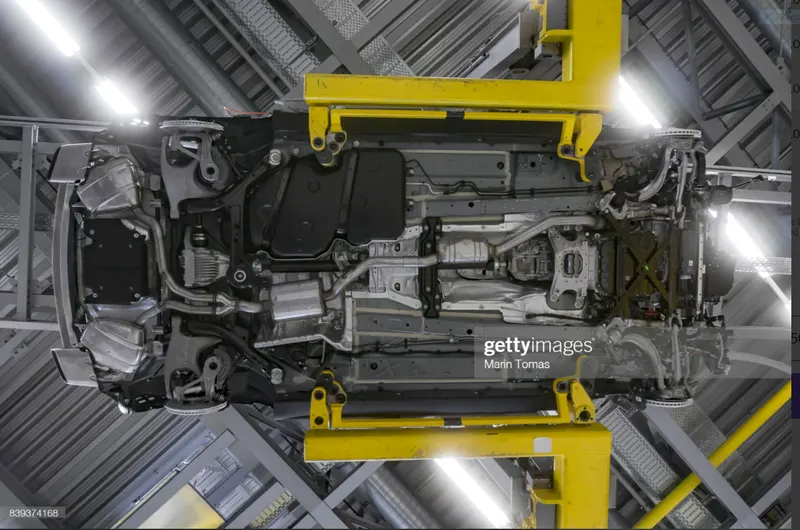
The underbody coating that is most commonly used on cars in India and supplied by companies such as 3M is a thick, rubberized paint that forms a 2-3 mm thick coating all along the underside of the car when sprayed on. You also get a thinner clear coat underbody coating which is like a lacquer that coats the entire underside of the car. Some even inject rust-preventive coating material into crevices such as the bottom of doors and door sills, to protect them from rust.
Here are some benefits of underbody coating
Protects Against Rust & Corrosion
The primary objective of getting underbody coating done is preventing metal components that are exposed on the bottom side of the car to damage from corrosion. You can shut out the Adverse effects of corrosion on your car by simply applying a rubberised anti-rust coating all over the belly of your car.
Reduces NVH (Noise Vibrations Harshness) Levels
Our country is filled with roads having uneven patches and potholes and while we manoeuvre our cars through such sections, the unpaved crumbs, and pebbles hit the car from underneath or get stuck in the wheel wells. The underbody coating’s consistency is so thick that the layer it creates absorbs all the unpleasant noises and vibrations and marginally improves the driving experience.
Prevents Paint Chipping
Running on the highway or while pacing through a city road, you will often encounter sharp gravel or any other unattended object hitting the belly of your car with high momentum. This scrapes and chips off the metal from down below. A thick layer of Underbody Coating definitely comes to aid and minimises the effects of such contacts on the body.
Protects Vital Components
Underneath a car is somewhere a lot of indispensable parts of a car are left exposed like the Engine, silencer, etc. One simply can’t afford to let these parts go bad due to rusting and hence in order to save yourself from a hefty repair bill, a considerably less expensive Anti-Rust Coating is a must.
Here are some of the downsides to underbody coating:
High cost
Cost of underbody coating has come down, but is still expensive. This is because underbody coating offered by a car dealer is one way in which they make money off the customer.
Risk of damage during application
Care must be taken while applying underbody coating. This thick rubberized paint if not applied properly, can get into moving mechanical parts and cause premature failure – such as into the U-joint or CV joints in a cars propeller shaft or drive shafts. They can also hinder smooth movement of suspension components, if applied incorrectly. And there’s also the risk of overspray on to the car’s paint finish on the lower edges of the car.
TYPES OF UNDER BODY COATING:
1.Rubberized Undercoating
Rubberized coating is generally the best option for protecting your vehicle's undercarriage, as it provides the simplest and best protective measures against rust and moisture.Rubberized undercoating is also safe to use on wheel wells and quarter panels, and dries to a soft rubbery finish that prevents further rust, damage, or moisture seeps.
2.Polyurethane Undercoating
This type of vehicle undercoating is a little bit quicker and easier to apply. This coating closes up splits and fractures on the underbody of the vehicle. It offers up good protection against corrosion and also bonds with the metal.
3.Wax or Paraffin-Based Undercoatings
A paraffin-based undercoating will be the cheapest and quickest option available with which to protect the undercarriage of our vehicle. However, it will wear off quicker than other types of undercoating and will need to be stripped and reapplied at least once every year.
4.Asphalt-Based Undercoating
For large trucks and heavy machinery, asphalt-based undercoating provides a bit of extra durability against rocks, chips, and moisture.This type of undercoating also needs more cure time than the other three, and is NOT paintable, making it best to use only for undercarriages.
CONS:
- Applaying underbody coating will not have any effect to the already corroded part.
- Undercoating is costly.