Underbody Coating
UNDERBODY COATING
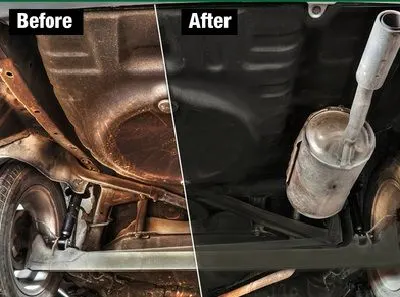
Underbody coating is a dense cladding that is placed uniformly to the vehicle's underside. When the car is fresh out of the dealership and spotless, it is usually sprayed or painted on. It's fine, however, if you get the undercoating applied after a number of years. This is because it might protect the undercarriage from further harm.
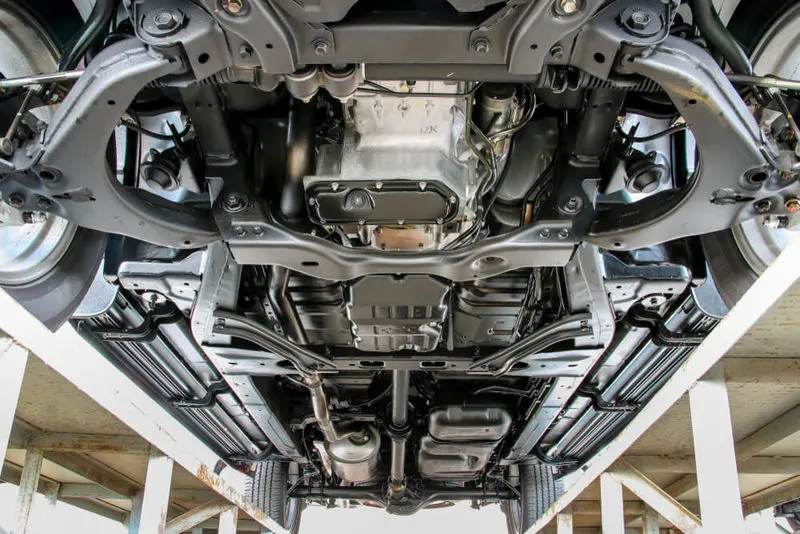
Undercoating process generally involves following steps:
1.Cleaning
All the dust, dirt or any other debris is removed from the underbelly. This stage is not required for newly manufactured car.
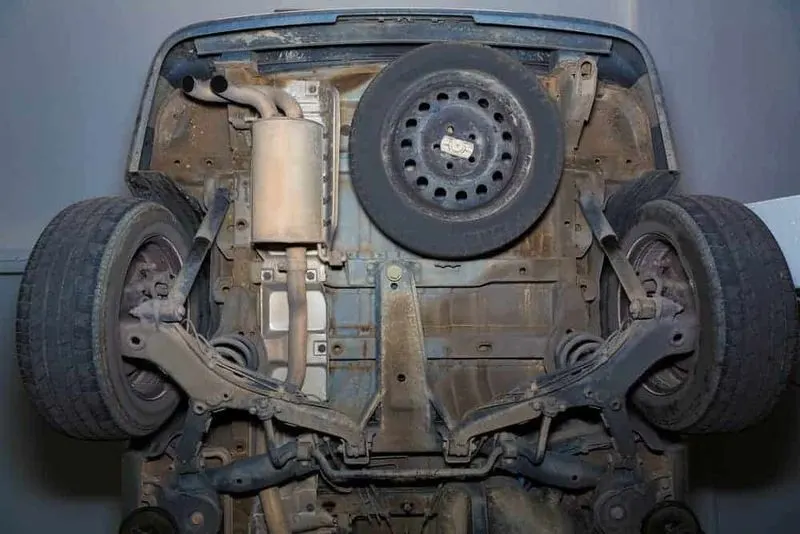
2. Applying Primer
Most undercoating products need the use of a primer as a basecoat. Many primers have their own set of preparation and curing timeframes. Spraying a primer is a crucial step in the undercoating process.
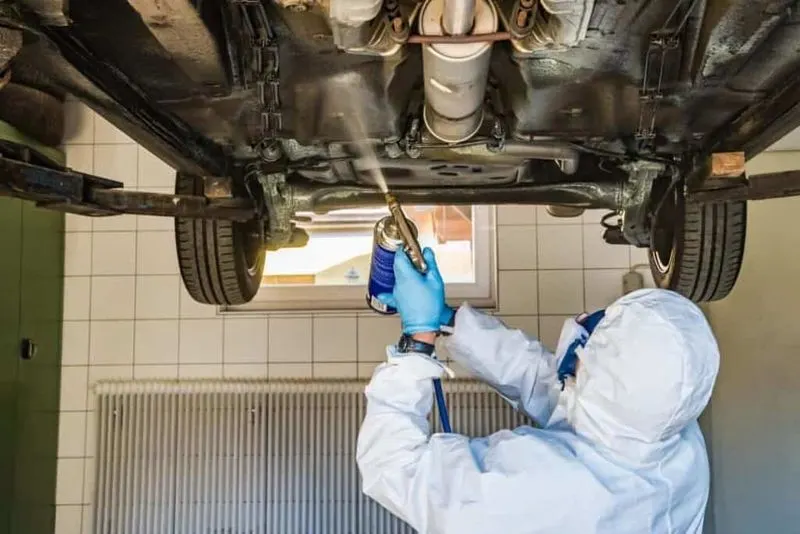
3. Applying undercoat
- The application of the undercoating itself is the final stage in the undercoating process. The majority of these products use a two-stage or dual-layer spray-on application method.
- While the initial wave of undercoating should be somewhat thin, keep in mind that it is there to act as a basecoat for the heavier outer coating, not as the first line of protection. On a warm day, an hour or two of downtime should be plenty to cure this initial layer. It's time to apply the final exterior layer after it's sticky to the touch.
- These last coats should be applied freely and in gentle, smooth strokes. Rushing will just result in uneven coverage and drips, so take your time. Once properly covered, it's time to sit back and let your undercoating cure, which can take anywhere from a few hours to several days depending on the temperature and the substance used.
TYPES
1.Rubberized Underbody Coating
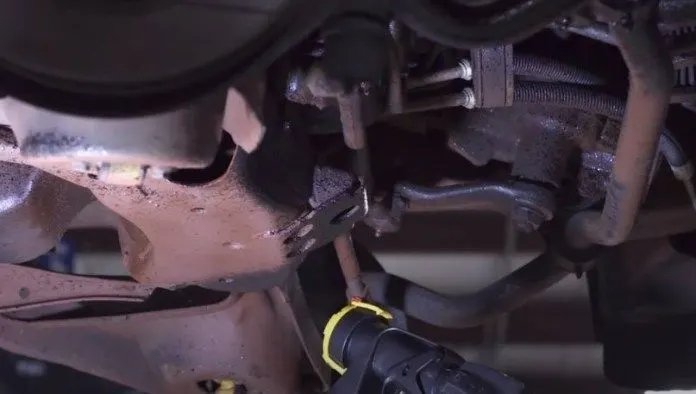
This is widely considered to be the best underbody coating for vehicle. It protects the underbody from scratches. It's also not difficult to apply this to the undercarriage.
2.Wax based underbody coating
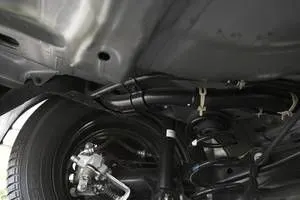
This ephemeral undercoating will, on the whole, fade away after a few months. On the plus side, wax-based undercoating is extremely resistant to moisture. It is also the most cost-effective choice available.
3.Asphalt based automotive underbody Coating
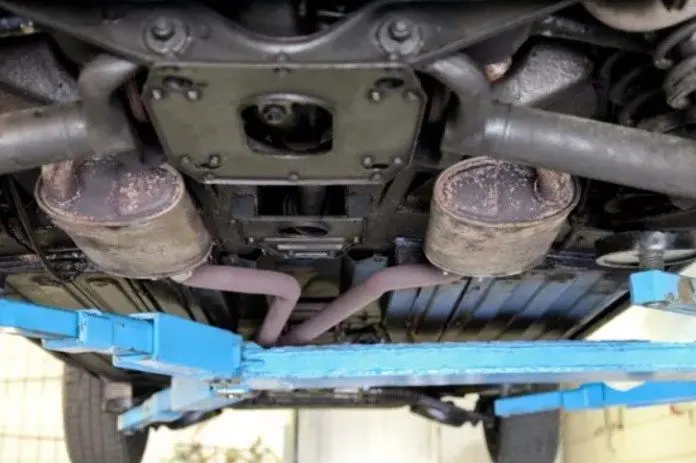
Suitable for lorries, trucks, and other heavy vehicles. When compared to rubber-based coatings, this gives a higher level of protection. Asphalt-based coatings, on the other hand, have a little percentage of rubber in them for sound insulation. The application of this coating, however, takes some time.
4.Polyurethane underbody Coating
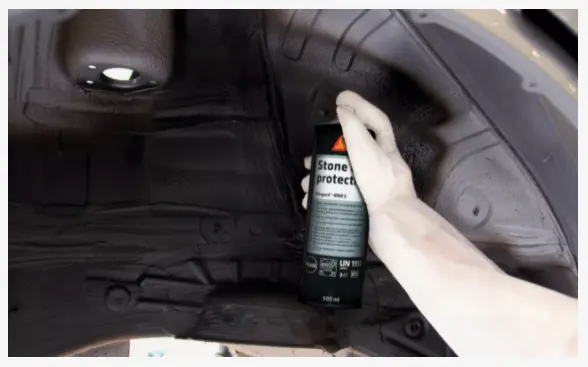
This covering seals splits and fractures in the vehicle's underbody. It provides excellent corrosion resistance while also forming a strong connection with the metal. Unlike an asphalt-based coating, the polyurethane coating can be painted over.
PROS
- Resistance against Rust
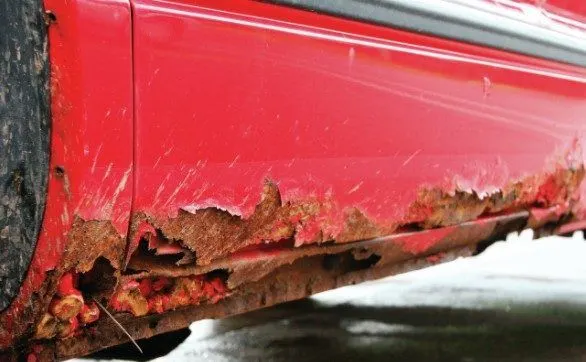
It has a crucial role in preventing corrosion. Underbody coating is especially useful if you live near the sea, where there is a lot of humidity and corrosion is a common occurrence. If you live somewhere where it snows in the winter, you should seriously consider undercoating.
- Absorbs Noise
Noises that enter the cabin can be muffled by a thick undercoating. The undercoating, which is frequently made of rubber, absorbs some of the rackets. The car's occupants could avoid the road noises to some extent.
- Reinforcement
If an automobile already has a factory-installed underbody coating, adding additional isn't going to hurt. It will add support to the underbody, protecting it against water, road debris, gravel, and small pebbles. The factory coat would also have a lower risk of flaking away.
- Prolon Car's Life
A good undercoating not only protects the underbody from corrosion but also the engine and transmission. Less corrosion, along with less wear and tear, can add years to the life of your car. There would be less dents, dings, and scrapes to worry about on the undercarriage.
CONS
- Effective if corrosion is already present
To be most effective, an undercoating should be applied before the underbelly of your vehicle begins to corrode. If you put it over corrosion, it will continue to isolate the metal from new moisture and airflow, which is beneficial, but the present oxidizing/rusting process will continue. If there is rust present, it is preferable to remove the rust before applying the undercoating.
- It works best on new cars
For a second-hand automobile, the expense of prepping the underside for undercoating may be greater than the car's worth. Before applying, it is necessary to remove all of the residue from the bottom. Failure to do so will seal in the material that is already there, perhaps causing further difficulties. The optimal time to have an undercoating done is when a vehicle is brand new, since it provides the greatest amount of protection.
- The High Price of Vehicle undercoating
The most common criticism regarding car undercoatings and rustproofing processes is their high cost. This is precisely why many individuals choose to take matters into their own hands and attempt to undercoat their vehicles themselves.