Underbody Coating
UNDERBODY COATING
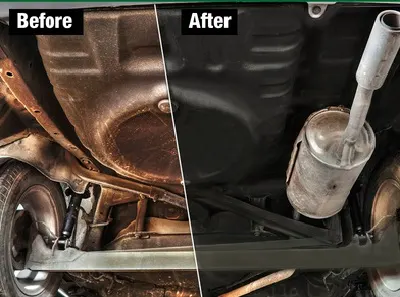
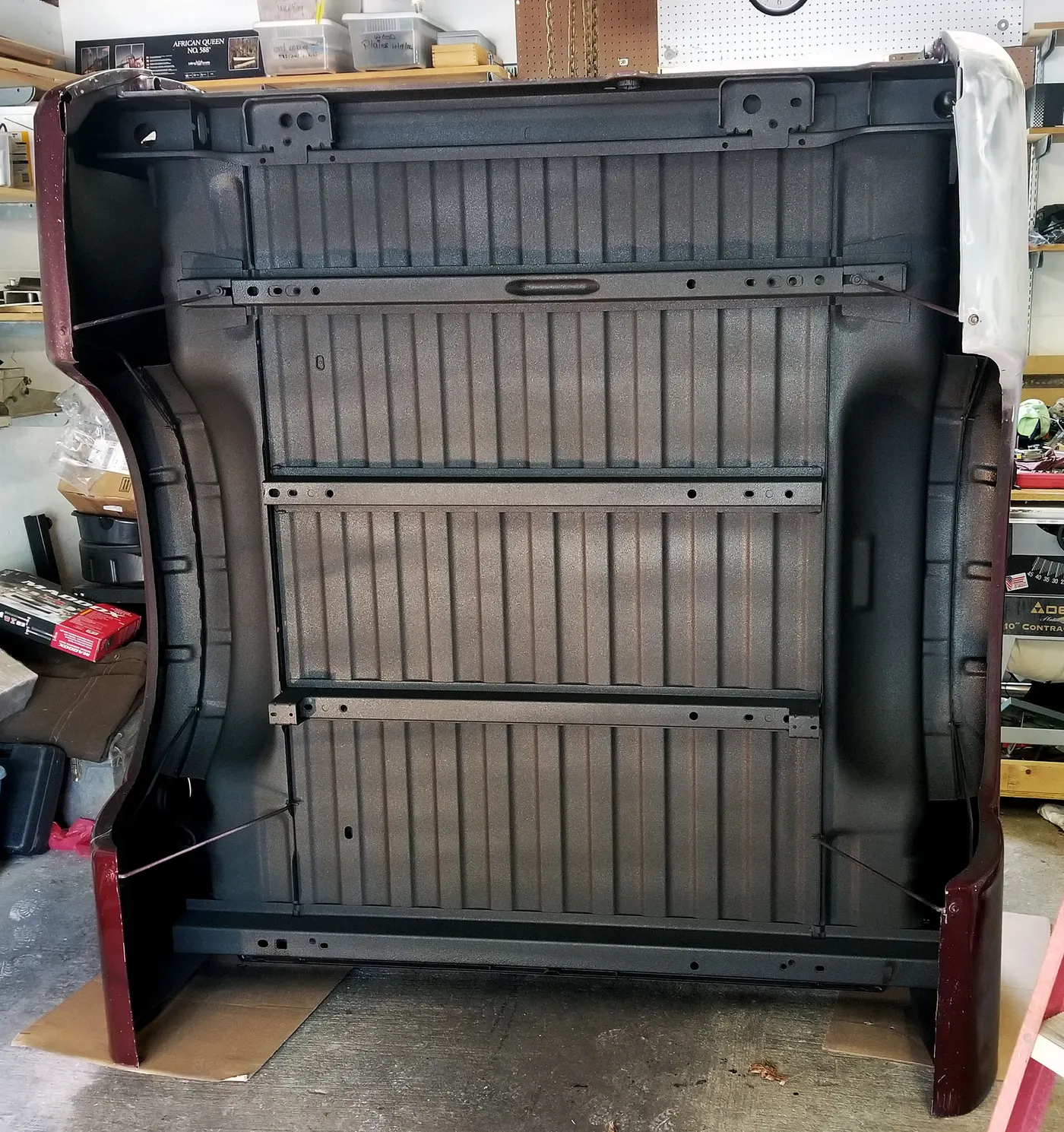
Under-body Coating is a thixotropic corrosion preventive that provides long-term resistance against corrosion and abrasion even under difficult conditions. When the solvent has evaporated, a tough, elastic, waxy protective film remains on the sheet metal, giving a high degree of protection.
A car's underbody is exposed to most wear and tear caused by muddy water, potholed road, stones, and other obstacles on the road. Because it's not in the plain sign, we often do not see the damage of the underneath metal part like suspension arms, muffler, brakes, axles, and transmission system. In Indian road conditions, a car underbody is most prone to corrosion and rust. Underbody coating can also make it easier for you to clean the car. Besides these, the coating also provides a bit of thermal insulation making traveling by road easier even during summer.
Types of underbody coating:-
- Water Undercoating
- Paraffin Undercoating
- Rubber-based Undercoating
- Asphalt-based Undercoating
Water Undercoating:-
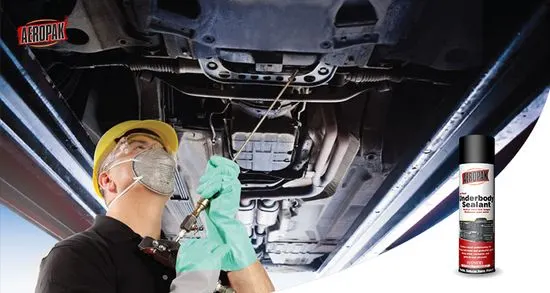
Water-based undercoating is one of the most popular types of undercoating. These undercoating can be found in automobile parts stores in the aerosol formula. Water-based undercoating is thin-set and has a quick-drying process. The downside to water-based undercoatings is the frequency in which they need to be repeated. Often the smallest abrasion that breaks through the undercoating can result in the need for a new cost. Repetitive undercoating can get expensive even if the product does not cost much.
Paraffin-based Undercoating:-
Paraffin-based undercoating has a wax inclusion that makes them stronger than water-based undercoating. Paraffin-based undercoating needs to be replaced at least once a year at the vehicle owner's expense. A paraffin-based undercoating will be the cheapest and quickest option available with which to protect the undercarriage of your vehicle. However, keep in mind that it will wear off quicker than other types of undercoating and will need to be stripped and reapplied at least once every year.
Rubber-based undercoating:-
Rubber-based undercoating is the second strongest undercoating available for vehicles. This type of undercoating allows for more flexibility in the undercarriage and holds up better to rough terrains. Rubber-based undercoatings are available in spray and paint-on applications. Due to the thickness of the application, it is advisable to let a professional apply rubber-based undercoating to ensure maximum coverage. Rubber-based undercoating also can be bought as an option when purchasing a vehicle.
Asphalt-based Undercoating:-
Asphalt-based undercoating is the strongest undercoating available. It is used on military vehicles. Asphalt-based undercoating will last the longest and is the best option for vehicles that endure heavy road use. Asphalt-based undercoating is the thickest coating with the most damage-resistant properties. It can be bought through professional services and is the only type of undercoating with a limited warranty. Asphalt-based undercoating can be purchased when buying a new vehicle. Asphalt-based undercoating generally contains a little bit of rubberized material that sets up firmly and also helps soften noise. Generally sold in five-gallon containers, this type of undercoating also needs more cure time than the other three, and is not paintable, making it best to use only for undercarriages.
Advantage and Disadvantage of underbody coating:-
Advantage:-
- It provides a layer of protection against corrosion.
- It will extend the life of your vehicle.
- It can be applied to damaged areas.
- It can be self-applied.
- There are multiple undercoating methods that can be used.
- It will help to reduce interior noise.
- The service might help with the cost of your insurance.
Disadvantage:-
- It is less helpful if the corrosion is already present.
- It works best on new cars.
- A third-party undercoating service might void your vehicle warranty.
- It adds weight to the vehicle.
- An undercoating is not impervious to damage.
- It must be reapplied every 3 to 5 years for the best results.