Underbody Coating
Prons of Undercoating
The obvious pros of undercoating are the protection it provides to the carriage of your vehicle. If you live in an area where salt and sand are used on the roadways in cold weather, these materials can be corrosive to your vehicle. Undercoating gives you an extra layer of protection against rust and corrosion, protecting your car. Undercoating will eventually wear out, but you can get years of protection from it. Even vehicles in warmer climates gain protection as debris is repelled and kept away from eating at the vehicle.
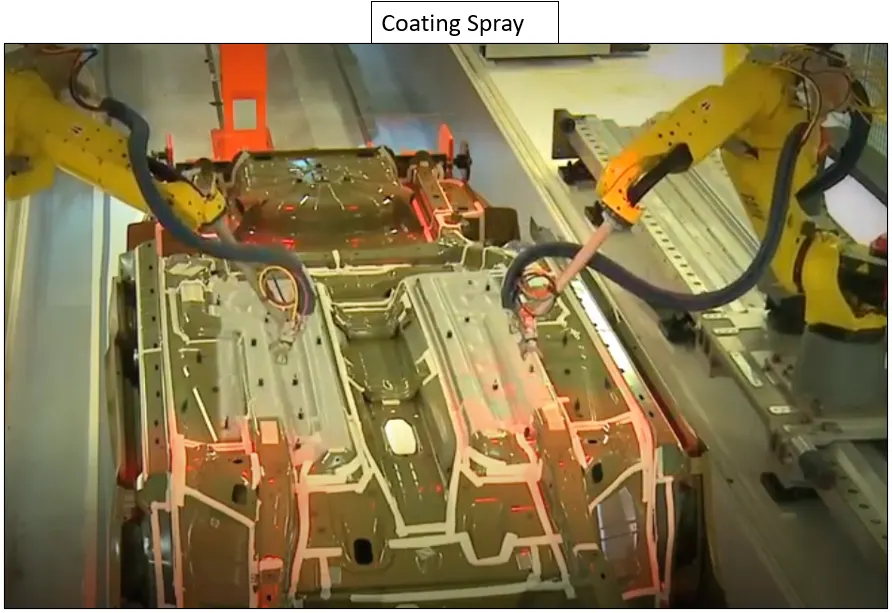
Uses a sealant or chemical which may be applied by the robots or manually so that it reaches every single surface properly. This coating is applied after the ED coating is done to the full body of the vehicle. Under coating is needed by the vehicle again after a maximum of five to six years of use.
Cons of Undercoating
When examining the vehicle undercoating pros and cons, you do want to look at potential downsides to getting undercoating. Undercoating will work best on new vehicles that have not been exposed to road conditions. A used vehicle may already have residue on the bottom of the car or even have spots of rust and corrosion. Undercoating will not help you if corrosion already exists and the corrosion needs to be removed first before it can be applied, which can be expensive for you.
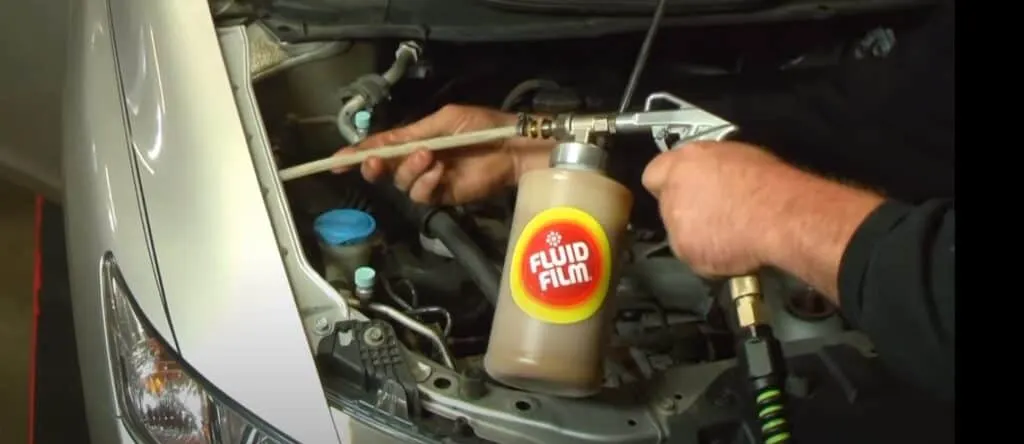
Underbody Coating Process Images:
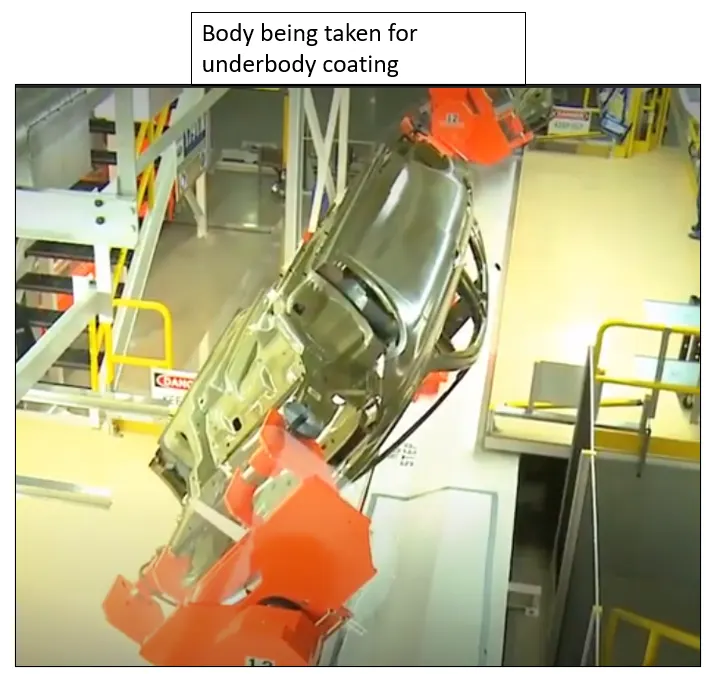
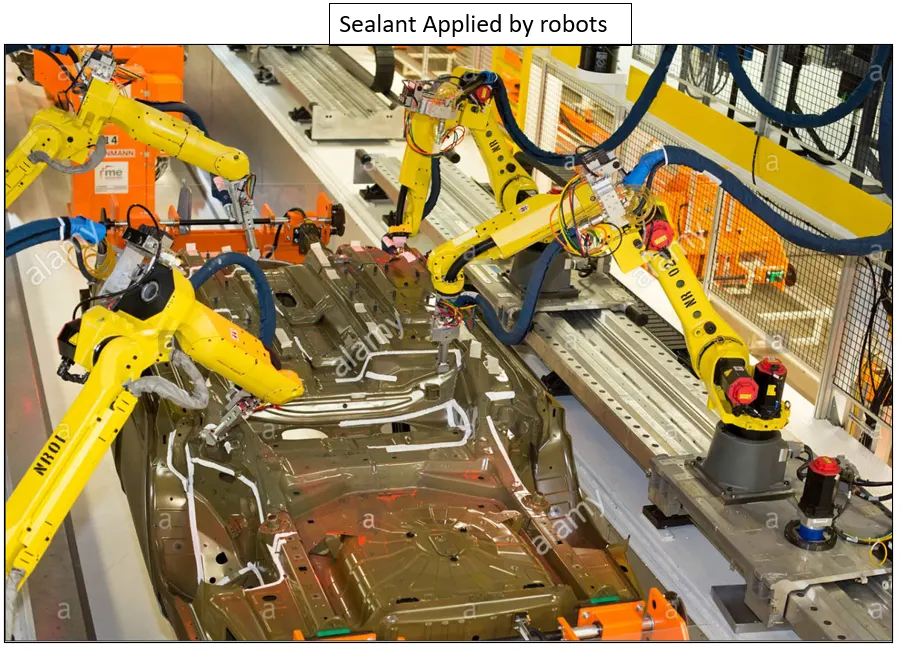
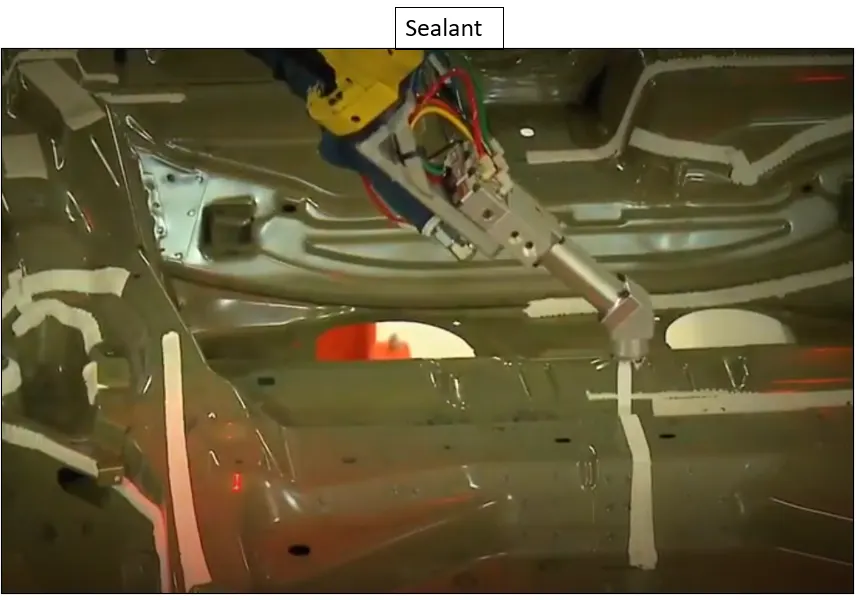
Then the body is sent for paint shop after dusting.
Thanks