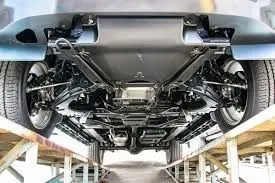
Underbody Coating
Undercoating is the first line of defense between an automobile’s metallic underside and the elements, and all vehicles receive a coating of this stuff before rolling off the assembly line.
Undercoating is a process in which a defensive layer is applied to the undercarriage of vehicles. Undercoating or Rustproofing can defend against the onslaught of rust-causing road salt and brine for a very long period. It can help extend your vehicle’s life.
As the time passes rust causes corrosion and can lead to part failures and a whole host of other issues. Rust can trigger a number of different system breakdowns, such as leaks that can lead to gradual fuel wasting and even sizable components like the engine and transmission failure.
Rust reduces the life and residual value of the vehicle and not to mention safety hazard and so it’s vital to take steps to prevent rust from happening.
It has the ability to repel rust and oxidation, rock chips, scratches, and even lower road noise levels.
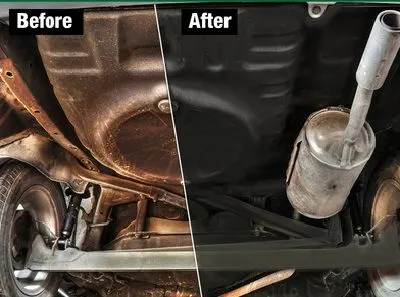
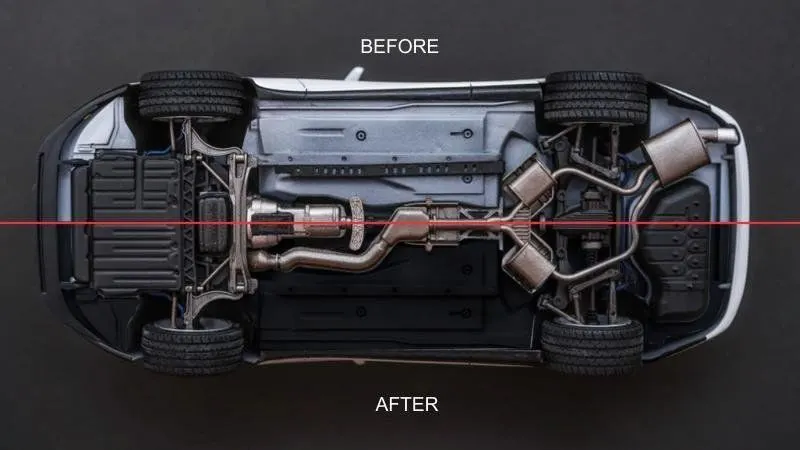
DIFFERENT METHODS OF UNDERBODY COATING:
1. Spray on Rubberized under coatings
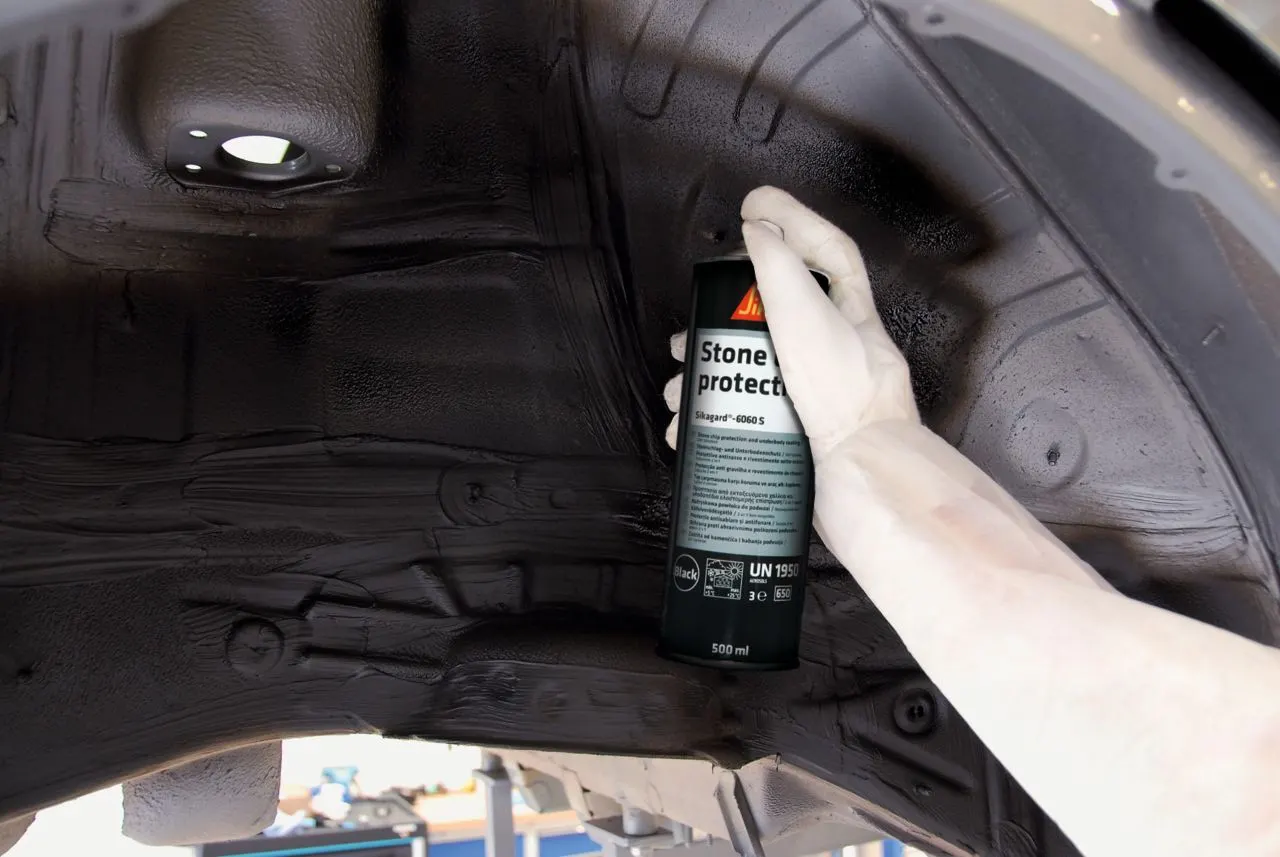
Perhaps the most common method of undercoating a vehicle, is via the use of a “rubberized” spray-on product. Utilizing a tar-like substance that has been infused with solvents and protectants, spray-on undercoatings stick to whatever they touch.
Once cured they act as a barrier against salt, moisture, oxygen, and any other foreign substance that may lead to rust and corrosion. We’ll delve a bit deeper into the grimy details of what makes these opaque products so popular a bit later.
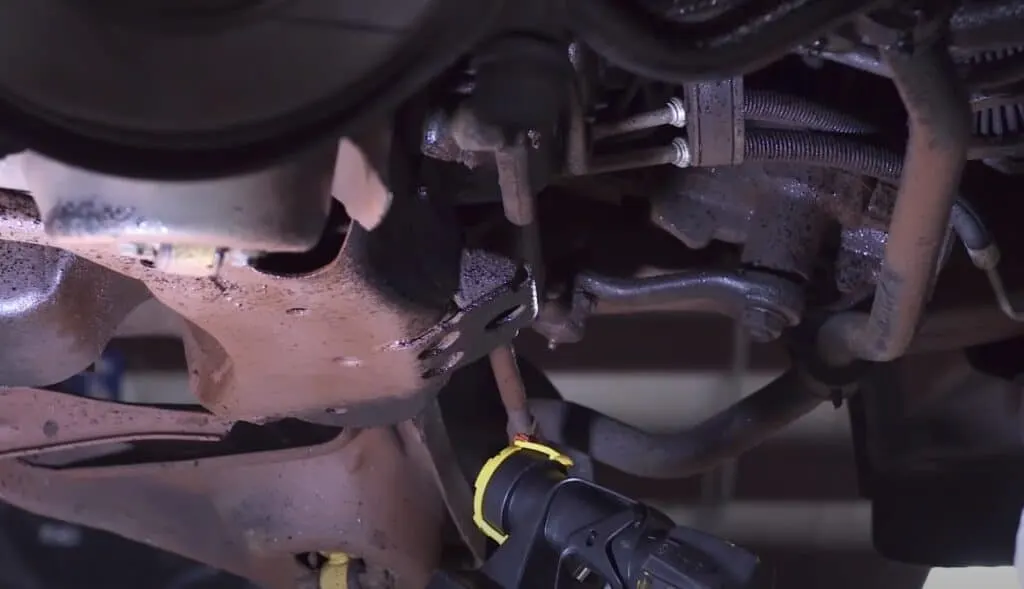
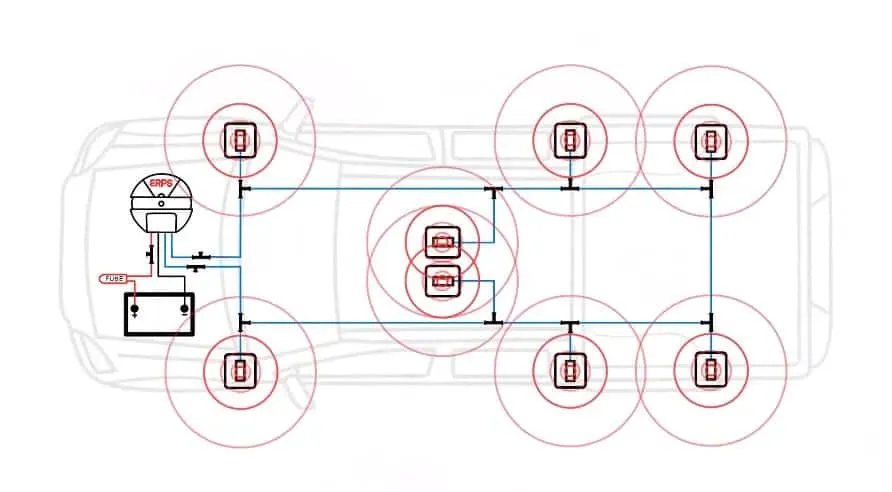
2. Electronic Rust Inhibitors
They are marketed as a permanent, discreet, easy to install solution to corrosion. While the notion of electrical current coursing along the underbelly of a vehicle is undeniably odd, it has been proven to work, but not in the way that one might expect.
3. Lanolin Wax/ Wool Grease
When choosing an undercoating, the lanolin approach remains a proven, if not slightly unusual rust prevention solution. Commercially, lanolin coatings are used as both a rustproof coating and as a lubricant, with everything from ship hulls and rigging equipment, to heavy-duty excavation machines and production facilities relying upon this water-repelling corrosion inhibitor.
On automobiles, lanolin fills in all of the nooks and crannies of the chassis with a sticky, wax-like substance that’s been derived directly from sheep glands.On the downside, curing times will vary depending upon air temperature and how heavy of a coating has been applied.
4. Dripless Oil Spray
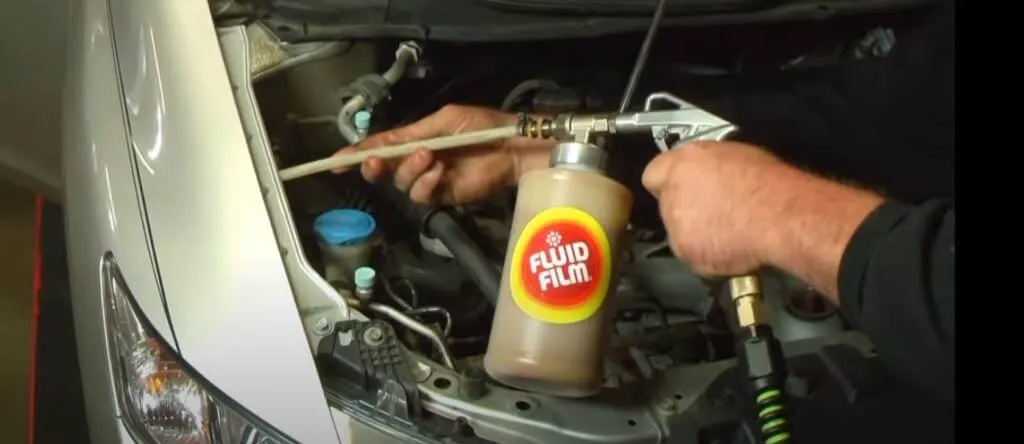
The final common undercoating option is dripless oil spray. Once allowed to harden on a surface, this wax-like, colorless substance boasts the ability to repel moisture and corrosion for years on end.
Just note that dripless undercoating oil sprays typically require holes to be drilled into the body of the vehicle at specific points in order for the product to penetrate areas that are prone to rusting-out.
5. Polyurethane Undercoating
The other option for undercoating your vehicle is to use a polyurethane based sealant This type of vehicle undercoating is a little bit quicker and easier to apply.
Oftentimes, polyurethane undercoating will come in canisters ready to preload into an application gun. This type of sealant works by seeping into all cracks and seams, displacing salt and moisture and oozing around rusty areas to bond with and protect unoxidized metal. It also sands quickly in case you'll need to perform bodywork and can be painted over.
On the flipside, this type of car undercoating generally requires a little bit more surface prep work before applying sanding and applying an etching primer to bare metals before using are generally recommended.
6. Asphalt-Based Undercoating
For standard vehicles, any of the aforementioned types of undercoating will provide sufficient protection. For large trucks and heavy machinery, asphalt-based undercoating provides a bit of extra durability against rocks, chips, and moisture.
Asphalt-based undercoating generally contains a little bit of rubberized material that sets up firmly and also helps soften noise. Generally sold in five gallon containers, this type of undercoating also needs more cure time than the other three, and is NOT paintable, making it best to use only for undercarriages.
ADVANTAGES:
1. The biggest advantage to having an undercoating installed on the underside of an automobile, is knowing that your vehicle is protected from rust and corrosion, to an extent.
2. Another perk, is that undercoatings add an extra layer of sound-deadening insulation to the underbelly of a vehicle. While it may not be as effective as a dedicated sound-proofing product, and won’t do much when it comes to repelling heat and cold, undercoatings do reduce road noise.
3. Good undercoating not only defends the underbody from corrosion but also protects the engine and transmission as well.
4. It also increases the lifespan of a vehicle.
DISADVANTAGES:
1. Like many chemical-rich products, the average undercoating is a gateway to organ failure, cancer, infertility, and genetic defects.
2. But perhaps the biggest complaint people have about automotive undercoatings and rustproofing procedures, is how much they cost. This is precisely the reason why many people opt to take matters into their own hands, and attempt to undercoat their automobiles on their own.
3. Wax or Grease or Rubberized coatings create a very foul smell which becomes quite intolerable.
Finally we can conclude as having an automobile treated with an undercoating is not only a smart way to extend the lifespan of the vehicle but it also protects crucial brake and suspension components from seizing due to corrosion.
When properly installed, an automotive undercoating also has the power to keep an undercarriage shielded from all sorts of unsavory shit. This means everything for saltwater, deicers, road grime, engine oil, corrosive chemicals, and many other kinds of corrosion causing contaminants get kicked to the curb.
After Underbody Coating the vehicle looks like: