Underbody Coating
Underbody coating
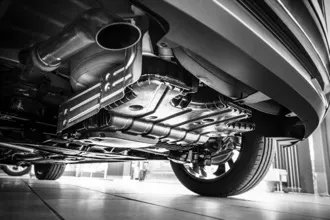
Underbody coating is a type of automotive coatings like paint, primer protective coatings, etc. often neglected UBC plays a vital role in the service life of a car. It is mandatory to have a standardized amount of UBC homologation in markets around the world with variations in the layer thickness and positioning of these coatings. As the bottom or underbody of a car is not visible easily it used to be neglected in terms of aesthetics by manufacturers to save money in older days. Over the development in the last couple of decades manufacturers have established that a small investment in UBC can improve the service life of a vehicle by a significant amount.
Underbody coating is done by airless spraying with help of robots or humans in some cases. The materials used include PVC(Poly Vinyl Chloride), acryl/urethane sealants, Teflon, rubber-based compounds, etc. The thickness of this coating may vary from 0.1 to 10mm as per the model, market, manufacturer. For example, in a competitive price market like India, the coatings are provided conservatively for budget models usually just enough to get through regulations, whereas in premium class models where comfort is the priority over budget no such limitations are practiced.
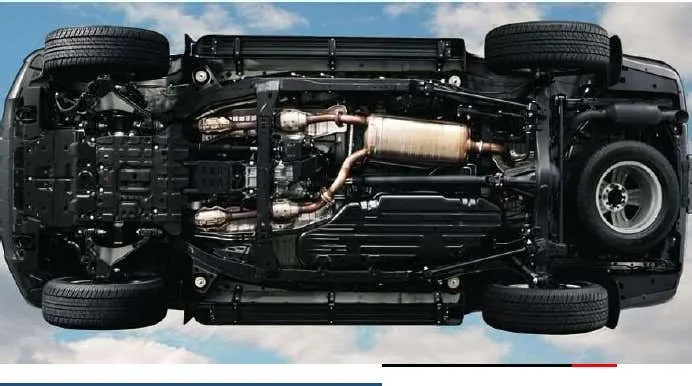
As the name suggests UBC is applied on the outside of the floor panels, the bottom of the trunk/boot, shaft/exhaust pipe tunnels, and inside of the wheels arches. Due to sealing properties, UBC is also applied on gaps, naked welds, and any other openings on the underbody of the car.
Types of Undercoating
1. Rubberized Underbody Coating
This is generally thought of as the best underbody coating for your car. It preserves the underbody well, protecting it from scratches. Applying this to the undercarriage is not much of a hassle either.
2. Wax Based Underbody Coating
This – more or less – ephemeral undercoating will wear away in a few months’ time. On the upside, wax-based undercoating puts up a big fight against moisture. It is also the most affordable option out there.
3. Asphalt Based Automotive Undercoating
Best suited for lorries, trucks and large vehicles this provides a greater degree of protection compared to rubber-based coatings. However, asphalt-based coatings contain little amounts of rubber for sound-insulation purposes. The process of applying this coating is a bit time-consuming though.
4. Polyurethane Underbody Coating
This coating closes up splits and fractures on the underbody of the vehicle. It offers up good protection against corrosion and also bonds with the metal. Unlike in the case of asphalt-based coating, you can paint over the polyurethane coating.