Underbody Coating
Underbody Coating:
Aim:
To study about the Underbody coating done in automobiles.
Objectives:
To study the underbody coating theory
To mention about the types of the process
To discuss its Pros and Cons
Introduction:
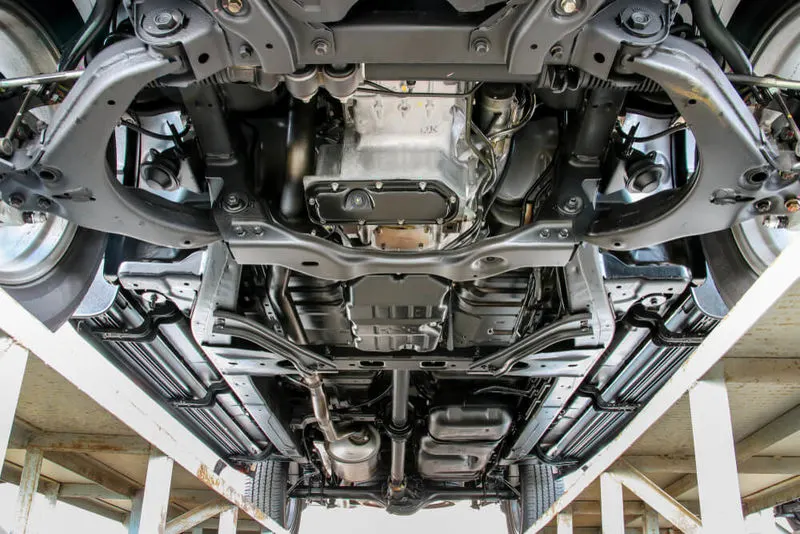
When the car is driven on the roads/streets, the lower portion of the automobile gets exposed to muddy water, stones, bumpy roads and potholes. Even though the drive is smooth the lower potion of the car is adversely affected which reduces the life and the efficiency of the car in the long run. Under these circumstances the car gets subjected to wear and tear, which might lead to serious issues if proper care is not taken by the owner. The under body gets exposed to moisture which helps in the formation of rust and it leads to dissolution of the metal. When the metal dissolves, connections can start going bad. The car's safety can also be compromised because the steel that creates crumple zones will dissolve.
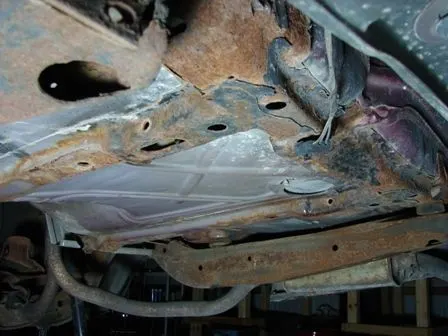
Inorder to keep the car safe the Underbody Coating Technique is widely preferred. Underbody coating is a process in which a dense layer is applied on to the underpart of an Automobile. Maintaining a car Underbody can be a lifesaver to the driver. Some other conventional processes like oad salt or mag chloride are still used for rust or corrosion-related issues.
Underbody Coating:
In simple words, it is the process of applying a spray over the lower part of the vehicle to protect it from rust and other adverse conditions. The main purpose of undercoating is to check rust especially in the body components like frame rails along with other exposed metal parts. Underbody coating can also reduce wear and tear. Getting a fresh coat can cost you up to ₹6,000.
Types of Underbody Coating:
1. Spray:
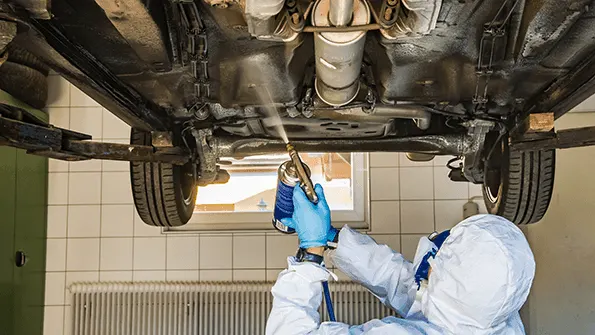
This is a manual process of Underbody coating in which the person sprays the fluid material over the lower portion of the car body. The Spray consists of Tar based material which is sprayed on the underpart. The person sprays the basic coat after lifting the vehicle at a height. In recent times, High speed Robots are used to perform this task which helps in better coating of the complex parts.
2. Electronic:
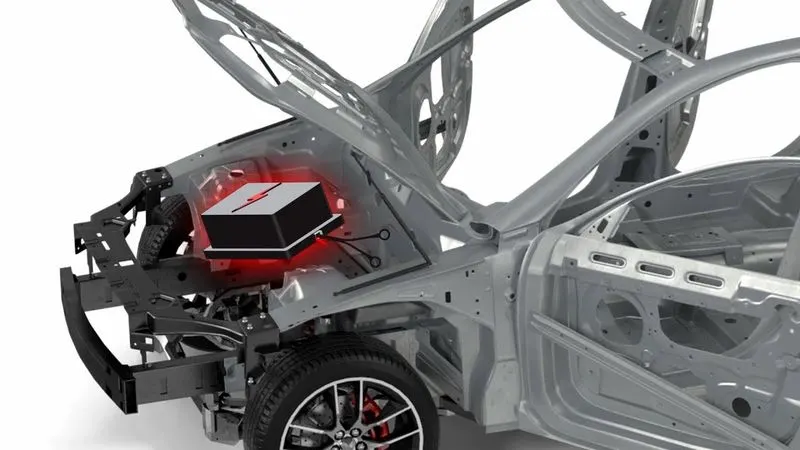
Removing the electrical current capacity of items underneath the vehicles is another method for applying to undercoat. A weak electric current circulates through the material, reducing the chances of rusting.
3. Oil Bath:
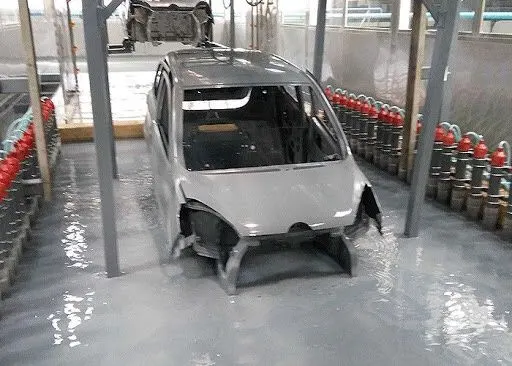
The automobile frame is kept in a bath of liquid coat. The liquid in made to fall in a plent of amount and than the frame is allowed to get dry and the coat gets set on the frame.
4. Drippless Oil Spray:
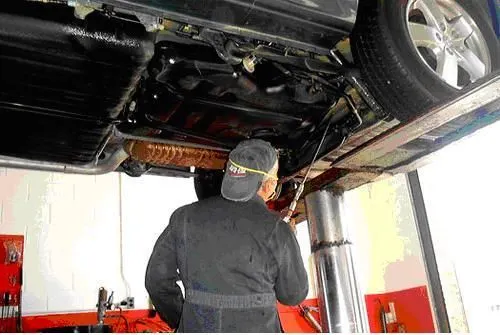
A waxy substance is applied to the body and undercarriage, forming a strong protective layer. It doesn’t take much time to dry; however, the layer can easily wear and tear than the other counter methods.
Basic Steps in Underbody Coating:
1. The car is lifted at a height and it is properly inspected to check for flaws or cracks.
2. The lower part of the body is thoroughly cleaned inorder to remove the dust and other muddy water particles.
3. Critical components like silencer are covered in a film to avoid the coating from sticking to it.
4. The remaining portion of the lower body is spray painted evenly.
5. The silencer film is removed and zinc coating is sprayed on it.
6. Final inspection is done to look out for flaws and the process gets completed.
Advantages of Underbody Coating:
1. Protects from Rust:
It plays an important role in keeping corrosion at bay. Underbody coating can come in handy especially near the sea areas , where there is too much humidity, and rusting is just one of those everyday things. You should also seriously consider undercoating if you reside in a place where it snows in winter.
2. Absorbs Noise:
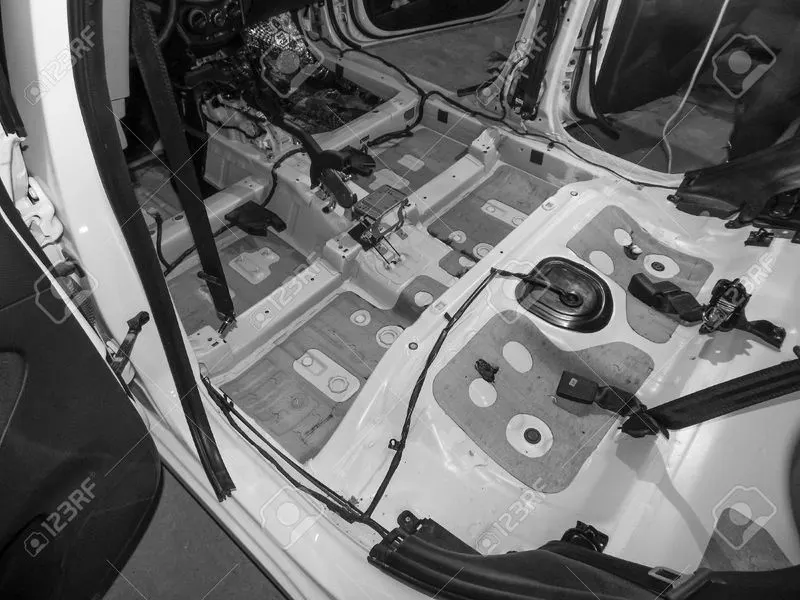
Underbody coating helps in reduction of the noise by preventing it from reaching the cabin. The layers mostly consists of rubber like material which dampens the noise.
3. Reinforcement:
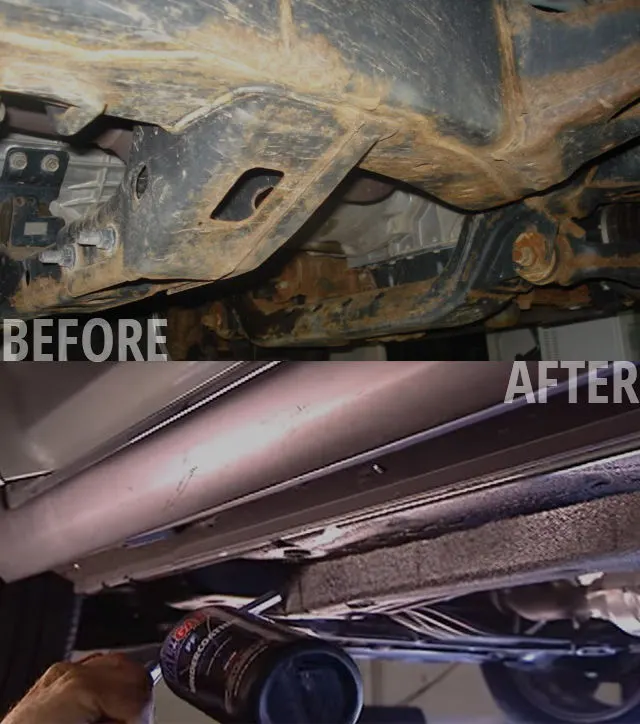
If the car comes with stock underbody coating, using another coating on top of it, is not going to hurt. It will offer additional reinforcement, protecting the underbody from water, road debris, gravel and small pebbles. There would also be a lesser chance for the factory coat to flake away.
4. Car Life:
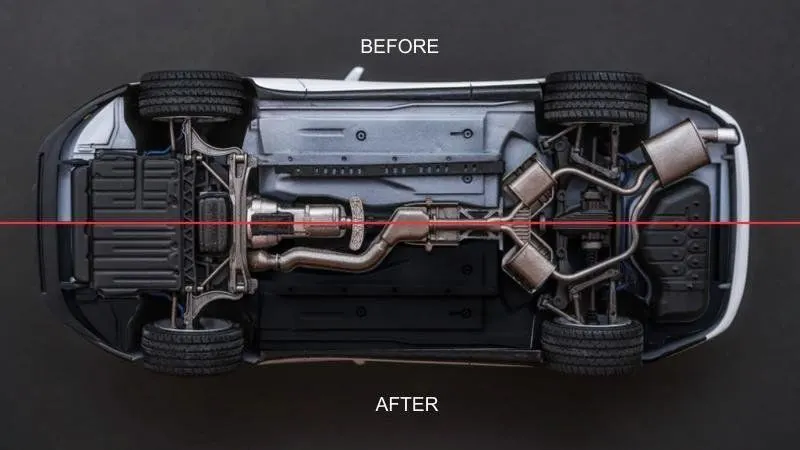
Good undercoating not only defends the underbody from corrosion but also protects the engine and transmission as well. Less rusting coupled with slower wear and tear can surely add years to the lifespan of your vehicle. There would be fewer dents, dings and scratches on the undercarriage for you to fret about.
5. Self Application:
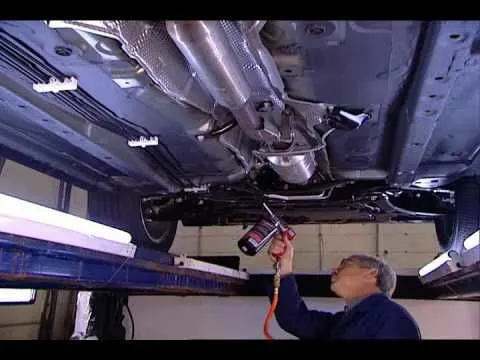
Underbody coating gives better results when it is professionally done under a company or workshop. But if money is tight, and the driver has some basic car maintenance skills, then the work can be done by himself. The applier has to make sure that the DIY undercoat should be sprayed properly in all the intricate regions.
Disadvantages of Underboady Coating:
1. Less effective in presence of Rust:
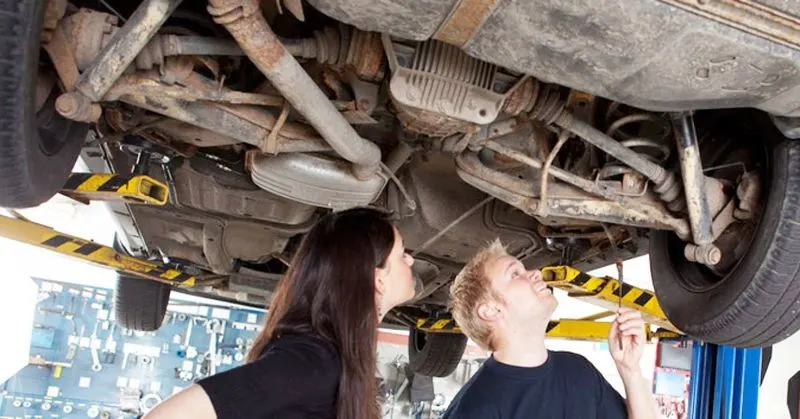
For application of underbody coating the underpart of the car should be properly cleaned before the application of the coat. For best results the car underpart should not have rust developed before the coat. If the coat is applied over the corrosion then it will lead to isolation of the metal and the existing rust will be retained in the metal which will lead to its failure.
2. It works best with new cars:
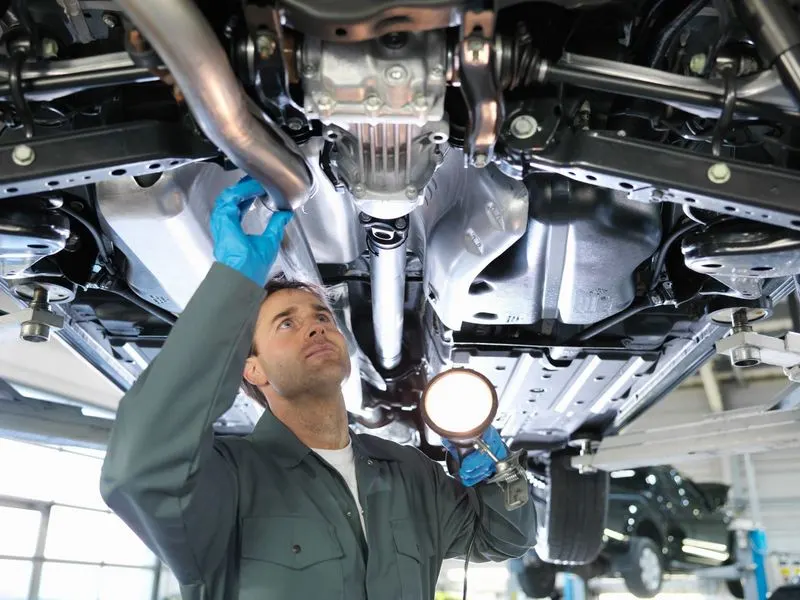
Underbody coating is value for money process but only for new cars. In the case of a used vehicle it is to be cleaned first which adds to the cost of the process. In some cases the cost of cleaning might be more than the value of the car which is not an optimal decision. The best time to go for undercoating is when the vehicle is new.
3. Rusting takes time:
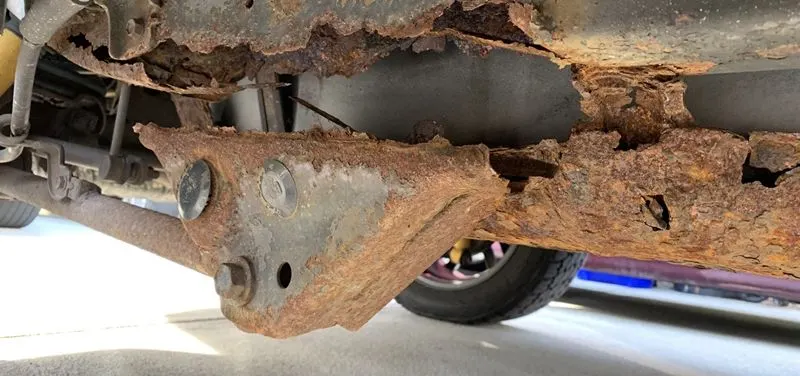
Latest Vehicles alraedy has underbody coat on them with latest technologies and they give 3-5 years of assurity that the car will not develp a rust. If the buyer is rich and prefers to change his car after a span of 5 years then underbody coating is not a choice which he will pick. Once applied it must be reapplied every 3-5 years which further adds to the expenses spent on the car.
4. Weight of the vehicle:
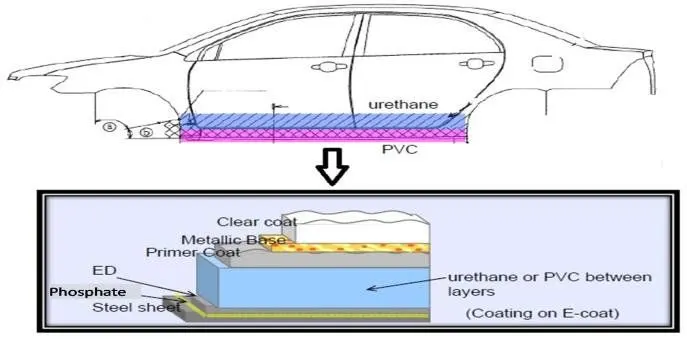
Although the amount of weight added to the car after undercoat is very less, there is a factor of fuel economy which needs to be considered. If the weight of the car is increased then the distance travalled with a specific amount of fuel decreases. The undercoating might reduce the efficiency by up to one mile per gallon, which creates a small additional fuel cost over time. Still, the effect on mileage of this additional weight is negligible compared to the effect a driver can have by the way they drive.
Best Materials for Underbody Coating:
1. Rust-Oleum Professional Underbody coating Spray:
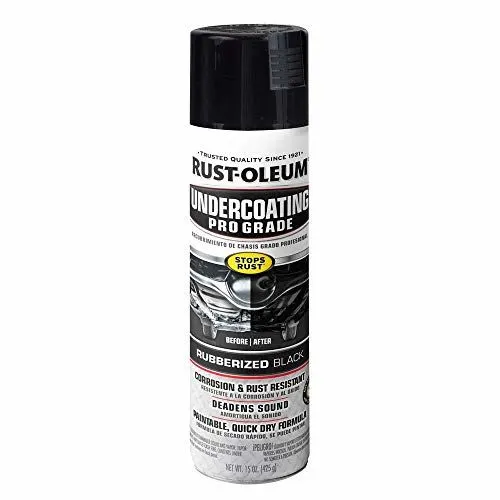
Rust-Oleum Professional Undercoating is an easy to use, black rubberized coating. It provides corrosive protection from water, salt and other chemicals. It helps deaden sound and its trusted rust preventive formula provides a barrier from rust on cars, trucks, trailers and other recreational vehicles. Each can of Rust-Oleum covers between 10 to 15 square feet, so you will definitely need more than one can if you hope to cover the entirety of your vehicle’s underbody. Thankfully, you can buy this undercoating in a six-pack as well as single cans.
2. Fluid Film Undercoating:
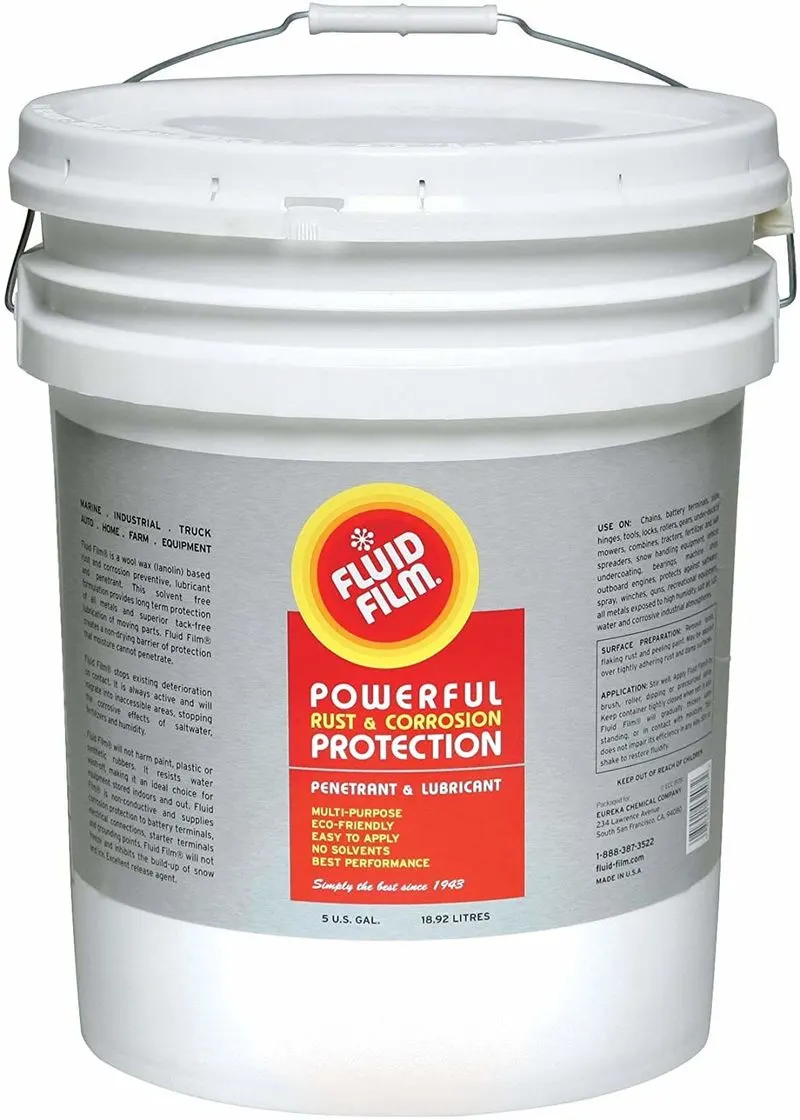

Rust and Corrosion Protection, 5 Gallon Pail, Always active and doesn't dry out, Must be kept at room temperature, Provides long term protection against corrosion, Provides superior lubrication and penetrates heavily seized parts, Stops existing corrosion, Will not harm paint, plastic or synthetic rubbers, Size: 5 gallon. The company says its undercoating was created for industrial applications, primarily on large ships and offshore oil rigs, where corrosion is a massive problem. That explains the fact that you can buy this product in a huge, five-gallon pail.
3. 3M Professional Grade Rubberized Undercoating:
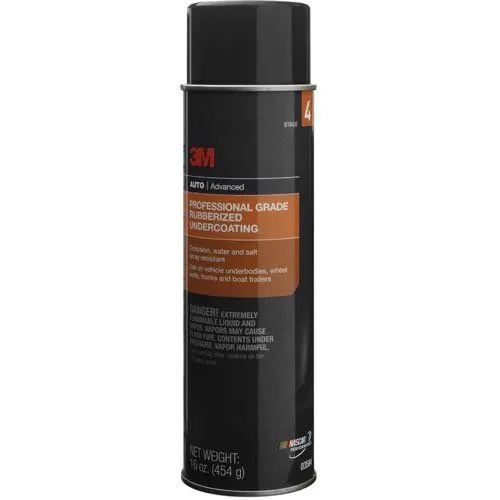
The number three spot on our list of the best undercoating products goes to another recognizable name in vehicle protection, 3M. It comes in a convenient spray can that goes on black and dries to a rubberized, flexible surface that will protect your vehicle’s metal from corrosion-causing salt and damage from other road hazards.
- Multi-purpose undercoating may be applied to cars, truck and recreational vehicles
- Sound deadening properties help reduce road noise
- Asphalt-based product is excellent for wheel wells, quarter panels, interior fenders, under the hood and more
- Protects the undercarriage of vehicles from rust and abrasion
4. Rusfre Spray on Rubberized Undercoating:
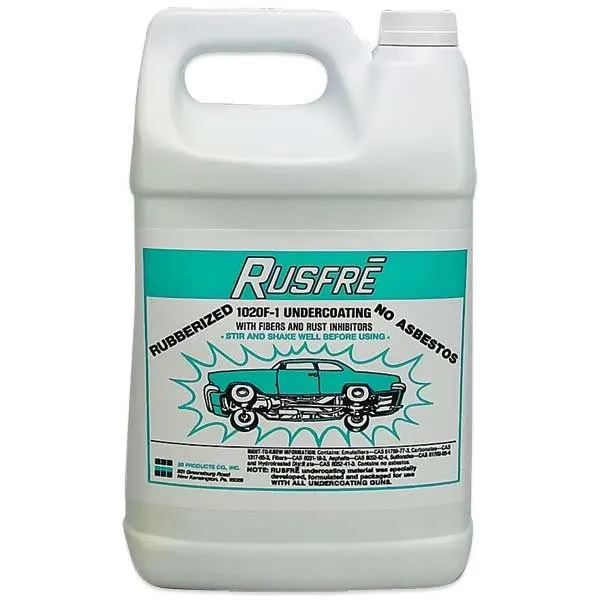

Like most other undercoating products, Rusfre’s is rubberized, so it provides some sound deadening qualities along with protecting your vehicle from rust and other damage. The liquid contains bound fibers to help it bond to your vehicle’s metal and prevent it from chipping, cracking, or peeling after it dries. While Rusfre makes no claims about its undercoating being non-toxic, it does say it is asbestos-free, making it that much safer for you to use. It does not get hard, which is better as it does not crack. Require spray gun is expensive, can take up to a week to fully cure.
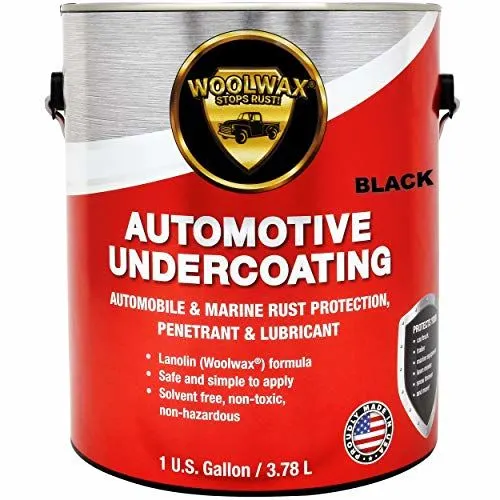
5. Woolwax Automotive Underbodycoating:

Optimal Product Qualities:
As with most products, you’ll get a better deal on undercoating if you purchase it in larger quantities. However, before you buy something like a five-gallon pail of Fluid Film’s product in the number two spot on our list, consider your needs. If you only have one vehicle to protect from rust, buy it in spray cans for convenience’s sake. Products that come in a pail or jug require you to buy a separate spray gun, which is an additional cost to consider. If you own several vehicles to which you will apply your own undercoating every year, that extra cost may be worthwhile. But otherwise, you’ll appreciate the convenience of buying spray cans; you can find spray can multi-packs of undercoating products, an option that will save you a few dollars over buying individual cans.
Conclusion:
After doing a study on the Underbody coating, its pros and cons I came to a conclusion that Underbody coating is a good choice only for new vehicles. For used vehicles Underbody Coat can have adverse effects on the life and performance of the car. Considering the cost involved in the cleaning and restoration process undercoating for old cars is not a viable alternative. If the car has not developed a rust then coating is a very good choice for the car owner as it helps in the protection of the car against various threats like rust, off roads, potholes, etc. Additionally, customer expectations for the attributes given by the appearance of coatings continue to increase as manufactures compete to provide surfaces that offer enhanced surface characteristics.