Underbody Coating
UNDERBODY COATING
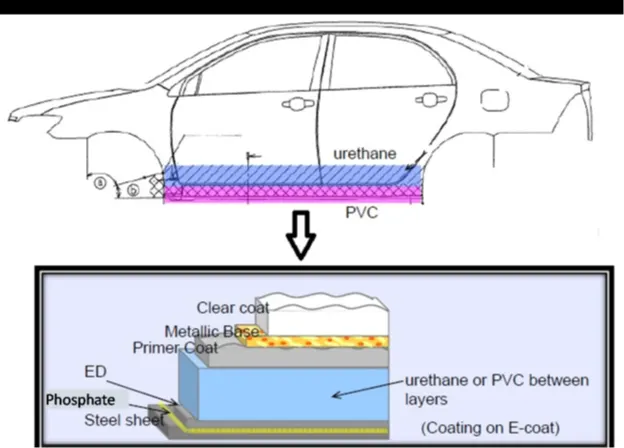
- It is a Underbody rust-preventive coating.
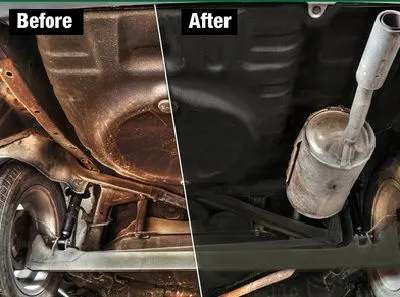
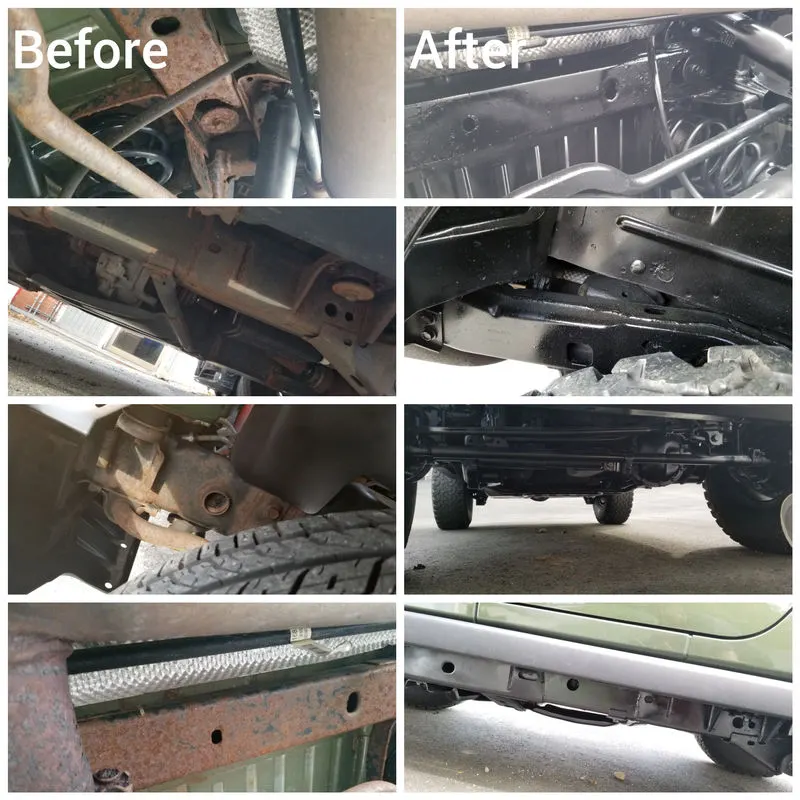
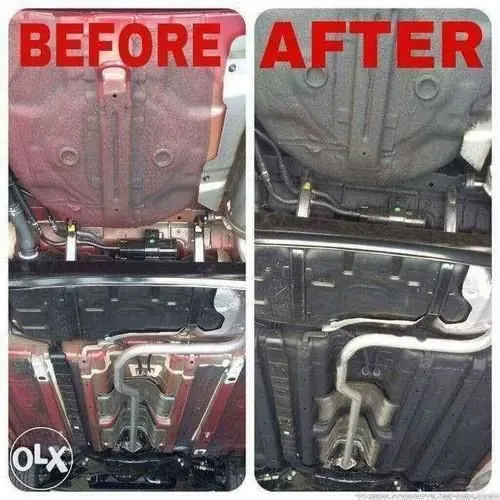
- The underbody coating that is most commonly used on cars in India and supplied by companies such as 3M is a thick, rubberized paint that forms a 2-3 mm thick coating all along the underside of the car when sprayed on.
- It provides long term protection from corrosion to car's underbody. It also protects parts like internal body panels, frame rails and other inner cavities that are not physically accessible but are prone to corrosion.
Types of underbody coating
- Rubberized Undercoating
- Polyurethane Undercoating
- Wax or Paraffin-Based Undercoatings
- Asphalt-Based Undercoating
Rubberized coating
- It is easy to apply and offers sound-cushioning as well as protection from dust, moisture, and dings or dents.Overall, it is generally the best option for protecting your vehicle's undercarriage, as it provides the simplest and best protective measures against rust and moisture.
Polyurethane Undercoating
- The other option for undercoating your vehicle is to use a polyurethane-based sealant. This type of vehicle undercoating is a little bit quicker and easier to apply. Oftentimes, polyurethane undercoating will come in canisters ready to preload into an application gun. This type of sealant works by seeping into all cracks and seams, displacing salt and moisture and oozing around rusty areas to bond with and protect unoxidized metal. It also sands quickly in case you'll need to perform bodywork and can be painted over.
Wax or Paraffin-Based Undercoatings
- A paraffin-based undercoating will be the cheapest and quickest option available with which to protect the undercarriage of your vehicle. However, keep in mind that it will wear off quicker than other types of undercoating and will need to be stripped and reapplied at least once every year.
Asphalt-Based Undercoating
- For standard vehicles, any of the aforementioned types of undercoating will provide sufficient protection. For large trucks and heavy machinery, asphalt-based undercoating provides a bit of extra durability against rocks, chips, and moisture.
Advantages of underbody coating
- Undercoating is a protective layer that is applied to the under layer of a car where the parts are not coated with a protective layer of paint and thus more susceptible to rust damage. Undercoating is not meant to be an addition to the vehicle’s paint. A good waxing and inspection can help a car owner ensure that their vehicle is protected from rust damage.
- Since the under layer of a car is more often exposed to the elements of the road, many drivers choose to add that layer of protection, which is like a paint job for underneath the vehicle.
- Although vehicle already have a rust protection coating on these parts, and undercoating gives an extra measure of protection to these parts from damage and rust.
- The other added benefit of undercoating is that it provides a car with a sound dampener that makes operating the vehicle much quieter on the road.
Disadvantages of underbody coating
- The biggest drawback is the cost. Car dealership often charge quite a lot of money to undercoat a car, and for someone financing a new car purchase, this can add too much to the final purchase price. The other drawback to undercoating is the addition to the vehicles weight. Although it may not seem significant, the added weight of an undercoating can have an impact of fuel efficiency of the car.