Underbody Coating
AIM :-
Write a one-pager about Under-Body Coating and its purpose, its types in detail, and its pros and cons.
ABSTRACT :-
Here we need to explained what is the Under_Bpdy Coating & its purpose, Also their types in details with its pro's & con's respectively.
- UNDER_BODY COATING
Underbody coating is usually a dense cladding (often based on rubber) applied uniformly to the undercarriage of the automobile. It is normally sprayed or painted on when the car is just out of the dealership and is clean. But even if you are getting the undercoating applied after a couple of years, it’s fine too. This is because it can prevent further damage to the undercarriage
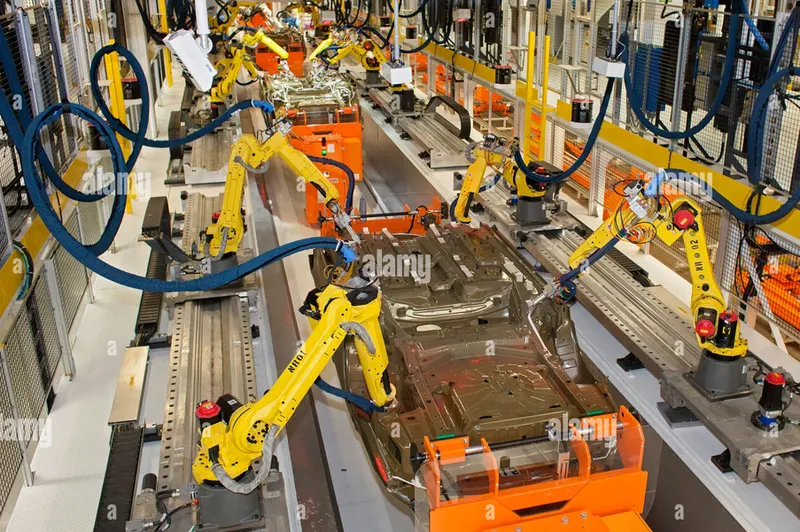
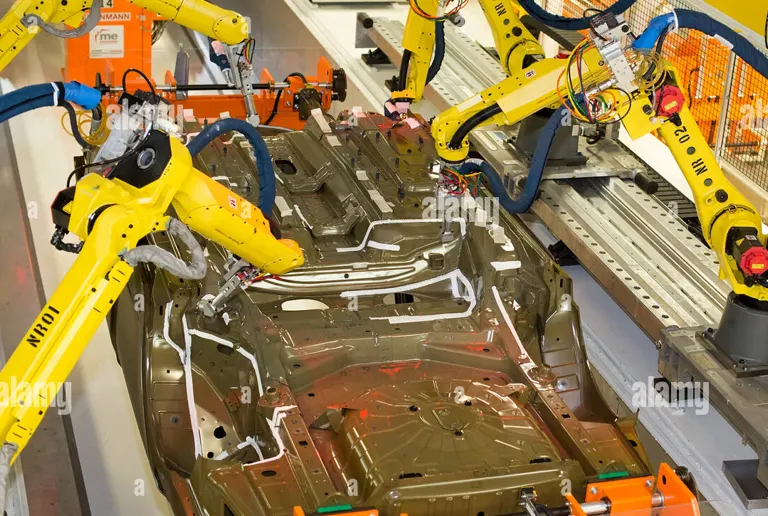
- Purpose of the Under_Body coating:
- The main purpose of undercoating is to check rust especially in the body components like frame rails along with other exposed metal parts. Underbody coating can also reduce wear and tear. Getting a fresh coat can cost you up to ₹6,000.
1. Protection against corrosion_
The main reason for getting an underbody coating is to prevent rusting and corrosion. This is not only required during the monsoon season but also in hot and humid climatic conditions. The coating is also a must if you tend to live in coastal regions where the humidity in these areas speeds up the process of corrosion. This can be eliminated by asking your car service professional to apply a rubberised anti-rusting coat on your car’s underbelly.
2. Protection from the vital car components_
The car underneath holds vital components like the silencer, engine, and numerous other wires and small engine components for different purposes in the car. The car’s underneath cannot simply be led to corrosion and further damage due to the car being driven during any weather condition. To avoid further major issues, the antirust coating is a must for the underbody. This is again extremely important if you’re living in an all-year monsoon season or moderately high rainy regions as underbody coating is highly necessary for these situations.
3. Cars resale value might be affected if care is not take_
Just ensuring your car looks outside and inside is not enough. One must take great care of the underbody as well as the resale value would be greatly affected due to high corrosion. It should not be left uncared for which would lead to permanent damage and huge loss and might not be taken for resale. Therefore, regular inspection of the car’s underbody must be carried out in order to retain the car’s value.
4. Reduce noise vibration harness level_
Being in a country where not all roads are smooth enough and are filled with potholes, stones, debris, and uneven road levelling, the underbody coating prevents and absorbs all noise created by the contact of the surface of the road and the car by minimising this.
5. Prevent froomm chipping_
When your car travels at high speed on a highway, the small stones and debris hit your car’s underbody in this process and may lead to chipping of the underbody paint. Hence, it is advisable to have a thick layer of underbody coating to prevent paint from chipping.
- Procedure to make a car Undercoating..
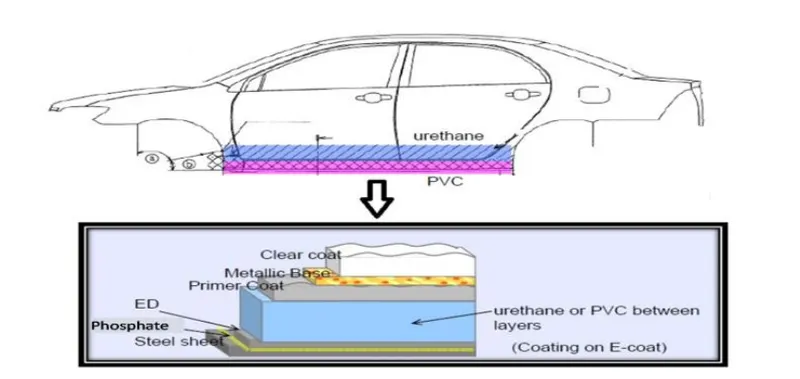
Underbody coating & seamsealing using PVC. Fig. displays the lower door sections &rocker panel locations where PVC or urethanes are applied as an anti-chipping protection, & shows the cross section ofthis layer with respect to the othercoatings on the bodyparts.During this third step, it is also typical to apply asoft tip primer coat that improves the chipping resistance .This layer is applied to the front edge of the hood , which isan area prone to chipping shock, using a high elastic resin
that resides between the ED & primer coats. Also, during the third step, the radiator supports, wheel housing, & under rar
areas of the body are coated with a relatively dull black pigment called a blackout coating
- Benefits
1. Minimizes Sound: It minimizes the sound from underneath the car resulting a noiseless, smooth driving experience.
2. Heat Insulation: It insulates the interior of the car from extreme temperatures from beneath the vehicle providing a comfortable cabin experience.
3. Anti-chipping property: If any stone hits the coating it does not get chipped away hence protects the underbody from exposure to water.
- Types of Under_body coating
- Rubberized Underbody Coating.
- Wax Based Underbody Coating.
- Asphalt Based Automotive Undercoating.
- Polyurethane Underbody Coating.
1] Rubberized Underbody Coating.
Ideal for cars driven in rough terrain, as its name suggests, this undercarriage coating involves applying a rubber agent to the underbelly to protect and cushion it against dents, dust, and moisture.It can also be applied around wheel wells and quarter panels. Considered the best option for standard vehicles when it comes to the different types of undercoating.
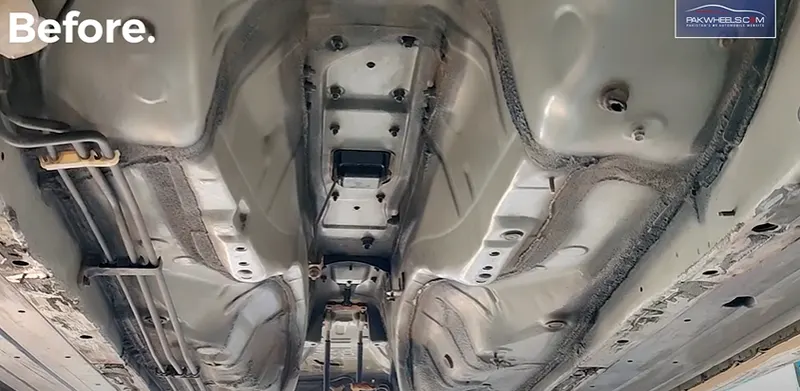
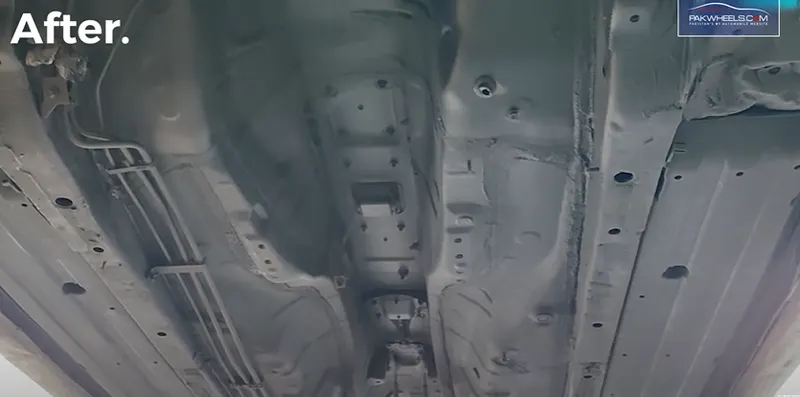
- Easy to apply
- Quickly applied with no fuss
- Undercoat can be painted for a neat finish
- Provides satisfactory protection
- The simplest way to undercoat your car
- Safe to apply
- Truly dries to a soft rubbery finish that prevents further rust, damage, or moisture seepage
Examples of rubberized undercoating include 3M 3584 Professional Grade Rubberized Undercoating Rust-Oleum Black Rubberized Undercoating, 3M Body Schutz Rubberized Coating Black, SEM 40523 Low Voc Rubberised Undercoating Aerosol.
2] Wax Based Underbody Coating
It is the preferred undercarriage coating for cars often driven on highway & normal roads. Sometimes referred to as wax-based undercoating, it provides sufficient guard for cars in fairly moist regions.
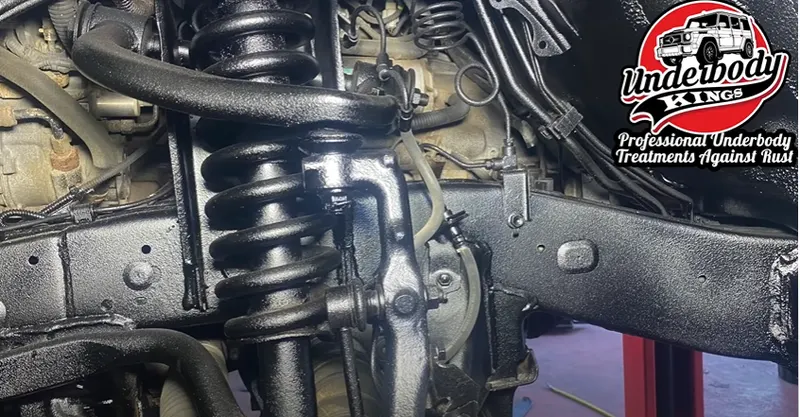
- Readily flows into seams to guarantee any exposed and prone surfaces are protected
- The most inexpensive undercoating option
- Conveniently available in spray guy canisters or aerosol cans
An example of a Wax/ Paraffin Undercoat is Fluid Film 1, a rust inhibitor, anti-corrosion, and anti-rust undercoat.
3] Asphalt Based Automotive Undercoating.
Unlike the rubberized, wax/paraffin-based, and Polyutherane undercoatings, this type is made of asphalt and generally also contains some rubberized material that sets up firmly and helps soften noise from the engine.
It reportedly has the most damage-resistant properties. Although asphalt-based undercoating is ideal for trucks, military, and all-terrain vehicles, it will also help protect your car, truck, motorcycle, and heavy machinery from the elements.
It last long and is best for endurance vehicles that have to undergo heavy road use.
When it comes to large trucks, heavy machinery, military, and all-terrain vehicles, asphalt-based undercoating provides added durability against rocks, chips, and moisture. It’s usually available from professional service shops.
Advantages :-
- Formulated to protect from dirt, rust, and corrosion, it normally has a shelf life of up to two years. Sold in five-gallon containers
- Provides extra durability as it is the strongest and thickest undercoating available
Examples of asphalt-based undercoats are Rust Bullet, an automotive inhibitor paint for rust preventive and protective coating. As well as Skyco-Ospho protective coating.
Disadvantages :-
- It takes time to harden and so requires more cure time than the other three types
- Unlike the other three, it is also, not paintable as such, not very aesthetically suitable for standard vehicles
- For best used only for the undercarriages of utility vehicles and trucks
- The only type of undercoating with a limited warranty
4] Polyurethane Underbody Coating.
Uses a polyurethane-based sealant that comes in canisters ready to be loaded into a spray gun and sprayed to guard the undercarriage of your vehicle.
The polyurethane used in this product is a high-quality and durable material that is perfect for any weather condition. It is ideal for standard vehicles.
Advantages :-
- It has a long lifespan and is resistant to wear and tear
- Easily and quickly applicable
- Trickles into cracks and rusty spots already present on the underbelly of your car and fills them, hence protecting the underlying metal
- Quick and simple to remove, as it sands easily
- Dislodges salt, moisture, and oozing around rusty areas to bond with and protect unoxidised metal
- Can be painted over
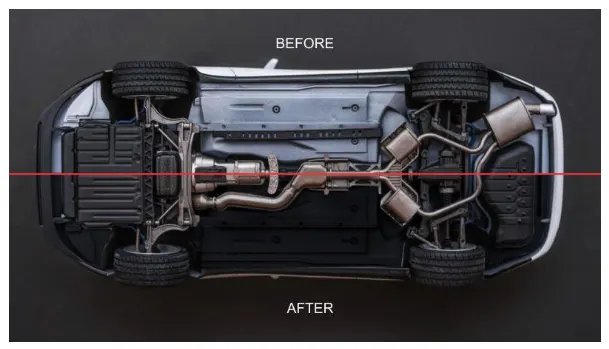
- pros and cons of a Under-Body coating
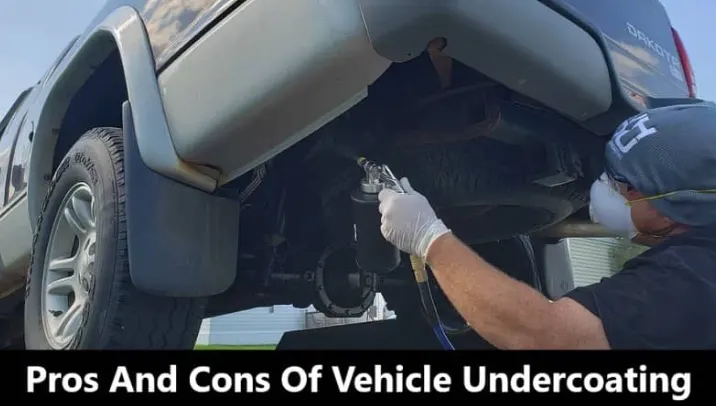
PRO'S :-
- Protection against corrosion & rust.
- Extend the life of vehicle.
- Cover small damages.
- Reduce the noise inside the car
CON'S :-
- Its noot effective on cars with corossion. Doesn't work so on old cars.
- Vehicle warranty might be voided.
- Its make vehicle heavier.
- Undercoating can be damage the car.
- It canbe expensive.
- It’s less helpful if corrosion is already present.
- It works best on new cars.
- A third-party vehicle underbody coating may void warranty.
CONCLUSION :-
In this way i have explain the concept in details with their procedure & types of a Under_body coating. The neccesary snaps are attached to the report as well. The pro's & con's Also write.
Thank You.