Underbody Coating
Underbody coating:-
Underbody coating is a protective layer applied to the underside of a car to prevent damage from the elements, such as moisture, salt, and other chemicals. It is usually made of a rubber or polymer-based material that adheres to the surface of the car, creating a barrier between the metal body and the road.
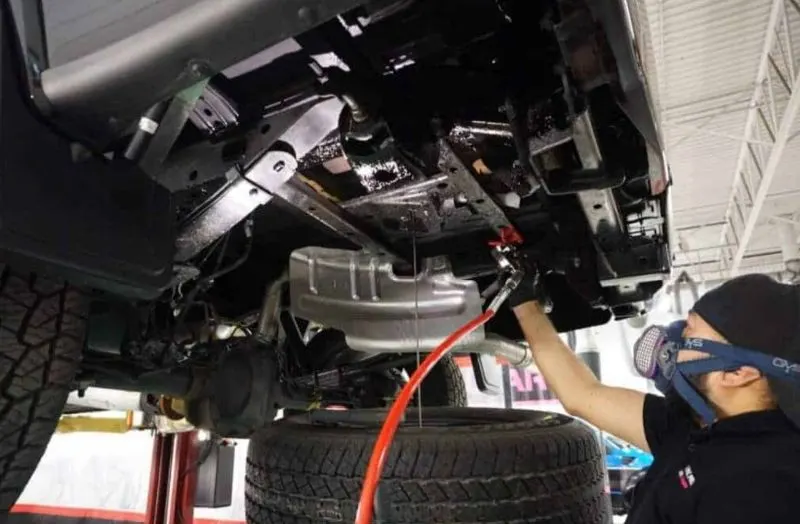
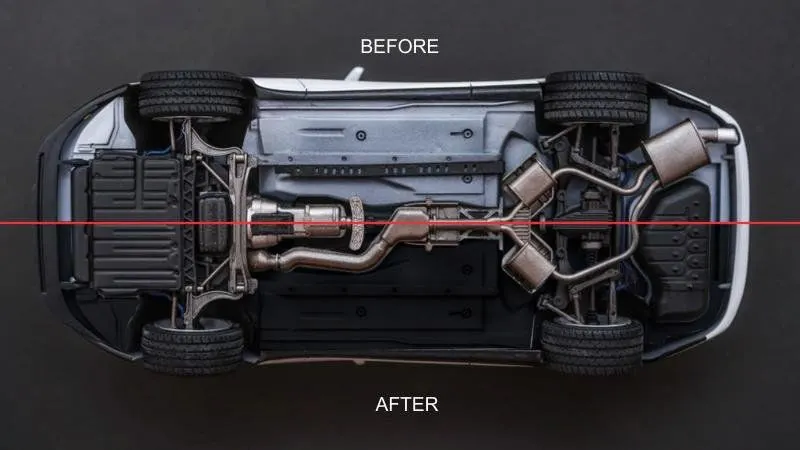
The purpose of underbody coating is to protect the car from corrosion, rust, and other types of damage caused by exposure to moisture, salt, and other chemicals. It can also help reduce road noise and improve the overall durability of the car.
There are different types of underbody coatings available, including spray-on coatings, rubberized coatings, and wax-based coatings. Some coatings are designed to be applied by a professional, while others can be applied at home.
Overall, underbody coating can be a valuable investment for car owners, especially those who live in areas with harsh weather conditions or who frequently drive on salted roads.
Types of Underbody Coating:
-
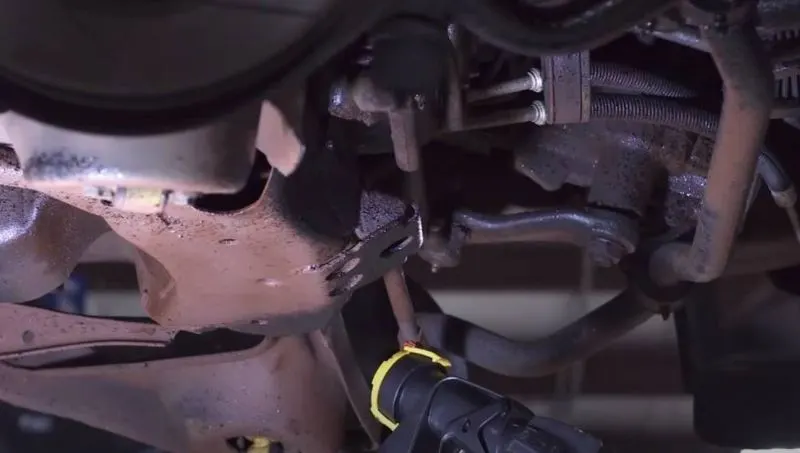
Rubberized Undercoating: This is the most commonly used type of underbody coating. It is a rubber-based coating that is sprayed onto the underside of the car to create a protective barrier. It is durable, flexible, and provides excellent protection against moisture and other environmental factors.
-
Wax-Based Undercoating: This type of underbody coating is made up of a wax-like substance that is applied to the car's underbody. It is easy to apply and provides a good level of protection against moisture and other elements. However, it is less durable than rubberized undercoating.
-
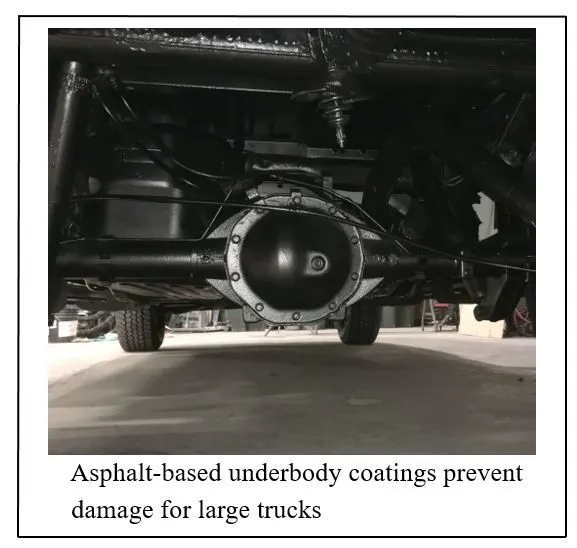
Asphalt-Based Undercoating: This type of underbody coating is made up of a mixture of asphalt and other materials. It is very durable and provides excellent protection against moisture and other environmental factors. However, it is heavy and can add weight to the car, which can affect its performance.
Pros of Underbody Coating:
-
Protects the Car's Underbody: Underbody coating creates a protective barrier that shields the car's underbody from moisture, salt, and other environmental factors.
-
Reduces Road Noise: Underbody coating can help reduce road noise by dampening the vibrations that are caused by driving on rough roads.
-
Increases Resale Value: A car that has underbody coating is likely to have a higher resale value because it will be in better condition than a car that does not have underbody coating.
Cons of Underbody Coating:
-
Can Be Expensive: Depending on the type of underbody coating and the size of the car, underbody coating can be expensive.
-
Can Affect the Car's Performance: Some types of underbody coating can add weight to the car, which can affect its performance.
-
Can be Difficult to Apply: Applying underbody coating can be a difficult and time-consuming process, especially if it is done by a non-professional.