Underbody Coating
Underbody Coating:
Under-body coating is a protective layer applied to the underside of a vehicle to protect it from rust and corrosion caused by exposure to moisture, dirt, and road salt. It is especially important for cars that are driven in areas with high humidity, saltwater environments, or harsh winter conditions. Under-body coating also helps to reduce noise and vibration and improves the overall longevity of the vehicle.
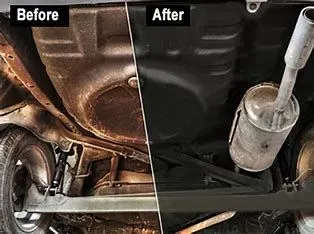
Fig 1: Before and after underbody coating treatment
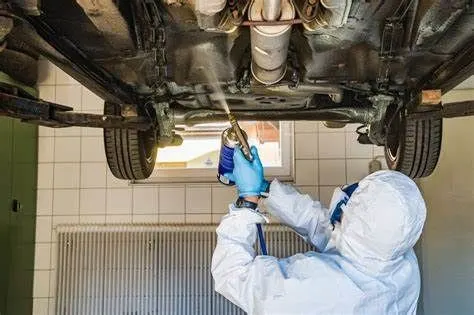
Fig 2: Coating being applied
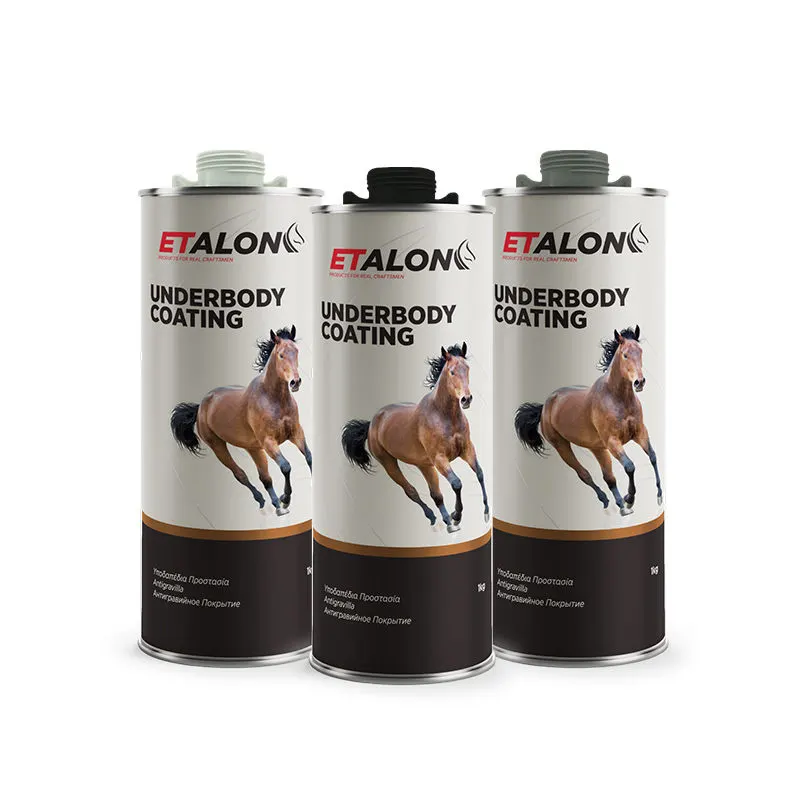
Fig 3: Underbody coating samples
Types of under-body coating:
-
Rubberized under-body coating: This type of coating is made of rubber and is applied in a thick layer to the underside of the car. It provides excellent protection against moisture, corrosion, and road debris. However, it can be difficult to remove once applied and may require professional removal.
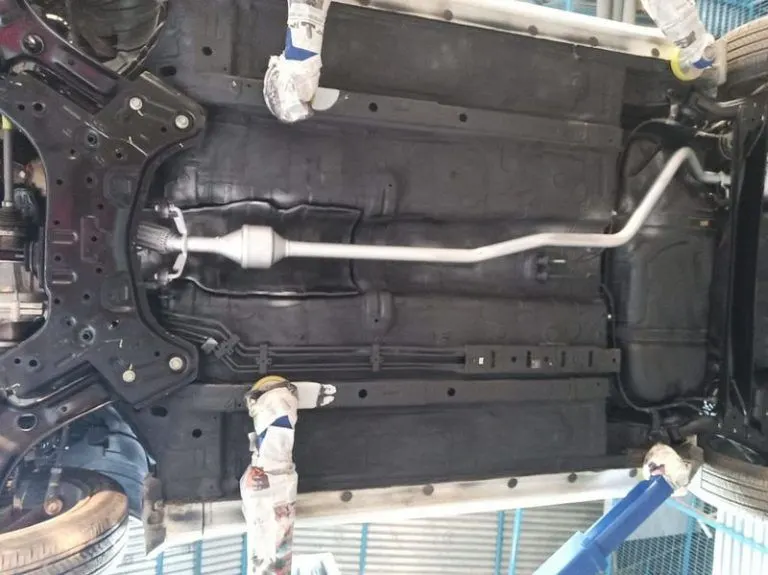
Fig 4: Rubberized under-body coating
-
Wax-based under-body coating: Wax-based coatings are applied to the underside of the vehicle as a liquid that dries to form a protective wax layer. This type of coating is easy to apply and provides excellent protection against rust and corrosion. However, it can wear off over time and may need to be reapplied.
-
Oil-based under-body coating: This type of coating is made of oil and is applied in a thin layer to the underside of the car. It provides excellent protection against moisture and rust but can be messy and difficult to apply.
Pros of under-body coating:
-
Protection against rust and corrosion: The main benefit of under-body coating is that it protects the underside of the vehicle from rust and corrosion caused by exposure to moisture, dirt, and road salt.
-
Noise reduction: Under-body coating helps to reduce noise and vibration from the underside of the vehicle, making for a quieter and more comfortable ride.
-
Increased vehicle longevity: By protecting the underside of the vehicle from rust and corrosion, under-body coating helps to increase the overall longevity of the vehicle.
Cons of under-body coating:
-
Cost: Under-body coating can be expensive, especially if done professionally. However, the cost is minimal compared to the potential cost of repairing or replacing rusted parts.
-
Difficulty of application: Some types of under-body coating, such as rubberized coatings, can be difficult to apply and may require professional application.
-
Limited effectiveness: While under-body coating can provide excellent protection against rust and corrosion, it is not foolproof and may not provide complete protection in all cases. It is important to regularly inspect the underside of the vehicle and reapply the coating as necessary.