Underbody Coating
UNDERBODY COATING
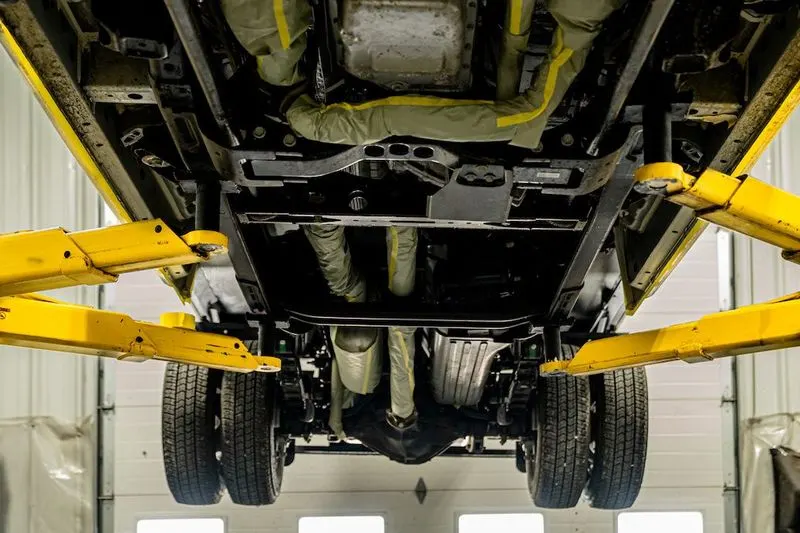
- Underbody coating is a thick resilient coating applied to the underbody or chassis of an automobile to protect against impact damage from small stones, obstacles and potholed holes in road.
- A car's underbody will be exposed to most wear and tear caused by muddy water, debris, stones, other obstacles on the road.
- In Indian road conditions, a car's underbody is most prone to corrosion.
- Underbody coating provides long term protection from corrosion to car's underbody. Since the underbody is hard for us to inspect by ourselves, it is important to have an underbody coating in order to ensure our car is protected during the hard times.
- It also protects parts like internal body panels, frame rails and other inner cavities that are not physcally accessible but are prone to corrosion.
- The use of underbody coating plays a very important role in the service life of the vehicle. It is required to spray such a protective coating in the manufacturing of the new car.
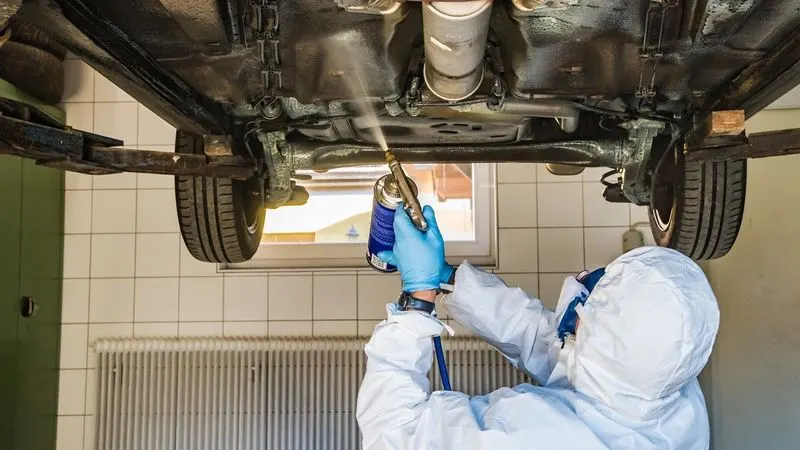
Purpose of Under-body coating-
- Protects against rust and corrosion
- Reduces NVH ( Noise vibrations harshness ) levels
- Impact resistance
- Cold and heat insulation
- Hides welds, repairs, bodywork with spray
- Protects vital componens
- Prevents paint chipping
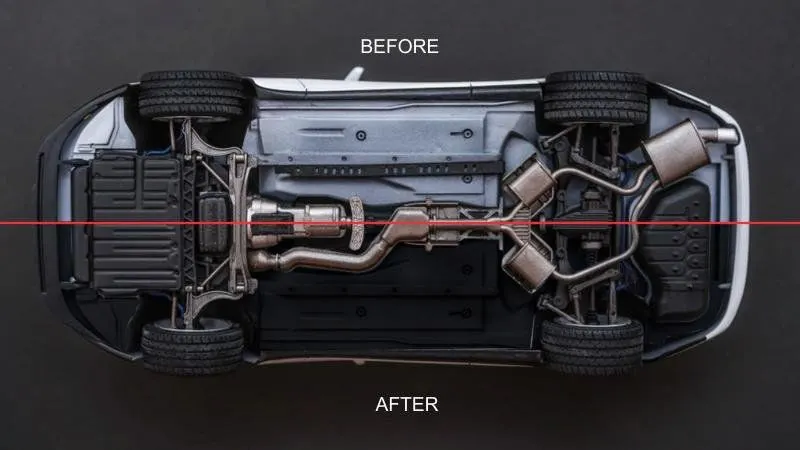
Types-
- Rubberized Under-body Coating
- Wax based Under-body Coating
- Asphalt based Automotive Undercoating
- Polyurethane Under-body Coating
1. Rubberized Under-body Coating-
- It is easy to apply and offers sound-cushioning as well as protection from dust, moisture and dings. Rubberized undercoating is safe to use on wheel wells and quarter panels, and dries to a soft rubbery finish that prevents further rust, damage or moisture seeps.
- The coating can be painted over and, if necessary for bodywork, can be easily removed with an undercoating removal spray
- It is widely considered to be the best underbody coating. It protects the underbody from scratches and keeps it safe.
- It is ideally preferred if we want to keep the road noise to a minimum, rust and corrosion away.
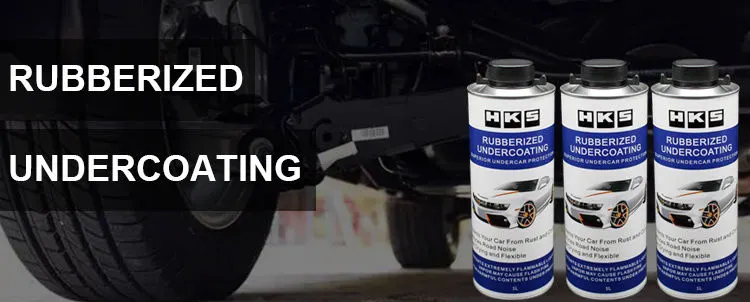
2. Wax based Under-body Coating-
- It is an excellent anti rust coating suitable for all substrates. It is the most cost-effective alternative.
- It will wear off quicker than other types of undercoating and will need to be stripped and reapplied at least once every six months.
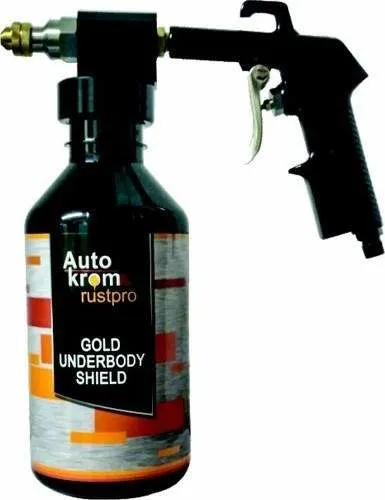
- During application, they drip or flow into seams and cracks to provide protective properties. They are usually available in a spray gun canister or in an areosol can and offer at least a base protection in moderately humid climates.
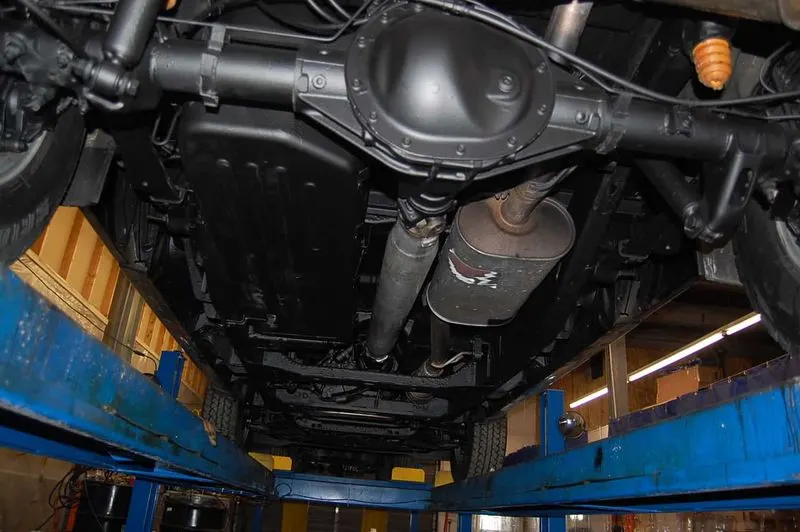
3.Asphalt based Automotive Undercoating-
- It stick well to most any surfaces and do a great job sealing out moisture, road chemicals and oxygen. It has the benefit of being less expensive.
- They protect anywhere upto 5 years and dry to a firm to hard coating. Asphalt based products require more surface preparation because they can actually seal in rust and moisture allowing it to continue to grow. It is best suited for lorries, trucks and large vehicles, this provides a greater degree of protection compared to rubber based coatings.
- It contains little amounts of rubber for sound insulation purposes, the process of applying this coating is a bit time consuming.
`
4. Polyurethane Under-body Coating-
- This covering seals breaks and fractures in the vehicle's underbody. It provides strong corrosion resistance and also binds to the metal. Unlike an asphalt based coating, the polyurethane coating may be painted over.
- This type of vehicle undercoating is a littlebit quicker and easier to apply. This type of sealant works by seeping into all cracks and seems, displacing salt and moisture and oozing around rusty areas to bond with and protect unoxidized metal.
Pros of Under-body Coating-
- It prolong car's life
- It prevents from stone chip
- It protects vital components
- Prevents paint chipping
- Reduces NVH ( Noise Vibration Harshness ) levels
- Sound insulation
- Easy maintenance
- Prevents Rust and corrosion
Cons of Under-body Coating-
- It must be reapplied every 3-6 years for the best results
- An undercoating is not impervious to damage
- It adds weight to the automotive
- It is less helpful if corrosion is already present- A used vehicle may already have residue on the bottom of the car or even have spots of rust and corrosion. Underbody coating will not help if corrosion already exists and the corrosion needs to be removed before it can be applied, which can be expensive.