Underbody Coating
Underbody coating
Car Underbody coating is a non-corrosion coating that is applied during manufacturing mainly for the underbody parts to protect the underbody for the long term which is always exposed to muddy water, potholes, stones etc. It also protects parts like internal body panels, frame rails, chassis and other inner joints that are not physically accessible but are prone to corrosion. Applying the underbody coating for a car will also reduce noise and vibrations inside the cabin thus improving the ride quality inside the cabin.
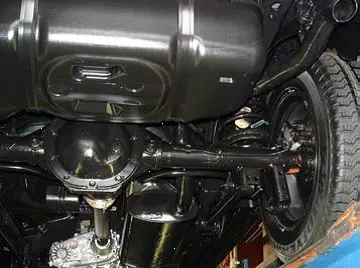 Fig 1:Underbody coated vehicle
How does Underbody coating work: The coating solution stops electrolyte from penetrating inside the metallic surface which is responsible for the formation of rust. Road salt, saltwater, and typical wastewater play the role of the electrolyte most of the time.
Advantages of underbody coating:
Extending the life span of the car: Underbody coating protects the underbody from getting rusty or chipping of the metal due to small stones, muddy water etc. Thus protecting a longer life span of the car.
Reducing noise, vibrations and harshness: Due to the heavy coating or spraying underneath, the noises and vibrations are reduced thus improving the ride quality and improving the life of the inner vital parts.
It can be applied to damaged areas: Overtime the underbody parts will be forming chips and wearing out of metal. Undercoating spray can cover up the smaller damages of the vehicle.
Disadvantages of underbody coating:
It works best on new cars.
If a used vehicle is purchased, then the cost of preparing the underbelly for an undercoating might be more than the value of the car.
It adds weight to the vehicle.
Although the amount of weight added to a vehicle with an undercoating is minimal, there is a small element of fuel economy to consider.
Different Types of undercoating:
Rubberized Undercoating:
This is easy to apply and offers sound-cushioning as well as protection from dust, moisture, and dings or dents.
In addition to the undercarriage, rubberized undercoating is also safe to use on wheel wells and quarter panels, and dries to a soft rubbery finish that prevents further rust, damage, or moisture seeps. The coating can be painted over and, if necessary for bodywork, can be easily removed with an undercoating removal spray.
Polyurethane Undercoating:
This type of vehicle undercoating is a bit quicker and easier to apply. This type of sealant works by seeping into all cracks and seams, displacing salt and moisture and oozing around rusty areas to bond with and protect the unoxidized metal. It also sands quickly in case you'll need to perform bodywork and can be painted over. This type of car undercoating generally requires a little bit more surface prep work before applying sanding and applying an etching primer to bare metals before using are generally recommended.
Wax or Paraffin based undercoating:
A paraffin-based undercoating will be the cheapest and quickest option available with which to protect the undercarriage of a vehicle. However, it will wear off quicker than other types of undercoating and will need to be stripped and reapplied at least once every year. Wax-based undercoatings never truly harden. During application, they drip or flow into seams and cracks to provide protective properties.
Asphalt Based Undercoating:
This type of undercoating provides a bit more protection compared to the above undercoating types. This is also used for heavy machinery and trucks which are to be protected from rocks. Asphalt-based undercoating generally contains a little bit of rubberized material that sets up firmly and also helps soften noise. This type of undercoating also needs more cure time than the other three, and is not paintable, making it best to use only for undercarriages.