Underbody Coating
CASE STUDY ON UNDER BODY COATING FOR AUTOMOBILES:
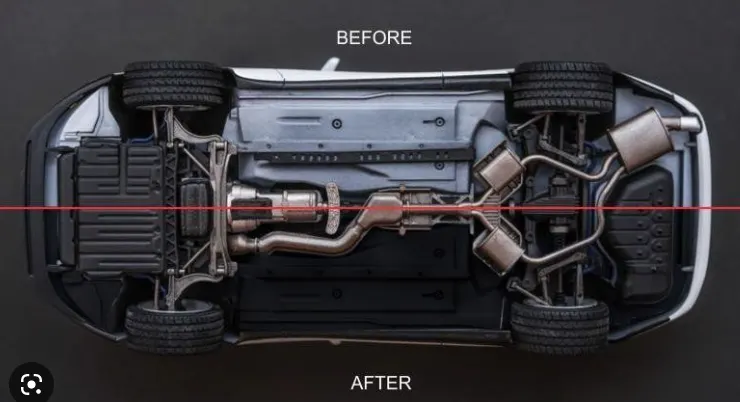
Definition:Under body coating is a type of defensive layer that’s applied to the undercarriage of cars. These sections are close to significant deterioration all of the time.While Driving on roads, tiny specks like mud, water, dust etc..from the ground to travel into the lower parts of cars and these will gradually damage the car’s undercarriage, leaving cracks and crevices, where rust forms.
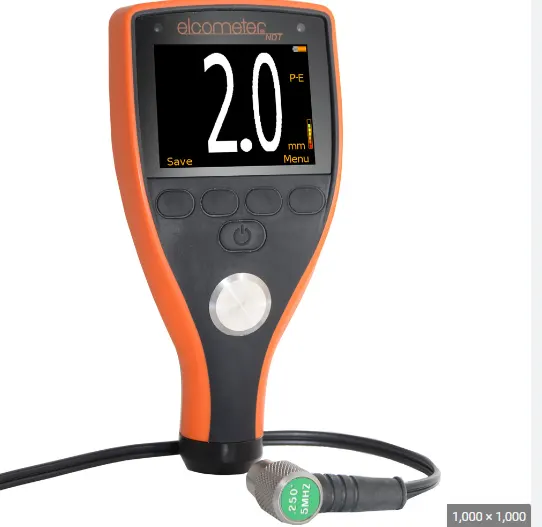
The thickness of under coated film is measured by Elcometer.
Types of Vehicle Undercoating:
- Rubberized Undercoating: Offers sound-cushioning as well as protection from dust, moisture, and dings or dents.
- Asphalt based: Used on all-terrain and military vehicles. It will last longest and is the best option for vehicles that endure heavy road use.
- Polyurethane: This type of sealant works by seeping into all cracks and seams, displacing salt and moisture and oozing around rusty areas to bond with and protect un-oxidized metal
- Wax based: It’s the cheapest and quickest option of all. They offer minimum protection and they need to be re-done at least once a year as it wears off soon.
Under-body coating during production process:
- Pre-treatment: Removes and cleans excess metal and forms an appropriate surface structure enabling bonding of a corrosion protection layer.
- The next step is electrodeposition (ED) of the anti-corrosion or rust prevention layer.
- A sealer like Poly Vinyl Chloride (PVC) is applied for anti-corrosion, elimination of water leaks, and minimization of chipping and vibrational noise. ‚
- A primer is then applied to promote adhesion between the surface and the basecoat; it also imparts a smoother surface for subsequent layers and has anti-chipping properties.
- Finally, the topcoats that include a basecoat and clear coat are applied; they provide surface properties that are sought after, including colour, appearance, gloss, smoothness, and weather resistance.
pros of under coating:
- Better Re-sale value.
- Improves driving comfort as it acts as a damping material
- Heat Insulation: It insulates the interior of the car from extreme temperatures from beneath the vehicle providing a comfortable cabin experience.
- Anti-chipping property: If any stone hits the coating it does not get chipped away hence protects the underbody from exposure to water.
- Under coating will Safe gaurds the bottom layer of automobile that is exposed to the environment.
Cons of under coating:
- Doing under coating, will increase the overall weight of automobile which is not desirible.
- Not much effective on old automobiles or vehicles having already rusted surfaces.