Underbody Coating
UNDER BODY COATING
An undercoating is the first line of defense between an automobile's metallic underside and the elements, and all vehicles receive a coating of this stuff before rolling off the assembly line. But these OEM coatings will eventually wear-out over time, leaving oil pans, transfer cases , suspension arms, and other metal components vulnerable to corrosion and rust.
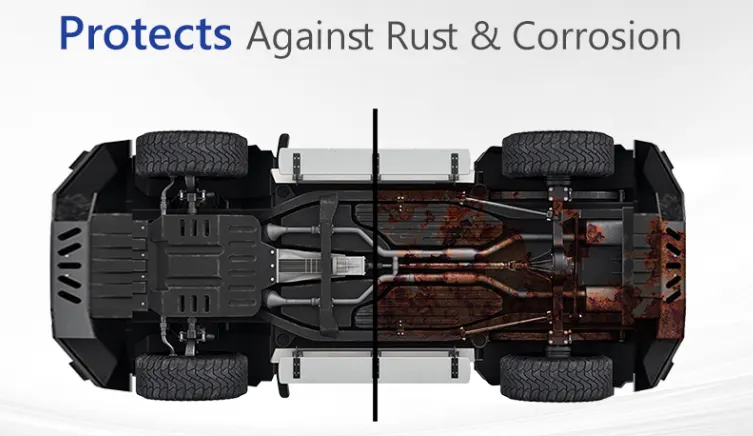
Purpose of undercoating:
The war against rust may be ultimately unwinnable, but rustproofing and undercoating can help extend your vehicle’s life!. Rustproofing and undercoating can defend against the onslaught of rust-causing road salt and brine for so long. Victory requires vigilance.
Why is car undercoating so important to all drivers? Your car is a major investment, and it should be protected! Overtime this rust will cause corrosion and can lead to part failure and a whole host of other issues. Rust is not just ugly but can trigger a number of different system breakdowns, such as leaks that can lead to gradual fuel wasting and even sizable components like the engine and transmission failure. System harm can be frustrating. If you don’t defend your vehicle with something, then you may make it a lot more vulnerable to system harm.
Types of undercoating:
1. SPRAY-ON "RUBBERISED" UNDERCOATINGS
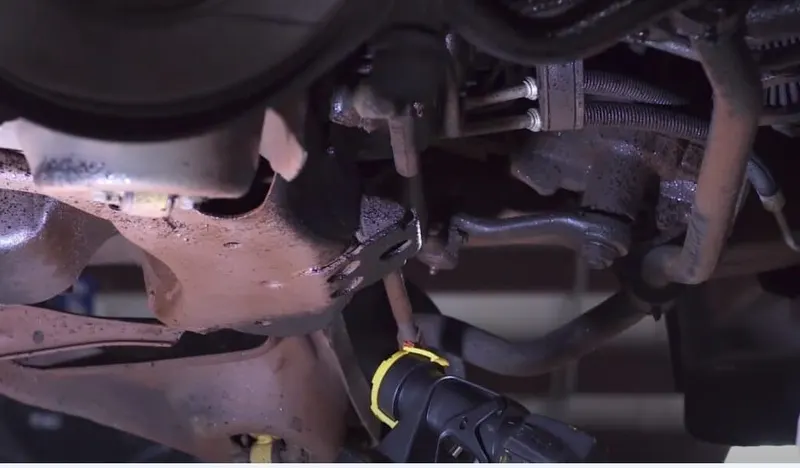
Spraying an automotive undercoating may be time consuming, expensive, and potentially dangerous, but it's your best option for keeping rust and corrosion at bay
Perhaps the most common method of undercoating a vehicle, is via the use of a "rubberized" spray-on product. Utilizing a tar-like substance that has been infused with solvents and protectants, spray-on undercoatings stick to whatever they touch.
Once cured they act as a barrier against salt, moisture, oxygen, and any other foreign substance that may lead to rust and corrosion. We'll delve a bit deeper into the grimy details of what makes these opaque products so popular a bit later.
2. ELECTRONIC RUST INHIBITORS
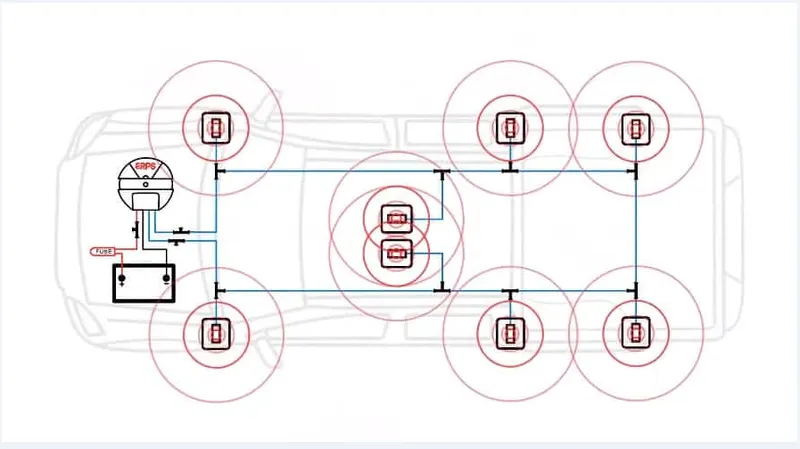
While the notion of electrical current coursing along the underbelly of a vehicle is undeniably odd, it has been proven to work, but not in the way that one might expect.
3. LANOLIC WAX/WOOL GREASE
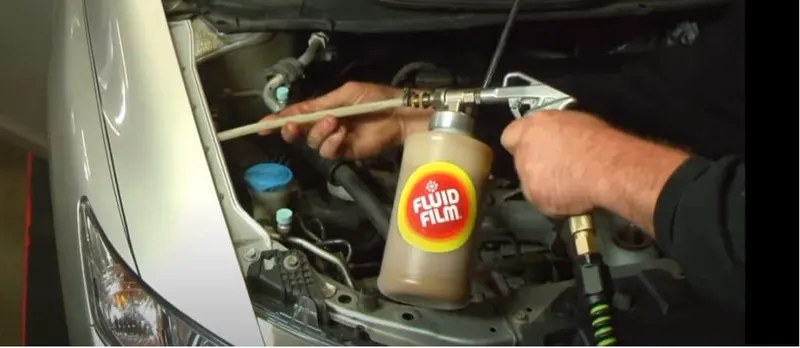
Lanolin coatings are derived from wooly animal glands.
When choosing an undercoating, the lanolin approach remains a proven, if not slightly unusual rust prevention solution. Commercially, lanolin coatings are used as both a rustproof coating and as a lubricant, with everything from ship hulls and rigging equipment, to heavy-duty excavation machines and production facilities relying upon this water-repelling corrosion inhibitor.
On automobiles, lanolin fills in all of the nooks and crannies of the chassis with a sticky, wax-like substance that's been derived directly from... sheep glands. It may sound strange, spraying sheep funk across your vehicle's underbelly, but it really does work.
On the downside, curing times will vary depending upon air temperature and how heavy of a coating has been applied. So be ready for some downtime between car rides after this stuff has been sprayed.
4.DRIPLESS OIL SPRAY
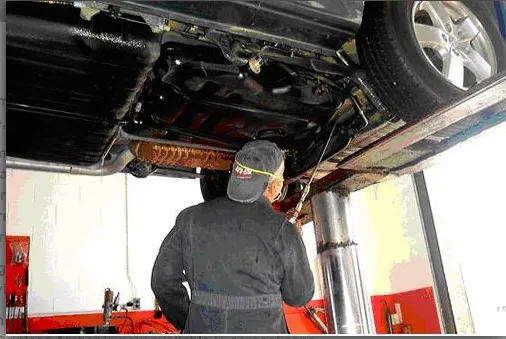
The final common undercoating option is dripless oil spray. Once allowed to harden on a surface, this wax-like, colorless substance boasts the ability to repel moisture and corrosion for years on end.
Just note that dripless undercoating oil sprays typically require holes to be drilled into the body of the vehicle at specific points in order for the product to penetrate areas that are prone to rusting-out.
PROS OF UNDERCOATINGS:
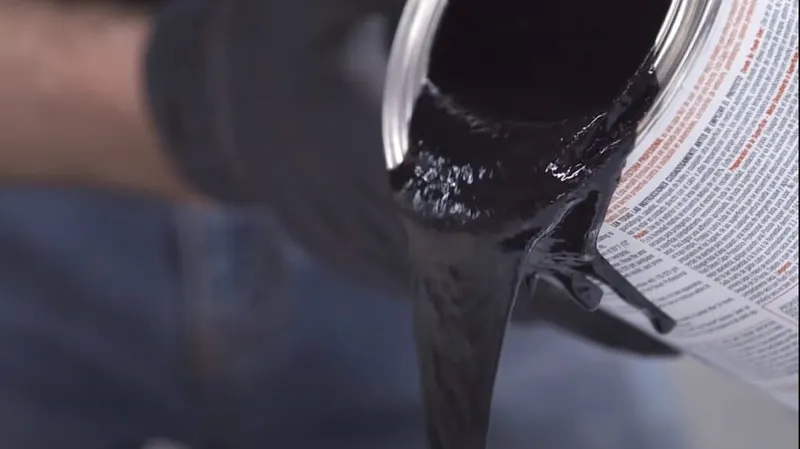
Auto undercoatings tend to be extremely viscous, which helps them double as a form of sound-deadening media.
The biggest advantage to having an undercoating installed on the underside of an automobile, is knowing that your vehicle is protected from rust and corrosion, to an extent. While there are no guarantees that a rust bubble won't appear where a rogue rock chip hit your freshly applied coating, most vehicles go years without requiring a touch up.
Another perk, is that undercoatings add an extra layer of sound-deadening insulation to the underbelly of a vehicle. While it may not be as affective as a dedicated sound-proofing product, and won't do much when it comes to repelling heat and cold, undercoatings do reduce road noise.
CONS OF UNDERBODYCOATING:
Undercoating will work best on new vehicles that have not been exposed to road conditions. A used vehicle may already have residue on the bottom of the car or even have spots of rust and corrosion. Undercoating will not help you if corrosion already exists and the corrosion needs to be removed first before it can be applied, which can be expensive for you.