Underbody Coating
Aim: To prepare a detailed document about underbody coating and it's typed with some pros & cons.
Solution: Please find the below details about the underbody coating.
What is Underbody Coating?
A Thick covering layer known as an underbody coating is evenly applied to the underneath of a car and is often made up of rubber. It is frequently painted or sprayed on when the car is brand-new off the lot and clean. Applying the underbody coating a few years later is also acceptable. This is so well to may prevent further damage to the undercarriage.
Typically, an automobile's underbody is covered in a homogenous layer of dense cladding (typically made from rubber). As soon as the car is clean and fresh from the dealership, it is often sprayed or painted on.
Underbody coating is mostly used to prevent corrosion, particularly in exposed metal elements of the body such as the frame rails. Using an underbody covering can help cut back due to the seasonal and humid weather on Indian roads, car underbody rusts easily.
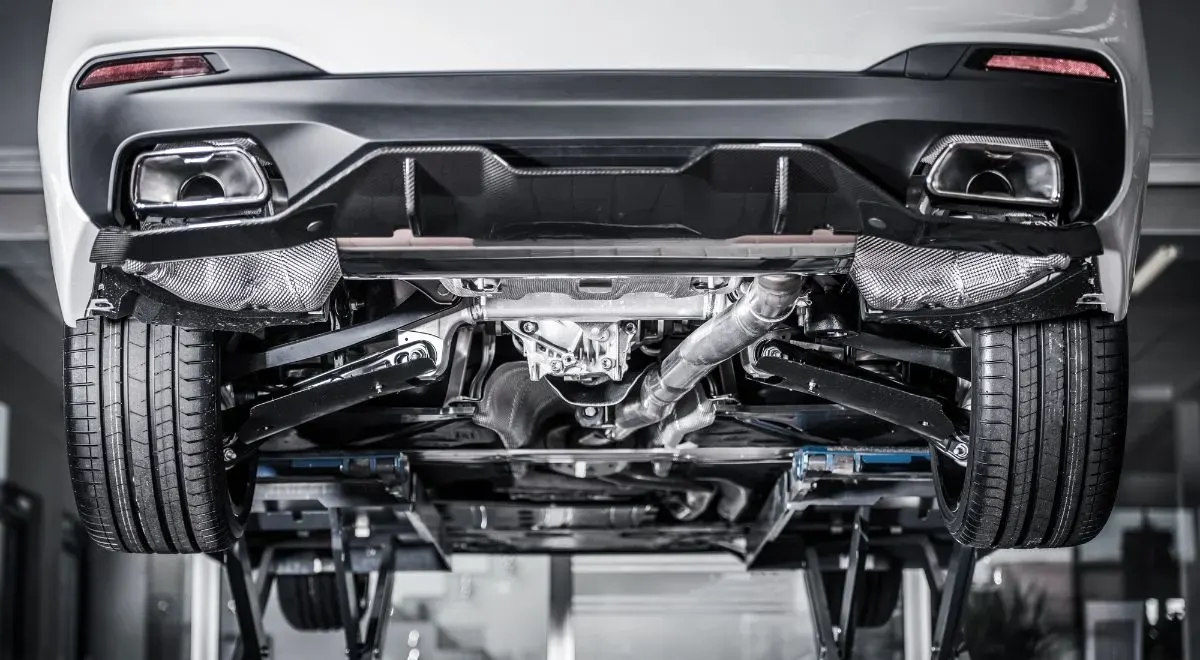
Why underbody Coating is important?
A Car's underbody is particularly susceptible to corrosion on roads. The underbody of an automobile is long-term protected against corrosion by underbody coating.
Acar's underbody is easily exposed to the muddiest terrains, potholes, debris, and stones as well as wet and even flooded roads which leafs to corrode the underbody. This is why we use the coating on the underbody to protect the car's underbody from all of the above.
It also protects parts like internal parts like body panels, frame rails, and other inner cavities that are not physically accessible but are prone to corrosion. Having an underbody coating is essential to ensuring your automobile (cars, etc) is protected during these times.
Here is the summary of the external factors that the underbody coating protects you from as well as reasons why you should have it.
Purpose of the underbody coating:
1. Prevention from corrosion :
To stop rust and corrosion, an underbody coating is mostly necessary. This is necessary year-round not only during the monsoon season when the weather is hot and muggy. If you frequently reside in coastal areas, where the dampness hastens corrosion the coating is also a much-needed one.
This can be avoided by having a car's undercarriage coated with a rubberized anti-rust layer by a mechanic.
2. Protection of critical automotive parts,
Including the engine, many other cables, and minor engine parts for various functions.
The engine, silencer, several additional wires, and minor engine parts used for various automotive functions are all stored underneath the car. The fact that the car is driven in any weather cannot automatically cause corrosion and further damage to the undercarriage. The antirust coating is essential for the underbody to prevent additional serious problems. This is crucial if anyone who lives somewhere with a year-round monsoon or in an area with relatively high rainfall, as underbody protection is essential in these conditions.
3. NVH (Noise Vibration Harshness) levels are decreased
The underbody covering minimizes and absorbs all noise produced by the interaction between the surfaces of the road and the automobile by minimizing this because we live in a country where not all roads are smooth enough and are full of potholes, stones, rubbish, and uneven road leveling.
4. Paint chip prevention is achieved via car underbody coating
Small stones and other road debris impact your car's underbody while it travels at a high rate of speed on the highway; this may cause the underbody paint to chip. In order to avoid paint chipping, it is recommended to have a thick layer of underbody coating.
To prevent the aforementioned variables from having an impact on your car, you must periodically have the underbody coating on your vehicle completed. At pitstop, we provide hassle-free underbody inspection and coating services. For any season of the year, not only the monsoon season but strongly recommended to use or obtain the underbody covering.
5. Covering every weld joint.
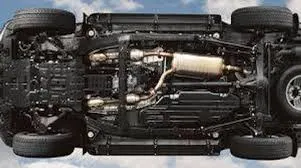
Different types of vehicle undercoating:
Here are some types of undercoatings are classified below:
1. Rubberied underbody coating:
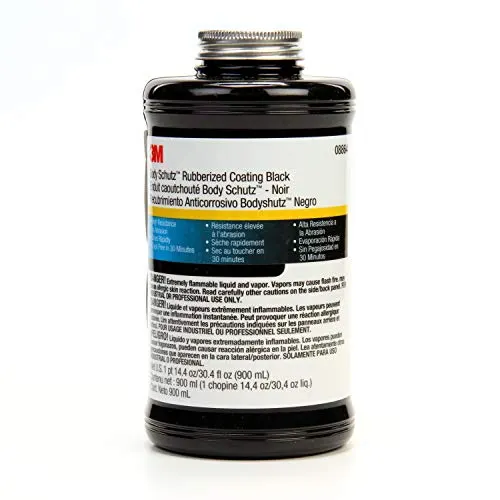
Rubberized vehicle undercoating is simple to use, provides sound absorption, and guards against dirt, moisture, and dings or dents.
Rubberized undercoating is safe to use on your wheel wells and quarter panels in addition to your undercarriage. It cures to a soft rubbery surface that halts further rust, damage, or moisture seeps. It is possible to paint over the coating and if necessary for bodywork to remove it quickly and easily with an undercoating removal spray.
In general, Rubberized coating is the finest option for safeguarding the underside of cars, because it offers the easiest and most effective defenses against rust and moisture.
2. Wax or Paraffin based underbody coating:
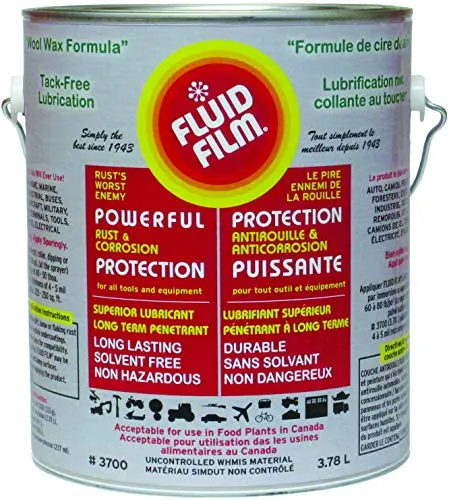
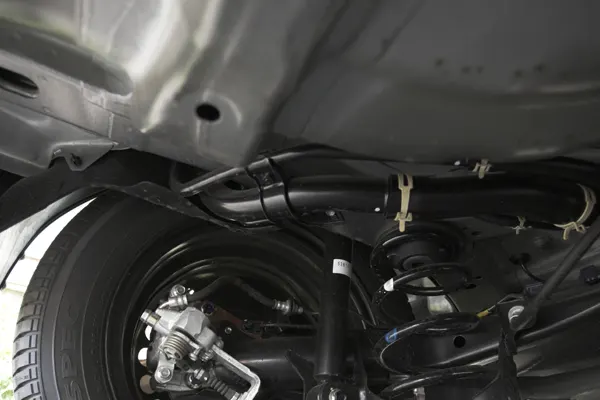
The simplest and least expensive method for safeguarding your vehicle's underside is paraffin-based undercoating. However, keep in mind that it must be stripped and reapplied at least once each year because it will wear off more quickly than other kinds of undercoating.
Undercoatings made of wax never really harden. They leak or run into seams and cracks during application to offer protective qualities. They often come in an aerosol can or a spray gun canister and provide at least a basic level of protection in fairly humid climates.
3. Asphalt-based underbody coating:
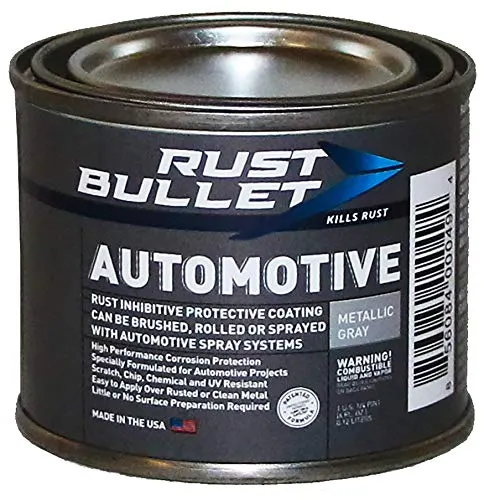
Any of the aforementioned kinds of undercoating are adequate for protecting ordinary autos. Asphalt-based undercoating offers a little bit more resilience against pebbles, chips, and moisture for large trucks and heavy equipment.
Undercoating made of asphalt frequently includes a small amount of rubberized material that helps it set up firmly and reduce noise. This form of undercoating, which is often available in five-gallon pails and has a longer cure period than the other three, is best used only for undercarriages because it cannot be painted.
4. Polyurethane underbody coating:
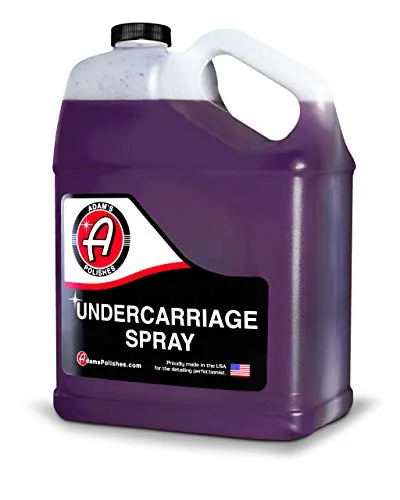
Utilizing a sealer with a polyurethane base is the alternate method for undercoating a car. It takes a little less time and effort to aapapplyis kind of car undercoating.
Polyurethane undercoating frequently comes in canisters that may be preloaded into application guns. This kind of seasealnctions by bonding with and shielding unoxidized metal by seeping into all seams and cracks placing moisture and salt and oxidizing around rusty regions. It can also be painted over and sansandedsily in case bodywork is required.
On the other hand, this kind of automotive undercoating typically needs a little more surface preparation before application; it is typically advised to sand and apply an etching primer to bare metals.
Pros & Cons of underbody Coating:
Advantages:
1. It offers a layer of corrosion prevention.
2. It will increase the lifespan of your car.
3. Damaged regions can be treated using it.
4. It might assist in lowering internal noise.
Disadvantages:
1. The average car lasts five years before corrosion becomes apparent.
2. It makes the car heavier.
3. An undercoating is not damage-proof.