Underbody Coating
Introduction:
In a car we human mostly see their appearance by their outer painted parts and mostly never consider below parts which is not exposed to our eyes. The unexposed underbody of a car is the place where most wear and tears occur which are caused by stones, muddy water and some obstacles on road. Since it is off sight most people don't consider to maintain it.
In Indian road conditions, a cars underbody is most prone to corrosion. Underbody coating provides long term protection from corrosion to car’s underbody. It also protects parts like internal body panels, frame rails and other inner cavities that are not physically accessible but are prone to corrosion.
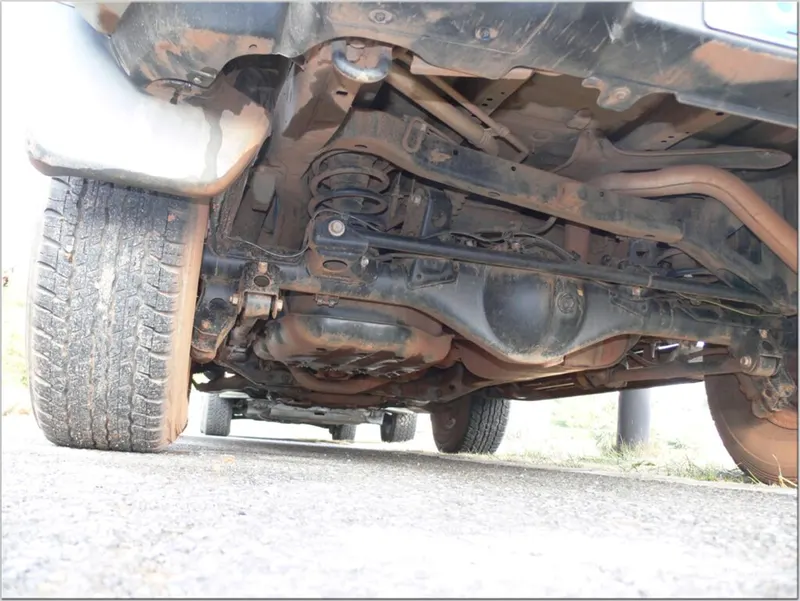
Just like how people require shelter and additional care, cars need them too. Just parking your car inside a garage will not solve the problem as the car is exposed to ever-changing weather conditions especially in a country like India. Cars need to be given additional care especially during monsoon seasons and South India’s monsoon season just being around the corner, the car’s underbody should be given extra care. A car’s underbody is exposed the most to muddy terrains, potholes, debris and stones, and wet and even flooded roads that lead to corrosion of the underbody. Since the underbody is hard for us to inspect by ourselves, it is important to have an underbody coating in order to ensure your car is protected during these times.
The main purpose of undercoating is to check rust especially in the body components like frame rails along with other exposed metal parts. Underbody coating can also reduce wear and tear.
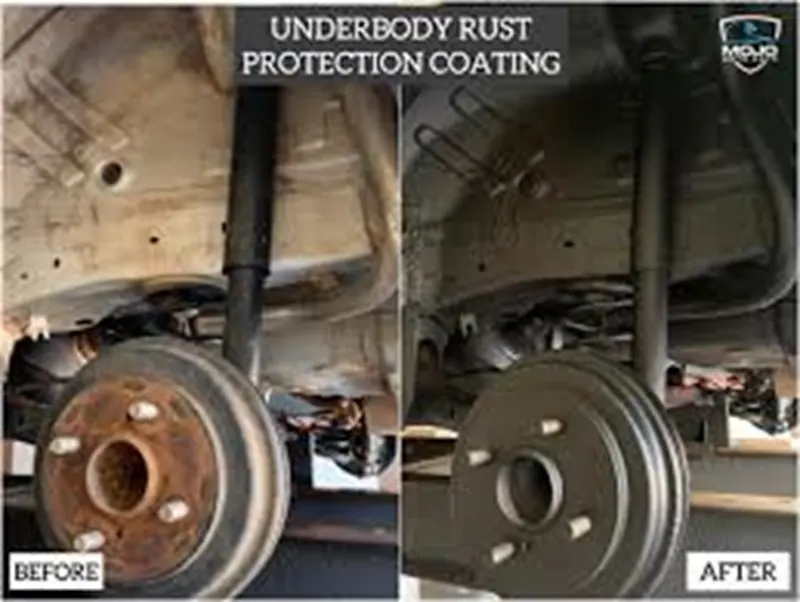
Purpose of underbody coating:
The main purpose of under body coating is listed below:
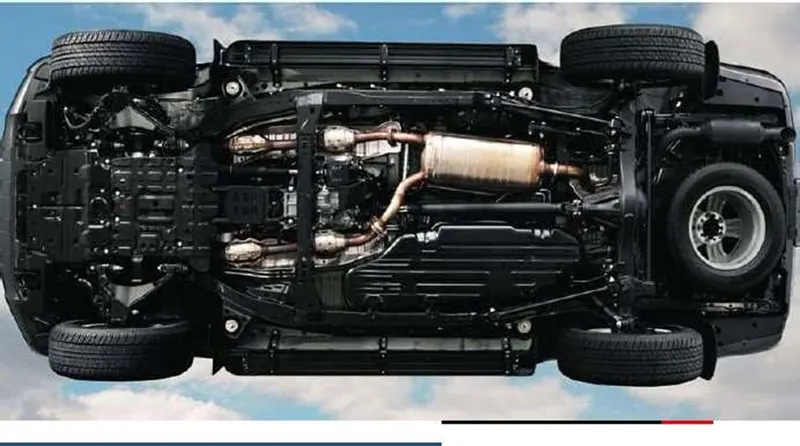
Protection against Rust and corrosion:
The main objective of under body coating is to protect bottom of the vehicle from rusting. The coating act like a barrier against rust formation.
Protection from stone chips:
While driving on a harsh road there are plenty of stones thrown away by tyres. These stones mostly hit the under body of a vehicle which damage the metal parts and leading to corrosion. A thick under body coating reduce the easy wear of the paint leading to less exposure of the metal.
Reduce noise:
The Underbody coating is thick so that noises created while stones hitting underbody metals are reduced. The underbody coating absorbs noise and vibration due to its plastic nature.
Holds the value of the Vehicle:
A well maintained car always have it value. A car with good underbody protection helps the car to keep in good condition and maintains it reselling values also.
Types of under body coating:
1. Wax or Paraffin-based Undercoating
It is the preferred undercarriage coating for cars often driven on highways and normal roads. Sometimes referred to as wax-based undercoating, it provides sufficient guard for cars in fairly moist regions.
2. Rubberized Undercoating
Ideal for cars driven in rough terrain, as its name suggests, this undercarriage coating involves applying a rubber agent to the underbelly to protect and cushion it against dents, dust, and moisture.
It can also be applied around wheel wells and quarter panels. Considered the best option for standard vehicles when it comes to the different types of undercoating.
3. Polyurethane Undercoating
Uses a polyurethane-based sealant that comes in canisters ready to be loaded into a spray gun and sprayed to guard the undercarriage of your vehicle.
The polyurethane used in this product is a high-quality and durable material that is perfect for any weather condition. It is ideal for standard vehicles.
4. Asphalt-Based Undercoating
Unlike the rubberized, wax/paraffin-based, and Polyutherane undercoatings, this type is made of asphalt and generally also contains some rubberized material that sets up firmly and helps soften noise from the engine.
It reportedly has the most damage-resistant properties. Although asphalt-based undercoating is ideal for trucks, military, and all-terrain vehicles, it will also help protect your car, truck, motorcycle, and heavy machinery from the elements.
It last long and is best for endurance vehicles that have to undergo heavy road use.When it comes to large trucks, heavy machinery, military, and all-terrain vehicles, asphalt-based undercoating provides added durability against rocks, chips, and moisture.
5. Water-based Undercoating
Water-based undercoating is a protective layer that helps your car stay protected from harsh weather conditions. It is made from an advanced polymer that is non-toxic and environmentally friendly.
The product can be applied to any surface, including metal, plastic, rubber, and glass. It will keep your car protected from rust, salt, and moisture. This undercoating provides a protective barrier that lasts for only a year-depending on where you drive your car.
6. Petroleum-Based Undercoating
Petroleum-based undercoating is a heavy, viscous oil-based liquid product that provides an effective barrier against moisture and corrosion.
The liquid dries and hardens to provide tough, durable, and long-lasting protection against moisture and corrosion. This product is typically applied to the undercarriage of automobiles, trucks, and other vehicles.
Pros of underbody coating:
- It extends the service life of the vehicle.
- provides a protective layer again chipping and corrosion
- It help in reducing noise created by objects hitting the underbody during travel.
- It acts like an insulator preventing heat to reach the passenger cabin.
Cons of underbody coating:
- It mostly works best for new car.
- It is less effective on a corroded under body vehicle.
- poor quality of underbody coating result in less service live.
- The under body coating does not give full protection against damage it only resist wear, tear and reducing rusting time.