Underbody Coating
Write a one-pager about Under-Body Coating and its purpose, its types in detail, and its pros and cons.
First we have to understand what is underbody coating.
Underbody Coating:
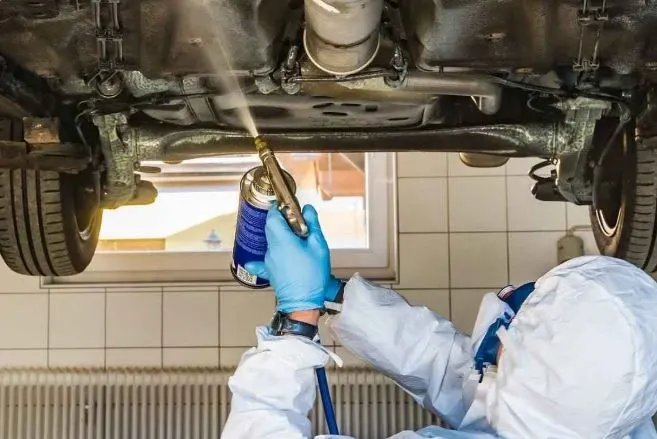
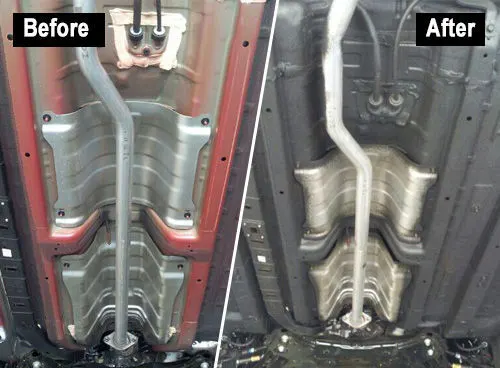
Underbody coating is a thick cladding (typically made of rubber) that is placed uniformly to the car’s underside. When the automobile is fresh off the lot and spotless, it is usually sprayed or painted on. But it’s acceptable if you apply the undercoating after a couple of years. This is because it might protect the undercarriage from additional harm.
Purpose Of Underbody Coating:
The main purpose of underbody coating is prevent corrosion and rust. This underbody coating makes your exceptionally car resistant and protects not only from dust and moisture but also from some other factors, such as poor road conditions, rocks being thrown from tires and denting the metal, and salt from water during the monsoon, all of which play a significant role in causing damage to a car's undercarriage.
Types of Underbody Coating:
There are various types of underbody coating is available. Those are mentioned bellow.
- Rubberized underbody coating: These coatings are simple to apply and offer protection against dust, moisture, and dents in addition to providing sound dampening properties. Even the wheel wells and quarter panels may be coated with the coatings safely, and once they have dried, they provide a finish that is similar to soft rubber and inhibits additional rust and moisture seepage.
- Underbody covering made of polyurethane: The application of this sort of undercoating can be completed in a shorter amount of time and with less difficulty. Undercoating of this kind often arrives in a canister that is all set to be preloaded into an application gun. Before applying this kind of undercoating, surface preparation is always necessary.
- Wax or paraffin-based underbody coating: Undercoating that is made of wax or paraffin will be the one that is both the quickest and the least expensive of those that are available on the market. However, the durability of these coatings is limited to a single year.
- Bitumen-based underbody coating: The undercoating described earlier sees the majority of its application on light commercial vehicles. In order to provide enough protection against rock chips and moisture, undercoating made of bitumen is typically applied to motor vehicles such as trucks, buses, and vans, among others. A little amount of rubberized material helps these bitumen-based under coatings build up firmly, and this substance also contributes to a reduction in the amount of noise they produce.
Advantades of underbody coating:
- Minimizes Sound: It minimizes the sound from underneath the car resulting a noiseless, smooth driving experience.
- Heat Insulation: It insulates the interior of the car from extreme temperatures from beneath the vehicle providing a comfortable cabin experience.
- Anti-chipping property: If any stone hits the coating it does not get chipped away hence protects the underbody from exposure to water.
- Reinforcement: If your car comes with stock underbody coating, using another coating on top of it, is not going to hurt. It will offer additional reinforcement, protecting the underbody from water, road debris, gravel and small pebbles. There would also be a lesser chance for the factory coat to flake away.
Disadvantages of Underbody Coating:
- A used vehicle may already have residue on the bottom of the car or even have spots of rust and corrosion. Undercoating will not help you if corrosion already exists and the corrosion needs to be removed first before it can be applied, which can be expensive for you.
- Oil-based Rustproofing must be reapplied every year for the best results.The only way for an undercoating to provide ongoing protection for your vehicle is to have the service repeated frequently.
Conclusion:
Good undercoating not only defends the underbody from corrosion but also protects the engine and transmission as well! Less rusting coupled with slower wear and tear can surely add years to the lifespan of your vehicle. There would be fewer dents, dings and scratches on the undercarriage for you to fret about.