Underbody Coating
Introduction
We can extend the life of our vehicle just by following a regular maintenance schedule, can keep several vehicle problems at bay.
Regular Maintenance generally deals with the cooling system, transmission system, drivetrain and other components. But the underbelly of the vehicle must be protected to avoid the vehicle from damage, rust and decay.
The underbody of every vehicle needs proper care and protection. Undercoating helps protect your vehicle against rust and corrosion. Poor roads, rocks getting thrown from the tires and denting the metal, damaging the underbelly metal. Corrosion from road salt ( especially in coastal regions) in the winter all play a huge part in the damage or decay of a vehicle's underbody. Used vehicles must have underbelly protection, while it's already been exposed to contaminants and rust, applying undercoating will prevent further damage to the vehicle.
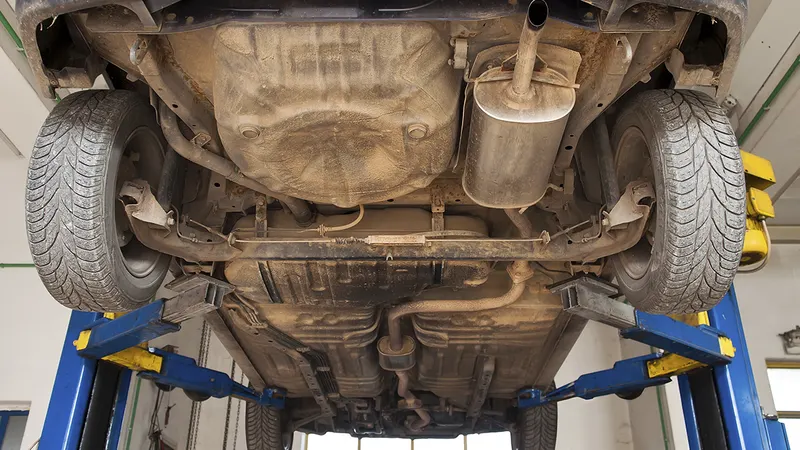
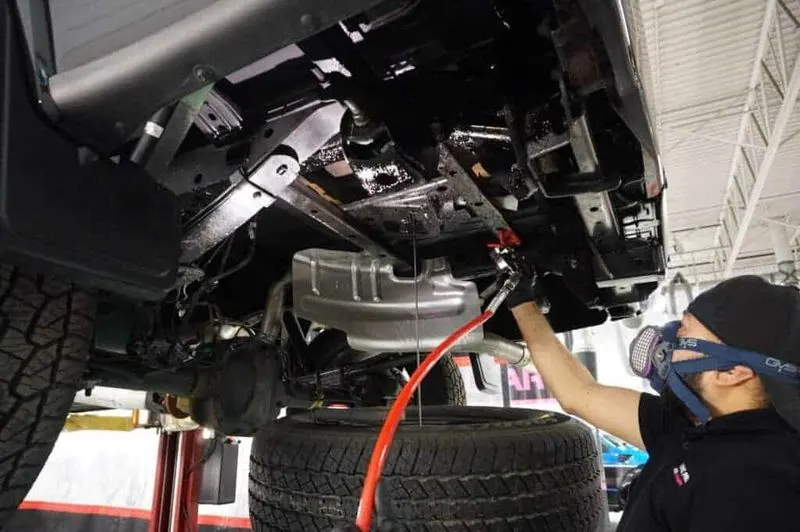
In areas of extreme climate changes, the lives of vehicles can be extended with proper undercoating. However, it is recommended that all vehicles be undercoated regardless of where you live. There are several types of undercoating available, ranging from do-it-yourself aerosols to professional applications.
Undercoating is used for protection outside of the vehicle, and there are a variety of coatings available in the market. But coating must be chosen according to our climatic and road conditions.
Purpose of Underbody coating for a vehicle
1. Protects against the rust and corrosion and works best on new vehicles but, it is not much use if it already corroded (or) rusted.
2. Underbody coating prevents the paint chipping caused by sharp gravel (or) any other particles with high momentum during the moment of the vehicle.
3. Coating Protects the vital components which are underneath a vehicle.
4. Most importantly it extends the life of the vehicle and keeps its value.
Types of Underbody Coating
Paraffin (or) Wax-Based Undercoats
Paraffin-based undercoatings have wax inclusions that make them stronger. This type of coating is also thin & relatively fast drying. They can be purchased through an automotive store in spray and paint formats. They can be professionally applied through an automotive service. Paraffin-based undercoating needs to be replaced at least once a year.
Petroleum-Based Undercoats
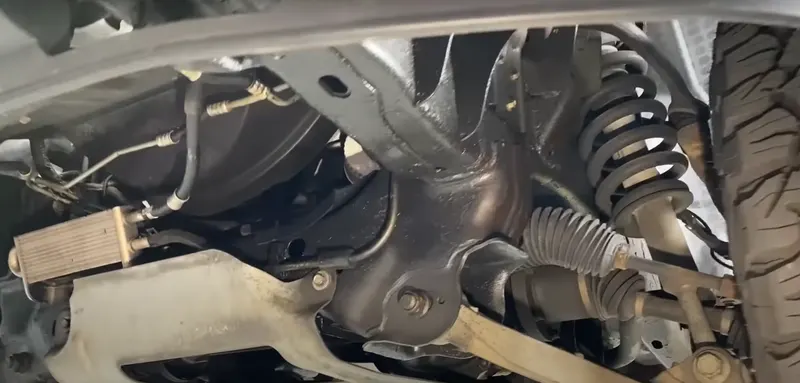
Petroleum-Based Undercoatings are made from oil & have greater deflective abilities for road salts & dirt (or) grime.
Petroleum base helps to repel water & ice which is better than paraffin-based coatings. This coating is suitable for those who stay around cool & coastal regions. This type of undercoatings are available through professional services and needs to be replaced once in a year.
Rubber-Based Undercoats
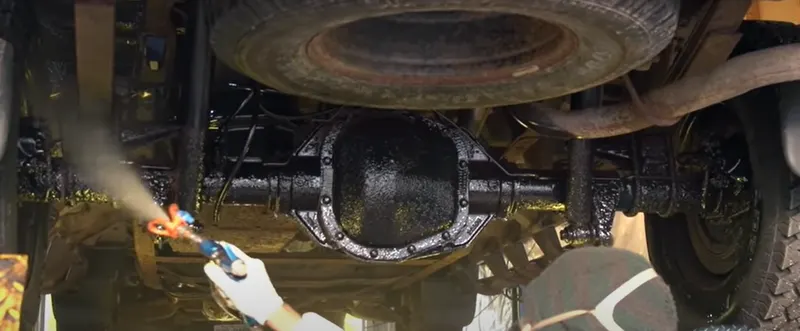
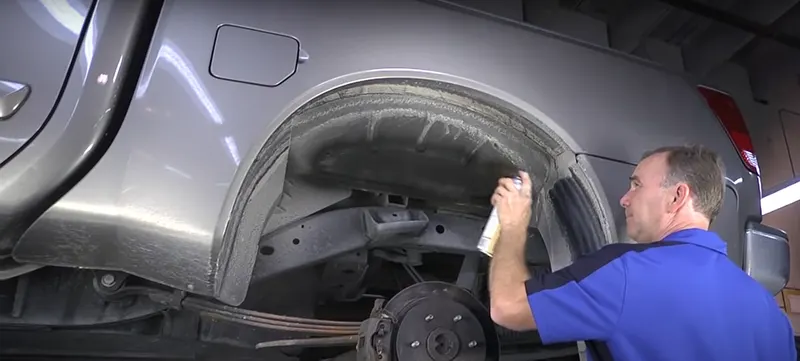
Rubber-based undercoating is one of the strongest & thickest undercoating available for vehicles. This type of undercoating allows for more flexibility in the underbody and holds up better even in rough terrains. They are available in spray and paint-on applications.
It is advisable to let a professional apply rubber-based undercoating to ensure maximum coverage.
Asphalt-Based Undercoats
Asphalt-Based Undercoating is the strongest undercoating available. It is used on all-terrain, military vehicles & off-road vehicles. The asphalt-based coating will last longest & it is the best option available for vehicles that bear heavy road use. Asphalt Coating is the thickest coating with the most damage resistive properties.
Advantages of Underbody Coatings
1. Underbody coating will protect the vehicle against corrosion which results in a life of the vehicle.
2. Underbody coating can be applied to damaged areas which reduce the visible nicks, chips, and scratches.
3. There are various types of underbody coatings available in the market which are used according to our requirement.
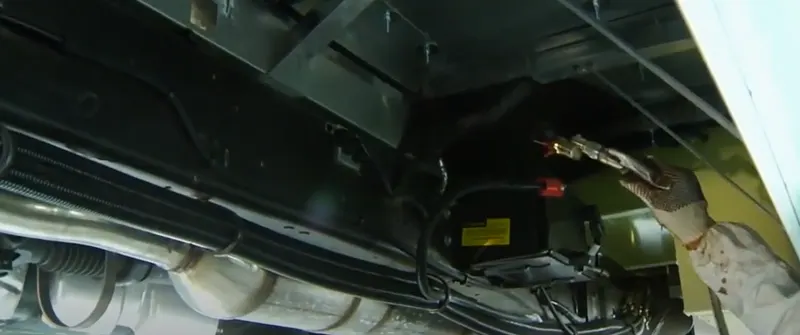
4. Underbody Coatings can be self-applied with some basic car maintenance skills.
5. Applying a layer of undercoating creates a barrier against the sound, which creates an interior that is quieter results in noise reduction.
Disadvantages of Underbody Coatings
1. The biggest drawback of the underbody coating is the cost, its very expensive at the professional service centres.
2. Underbody coating adds weight to the vehicle which will have an impact on the fuel efficiency of the car.
3. Underbody coating must be reapplied for every 2 to 3 Years for better results.
4. In most of the cases underbody coating for a new vehicle is generally provided by the manufacturer but a third-party undercoating service may void the vehicle warranty.