Underbody Coating
UNDERBODY COATING
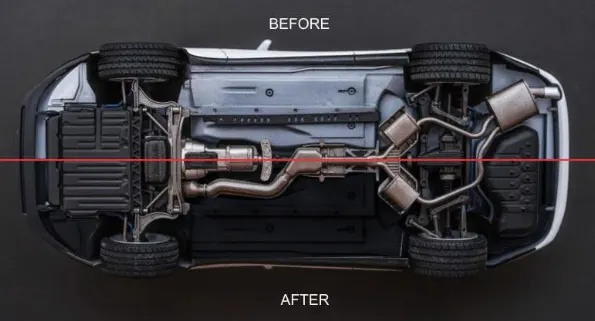
A spray-on coating called underbody coating prevents corrosion on the vehicle's underneath. The underbody of an automobile is long-term protected against corrosion by underbody coating. It also safeguards inaccessible yet vulnerable to corrosion sections including interior body panels, frame rails, and other inner cavities. The car's undercarriage ought to be our main focus for protection. Particularly during the monsoon, when the roads turn into miniature rivers due to the heavy precipitation, leaving our cars stranded. They are therefore more vulnerable to severe corrosion in the underbody area.
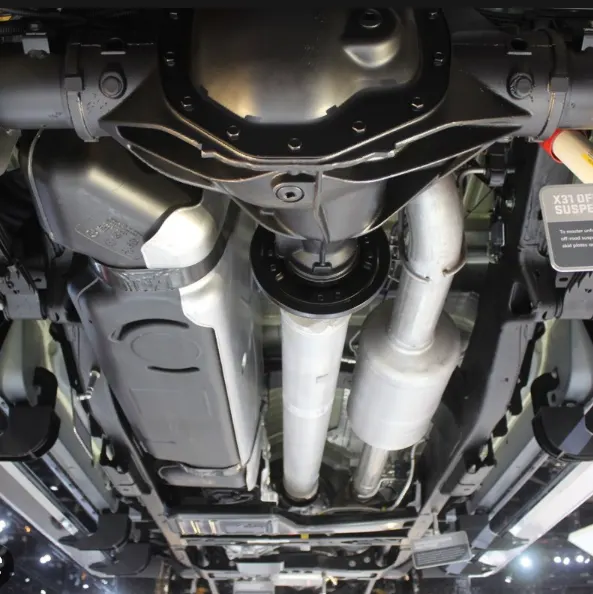
Protecting the car's undercarriage should be your top priority out of all the preparations you need to make for the monsoon. Particularly during the monsoon, when the roads turn into little rivers due to the excessive precipitation, leaving our automobiles trapped. They are therefore more vulnerable to severe corrosion in the underbody area.
The benefits of underbody coating are
- Defends Against Corrosion & Rust
Preventing corrosion damage to exposed metal parts on the underneath of the automobile is the main goal of getting underbody coating done. By simply spraying the whole underneath of your automobile with a rubberized anti-rust coating, you may prevent corrosion's negative consequences. - NVH (Noise Vibrations Harshness) Levels are decreased
Our nation is full of roads with uneven surfaces and potholes, and as we drive through these areas, unpaved debris and stones hit the automobile from below or become lodged in the wheel wells. Due to the underbody coating's exceptionally thick consistency, all distracting noises and vibrations are absorbed, slightly enhancing the driving experience. - Prevents paint from chipping
You may frequently experience sharp gravel or any other unmanaged material hitting the belly of your automobile with high speed while running on the highway or while pacing through a city street. From below, this scratches and chips the metal. A thick coat of Underbody Coating undoubtedly helps and lessens the harm that such contacts do to the body. - Protects Essential Elements
Many essential automotive components, such as the engine and silencer, are accessible below vehicles. One must use a somewhat less expensive Anti-Rust Coating in order to prevent certain parts from rusting, since one simply cannot afford to let them rust and incur a costly repair charge.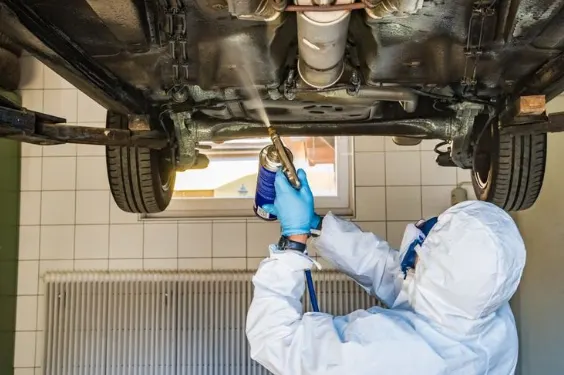
The types of underbody coating are
- Rubberised coating: This is generally regarded as your car's best underbody coating. It keeps the underbody in good condition and guards against scratches. It's not difficult to apply this to the undercarriage either.
- Wax Based coating: This undercoating is essentially transitory and will disappear in a few months. Wax-based undercoating, on the other hand, fights moisture well. It is also the most cost-effective choice available.
- Asphalt Based coating: well suited for heavy cars, trucks, and lorries Comparatively speaking, this offers more protection than rubber-based coatings. However, asphalt-based coatings include a little amount of rubber in them to act as a sound insulator. However, the application of this coating takes some time.
- Polyurethane coating: Splits and fractures in the vehicle's underbody are sealed by this covering. It binds to the metal and provides effective corrosion prevention. You can paint over the polyurethane coating, unlike with an asphalt-based coating.